

— Blogs —
—Products—
 Consumer hotline +8618073152920
WhatsApp:+8615367865107
Address:Room 102, District D, Houhu Industrial Park, Yuelu District, Changsha City, Hunan Province, China
Product knowledge
Time:2023-07-07 21:32:55 Popularity:2058
Quick Answer: Small weather stations for off-season vegetables should distinguish the outdoor reference, the crop-zone climate and the root-zone observations. Select only the measurements that support the site's ventilation, irrigation or crop-management decisions. A compact package can be useful, but one convenient location rarely represents several greenhouses and different irrigation zones.
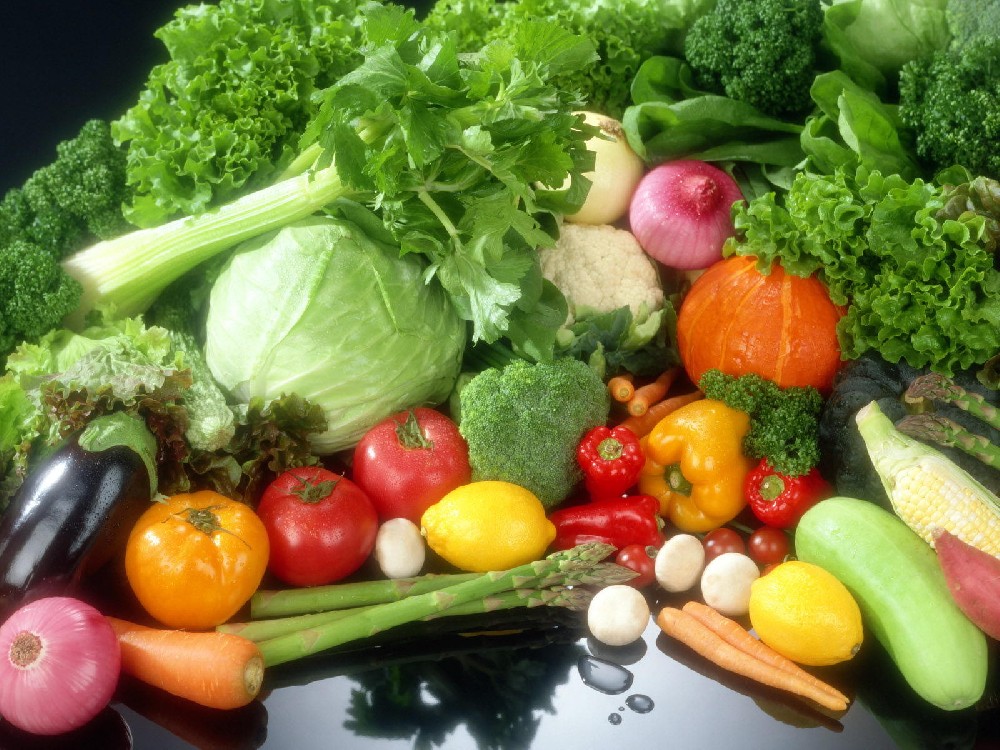
Inside a greenhouse, temperature, humidity, carbon dioxide and light may support ventilation, heating and crop-management rules. Outside, rainfall, wind and solar radiation provide weather context. Soil moisture and temperature should represent the root zone and irrigation block. A single fixed package is rarely suitable for every production system.
| Decision | Useful measurements | Important limitation |
|---|---|---|
| Ventilation | Air temperature and humidity | Sensor placement must avoid heaters, doors and direct spray. |
| Irrigation | Soil moisture, rainfall and crop stage | One probe may not represent every bed or zone. |
| Frost response | Representative air temperature and forecast context | An alarm still needs a response plan. |
| Disease-risk review | Humidity, leaf wetness and temperature | A validated crop model and field scouting are required. |
An off-season vegetable site may contain several environments even when the total growing area is small. A heated tunnel, an unheated tunnel and an outdoor reference point should not automatically share one air-temperature reading. Irrigation blocks with different soil, drainage or crop stages also need separate consideration. The practical first step is to mark the management zones on a site plan and identify which decision will be made from each measurement. This prevents a low-cost but unrepresentative station from producing precise-looking data that cannot support operations.
For a greenhouse, the specification should state whether the project needs crop-zone temperature, roof-level ventilation control, outside-weather reference or all three. Carbon-dioxide measurement should only be included when ventilation or enrichment management requires it. In an open field, a standard radiation shield, an unobstructed rain gauge and properly exposed wind sensors usually matter more than adding parameters that will not be used.
For off-season production, compare simultaneous indoor and outdoor conditions when that relationship matters. A warm greenhouse reading taken after heating starts and an outdoor value from earlier in the morning do not form a matched comparison. Keep observation times and the relevant heating, ventilation or irrigation events identifiable.
Weather monitoring does not guarantee a fixed yield increase. The instruments provide observations for a defined management method. Crop response also depends on the structure, cultivar, growing medium and operating decisions, which the station does not replace.
NiuBoL offers separate atmospheric and soil instruments that can be included in an acquisition plan. The examples below apply only to the named options. They do not establish a common whole-station accuracy, power demand or environmental limit.
| Instrument | Measurement characteristics | Supply and exposure |
|---|---|---|
| NBL-W-LBTH atmospheric option | Temperature -40 to +80 degrees C, +/-0.5 degrees C; humidity 0-100% RH, +/-5% RH; pressure 10-1200 hPa, +/-1.5 hPa | 12-24 V DC; RS485 or ordered 4-20 mA version. Choose shielding and position for the intended air observation. |
| NBL-S-THR soil option | Moisture 0-100%, stated +/-3%; temperature -50 to +100 degrees C, +/-0.5 degrees C | 12-24 V DC; approximately 0.3 W; RS485 or ordered analog output; IP68 probe. |
| Soil option operating conditions | -40 to +80 degrees C | Keep measurement range distinct from operating limits. Specify cable jacket, length and field-joint protection. |
| Additional observations | CO2, appropriate light quantity or leaf wetness only where the management method requires them | Confirm the actual selected model, performance, consumption and maintenance requirements. |
For soil moisture, representative contact and depth matter as much as the electrical input. Place observations in the relevant root-zone area and record their relation to emitters. A wet point beside a dripper does not necessarily describe the full bed, and a lower-layer response does not by itself quantify drainage volume.
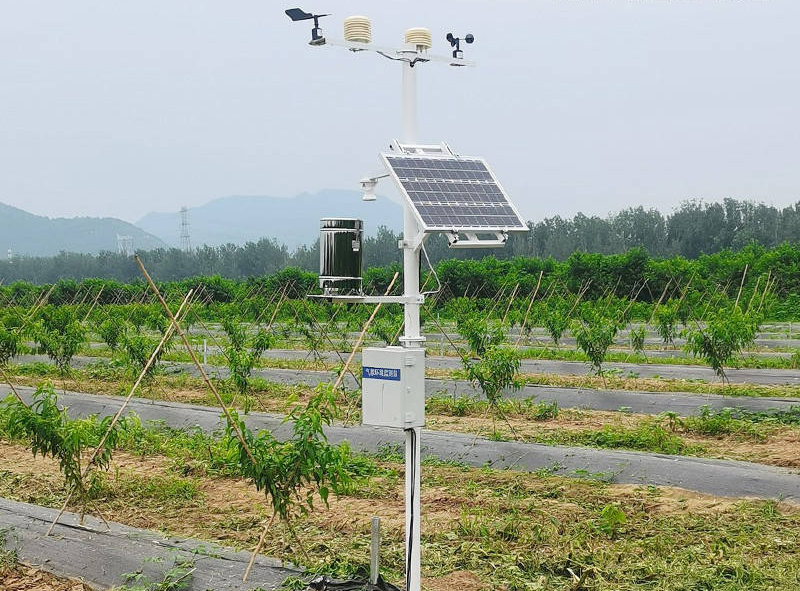
Sampling and reporting intervals are different settings. A logger may sample frequently, calculate a short average and send a less frequent report to reduce communication and power demand. The tender should state how maximum, minimum, average and accumulated rainfall values are calculated. It should also define how the platform marks invalid, stale or missing readings. These rules are important when alarms or irrigation recommendations depend on the data.
Alarm thresholds should include persistence time and hysteresis so that brief fluctuations do not create repeated notifications. For frost monitoring, the project team must also define the responsible person, communication method and available response equipment. For irrigation, sensor thresholds need field confirmation against crop condition and soil characteristics; a generic percentage should not be copied across sites.
A temperature channel can support a defined frost-response procedure, but the observed air point may not equal leaf temperature or the coldest location in the structure. Inspect local variation and combine relevant observations with appropriate forecast context. An alarm provides information, not proof that a protective action will work.
Humidity, leaf wetness and temperature can support a crop-specific disease-risk method. They do not identify a pathogen by themselves. Use a suitable validated method and field scouting, and keep the wetness sensor's exposure repeatable if that channel is included.
A typical field path is sensor → RS485 or analog input → data logger or RTU → Ethernet, cellular or Wi-Fi gateway → platform or private server. RS485 Modbus RTU is the local field interface; it does not provide internet access by itself. Confirm the ordered sensor output and the logger input before wiring. Where several Modbus devices share a bus, use unique addresses, common communication settings and a planned daisy-chain cable route.
The logger should keep a local timestamped record during a network outage. Specify how much data it stores, what happens when storage is full and whether missing transmissions are sent after the connection returns. The project also needs a time-zone rule. Daylight-saving changes, an incorrect logger clock or mixed UTC and local time can make weather and irrigation records difficult to compare.
For solar-powered outdoor nodes, the energy calculation includes sensors, logger, modem, heater loads and the transmission schedule. Greenhouse shade cloth, frame members and crop growth can reduce solar input. The panel, battery and controller should be sized from measured or specified loads and the required period without effective charging, not from panel wattage alone.
| Configuration | Suitable purpose | Main risk |
|---|---|---|
| One indoor node | Uniform small greenhouse and basic trend monitoring | Local heating, doors or misting may dominate the reading |
| Indoor nodes plus outdoor reference | Ventilation, frost and indoor-versus-outdoor comparison | Outdoor exposure and lightning protection need separate design |
| Weather node plus zoned soil probes | Irrigation blocks with different soils or crop stages | Poor probe contact or unrepresentative placement |
Ventilation and irrigation require compatible controls and actuators where automatic action is intended. Confirm position or hydraulic feedback as appropriate, permitted operating limits and manual intervention. A weather station supplying a valid value does not establish that a vent opened or water reached the intended crop zone.
Keep control responsibility clear when retrofitting an existing greenhouse. The project may only need additional sensing and acquisition rather than replacement of the working controller. Provide the existing input and communication details so compatible additions can be assessed.
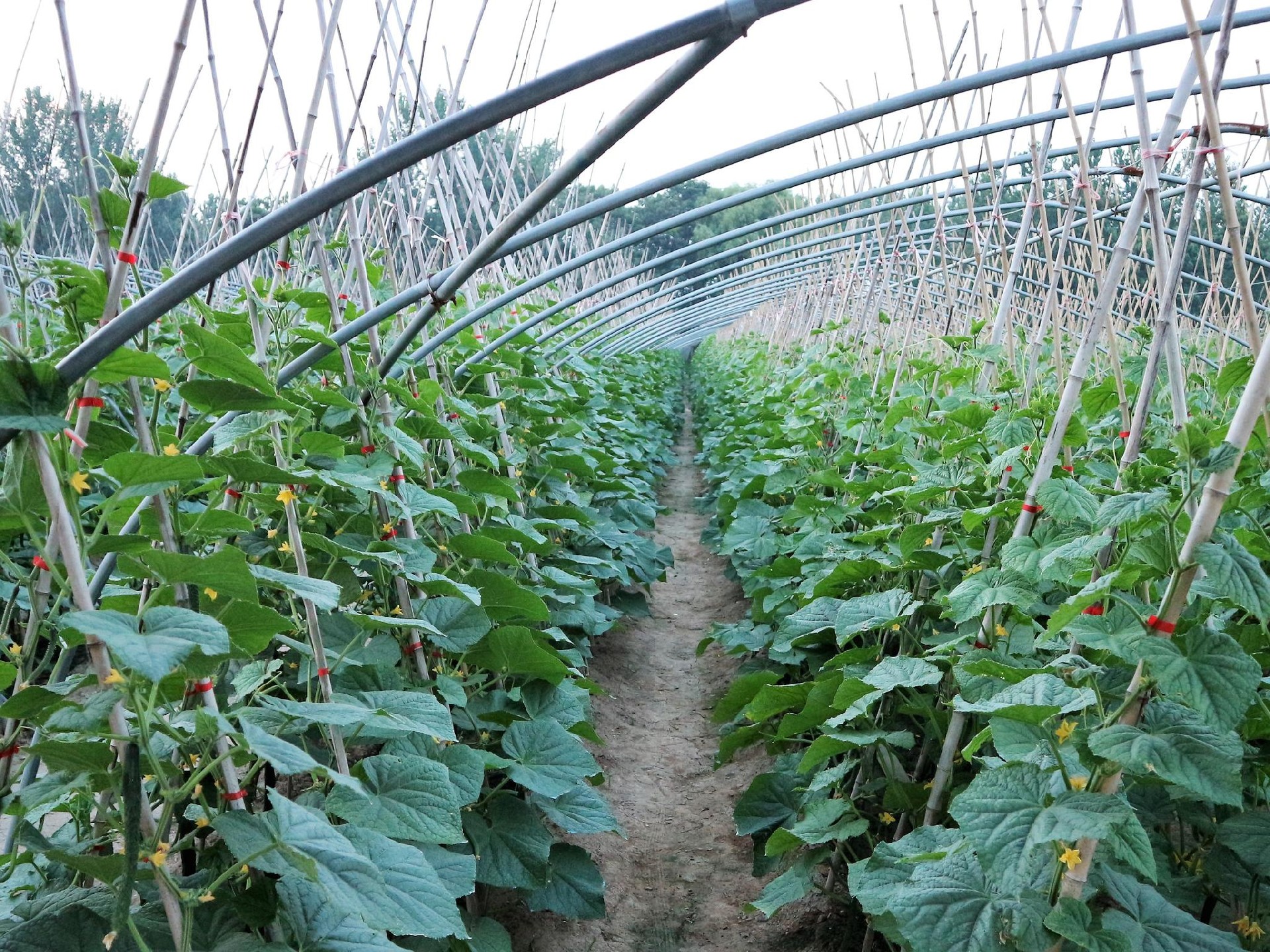
Inspect the station before each production cycle and after construction, storms or major irrigation work. Check shields for dust and insect nests, remove debris from rain collectors, confirm mast and enclosure seals, inspect cable entry points and review battery condition. Compare neighbouring or redundant measurements when available. A plausible number is not necessarily a valid number; a gradual offset can remain unnoticed without trend review.
At the end of the season, archive configuration files, sensor locations, maintenance notes and exported data together. This record allows the next crop cycle to use comparable thresholds and makes it easier to identify whether a change came from weather, crop management, sensor relocation or calibration.
Document sensor height, bed or field zone, shielding and soil depth. Test units, timestamps, alarms, offline storage and data export. Maintenance must cover radiation shields, rain collectors, soil-probe surroundings, cables and enclosure seals.
Use an agreed point list to compare the installed identity, location, depth or height, unit and receiving value. Check the source of each channel rather than accepting a plausible collection of numbers. If a parameter is not fitted, do not leave a dashboard placeholder that looks like a valid observation.
Test communications and data recovery separately from measurement response. A network interruption can leave local observations intact if the implemented storage supports it; a field-sensor failure can occur while the network remains available. Ensure missing or stale readings remain distinguishable in both live and exported records.
Three mistakes repeatedly reduce the value of a small weather station. The first is placing every sensor at one convenient enclosure even when the measurements represent different environments. The second is ordering a remote dashboard without defining local data retention and outage recovery. The third is using one soil threshold across different beds, soils and crop stages. These are system-design issues; a higher sensor accuracy does not correct them.
Another mistake is leaving installation accessories outside the quotation. A complete scope may need radiation shields, brackets, mast or wall mounts, junction boxes, cable protection, surge devices, solar hardware and commissioning. List these items explicitly so quotations can be compared on the same basis. Where the greenhouse controller already exists, provide its available inputs and protocol details rather than assuming every RS485 device will connect without mapping work.
After installation, nominate a person who reviews alarms and another who maintains the field equipment. A station with no response procedure or cleaning schedule gradually becomes a display rather than an operating tool. The simplest useful station is the one whose readings are representative, traceable and acted on consistently.
Send NiuBoL the structure types, crop zones, required observations, intended decisions and existing controller or platform. Include expected moisture and spray exposure, power, cable distances, network availability and service access. Identify indoor points separately from the outdoor reference and the soil points.
Compare sensor-only additions with complete station packages only after accounting for the logger, enclosure, mounting and any communication. The smallest useful system is one that represents the intended zones and provides observations the operator can interpret, not simply the package with the fewest instrument bodies.
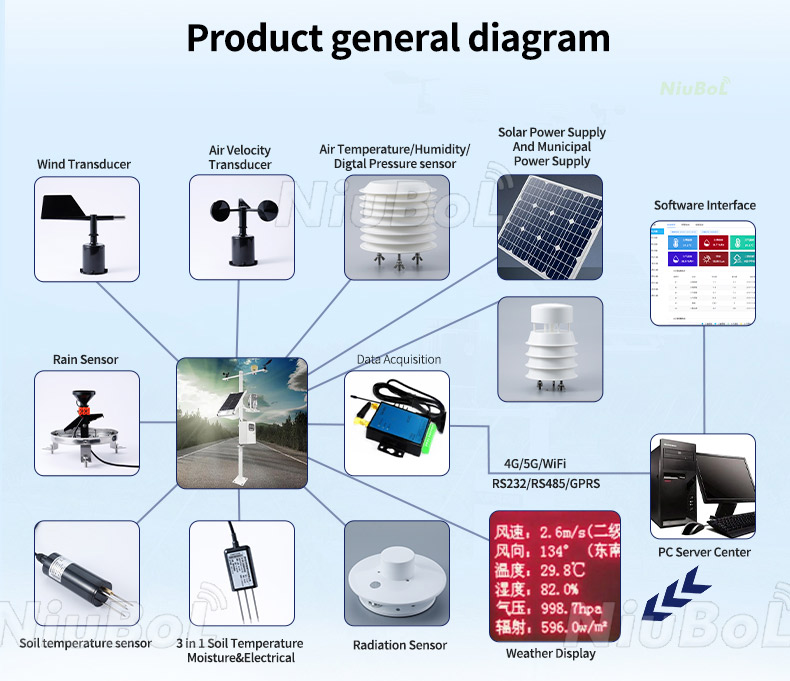
It can provide a shared outdoor reference where representative, but indoor climate and root-zone conditions can differ between structures. Add separate indoor or soil points when those differences affect management.
Not automatically. Indoor positions should represent the managed crop environment, while the outdoor reference follows its intended observation method. Record both exposures rather than assuming equal height makes them equivalent.
Only through an implemented compatible control arrangement with the required actuators, feedback, limits and manual operation. Sensor acquisition alone does not provide those functions.
Base the layout on soil or substrate, crop, irrigation zones and observed variability. Area alone does not establish a defensible point count.
No. Environmental measurements can support a suitable disease-risk method, but diagnosis and management still require the relevant crop and field assessment.
Inspect instrument position, shields, soil contact, cable, enclosure and power, then verify units, timing and alarm behavior. Record any relocation or configuration change so comparisons with the previous season remain interpretable.
Use the same indoor, outdoor and soil point list, required data functions, mounting, power and receiving interface. Identify installation and commissioning separately from instrument supply.
A small station supports off-season vegetable management when each observation represents the correct environment and reaches a usable data record. Preserve the distinction between outdoor weather, crop-zone climate and root-zone conditions, then verify the points and operating procedure before relying on alarms or automation.
Prev:Weather stations provide critical weather data for apple growers
Next:handheld weather station is a portable device for measuring and monitoring weather parameters
Related recommendations
Sensors & Weather Stations Catalog
 Agriculture Sensors and Weather Stations Catalog-NiuBoL.pdf
Weather Stations Catalog-NiuBoL.pdf
Agriculture Sensors Catalog-NiuBoL.pdf
Water Quality Sensor Catalog-NiuBoL.pdf
Related products
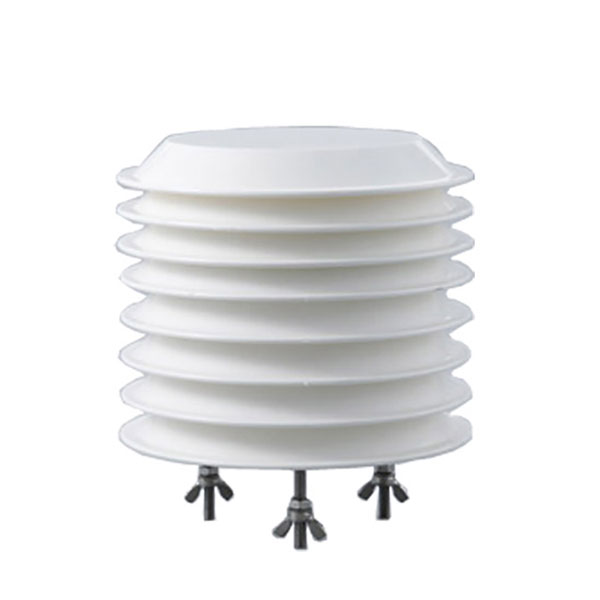 Combined air temperature and relative humidity sensor
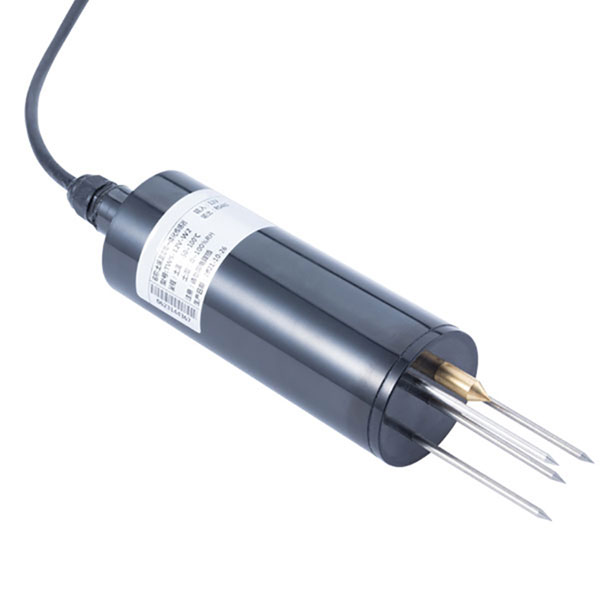 TDR Soil Moisture & Temperature Sensor for irrigation| RS485 |4-20mA| NBL-S-THR
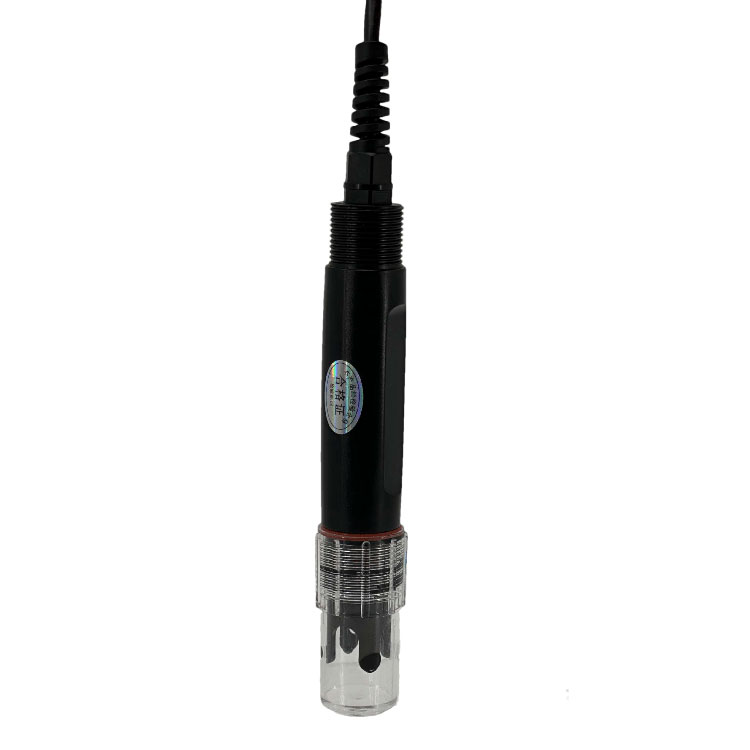 Soil pH sensor RS485 soil Testing instrument soil ph meter for agriculture |NBL-S-PH
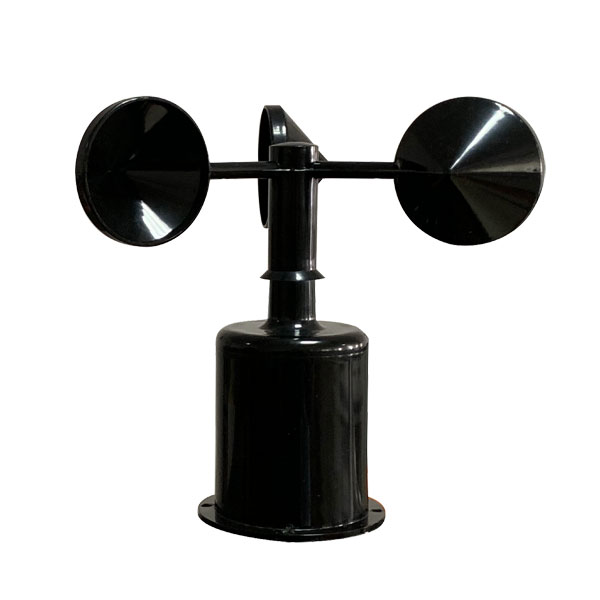 Wind Speed sensor Output Modbus/RS485/Analog/0-5V/4-20mA
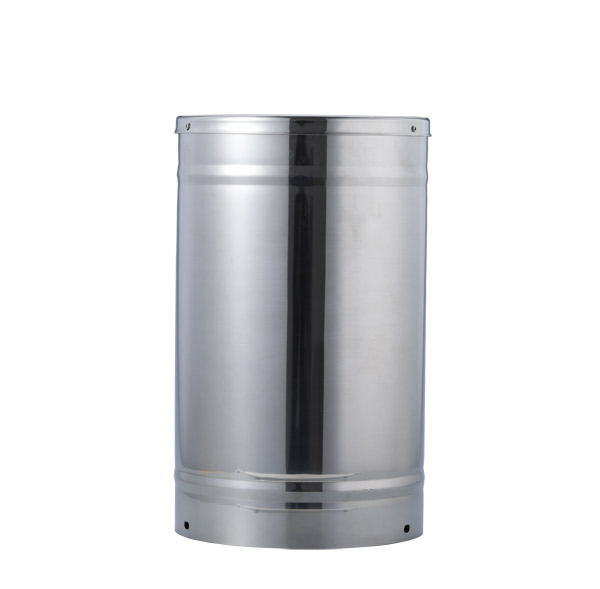 Tipping bucket rain gauge for weather monitoring auto rainfall sensor RS485/Outdoor/stainless steel
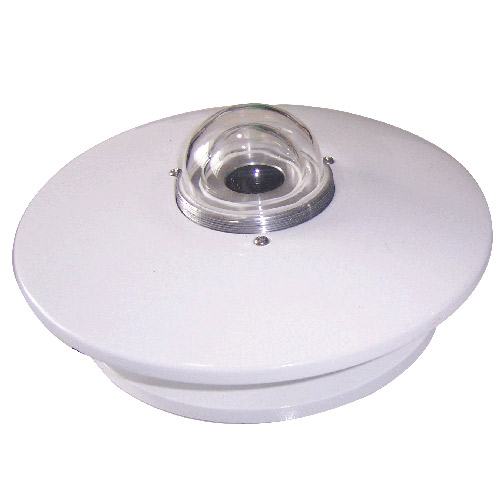 Pyranometer Solar Radiation Sensor 4-20mA/RS485


Screenshot, WhatsApp to identify the QR code
WhatsApp number:+8615367865107
(Click on WhatsApp to copy and add friends)