





— Blogs —
—Products—
 Consumer hotline +8618073152920
 WhatsApp:+8615367865107
Address:Room 102, District D, Houhu Industrial Park, Yuelu District, Changsha City, Hunan Province, China
Product knowledge
Time:2026-06-30 11:16:28 Popularity:216
Agricultural IoT is useful only when it changes farm decisions. Sensors, networks and platforms should help operators understand field conditions, crop status, equipment operation and product traceability. A project that only displays numbers on a screen is incomplete. A useful project connects data to irrigation, ventilation, fertilization, disease prevention, quality management or sales trust.
Agricultural IoT is commonly applied in production monitoring, quality supervision and agriculture-related e-commerce. For a project team, those uses should be converted into practical sensor, platform and management requirements.
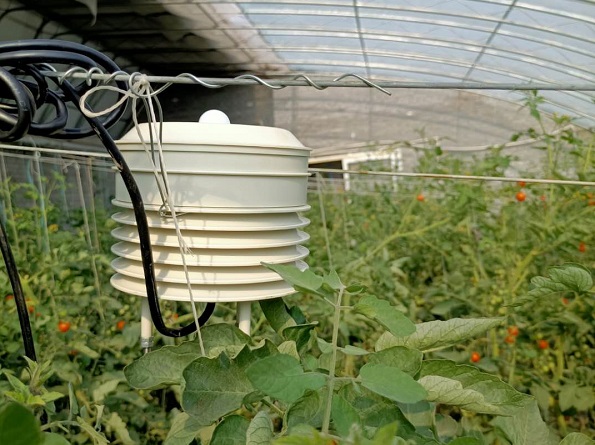
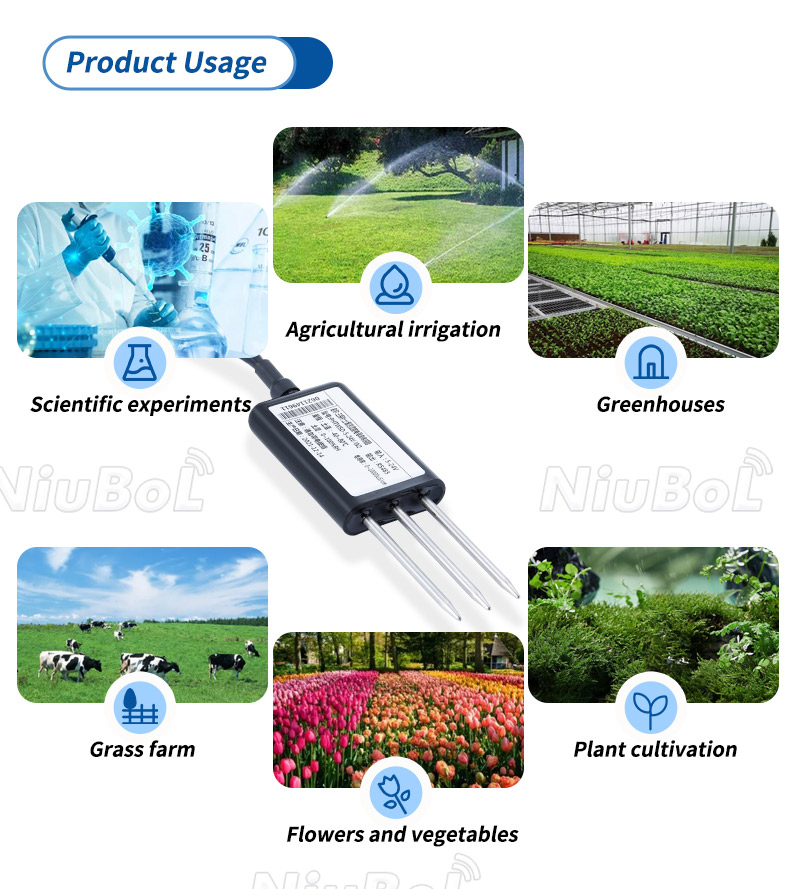
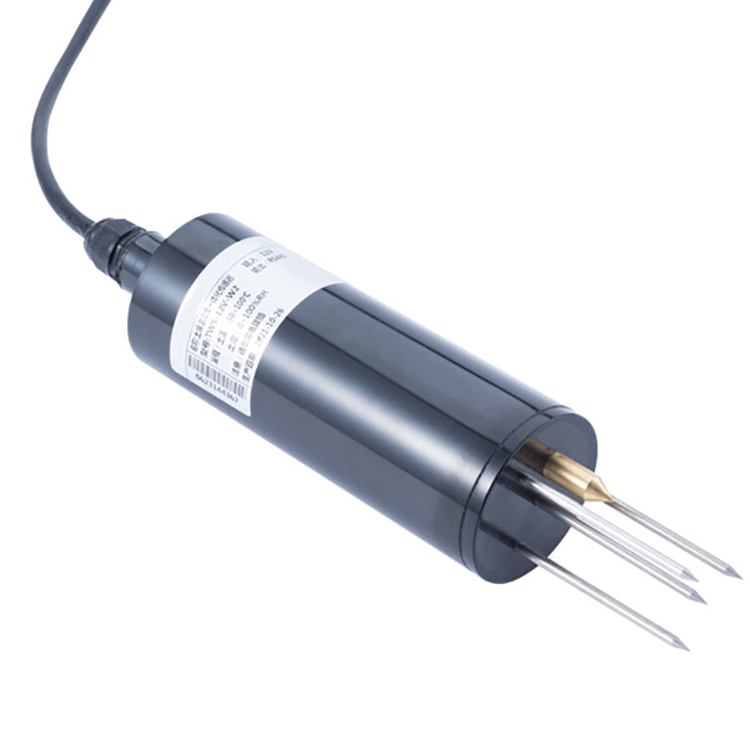
In production, IoT sensors monitor crop environment in real time. Greenhouse projects may collect air temperature, humidity, light, soil moisture, soil temperature, CO2 and nutrient-related variables. Open-field projects may add weather stations, soil sensors, irrigation meters, rainfall records and pest or disease warning equipment. The data helps identify whether crop stress comes from weather, water, soil, ventilation or equipment failure.
For system integrators, the first layer should be stable and simple: sensors, power, communication and platform records. Advanced analytics are not useful if basic data is missing or poorly named.
| System Layer | Typical Components | Buyer Check |
|---|---|---|
| Field sensing | Weather sensors, soil sensors, greenhouse sensors, water quality sensors | Confirm measurement range, accuracy, protection grade and installation method |
| Communication | RS485 Modbus, gateway, 4G/5G, Ethernet or Wi-Fi | Confirm protocol compatibility and network condition |
| Power | Mains, solar, battery or hybrid | Confirm uptime, maintenance interval and cabinet protection |
| Platform | Real-time values, history, alarms, maps and exports | Confirm user permissions and data ownership |
| Control | Relay, PLC or irrigation controller interface | Confirm safety logic and manual override |
| Traceability | Production records, environment data and batch information | Confirm what data is linked to the crop batch |
Crop quality is closely related to the growing environment. IoT traceability systems help record environmental data and production process information, which can support quality supervision and reduce disputes. For example, a greenhouse batch can be linked to temperature, humidity, irrigation and fertilizer records. A field crop batch can be linked to weather and soil data.
Traceability should not be treated as a label-only system. If the platform only creates a QR code without reliable production records, it does not provide strong value. The useful traceability model connects sensor data, operation logs, batch records and inspection information.
Agricultural e-commerce can benefit from IoT because buyers can see more than product photos. Production process, environmental conditions and growth records can be shown as part of brand trust. This is especially relevant for high-value crops, greenhouse vegetables, specialty fruits, tea, flowers and demonstration farms.
However, the data must be understandable. A customer does not need raw Modbus registers. A procurement or farm management team needs the raw data, but external presentation should show verified records, production milestones and quality-related indicators.
Field environment challenge: Greenhouse operators need continuous data and alarms for temperature, humidity, light and soil status.
System integration scheme: Use RS485 sensors, a greenhouse host, cloud platform and optional relay linkage.
User value: The farm can manage climate and irrigation with records instead of only manual observation.
Field environment challenge: Fields vary by soil texture, rainfall and crop water demand.
System integration scheme: Install weather station and soil moisture sensors, connect them to a solar-powered gateway.
User value: Managers can plan irrigation using field data and historical curves.
Field environment challenge: High-value products need transparent production records.
System integration scheme: Link sensor data, operation logs, batch IDs and platform reports.
User value: The farm can provide evidence for quality management and customer communication.
Field environment challenge: The site must show technology value to visitors and managers.
System integration scheme: Use large-screen visualization, map display, real-time status and video monitoring.
User value: The park becomes easier to operate, explain and maintain.
Start by listing decisions: irrigation timing, ventilation, fertilizer adjustment, disease warning, quality traceability or equipment maintenance. Then select parameters, sensor locations and platform functions. After that, define power and communication. Finally, write acceptance tests that prove the system works: sensor values, alarms, exports, maps, device status and control actions.
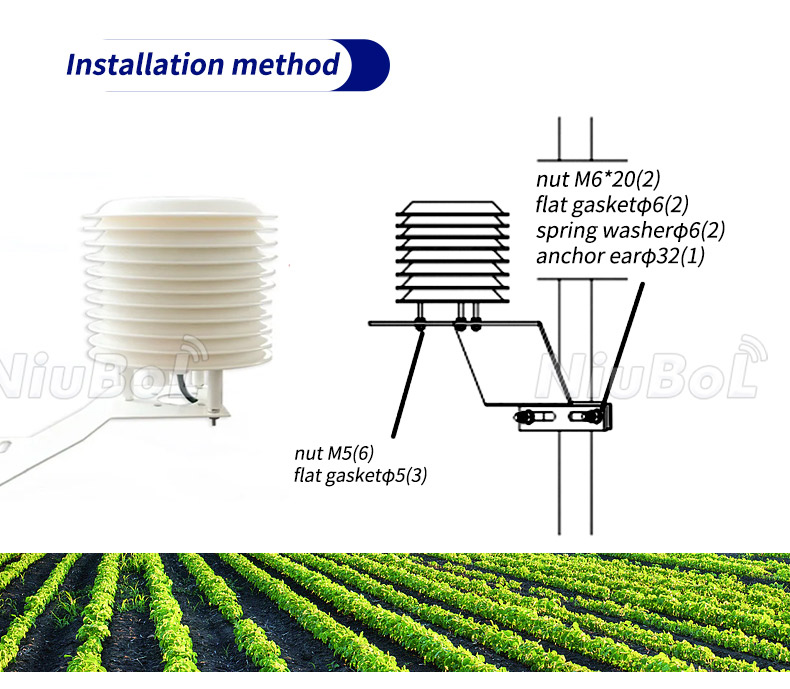
Buyers should avoid purchasing isolated sensors without integration documents. Ask for wiring diagrams, protocol information, register maps, platform screenshots, account rules and maintenance guidance.
A practical agricultural IoT architecture has four layers. The sensing layer measures weather, soil, greenhouse, water or equipment variables. The acquisition layer collects RS485 Modbus or wireless data and adds timestamps. The communication layer sends data through 4G, 5G, Ethernet or other networks. The application layer provides dashboards, alarms, maps, exports, traceability records and control links.
This structure helps buyers compare proposals. If a supplier only offers sensors, the buyer must still solve data acquisition and platform use. If a supplier offers a platform but no protocol documentation, third-party integration may be difficult. A complete proposal explains every layer and who is responsible for installation and maintenance.
After handover, the owner should review data weekly at first. Look for offline devices, impossible values, missing curves, alarm frequency and whether operators respond to alarms. Agricultural IoT creates value only when the data changes daily work. A review habit turns the system from a display project into a management tool.
Before purchasing, write a short requirement document: crop, site size, monitored variables, number of zones, power condition, communication condition, expected alarms, platform users and whether control is required. This document helps suppliers quote a complete system and prevents missing accessories such as mounting brackets, solar panels, SIM cards, cabinets or cable protection.
The acceptance checklist should include live data, historical curves, alarm test, offline status, data export, device naming, installation photos and user training. Without acceptance criteria, a project may be considered complete after devices are online even though operators cannot use the data effectively.
Agricultural IoT buyers should confirm who owns the historical data and whether it can be exported. Farm data becomes more valuable over several seasons because it shows climate patterns, irrigation response and crop performance. If data cannot be exported, future analysis or platform migration becomes difficult.
Expansion should also be considered. A farm may begin with one greenhouse or one field and later add more zones. The platform, gateway capacity and naming rules should allow new devices without rebuilding the entire system.
Many farms do not need to install every sensor and control function at once. A practical first phase may include weather station, soil moisture sensors, greenhouse temperature and humidity sensors, gateway and cloud records. The second phase can add alarms, traceability reports and irrigation linkage. The third phase can add PLC or relay control after operators understand the data and equipment behavior.
Phased deployment reduces risk because the farm can verify sensor placement, platform naming and communication stability before connecting actuators. It also helps procurement teams spread budget across real operating value instead of buying a large system before field workflows are clear.
A strong agricultural IoT proposal should explain sensor type, installation point, communication method, power design, platform functions, data ownership, maintenance plan and expansion path. A weak proposal only lists product names and quantities. Buyers should ask how the system will be accepted, how offline devices are found, how historical data is exported, and how future sensors will be added.
For integrators, the important question is whether the supplier can provide protocol documents, wiring guidance and platform support. For farm owners, the important question is whether the system will reduce manual inspection, improve response timing and create records that support production management or product traceability.
Useful reports include irrigation response curves, greenhouse temperature and humidity summaries, rainfall and soil moisture comparison, alarm history, equipment operation records and crop-batch environment reports. These reports should be exportable so managers can use them in meetings, audits or seasonal reviews.
A: It is the use of sensors, communication networks, platforms and control equipment to monitor and manage agricultural production with real-time data.
A: Common sensors include weather sensors, soil moisture sensors, soil temperature sensors, greenhouse temperature and humidity sensors, light sensors, CO2 sensors and water quality sensors.
A: It allows industrial sensors to connect with gateways, PLCs and data collectors using documented registers and stable field wiring.
A: Yes, when production records, sensor data and batch information are linked. Traceability is stronger when it includes real environmental records.
A: It is useful for remote viewing, alarms, history, maps, device status and multi-user management. Small local systems may not require cloud access.
A: Define the decisions the system must support, then select sensors and platform functions around those decisions.
A: Yes, but control should include safe electrical design, manual override, relay or PLC interface and clear alarm logic.
A: Poor sensor placement, weak power design, unstable communication, unclear data names, lack of maintenance and missing acceptance tests are common causes.
A: It can provide production records, environmental data and visual evidence that improve product transparency and customer trust.
A: Include sensor models, quantities, platform functions, communication method, power design, installation accessories, protocol documents and training.
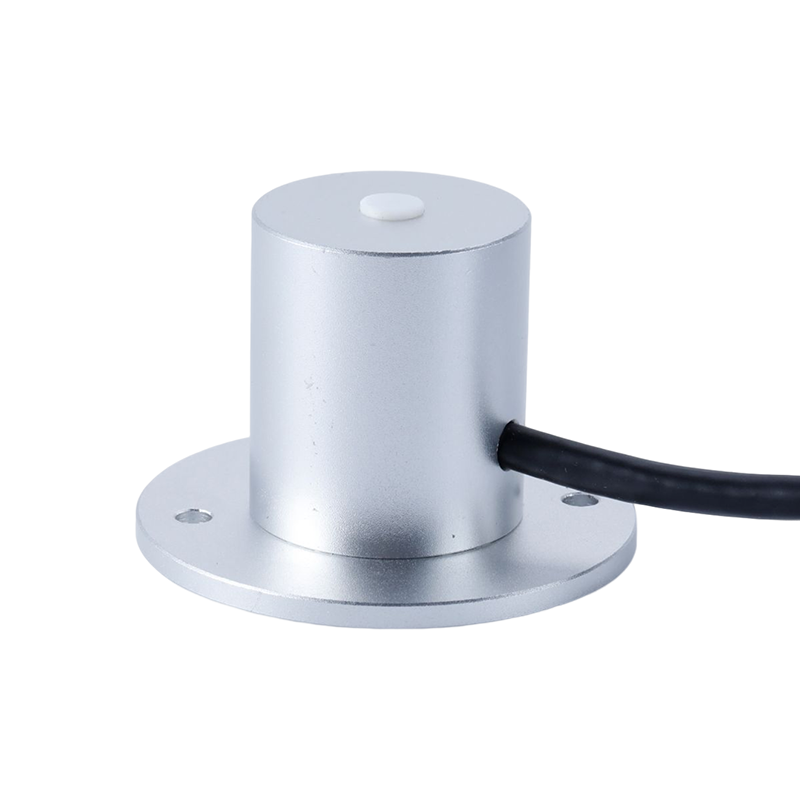
Agricultural IoT should be designed as a decision system, not a display project. The strongest value comes from connecting sensors, RS485 or wireless communication, cloud records, alarms, traceability and control logic to real farm workflows. NiuBoL can support agricultural sensor integration, greenhouse monitoring and smart farm platform applications for projects that require usable data.
Prev:How Sensors and Cloud Platforms Are Applied in Greenhouse Planting
Next:Smart Greenhouse Control System Selection Guide for Remote Crop Management
Related recommendations
Sensors & Weather Stations Catalog
 Agriculture Sensors and Weather Stations Catalog-NiuBoL.pdf
Weather Stations Catalog-NiuBoL.pdf
Agriculture Sensors Catalog-NiuBoL.pdf
Water Quality Sensor Catalog-NiuBoL.pdf
Related products
 Combined air temperature and relative humidity sensor
 TDR Soil Moisture & Temperature Sensor for irrigation| RS485 |4-20mA| NBL-S-THR
 Soil pH sensor RS485 soil Testing instrument soil ph meter for agriculture |NBL-S-PH
 Wind Speed sensor Output Modbus/RS485/Analog/0-5V/4-20mA
 Tipping bucket rain gauge for weather monitoring auto rainfall sensor RS485/Outdoor/stainless steel
 Pyranometer Solar Radiation Sensor 4-20mA/RS485

Screenshot, WhatsApp to identify the QR code
WhatsApp number:+8615367865107
(Click on WhatsApp to copy and add friends)

