





— Blogs —
—Products—
 Consumer hotline +8618073152920
 WhatsApp:+8615367865107
Address:Room 102, District D, Houhu Industrial Park, Yuelu District, Changsha City, Hunan Province, China
Product knowledge
Time:2026-07-08 16:11:13 Popularity:367
A smart greenhouse control system is worth buying when manual inspection, delayed ventilation, uneven irrigation, or missing alarm records begin to affect crop consistency. The practical goal is not to make the greenhouse look digital. The goal is to connect sensors, control cabinets, irrigation equipment, ventilation equipment, alarms, and cloud records into a system that growers can actually use every day.
NiuBoL smart greenhouse control systems are designed around greenhouse environment monitoring, automatic control, water-fertilizer integration, emergency alarms, agricultural field monitoring, and cloud management. For a buyer, the key decision is whether the system can match the crop, greenhouse equipment, and operator workflow. A large system with unclear control logic is harder to use than a smaller system with reliable sensors, clear alarms, and documented cabinet wiring.
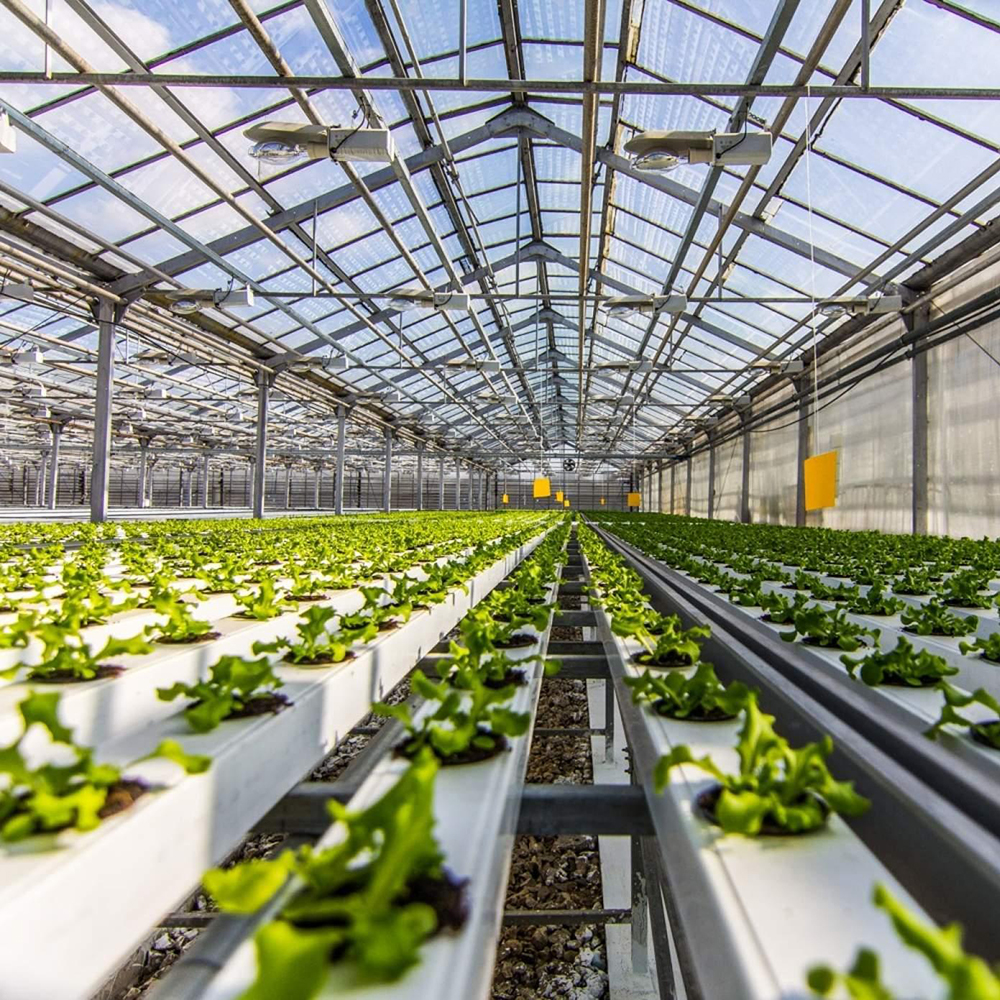
Traditional greenhouses depend heavily on the grower's presence. Temperature, humidity, light, CO2, soil moisture, soil temperature, irrigation, fertilization, film rolling, fans, wet pads, and supplemental lighting may all need attention. When the site expands to several houses, manual adjustment becomes slow and inconsistent. The smart control system solves this by collecting data continuously, comparing values with crop targets, and allowing manual or automatic control of selected equipment.
The system is especially useful when crop quality depends on night temperature, high humidity control, irrigation timing, or disease prevention. It also helps farm managers review historical data instead of relying only on memory. Records can be exported as reports and curves, which is useful for production review, training, and project acceptance.
| System Part | Typical Function | Why It Matters in Procurement |
|---|---|---|
| Agricultural field monitoring | Soil moisture, soil temperature, weather, insect and crop growth monitoring | Gives managers a fuller view of production conditions, not only air temperature |
| Automatic control system | Manual or automatic control of film rollers, fans, wet pads, lights, irrigation and fertilization | Reduces delayed response when environmental values exceed limits |
| Water-fertilizer irrigation system | Timed and quantitative delivery of water and nutrients | Improves irrigation uniformity and reduces fertilizer waste |
| Emergency alarm system | High/low temperature, high/low humidity and equipment abnormal alarms | Helps staff respond before crop loss becomes visible |
| Cloud platform | Remote display, data records, charts and device management | Allows phone or PC access without staying inside the greenhouse |
| Power distribution cabinet | Power supply and equipment protection | Prevents control logic from being separated from electrical safety |
| Control cabinet | Collects data and controls inner/outer shading, roof windows, fans and wet pads | Defines the real control boundary of the project |
| LED display | Shows temperature, humidity, light, CO2, soil temperature and moisture | Makes on-site status visible to workers and visitors |
Choose a smart greenhouse control system if the greenhouse has multiple pieces of controllable equipment, more than one production zone, or a crop that is sensitive to temperature and humidity changes. It is suitable for vegetable production, flower nurseries, seedling bases, demonstration parks, research greenhouses, and farms that want remote management.
It may be unnecessary for a very small greenhouse where the owner is always present and only needs a thermometer. It is also not the right first purchase if the greenhouse has no stable power, no safe equipment wiring, and no clear operator responsibility. In those cases, basic monitoring should come before automatic control.
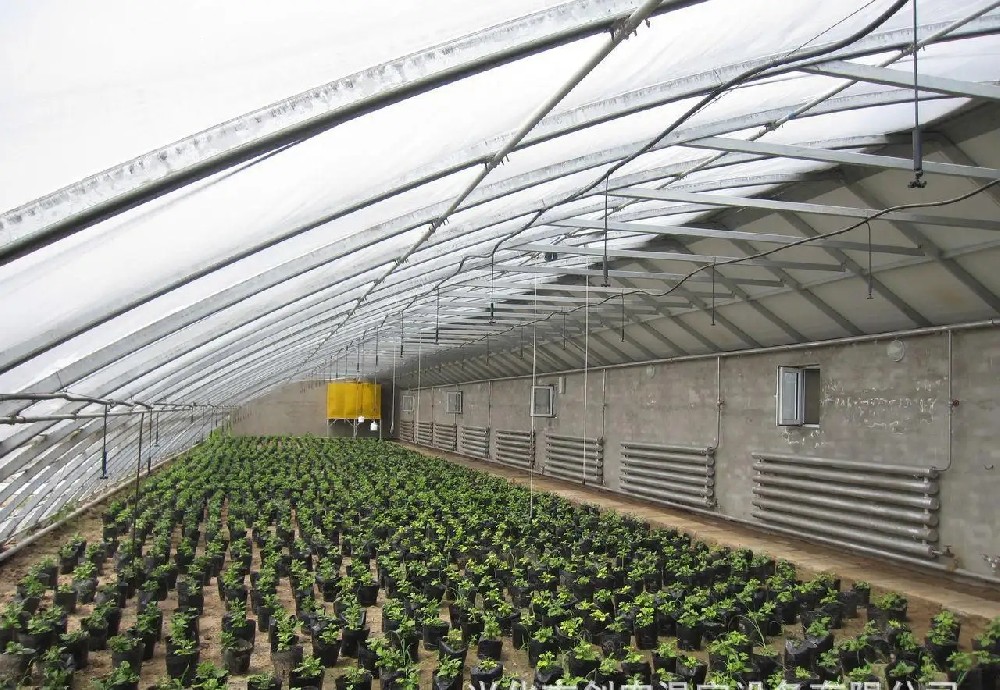
The first decision is monitoring-only or monitoring-plus-control. Monitoring-only projects need sensors, collector, platform and alarms. Monitoring-plus-control projects need cabinet design, relay or PLC interface, manual override, electrical protection and commissioning. The second decision is whether the system should include agricultural field monitoring such as soil moisture, insect monitoring and crop camera monitoring. The third decision is platform access: local display only, cloud platform, or cloud plus LED screen.
For procurement, ask the supplier to provide a sensor list, cabinet terminal list, Modbus address table, control channel list and platform screenshot. If the quotation only says smart greenhouse system without these details, the buyer cannot judge what is actually included.
| Item | Manual Management | Smart Greenhouse Control System |
|---|---|---|
| Inspection frequency | Depends on staff availability | Continuous sensor collection and platform records |
| Irrigation | Often based on experience | Can use timed, quantitative or sensor-based strategies |
| Alarm response | Problem may be found late | Threshold alarms can be sent remotely |
| Data records | Manual notes, often incomplete | Curves, reports and exportable records |
| Expansion | More labor needed for more houses | Additional zones can be added with planned sensors and cabinets |
Greenhouse size, number of houses, crop type and production season.
Equipment list: fans, wet pads, shading, roof windows, film rollers, pumps, valves and lights.
Required parameters: temperature, humidity, light, CO2, soil moisture, soil temperature, soil EC and weather data.
Control expectation: display only, alarm only, remote manual control or automatic control.
Power condition, cabinet location, communication method and whether a cloud platform or LED display is required.
Need for installation support, operator training, spare parts, packing and export documents.
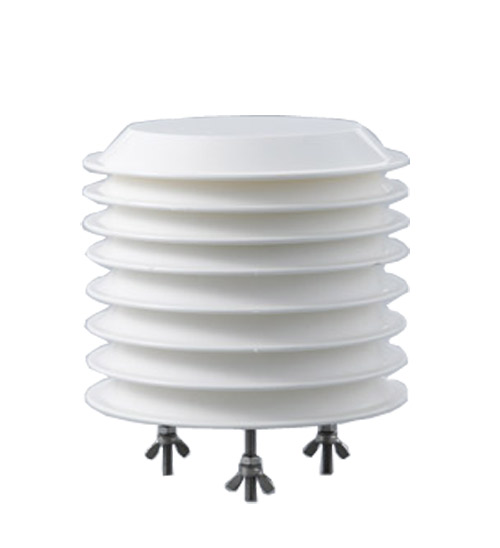
For projects outside China, packaging should protect sensors, display equipment, cabinets and brackets separately. Buyers should confirm whether the supplier can provide English wiring diagrams, installation guidance, Modbus protocol documents and remote commissioning support. Delivery time depends on cabinet customization, sensor quantity and whether LED display or water-fertilizer equipment is included.
After-sales support should cover sensor replacement, platform account setup, threshold adjustment, cabinet troubleshooting and operator training. The buyer should also ask what parts are field-replaceable and which parts require factory service.
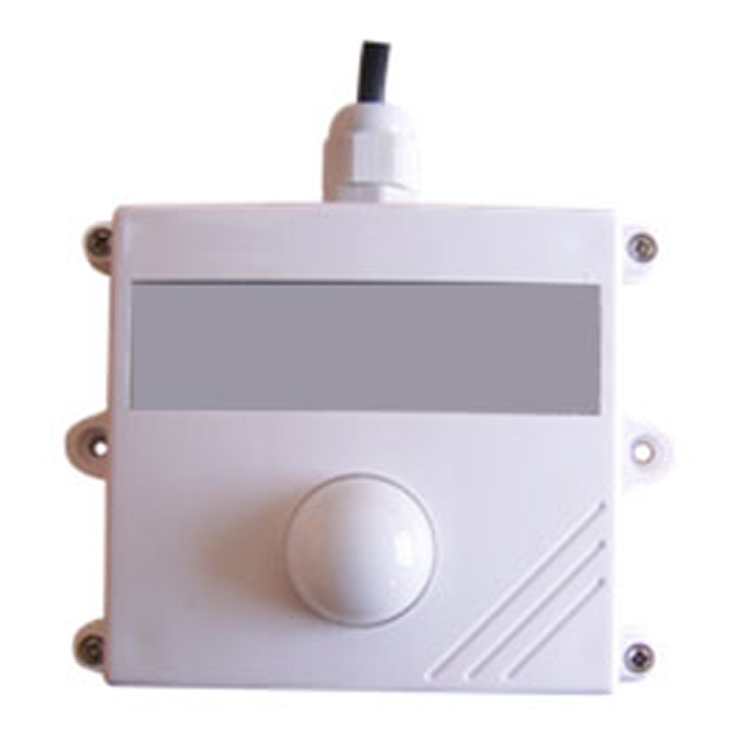
A higher configuration is worth paying for when the greenhouse has several control objects, several production zones, or a crop where a short abnormal period can reduce quality. Extra sensors, cameras and control channels create value only when they are connected to decisions such as irrigation timing, ventilation, CO2 management or disease prevention.
For a small grower, a basic monitoring and alarm package may be a better first step than a full automation cabinet. For a park or commercial farm, cabinet design, cloud platform, data export and training should be included from the beginning because later retrofit costs are usually higher.
Sensor and control channel list.
Cabinet wiring diagram and power requirement.
Platform function screenshots and account rules.
Modbus register list when third-party integration is required.
Packing list, installation guide, warranty terms and remote support scope.
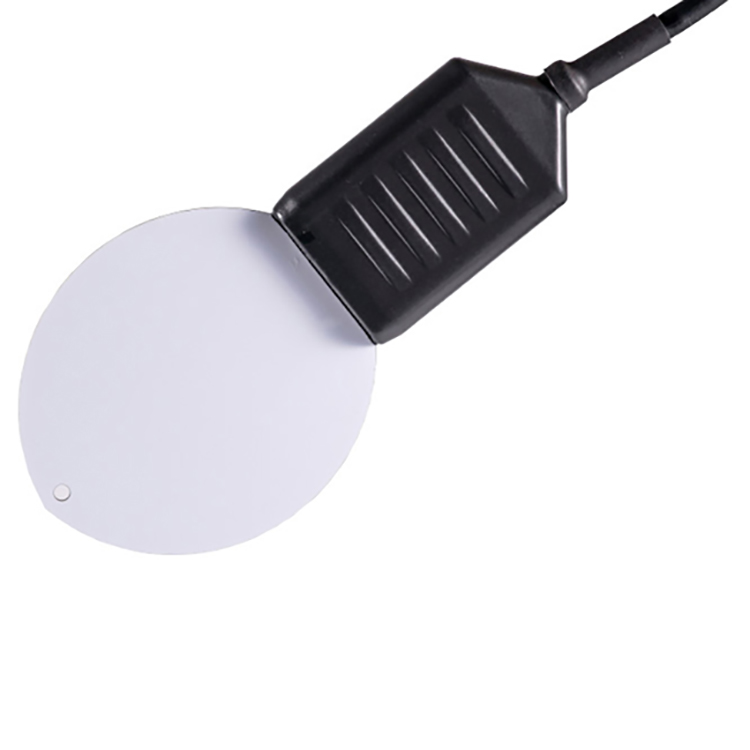
This system is suitable for greenhouses where crop value justifies monitoring, where staff cannot stay on site all day, or where several devices must be coordinated. It is not suitable as a purely decorative display project. If the farm has no stable power or no person responsible for alarm response, start with basic monitoring before buying automatic control.
For export buyers, the useful deliverables are English wiring diagrams, platform login details, packing list, sensor address table and remote commissioning support. These documents decide whether the buyer can install and maintain the system after shipment.
A lower-risk implementation starts with monitoring and alarm, then moves to remote manual control, and finally enables automatic rules. This sequence gives operators time to understand the relationship between sensor values and equipment response. It also makes commissioning easier because each function can be tested separately.
Before automatic control is enabled, the project team should test manual override, emergency stop, alarm delivery, historical curve, data export and cabinet protection. Automatic control without these checks can create crop and equipment risk.
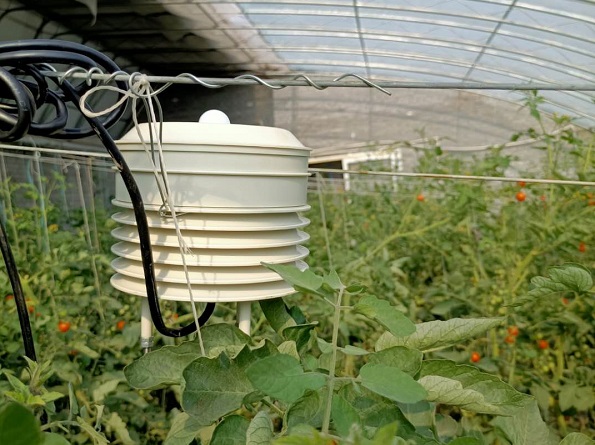
A: It turns greenhouse conditions into measurable data and allows selected equipment to be controlled or alarmed through a cabinet and platform, reducing delayed manual response.
A: It can control equipment only when the electrical interface, cabinet design and safety logic are confirmed. Large motors and pumps usually need proper contactors or PLC integration.
A: No. Many farms should start with monitoring, alarms and remote manual control, then enable automatic rules after operators understand the greenhouse response.
A: Common sensors include air temperature, humidity, light, CO2, soil moisture, soil temperature, soil EC and weather sensors. Insect monitoring and crop cameras can be added.
A: Yes, with a cloud platform and communication module, managers can view data and alarms from phone or PC.
A: Price depends on greenhouse size, sensor quantity, control channels, cabinet complexity, communication method, LED display, platform functions and installation support.
A: Yes. Sensor set, control channels, display mode, cabinet layout and platform functions can be configured according to the project.
A: Check every sensor value, alarm rule, data curve, control output, manual override, platform account and exported report.
A: It is not suitable for sites without stable power, safe wiring or a person responsible for operating the system.
A: Send greenhouse layout, crop, equipment list, required parameters, expected control functions, power condition and budget range.
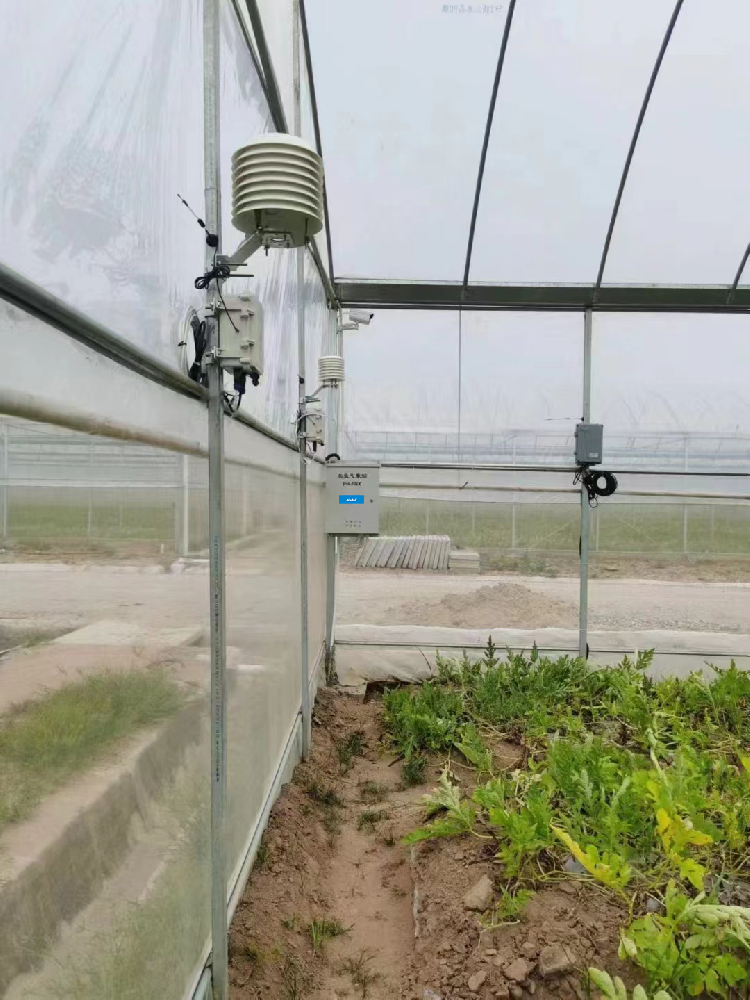
A smart greenhouse control system should be purchased as an operating solution, not as a list of devices. Buyers should compare sensor coverage, cabinet design, platform functions, control safety, installation documents and after-sales support. If the model is uncertain, send the greenhouse layout, crop type, equipment list and control expectations; the system can then be matched to the real project instead of overconfigured on paper.
Prev:Agricultural IoT Applications: From Field Sensors to Traceable Farm Management
Next:Highway Weather Station for Snowstorm Road Safety: Sensor Selection and Project Guide
Related recommendations
Sensors & Weather Stations Catalog
 Agriculture Sensors and Weather Stations Catalog-NiuBoL.pdf
Weather Stations Catalog-NiuBoL.pdf
Agriculture Sensors Catalog-NiuBoL.pdf
Water Quality Sensor Catalog-NiuBoL.pdf
Related products
 Combined air temperature and relative humidity sensor
 TDR Soil Moisture & Temperature Sensor for irrigation| RS485 |4-20mA| NBL-S-THR
 Soil pH sensor RS485 soil Testing instrument soil ph meter for agriculture |NBL-S-PH
 Wind Speed sensor Output Modbus/RS485/Analog/0-5V/4-20mA
 Tipping bucket rain gauge for weather monitoring auto rainfall sensor RS485/Outdoor/stainless steel
 Pyranometer Solar Radiation Sensor 4-20mA/RS485

Screenshot, WhatsApp to identify the QR code
WhatsApp number:+8615367865107
(Click on WhatsApp to copy and add friends)

