





— Blogs —
—Products—
 Consumer hotline +8618073152920
 WhatsApp:+8615367865107
Address:Room 102, District D, Houhu Industrial Park, Yuelu District, Changsha City, Hunan Province, China
Product knowledge
Time:2026-07-08 16:11:14 Popularity:217
A highway weather station is purchased to reduce uncertainty during snow, fog, rain, ice and strong wind. In northern regions where blizzards are frequent, the station gives traffic managers local data before the road becomes dangerous. The value is practical: lower speed limits, snow removal dispatch, anti-icing material preparation, road closure decisions and public travel warnings can be based on actual road-section data.
Snowstorm monitoring needs more than air temperature. Visibility, current weather, wind, road surface condition, road temperature, snow depth and rainfall or snowfall process all affect driving safety. A standard city weather report cannot show every bridge, mountain pass or exposed highway section.
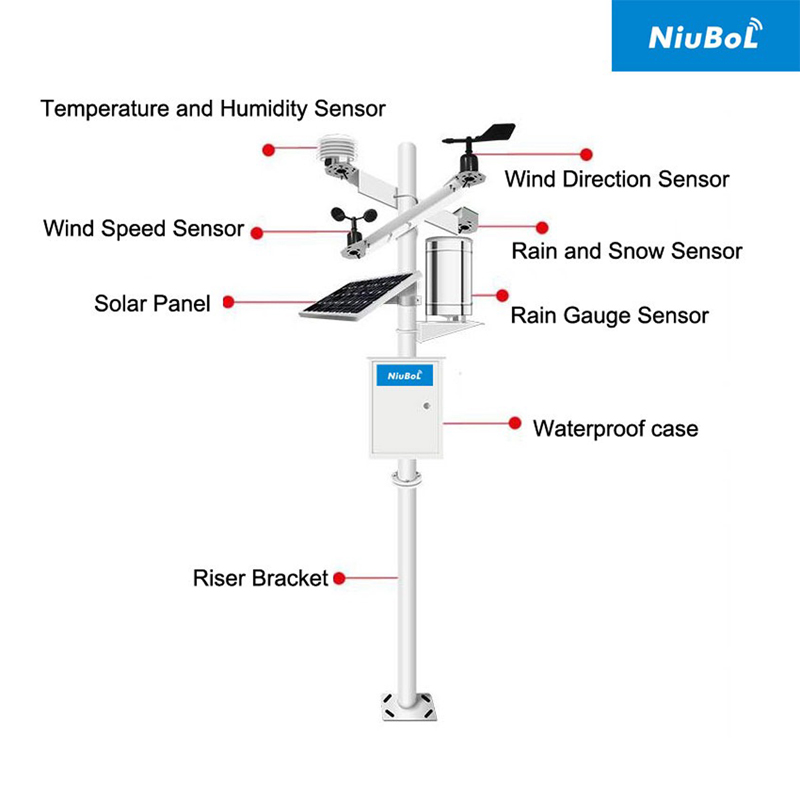
During blizzards, visibility can drop rapidly, snow can accumulate, melted snow can refreeze, and strong wind can create drifting snow. Traffic departments need first-hand data from the road line. A highway weather station continuously collects and transmits weather and road condition data to the traffic management platform, supporting early warning and operational decisions.
A snowstorm road monitoring project usually needs these key highway monitoring elements: visibility, current weather phenomenon, wind speed, wind direction, temperature, humidity, road condition, road temperature and snow depth. For snowstorm regions, visibility sensor and snow depth sensor are not optional decorations; they directly support traffic safety decisions.
| Component | Typical Parameter / Interface | Buyer Benefit |
|---|---|---|
| Visibility sensor NBL-W-VS | 5 m to 10 km range, RS485, Modbus, DC12V | Supports fog, snow and low-visibility warnings |
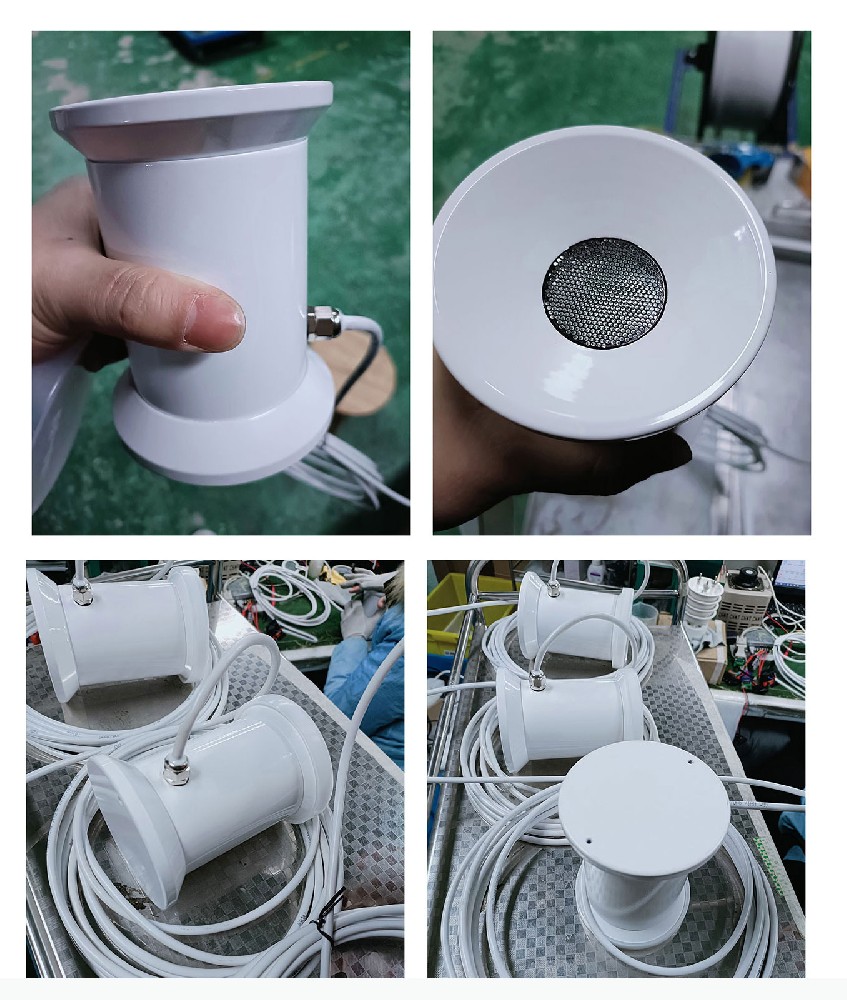
| Snow depth sensor NBL-W-SNOW | 0-1000 mm, RS485, 9600 bps | Supports snow accumulation and snow removal decisions |
| Wind speed | 0-45 m/s, 0.1 m/s resolution | Supports strong wind and drifting snow warning |
| Wind direction | 0-360 degrees, ±3 degrees | Helps interpret blowing snow and pollutant movement |
| Air temperature | -50 to +100 C, ±0.5 C | Supports freezing risk analysis |
| Air humidity | 0-100% RH, ±5% | Supports fog and icing risk interpretation |
| Rain gauge | 0-4 mm/min, ±4% | Supports precipitation process records |
| Solar radiation | 0-2000 W/m2, ±5% | Helps road surface energy analysis |
| Communication | RS232, RS485, USB, GPRS/4G/5G | Allows local and remote platform integration |
| Power | DC12V, AC220V or solar | Matches highway site power conditions |
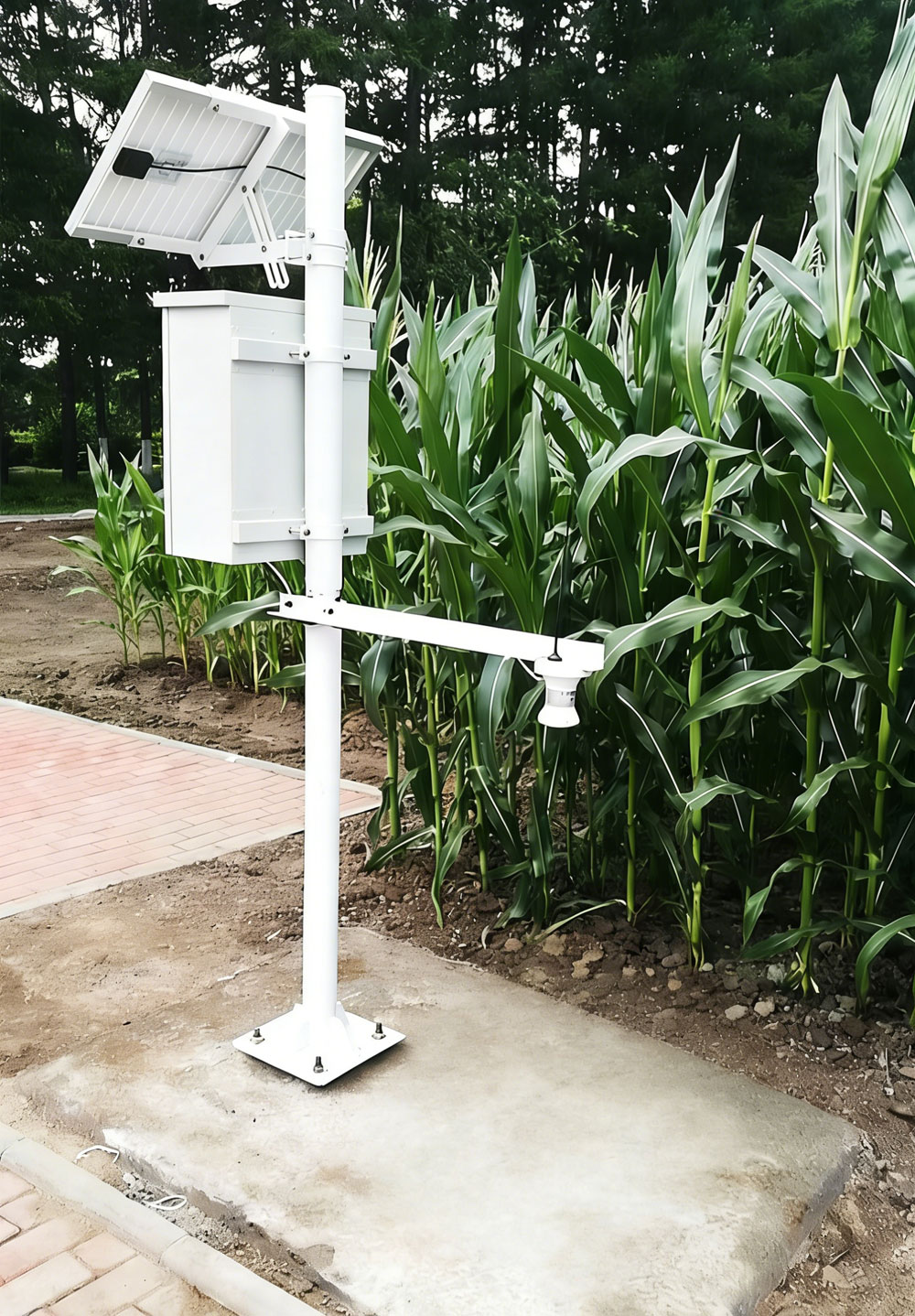
For a basic highway station, choose wind, temperature, humidity, pressure, rainfall and communication. For snowstorm sections, add visibility, road surface condition, road temperature and snow depth. For mountain roads, strong wind and snow depth become more important. For bridges, road temperature and icing risk are often critical.
Buyers should not select only by parameter count. A 10-parameter station without visibility may be weaker than an 8-parameter station with visibility for traffic safety. The correct selection depends on road risk, climate and management decisions.
| Item | Visibility Sensor | Snow Depth Sensor |
|---|---|---|
| Main purpose | Detects meteorological optical range and low visibility | Measures snow accumulation depth |
| Typical method | Forward scattering principle | Ultrasonic distance measurement |
| Useful for | Fog, snow, haze, sand, heavy precipitation | Snow removal, road closure, snow load assessment |
| Output | RS485 Modbus to monitoring platform | RS485 to collector or platform |
| Purchase priority | High for fog/snow highway sections | High for northern snow-prone roads |
Identify high-risk road sections: bridges, slopes, tunnels, mountain passes and exposed plains.
Confirm whether the platform needs visibility alarms, snow depth alarms and road icing alerts.
Select AC, DC or solar power according to cabinet location.
Ask for Modbus register maps and data collector compatibility.
Include mast, cabinet, brackets, cables, grounding and installation drawings in the quotation.
Prepare maintenance access for winter inspection and sensor cleaning.
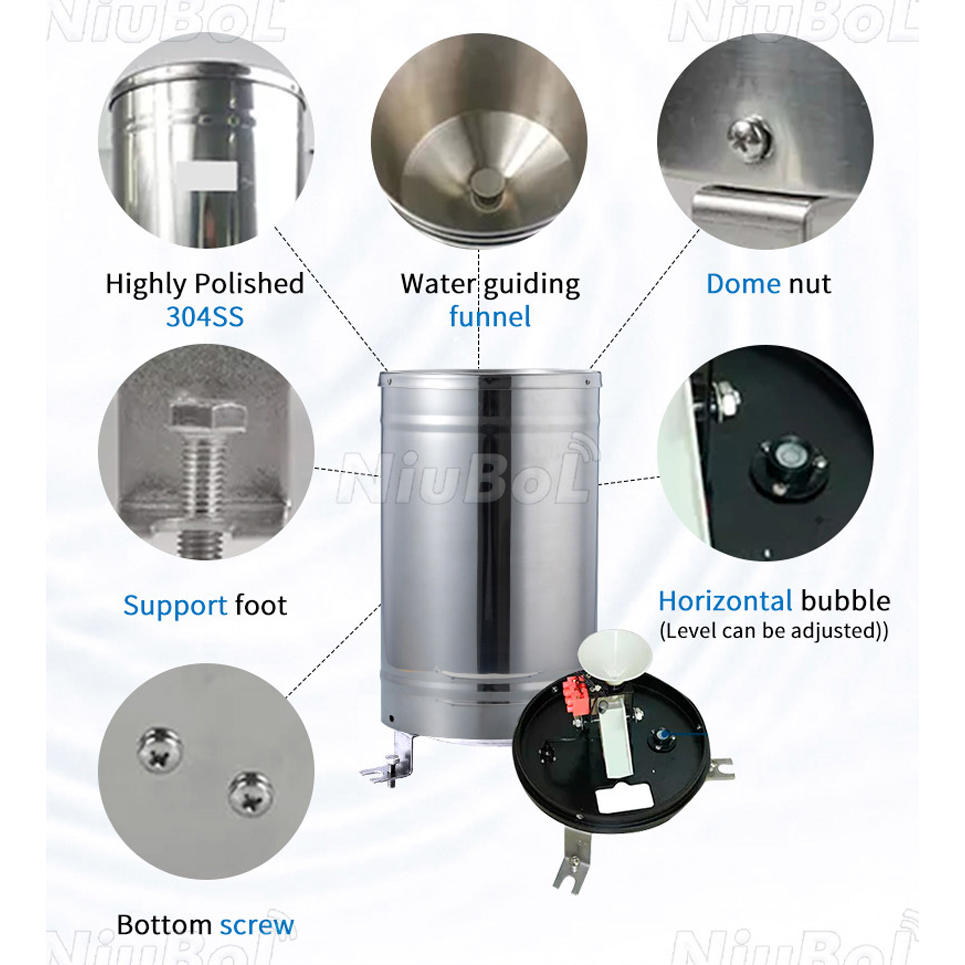
Stations should be placed where road risk changes, not only where installation is convenient. Typical locations include bridges, open windy sections, long slopes, tunnel entrances, mountain passes and sections with repeated fog or icing. One station cannot represent a long road with different elevation and exposure.
For snowstorm projects, visibility and snow depth should be paired with road operation rules. The buyer should define what visibility threshold triggers warning display, what snow depth triggers snow removal dispatch, and how data will be sent to the traffic platform.
Installation photos and GPS location.
Sensor list and Modbus address table.
Visibility and snow depth sample records.
Alarm threshold test record.
Platform screenshot and data export sample.
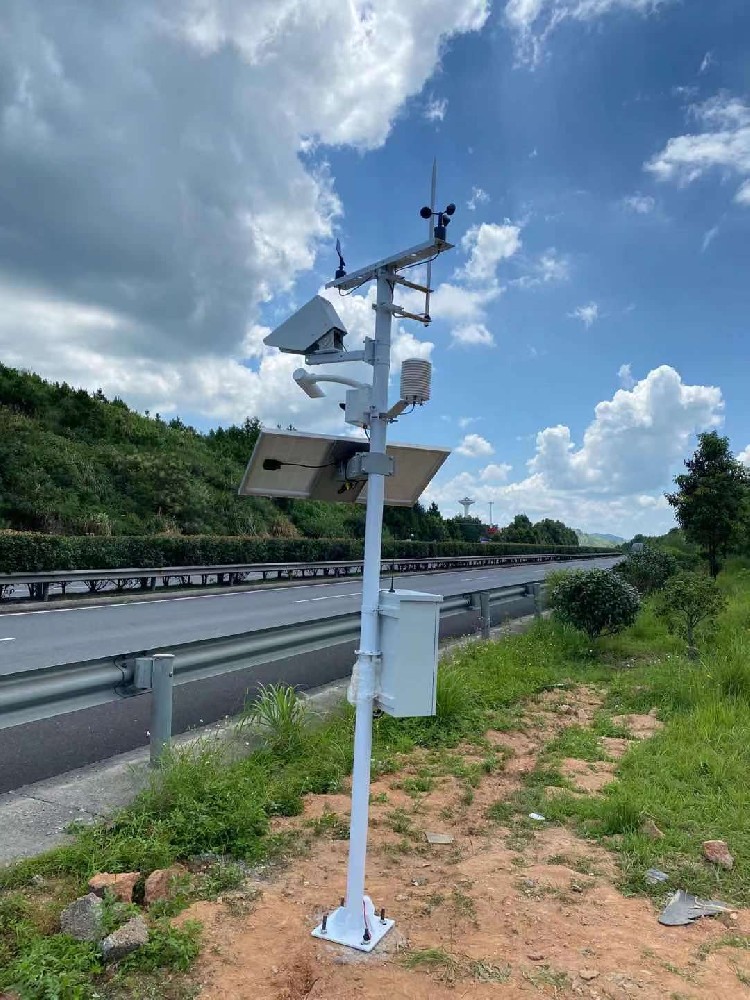
A highway weather station is most valuable where weather changes road risk: bridges, passes, open plains, shaded icy sections, fog-prone valleys and high-wind corridors. It is less useful if installed only near an office because power is convenient. Data must represent the road risk point.
For snowstorm regions, buyers should prepare winter maintenance procedures together with the sensor list. If no team is assigned to respond to visibility or snow depth alarms, the system becomes a recorder rather than a safety tool.
A road weather station should not stop at data display. Before purchase, the road authority should decide how each variable will be used. Visibility can trigger warning signs, speed restriction recommendations or patrol dispatch. Snow depth can trigger snow removal planning. Road temperature can support anti-icing preparation. Wind speed can trigger bridge or exposed-section alerts. If the threshold logic is not written, the station may collect data without changing road operation.
For procurement teams, this means the station proposal should include more than sensors. It should describe alarm thresholds, data transmission interval, platform display, historical curve storage and who receives alerts. If the project connects to an existing traffic platform, the supplier should provide protocol documentation and data field definitions.
Winter road stations face snow accumulation, low temperature, power interruption and maintenance access issues. Sensor height, pole strength, cabinet sealing and cable protection should be selected for the local road environment. The visibility sensor should have a representative view of the road section and should not be blocked by signs, guardrails or snowbanks. Snow depth sensors should be installed above a representative snow surface, not where plowed snow piles up.
Maintenance planning should include pre-winter inspection, power system check, communication test, cleaning of optical windows, cable inspection and comparison of data against field observations. A station that is not maintained before winter may fail exactly when the road authority needs it most.
Complete sensor list with measurement range and accuracy.
Mast, cabinet and power system drawings.
RS485 or platform protocol documents.
Alarm logic proposal for visibility, snow depth and road temperature.
Installation photos and commissioning record template.
Recommended spare parts list for winter operation.
Budget should be estimated as a complete road weather monitoring point, not as a single sensor purchase. A practical budget includes visibility sensor, snow depth sensor, wind and temperature sensors, road surface or road temperature sensor where needed, data collector, cabinet, mast, lightning protection, power system, communication module, platform connection and installation. Civil work and winter maintenance access can also affect cost.
A low-cost station without visibility or road surface information may be acceptable for general weather reference, but it is weak for snowstorm traffic safety. For roads with repeated accidents, bridge icing or low-visibility events, the buyer should prioritize the sensors that directly support traffic decisions rather than the cheapest parameter package.
The final delivery should include equipment list, installation drawing, sensor address table, power wiring diagram, communication settings, platform screenshots, alarm configuration and data export sample. For traffic departments, the acceptance file should also record which road section the station represents and which operational decisions the data supports.
A: It is a road-side monitoring system that measures weather and road condition variables and sends data to traffic management platforms.
A: It provides local visibility, snow depth, wind, temperature and road condition data for warnings, snow removal and traffic control.
A: For snow, fog and haze-prone highways, visibility monitoring is a high-value parameter because it directly affects driving safety.
A: It measures snow accumulation continuously, helping road managers decide when to dispatch snow removal resources.
A: Yes, if the power budget, battery capacity and winter sunlight conditions are suitable.
A: RS485, RS232, USB and wireless GPRS/4G/5G are common options depending on the system design.
A: Sensor package, mast height, cabinet, power system, communication module, platform functions and installation scope affect price.
A: Yes. Sensor selection, power mode, communication and platform connection can be configured for the road section.
A: Test sensor readings, platform alarms, visibility value, snow depth value, communication, power and historical curves.
A: Send road location, climate risk, required parameters, power condition, communication method, installation site photos and quantity.
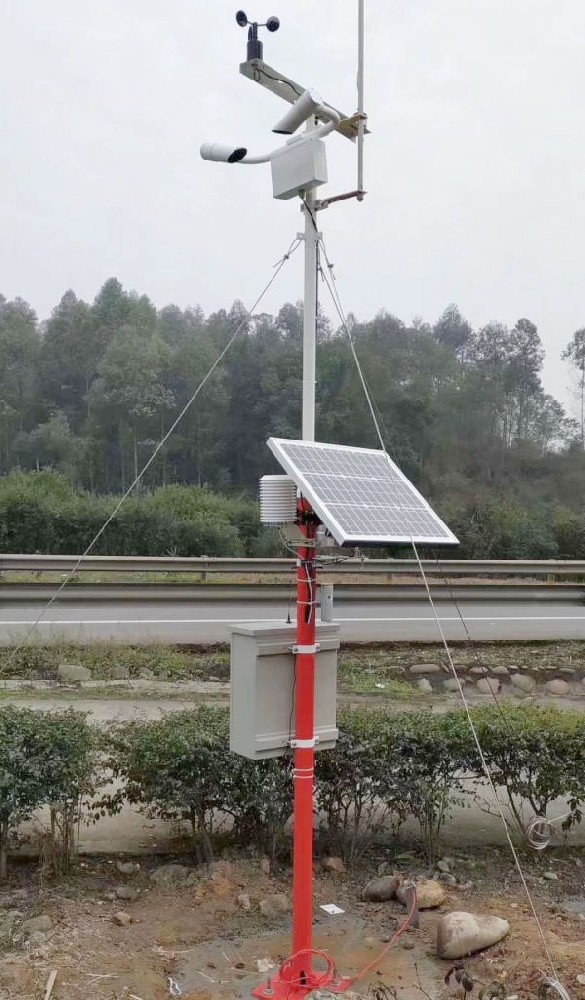
A highway weather station should be selected around road risk. For snowstorm areas, visibility, snow depth, road surface and wind data are often more valuable than a long but generic parameter list. Buyers should request a full system quotation including sensors, collector, power, communication, platform and winter maintenance plan.
Prev:Smart Greenhouse Control System Selection Guide for Remote Crop Management
Next:Greenhouse Steel Frame Buying Guide: How to Avoid Weak Structures and Costly Rework
Related recommendations
Sensors & Weather Stations Catalog
 Agriculture Sensors and Weather Stations Catalog-NiuBoL.pdf
Weather Stations Catalog-NiuBoL.pdf
Agriculture Sensors Catalog-NiuBoL.pdf
Water Quality Sensor Catalog-NiuBoL.pdf
Related products
 Combined air temperature and relative humidity sensor
 TDR Soil Moisture & Temperature Sensor for irrigation| RS485 |4-20mA| NBL-S-THR
 Soil pH sensor RS485 soil Testing instrument soil ph meter for agriculture |NBL-S-PH
 Wind Speed sensor Output Modbus/RS485/Analog/0-5V/4-20mA
 Tipping bucket rain gauge for weather monitoring auto rainfall sensor RS485/Outdoor/stainless steel
 Pyranometer Solar Radiation Sensor 4-20mA/RS485

Screenshot, WhatsApp to identify the QR code
WhatsApp number:+8615367865107
(Click on WhatsApp to copy and add friends)

