





— Blogs —
—Products—
 Consumer hotline +8618073152920
 WhatsApp:+8615367865107
Address:Room 102, District D, Houhu Industrial Park, Yuelu District, Changsha City, Hunan Province, China
Product knowledge
Time:2026-07-08 16:11:16 Popularity:232
A greenhouse steel frame is not a low-value accessory. It is the structure that decides whether the covering, ventilation, irrigation, crop load, cable routes and future sensors can work safely. If the frame is selected only by the lowest price, the buyer may save money during ordering and lose money through film damage, poor ventilation, weak load capacity or retrofit work.
The practical buying rule is simple: choose the frame according to site risk, crop operation, span, covering, equipment load and future automation. A smooth surface, suitable strength, water resistance, aging resistance, easy installation and adjustable span are more important than a small price difference.
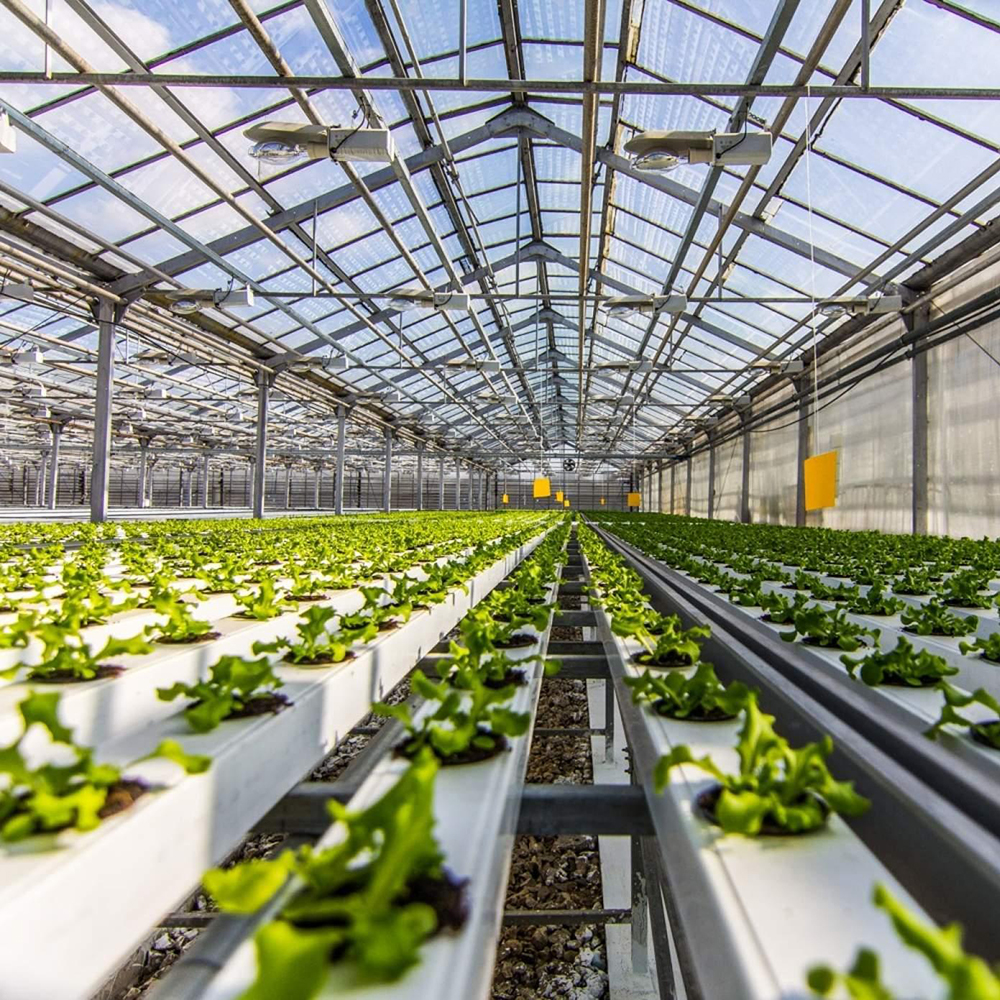
| Frame Requirement | Why It Matters | Buyer Check |
|---|---|---|
| Smooth surface | Reduces damage to greenhouse film | Check welding, burrs and coating surface |
| Appropriate strength | Supports wind, snow and equipment load | Ask for span and load basis |
| Water and weather resistance | Frame faces rain, sun and humidity | Confirm galvanizing or coating method |
| Light but rigid structure | Simplifies transport and installation | Check steel size and connection design |
| Adjustable span and height | Supports 8-16 m greenhouse needs in many projects | Confirm drawing before production |
| Arc-shaped lighting surface | Can improve light angle and internal temperature | Match covering and crop needs |
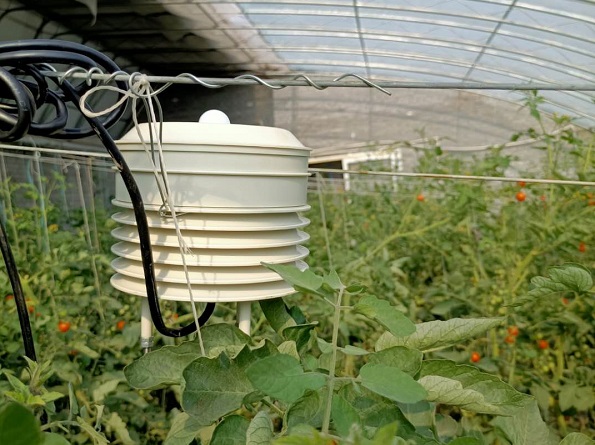
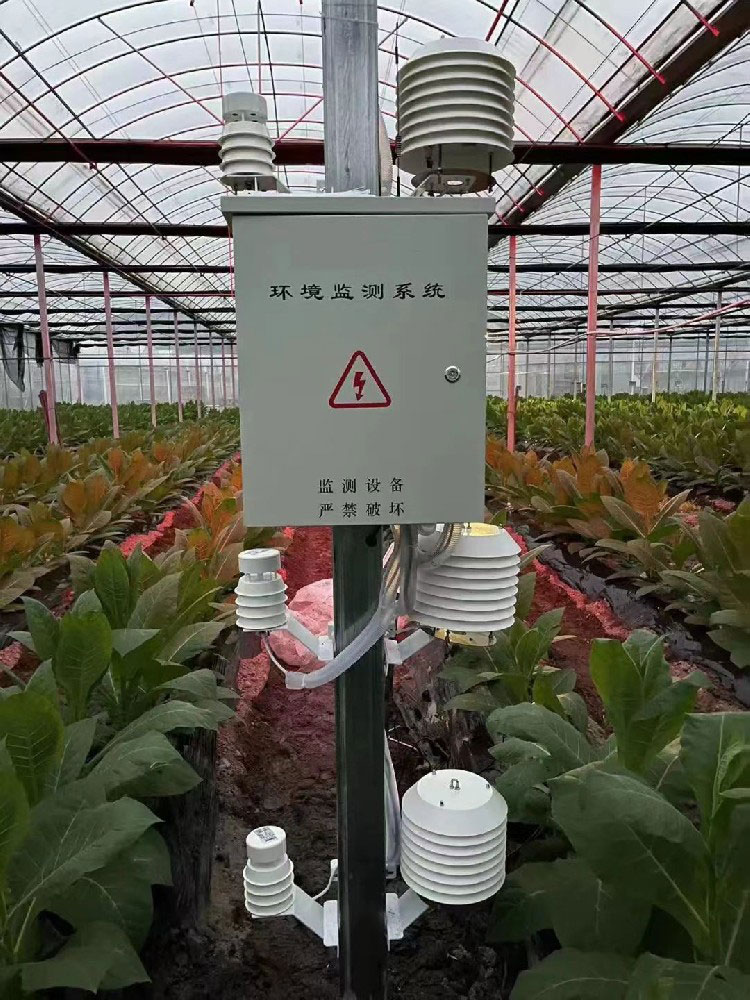
| Monitoring readiness | Future sensors and cables need mounting points | Reserve brackets, cable routes and cabinet space |
A higher-grade frame is worth considering in snow-prone regions, windy areas, multi-span greenhouses, mechanized greenhouses, smart greenhouse projects and houses with crop hanging systems. A lighter, simpler frame may be enough for seasonal low-cost crop protection, but it should still be safe for local wind and snow conditions.
Greenhouse structure and crop management are connected. Poor light, high night temperature, excessive nitrogen, high soil moisture and dense planting can cause leggy vegetable growth. A frame cannot solve all crop problems, but it affects light, ventilation, spacing and the ability to add sensors or control equipment.
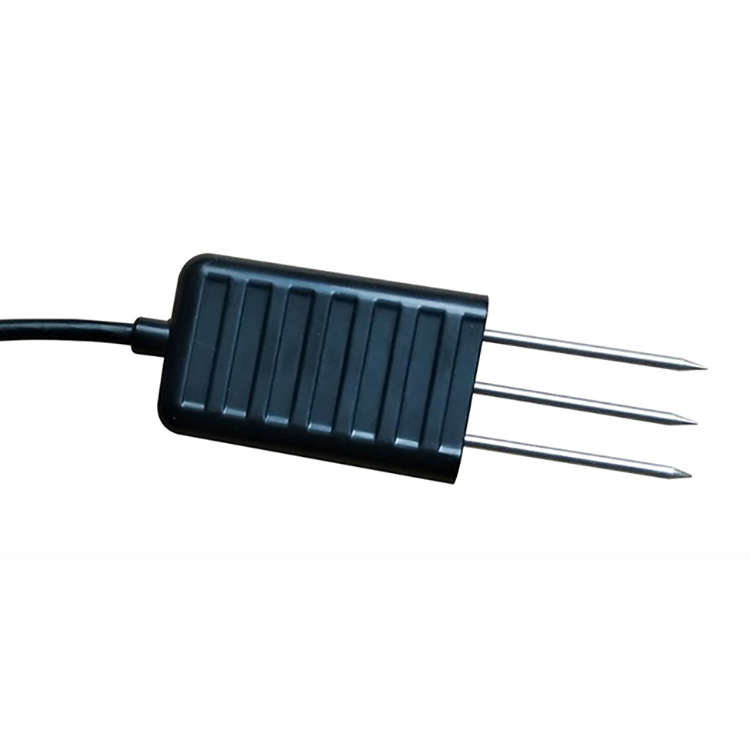
Leggy vegetable growth happens when vegetative growth is too strong compared with reproductive growth. Causes include insufficient light, high temperature, excessive nitrogen, high soil water content and dense planting. A well-designed greenhouse frame supports better light angle, ventilation and installation of monitoring equipment, but management still matters.
Use enough span and height to support airflow and operation.
Do not let frame design create heavy shade over crop rows.
Reserve space for temperature, humidity, light and soil sensors.
Plan irrigation and drainage so high soil moisture does not become chronic.
Match planting density to light and ventilation conditions.
Frame price is affected by steel specification, span, height, thickness, galvanizing, powder coating, connection hardware, foundation design, local load requirement, packaging and shipping. Customization is common because greenhouse dimensions and site conditions differ. Buyers should provide drawings or at least desired span, length, height, crop and location.
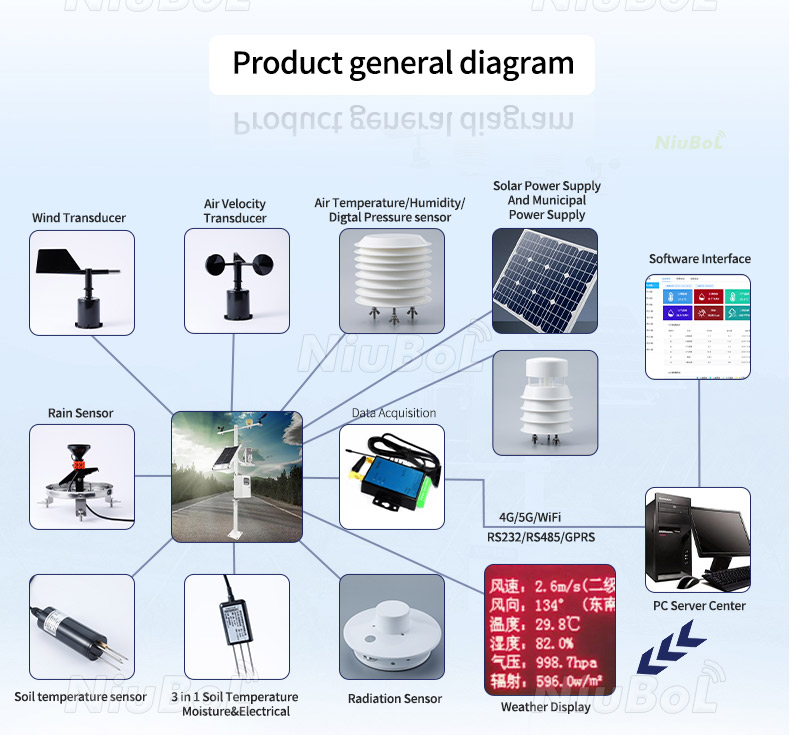
Two frame quotations may use the same greenhouse area but different steel thickness, galvanizing process, connection hardware and installation scope. Buyers should not compare only price per square meter. Ask for material specification, load basis, drawing, coating method, hardware list and packing method.
If future smart greenhouse equipment is planned, the frame supplier should know this before production. Sensor brackets, cable routes, control cabinets, fans and shading systems all need space or fixing points. Planning these items early reduces drilling and exposed wiring later.
Steel specification and thickness.
Galvanizing or coating method.
Span, height and foundation assumptions.
Wind and snow load basis.
Packing list, installation drawing and spare hardware.
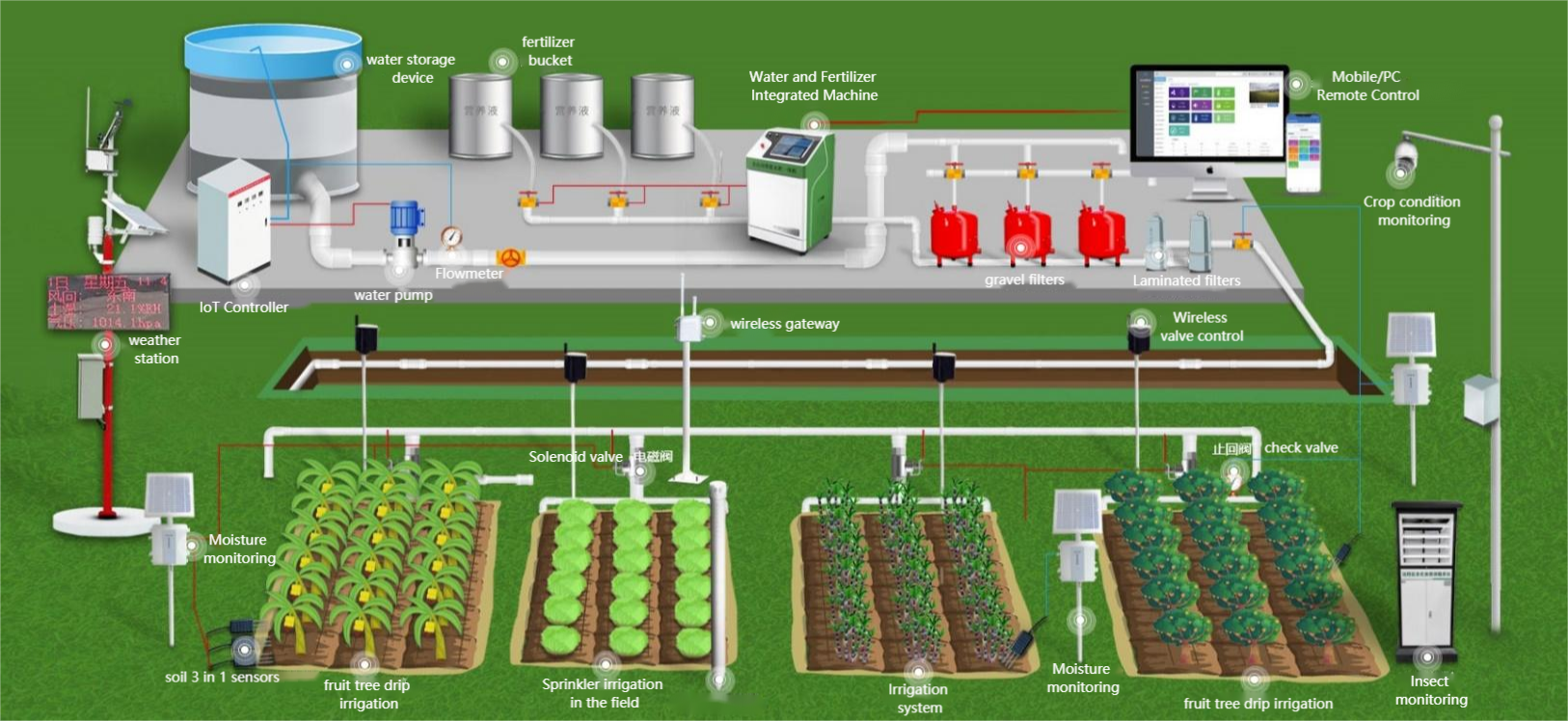
Before film or panels are installed, check whether the frame is level, whether bolts are tightened, whether coating is damaged, whether burrs may scratch the covering, and whether reserved points for sensors or cables are in place. Correcting these items before covering is much cheaper than repairing them later.
For export shipments, ask for labeled bundles, hardware packing list and assembly drawings. A steel frame may be simple in concept, but missing bolts or unclear drawings can delay the project on site.
A simple seasonal greenhouse can use a lighter structure if local wind and snow conditions are moderate. A multi-span production greenhouse needs stronger load design, better corrosion protection and a more complete drainage and ventilation plan. A smart greenhouse should also reserve space for sensors, cable trays, power cabinets, fans, wet pads, screens and control equipment.
For high-value crops, the frame should not be selected only by span and price. The buyer should consider the internal climate strategy. A frame that creates heavy shade or poor ventilation may reduce crop quality even if it stands safely. For seedling houses and flower greenhouses, light uniformity and sensor placement are often as important as structural cost.
Hot-dip galvanized steel is commonly used because greenhouse frames face humidity, fertilizer vapor, temperature changes and cleaning water. Powder-coated galvanized frames can improve appearance and internal light reflection, but buyers should confirm coating thickness, process order and whether cut edges are protected. A white frame is not automatically a stronger frame; the steel specification still matters.
For export projects, ask how the frame is packed. Steel components should be bundled by type, protected against rubbing, and shipped with a clear hardware list. Missing bolts or mixed components can delay installation more than buyers expect.
Confirm span, height and bay spacing before production.
Reserve openings and fixing points for ventilation and control devices.
Check whether the frame can support hanging loads if crop lines are used.
Plan cable routes and cabinet locations before covering is installed.
Inspect burrs, coating damage and bolt tightening before film or panels are mounted.
A weak frame does not only create collapse risk. It can increase operating cost through frequent film damage, poor sealing, difficult ventilation installation, unsafe maintenance and repeated repair. A frame with better coating, cleaner connections and accurate dimensions reduces these hidden costs. Buyers should compare the total use period, not only the first purchase price.
For farms that plan to install automatic vents, insect screens, internal shading, fans or sensor systems later, the frame should be selected with those loads and fixing points in mind. Retrofitting brackets and cables after the covering is installed is slower, less tidy and sometimes less safe.
A useful inquiry should include greenhouse length, span, shoulder height, ridge height, covering material, crop, machinery access, wind and snow condition, installation country and whether smart control equipment will be added. If the buyer only sends total area, the supplier may quote a basic structure that does not fit the real project.
A serious frame quotation should include drawings, steel specification, surface treatment, hardware list, packaging method, installation responsibility and expected production time. If a supplier cannot state these items clearly, the buyer cannot compare the offer with another supplier. The cheapest quotation may simply be incomplete.
For projects that will be shipped overseas, the buyer should also confirm container loading method and whether components are marked by position. Clear labels reduce installation confusion and save labor at the job site.
If two frame options look similar, choose the one with clearer drawings, stronger material documentation and better installation support. In greenhouse construction, unclear details usually become site problems later. A slightly higher frame cost is often easier to accept than delayed installation, film damage or unsafe maintenance.
A: It affects covering protection, load safety, installation quality, ventilation and future equipment installation.
A: Many greenhouse structures can be designed around 8-16 m span, but the final design depends on crop, machinery and load requirements.
A: Not always. Low price may mean thinner material, weaker coating or less support, which can increase long-term risk.
A: Hot-dip galvanized steel is commonly used for greenhouse load-bearing structures because it offers strength and corrosion resistance.
A: Yes. It affects light, ventilation, equipment layout and sensor installation, which influence crop environment.
A: Yes. Length, arc, height, span and thickness can be customized according to greenhouse design.
A: Provide site location, span, length, height, covering type, crop, wind/snow risk and automation plans.
A: Yes. Sensor brackets, cable routes and cabinet positions should be planned before construction.
A: Confirm packaging, bundle size, container loading, hardware list and installation drawings.
A: Request installation guidance, spare hardware, drawing support and clear warranty terms.
A greenhouse steel frame should be judged by engineering suitability, not only price. Buyers should compare material, span, load design, coating, installation convenience, monitoring readiness and supplier documentation before ordering.
Prev:Highway Weather Station for Snowstorm Road Safety: Sensor Selection and Project Guide
Next:Scenic Area Negative Oxygen Ion Monitoring System Solution for Parks and Eco-Tourism
Related recommendations
Sensors & Weather Stations Catalog
 Agriculture Sensors and Weather Stations Catalog-NiuBoL.pdf
Weather Stations Catalog-NiuBoL.pdf
Agriculture Sensors Catalog-NiuBoL.pdf
Water Quality Sensor Catalog-NiuBoL.pdf
Related products
 Combined air temperature and relative humidity sensor
 TDR Soil Moisture & Temperature Sensor for irrigation| RS485 |4-20mA| NBL-S-THR
 Soil pH sensor RS485 soil Testing instrument soil ph meter for agriculture |NBL-S-PH
 Wind Speed sensor Output Modbus/RS485/Analog/0-5V/4-20mA
 Tipping bucket rain gauge for weather monitoring auto rainfall sensor RS485/Outdoor/stainless steel
 Pyranometer Solar Radiation Sensor 4-20mA/RS485

Screenshot, WhatsApp to identify the QR code
WhatsApp number:+8615367865107
(Click on WhatsApp to copy and add friends)

