





— Blogs —
—Products—
 Consumer hotline +8618073152920
 WhatsApp:+8615367865107
Address:Room 102, District D, Houhu Industrial Park, Yuelu District, Changsha City, Hunan Province, China
Product knowledge
Time:2026-06-30 11:16:27 Popularity:211
Greenhouse planting depends on small environmental differences that are easy to miss by visual inspection. Temperature, humidity, light, soil moisture, soil temperature, CO2 and nutrient status can change within hours. When growers rely only on experience, problems are often found after crop quality has already been affected. Sensors and cloud platforms change this workflow by making greenhouse conditions visible, recorded and alarmable.
Seedling and specialty crop cultivation examples show why temperature, humidity and light management matter. The same logic applies to vegetable, flower, nursery and research greenhouses: measure the variable, understand the crop response, then decide ventilation, irrigation, heating, shading or lighting actions.
Young seedlings often have weak root water absorption, so early stages may require higher soil and air humidity. After planting, irrigation should be sufficient, and later watering should be adjusted by crop condition. For some seedling-stage crops, air relative humidity can remain above 85% in early stages, while about 70% may be more suitable after sprouting. Excess humidity can delay sprouting, reduce quality and increase disease risk, so ventilation and dehumidification become necessary.
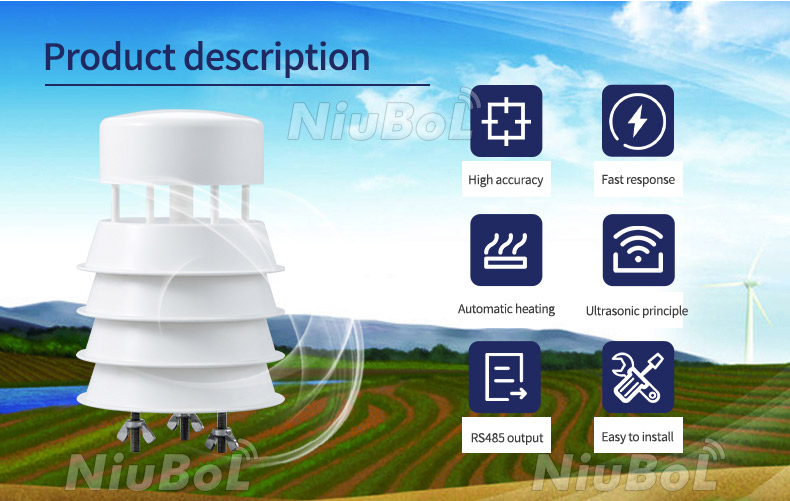
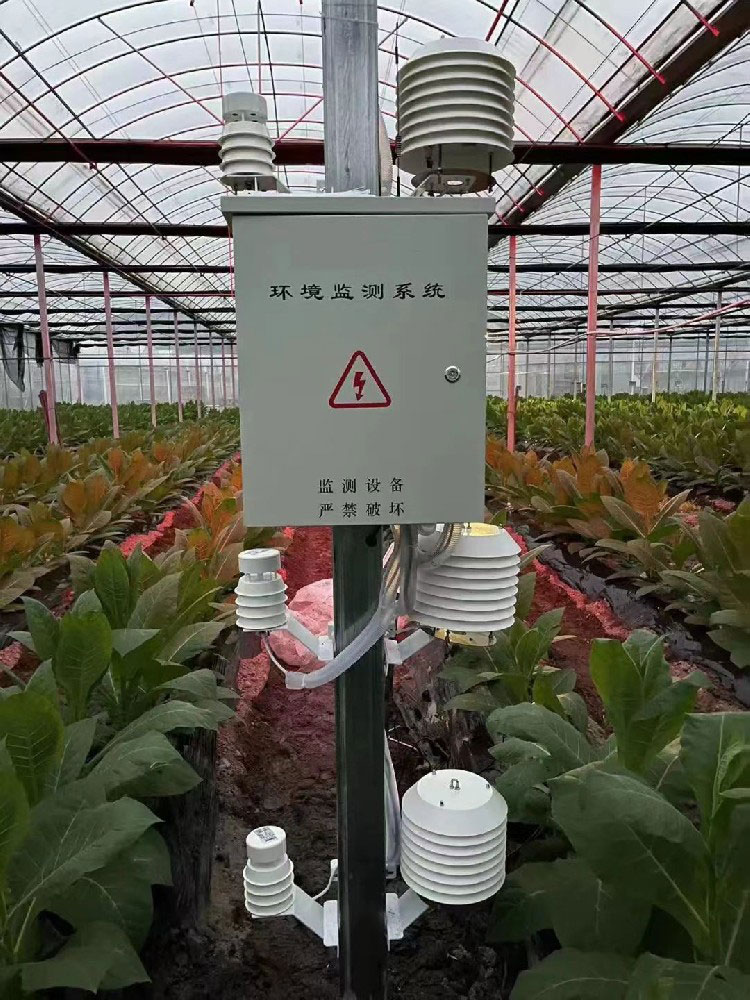
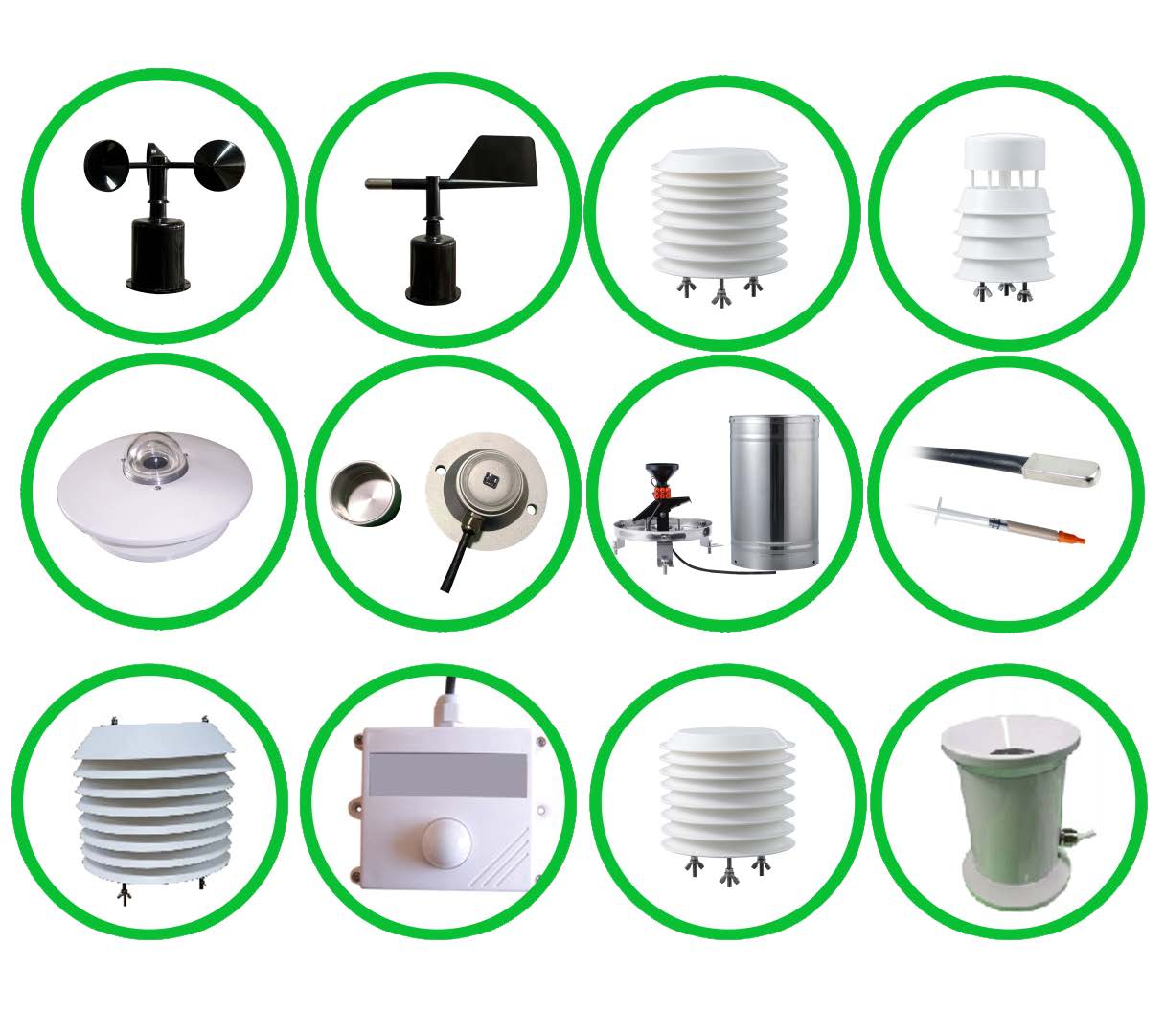
NiuBoL temperature and humidity sensors use wall-mounted high-protection housings. The sensor housing is rated IP65, breathable and resistant to rain or snow exposure in suitable installation. RS485 output and standard Modbus protocol allow communication up to long distances under correct wiring conditions, with values uploaded to a mobile or cloud platform.
| Monitoring Item | Typical Device / Function | Project Use |
|---|---|---|
| Air temperature | Wall-mounted temperature and humidity sensor | Supports heating, ventilation and crop-stage review |
| Air humidity | IP65 temperature-humidity sensor housing | Supports disease-risk control and dehumidification decisions |
| Light intensity | Illuminance sensor, Lux output | Supports shading, supplemental light and crop growth review |
| Communication | RS485, standard Modbus protocol | Connects to greenhouse host, gateway or PLC |
| Platform alarm | Upper and lower limit alarm | Notifies managers when values exceed limits |
| Cloud display | Mobile and PC access | Reduces need for constant manual inspection inside greenhouse |
| Relay linkage | Remote relay switching by platform where configured | Supports selected equipment control through safe electrical design |
| Data history | Multi-period historical query | Supports crop-cycle review and management decisions |
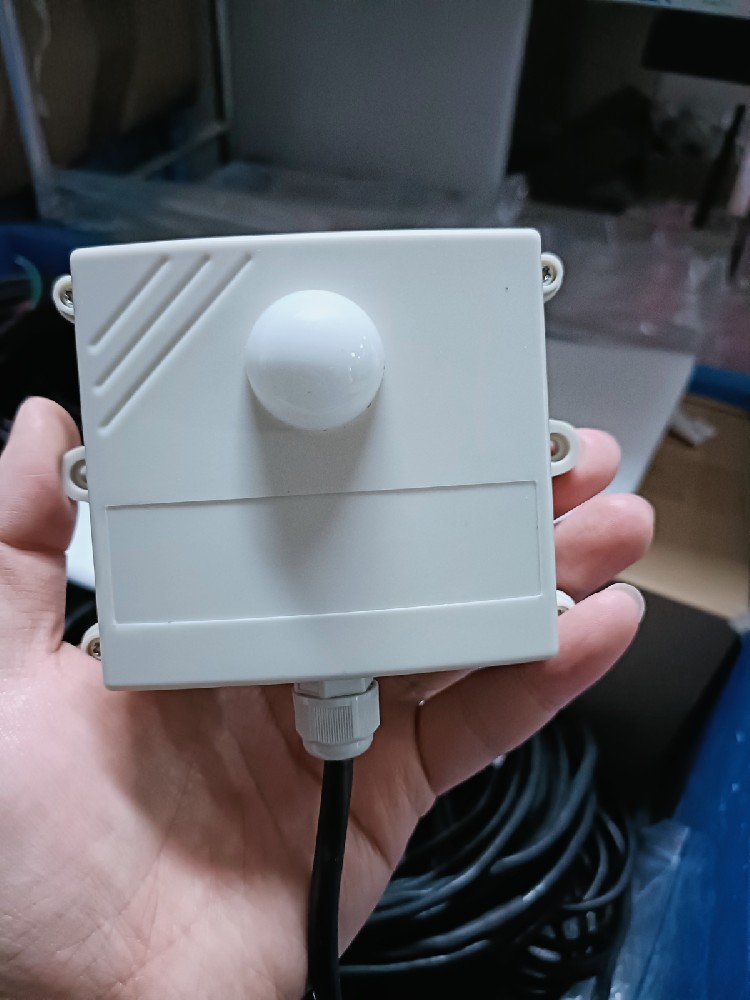
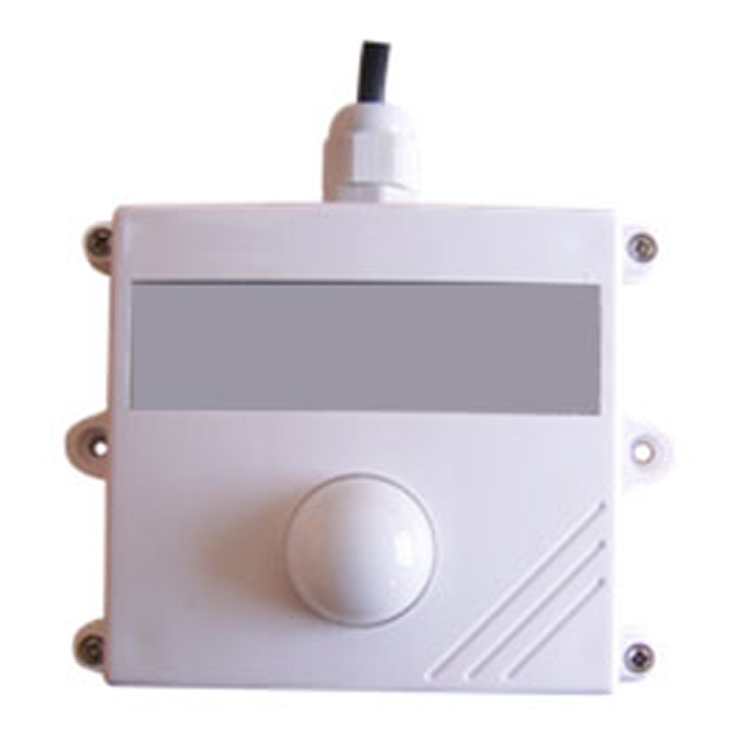
Illuminance sensors output values in Lux and are used in agricultural greenhouses, flower cultivation, open-field agriculture and production environments that require light monitoring. In greenhouses, light data helps decide whether to shade, open curtains, use supplemental lamps or compare growth differences between zones. A dashboard reading is useful only if the team knows what action follows from it.
For procurement, buyers should ask for measurement range, output signal, installation method, protection grade and platform integration. The sensor should not be mounted where frame shadows or lamp glare make it unrepresentative.
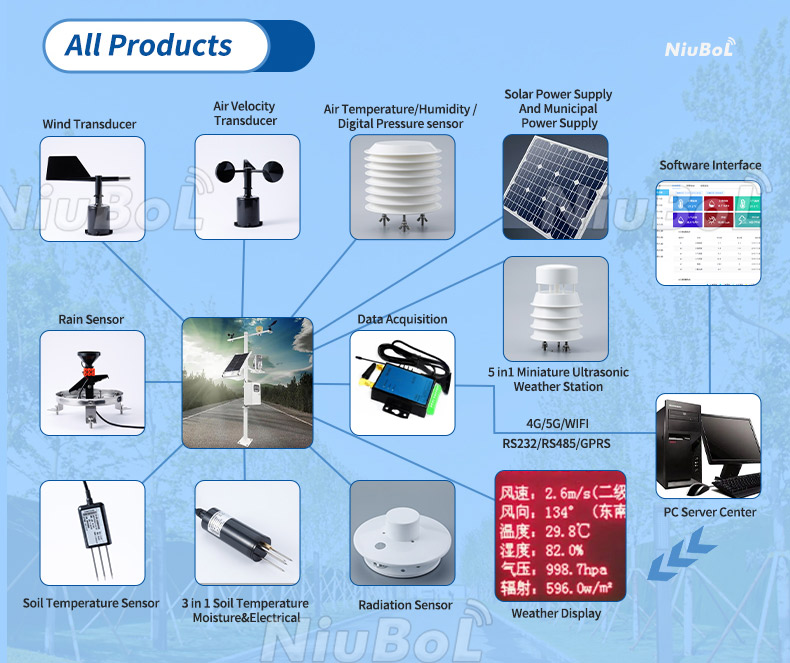
A useful greenhouse platform should provide large-screen visualization, automatic refresh, smart alarms by SMS or email, map display, online status, historical data query, device linkage and account hierarchy. For owners with multiple greenhouses, sub-account management is important because different operators may need different permissions.
Video monitoring can also support crop observation. Images cannot replace sensors, but they help managers see crop growth, equipment status and abnormal events. When video, sensor curves and alarm records are combined, the operation team can review what happened before a quality issue or equipment fault.
Field environment challenge: Seedlings lose water easily and are sensitive to high humidity or sudden temperature changes.
System integration scheme: Install temperature-humidity sensors, light sensors and alarms for upper and lower limits.
User value: The grower can react before seedlings dry out, over-humidify or suffer from poor light conditions.
Field environment challenge: Irrigation, ventilation, light and humidity interact during daily operation.
System integration scheme: Use sensors and cloud platform records to compare climate curves with crop growth and equipment actions.
User value: Managers can adjust schedules with data rather than only visual inspection.
Field environment challenge: Flower quality depends on stable temperature, humidity and light conditions.
System integration scheme: Deploy distributed sensors by zone and set alarms for critical thresholds.
User value: The project supports more consistent crop quality and better labor allocation.
Field environment challenge: The project needs traceable records and clear presentation.
System integration scheme: Use cloud platform, data export, large-screen display and video access.
User value: The greenhouse becomes easier to demonstrate, review and report.
Use clear greenhouse and zone names for every sensor.
Record RS485 address, baud rate, cable route and terminal number.
Mount temperature and humidity sensors away from direct spray, door drafts and heating outlets.
Mount light sensors where they represent crop canopy light, not frame shadow or lamp glare.
Use relay linkage only with proper electrical protection and manual override design.
A greenhouse sensor system should define actions behind the readings. High humidity may trigger ventilation or disease-risk inspection. Low temperature may trigger heating review. Low light may trigger curtain opening or supplemental light. High soil moisture may delay irrigation. When the action is defined, the sensor becomes a management tool instead of a display device.
For each parameter, the project team should define normal range, warning range, alarm range and responsible person. Alarm thresholds should be adjusted by crop stage and season. A seedling stage may require different humidity and temperature conditions from a fruiting stage. This is why cloud platforms with editable thresholds and history records are more useful than fixed displays.
Growers should compare sensor data with field observation during the first operation week. If the platform reports high humidity but the crop zone feels dry, sensor position or calibration should be checked. If light values are always low, the sensor may be shaded. Data quality review during the first week prevents wrong decisions later in the crop cycle.
A useful package should include sensors, brackets, cable length, gateway or host, platform account, alarm configuration, wiring diagram and training. If the buyer purchases sensors only, the remaining work still includes power supply, communication, software, data naming and acceptance testing. These hidden tasks often explain why a low-cost sensor purchase does not become a usable system.
For multi-greenhouse sites, ask whether the platform can group devices by greenhouse and crop type. Managers should be able to compare houses, not scroll through unrelated device names. Exportable historical data is also important because crop review often happens after a harvest cycle, not only during daily operation.
Acceptance should include more than checking whether values appear on the screen. The installer should demonstrate each sensor reading, alarm threshold, historical curve, data export, device name, user permission and relay command if included. The buyer should receive a list of sensor addresses and installation positions.
A practical test is to temporarily change an alarm threshold and confirm that the platform sends the notification correctly. This proves that the alarm path is working, not only that the sensor is powered.
A useful RFQ should tell the supplier how many greenhouses are included, how many zones each greenhouse has, which crop is planted, whether the site needs monitoring only or control linkage, and whether the buyer wants cloud access. If these details are missing, the supplier can only quote sensors as individual products, and the project team still has to solve gateway, platform, cable, bracket and alarm configuration later.
For greenhouse planting, a quotation should also identify sensor height, installation position, cable length, communication route and platform naming rule. Temperature and humidity sensors at crop canopy height and sensors near a door will not describe the same environment. Light sensors under frame shadow will not represent crop exposure. These details directly affect data value.
After installation, the buyer should receive a device list, sensor location table, Modbus address list, platform account, alarm threshold list and sample data export. The delivery should also include screenshots of real-time values and historical curves. These files help the grower operate the system and help future technicians understand how the system was built.
Data delivery is especially important for farms that want to compare crop cycles. A single day of readings may show current conditions, but a season of temperature, humidity and light records can explain quality changes, disease pressure, irrigation response and labor decisions.
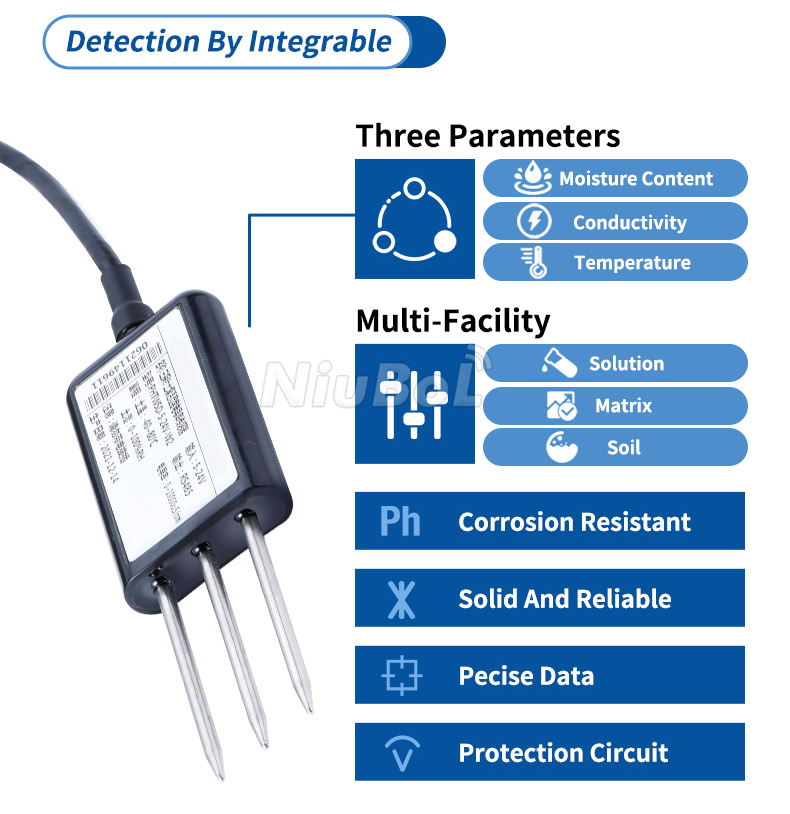
A: Temperature and humidity sensors, illuminance sensors, soil moisture sensors, soil temperature sensors, CO2 sensors and EC or pH sensors are commonly used depending on crop and control target.
A: Humidity affects transpiration, disease risk, sprouting speed and crop quality. Excess humidity often requires ventilation or dehumidification.
A: The sensor sends Modbus data to a collector, greenhouse host or gateway, which uploads the values to a cloud platform for display, alarms and history.
A: Yes. Upper and lower thresholds can trigger SMS, email or platform alarms depending on configuration.
A: It is useful when light affects crop quality, shading decisions, supplemental lighting or zone comparison. It should be selected when the data leads to an action.
A: Relay linkage can control selected devices or signals, but pumps, fans and motors should use proper electrical protection and safety design.
A: Use greenhouse number, zone, height or depth and parameter name. Clear naming prevents confusion during operation and maintenance.
A: Review temperature, humidity, light, irrigation timing, alarm history and equipment status around the problem period.
A: No. Video shows visual status, while sensors provide numeric data and alarms. The two functions complement each other.
A: Include sensor list, quantity, communication method, platform functions, alarm method, cable length, installation accessories and training requirements.
Greenhouse planting sensors turn temperature, humidity, light and other crop conditions into usable records. When combined with RS485 Modbus communication, cloud alarms, historical curves and optional relay linkage, they help growers move from experience-only operation to traceable greenhouse management.
Prev:Greenhouse Steel Frame Selection Guide for Multi-Span Greenhouse Projects
Next:Agricultural IoT Applications: From Field Sensors to Traceable Farm Management
Related recommendations
Sensors & Weather Stations Catalog
 Agriculture Sensors and Weather Stations Catalog-NiuBoL.pdf
Weather Stations Catalog-NiuBoL.pdf
Agriculture Sensors Catalog-NiuBoL.pdf
Water Quality Sensor Catalog-NiuBoL.pdf
Related products
 Combined air temperature and relative humidity sensor
 TDR Soil Moisture & Temperature Sensor for irrigation| RS485 |4-20mA| NBL-S-THR
 Soil pH sensor RS485 soil Testing instrument soil ph meter for agriculture |NBL-S-PH
 Wind Speed sensor Output Modbus/RS485/Analog/0-5V/4-20mA
 Tipping bucket rain gauge for weather monitoring auto rainfall sensor RS485/Outdoor/stainless steel
 Pyranometer Solar Radiation Sensor 4-20mA/RS485

Screenshot, WhatsApp to identify the QR code
WhatsApp number:+8615367865107
(Click on WhatsApp to copy and add friends)

