





— Blogs —
—Products—
 Consumer hotline +8618073152920
 WhatsApp:+8615367865107
Address:Room 102, District D, Houhu Industrial Park, Yuelu District, Changsha City, Hunan Province, China
Product knowledge
Time:2026-06-26 10:15:25 Popularity:238
Agricultural IoT connects sensors, controllers, communication networks and platforms so farms can monitor growing conditions and control equipment with data. In a greenhouse or field project, IoT data can support scientific planting, accurate climate control, remote operation and traceable production records.
For buyers, agricultural IoT is not only a platform screen. It is a system that converts temperature, humidity, CO2, light, soil moisture, soil temperature, wind and rainfall data into management actions. Those actions may include ventilation, irrigation, curtain control, alarms or historical reporting.
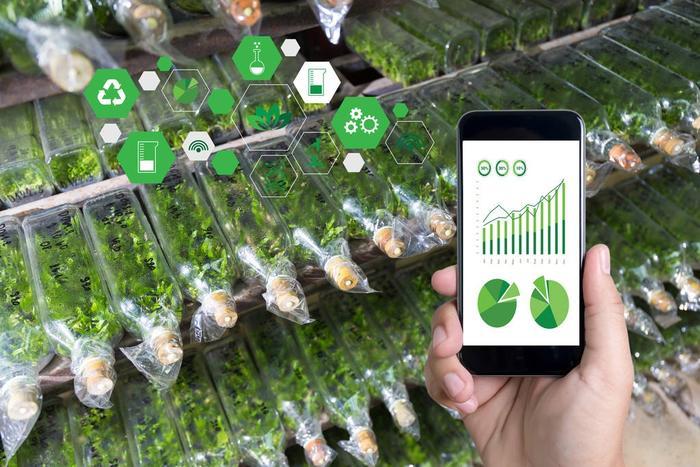
Traditional agriculture often depends on manual observation and experience. Agricultural IoT adds continuous monitoring and remote control. It can help greenhouse managers adjust climate, farm operators understand soil and weather conditions, and project owners maintain production records for traceability.
The main benefits are scientific planting, precise control, more active management and greener production records. Sensors provide the data foundation, controllers execute actions, and the platform stores records for later review.
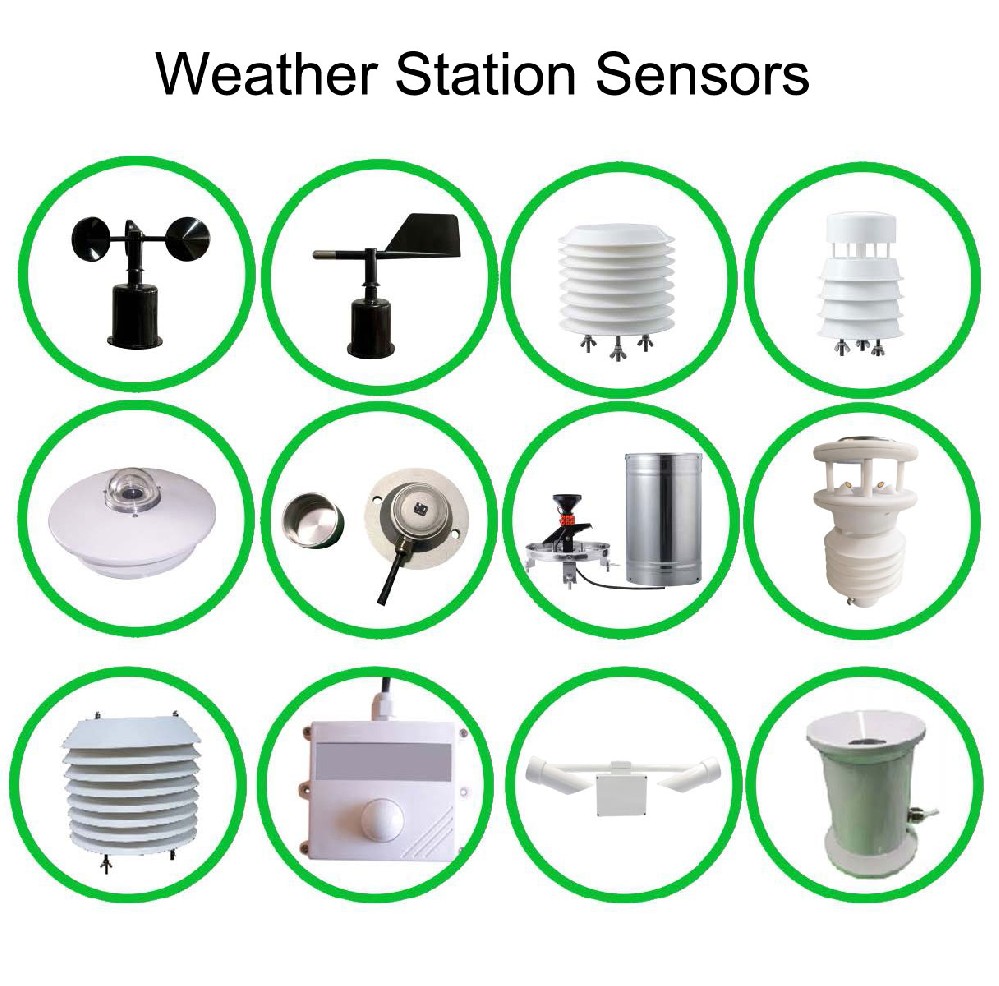
The sensor layer may include air temperature, air humidity, CO2, illuminance, soil moisture, soil temperature, outdoor temperature, wind speed, wind direction and rainfall sensors. These values are uploaded through gateways or controllers to the management platform.
The execution layer can include electric curtains, exhaust fans, irrigation valves and other electromechanical equipment. Users can control these devices by phone or computer, or let the system trigger actions according to predefined logic.
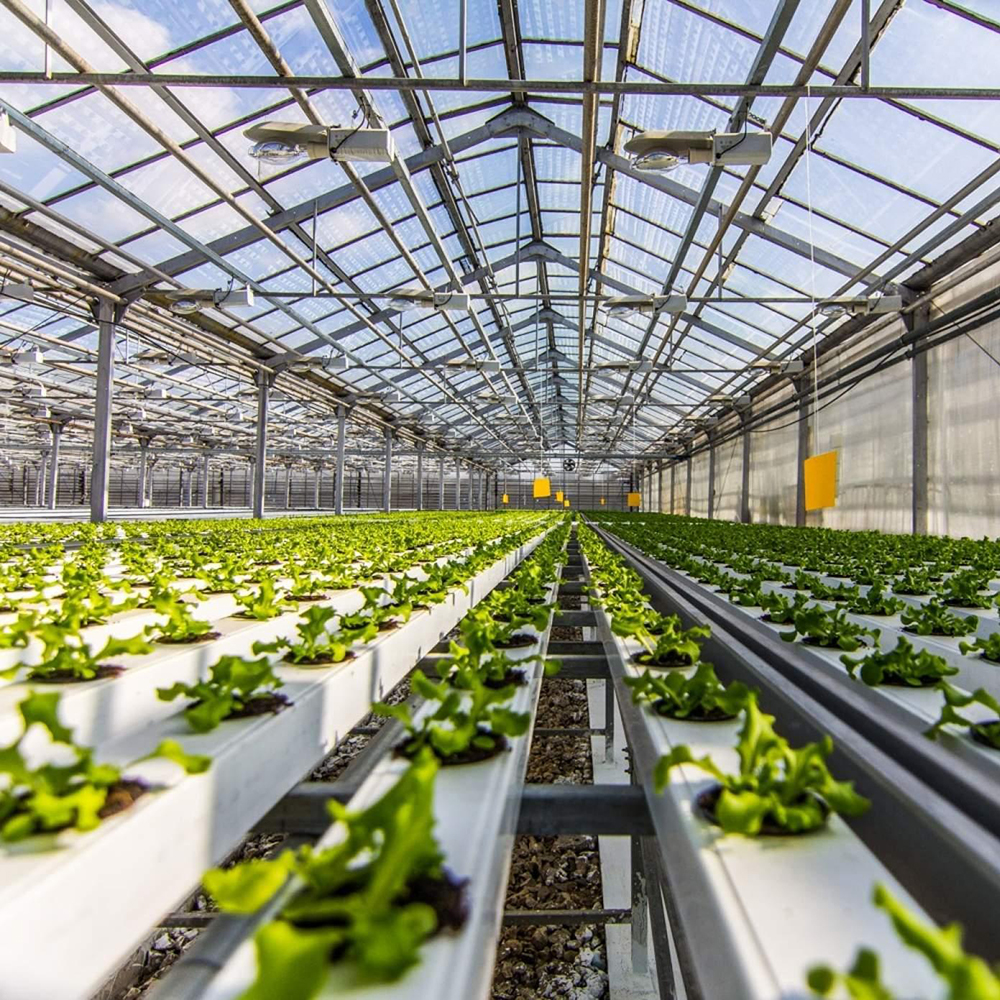
RS485 and Modbus RTU are widely used for agricultural sensors because they connect with controllers, gateways and PLCs. Wireless networks and mobile communication are useful for remote farms. The buyer should define whether the project needs local control, cloud platform, mobile alerts, or integration with existing systems.
| Layer | Typical Components | Engineering Use |
|---|---|---|
| Environmental sensing | Temperature, humidity, CO2, illuminance, wind speed, wind direction, rainfall | Greenhouse climate and outdoor weather decisions |
| Soil sensing | Soil moisture, soil temperature, pH, EC and salinity | Irrigation, fertigation and soil condition management |
| Data acquisition | RS485 Modbus collector, RTU or IoT gateway | Sensor reading and protocol conversion |
| Communication | RS485, 4G, Ethernet or wireless node | Local integration and cloud upload |
| Execution equipment | Water valves, fans, curtains, pumps and irrigation controllers | Remote and automatic control |
| Platform | Real-time monitoring, historical curves, alarms, records and user management | Operation management and traceability |
| Power supply | AC cabinet power, DC sensor power or solar for remote nodes | Site-specific power design |
| Protection | IP65 field boxes, IP68 buried probes by component | Outdoor and agricultural reliability |
Site challenge: Temperature, humidity, CO2 and light change quickly inside greenhouses.
System integration scheme: Use sensors and controllers to manage fans, curtains, irrigation and alarms.
User value: Growers can adjust climate based on measured values and crop stage.
Site challenge: Large fields are difficult to inspect manually every day.
System integration scheme: Deploy soil and weather sensors with wireless or 4G communication.
User value: Managers can identify drought, weather risk and irrigation demand remotely.
Site challenge: Manual records are often incomplete and difficult to verify.
System integration scheme: Store sensor history, equipment operation records and alarm logs in the platform.
User value: The farm gains data support for traceability and quality management.
Site challenge: Service teams need to manage several sites and provide expert guidance.
System integration scheme: Use a platform with remote data access, alerts and historical curves.
User value: Experts can diagnose problems with data rather than only phone descriptions.
Start with the crop management decision, then choose sensors and control equipment.
For greenhouse projects, prioritize temperature, humidity, CO2, light and irrigation data.
For field projects, prioritize soil moisture, rainfall, wind and temperature data.
Confirm whether the system needs remote control or only monitoring and alarms.
Check protocol compatibility before connecting sensors to a third-party platform.
Define alarm thresholds by crop type, season and growth stage.
Agricultural IoT should not become a collection of disconnected devices. Sensor names, valve names, greenhouse zones and platform screens must match the physical site. Handover should include wiring diagrams, addresses, threshold settings, user permissions and operation records.
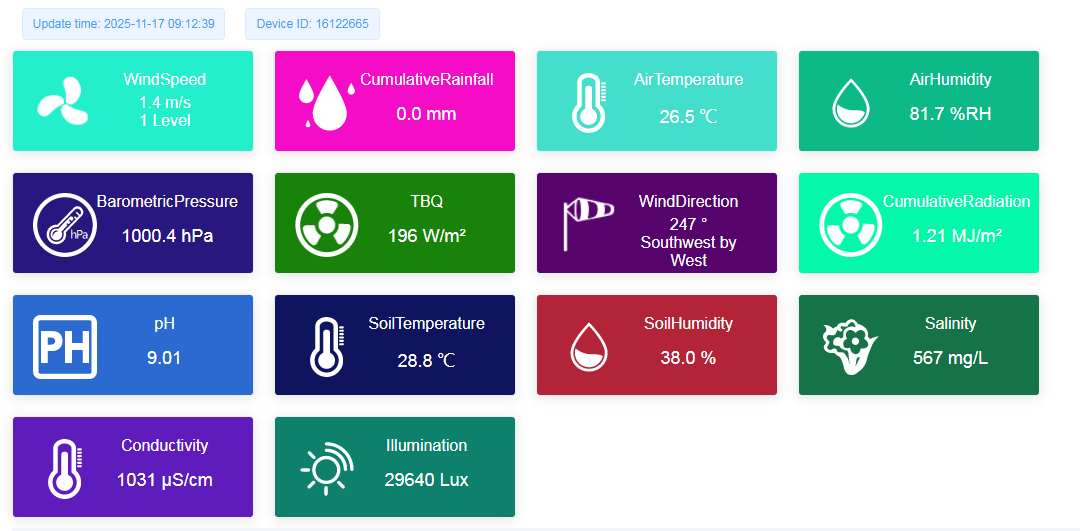
Agricultural IoT creates value only when monitoring data leads to action. Temperature and humidity data may adjust ventilation. CO2 and light data may influence greenhouse control. Soil moisture may trigger irrigation. Wind and rainfall may delay spraying or field work. Historical records may support traceability and quality management.
A practical IoT project should map each sensor to a management decision. If a sensor value does not change an alert, control action, report or analysis, it should be questioned before purchase. This avoids a platform with many numbers but little operational value.
The control side deserves the same attention as the sensor side. Remote control of curtains, exhaust fans, irrigation valves or pumps should include equipment naming, permission control, status feedback and manual override. In a real greenhouse, an operator must know not only that humidity is high, but also which fan or curtain group can correct it and whether the command was actually executed.
For farms that plan traceability or standardized production, historical records are not an optional feature. Temperature, humidity, CO2, light, soil moisture, irrigation actions and alarm handling records help explain why a crop batch performed well or poorly. This makes the system useful for management review instead of only real-time display.
Define crop, greenhouse or field management objectives first.
Select sensors according to the decisions: climate, soil, weather, water or traceability.
Confirm controller outputs for fans, valves, curtains, pumps or alarms.
Use RS485 Modbus where industrial sensors must connect to gateways.
Define user permissions for remote control before commissioning.
Sensor names should match actual greenhouse zones or field blocks.
Valve and equipment names should match platform buttons.
Historical curves and alarm logs should be tested before handover.
Operators should be trained to adjust thresholds by crop stage and season.
For a useful inquiry, the buyer should provide site layout, crop type, required sensors, existing equipment, communication condition, platform requirements and whether remote control is needed. This makes the proposal a real system design instead of an equipment list.
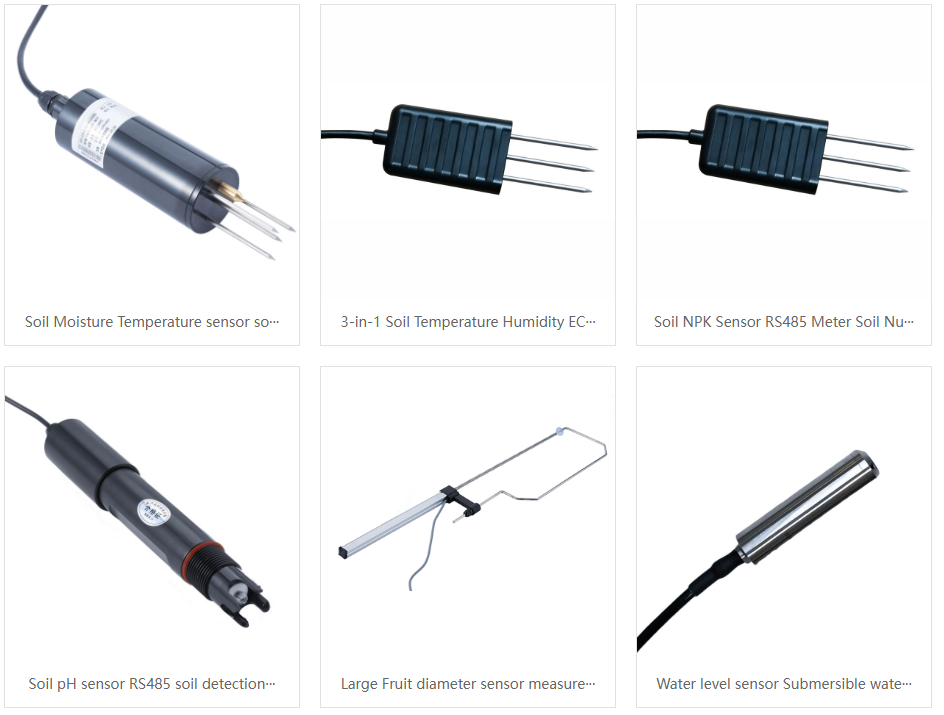
Agricultural IoT acceptance should be done by workflow, not only by checking that sensors are online. The team should confirm that each greenhouse zone or field block has the correct sensor names, that alarms go to the right user, and that remote control buttons operate the correct valve, fan, curtain or pump. A wrong equipment name can be more dangerous than a missing data point.
The platform should also be checked for historical curves, equipment operation logs and threshold adjustment. These records are the basis for scientific planting, traceability and operation review. Without them, the IoT system becomes a remote dashboard rather than a management system.
For automatic control, acceptance should include both automatic and manual modes. A buyer may want automatic irrigation under a soil-moisture threshold, but the farm still needs a way to pause control during maintenance, fertilizer mixing or emergency repair. This detail is often what separates a usable agricultural IoT system from a demonstration screen.
Greenhouse or field layout with zone names.
Sensor list and controlled equipment list.
Communication condition and existing controller or platform requirements.
Alarm rules, user permissions and whether automatic logic is required.
A greenhouse IoT system may include air temperature, humidity, CO2, light, soil moisture, soil temperature, irrigation valves, fans and curtains. An open-field system may focus on soil moisture, rainfall, wind and irrigation control. A traceability project may place more emphasis on historical records, alarm logs and equipment operation records than on automatic control.
A: It is a system that connects agricultural sensors, controllers, communication networks and platforms to monitor conditions and support remote or automatic control.
A: Temperature, humidity, CO2, light, soil moisture, soil temperature, wind speed, wind direction and rainfall sensors are common in farm and greenhouse projects.
A: Sensor data helps growers understand whether soil and climate conditions match crop needs, supporting better planting, irrigation and climate decisions.
A: Yes. Electric curtains, fans, irrigation valves and other equipment can be controlled through a phone, computer or automatic logic when the system is configured for control.
A: Historical data supports traceability, crop analysis, alarm review and comparison between seasons or management methods.
A: No. Some farms only need monitoring and alerts. Full control should be selected when equipment, staff and maintenance capacity can support it.
A: RS485 Modbus allows multiple industrial sensors to connect to gateways or controllers with defined communication settings.
A: Define crop type, site layout, required sensors, control equipment, communication method, platform functions and alarm requirements.
A: It can reduce repeated inspections and manual equipment operation, but field maintenance and agronomic judgment are still required.
A: NiuBoL provides sensors and monitoring components that can be integrated into greenhouse, farmland and smart agriculture IoT systems.
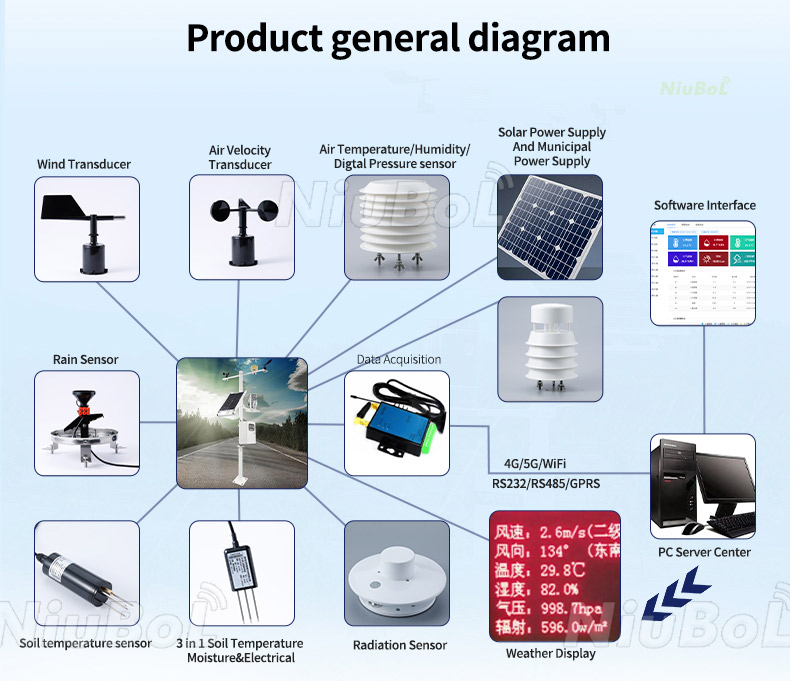
Agricultural IoT creates value when sensor data leads to clear farming actions. A well-designed system connects soil, weather, greenhouse climate, control equipment and platform records. NiuBoL agricultural sensors and monitoring solutions can support practical smart farming integration projects.
Prev:Micro Automatic Weather Station Functions: Power, Communication, Sensors and Procurement Guide
Next:Smart Greenhouse Control System Components: Sensors, Controllers, Video and Remote Management
Related recommendations
Sensors & Weather Stations Catalog
 Agriculture Sensors and Weather Stations Catalog-NiuBoL.pdf
Weather Stations Catalog-NiuBoL.pdf
Agriculture Sensors Catalog-NiuBoL.pdf
Water Quality Sensor Catalog-NiuBoL.pdf
Related products
 Combined air temperature and relative humidity sensor
 TDR Soil Moisture & Temperature Sensor for irrigation| RS485 |4-20mA| NBL-S-THR
 Soil pH sensor RS485 soil Testing instrument soil ph meter for agriculture |NBL-S-PH
 Wind Speed sensor Output Modbus/RS485/Analog/0-5V/4-20mA
 Tipping bucket rain gauge for weather monitoring auto rainfall sensor RS485/Outdoor/stainless steel
 Pyranometer Solar Radiation Sensor 4-20mA/RS485

Screenshot, WhatsApp to identify the QR code
WhatsApp number:+8615367865107
(Click on WhatsApp to copy and add friends)

