





— Blogs —
—Products—
 Consumer hotline +8618073152920
 WhatsApp:+8615367865107
Address:Room 102, District D, Houhu Industrial Park, Yuelu District, Changsha City, Hunan Province, China
Product knowledge
Time:2026-06-26 11:57:39 Popularity:206
A micro automatic weather station is a compact monitoring system used to collect local meteorological and environmental data. It can be powered by solar energy or AC 220V, use a removable bracket for easier transport, and transmit data through RS232, RS485, GPRS or 4G according to project configuration.
For project buyers, the station should be evaluated as a system: sensors, collector, power supply, communication, bracket, software and maintenance conditions. NiuBoL micro weather station solutions are used where local weather monitoring is required but a large conventional station is not practical.
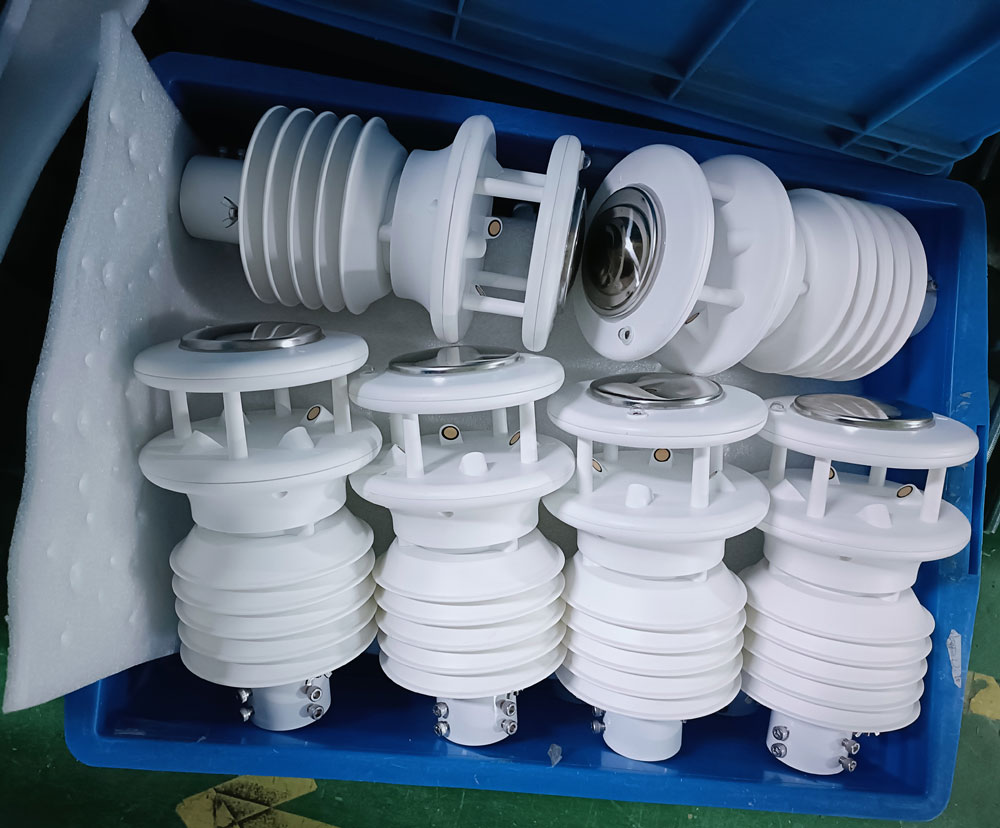
The station collector receives sensor data and can import records to computer software. Data can be stored as Excel files for later analysis. The station can use a 3 m carbon steel bracket, detachable sections for transport, or higher wind mast depending on project requirement.
The station’s sensor set may include temperature, humidity, wind speed, wind direction, pressure, rainfall, radiation, CO2 and soil parameters. The exact configuration should follow the application rather than a fixed catalog list.
Weather disasters and environmental changes create demand for more local observation points. A micro station supports agricultural management, environmental meteorology, urban monitoring, field research and operation safety. It provides earlier and more site-specific data than distant regional observations.
Flexible power, flexible communication, strong software export and rugged structure are practical field requirements. A station that cannot communicate, survive rain or export data is not useful even if its sensor list looks complete.
For a micro automatic weather station, function is not only the number of sensors. The station must stay powered, keep communication online, protect cables and continue storing data during weather events. Solar systems should be reviewed by load, battery autonomy and rainy-day operation. AC systems should be reviewed by grounding, surge protection and cabinet wiring. Mobile stations should be reviewed by bracket assembly time and transport safety.
Maintenance planning should be included in the procurement document. Rain gauges need cleaning, solar panels need surface inspection, wind sensors need unobstructed exposure, and cable glands should be checked after storms. These details help buyers compare complete station packages instead of comparing only sensor names.
RS232 is useful for direct local connection. RS485 supports industrial integration and longer cable transmission. GPRS or 4G supports remote cloud communication. Buyers should confirm whether the project needs local USB export, wired platform integration or remote unattended upload.
| Parameter | Typical Project Value | Engineering Note |
|---|---|---|
| Core parameters | Air temperature, relative humidity, wind speed, wind direction, barometric pressure | Common five-parameter micro weather station configuration |
| Extended sensors | Rainfall, solar radiation, illuminance, CO2, soil temperature, soil moisture, pH, salinity | Add only when the project decision requires them |
| Communication | RS485 / Modbus RTU, GPRS, 4G, 5G or local USB depending on configuration | Connect to collector, cloud platform, PLC or local software |
| Supply | DC 12V, AC 220V or solar power by system configuration | Choose based on site power and maintenance access |
| Power consumption | About 1.5W for some GPRS/4G micro station configurations; 3-5W for cloud micro weather station configurations | Important for solar and battery sizing |
| Protection | IP65 for station enclosure; weatherproof outdoor design | Outdoor reliability and rainy-season operation |
| Working temperature | -50 to 50℃ for some micro station configurations; -50 to 80℃ for cloud station configuration | Confirm actual product model before final selection |
| Data storage | Minute data and hourly data storage; U disk extension available on selected systems | Useful for unattended operation and later reporting |
| Mounting | Aluminum alloy, stainless steel or galvanized support; 3 m carbon steel support or 10 m wind mast by project | Select by measurement purpose and wind exposure |
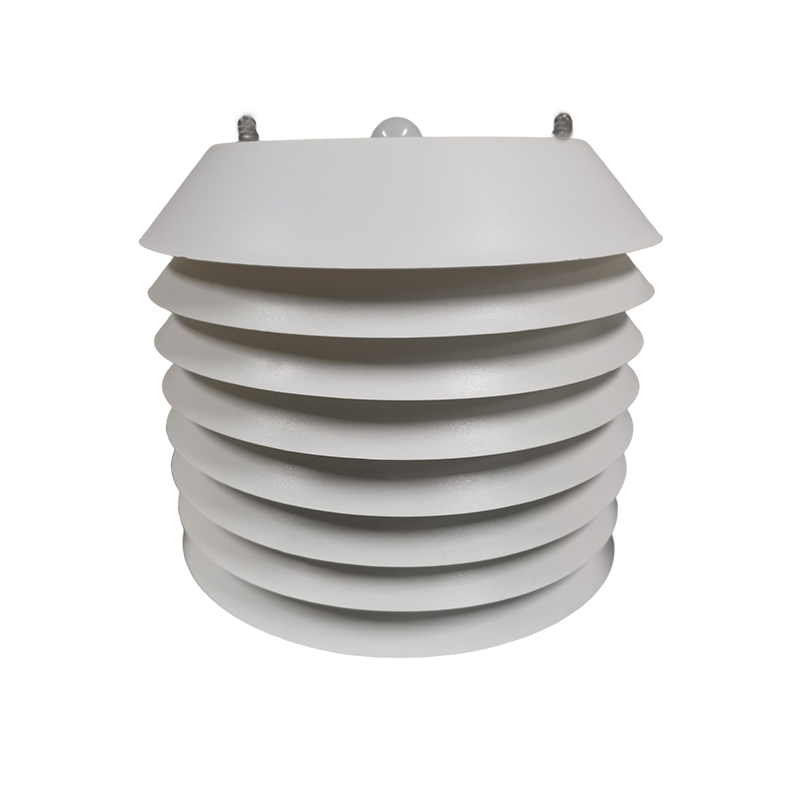
A micro automatic weather station can include many functions, but buyers should separate required functions from optional features. Power mode, communication method, data export and protection level are not decorative details. They decide whether the station can run at the site and whether the owner can use the data after deployment.
For remote sites, solar power and battery sizing matter more than a long sensor list. For factory or campus sites, stable AC power and local data export may be more important. For multi-station projects, communication status and map display may be needed so operators can find offline stations quickly.
The station should also be reviewed as a mechanical installation. A detachable 3 m support may be suitable for farms and temporary monitoring points, while a 10 m wind mast may be required when wind data must follow a more formal exposure height. Bracket coating, cable routing, waterproof box structure and grounding should be confirmed before shipment because these details are difficult to correct after a remote installation team has left the site.
For data management, the buyer should decide whether the site needs only local Excel export, platform viewing, alarm forwarding or integration with another system. A station with the correct sensor list but the wrong data path can still fail the project, because operators cannot use the information in their normal workflow.
Select power mode: AC 220V, solar or mixed supply.
Select communication: RS232/USB, RS485, GPRS or 4G according to operation workflow.
Check whether the software exports Excel records for analysis.
Confirm bracket material, wind resistance and corrosion protection.
Confirm whether station status and data interruption alarms are visible.
Rain gauges and radiation sensors require periodic cleaning.
Cables and connectors should be checked after storms.
Electromagnetic interference and vibration should be avoided during site selection.
Remote stations should include a maintenance access plan before installation.
A useful quotation should include the sensor list, collector, power system, communication method, bracket, software function, installation accessories and commissioning support. Without these details, two quotations with the same station name may deliver very different field capability.
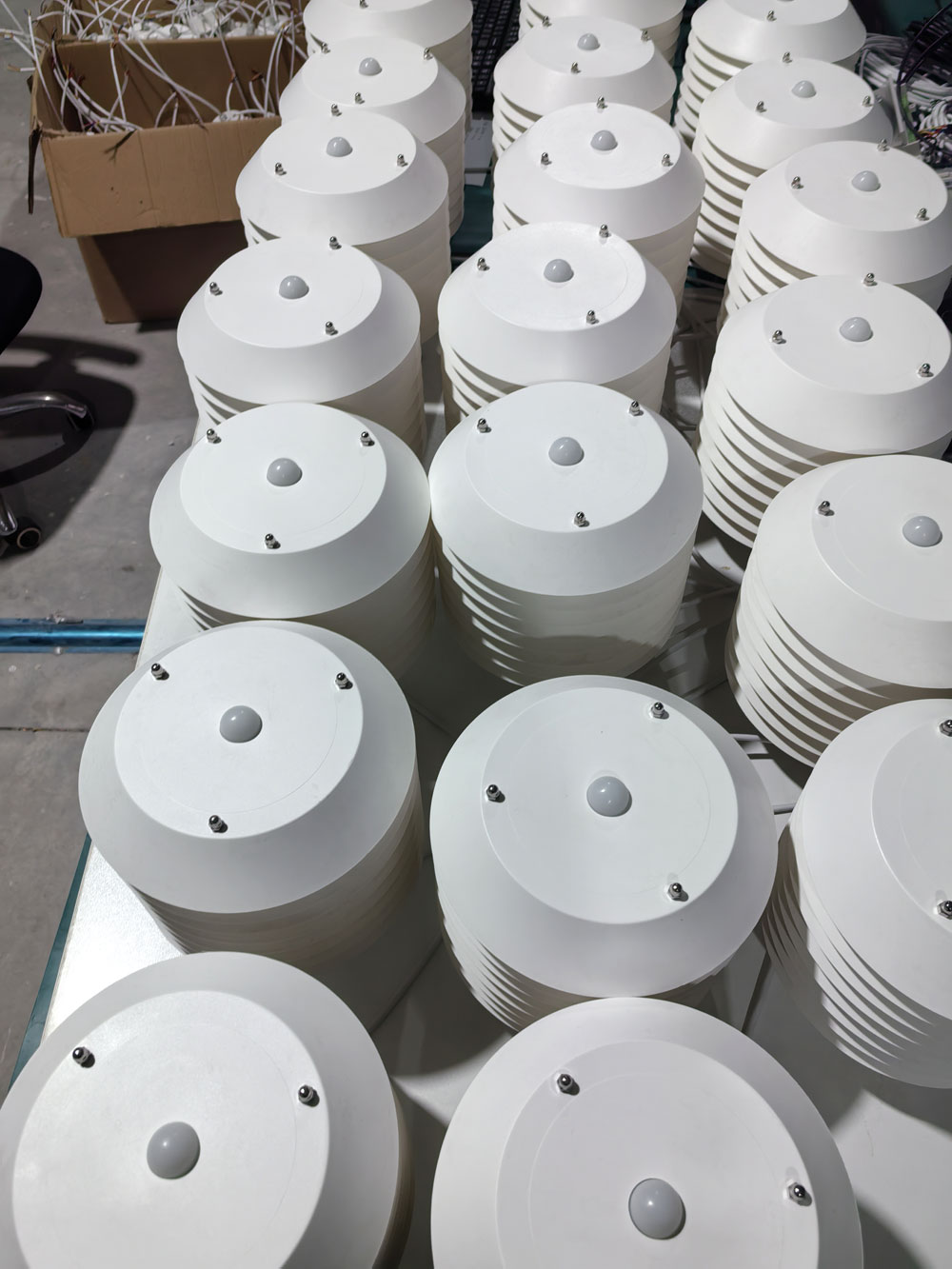
Automatic weather station sensors should avoid vibration, electromagnetic interference and poor maintenance. If external interference cannot be avoided, the operator should check sensor values and station status after abnormal events.
Site challenge: Farm operations need local wind, rain, temperature and humidity data.
System integration scheme: Use micro stations with 4G upload and optional rainfall or soil sensors.
User value: Managers can support irrigation, spraying and disaster response decisions.
Site challenge: Pollution and weather interaction require local weather context.
System integration scheme: Deploy stations with weather sensors and optional air quality modules.
User value: Operators can interpret environmental data with wind and climate context.
Site challenge: Research stations need continuous data but may lack grid power.
System integration scheme: Use solar power, local storage and remote communication.
User value: Researchers reduce site visits and retain continuous datasets.
Site challenge: Outdoor work may be affected by wind, rain and temperature extremes.
System integration scheme: Install rugged micro stations with alarms and platform display.
User value: Safety and scheduling decisions are based on local conditions.
Choose power mode based on site: solar for remote sites, AC 220V where stable power is available.
Choose communication mode based on operation: RS232/USB for local export, RS485 for integration, 4G for cloud monitoring.
Confirm protection level and material for salt fog, dust, rain and corrosion conditions.
Select bracket height and wind resistance according to measurement purpose and site exposure.
Ask whether software can export Excel records and support historical analysis.
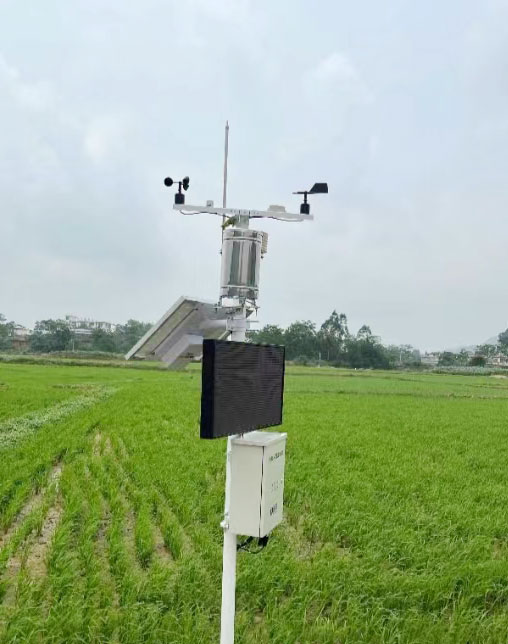
A micro automatic weather station should be accepted by testing power, communication, data display and software export together. For solar systems, the battery and charging status should be visible. For RS485 systems, the register values and units should be checked. For 4G systems, upload stability and platform records should be confirmed.
The station support and enclosure should also be checked. Bracket material, surface treatment, waterproof box, cable entry and grounding affect service life. These are often the parts that determine whether the station keeps working after rain, dust, salt fog or strong wind.
Power choice: solar, AC 220V or mixed power.
Communication choice: RS232, USB, RS485, GPRS or 4G.
Required sensor parameters and whether cloud platform access is needed.
Installation height, wind exposure, corrosion condition and maintenance access.
A small farm station can use solar power, a 3 m detachable support, temperature, humidity, wind and rainfall sensors, and 4G platform upload. A fixed environmental site may use AC 220V, a higher wind mast, RS485 cabinet connection and Excel export for local reports. The correct configuration depends on the site workflow, not on the station name.
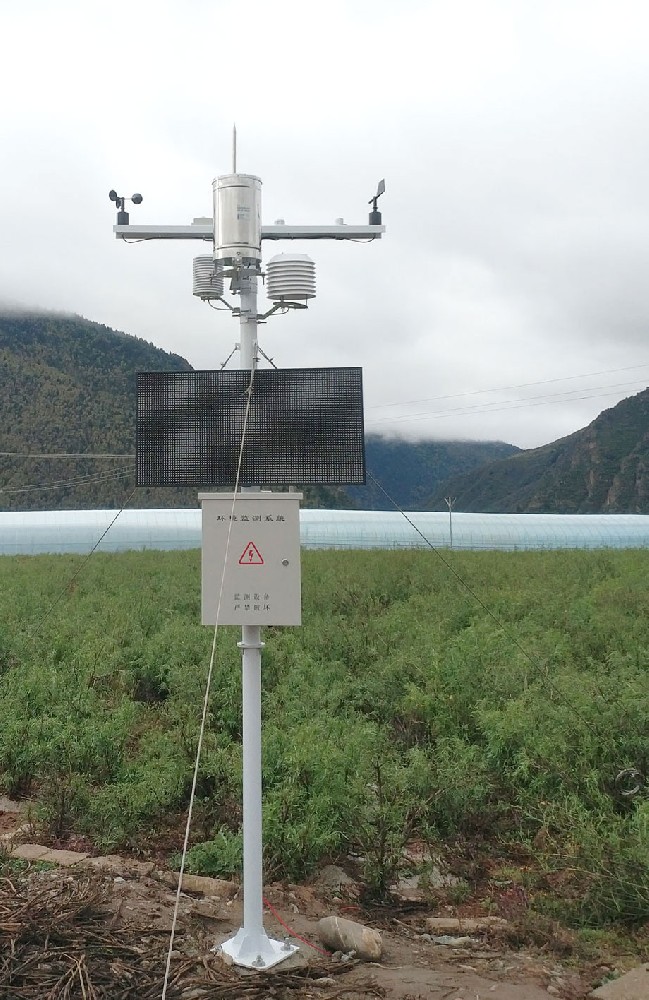
A: It is a compact automatic station that measures local weather parameters through sensors and sends data to local software or a remote platform.
A: Depending on configuration, the station can use solar power or AC 220V. Power selection should match site access and reporting interval.
A: RS232, wired connection, RS485, GPRS and 4G can be selected by project requirement.
A: Temperature, humidity, wind speed, wind direction, pressure, rainfall, radiation, CO2 and soil sensors can be configured according to the application.
A: IP65 protection, corrosion-resistant materials and proper installation help outdoor operation, but grounding and maintenance remain important.
A: Yes. Software can store data in Excel format for further processing by other analysis tools.
A: Check sensor list, communication method, power mode, bracket material, protection level, software export and maintenance plan.
A: A micro station is more compact and easier to deploy, while a large station may use more specialized instruments and stricter observation standards.
A: Vibration, electromagnetic interference, current interference, poor maintenance or blocked sensors can cause abnormal values.
A: NiuBoL provides configurable micro weather station equipment, sensors and communication options for agriculture, environment and industrial monitoring.
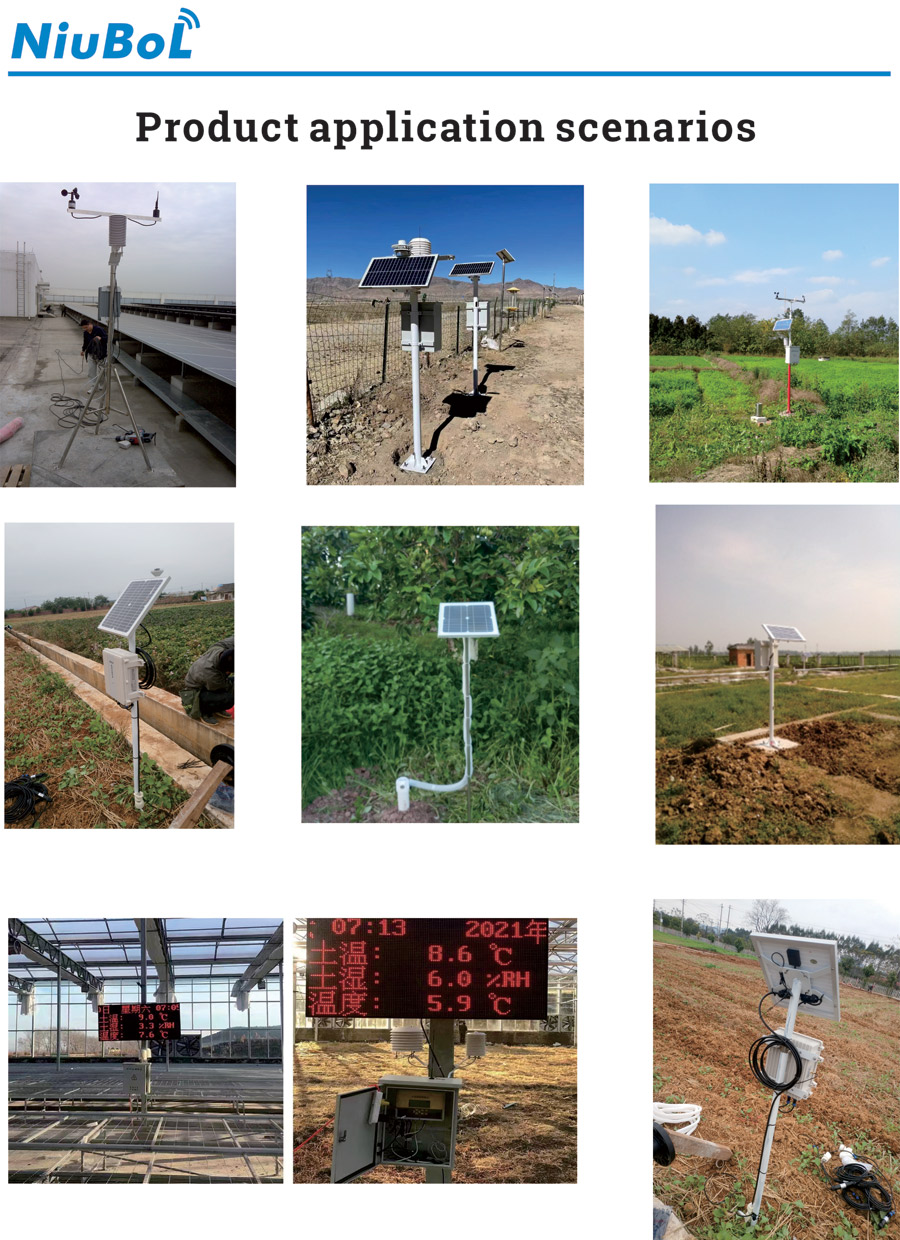
A micro automatic weather station should be selected by power, communication, sensor list and field environment. A practical project design connects local weather data with the user’s actual operation: agriculture, environmental monitoring, research or safety management.
Next:Agricultural IoT Benefits: Sensor Networks, Remote Control and Smart Farming System Integration
Related recommendations
Sensors & Weather Stations Catalog
 Agriculture Sensors and Weather Stations Catalog-NiuBoL.pdf
Weather Stations Catalog-NiuBoL.pdf
Agriculture Sensors Catalog-NiuBoL.pdf
Water Quality Sensor Catalog-NiuBoL.pdf
Related products
 Combined air temperature and relative humidity sensor
 TDR Soil Moisture & Temperature Sensor for irrigation| RS485 |4-20mA| NBL-S-THR
 Soil pH sensor RS485 soil Testing instrument soil ph meter for agriculture |NBL-S-PH
 Wind Speed sensor Output Modbus/RS485/Analog/0-5V/4-20mA
 Tipping bucket rain gauge for weather monitoring auto rainfall sensor RS485/Outdoor/stainless steel
 Pyranometer Solar Radiation Sensor 4-20mA/RS485

Screenshot, WhatsApp to identify the QR code
WhatsApp number:+8615367865107
(Click on WhatsApp to copy and add friends)

