





— Blogs —
—Products—
 Consumer hotline +8618073152920
 WhatsApp:+8615367865107
Address:Room 102, District D, Houhu Industrial Park, Yuelu District, Changsha City, Hunan Province, China
Product knowledge
Time:2026-06-26 11:57:39 Popularity:200
Micro meteorological sensors provide local weather information for field work, especially during spring farming when rainfall, wind and soil moisture can decide whether an operation should start or wait. Rainfall can replenish soil water, but excessive rain can delay sowing, cause lodging and create spring waterlogging risk.
For agriculture, a weather station is not only a device for observing the sky. It is a field decision system. Temperature, humidity, wind speed, wind direction, pressure, rainfall and light sensors help growers choose irrigation, drainage, spraying, greenhouse ventilation and disaster prevention actions.
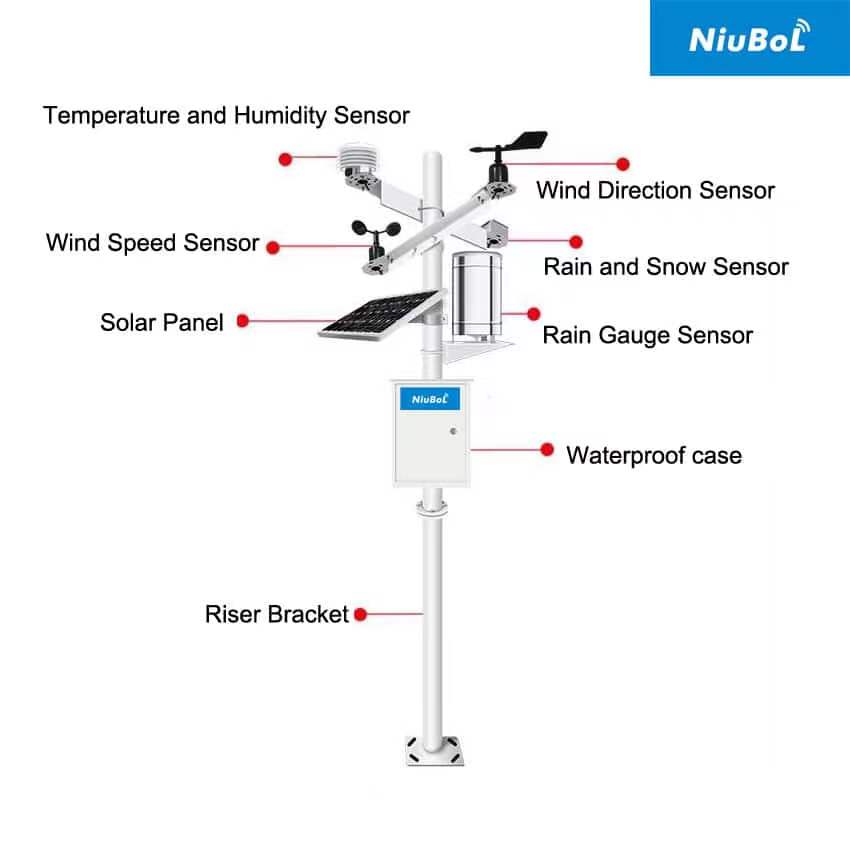
Agricultural disasters such as rainstorm, cold wave, snow, hail and short-duration heavy rainfall can cause large production losses. Micro meteorological sensors help users monitor site-level changes instead of relying only on regional weather information.
During spring sowing, the key question is timing. A farmer needs to know whether rainfall is beneficial moisture, whether fields need drainage, whether wind conditions allow spraying and whether cold weather will slow crop development. Sensor data supports these decisions.
Site challenge: Rainfall may help soil moisture but may also delay sowing and cause waterlogging.
System integration scheme: Use rainfall, temperature, humidity and wind data to plan field operations.
User value: Farmers can choose better operation windows and reduce weather-related losses.
Site challenge: High humidity and wet conditions can increase disease pressure.
System integration scheme: Monitor humidity, rainfall and temperature trends at field level.
User value: Agronomists can time inspections and prevention measures more accurately.
Site challenge: Wind can cause drift, poor spraying quality and safety risk.
System integration scheme: Use wind speed and direction sensors before spraying.
User value: Operators avoid unsuitable weather windows.
Site challenge: Protected cultivation still needs local air, light and CO2 context.
System integration scheme: Connect temperature, humidity, wind, light and optional CO2 sensors to control systems.
User value: Growers adjust ventilation, curtains and irrigation with measured data.
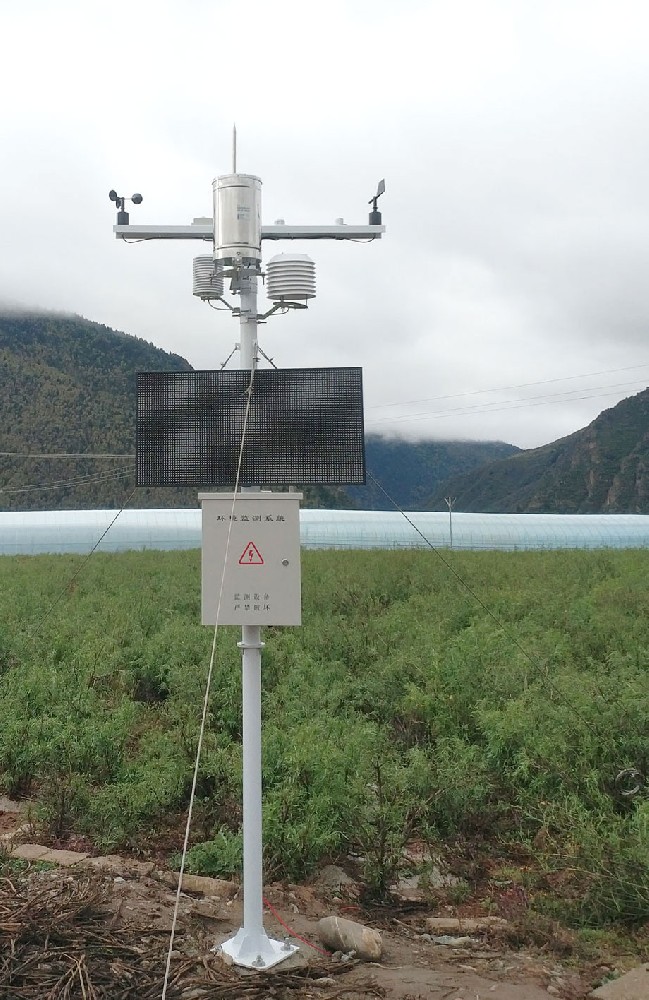
Agricultural micro meteorological projects should begin with the crop operation calendar. Before sowing, rainfall and soil moisture affect field readiness. During spraying, wind speed and wind direction decide whether the work should continue. During flowering and fruiting, temperature and humidity may influence stress and disease inspection. In protected cultivation, light, CO2 and ventilation data become part of daily operation.
This workflow-based selection makes the article useful for buyers because it separates required sensors from optional sensors. A farm that mainly needs spray timing does not need the same configuration as a greenhouse that manages ventilation and shading. A contractor can use this logic to prepare a quotation that fits the actual field decision.
Agricultural weather sensing becomes useful when each sensor has a decision attached to it. Rainfall informs drainage and irrigation delay. Wind informs spraying and facility protection. Temperature supports frost and heat stress decisions. Humidity and rainfall together support disease-risk inspection. Light and radiation help greenhouse shading and crop growth analysis.
The most common mistake is to install a station and then only look at real-time values. A better workflow defines what value requires a response and who receives the alert. For example, wind above a spraying limit should delay operation, while heavy rainfall should trigger drainage checks in low-lying fields.
For procurement teams, this means the sensor list should be written as an operation list. If the farm only needs a general climate record, temperature, humidity, rainfall and wind may be enough. If the farm wants to connect weather data with irrigation scheduling, soil moisture should be included. If crop disease control is the main objective, humidity duration, rainfall event records and temperature range become more important than adding many unrelated parameters.
The installation point also changes the value of the data. A sensor near a wall, tree line, greenhouse exhaust outlet or high crop canopy may describe a local disturbance instead of the field condition. In practical projects, the first acceptance question is often not whether the sensor can measure, but whether the location represents the decision area.
Use wind speed and direction when spraying, drift and lodging risk matter.
Use rainfall when drainage, flood, irrigation or spring farming timing matters.
Use temperature and humidity when frost, heat or disease risk matters.
Use light or radiation sensors when crop light conditions affect management.
Use pressure mainly as a weather trend reference rather than a direct farm action trigger.
Avoid buildings, trees and local heat sources around weather sensors.
Keep rain gauges level and free from overhead obstruction.
Record sensor height and station coordinates for later comparison.
Review thresholds after the first season of local operation.
For procurement, the buyer should describe crop type, operation risks, communication method and whether the weather data will only be displayed or also used for alerts and control.
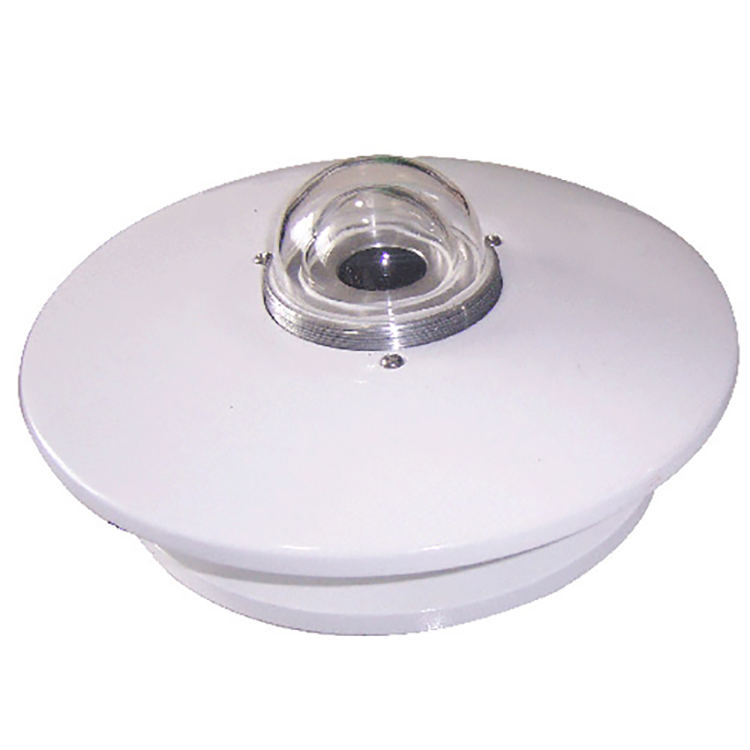
Micro sensors form the perception layer of an agricultural weather station. A collector or gateway reads the values, and the platform converts the data into curves, alerts and records. If connected with irrigation or greenhouse equipment, weather data can also become a control reference.
Compared with manual observation, the sensor system provides continuous records. This helps users review what happened before a crop problem or weather event, not only what is seen after damage occurs.
| Sensor | Typical Range / Output | Agricultural Value |
|---|---|---|
| Temperature sensor | -40 to 80℃ typical | Frost, heat stress and crop development reference |
| Humidity sensor | 0 to 100%RH | Disease risk, greenhouse climate and drying condition |
| Wind speed sensor | 0 to 60 m/s | Spraying safety, lodging risk and facility protection |
| Wind direction sensor | 0 to 360° | Weather interpretation and drift direction |
| Rainfall sensor | Tipping bucket, 0.2 mm or 0.01 mm resolution by model | Drainage, irrigation and storm event records |
| Pressure sensor | 10 to 1100 hPa typical | Weather trend reference |
| Light / radiation sensor | Lux or W/m2 by selected sensor | Crop light condition and greenhouse control reference |
| Output | RS485 / Modbus RTU or analog by model | Integration with farm IoT platform |
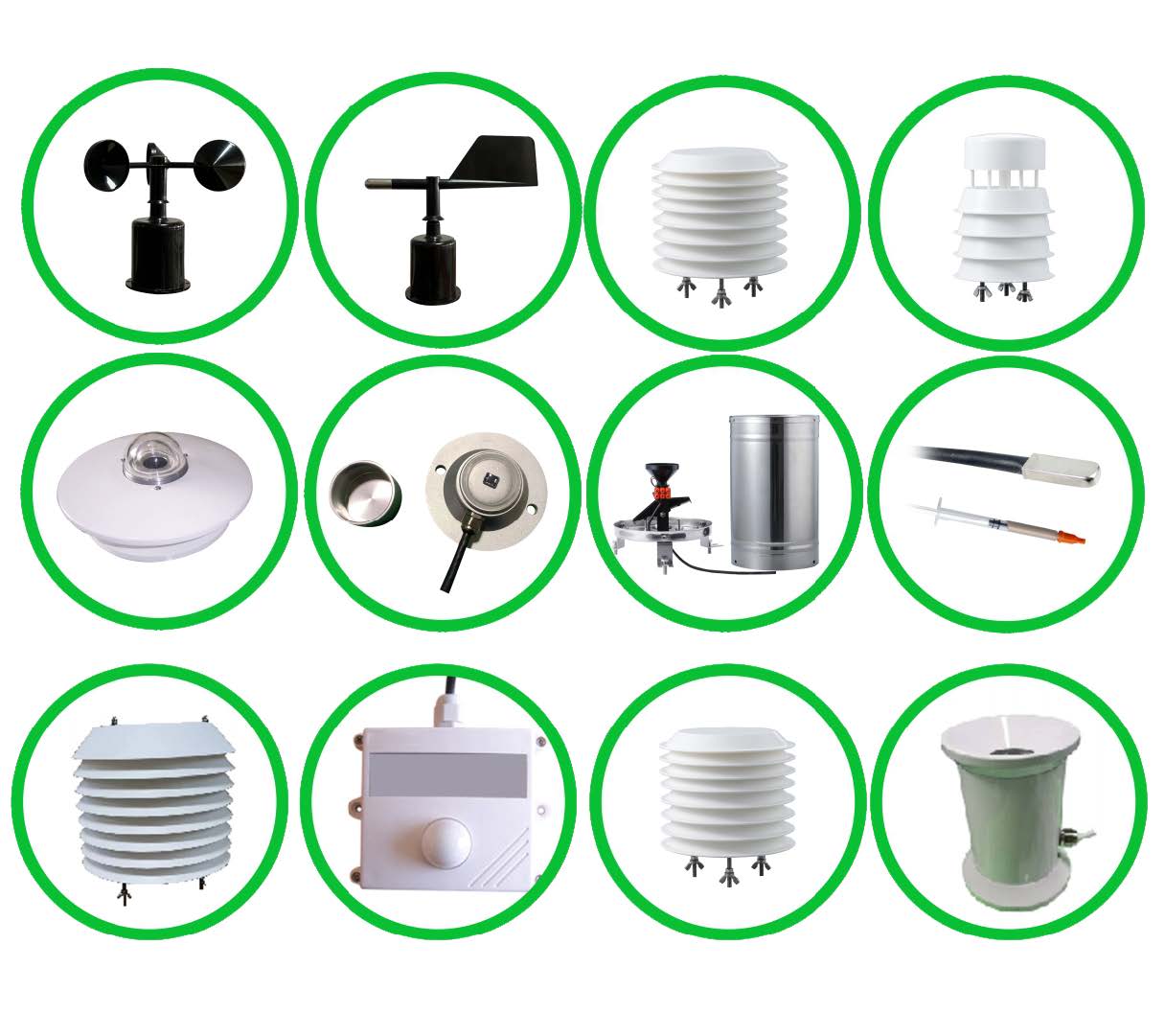
RS485 and Modbus RTU are common for industrial meteorological sensors because they can be read by collectors, PLCs and IoT gateways. For farm deployments, 4G upload is often used when stations are far from offices. Buyers should confirm sensor output, address and data unit before integration.
Start from the decision: sowing, drainage, spraying, greenhouse control or disaster warning.
Use rainfall and wind sensors when field operation timing is important.
Use temperature and humidity sensors for frost, heat and disease risk decisions.
Add light or radiation sensors when crop photosynthesis or greenhouse shading is part of the project.
Confirm RS485 Modbus documents if sensors must integrate with an existing IoT system.
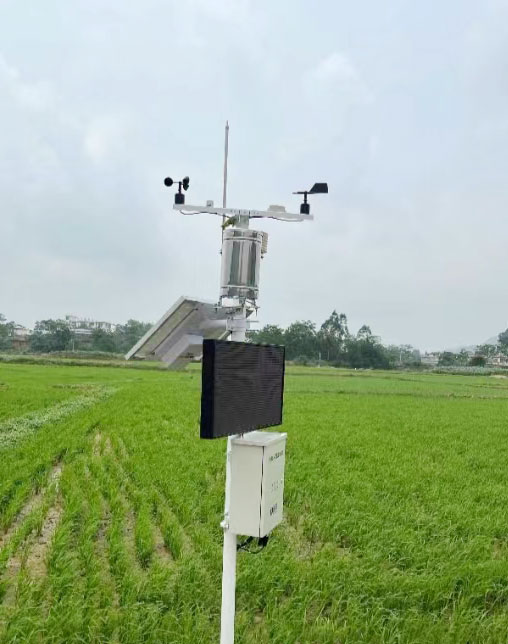
The acceptance test should connect each sensor reading to the agricultural action it supports. Rainfall should be checked for event logging. Wind data should be checked against site direction and practical spraying decisions. Temperature and humidity should be reviewed for alarm threshold suitability. If the system includes light or radiation, shading and crop management use should be defined.
A project that only displays weather values but never defines thresholds will be weak after handover. The farm should decide which values trigger inspection, drainage, irrigation delay, spraying delay or greenhouse adjustment. This is also what makes FAQ-style answers useful for buyers: they connect a sensor with a real field decision.
A practical handover can include one short operating table for the farm team: parameter, normal range for the crop stage, alert condition, responsible person and action. This table does not replace agronomic judgment, but it prevents sensor data from being ignored after installation. It also gives distributors and project contractors a clearer basis for training and after-sales support.
Crop type and main weather risk: rain, wind, frost, heat or disease pressure.
Required sensor list and whether alarms are needed.
Installation environment and possible obstacles around the station.
Whether sensor data will connect to an irrigation or greenhouse system.
For spring farming, a practical configuration includes rainfall, temperature, humidity, wind speed and wind direction. For greenhouse operation, light, CO2 and soil moisture may be added. For disaster warning in exposed fields, rainfall and wind alarms should be more prominent than pressure data because they drive immediate field decisions.
Sensor placement determines data value. A wind sensor blocked by buildings, or a rainfall sensor under trees, can mislead field decisions. The project should include installation photos, height, coordinates and maintenance plan.
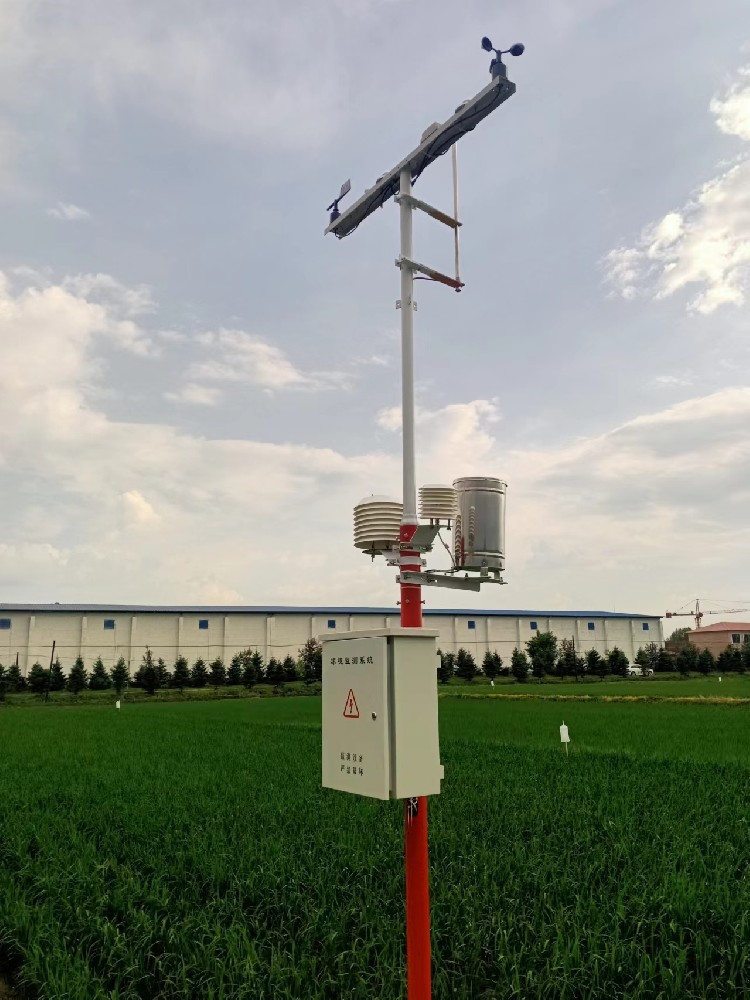
A: They provide local weather data for irrigation, drainage, sowing, spraying, greenhouse control and disaster prevention decisions.
A: Rainfall, temperature, humidity, wind speed and wind direction sensors are especially useful for choosing field operation windows.
A: They cannot stop weather events, but they provide earlier local information so growers can drain fields, delay operations or protect facilities.
A: Wind speed and direction affect spraying safety, lodging risk and greenhouse facility protection.
A: No. Moderate rain can improve soil moisture, but excessive rain can cause waterlogging, lodging and delayed sowing.
A: Yes, RS485 Modbus and gateway upload can connect sensor data to farm platforms and alarm systems.
A: Confirm required parameters, output signal, power supply, installation height, protection level and platform compatibility.
A: Rain gauges, radiation sensors and exposed cables should be checked regularly, especially after storms or dusty periods.
A: Yes. They can support ventilation, shading, irrigation and climate records when integrated with greenhouse controllers.
A: NiuBoL provides weather sensors and station solutions that can be configured for field, greenhouse and agricultural IoT projects.
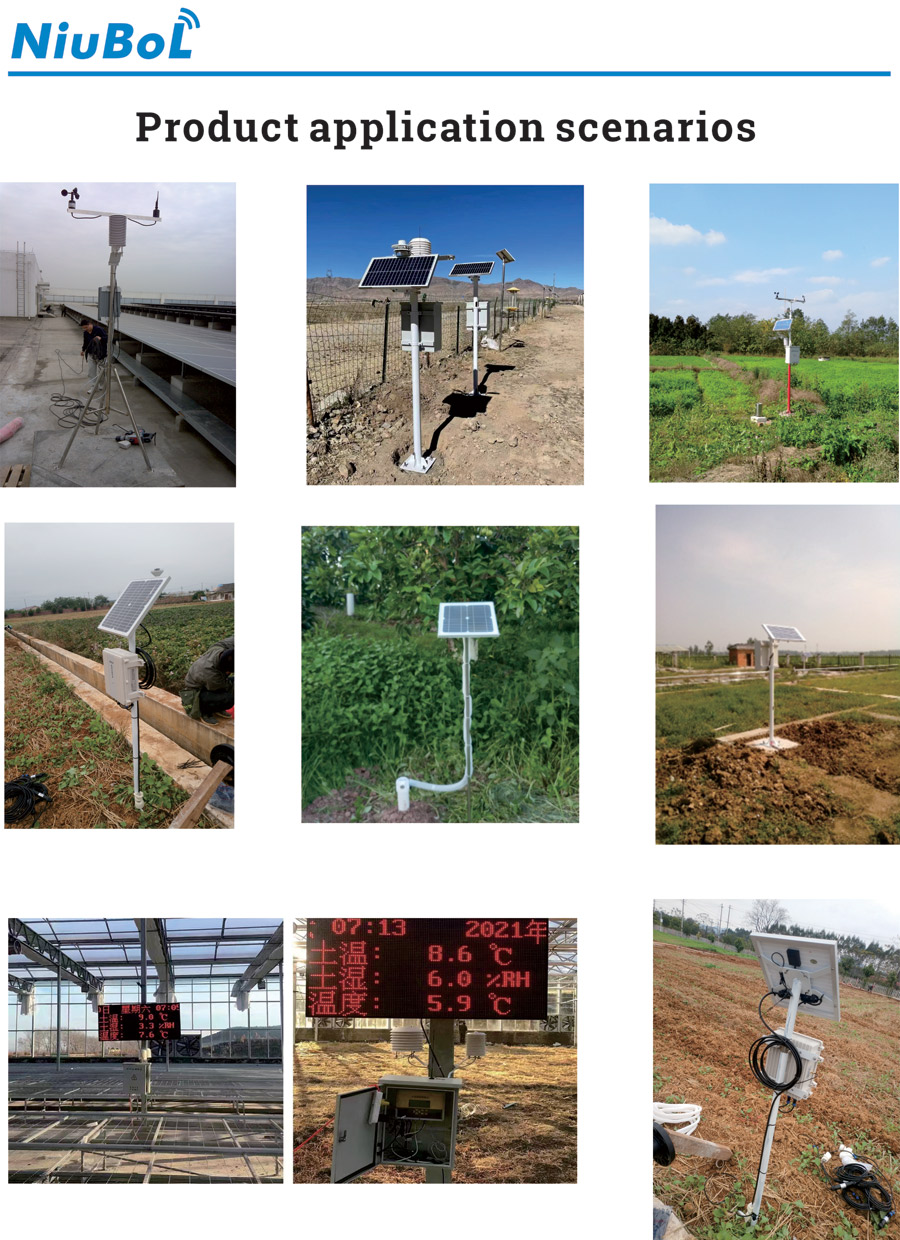
Micro meteorological sensors turn local weather into usable agricultural data. The right sensor configuration depends on the field decision, not on a fixed equipment list. For spring farming, disaster response and greenhouse projects, NiuBoL sensors can provide practical RS485-compatible monitoring data.
Prev:Micro Station 5-Parameter Weather Monitoring System: Components, Sensors and Integration Guide
Next:Micro Automatic Weather Station Functions: Power, Communication, Sensors and Procurement Guide
Related recommendations
Sensors & Weather Stations Catalog
 Agriculture Sensors and Weather Stations Catalog-NiuBoL.pdf
Weather Stations Catalog-NiuBoL.pdf
Agriculture Sensors Catalog-NiuBoL.pdf
Water Quality Sensor Catalog-NiuBoL.pdf
Related products
 Combined air temperature and relative humidity sensor
 TDR Soil Moisture & Temperature Sensor for irrigation| RS485 |4-20mA| NBL-S-THR
 Soil pH sensor RS485 soil Testing instrument soil ph meter for agriculture |NBL-S-PH
 Wind Speed sensor Output Modbus/RS485/Analog/0-5V/4-20mA
 Tipping bucket rain gauge for weather monitoring auto rainfall sensor RS485/Outdoor/stainless steel
 Pyranometer Solar Radiation Sensor 4-20mA/RS485

Screenshot, WhatsApp to identify the QR code
WhatsApp number:+8615367865107
(Click on WhatsApp to copy and add friends)

