





— Blogs —
—Products—
 Consumer hotline +8618073152920
 WhatsApp:+8615367865107
Address:Room 102, District D, Houhu Industrial Park, Yuelu District, Changsha City, Hunan Province, China
Product knowledge
Time:2026-06-26 11:57:38 Popularity:219
A micro station 5-parameter weather monitoring system is a compact station used to collect local meteorological data with lower installation complexity than a large traditional station. The five core parameters normally refer to air temperature, relative humidity, wind speed, wind direction and barometric pressure. According to project needs, rainfall, radiation, soil parameters, CO2 or dust modules can be added.
For system integrators, the value of a micro station is its balance between field deployment speed and data completeness. It can serve agriculture, environmental research, geology, outdoor testing, schools and small monitoring networks where continuous weather data is required.
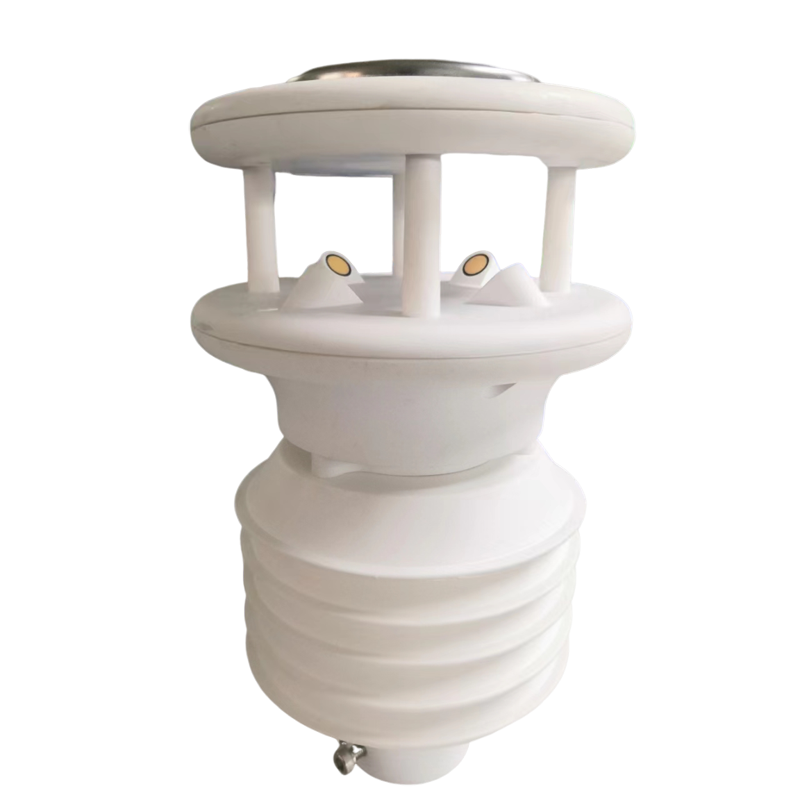
Weather data affects agriculture, transport, environmental management and field experiments. A compact station allows users to monitor local conditions without building a full conventional observatory. Fast response, stable performance, large storage, low power and continuous monitoring are key requirements for unattended field use.
A typical project needs not only sensors but a complete system: collector, sensor set, bracket, protection box, solar power control and software platform. Buyers should confirm which five parameters are fixed and which additional sensors are required.
| Parameter | Typical Project Value | Engineering Note |
|---|---|---|
| Core parameters | Air temperature, relative humidity, wind speed, wind direction, barometric pressure | Common five-parameter micro weather station configuration |
| Extended sensors | Rainfall, solar radiation, illuminance, CO2, soil temperature, soil moisture, pH, salinity | Add only when the project decision requires them |
| Communication | RS485 / Modbus RTU, GPRS, 4G, 5G or local USB depending on configuration | Connect to collector, cloud platform, PLC or local software |
| Supply | DC 12V, AC 220V or solar power by system configuration | Choose based on site power and maintenance access |
| Power consumption | About 1.5W for some GPRS/4G micro station configurations; 3-5W for cloud micro weather station configurations | Important for solar and battery sizing |
| Protection | IP65 for station enclosure; weatherproof outdoor design | Outdoor reliability and rainy-season operation |
| Working temperature | -50 to 50℃ for some micro station configurations; -50 to 80℃ for cloud station configuration | Confirm actual product model before final selection |
| Data storage | Minute data and hourly data storage; U disk extension available on selected systems | Useful for unattended operation and later reporting |
| Mounting | Aluminum alloy, stainless steel or galvanized support; 3 m carbon steel support or 10 m wind mast by project | Select by measurement purpose and wind exposure |
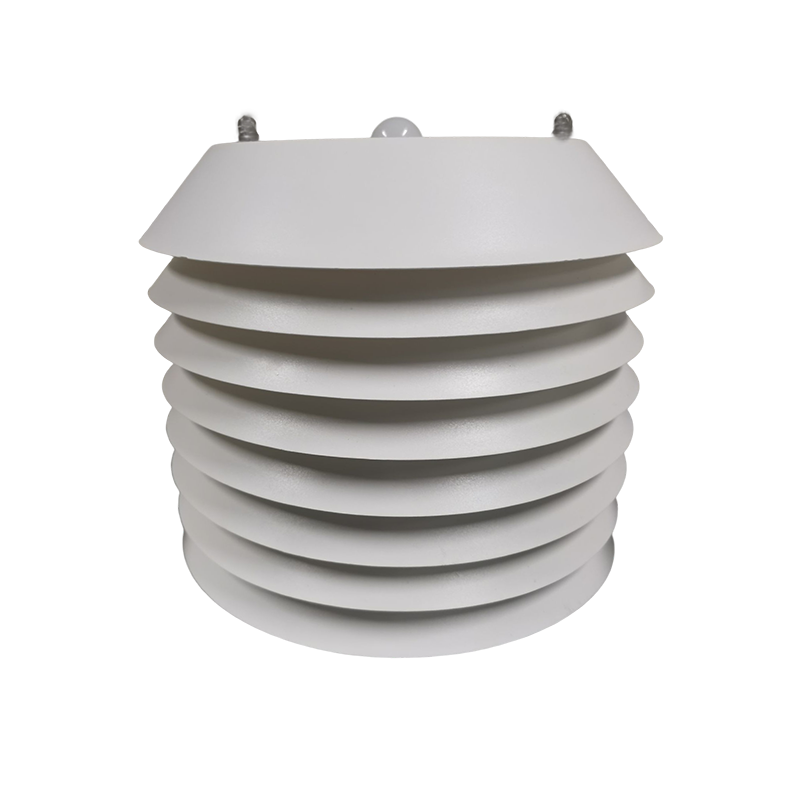
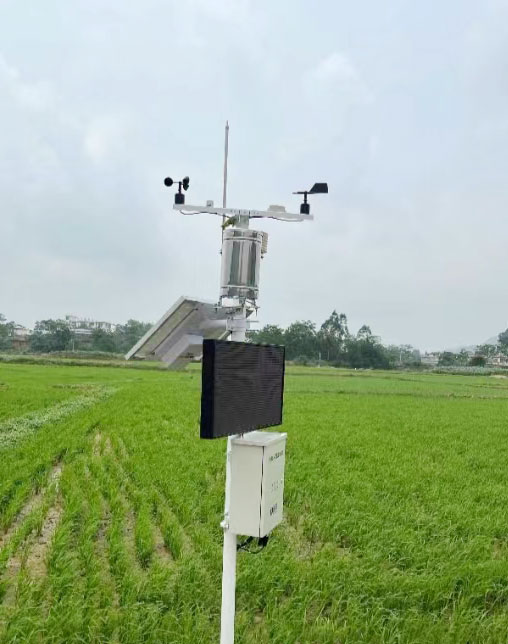
The station includes a data acquisition unit, sensor group, mounting support, protection enclosure and power system. Software includes data receiving platform and mobile client. The collector may use an ARM industrial processor and weatherproof housing, while the station support can use aluminum alloy, stainless steel or galvanized structure with wind ropes for stability.
The station can operate independently. LCD display and key settings allow users to set acquisition interval and query data without a computer. For network projects, GPRS, 4G, 5G or RS485 communication sends data to a platform.
The term five-parameter should be treated as a base configuration rather than a fixed limit. Temperature, humidity, wind speed, wind direction and pressure give a compact weather reference, but they do not answer every project question. Rainfall is usually needed when drainage or irrigation timing is part of the work. Radiation or illuminance is needed when crop light, PV performance or shading decisions are involved. Soil moisture belongs to the agricultural control layer, not only to the meteorological layer.
For a multi-station project, the expansion logic should be written before purchase. One site may use the standard five parameters, while another site in the same network may add rainfall or radiation. If the platform and communication protocol are prepared for expansion, the project can grow without changing the data architecture.
A five-parameter micro weather station should not be treated as a universal answer for every project. Temperature, humidity, wind speed, wind direction and pressure are a strong basic set for local meteorological reference. However, agriculture may also need rainfall and soil moisture, while PV or radiation projects may need solar radiation. The buyer should decide what data will trigger action.
Fast response, stable performance, large storage and low power matter because remote stations may run without daily inspection. Power loss, communication failure or missing storage can break the value of the monitoring record, especially during storms or long rainy periods.
The five-parameter station is often the core node in a wider environmental monitoring system. It may provide local weather reference for irrigation, greenhouse control, construction safety, campus education or industrial yard monitoring. Because different departments may use the same data, parameter names, units, sampling intervals and export formats should be agreed before installation.
For system integrators, RS485/Modbus compatibility is useful when the station must connect to an existing gateway or PLC. For remote projects, 4G or GPRS upload may be easier for operation. The correct architecture depends on who owns the data platform and how maintenance will be handled after handover.
Confirm whether the five core parameters are enough for the project decision.
Add rainfall when drainage, flood warning or irrigation scheduling matters.
Add radiation or illuminance when crop light or PV analysis is required.
Check whether the station must store data locally during network outages.
Confirm solar autonomy for rainy periods if the site lacks grid power.
Wrong sensor units in the platform can make otherwise correct data unusable.
A station installed near buildings may not represent wind accurately.
A 4G station still needs local storage if the network is unstable.
A low-power design must include the collector, modem and sensor load together.
A serious inquiry should include monitoring purpose, parameter list, installation environment, required data interval, power condition and whether the buyer needs local LCD display, platform upload or both.
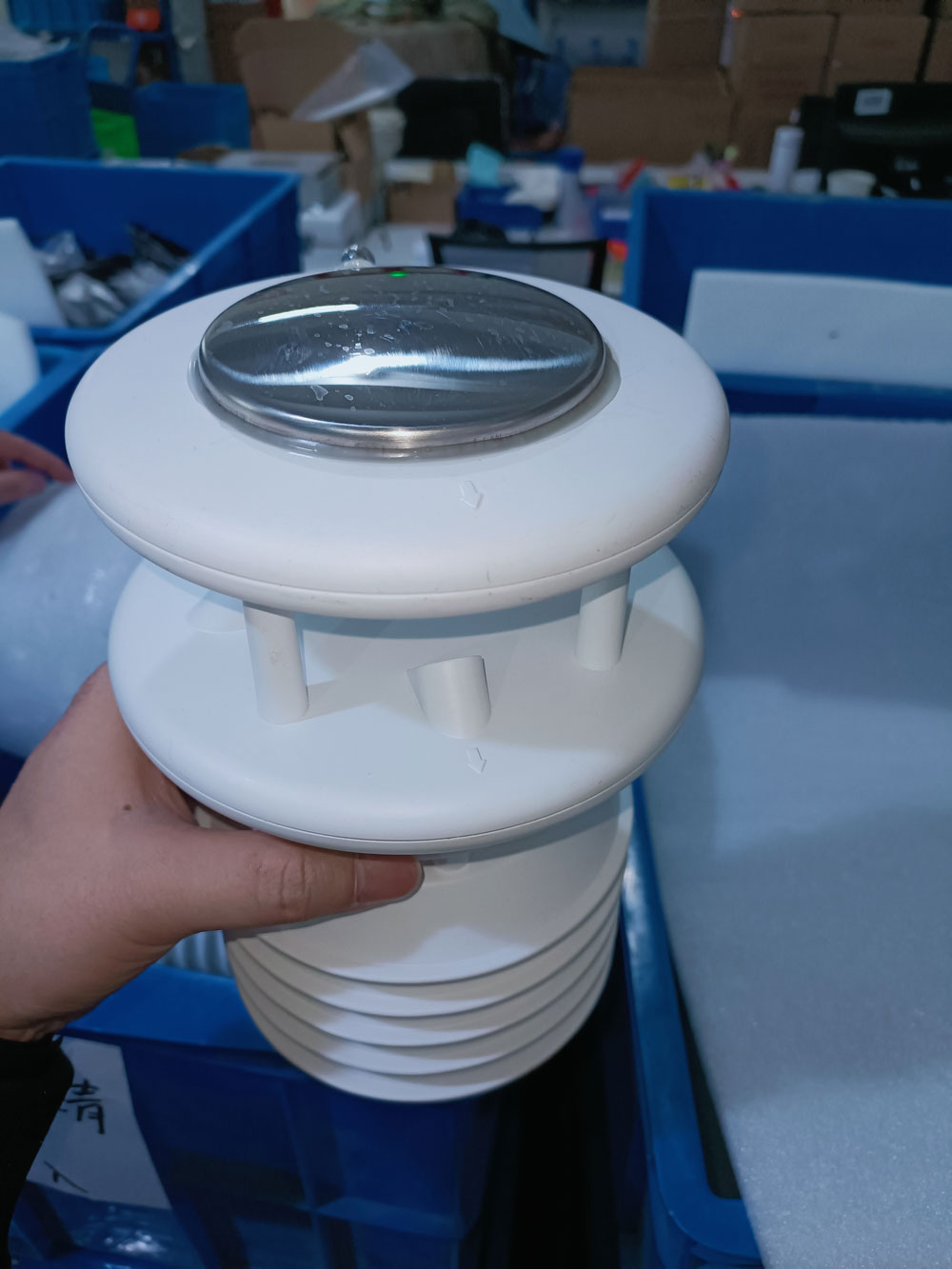
RS485 / Modbus output is important for integration with third-party data collectors, controllers and monitoring platforms. GPRS, 4G and 5G are useful for remote stations. A buyer should ask for register tables, communication settings and data unit definitions before ordering.
Site challenge: Farms need local air and wind data for irrigation, spraying and field operation.
System integration scheme: Install a five-parameter station and optionally add rainfall or soil sensors.
User value: Managers gain local weather records without a large station footprint.
Site challenge: Research teams need stable continuous data in field experiments.
System integration scheme: Use solar power, local storage and exportable data formats.
User value: Researchers can compare weather conditions with experiment results.
Site challenge: Remote sites require weather context for environmental or geotechnical observations.
System integration scheme: Integrate micro station data with other environmental sensors through RS485 or wireless upload.
User value: Project teams can interpret events with local weather context.
Site challenge: Teaching projects need visible, understandable weather data.
System integration scheme: Use LCD display, platform charts and simple sensor configuration.
User value: Students and trainees can learn from real-time observations.
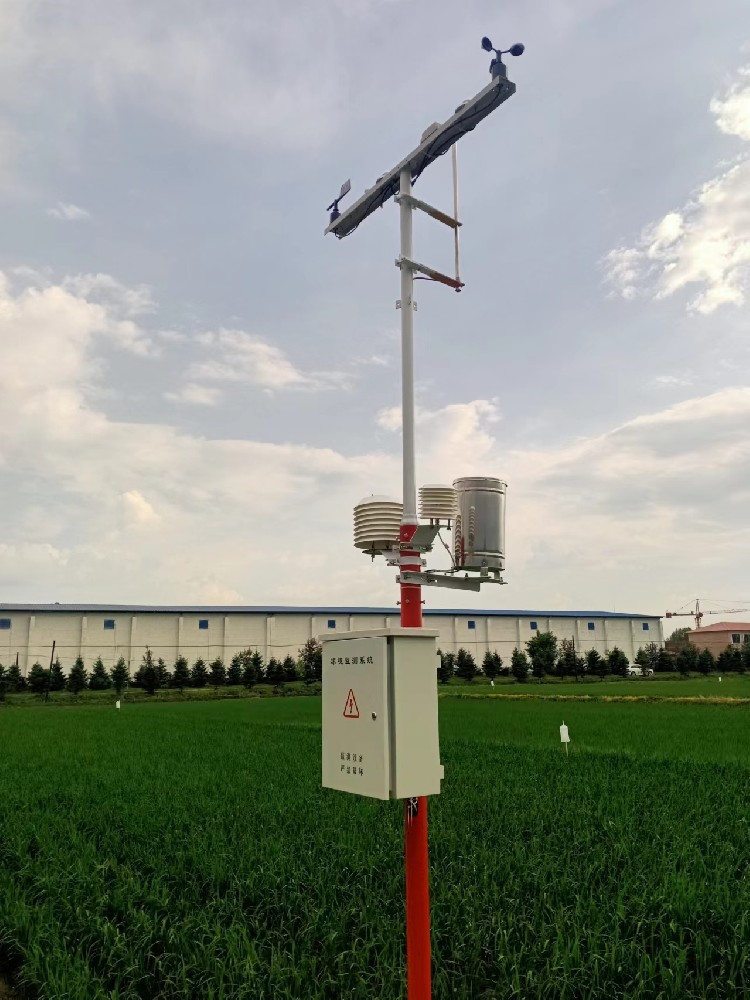
Confirm whether the five parameters are enough or rainfall, radiation and soil sensors are also needed.
Choose solar power when grid power is unavailable or unreliable.
Use RS485 Modbus when the station must connect to an existing system.
Check storage duration, U disk export and platform functions before purchase.
Select bracket material and height according to wind exposure and installation environment.
The station should be installed in an open position. Wind and temperature values are easily affected by nearby structures. For remote projects, battery autonomy and communication stability should be tested before final acceptance.
Commissioning should confirm each parameter separately. Temperature and humidity should be reasonable compared with local reference conditions. Wind speed should respond to actual airflow. Wind direction should match the installed orientation. Pressure should display in the expected unit. If one parameter is correct and another is wrong, the problem may be register mapping rather than hardware.
For remote communication, the station should run through at least one reporting cycle after installation. The platform should show current data, historical records, station time and communication status. If solar power is used, battery voltage and charging status should be reviewed during the handover period.
Which five parameters are required and whether rainfall or radiation should be added.
Expected data interval and storage period.
Power condition, communication condition and site access difficulty.
Whether data must integrate with an existing platform or only local software.
For a farm weather reference point, the station may use temperature, humidity, wind speed, wind direction, pressure and rainfall, with solar power and 4G upload. For a research station, the buyer may add radiation and local data export. For a factory yard, AC power and Ethernet or RS485 cabinet integration may be more suitable than solar communication nodes.
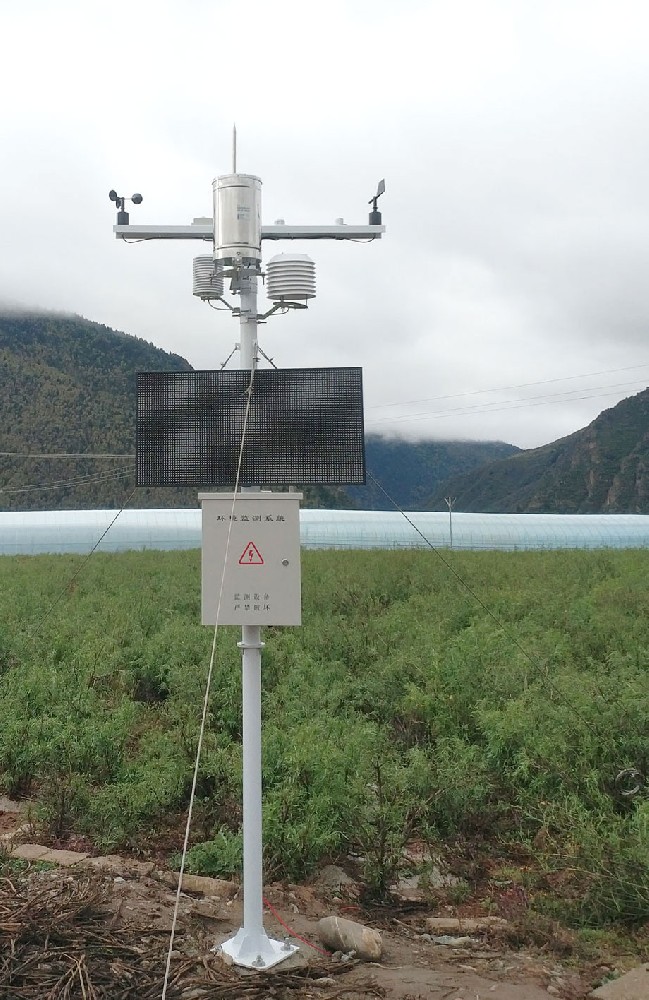
A: They usually include air temperature, relative humidity, wind speed, wind direction and barometric pressure.
A: Yes. Rainfall, radiation, soil sensors, CO2 and other parameters can be added if the project decision requires them.
A: Yes, RS485/Modbus output is available for integration with collectors and platforms on suitable configurations.
A: Solar power can be selected for unattended outdoor sites. Battery capacity should match reporting interval and communication demand.
A: Some configurations store minute data and hourly data for extended periods and support external U disk expansion.
A: Weatherproof design, IP65 enclosure and corrosion-resistant support materials help outdoor operation, but site installation still matters.
A: Check parameter list, communication method, power mode, bracket height, storage capacity, platform function and maintenance plan.
A: Yes. Selected stations can set intervals and query data through LCD and keys without continuous computer connection.
A: NiuBoL provides micro weather station sensors, collectors and system options for agriculture, environment and field monitoring.
A: Provide monitoring purpose, required parameters, installation environment, power availability, communication method and platform requirements.
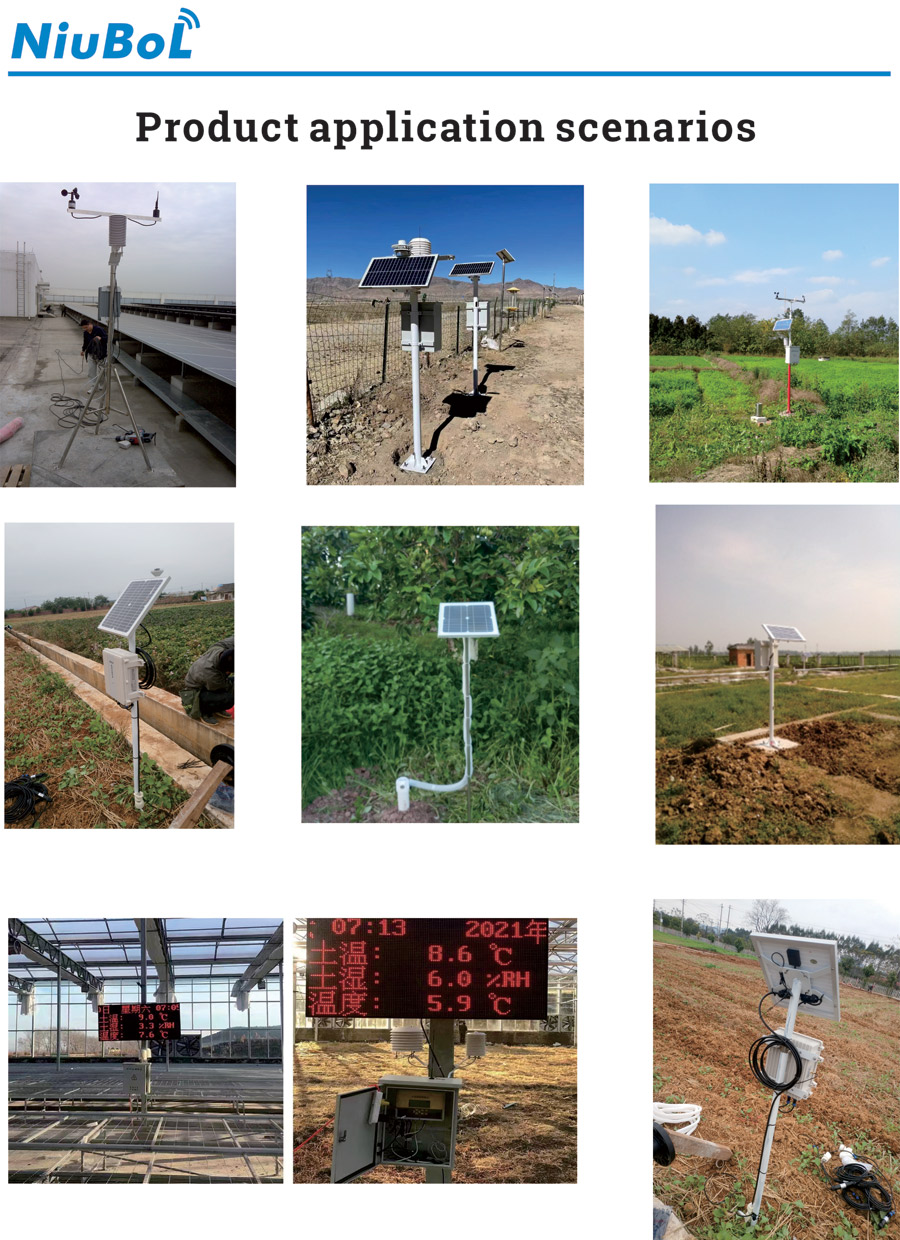
A micro station 5-parameter weather monitoring system is suitable when a project needs compact, stable and expandable local weather data. A suitable configuration is the one that matches the actual monitoring decision, communication method and field power condition.
Prev:Portable Soil Tester Performance Features: Field Measurement, Data Storage and Procurement Guide
Related recommendations
Sensors & Weather Stations Catalog
 Agriculture Sensors and Weather Stations Catalog-NiuBoL.pdf
Weather Stations Catalog-NiuBoL.pdf
Agriculture Sensors Catalog-NiuBoL.pdf
Water Quality Sensor Catalog-NiuBoL.pdf
Related products
 Combined air temperature and relative humidity sensor
 TDR Soil Moisture & Temperature Sensor for irrigation| RS485 |4-20mA| NBL-S-THR
 Soil pH sensor RS485 soil Testing instrument soil ph meter for agriculture |NBL-S-PH
 Wind Speed sensor Output Modbus/RS485/Analog/0-5V/4-20mA
 Tipping bucket rain gauge for weather monitoring auto rainfall sensor RS485/Outdoor/stainless steel
 Pyranometer Solar Radiation Sensor 4-20mA/RS485

Screenshot, WhatsApp to identify the QR code
WhatsApp number:+8615367865107
(Click on WhatsApp to copy and add friends)

