





— Blogs —
—Products—
 Consumer hotline +8618073152920
 WhatsApp:+8615367865107
Address:Room 102, District D, Houhu Industrial Park, Yuelu District, Changsha City, Hunan Province, China
Product knowledge
Time:2026-06-27 11:40:04 Popularity:277
A smart greenhouse control system is not a single controller. It is a coordinated engineering system that connects environmental sensors, video monitoring, control cabinets, irrigation equipment, ventilation equipment, mobile access and a software platform. The purpose is to keep temperature, light, water, fertilizer and CO2 within a workable crop range while reducing manual inspection load.
For distributors, greenhouse contractors and system integrators, the main procurement question is not only which sensor to buy. The question is how sensor data becomes a control command, how operators override automatic logic, and how records are kept for crop management. This article uses the greenhouse system composition described in the project material and turns it into a practical selection guide.
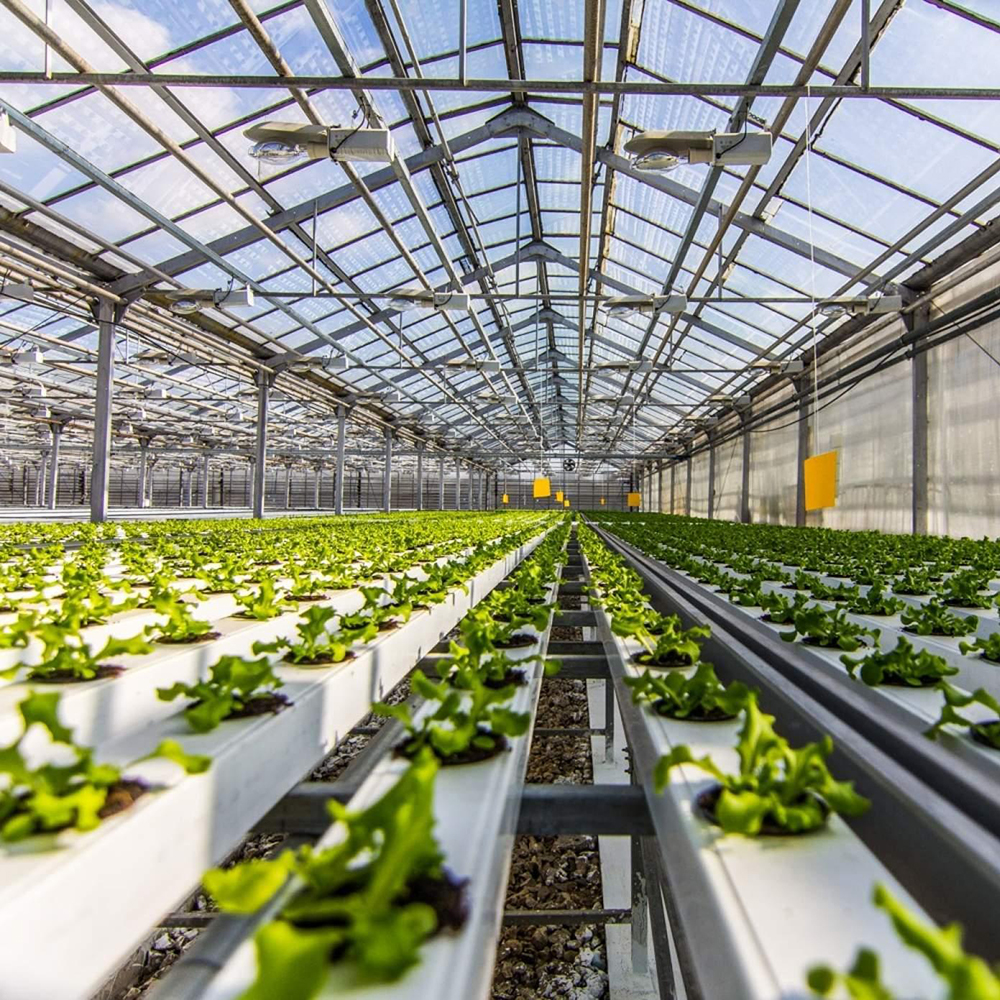
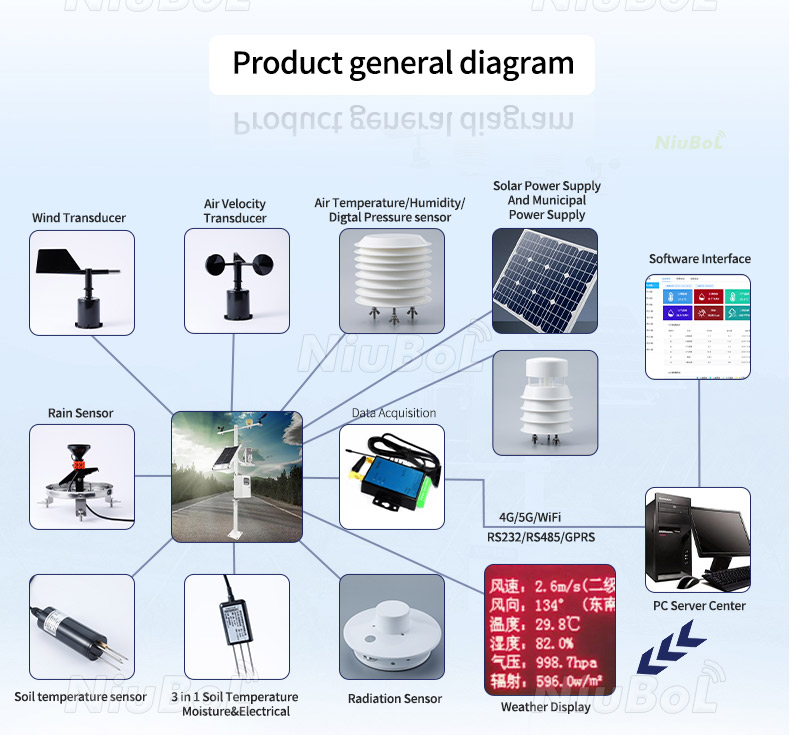
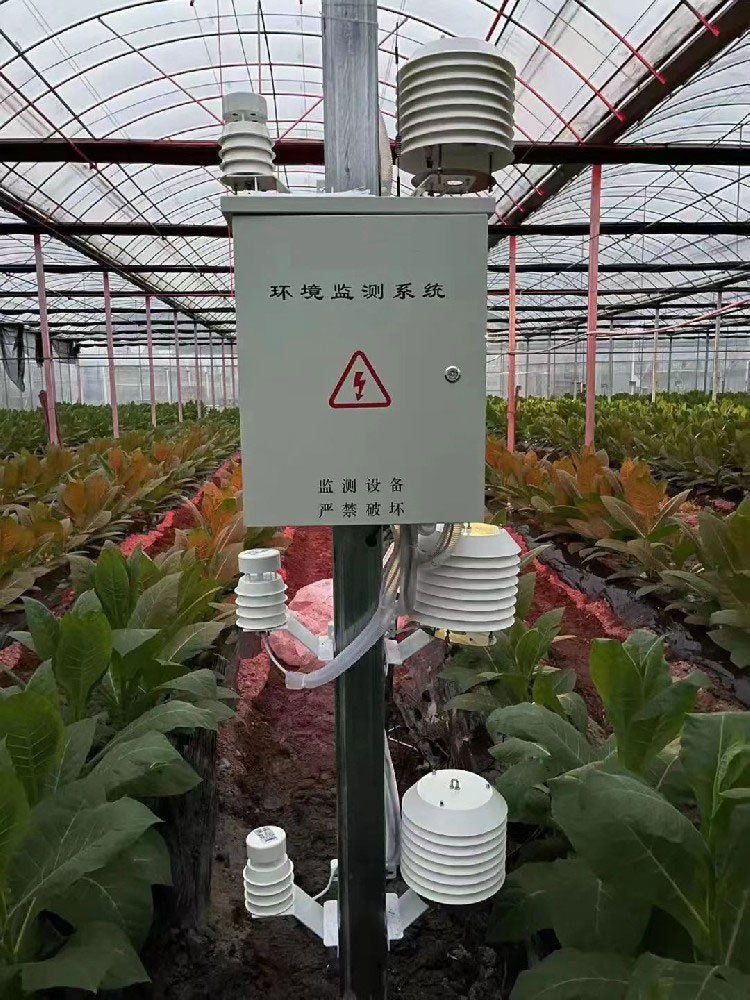
The monitoring layer collects soil temperature, soil moisture, air temperature, humidity, CO2, illuminance and other variables. RS485/Modbus sensors are suitable when several measuring points must enter one gateway or controller cabinet.
Video does not replace sensors, but it helps operators check crop growth, worker activity and equipment operation. For remote greenhouse management, video is often the fastest way to confirm whether an alarm requires immediate field action.
The control layer links sensor thresholds with fans, curtains, irrigation valves, wet pads, pumps and heating equipment. The system should support manual mode, automatic mode and emergency stop logic.
Mobile access allows managers to view environmental data and equipment status. The platform stores curves, alarm records and operation logs so greenhouse performance can be reviewed by crop cycle.
Greenhouse projects often begin with a simple requirement: monitor temperature and humidity. In actual operation, buyers soon need a wider system. Soil moisture influences irrigation, CO2 influences photosynthesis and ventilation, light influences shading, and video helps confirm whether equipment and crop status match sensor values.
A procurement document should therefore describe the greenhouse as a production space. Crop type, span structure, number of zones, irrigation method, curtains, fans, wet pads, roof windows and power cabinet location all affect the control design.
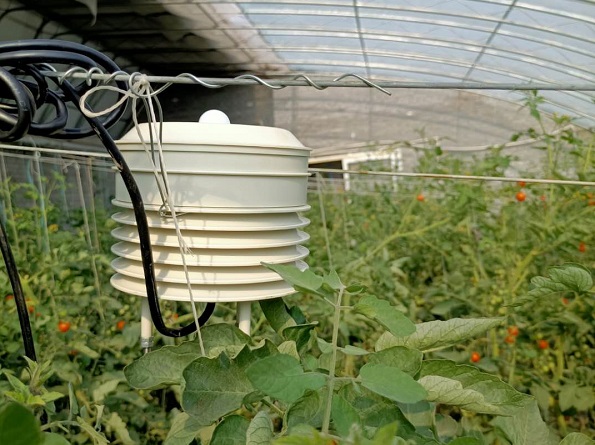
A greenhouse control project should be divided into monitoring-only, monitoring-plus-alarm and monitoring-plus-control levels. Monitoring-only projects require sensors, gateway and platform records. Monitoring-plus-alarm projects require threshold rules and message delivery. Monitoring-plus-control projects require actuator interface, relay or PLC logic, manual override and safety interlock.
The buyer should not request automatic control before confirming the actual equipment list. Fans, wet pads, roof windows, side curtains, pumps and fertilizer equipment have different electrical interfaces and safety requirements. A clear equipment schedule prevents the controller from being selected without enough output channels.
A practical implementation can be divided into survey, sensor layout, cabinet design, platform configuration, field commissioning and operator training. During survey, the team confirms greenhouse size, crop type and equipment list. During sensor layout, the team decides where indoor climate, soil and CO2 sensors should be placed. During cabinet design, the team separates power circuits and signal circuits.
Commissioning should not be completed in one short login test. The team should create several operating events: fan start, curtain open, valve open, alarm trigger and manual override. Each event should leave a platform record. This gives the buyer evidence that the system can support daily greenhouse operation.
For greenhouse automation, RS485 / Modbus RTU remains useful because it supports multi-drop wiring, long cable distance and integration with many agricultural sensors. A gateway can convert Modbus data to 4G, Ethernet or cloud platform formats. Control cabinets should separate low-voltage sensor wiring from actuator power wiring to reduce interference.
| Item | Typical Configuration | Project Use |
|---|---|---|
| Measured variables | Air temperature, humidity, CO2, light, soil moisture, soil temperature, optional wind/rainfall | Crop climate control and data records |
| Sensor interface | RS485 / Modbus RTU, analog output or gateway input depending on device | Connects sensors to greenhouse controller or IoT platform |
| Control outputs | Relay, controller output or PLC/gateway command for fans, curtains, valves and pumps | Closed-loop control of greenhouse equipment |
| Power supply | DC 12-24V for sensors; AC supply for cabinets and actuators by project | Separate low-voltage sensing from power equipment |
| CO2 range | Common greenhouse CO2 sensor range 0-5000 ppm | Ventilation and CO2 enrichment reference |
| Illuminance range | Common light sensor range 0-200000 Lux | Shading, supplemental lighting and crop growth analysis |
| Soil moisture range | 0-100% volumetric or relative output depending on sensor model | Irrigation and root-zone observation |
| Protection | Outdoor/greenhouse sensor housings commonly IP65 or IP68 by model | Long-term humid greenhouse deployment |
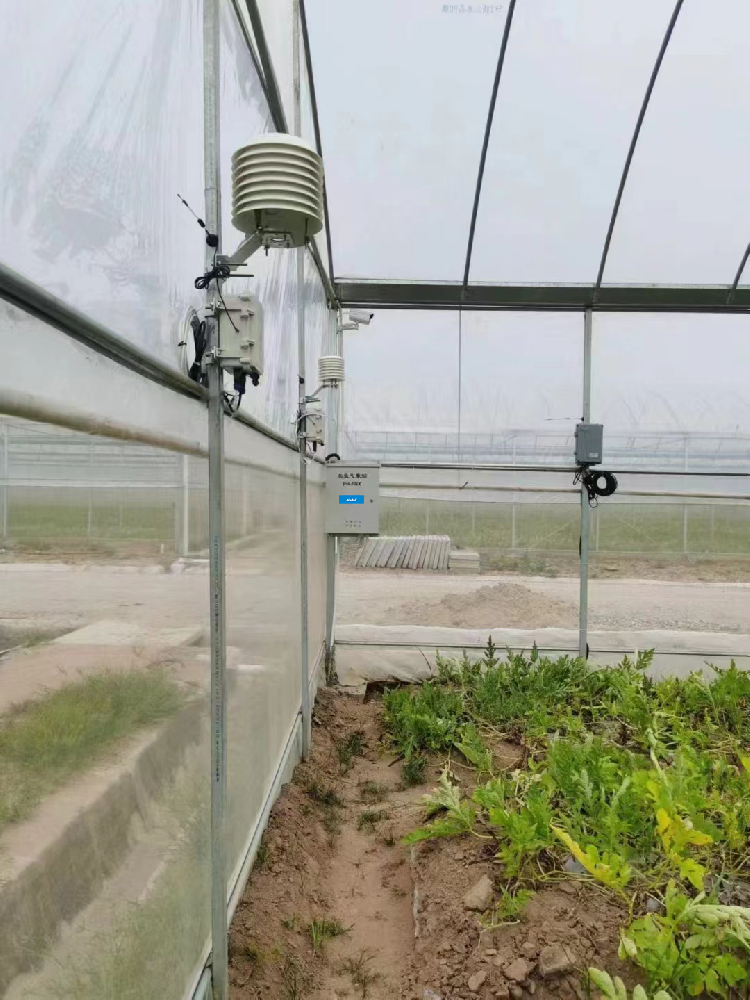
Site challenge: Several zones have different humidity and irrigation demand.
System integration plan: Use air sensors, soil sensors, CO2 sensors and control outputs by zone; connect data to a platform and local cabinet.
User value: Operators can manage irrigation and ventilation according to actual zone conditions.
Site challenge: Light and humidity changes affect quality and disease pressure.
System integration plan: Add illuminance, humidity, temperature and video monitoring; use alarms for shading and ventilation review.
User value: Managers can maintain more consistent production conditions.
Site challenge: Existing fans, pumps and curtains are already installed but lack centralized control.
System integration plan: Install a gateway, sensor network and relay/controller interface while preserving manual control.
User value: The buyer improves management without replacing all equipment.
Site challenge: The owner needs remote viewing and data records for visitors or investors.
System integration plan: Combine sensors, video, mobile app and cloud dashboard.
User value: The farm can show real operating data instead of only equipment photos.
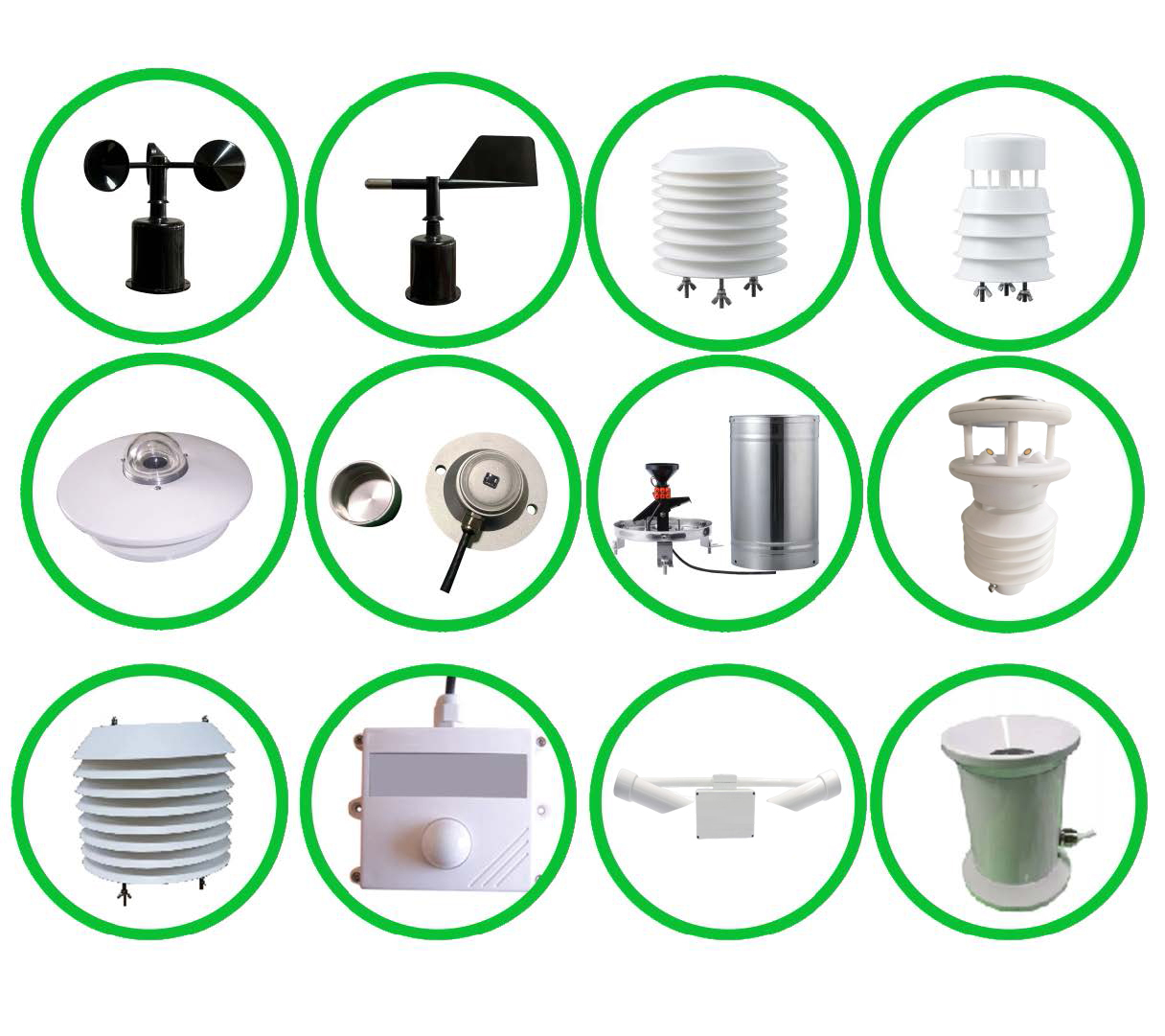
Acceptance should be done zone by zone. First confirm that each sensor appears under the correct greenhouse name and zone name. Then check whether readings are reasonable compared with local conditions. After that, test alarm rules and manual control commands. Automatic control should be tested only after manual control and emergency stop are confirmed.
For operation records, the platform should show at least real-time values, historical curves, alarm history and equipment operation logs. These records are important for crop management because they explain what happened before a disease event, heat event or irrigation abnormality.
Greenhouse type, span size, crop and number of production zones.
Existing equipment list including fans, curtains, pumps, wet pads and valves.
Required sensor variables and whether video monitoring is required.
Power cabinet position, communication condition and platform requirements.
Whether the project needs monitoring only, alarm, or automatic control.
Define crop and control zones before selecting sensors.
Use RS485 sensors for cabinet integration and multi-point monitoring.
Confirm whether control commands operate valves, curtains, fans, wet pads or pumps.
Keep manual override for every automatic control loop.
Ask for wiring diagrams, Modbus registers and commissioning support before purchase.
Do not design greenhouse automation only from a sensor list. Build a signal flow: sensor point, data collector, threshold, control command, equipment feedback and alarm record. For high-humidity greenhouses, cable glands, connector protection and enclosure ventilation need attention.
A useful inquiry should include greenhouse size, crop type, number of zones, equipment list, power condition, communication method, required platform functions and whether video monitoring is needed.
For a buyer comparing suppliers, the useful difference is whether the proposal explains the relationship between sensor data and equipment action. A quotation that only lists sensors is incomplete. A stronger project document shows zone names, control objects, manual mode, alarm rules, data export and maintenance responsibility.
A smart greenhouse control system often expands in phases. Phase one may monitor temperature, humidity, light and soil moisture. Phase two may add CO2, video and equipment control. Phase three may connect fertilizer irrigation, energy management and production records. Designing the first phase with RS485 addressing, spare cabinet space and consistent naming rules makes later expansion easier.

A: It should include environmental sensors, a controller or gateway, control cabinet, actuators, software records, mobile access and optional video monitoring.
A: Monitoring-only is enough when the buyer needs visibility and reports but does not want the system to operate fans, valves or curtains automatically.
A: Automatic control should be added when sensor thresholds are connected to specific equipment actions with manual override and safety logic.
A: RS485 supports wired multi-point sensor networks and allows Modbus data to enter controllers, gateways or PLC systems.
A: Zone names should follow the greenhouse layout, crop blocks, irrigation valves and ventilation sections so operators can act on alarms quickly.
A: No. Video confirms crop and equipment status, while sensors provide measured values for alarms, trends and control rules.
A: The main risk is connecting new sensors to old equipment without checking electrical interfaces, manual mode and output channel capacity.
A: Test sensor readings, alarm thresholds, manual commands, automatic actions, emergency stop and platform operation records.
A: Provide greenhouse size, crop type, zone count, equipment list, required sensors, power cabinet position and platform needs.
A: It links greenhouse climate data with equipment actions and records, helping managers reduce blind manual operation and improve crop-cycle review.
A smart greenhouse control system should be purchased as an integrated operating system, not a collection of devices. When sensors, video, control logic, platform records and manual operation are designed together, the greenhouse becomes easier to manage and easier to expand.
Prev:Agricultural IoT Benefits: Sensor Networks, Remote Control and Smart Farming System Integration
Related recommendations
Sensors & Weather Stations Catalog
 Agriculture Sensors and Weather Stations Catalog-NiuBoL.pdf
Weather Stations Catalog-NiuBoL.pdf
Agriculture Sensors Catalog-NiuBoL.pdf
Water Quality Sensor Catalog-NiuBoL.pdf
Related products
 Combined air temperature and relative humidity sensor
 TDR Soil Moisture & Temperature Sensor for irrigation| RS485 |4-20mA| NBL-S-THR Soil pH sensor RS485 soil Testing instrument soil ph meter for agriculture |NBL-S-PH
 Wind Speed sensor Output Modbus/RS485/Analog/0-5V/4-20mA
 Tipping bucket rain gauge for weather monitoring auto rainfall sensor RS485/Outdoor/stainless steel
 Pyranometer Solar Radiation Sensor 4-20mA/RS485

Screenshot, WhatsApp to identify the QR code
WhatsApp number:+8615367865107
(Click on WhatsApp to copy and add friends)

