





— Blogs —
—Products—
 Consumer hotline +8618073152920
 WhatsApp:+8615367865107
Address:Room 102, District D, Houhu Industrial Park, Yuelu District, Changsha City, Hunan Province, China
Product knowledge
Time:2026-06-27 11:40:05 Popularity:229
A smart greenhouse weather monitoring station provides the environmental reference used by greenhouse managers, integrators and agricultural IoT platforms. Unlike an open-field weather station, a greenhouse station must connect indoor crop climate, outdoor weather influence and equipment operation.
Automatic observation, cloud transmission and multi-parameter monitoring are useful only when the selected variables support a management decision. Not every greenhouse needs all weather variables, but every greenhouse needs data that can guide ventilation, irrigation, shading, CO2 management or storm preparation.
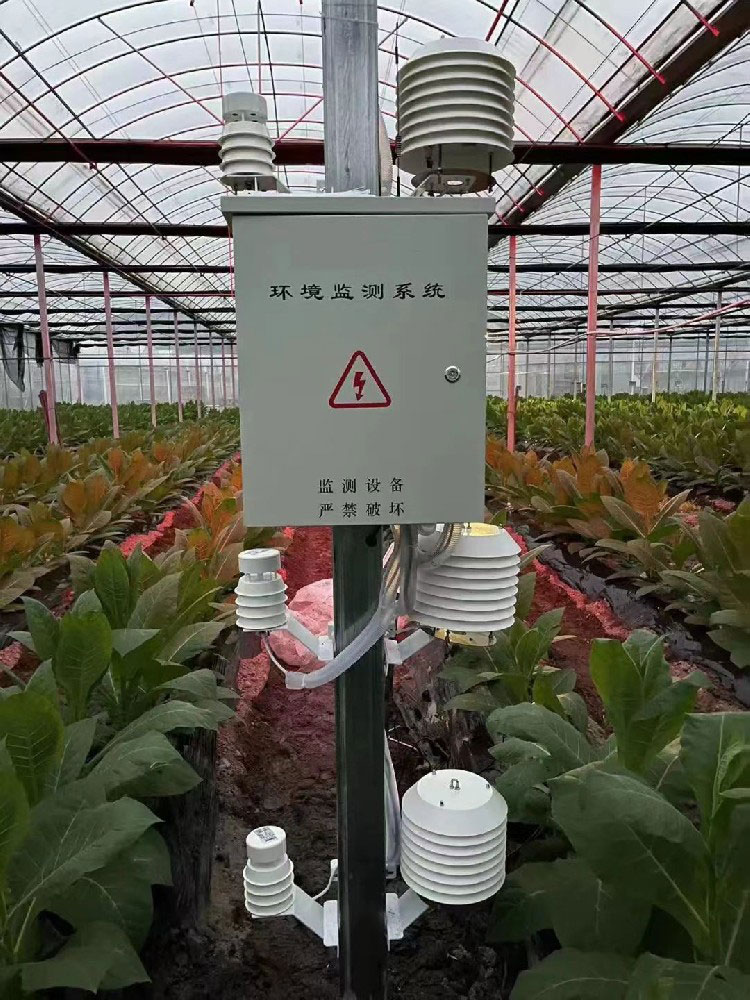
Temperature and humidity: ventilation, heating, disease-risk review.
CO2: ventilation and enrichment management.
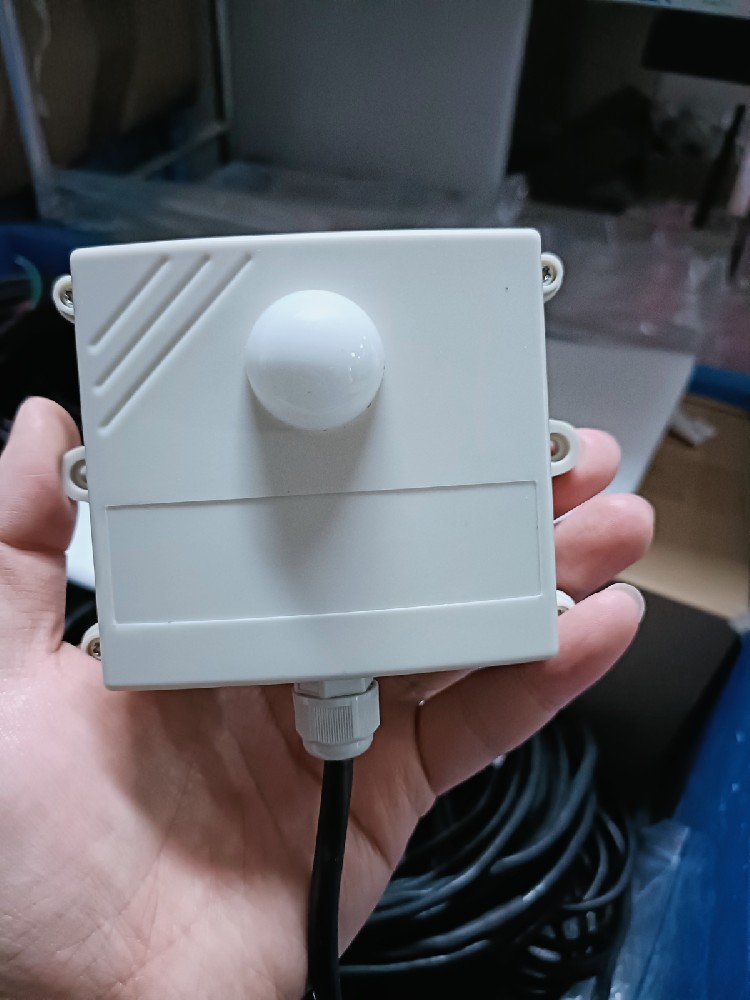
Light or radiation: shading and supplemental lighting decisions.
Soil moisture and soil temperature: irrigation and root-zone management.
Outdoor wind and rainfall: roof window protection and storm preparation.
Greenhouse buyers sometimes place one weather station outside and assume it represents the crop climate. Outdoor wind, rainfall and radiation are useful, but crop decisions inside the greenhouse also need indoor temperature, humidity, CO2, light and soil data. A greenhouse weather monitoring design should therefore define which variables are indoor crop variables and which variables are outdoor protection variables.
For example, outdoor wind speed may close roof windows or trigger storm preparation, while indoor humidity may trigger ventilation or disease-risk inspection. If the data source is not clearly named, operators may apply an outdoor reading to an indoor control decision by mistake.
Greenhouses require continuous observation because climate changes can happen faster inside a structure than in open fields. Temperature, humidity, CO2, light and soil moisture may change within a single day as curtains, fans, irrigation and shading systems operate.
For system integrators, the station should be treated as a local data node. It collects data, stores records, sends values to a platform and provides input for alarms or control logic.
The station should support daily operation, not only display values. A morning review may check night humidity and low temperature. A noon review may check light and ventilation. A post-irrigation review may compare soil moisture response by zone. These workflows make the monitoring station useful for managers and not just for reporting.
The greenhouse weather station sits between field sensors and the management platform. Sensor readings enter a collector or gateway. The platform converts readings into curves, alarm rules and reports. If the greenhouse has automation, selected data can also be passed to a controller.
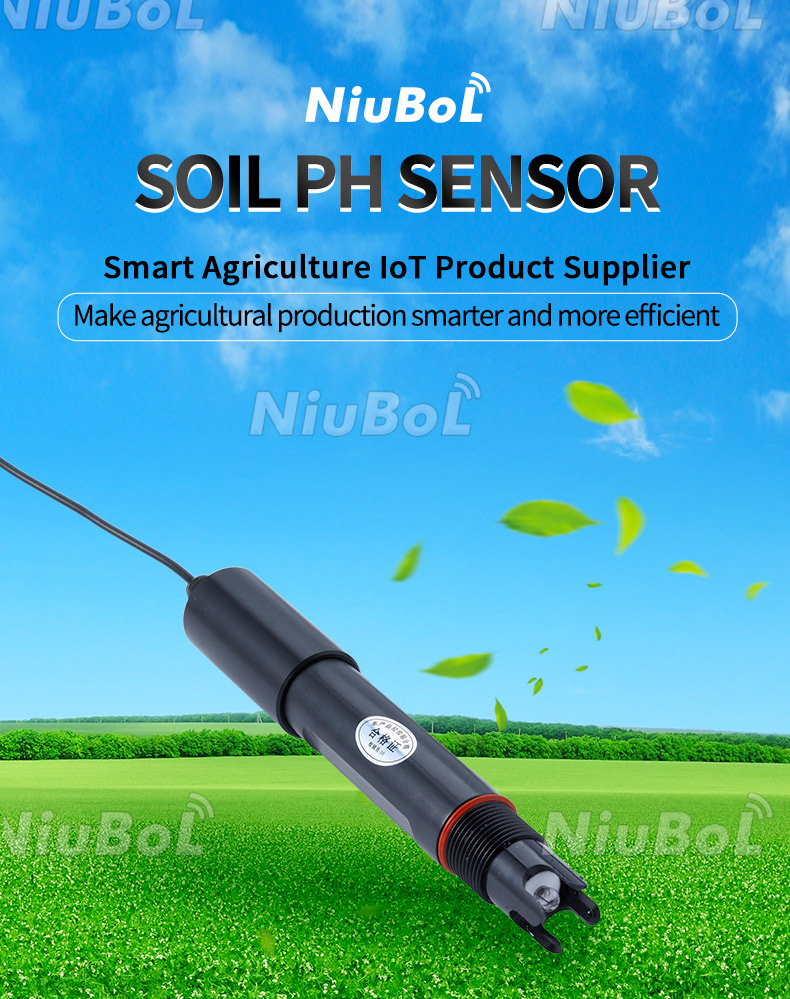
A practical greenhouse weather station package may include indoor temperature and humidity sensor, CO2 sensor, illuminance sensor, soil moisture and temperature sensor, outdoor wind and rainfall sensor, collector, power supply, gateway and platform. The exact list changes by crop, but the data path should remain clear: sensor reading, gateway, platform, alarm, report and optional control reference.
For cucumbers, tomatoes and flowers, humidity and light records are often more operational than pressure data. For roof-window safety, outdoor wind and rainfall become important. For irrigation scheduling, soil data is required. This decision-based configuration is more useful than buying a fixed parameter count without understanding how the farm will use the readings.
RS485 / Modbus RTU is suitable when sensors are wired to a greenhouse cabinet or gateway. For remote farms, the gateway may use 4G, 5G or Ethernet to upload data. The procurement file should include register maps, unit definitions and sampling interval requirements.
| Item | Typical Configuration | Project Use |
|---|---|---|
| Measured variables | Air temperature, humidity, CO2, light, soil moisture, soil temperature, optional wind/rainfall | Crop climate control and data records |
| Sensor interface | RS485 / Modbus RTU, analog output or gateway input depending on device | Connects sensors to greenhouse controller or IoT platform |
| Control outputs | Relay, controller output or PLC/gateway command for fans, curtains, valves and pumps | Closed-loop control of greenhouse equipment |
| Power supply | DC 12-24V for sensors; AC supply for cabinets and actuators by project | Separate low-voltage sensing from power equipment |
| CO2 range | Common greenhouse CO2 sensor range 0-5000 ppm | Ventilation and CO2 enrichment reference |
| Illuminance range | Common light sensor range 0-200000 Lux | Shading, supplemental lighting and crop growth analysis |
| Soil moisture range | 0-100% volumetric or relative output depending on sensor model | Irrigation and root-zone observation |
| Protection | Outdoor/greenhouse sensor housings commonly IP65 or IP68 by model | Long-term humid greenhouse deployment |
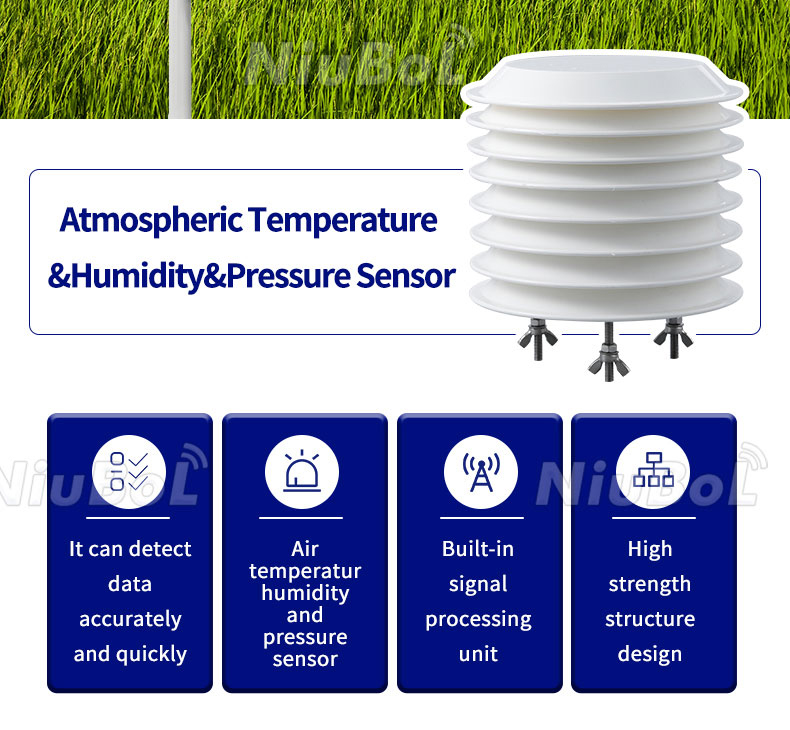
Site challenge: Humidity and temperature may create disease pressure.
System integration plan: Use temperature, humidity, CO2, light and soil moisture sensors with alarm thresholds.
User value: Managers can adjust ventilation and irrigation earlier.
Site challenge: Outdoor wind or rainfall affects roof window and curtain operation.
System integration plan: Combine indoor climate sensors with outdoor wind/rain data.
User value: The system supports safer equipment operation during sudden weather.
Site challenge: Researchers need continuous records instead of manual notes.
System integration plan: Use platform storage, exportable data and defined sensor positions.
User value: Data becomes usable for crop model analysis.
Site challenge: Several greenhouses need comparable data.
System integration plan: Use the same sensor configuration, naming rules and sampling interval.
User value: Managers can compare sites and identify abnormal zones.
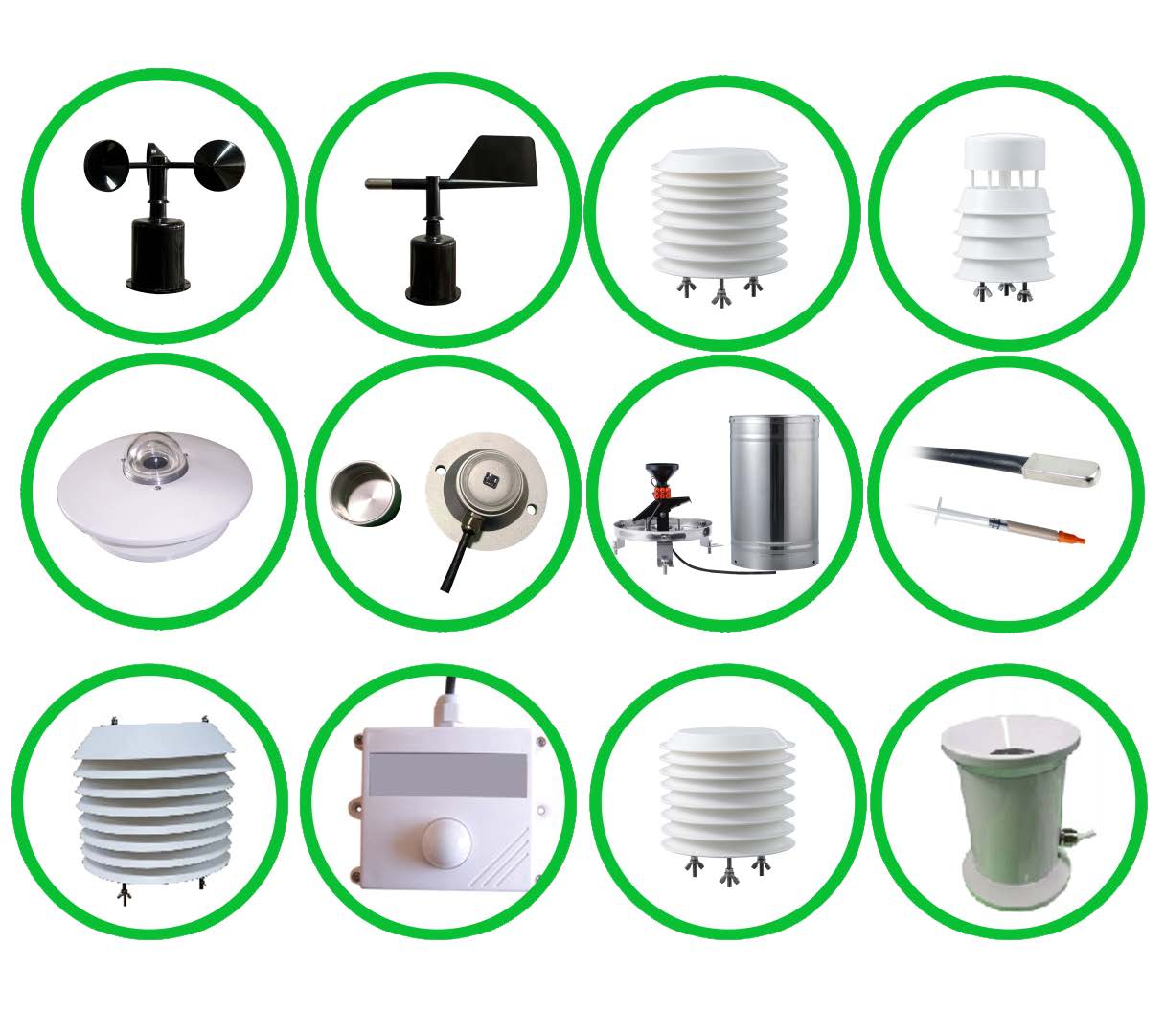
Greenhouse weather station projects can become expensive when every possible sensor is added without a decision behind it. A better approach is to create a parameter-to-action table. If light data will control shading or evaluate crop growth, include an illuminance or radiation sensor. If CO2 will not be controlled or reviewed, it may be delayed to a later phase. If outdoor wind will protect roof windows, it should be included from the beginning.
This method helps procurement teams keep the system expandable while avoiding a crowded dashboard. It also helps search users because the article answers a real question: which greenhouse weather sensors are required and which are optional.
Acceptance records should include sensor location photos, RS485 address list, platform screenshots, alarm test results and export files. For multi-greenhouse projects, the same naming rule should be used across all houses. A value named only temperature is not enough; it should identify greenhouse number, zone and sensor height.
Separate indoor climate sensors from outdoor weather sensors in the system diagram.
Confirm whether CO2, light and soil moisture are required for the crop.
Ask whether historical curves can be exported for crop-cycle review.
Check whether alarm thresholds can be changed by season or crop stage.
Confirm RS485 address planning when several sensors share one bus.
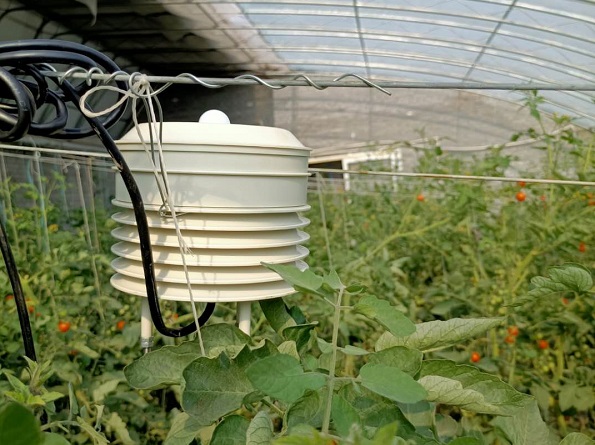
Start with the crop decision. If the station will only record climate, a compact sensor set is enough. If it will support control, the buyer must confirm actuator interface, alarm rules and manual override. If the station is part of a larger IoT platform, protocol compatibility matters more than the display style.
During commissioning, compare sensor names with actual greenhouse zones. Check whether curves are stored, alarms trigger correctly and exported records include units. For RS485 systems, verify address, baud rate and register mapping before handover.
Search users looking for a greenhouse weather station usually want a configuration answer, not a definition. The page should therefore explain which variables are required, how data is transmitted, what should be accepted at handover and how the station connects with greenhouse control.
A: It measures greenhouse climate and outdoor weather variables so managers can decide ventilation, shading, irrigation and storm protection actions.
A: Indoor temperature, humidity, CO2, light, soil moisture and soil temperature are common greenhouse crop-climate variables.
A: Outdoor wind and rainfall are important when roof windows, curtains or storm preparation depend on external weather.
A: No. Parameters should be selected only when they support a crop decision, alarm, report or control action.
A: RS485/Modbus allows multiple sensors to connect to a gateway or cabinet with defined addresses and register maps.
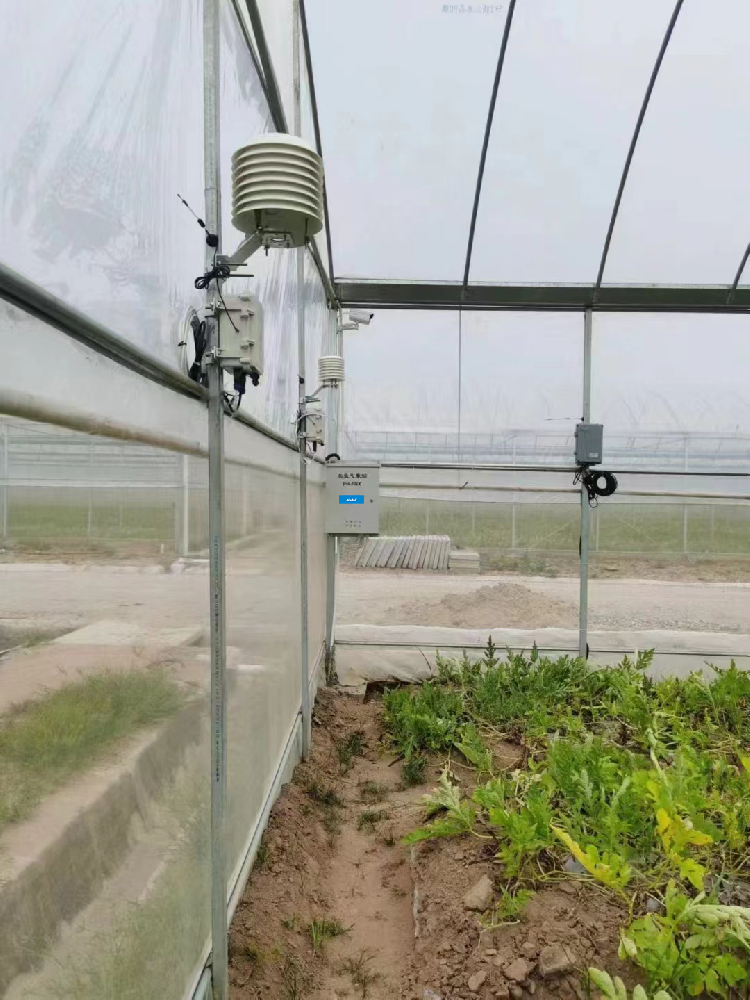
A: Record sensor location photos, address list, platform screenshots, alarm tests and exported historical data.
A: Name every point by greenhouse number, zone, height and indoor or outdoor position before commissioning.
A: Yes, if the data is mapped to controller logic, actuator commands and manual override rules.
A: A useful quotation explains parameter purpose, sensor location, data path, power supply, communication and platform functions.
A: Buy the station around greenhouse decisions, not around a fixed number of parameters.
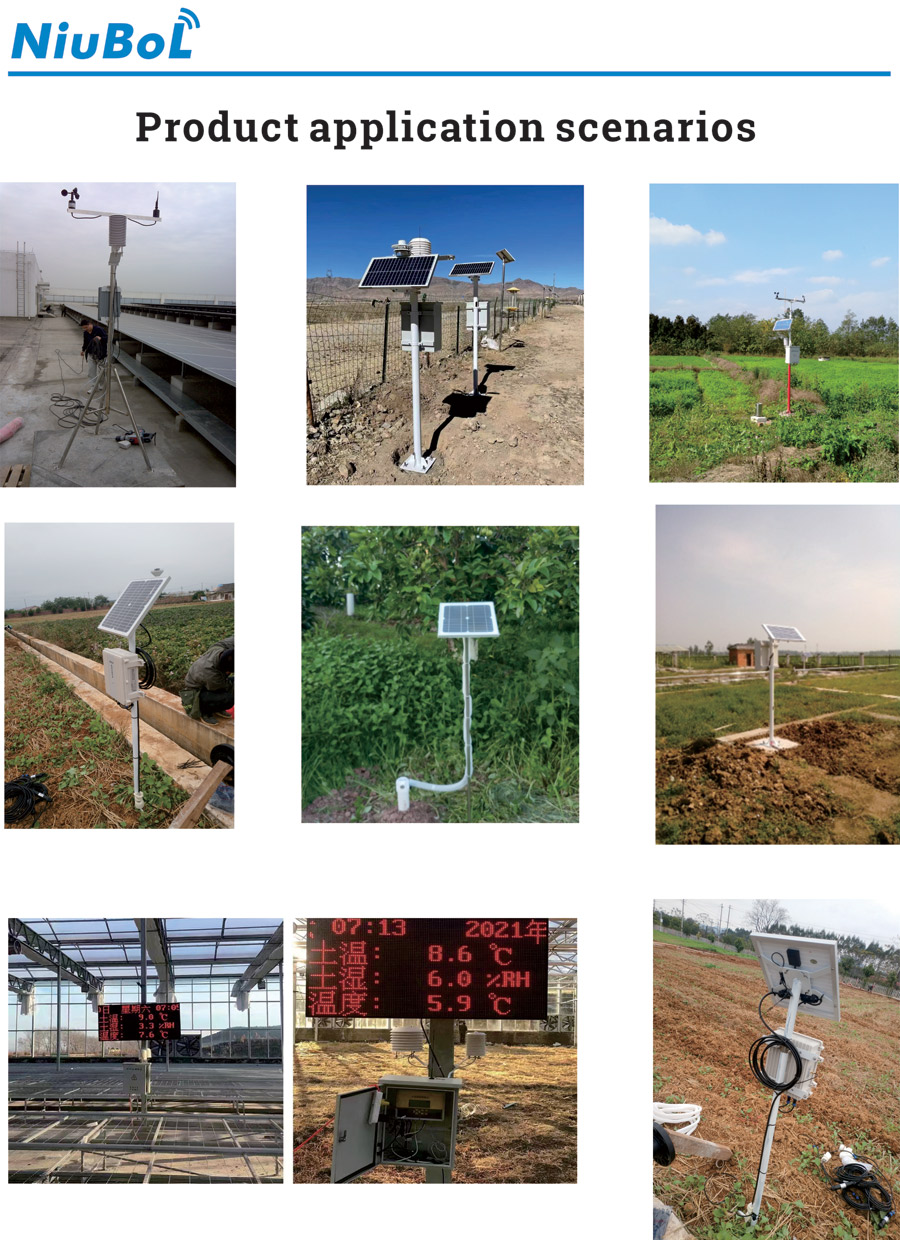
A smart greenhouse weather station should be selected according to crop decisions, system architecture and integration requirements. The right configuration helps managers connect climate data with real greenhouse operation.
Related recommendations
Sensors & Weather Stations Catalog
 Agriculture Sensors and Weather Stations Catalog-NiuBoL.pdf
Weather Stations Catalog-NiuBoL.pdf
Agriculture Sensors Catalog-NiuBoL.pdf
Water Quality Sensor Catalog-NiuBoL.pdf
Related products
 Combined air temperature and relative humidity sensor
 TDR Soil Moisture & Temperature Sensor for irrigation| RS485 |4-20mA| NBL-S-THR
 Soil pH sensor RS485 soil Testing instrument soil ph meter for agriculture |NBL-S-PH
 Wind Speed sensor Output Modbus/RS485/Analog/0-5V/4-20mA
 Tipping bucket rain gauge for weather monitoring auto rainfall sensor RS485/Outdoor/stainless steel
 Pyranometer Solar Radiation Sensor 4-20mA/RS485

Screenshot, WhatsApp to identify the QR code
WhatsApp number:+8615367865107
(Click on WhatsApp to copy and add friends)

