





— Blogs —
—Products—
 Consumer hotline +8618073152920
 WhatsApp:+8615367865107
Address:Room 102, District D, Houhu Industrial Park, Yuelu District, Changsha City, Hunan Province, China
Product knowledge
Time:2026-06-27 11:40:07 Popularity:238
Automatic weather stations work for long periods in exposed outdoor environments. Thunderstorms, lightning, wind-driven rain and power surges can affect sensor accuracy, communication stability and equipment safety. For buyers, lightning protection should be part of the station design, not an afterthought after installation.
A practical protection plan includes three important directions: establish a lightning protection system, carry out tracking inspection during construction, and inspect protection devices regularly. The following sections expand these points into a procurement and maintenance guide.
Assign a responsible person for lightning protection design, construction and inspection. Automatic stations should be built according to a reviewed protection plan instead of improvised field wiring.
Ground the mast, cabinet and surge protection devices according to local electrical rules. Avoid separate grounding points that create potential difference between sensor mast and control cabinet.
Use surge protection on AC power input, DC power lines and signal lines where needed. For RS485 lines, signal surge protectors should match the communication circuit and grounding design.
Route sensor and communication cables with drip loops and protected entry points. Avoid leaving connectors exposed. Separate signal cables from high-power actuator cables where practical.
Before the rainy season, inspect grounding, cable sheath, connectors, enclosure seals, solar power wiring and communication status. Rodent and insect damage should also be checked because it can disable protection devices.
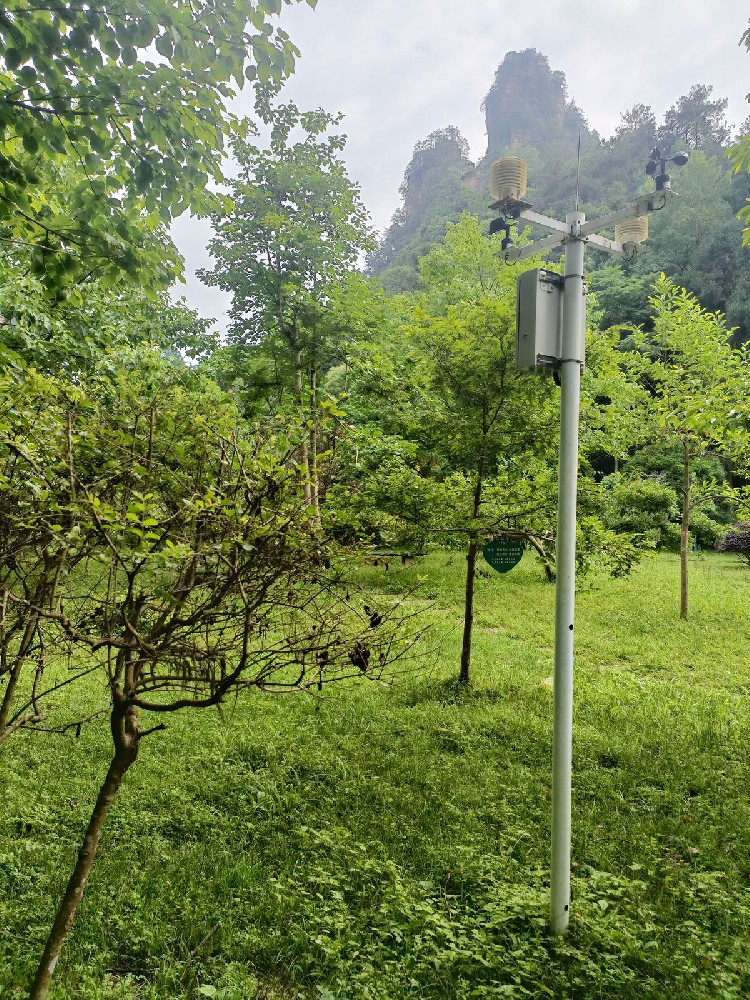
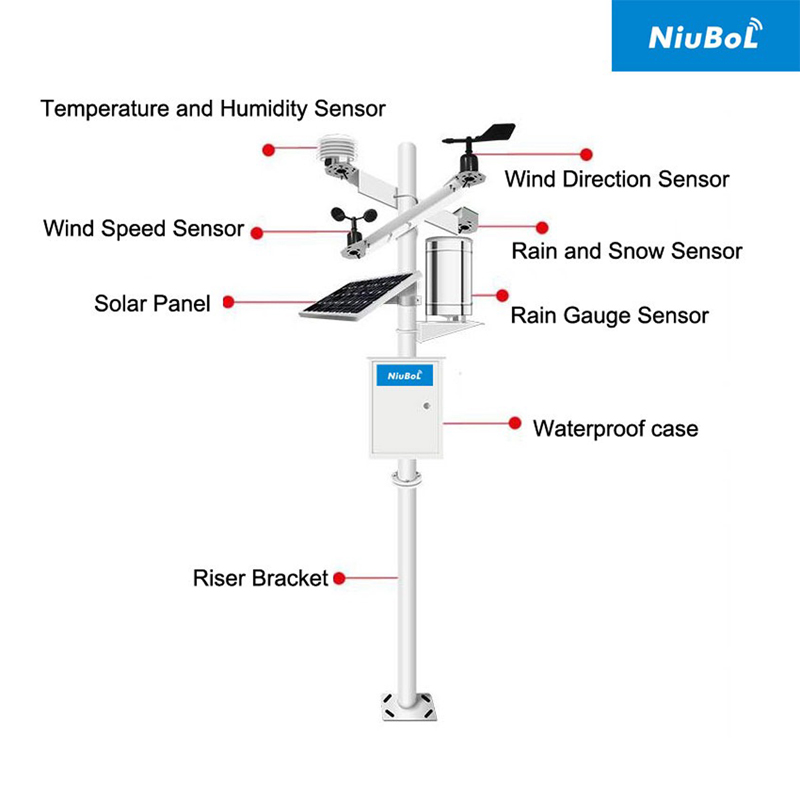
A weather station includes sensors, collector, transmission module, power equipment and computer or platform connection. Because monitoring is continuous, the station must keep working during rain and storms. If lightning protection is weak, one event can damage sensors, communication modules or power circuits.
For engineering contractors, protection design affects warranty risk. For owners, it affects data continuity during the exact weather events the station is expected to monitor.
Sensor mast and exposed metal structure may receive induced or direct lightning effects.
Power lines can introduce surge energy into the cabinet.
RS485 and communication cables can carry induced voltage.
Poor grounding can create potential difference between devices.
Water ingress after storms can create secondary failures.
Many failures occur because lightning protection is considered only after the station is installed. A better workflow places protection design in the procurement stage. Mast height, cable length, power source, cabinet location, grounding condition and communication method should be known before the final bill of materials is confirmed.
If the station uses solar power, the solar panel frame, charge controller, battery box and collector should be considered together. If the station uses AC power, the power entry point and surge protection should be reviewed with the local electrical condition.
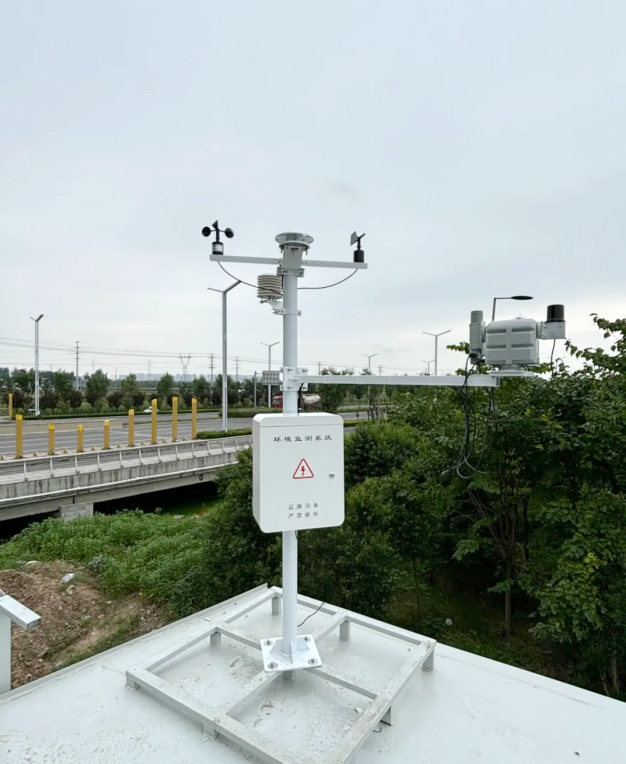
A weather station purchase order should not only include sensors and brackets. It should specify grounding responsibility, surge protection location, cable protection, enclosure sealing, documentation and inspection requirements. For remote stations, local storage and communication recovery behavior should also be included.
When several contractors are involved, responsibility can become unclear. One team may install the mast, another team may wire the cabinet and another may configure the platform. The owner should require a handover checklist that confirms the whole protection path, not only each separate component.
RS485 / Modbus RTU weather station systems should use proper shielding, grounding and surge protection on long outdoor cable runs. Communication failure after storms is often caused by induced surge or water-damaged connectors rather than sensor logic.
| Parameter | Typical Project Value | Engineering Note |
|---|---|---|
| Core weather variables | Temperature, relative humidity, wind speed, wind direction, barometric pressure | Basic automatic weather station set |
| Extended variables | Rainfall, solar radiation, illuminance, soil temperature/moisture, PM2.5/PM10, UV | Selected according to application model |
| Communication | RS485 / Modbus RTU, 4G/5G, GPRS, Ethernet or USB by configuration | Gateway, platform or local software access |
| Power supply | DC 12V/24V, AC 220V with adapter, or solar power system | Choose by site power availability |
| Data storage | Local collector storage plus platform upload where configured | Prevents record loss during network interruption |
| Protection | Outdoor weatherproof enclosure and shielded cabling; sensor IP rating by model | Required for long-term unattended monitoring |
| Working environment | Common outdoor station design supports cold, heat, rain and wind exposure | Confirm model-specific limits before purchase |
| Output format | Digital data records, curves, alarms and exportable reports | Useful for operation review and project handover |
| Inspection Item | Check Method | Reason |
|---|---|---|
| Grounding | Inspect connection and corrosion | Maintains protection path |
| SPD | Check status indicator or replacement condition | Prevents failed protection from being ignored |
| Cable entries | Check water ingress and strain relief | Avoids secondary faults |
| Communication | Review online/offline records | Finds storm-related interruptions |
| Sensor readings | Check for abnormal peaks or flat data | Identifies damaged sensors |
After a thunderstorm, maintenance should include both physical inspection and data review. Missing records, sudden flat lines, unrealistic peaks or communication interruptions may indicate sensor or power problems. The operator should compare station logs with the storm period and decide whether field inspection is required.
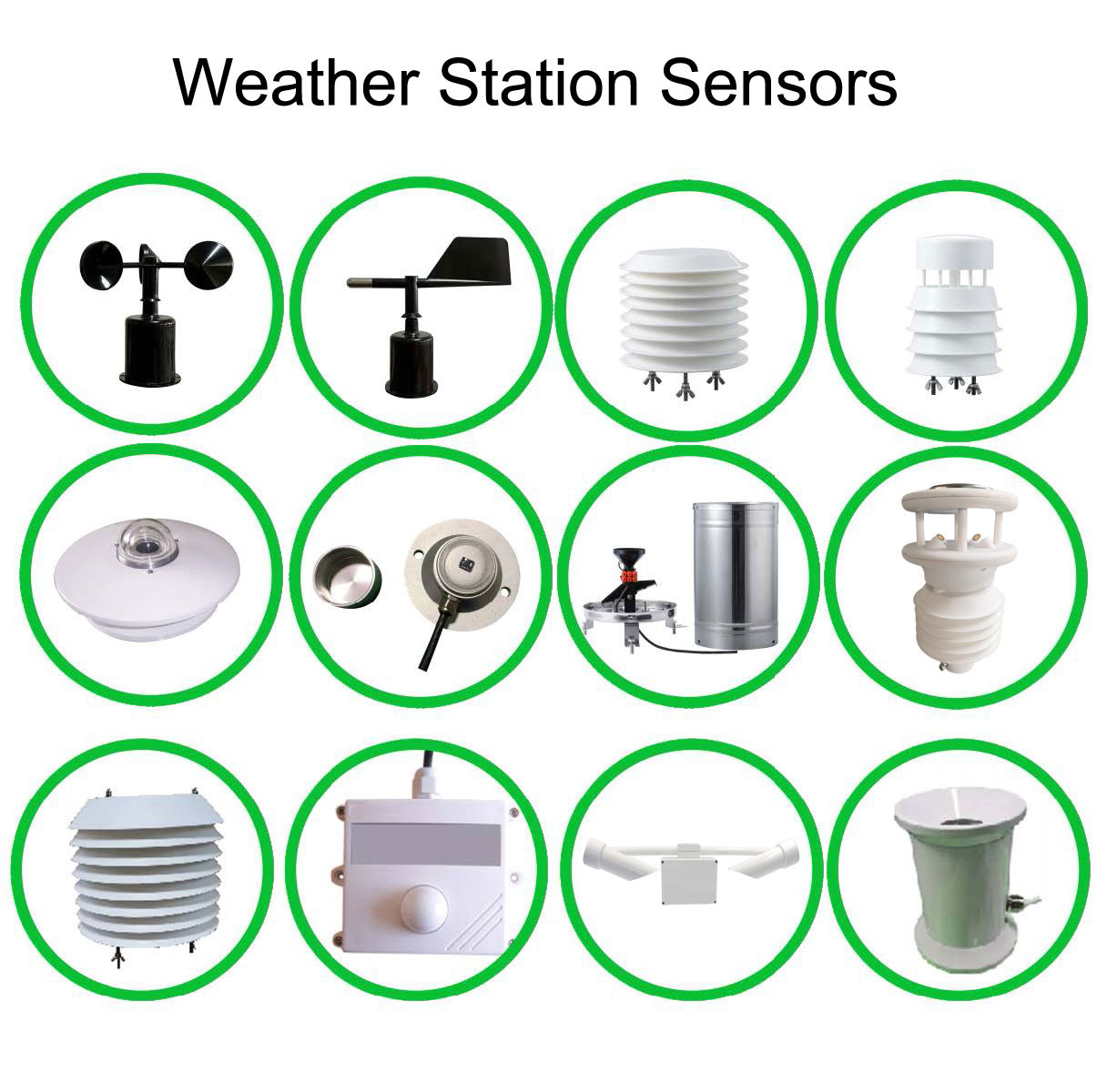
Site challenge: The station is exposed and maintenance visits are infrequent.
System integration plan: Use solar power inspection, grounding, surge protection and local storage.
User value: Data continuity improves during storm season.
Site challenge: Data is most important during severe weather.
System integration plan: Protect rainfall sensor, collector and communication path.
User value: Emergency users receive fewer missing records.
Site challenge: Power and communication cables may run near other equipment.
System integration plan: Separate cable routing, add SPD and document grounding.
User value: Reduces downtime and equipment replacement cost.
Site challenge: Lightning exposure and access difficulty are high.
System integration plan: Design robust mast grounding and remote status alarms.
User value: Maintenance teams can prioritize real faults.
Acceptance should include grounding continuity check, SPD installation check, cable entry inspection, enclosure sealing, sensor data verification and communication test. After storms, compare sensor data with expected behavior and check whether communication logs show interruptions.
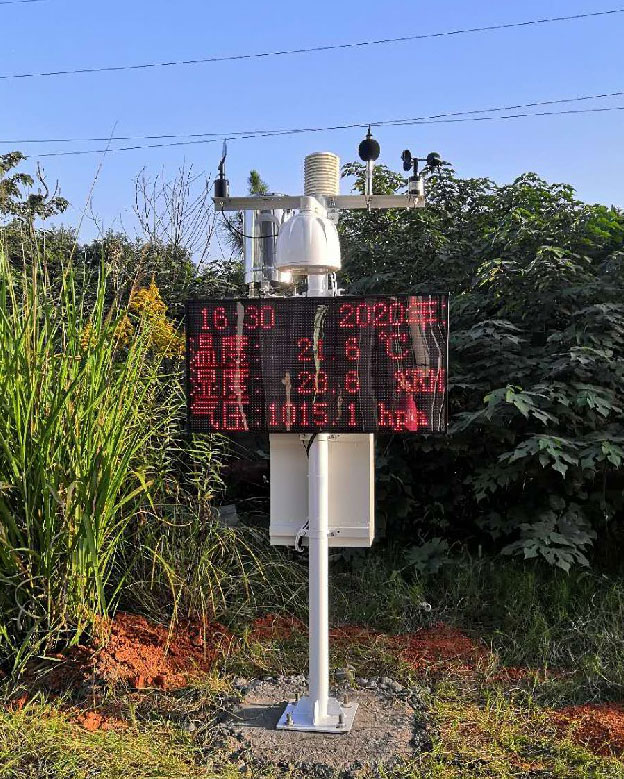
A thunderstorm-ready weather station project should deliver more than a station photo. The handover package should include grounding diagram, cable route, SPD model and installation position, sensor list, power diagram, communication settings, platform login, maintenance checklist and emergency contact. These documents make later troubleshooting faster.
The owner should also record the date of pre-season inspection and post-storm inspection. If several stations are installed in a network, each station should have its own maintenance record. This avoids treating all stations as equal when one site has higher lightning exposure or worse access conditions.
Ask whether the station package includes grounding and surge protection recommendations.
Confirm sensor cable length, shielding and connector protection.
Specify local storage if storms may interrupt communication.
Request installation drawings and maintenance checklist.
Plan pre-season inspection and post-storm inspection procedures.
Lightning protection is often discussed as equipment safety, but it also affects data quality. Surge-damaged sensors may continue to output values that look plausible but drift or freeze. Communication modules may reconnect intermittently. Regular inspection and data review help detect these hidden faults before the next storm event.
A low-cost installation without grounding review, surge protection and maintenance records may appear acceptable on a clear day but fail during the weather event that matters most. Buyers should evaluate thunderstorm protection as part of system reliability. The station, mast, power, communication and platform should be treated as one protected chain.
A: Mast height, cable length, power source and grounding path affect the bill of materials and installation method.
A: No. Grounding, equipotential bonding, surge protection, waterproofing and cable routing must work together.
A: Power input, DC circuits, RS485 signal lines and communication paths may need suitable surge protection.
A: Surges or water ingress can cause missing records, frozen values, unrealistic peaks or intermittent communication.
A: Check grounding, SPD condition, cable entries, connector seals, solar wiring, battery status and platform communication.
A: Local storage preserves data when thunderstorms interrupt cellular or network communication.
A: Grounding diagram, cable route, SPD location, power diagram, sensor list, communication settings and maintenance checklist.
A: A qualified person familiar with local electrical and lightning protection requirements should inspect it.
A: Review logs, check abnormal readings, inspect physical damage and verify communication recovery.
A: Treat the station, mast, power, communication and platform as one protected chain rather than separate devices.
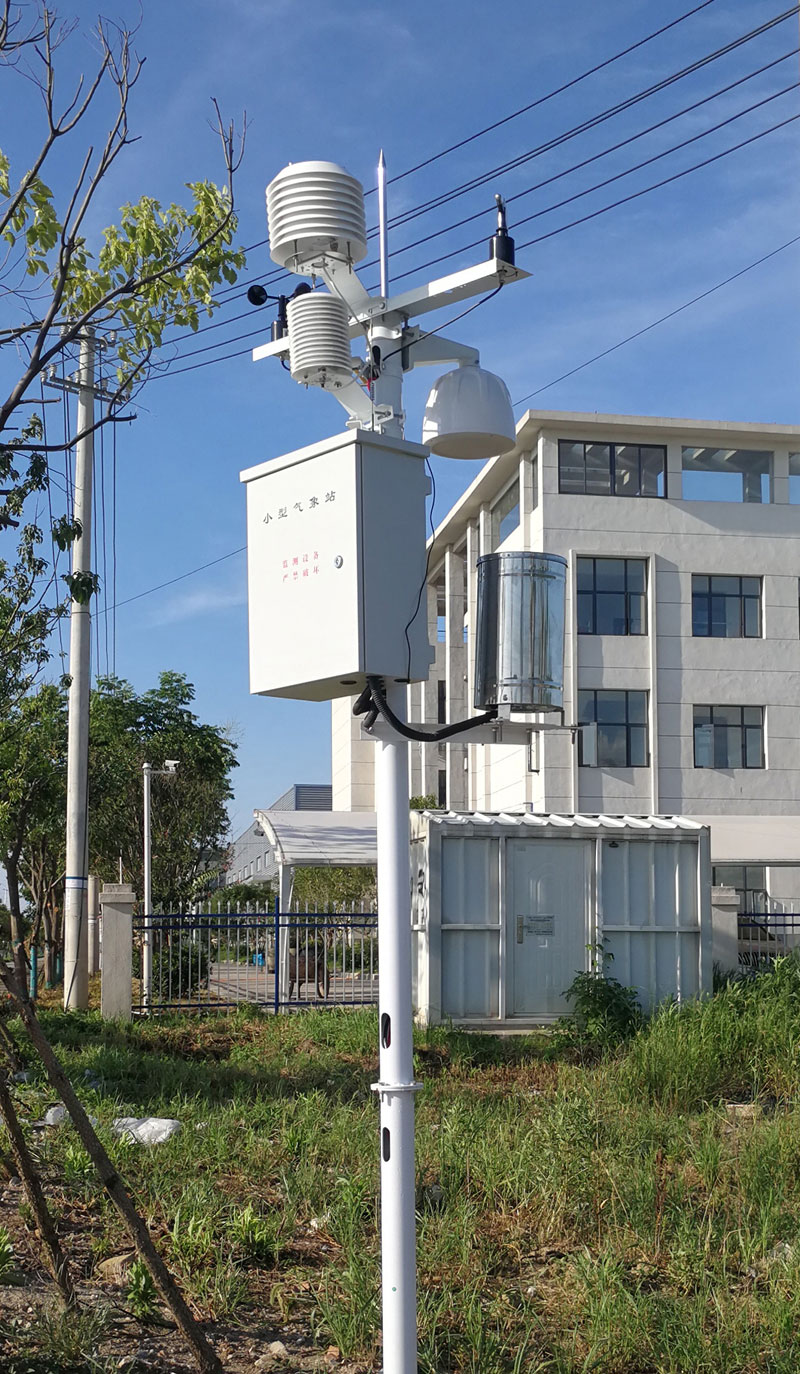
Thunderstorm protection is part of automatic weather station reliability. Grounding, surge protection, cable protection, inspection and local storage help the station continue working when weather data is most valuable.
Related recommendations
Sensors & Weather Stations Catalog
 Agriculture Sensors and Weather Stations Catalog-NiuBoL.pdf
Weather Stations Catalog-NiuBoL.pdf
Agriculture Sensors Catalog-NiuBoL.pdf
Water Quality Sensor Catalog-NiuBoL.pdf
Related products
 Combined air temperature and relative humidity sensor
 TDR Soil Moisture & Temperature Sensor for irrigation| RS485 |4-20mA| NBL-S-THR
 Soil pH sensor RS485 soil Testing instrument soil ph meter for agriculture |NBL-S-PH
 Wind Speed sensor Output Modbus/RS485/Analog/0-5V/4-20mA
 Tipping bucket rain gauge for weather monitoring auto rainfall sensor RS485/Outdoor/stainless steel
 Pyranometer Solar Radiation Sensor 4-20mA/RS485

Screenshot, WhatsApp to identify the QR code
WhatsApp number:+8615367865107
(Click on WhatsApp to copy and add friends)

