





— Blogs —
—Products—
 Consumer hotline +8618073152920
 WhatsApp:+8615367865107
Address:Room 102, District D, Houhu Industrial Park, Yuelu District, Changsha City, Hunan Province, China
Product knowledge
Time:2026-06-27 11:40:06 Popularity:303
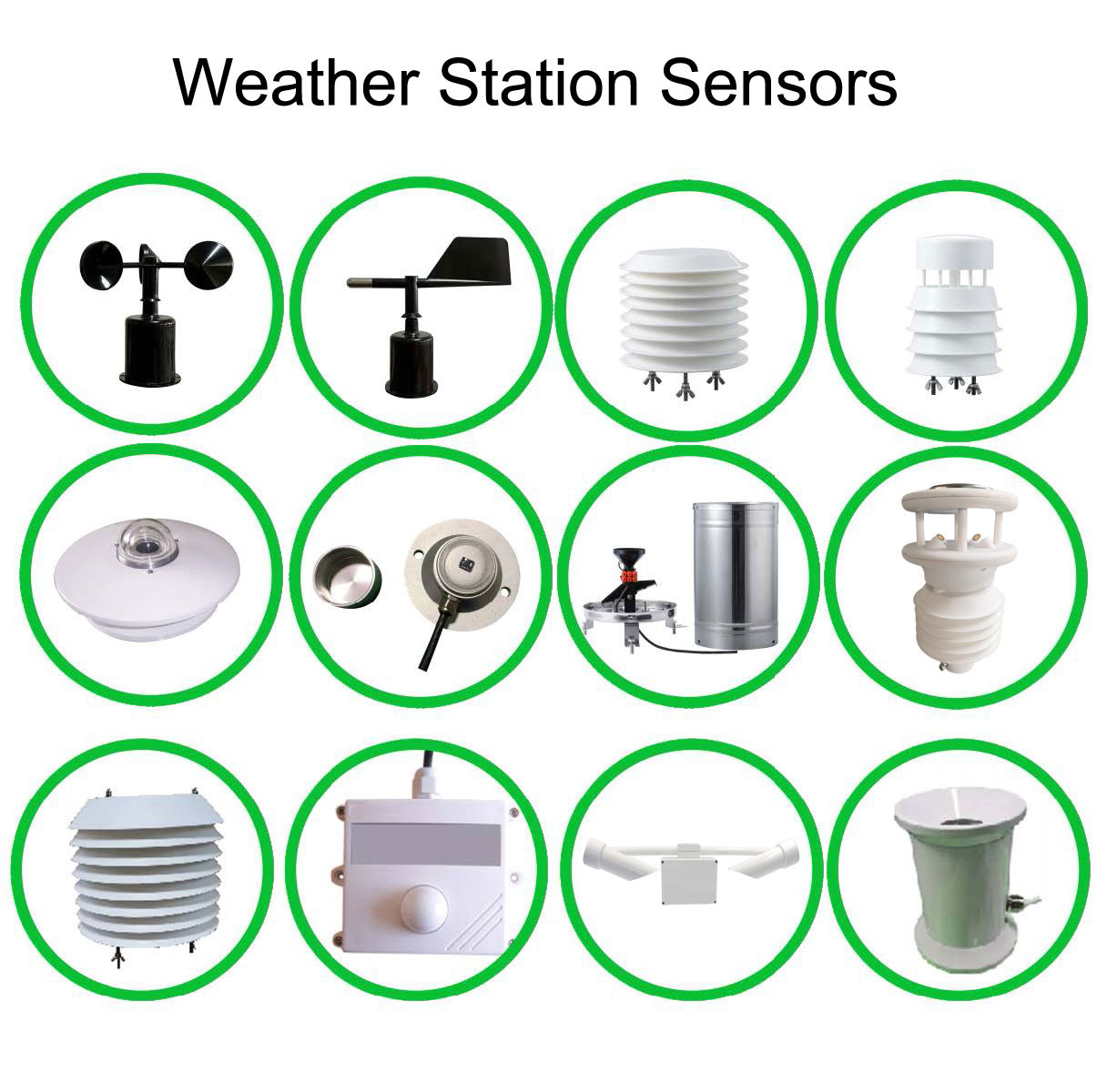
Many projects still ask whether an automatic weather station can replace a manual weather station. The short answer depends on the purpose of the observation. Manual stations depend on trained observers and scheduled readings. Automatic stations use sensors, collectors and communication modules to observe, store and transmit data continuously.
For procurement teams, the comparison should focus on data continuity, site maintenance, observation error, emergency response and integration with a platform. This article is written for project buyers who need to decide which system fits agriculture, hydrology, emergency management, campus, industrial or environmental monitoring.
| Comparison Item | Automatic Weather Station | Manual Weather Station |
|---|---|---|
| Observation continuity | 24-hour continuous monitoring | Scheduled observations by staff |
| Data density | High-frequency records and curves | Limited by observation schedule |
| Human error | Reduces habit and timing errors | Depends on observer training and discipline |
| Emergency service | Can provide timely data during storms or floods | May be limited by access and safety |
| Platform integration | Supports cloud, gateway and database integration | Requires manual entry or separate reporting |
| Maintenance focus | Sensor calibration, power and communication | Observer training and manual instrument maintenance |
| Use in remote sites | Suitable if power and communication are designed | Difficult if frequent human access is required |
An automatic weather station is an electronic or computer-controlled system for automatic observation and data acquisition. It can collect meteorological variables, store records and transmit data to a cloud platform or central station.
A manual weather station depends on human observation, manual reading and scheduled recording. Manual observation can still be valuable for special inspection, but it is difficult to match the time density and unattended operation of automatic systems.
The choice between automatic and manual observation should start with the required time resolution. If the project needs hourly or minute-level data, a manual station cannot meet the requirement economically. If the project mainly needs educational observation and manual instrument training, manual observation still has value.
Automatic stations also change project staffing. Instead of arranging observers for every reading, the owner needs maintenance staff who can check sensors, clean instruments, inspect power and verify data quality. This is a different skill set, and it should be included in the operation plan.
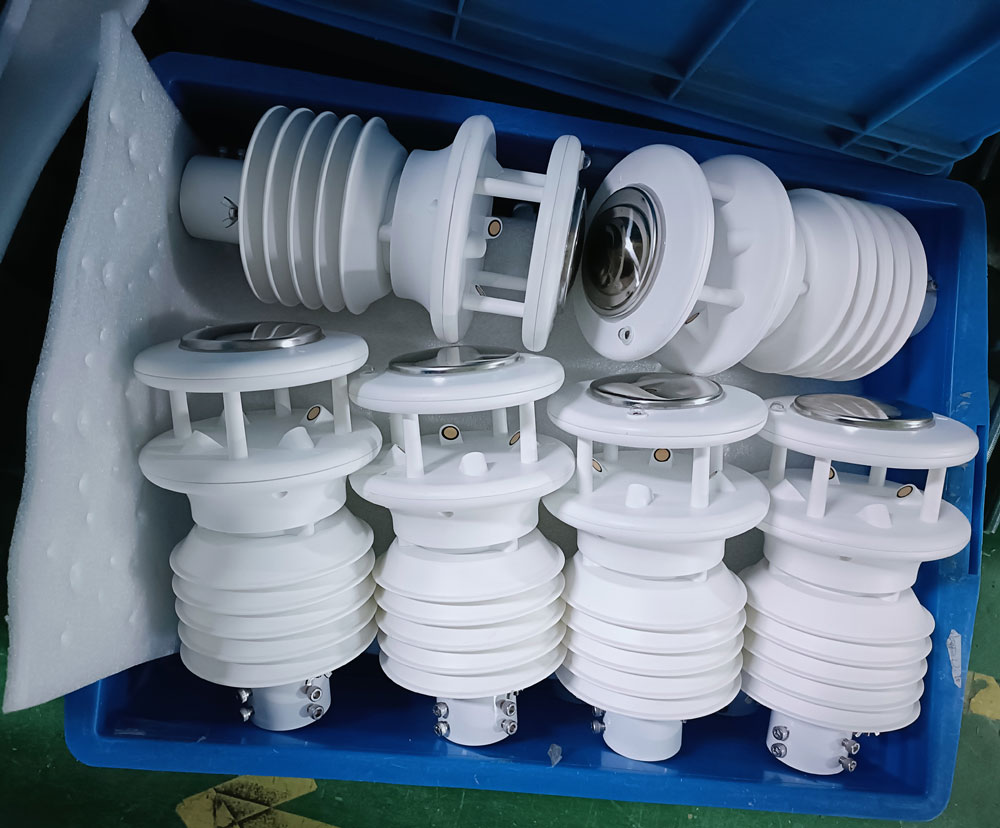
Automatic measurement changes weather observation from a person-dependent routine into a data-management process. Operators no longer wait for fixed observation times; they check dashboards, alarms and historical curves. This improves response speed, but it also requires the owner to define who reviews abnormal data and who maintains instruments.
For procurement, this means the station should be purchased with software and service expectations. A sensor package without platform training, data export and maintenance plan may not solve the operational problem. Buyers should ask for the complete workflow from field measurement to decision report.
Manual observation can still verify local phenomena that sensors may not fully describe, such as visual cloud condition, local obstruction, instrument contamination or unusual site activity. A mature project uses automatic data for continuity and manual inspection for quality control.
Automatic stations can use RS485 / Modbus RTU for sensor-to-collector communication, and 4G, 5G, Ethernet or other links for remote upload. Manual stations do not naturally provide digital integration unless observations are entered into software later.
| Parameter | Typical Project Value | Engineering Note |
|---|---|---|
| Core weather variables | Temperature, relative humidity, wind speed, wind direction, barometric pressure | Basic automatic weather station set |
| Extended variables | Rainfall, solar radiation, illuminance, soil temperature/moisture, PM2.5/PM10, UV | Selected according to application model |
| Communication | RS485 / Modbus RTU, 4G/5G, GPRS, Ethernet or USB by configuration | Gateway, platform or local software access |
| Power supply | DC 12V/24V, AC 220V with adapter, or solar power system | Choose by site power availability |
| Data storage | Local collector storage plus platform upload where configured | Prevents record loss during network interruption |
| Protection | Outdoor weatherproof enclosure and shielded cabling; sensor IP rating by model | Required for long-term unattended monitoring |
| Working environment | Common outdoor station design supports cold, heat, rain and wind exposure | Confirm model-specific limits before purchase |
| Output format | Digital data records, curves, alarms and exportable reports | Useful for operation review and project handover |
In many projects, the real answer is not automatic or manual only. Automatic stations provide continuous records, while manual inspection helps identify dirty sensors, blocked rain gauges, cable damage or abnormal site changes. A good operation plan defines how often staff should visit and what they should check.
For example, a flood-season station may upload rainfall and wind data automatically, while staff inspect the rain gauge before and after the rainy period. A campus station may use automatic data for teaching charts while students still learn how manual observation works.
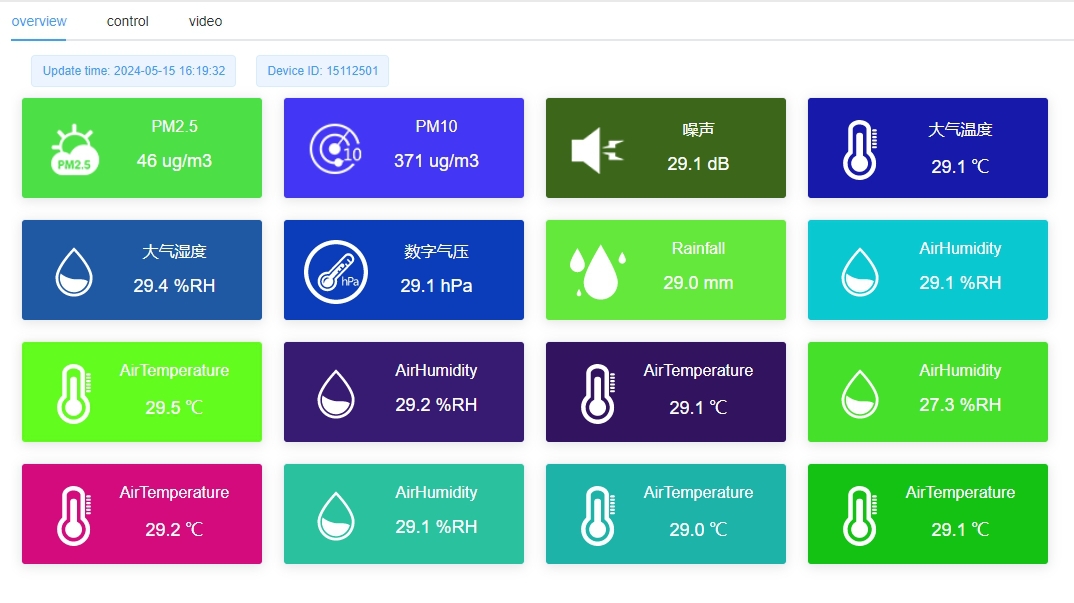
Automation reduces observer timing errors, but it does not remove data-quality work. Sensors may drift, rain gauges can clog, solar panels can become dirty and wind sensors can be affected by nearby obstacles. A professional automatic station project should include periodic comparison, calibration records and abnormal-data review.
Site challenge: Small-scale rainfall can be missed by distant regional stations.
System integration plan: Deploy automatic rainfall and weather stations with platform upload.
User value: Decision teams receive more local and timely data.
Site challenge: Farms need weather records during nights, weekends and bad weather.
System integration plan: Use automatic stations with temperature, humidity, wind, rainfall and optional soil sensors.
User value: Managers get continuous records for field work and crop protection.
Site challenge: Teaching needs both instrument understanding and digital records.
System integration plan: Use automatic station data while retaining manual inspection for education.
User value: Students learn both observation principles and data analysis.
Site challenge: Personnel access may be restricted during severe weather.
System integration plan: Use automatic station with rugged power and communication design.
User value: The site continues providing data without exposing staff.
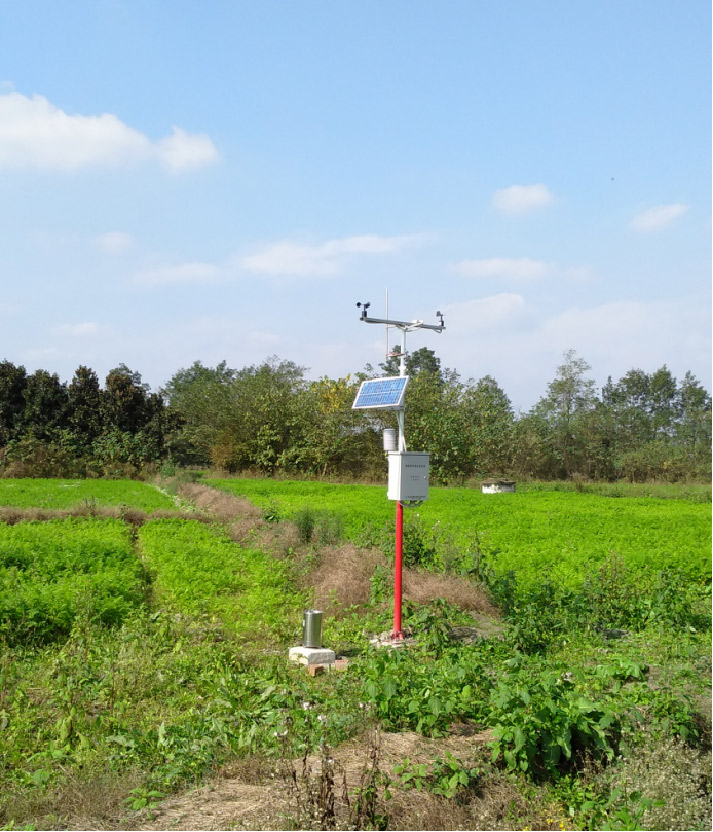
Automatic data becomes valuable when it is stored, exported and connected to decision workflows. Buyers should ask whether the station can provide historical curves, alarm records and downloadable data. Without these functions, an automatic station may only replace manual reading without improving decision quality.
What data interval is required by the project?
Will the station upload to a central platform or only store locally?
What is the maintenance access condition during severe weather?
Which sensors require periodic cleaning or calibration?
Does the supplier provide register maps, wiring diagrams and platform training?
Choose automatic observation when the project requires continuous records, cloud integration, alarm rules or many distributed stations. Keep manual inspection when visual verification, maintenance check or training value is important. In many projects, automatic data and periodic manual inspection work together.
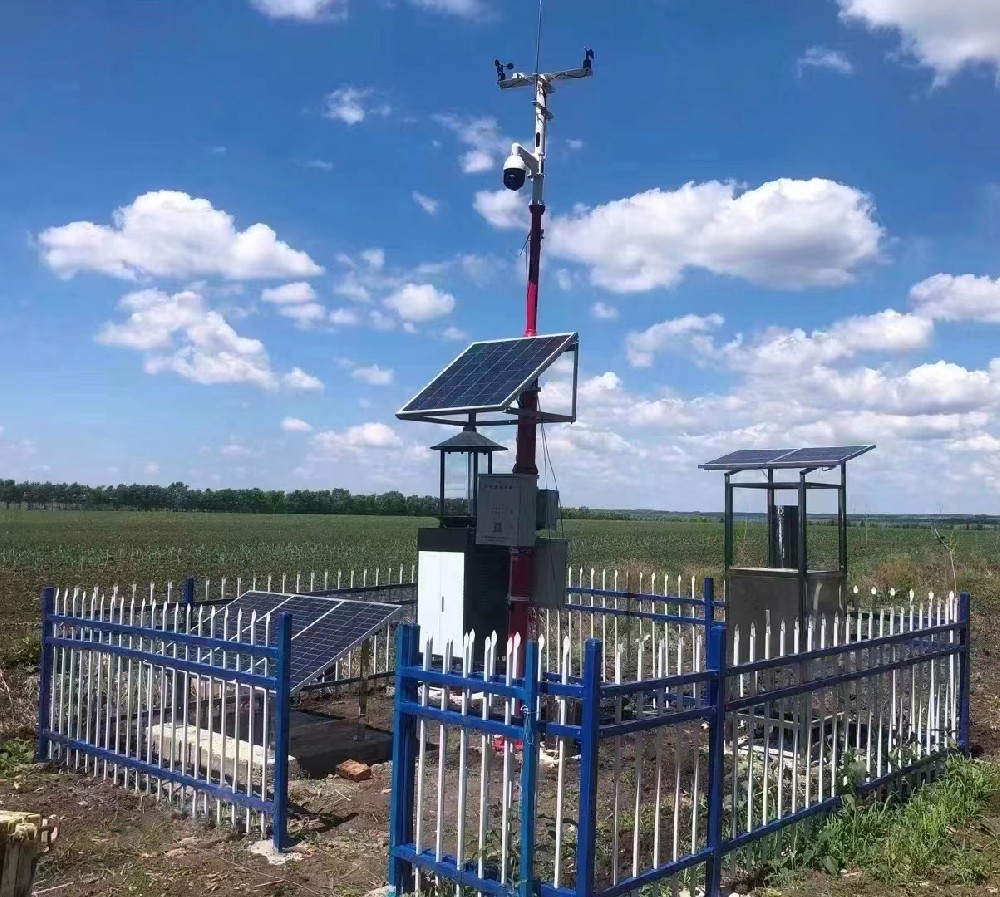
Automatic stations should be accepted by checking sensor readings, time stamps, data interval, communication status, power backup, grounding and platform records. A project handover should include sensor list, calibration information, installation photos and maintenance schedule.
If the project is for emergency response, irrigation scheduling, distributed monitoring or unmanned sites, automatic observation should be the main system. If the project is for education, training or special visual records, manual observation can remain as a supporting method. The procurement decision should match the operational task, not a general preference for one station type.
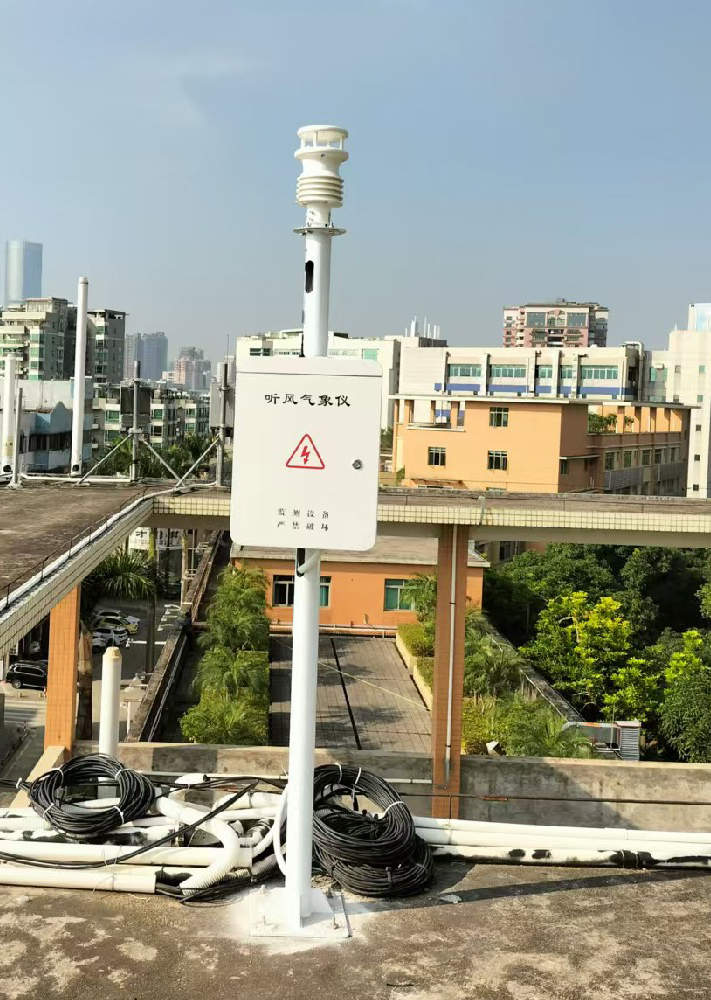
A: Automatic stations collect data continuously through sensors; manual stations depend on people reading and recording instruments.
A: Automatic stations fit emergency monitoring better because they provide continuous data during storms, floods and inaccessible periods.
A: No. Staff still need to clean sensors, inspect cables, verify abnormal data and maintain power and communication.
A: Manual observation helps with visual checks, training, site inspection and confirming local conditions that sensors may not describe.
A: It creates high-frequency records, curves, alarms and platform data that manual schedules usually cannot provide.
A: Ask about required data interval, platform upload, maintenance access, sensor parameters and reporting needs.
A: Yes, distributed stations can upload to a central platform for comparison, alarms and statistics.
A: Buying sensors without confirming software export, maintenance plan and data-quality review workflow.
A: Yes, periodic manual inspection improves data quality and helps catch physical problems.
A: Use automatic stations for continuous operational data and manual observation for training or quality-control support.
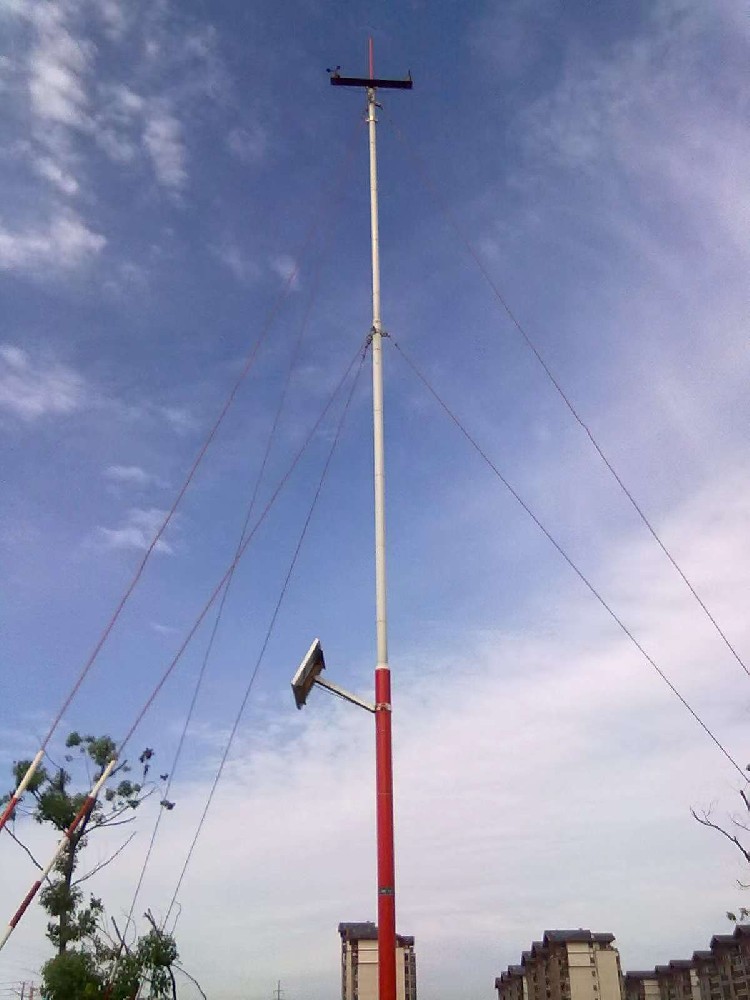
Automatic weather stations do not simply replace people; they change weather observation into a continuous data system. For projects that need timely records, platform integration and remote monitoring, automatic stations are usually the more practical engineering choice.
Related recommendations
Sensors & Weather Stations Catalog
 Agriculture Sensors and Weather Stations Catalog-NiuBoL.pdf
Weather Stations Catalog-NiuBoL.pdf
Agriculture Sensors Catalog-NiuBoL.pdf
Water Quality Sensor Catalog-NiuBoL.pdf
Related products
 Combined air temperature and relative humidity sensor
 TDR Soil Moisture & Temperature Sensor for irrigation| RS485 |4-20mA| NBL-S-THR
 Soil pH sensor RS485 soil Testing instrument soil ph meter for agriculture |NBL-S-PH
 Wind Speed sensor Output Modbus/RS485/Analog/0-5V/4-20mA
 Tipping bucket rain gauge for weather monitoring auto rainfall sensor RS485/Outdoor/stainless steel
 Pyranometer Solar Radiation Sensor 4-20mA/RS485

Screenshot, WhatsApp to identify the QR code
WhatsApp number:+8615367865107
(Click on WhatsApp to copy and add friends)

