





— Blogs —
—Products—
 Consumer hotline +8618073152920
 WhatsApp:+8615367865107
Address:Room 102, District D, Houhu Industrial Park, Yuelu District, Changsha City, Hunan Province, China
Product knowledge
Time:2026-06-25 10:58:36 Popularity:219
An automatic weather station works through three engineering steps: monitoring, acquisition and transmission, then display and analysis. Sensors measure environmental parameters such as wind speed, rainfall, light, temperature and solar radiation. A collector reads the signals, transmits data to a platform, and the platform displays real-time and historical values for decision use.
The value of an automatic weather station is not that it replaces professional meteorology. Its value is that it fills local observation gaps. Agriculture, disaster prevention, ecological projects, schools, transportation and industrial sites all need site-level data that regional forecasts cannot provide alone.
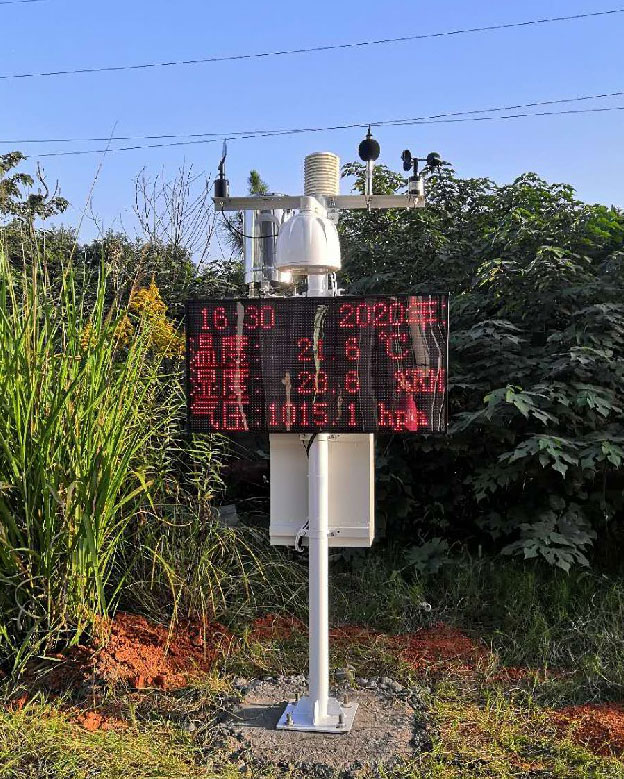
Meteorological service demand is increasing because extreme weather, climate adaptation, ecological management and agricultural modernization all depend on better local data. A station network becomes more valuable when each node is stable, positioned correctly and connected to a data platform.
For project buyers, the question is not only which station to buy. The real question is which measured parameters will support the intended service: early warning, irrigation, research, teaching, O&M, disaster reduction or environmental assessment.
Monitoring: Sensors measure each environmental element. Wind speed sensors measure air movement, rain gauges record rainfall, temperature sensors measure air heat condition, light sensors measure illumination, and solar radiation sensors measure radiation energy.
Acquisition and transmission: The data collector reads sensor values through RS485, pulse, analog or other signals. It can send data to a backend through 4G, Ethernet, WiFi or another communication module.
Display and analysis: The platform presents data as numbers, charts, maps and reports. Users can view real-time values, query history and export records for analysis or project reports.
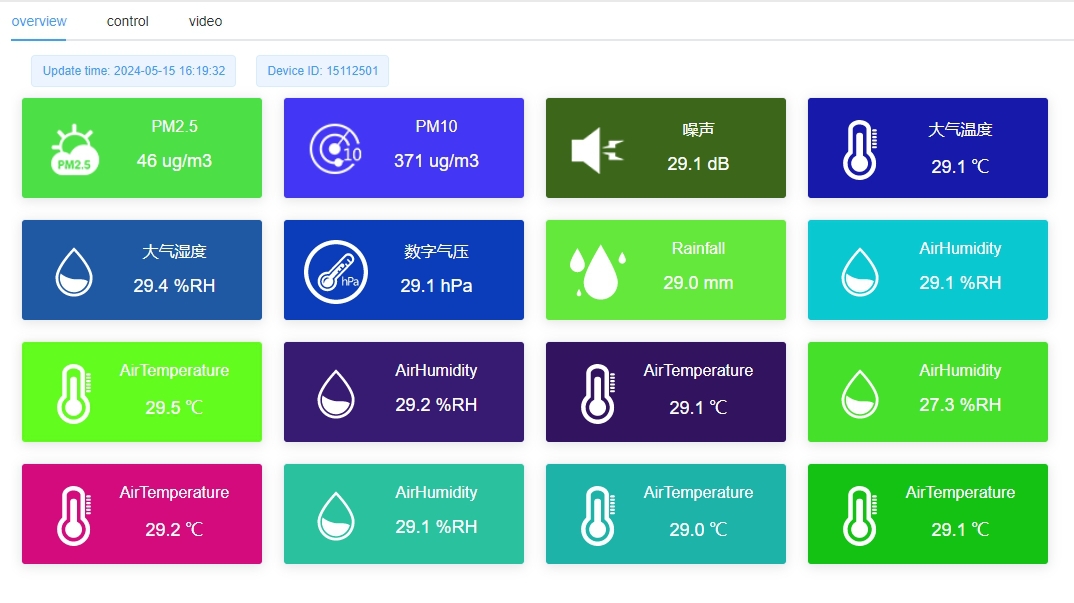
RS485 and Modbus RTU are practical for weather station sensor networks because they support multi-sensor acquisition and industrial integration. A data collector can then upload readings to a computer, cloud platform or monitoring center. GPS positioning can also be included to identify the station and the data collection point.
For a buyer, communication should be selected according to site reality. A school station may only need local display and cloud upload. A disaster warning station may need remote communication, alarm rules, backup power and station status monitoring.
| Parameter | Typical Project Value | Engineering Use |
|---|---|---|
| Supply voltage | DC 12-24V, solar power optional for remote stations | Power design for field cabinet or unattended site |
| Communication | RS485 / Modbus RTU; 4G or Ethernet through collector or gateway | Connection to data logger, platform, PLC or SCADA |
| Wind speed | 0-60 m/s, typical accuracy ±0.3 m/s or ±3%FS | Wind load, spraying, safety and weather analysis |
| Wind direction | 0-359° or 0-360°, typical accuracy ±3° | Wind rose, dispersion and site operation |
| Air temperature | -40 to 80℃, typical accuracy ±0.5℃ | Heat, frost and growth environment monitoring |
| Relative humidity | 0-100%RH, typical accuracy ±5%RH | Disease risk, comfort and microclimate evaluation |
| Pressure | 10-1100 hPa, typical accuracy ±1.5 hPa | Meteorological trend reference |
| Rainfall | Tipping bucket rain gauge, 0.2 mm or 0.01 mm resolution by model | Rainfall event, drainage and disaster response |
| Protection level | IP65 for outdoor station enclosure; IP68 for buried soil probes | Outdoor reliability and maintenance planning |
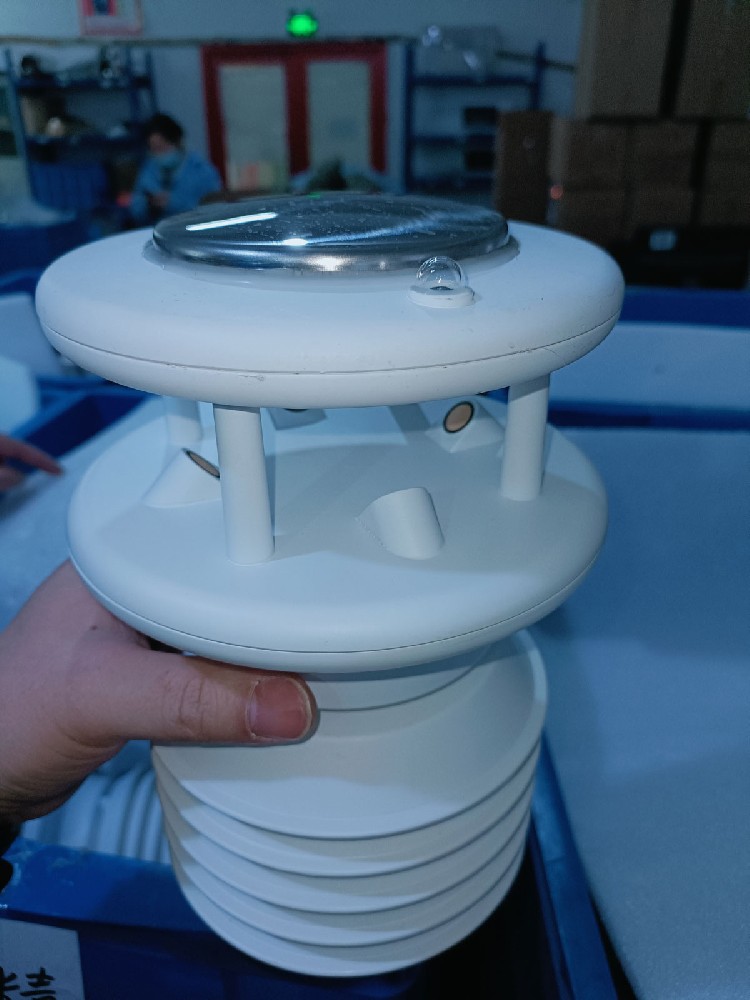
Site challenge: Farms need local weather data for disaster prevention, irrigation and field operations.
System integration scheme: Install automatic weather stations with wind, rainfall, temperature, humidity and soil options.
User value: Agricultural managers can act earlier when weather risks change.
Site challenge: Rainstorms, strong wind and temperature extremes require local warning references.
System integration scheme: Build a station network with platform alarms and historical data.
User value: Emergency teams can evaluate risk by station instead of relying only on broad forecasts.
Site challenge: Schools and institutes need observation data that students or researchers can access.
System integration scheme: Use automatic stations with clear parameters, charts and exportable history.
User value: Users learn meteorological principles through real site data.
Site challenge: Ports, roads, power plants and construction sites need weather data for operation safety.
System integration scheme: Integrate weather station data into site management or SCADA platforms.
User value: Operators can make work scheduling and safety decisions from local conditions.
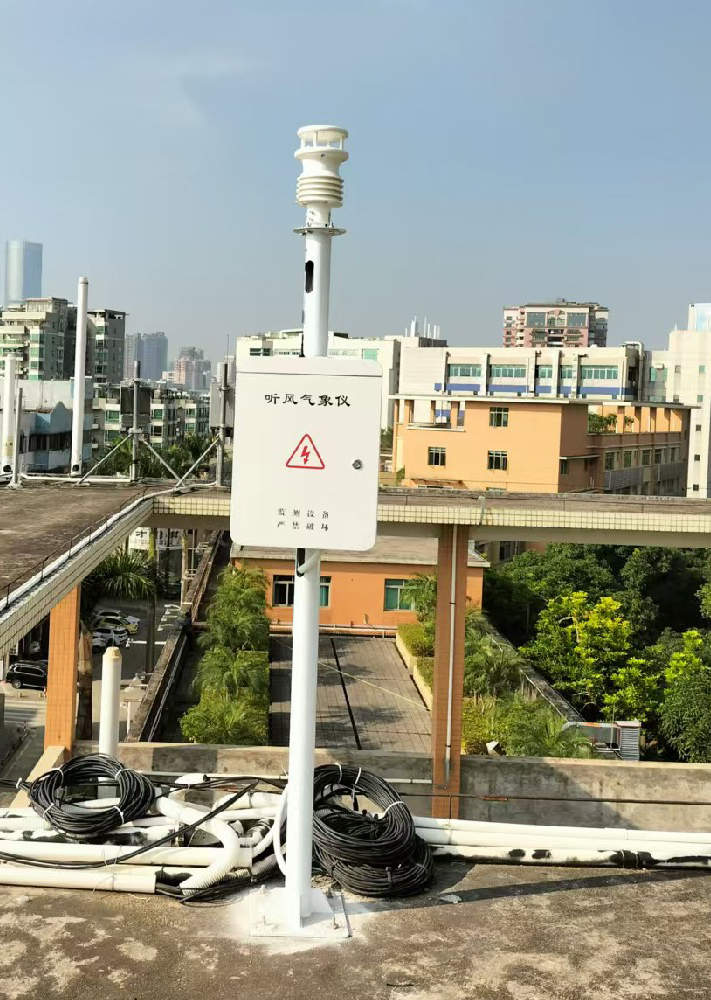
Define the service objective before selecting sensor configuration.
Do not buy every sensor if the project only needs basic weather monitoring.
Confirm protocol, power, platform and station status monitoring before shipment.
Use GPS or clear station naming when multiple stations are deployed.
Make sure historical data can be queried and exported.
Plan maintenance for rain gauges, radiation sensors and exposed cables.
As big data, cloud platforms and IoT systems develop, the value of an automatic weather station is increasingly tied to the network. One station provides local observation; many stations provide spatial comparison. When data quality is stable, the station network supports smarter warning, better resource use and clearer public or project services.
However, more stations do not automatically mean better data. Installation quality, calibration, maintenance, naming and platform management determine whether the data can be trusted. This is why procurement should include field deployment and data management, not only hardware price.
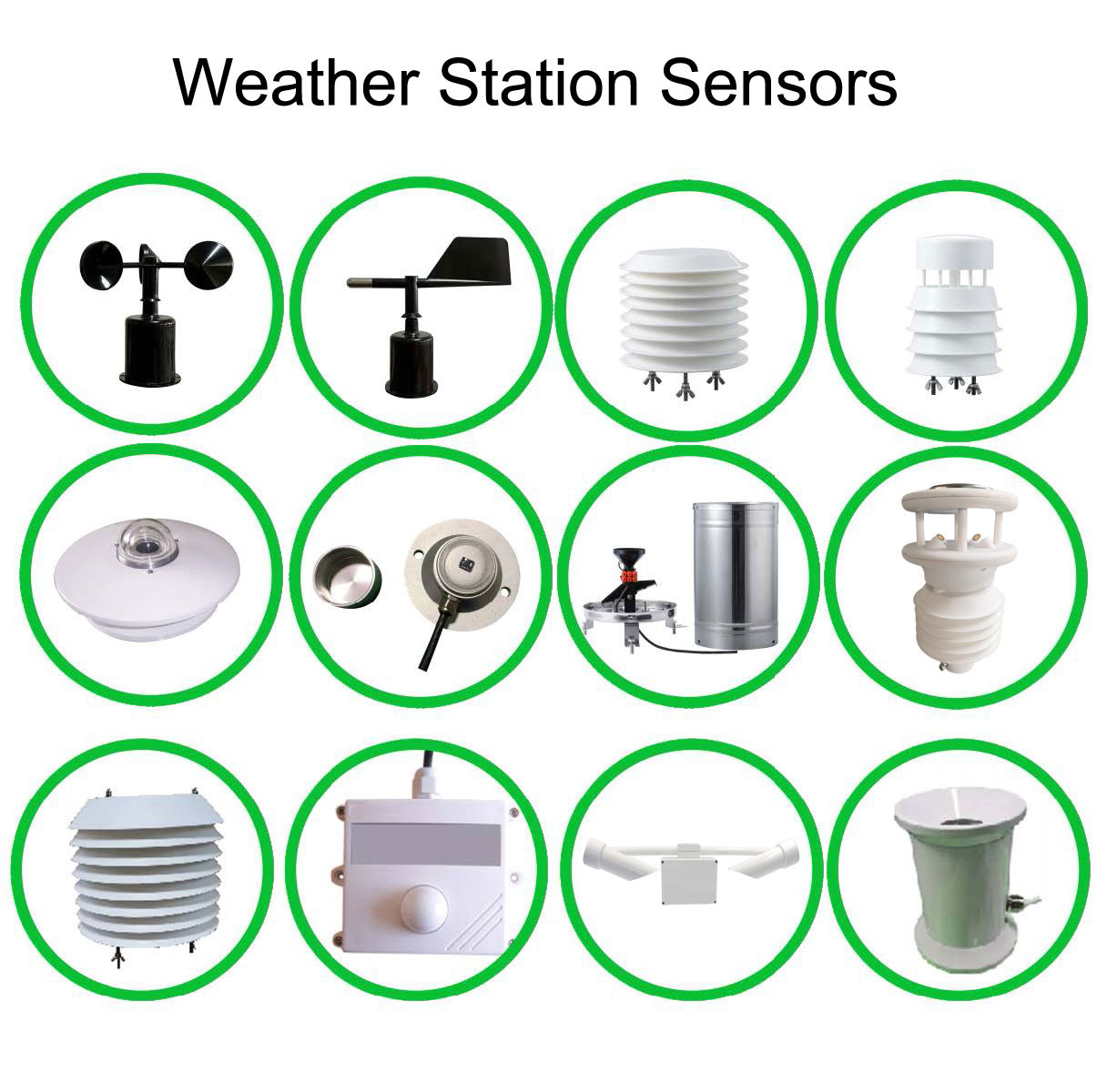
A single automatic weather station provides local observation. A service system uses many stations, consistent parameters and a platform to compare conditions across space and time. This is why station naming, GPS location, timestamp control and data quality checks are part of meteorological service work.
For agriculture, the station may support irrigation, frost protection and disease risk. For disaster warning, rainfall and wind thresholds may trigger inspection or alerts. For ecological monitoring, long-term temperature, humidity and radiation records help evaluate environmental change. The same hardware can serve different purposes only when the platform and data workflow are designed correctly.
Wind speed supports safety, spraying, wind load and dispersion decisions.
Rainfall supports flood, drainage, irrigation and disaster review.
Temperature supports frost, heat stress and seasonal trend analysis.
Humidity supports disease risk, comfort and microclimate decisions.
Illumination and solar radiation support agriculture, solar energy and research analysis.
Pressure supports meteorological trend and weather change reference.
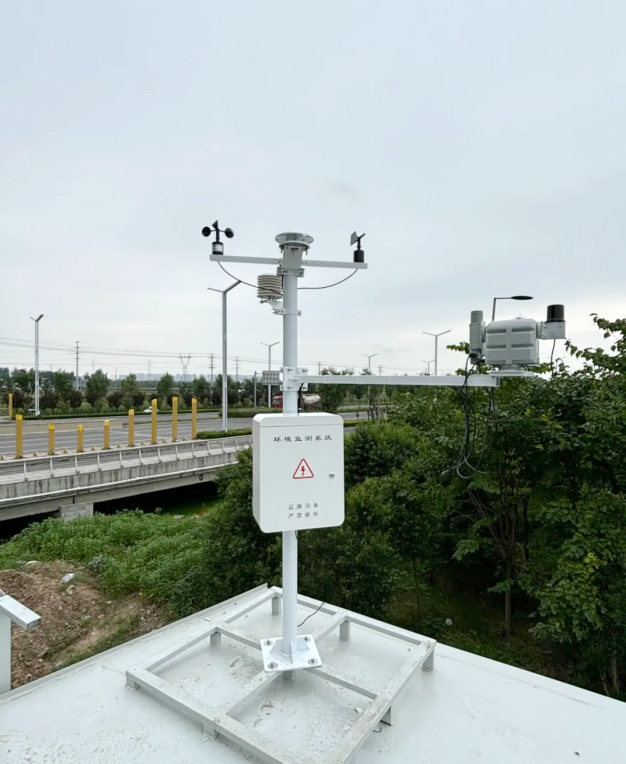
A project owner should check not only whether a value appears, but whether the value is credible. Sudden flat lines, impossible rainfall, wind direction stuck at one value, or missing timestamps should trigger maintenance or communication review. The station network should therefore include device status and alarm logs, not only environmental curves.
A meteorological service project should define the expected data users. A farmer may need rainfall, wind and temperature alarms. A school may need easy charts and teaching records. A disaster warning office may need station status, alarm dispatch and historical event review. These users require different software details even when the sensor hardware is similar.
The project should also state data interval and retention period. A one-minute interval may be useful for storm events but creates more data and communication load. A ten-minute interval may be enough for general observation. The correct setting depends on the service objective and the cost of missing fast-changing events.
For an automatic weather station inquiry, the buyer should provide monitoring purpose, required parameters, installation environment, power availability, communication method, platform requirement and whether alarms are needed. If the station is part of a network, station quantity, expected map display and naming rules should also be discussed before quotation.
Once a station is running, the owner should not only look at the real-time dashboard. A useful operation process reviews daily maximum and minimum temperature, rainfall events, wind extremes, missing data and alarm history. These routine checks turn automatic observation into a service workflow.
For meteorological modernization projects, the same data may serve several departments. Agriculture may use rainfall and temperature. Emergency teams may use wind and rainfall alarms. Education teams may use charts and historical exports. The platform should therefore support different users without forcing every user to read raw sensor values.
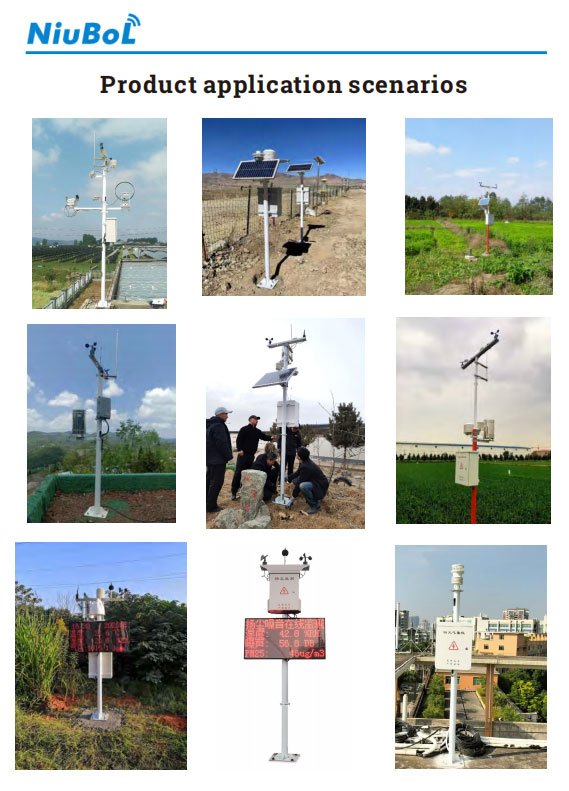
A: It measures weather parameters through sensors, collects the signals through a data logger and displays or uploads the data to a platform.
A: Wind speed, wind direction, rainfall, temperature, humidity, pressure, illumination and solar radiation sensors are common; soil or water sensors can be added by project need.
A: Yes. RS485 Modbus is widely used for sensor acquisition and integration with gateways, controllers or monitoring platforms.
A: The collector reads sensor signals, stores data, manages communication and sends values to the display or platform.
A: GPS helps identify the station location and data collection point, which is useful in station networks and project management.
A: Historical records support trend analysis, reports, warning review and comparison between sites or seasons. They are also useful for checking whether alarm thresholds were practical during real events.
A: Start from the service objective, then select parameters, communication method, power design, platform functions and maintenance plan. A teaching station, farm station and disaster warning station should not use the same specification by default.
A: Correct installation, stable power, clear protocol, regular maintenance and platform status monitoring all affect reliability.
A: NiuBoL provides automatic weather station sensors, data acquisition and system options for agricultural, meteorological and industrial monitoring projects.
A: The inquiry should include monitoring purpose, required parameters, installation environment, power availability, communication method, data interval and platform functions. These details help match the station to the actual service workflow.
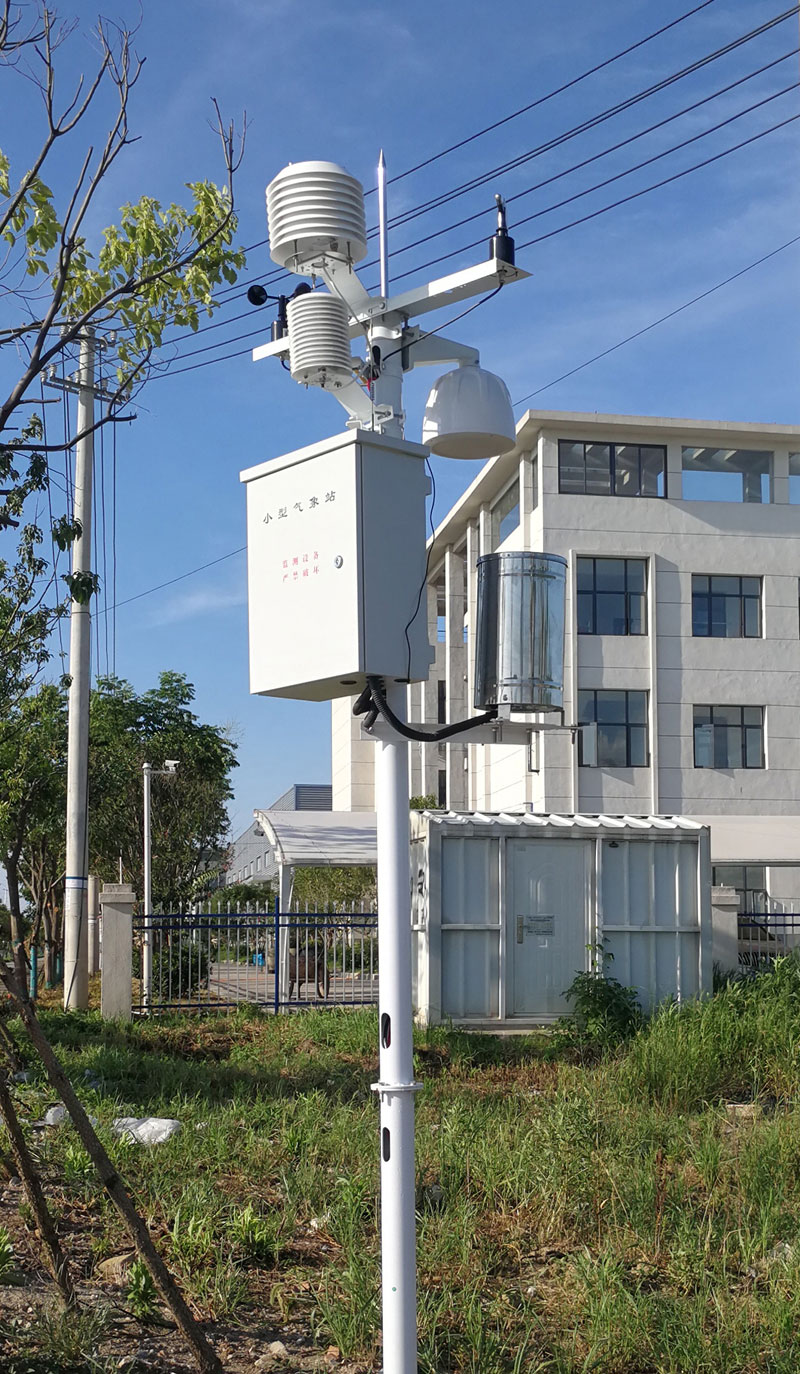
An automatic weather station is a local observation node that turns weather into usable data. Its working principle is simple, but project success depends on correct sensor selection, communication compatibility, installation and platform use. NiuBoL automatic weather station solutions can support modern meteorological services where reliable site-level data is required.
Prev:Automatic Soil Moisture Monitoring Equipment Selection Guide for Irrigation and Drought Response
Next:Automatic Weather Station Installation Guide: Site Selection, Interference Control and Commissioning
Related recommendations
Sensors & Weather Stations Catalog
 Agriculture Sensors and Weather Stations Catalog-NiuBoL.pdf
Weather Stations Catalog-NiuBoL.pdf
Agriculture Sensors Catalog-NiuBoL.pdf
Water Quality Sensor Catalog-NiuBoL.pdf
Related products
 Combined air temperature and relative humidity sensor
 TDR Soil Moisture & Temperature Sensor for irrigation| RS485 |4-20mA| NBL-S-THR
 Soil pH sensor RS485 soil Testing instrument soil ph meter for agriculture |NBL-S-PH
 Wind Speed sensor Output Modbus/RS485/Analog/0-5V/4-20mA
 Tipping bucket rain gauge for weather monitoring auto rainfall sensor RS485/Outdoor/stainless steel
 Pyranometer Solar Radiation Sensor 4-20mA/RS485

Screenshot, WhatsApp to identify the QR code
WhatsApp number:+8615367865107
(Click on WhatsApp to copy and add friends)

