





— Blogs —
—Products—
 Consumer hotline +8618073152920
 WhatsApp:+8615367865107
Address:Room 102, District D, Houhu Industrial Park, Yuelu District, Changsha City, Hunan Province, China
Product knowledge
Time:2026-07-23 16:04:56 Popularity:263
Residual chlorine quotes are often underestimated when only base sensor price is compared. In practice, chlorine measurement cost is mostly around flow stability, sampling method and maintenance risk when the water chemistry is not stable.
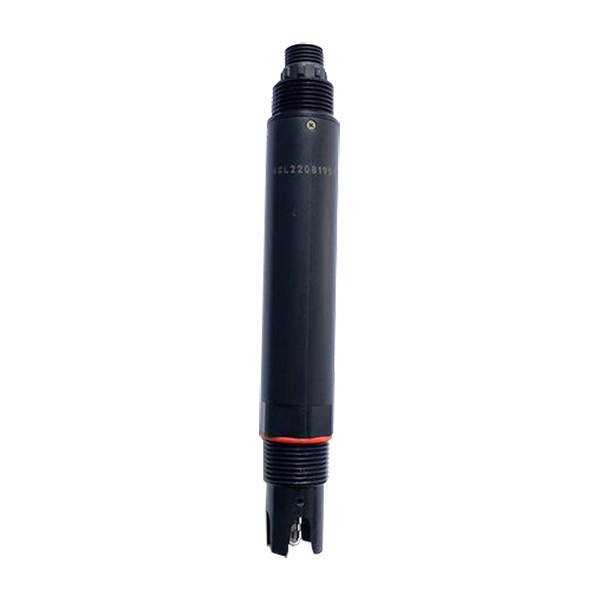
The right procurement question is not only "ow much per point,?but "hich installation method and communication setup produce dependable dosing decisions for long periods.?/p>
Potable water and recirculation systems use different chemistry windows. Sensor response to pH and chlorine demand differs by flow and cleaning cycle.
When the water has temperature swings and variable flow, a model with reliable circulation installation and stable sampling has better value than a marginally cheaper unit.
Many offers bundle sensor unit and ignore communication module and software mapping effort. Later procurement disputes usually appear during alarm behavior change.
Another issue is ignoring installation fixtures; circulation body clearance and sampling point depth must be reflected as contract scope.
For stable loops, chlorine should be one channel in a closed architecture with RS485 and control logic in the same cycle budget.
For older equipment, analog 4-20 mA may be retained for one output while the new RS485 bus carries long-term quality and diagnostics.
Parallel manual checks are still required. Build acceptance with matched manual reference and sensor trend across flow changes, not only static clean water.
Keep calibration records as signed PDF and keep one cycle reference in procurement archive.
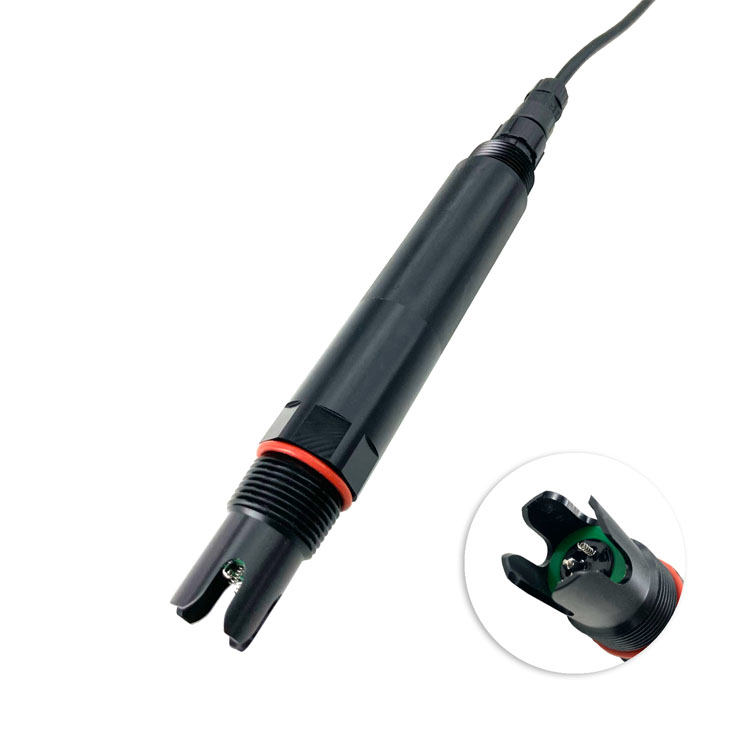
| Specification | Value | Project meaning |
|---|---|---|
| Measuring principle | Constant voltage | Suitable for stable residual monitoring in circulation systems |
| Range | 0 to 2.000 mg/L HClO | Common water treatment range |
| Resolution | 0.001 mg/L | Supports precise residual control |
| Accuracy | +/-5% or +/-0.05 mg/L | Useful for dosing adjustment windows |
| Output | RS485 Modbus RTU | Directly integrates with SCADA and PLC |
| Power | 12 to 24 VDC | Compatible with typical industrial cabinets |
| Protection | IP68 | Longer exposure stability |
| Cable | 5 m standard | Keep distance margin during procurement |
Field environment challenge: High flow and variable pump rate affect reading stability.
System integration plan: Use the chlorine sensor with circulation pool installation mode and tune polling interval by process changes.
User value: Dosing decisions become repeatable and chemical usage is easier to control.
Field environment challenge: Flow interruption can cause residual spikes and false alarms.
System integration plan: Use dual monitoring strategy: chlorine point plus periodic residual lab confirmation, both logged by register map.
User value: Less manual intervention and more credible handover records.
Field environment challenge: High compliance pressure requires evidence-ready data.
System integration plan: Build two-stage checks and export logs from RS485 with consistent timestamps and threshold history.
User value: Compliance risk drops because the data path can be traced to calibration and maintenance.
For residual chlorine plants, RS485 traffic is often interrupted by dosing cycle bursts, so the integration plan should include polling strategy and buffer depth.
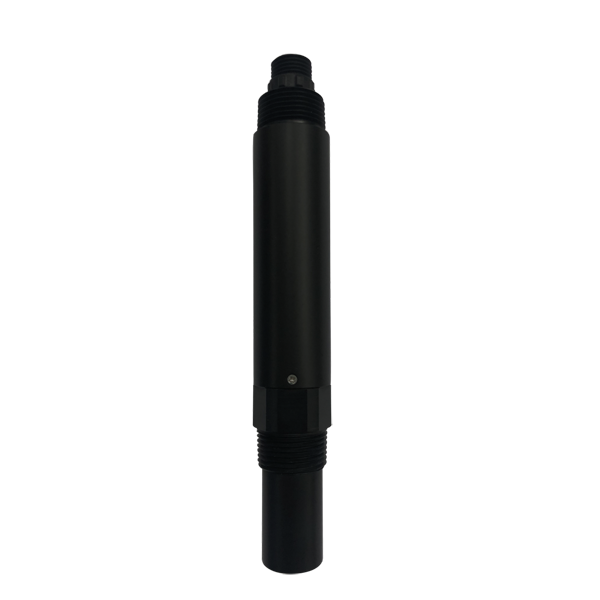
Validate register conflict, field bus noise and calibration event timing during a startup loop, not only during factory testing.
At handover, keep one short register dictionary and one wiring map per point, plus chlorine contact logs for each channel owner.
| Decision point | Practical recommendation |
|---|---|
| Flow condition | Choose model with flow range compatible with actual pump conditions |
| Communication | RS485 Modbus RTU for multi-point and diagnostics |
| Calibration support | Request two-point calibration interval and reagent plan in contract |
| Maintenance | Add circulation flow and connector protection items in scope |
| Audit readiness | Define reference method and reporting format in acceptance form |
Do not reuse a quotation built for one tank flow into a different flow class. Confirm whether the sensor is in recirculation, once-through flow, or variable demand control.
Specify dosing point turbulence and cleaning access in RFQ. A correct model can still underperform if it is mounted in dead legs or uncontrolled injection zones.
Ask for online drift verification against a secondary test method in the first month. This catches unstable calibration drift before your O&M contract is signed.
Separate monitoring objective, installation mode, and service model at bid stage. A monitoring-only objective has lower protocol risk, while control-oriented projects require stricter response and fallback clauses.
Use a one-page reference method section in the RFQ with one expected lab method. Without this, teams can compare numbers but not correctness.
Check whether the bid includes sampling path cleaning and interference handling. Dosing and flow fluctuation can distort inline values if not planned.
| Scope field | Required evidence | What it prevents |
|---|---|---|
| Measurement method | Free/total chlorine basis | Conflicting acceptance targets |
| Protocol | RS485 Modbus RTU map | Communication mismatch |
| Maintenance | Cleaning cycle and spare parts | Unexpected long outages |
| Acceptance | Reference comparison timeline | False stability claims |
If the site is outdoors, include environmental tolerance and enclosure details. This avoids delayed procurement when mounting conditions are tougher than expected.
After supplier selection, keep one acceptance ledger for calibration, maintenance, and alarm events. That ledger is a practical dispute-reduction tool.
For chlorine residual control, clarify how this affects implementation scope before award. In the first 30 days, teams often lose time on retest cycles. For chlorine testing projects, verify cleaning strategy and bus stability before bid lock-in..
Define a pre-award acceptance protocol now: who checks influent/effluent sampling method, who confirms dosing and cleaning standard, who approves calibration signatures, and who verifies comms before handoff.
For water chemistry systems, split ownership by analytical acceptance, cleaning cycle, and integration support so each team has one accountable owner.
| Check item | Owner |
|---|---|
| Reference method | Project quality lead |
| RS485 mapping | Integrator |
| Installation constraints | Site contractor |
| Data handover | Purchasing or PM |
Now evaluate chlorine residual control by risk and recurrence rather than headline model price. Track three controls: installation quality, alarm stability, and corrective-maintenance responsiveness..
Set a scoring sheet that weights measurable performance, service accessibility, and replacement risk.. When a cheap bid has weak replacement planning, lower its score before PO decision..
Keep a written decision log so changes in cleaning method, reagent use, or reading drift can be traced to procurement scope rather than installation blame.
| Decision line | What to reject | What to accept |
|---|---|---|
| Protocol certainty | No Modbus/RS485 examples | Working map in annex |
| Maintenance clarity | No cleaning cycle | Explicit intervals |
| Acceptance | Only sample value | Acceptance and report method |
| Support | No service boundary | Defined scope and scope-out items |
For chlorine residual control, finalize a commissioning playbook that maps action by timeline, not only by deliverable list. Set checkpoints for commissioning, 7-day verification, and 30-day stabilization before handover..
Use this roadmap to validate measured results at real installation points before acceptance.. If any key value cannot be measured within a practical operation window, this option should be eliminated before RFQ closure..
When this stage completes, schedule a 30-day calibration review and a 90-day performance review tied to detection stability and reagent replenishment evidence.
This stage should also capture expansion readiness and replacement assumptions, so each later scope change does not reset the base configuration.
| Review interval | Main output |
|---|---|
| Commissioning | Baseline acceptance and threshold verification |
| 30-day | Cleaning/drift trend and false alarm rate |
| 90-day | Operational stability and spare utilization |
| Handover | Final close decision and optimization list |
For chlorine residual control, run a pre-commissioning simulation in parallel with contract signing. cleaning-cycle response, alarm routing and threshold update flow before final approval.
This simulation step is often skipped in smaller projects. For chlorine lines, this simulation usually prevents late-stage change pressure because process issues are visible while assumptions are still editable.
Ask suppliers for both a change control template and a practical handover training checklist. This keeps maintenance continuity after the first warranty period and lowers handover confusion.
| Milestone | Evidence | Decision owner |
|---|---|---|
| Dry test | Wiring and register continuity | PM |
| Wet test | Trend stability and alarm logic | Project lead |
| Post-startup | Service call count and false alarm rate | Site owner |
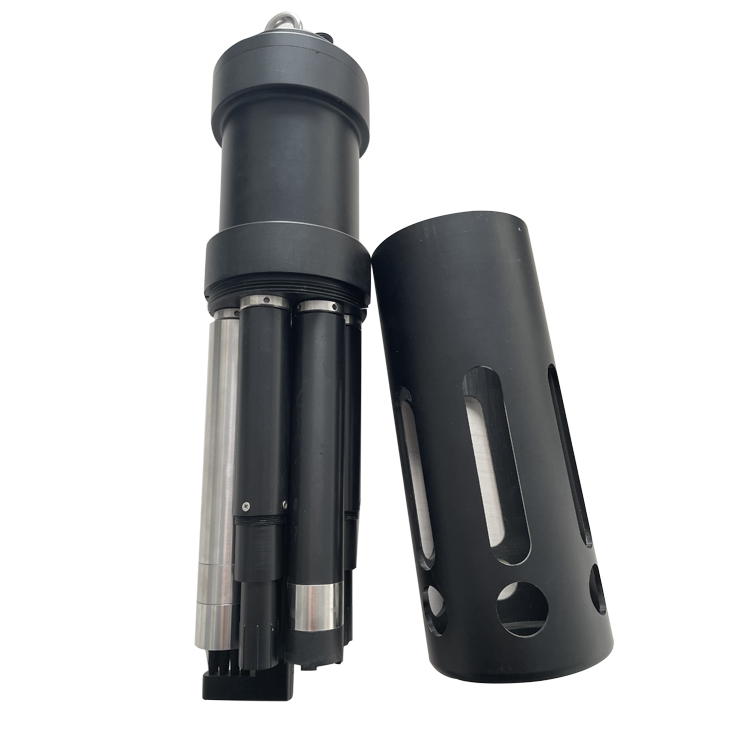
A: Manual checks remain lower upfront, but online chlorine reduces event response delay. For continuous dosing and regulatory reporting, online usually gives lower operating risk despite higher first cost.
A: Flow and channel location change module stress and lamp life. Use expected residence time and max flow in RFQ or pricing comparisons become meaningless.
A: Plan a maintenance calendar tied to shock load and cleaning access. If your plant sees frequent disinfection cycle change, increase calibration reserve accordingly.
A: No, especially for large recirculation loops. One chlorine point can miss distribution mismatch and creates delayed response in outlying lines.
A: Yes, if chlorine and oxidation-reduction potential are used for cross-check. Define this as a combined control rule, not separate independent purchases.
A: Use the same template: performance, installation, communication, spares, calibration, acceptance. Any quote that omits one bucket should be rejected before final comparison.
A: During commissioning, include residual checks at startup, one load-shift event and one planned maintenance window. Record acceptance criteria in writing before full handover.
Confirm the measurement purpose, installation environment, signal output, power supply, cable route, data platform, maintenance access, and acceptance record. These details help the project team avoid field changes after procurement.
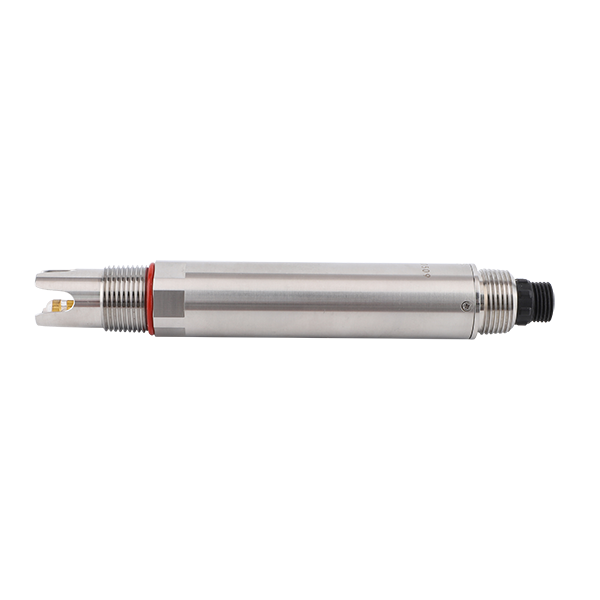
Residual chlorine projects are usually won or lost on process clarity, not by headline instrument price.
Confirm flow handling, dosing interaction, cleaning frequency, and sample representativeness in the tender terms. These terms decide whether response lag and drift become operational issues.
Ask the supplier to specify calibration policy, RS485 mapping and fault handling for analyzer downtime. This is where hidden maintenance cost is usually generated.
Prev:How Many Dissolved Oxygen Sensors Does a Pond Need for Stable Production?
Next:Aquaponics Sensors: Build a Practical pH, DO, EC, Temperature Stack
Related recommendations
Sensors & Weather Stations Catalog
 Agriculture Sensors and Weather Stations Catalog-NiuBoL.pdf
Weather Stations Catalog-NiuBoL.pdf
Agriculture Sensors Catalog-NiuBoL.pdf
Water Quality Sensor Catalog-NiuBoL.pdf
Related products
 Combined air temperature and relative humidity sensor
 TDR Soil Moisture & Temperature Sensor for irrigation| RS485 |4-20mA| NBL-S-THR
 Soil pH sensor RS485 soil Testing instrument soil ph meter for agriculture |NBL-S-PH
 Wind Speed sensor Output Modbus/RS485/Analog/0-5V/4-20mA
 Tipping bucket rain gauge for weather monitoring auto rainfall sensor RS485/Outdoor/stainless steel
 Pyranometer Solar Radiation Sensor 4-20mA/RS485

Screenshot, WhatsApp to identify the QR code
WhatsApp number:+8615367865107
(Click on WhatsApp to copy and add friends)

