





— Blogs —
—Products—
 Consumer hotline +8618073152920
 WhatsApp:+8615367865107
Address:Room 102, District D, Houhu Industrial Park, Yuelu District, Changsha City, Hunan Province, China
Product knowledge
Time:2026-07-23 16:04:57 Popularity:329
Aquaponics teams often buy sensors one by one and then discover the data is hard to use together. A useful stack starts from channel priority, then protocol and maintenance strategy.
This guide focuses on practical configuration: where each channel should be installed, what each signal should feed, and how to reduce false optimization during start-up.
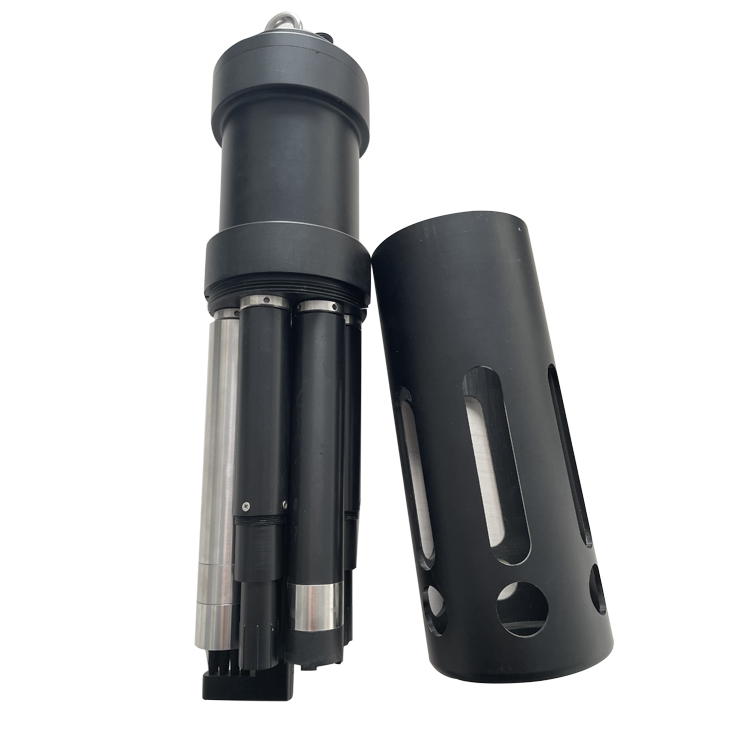
pH and DO usually protect biological balance first, then conductivity and temperature support feeding and system tuning.
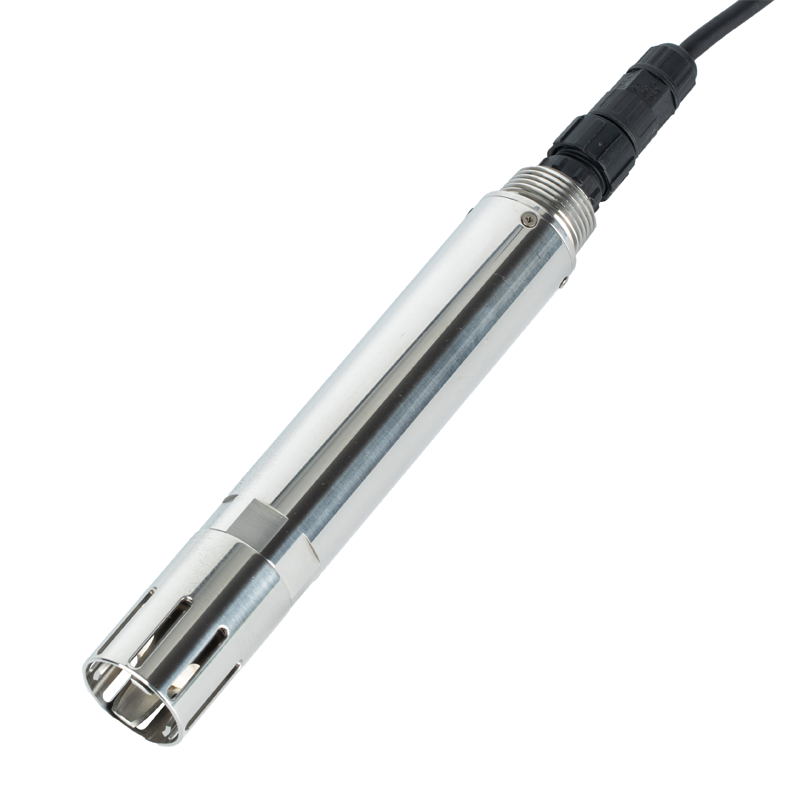
If one alarm channel is missing, choose the one that affects production first: dissolved oxygen or pH. The rest can be monitored with less strict cadence.
RS485 works better when the farm has several sensor types. A single bus with clear address map makes long-term scaling simpler than isolated analog loops.
When legacy controllers remain, keep one converter path and define data format once to avoid duplicated conversions by each vendor.
Aquaponics pipes create vibration and humidity; use waterproof connectors and avoid long unprotected cable loops close to power lines.
Install probes at flow representative points and keep distance from pump vibration zones to reduce noise and biofilm deposition.
Many failures happen when all channels are commissioned on launch day. Stage channel activation by risk group and leave at least one verification window per channel.
Procurement should include spare cable connectors, cleaning schedule, and response thresholds with shift ownership.
| Specification | Value | Project meaning |
|---|---|---|
| System architecture | Multi-channel RS485 (Modbus RTU) integration | Suitable for growth and phased expansion |
| Core channels | pH, DO, conductivity, temperature | Balanced control for aquaponics stability |
| Wiring strategy | Single bus with fixed addresses | Reducing commissioning complexity |
| Maintenance logic | Probe cleaning and calibration by channel risk | Lower unplanned downtime |
| Expansion model | Add channels without bus redesign | Lower capex for additional tanks |
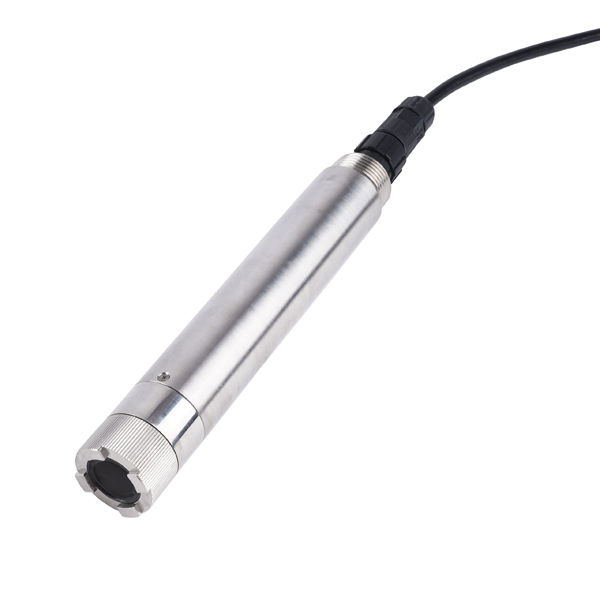
Field environment challenge: Over-configured monitoring with too many channels but poor ownership.
System integration plan: Start with 4-channel core stack and set a growth-phase activation plan for non-critical sensors.
User value: Lower initial startup risk and better budget control for expansion.
Field environment challenge: Existing systems need minimal downtime and immediate data continuity.
System integration plan: Use RS485 bus, keep one temporary analog path for critical control, and migrate channel by channel.
User value: Minimal production impact and fewer acceptance delays.
Field environment challenge: Temperature drift creates frequent apparent variation.
System integration plan: Enable automatic compensation and lock acceptance thresholds by ambient cycle.
User value: Less false alarm and steadier feeding decision.
In this aquaponics stack, pH and DO often share channel wiring with shared power feed, so integration risk is usually around timing drift during feeding cycles.
Cross-check register conflict, probe cleaning periods and maintenance windows together; if any one changes, alarm logic should map to the same farm shift schedule.
At handover, keep one master register dictionary for water quality loops and one wiring map for mechanical circulation points per zone owner.
| Decision point | Practical recommendation |
|---|---|
| Start channel | pH and DO always go first in risk-critical aquaponics setups |
| Add-ons | Enable conductivity and temperature once baseline process is stable |
| Protocol | Prefer RS485/Modbus RTU for scalable sensor architecture |
| Maintenance | Use one maintenance log format for all channels |
| Vendor support | Ask response SLA for calibration and replacement parts |
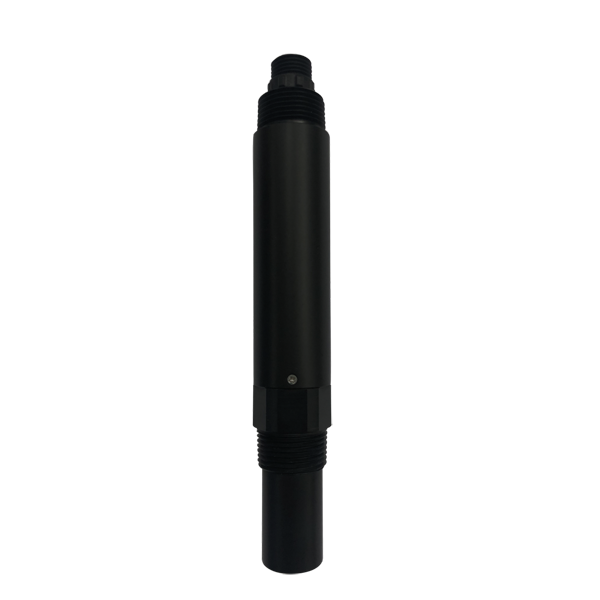
For small to medium scale sites, stack by failure impact. Start with one critical channel per function and expand when maintenance rhythm is proven. This reduces wasted investment in channels that cannot be maintained.
The stack should have a migration path. If stack expansion is expected, lock naming, bus rules and alarm conventions in the initial contract.
When channel count grows too fast, operators may only monitor dashboards and miss failed probes. Build channel count around operational response capacity.
| Phase | Channel set | Why this works |
|---|---|---|
| Phase 1 | DO + temperature | Protects immediate production risk |
| Phase 2 | Add pH for key ponds | Improves nutrient control |
| Phase 3 | Add EC only if response confirms | Keeps maintenance load stable |
Procurement should define channel grouping by zone and operator path. If zones are clear, future troubleshooting has a shorter path.
Define one handover template that includes control changes, alarm owner, and replacement procedure so new channels can be added without redesigning operations.
For aquaculture stack deployment, clarify how this affects implementation scope before award. In the first 30 days, teams often lose time on retest cycles. For aquaculture stack integration, verify response continuity and cable readiness before procurement is finalised..
Define a pre-award acceptance protocol now: who checks stack layout sequence, who validates each channel's point-to-point mapping, who signs calibration completion, and who confirms RS485 stability.
For aquaponics stacks, appoint owners for node wiring, calibration, and commissioning planning to avoid cross-team handoff delays.
| Check item | Owner |
|---|---|
| Reference method | Project quality lead |
| RS485 mapping | Integrator |
| Installation constraints | Site contractor |
| Data handover | Purchasing or PM |
Now evaluate aquaculture stack deployment by risk and recurrence rather than headline model price. Track three KPIs in sequence: startup success rate, data continuity, and maintenance completion time..
Build a procurement scorecard that balances technical performance, operation continuity, and response speed.. If a low-price proposal has weak spare paths, deprioritize it even when unit cost looks attractive..
Keep a written decision log. It should show where pH/DO/EC and temperature dependencies influenced the final stack model and why alternatives were rejected.
| Decision line | What to reject | What to accept |
|---|---|---|
| Protocol certainty | No Modbus/RS485 examples | Working map in annex |
| Maintenance clarity | No cleaning cycle | Explicit intervals |
| Acceptance | Only sample value | Acceptance and report method |
| Support | No service boundary | Defined scope and scope-out items |
For aquaculture stack deployment, finalize a commissioning playbook that maps action by timeline, not only by deliverable list. Your rollout plan should include installation day, end of week one, and first 30-day review checkpoints..
Use this plan to confirm every proposal is measurable in the field, not only on datasheets.. If one value cannot be measured in a normal operating window, this option should be rejected before acceptance approval..
When this stage completes, run a 30-day field check and a 90-day operational review with threshold evidence and spare path readiness.
This stage should also define extension boundaries and fallback logic. Decide what is covered by change order and what needs a new quotation before handover.
| Review interval | Main output |
|---|---|
| Commissioning | Baseline acceptance and threshold verification |
| 30-day | Cleaning/drift trend and false alarm rate |
| 90-day | Operational stability and spare utilization |
| Handover | Final close decision and optimization list |
For aquaculture stack deployment, run a pre-commissioning simulation in parallel with contract signing. startup response, fault routing and threshold update flow before final approval.
This simulation step is often skipped in smaller projects. For aquaculture stacks, this simulation usually prevents late-stage change pressure because field issues are visible while assumptions are still editable.
Request the supplier?s change-log template and one onsite recovery training checklist.. With this in place, operators can sustain maintenance after the first warranty period with lower confusion.
| Milestone | Evidence | Decision owner |
|---|---|---|
| Dry test | Wiring and register continuity | PM |
| Wet test | Trend stability and alarm logic | Project lead |
| Post-startup | Service call count and false alarm rate | Site owner |
After the deployment plan is fixed for aquaculture stack deployment, make extension logic explicit in the same bid package. Define where contract changes end and support actions begin before stage closure..
When extension logic is defined clearly, follow-up requests are easier to close and less likely to reopen pre-award assumptions during operation.
In this stage, define six-month monitoring rules so stability is verified before scaling.. Without this, teams cannot judge deployment stability after commissioning and short-term operation.
| Six-month review item | Acceptance sign | Owner |
|---|---|---|
| Maintenance trend | Threshold within expected range | Operations owner |
| Spare and consumables | Usage and lead time trend | Purchasing |
| Model drift | Calibration record analysis | Integrator |
| System health | Missing data and alert latency | PM |
A: Do not use a single channel cost comparison with only unit price. For aquaponics, compare pH, DO, EC and temperature as an operating chain and include maintenance burden in total cost.
A: Order both together only when power and cabinet capacity are confirmed. If RS485 addressing is not ready, one channel can still start first, but keep stack topology in the RFQ.
A: Use data for control only after you set action thresholds per species and growth stage. Alarm numbers without operational actions should be treated as monitoring-only.
A: Not every installation needs RS485 in the first phase, but if multi-tank expansion is planned in six months, RS485-first avoids double wiring and revalidation.
A: Avoid channel duplication across channels with shared maintenance windows. Define single procurement package for channels that are read/managed by the same control loop.
A: Pilot with 1?2 channels, validate trend interpretation, then expand. If calibration time per tank exceeds one shift, reduce channel count first and phase additional channels.
A: Not always. Build at least two alarm groups: growth-risk alarms and equipment-health alarms. Mixing them increases operator fatigue. Split package logic by alarm ownership as well, not by channel type, and define escalation timing for each owner group so the split is measurable during commissioning.
A: Plan for one extra channel per three to five growth zones and one spare communication path. This is usually the minimum practical scalability baseline.
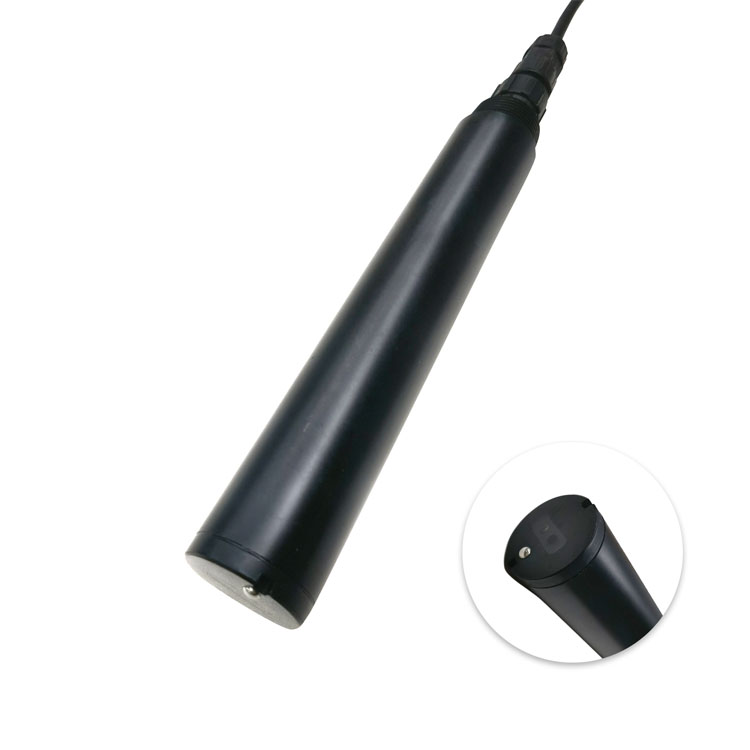
Split base package and expansion package with clear preconditions. Expansion only triggers after a defined stability window and documented operational benefit.
If staffing, maintenance frequency, or network reliability cannot support all channels, a staged rollout is safer than full stack from day one.
An aquaponics sensor stack should start from control intent: what triggers action at what interval and who acts on it.
Set pH, DO, EC and temperature roles separately, then lock channel names and alarms to the same register layer. That prevents mixed channel logic during expansion.
In procurement, insist on a staged implementation plan: pilot channel selection, verification points, then expansion package. This avoids buying an oversized set before the control strategy is proved.
Prev:Chlorine Analyzer Price: Procurement Checklist for Reliable Total Cost
Next:Online COD Analyzer Price: Seven Specification Points That Affect Your Quote
Related recommendations
Sensors & Weather Stations Catalog
 Agriculture Sensors and Weather Stations Catalog-NiuBoL.pdf
Weather Stations Catalog-NiuBoL.pdf
Agriculture Sensors Catalog-NiuBoL.pdf
Water Quality Sensor Catalog-NiuBoL.pdf
Related products
 Combined air temperature and relative humidity sensor
 TDR Soil Moisture & Temperature Sensor for irrigation| RS485 |4-20mA| NBL-S-THR
 Soil pH sensor RS485 soil Testing instrument soil ph meter for agriculture |NBL-S-PH
 Wind Speed sensor Output Modbus/RS485/Analog/0-5V/4-20mA
 Tipping bucket rain gauge for weather monitoring auto rainfall sensor RS485/Outdoor/stainless steel
 Pyranometer Solar Radiation Sensor 4-20mA/RS485

Screenshot, WhatsApp to identify the QR code
WhatsApp number:+8615367865107
(Click on WhatsApp to copy and add friends)

