





— Blogs —
—Products—
 Consumer hotline +8618073152920
 WhatsApp:+8615367865107
Address:Room 102, District D, Houhu Industrial Park, Yuelu District, Changsha City, Hunan Province, China
Product knowledge
Time:2026-06-19 17:03:49 Popularity:221
An integrated ultrasonic wind speed and direction sensor is a core device for projects that need stable wind data without mechanical moving parts. It is suitable for system integrators that build weather monitoring, transport safety, energy operation, environmental supervision, and industrial automation systems.
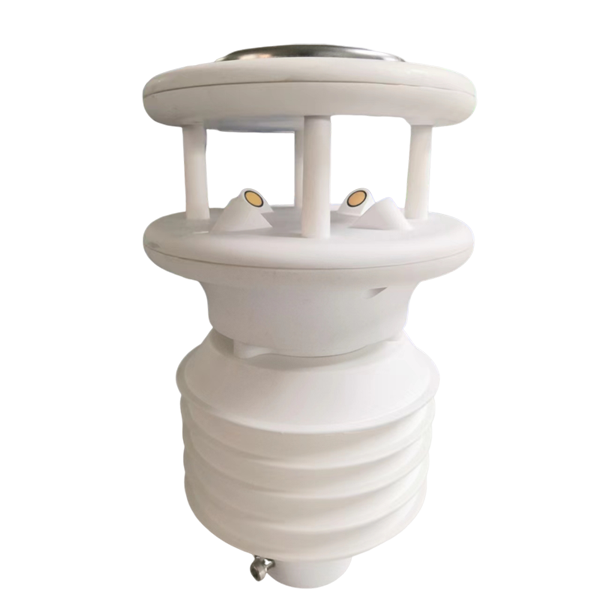
Mechanical wind cups and vanes are familiar, but they can be affected by moving-part wear, starting threshold, icing, sand, salt fog, and maintenance access. Ultrasonic wind measurement uses transit-time calculation between sensor paths, so it can detect wind speed and wind direction without rotating parts.
For projects where downtime is costly, an ultrasonic structure helps reduce maintenance visits and improves response to low wind and changing wind direction. This is valuable for remote stations, bridges, ports, photovoltaic sites, and weather safety systems.
NBL-W-10GUWS ultrasonic weather station can provide wind speed, wind direction, temperature, humidity, pressure, rainfall, PM2.5, PM10, noise, illuminance, and radiation depending on configuration. For wind-focused applications, the sensor provides wind data while also giving environmental context.
RS485 MODBUS output allows the device to connect with RTUs, gateways, and monitoring platforms. A single node can therefore serve weather, environmental, and safety data needs in one installation.
| Item | Specification | Project Use |
|---|---|---|
| Model | NBL-W-10GUWS ultrasonic weather station | Wind and multi-parameter environmental monitoring |
| Power Supply | DC 9-24V | Solar or industrial DC power |
| Output | RS485 | Gateway and RTU connection |
| Protocol | MODBUS protocol | Platform integration |
| Wind Speed | 0-60m/s | Wind safety and weather monitoring |
| Wind Direction | 0-359° | Directional wind analysis |
| Optional Parameters | PM2.5, PM10, noise, rainfall, radiation | Environmental monitoring expansion |
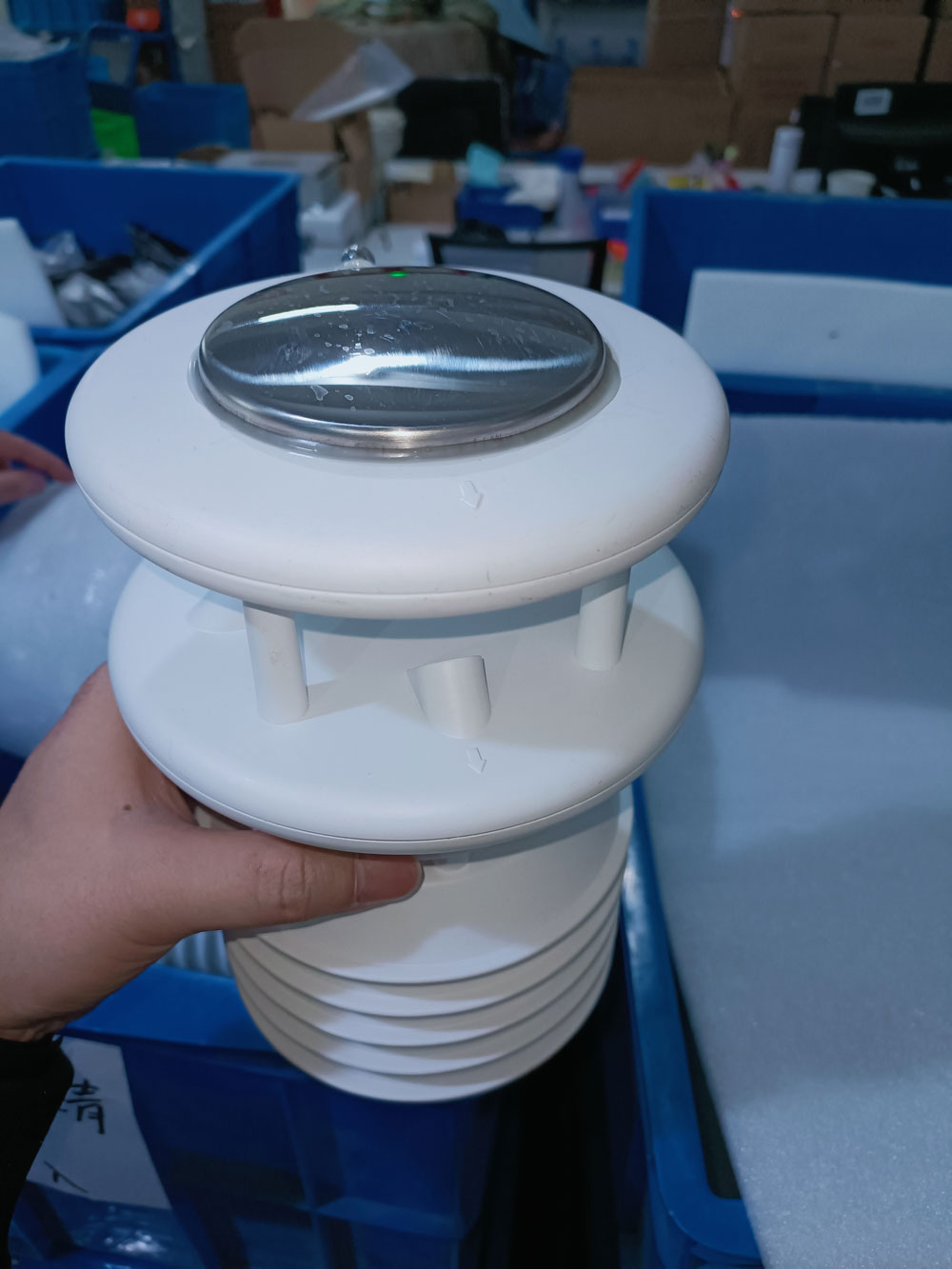
In meteorological stations, ultrasonic wind data supports continuous weather observation and alarm logic. In ports and shipside operations, wind data helps operators evaluate lifting, berthing, and navigation conditions. In airports, wind speed and direction are important for runway and ground operation decisions.
Bridge and tunnel projects use wind data for safety management, while photovoltaic and wind energy sites use it for operation and maintenance planning. Industrial parks and construction projects may combine wind, dust, rainfall, and noise data for environmental supervision.
The integrator should define device address, baud rate, polling interval, wind direction reference, parameter units, and platform fields before installation. Wind direction alignment should be verified on site with a reliable north reference.
Installation should avoid radar interference, vibration, turbulent airflow, and nearby obstacles. Cable strain relief, grounding, surge protection, and stable power are important for long-term operation.
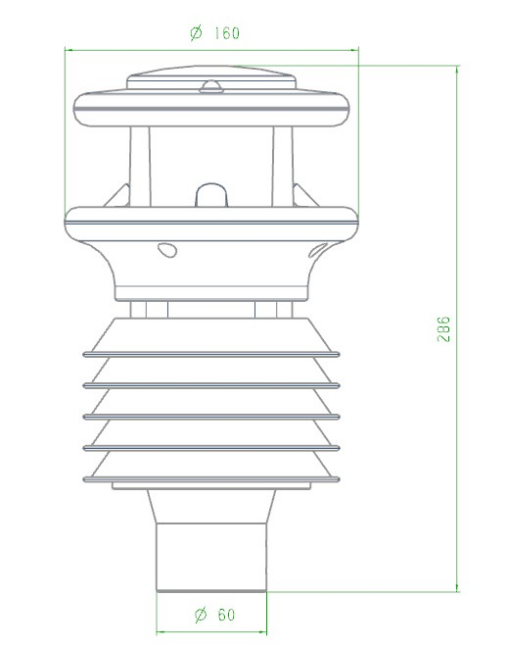
Select NBL-W-10GUWS ultrasonic weather station when the project needs wind data plus additional environmental parameters in one node. If only wind speed and direction are needed, a simpler wind sensor may be enough. If PM, noise, rainfall, and radiation are also required, a multi-parameter station reduces cabinet and wiring complexity.
For remote applications, confirm power budget, communication method, platform compatibility, and maintenance route. For safety applications, alarm thresholds and data refresh intervals should be agreed before commissioning.
The handover package should include installation photos, orientation record, MODBUS register map, wiring definition, alarm settings, and sample data export. Operators should be trained to distinguish real wind events from installation or communication faults.
Long-term service should include sensor surface inspection, connector checks, pole stability review, and platform data health checks.
Wind data is important in places where operation depends on safe weather windows. Bridge maintenance, port loading, photovoltaic inspection, crane operation, and open-area construction can all use wind speed and wind direction records as part of their decision process.
An integrated ultrasonic wind sensor can be installed as a dedicated wind node or as part of a multi-parameter weather station. When connected to a platform, the system can trigger alarms, record wind events, and provide historical evidence for safety management.
Wind data can be misleading if the sensor is installed in a disturbed airflow zone. Nearby buildings, towers, fences, trees, engines, or roof edges can change wind direction and speed. The installation point should represent the monitored operation area rather than simply the easiest mounting location.
The platform should also distinguish instant wind speed, average wind speed, and peak wind speed if the project uses wind alarms. For safety applications, the alarm rule should match the operating procedure of the site.
Before ordering, confirm whether the project needs only wind speed and direction or a complete weather node. If PM, noise, rainfall, radiation, or temperature and humidity are also needed, a multi-parameter station can reduce cabinet space and wiring complexity.
Documentation should include orientation guidance, wiring definition, communication protocol, register map, and recommended installation clearance. These documents are especially useful when a contractor must install several stations across different sites.
Wind speed and direction data often become an input for operational rules. A platform may warn when wind speed exceeds a threshold for lifting operations, bridge inspection, port activity, rooftop work, or outdoor equipment maintenance.
For automation workflows, the system should define whether it uses real-time wind speed, average wind speed, or gust-related values. The selected rule should match the safety policy of the site and should be tested during commissioning.
Remote wind stations should be designed with stable power, communication recovery, and local buffering where required. If communication fails, the owner should know whether data is lost, stored locally, or marked as offline in the platform.
A data continuity plan is especially important for infrastructure and energy sites where operators depend on historical wind records for maintenance planning and safety review.
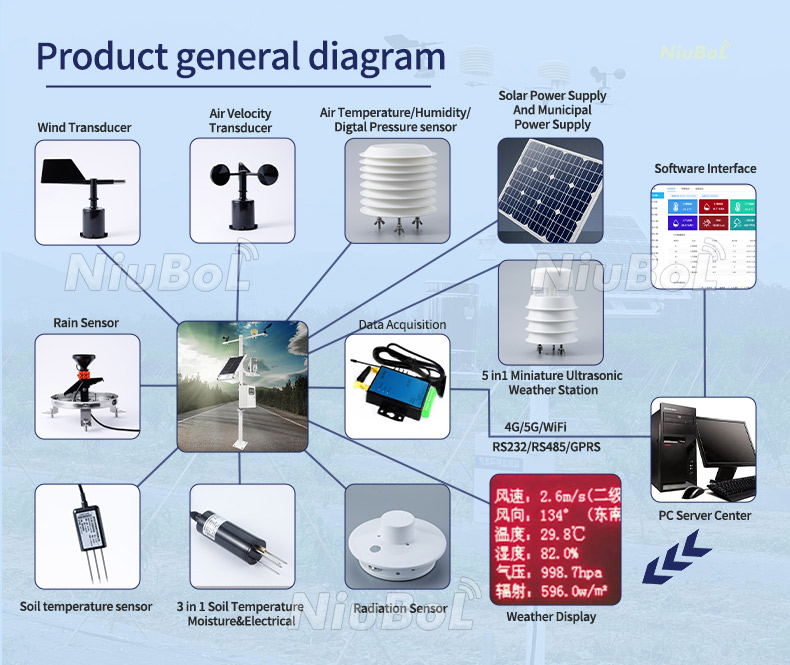
Before installation, confirm whether the wind sensor is used for observation, alarm, operation control, or safety documentation. This determines the required sampling interval, alarm threshold, and data retention period.
During installation, record the north alignment, mounting height, pole position, surrounding obstacles, and cable route. These details help explain wind data if the owner later compares different monitoring sites.
During acceptance, test live wind speed, wind direction, communication stability, and alarm display. If the station includes additional parameters, verify each field separately instead of assuming the whole device is working from one live value.
Different project teams use wind data in different ways. A meteorological service team may need continuous observation, while a port or bridge team may need alarm thresholds. A platform integrator should confirm whether the owner needs live display, historical reports, alarm push, or data exchange with another system.
The data interface should identify wind speed, wind direction, timestamp, device ID, unit, and station name. If wind data is used for safety decisions, the platform should keep historical alarm records and show when the alarm was acknowledged.
Before delivery, the supplier and integrator should confirm the selected model, communication protocol, register map, power input, cable definition, and installation accessories. This prevents delays when the equipment arrives at the site.
For multi-site projects, the same configuration should be repeated where possible. Standardized devices and settings make installation faster and reduce the risk of inconsistent data between stations.
Acceptance should include wind speed response, wind direction alignment, platform mapping, alarm threshold verification, historical storage, and data export. The installer should record the station height, mounting position, and surrounding obstacles so later data review has context.
If the owner uses wind alarms for operational safety, the alarm logic should be tested with simulated threshold values during commissioning. This confirms that the platform notification and response workflow are working before the station enters formal operation.
For long-term projects, wind data should be reviewed after several real weather events. This helps the owner confirm whether the alarm threshold is practical and whether the sensor position represents the monitored operating area.
If multiple wind nodes are installed, the same mounting height and data interval should be used where possible. Comparable installation conditions make cross-site analysis more useful for operation teams.
The final acceptance file should also include a short explanation of how wind data will be used by the owner. This connects the sensor installation with the real decision process of the project.
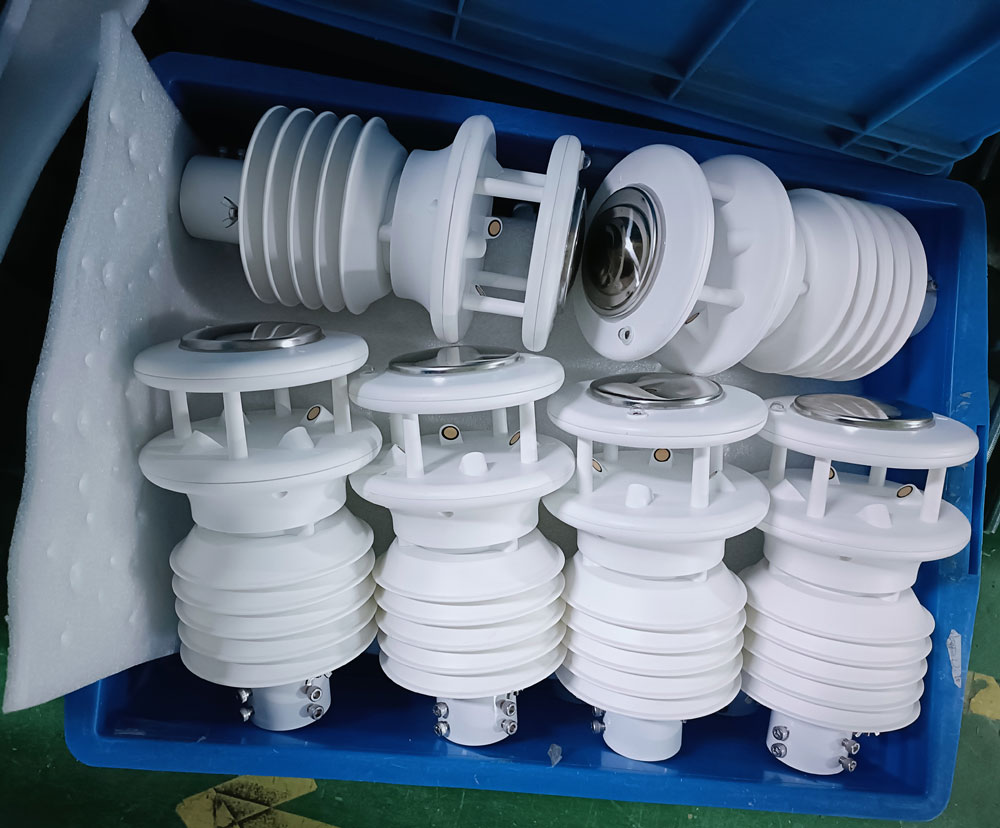
It is a wind measurement device that uses ultrasonic transit-time principles to calculate wind speed and wind direction without mechanical moving parts. This structure reduces wear and supports long-term monitoring in outdoor engineering environments.
NBL-W-10GUWS ultrasonic weather station provides wind speed and direction with optional weather and environmental parameters. It is useful when a project needs wind data plus temperature, humidity, pressure, rainfall, PM, noise, or radiation data in one station.
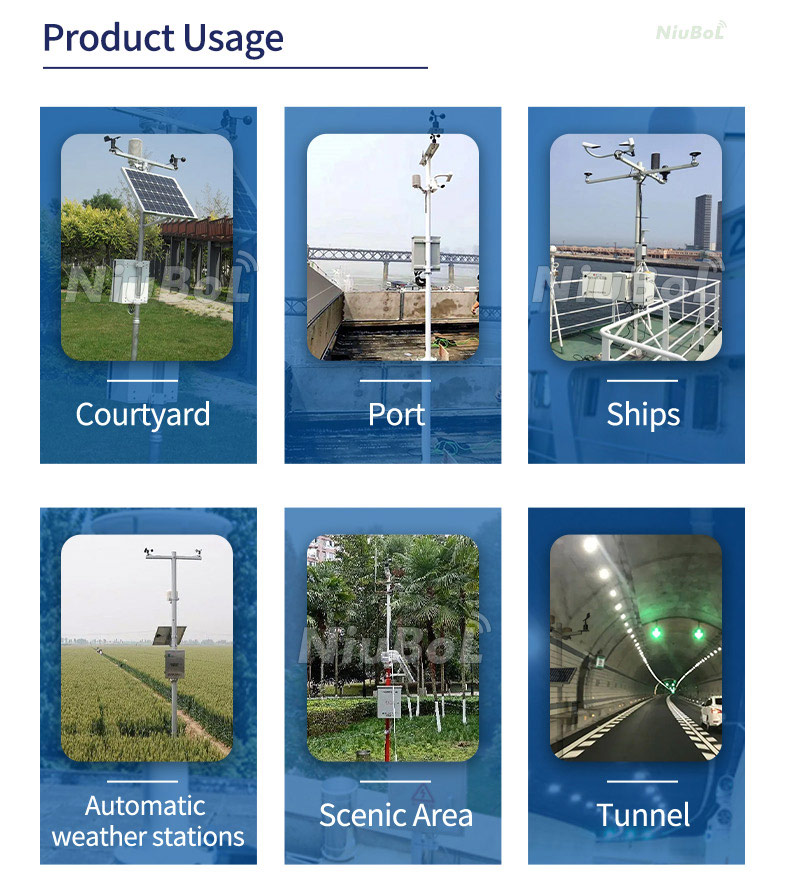
They can be used in weather stations, ports, airports, bridges, highways, photovoltaic sites, industrial parks, construction sites, research platforms, and environmental monitoring stations.
The sensor should be aligned to north according to installation guidance. The platform should verify that the wind direction reference is correct before acceptance, because wrong alignment can affect downstream alarms and reports.
Yes. RS485 MODBUS output allows integration with common data collectors, RTUs, gateways, and platform software, provided that register mapping and communication settings are configured correctly.
Avoid turbulent airflow, nearby high structures, radar equipment, vibration sources, and unstable poles. Wind measurement needs open exposure and reliable mounting.
Test wind speed, wind direction, power supply, communication stability, platform fields, alarm thresholds, and historical storage. If optional parameters are used, each field should be verified.
Use proper mounting, protected cable routing, waterproof connectors, and periodic data health checks. The ultrasonic structure already reduces moving-part maintenance compared with mechanical wind sensors.
Integrated ultrasonic wind sensors are suitable for projects that require stable wind data, lower maintenance, and platform-ready communication. NBL-W-10GUWS ultrasonic weather station can support wind monitoring and broader environmental monitoring in one project node.
Prev:Five-Parameter Weather Station Advantages for Environmental Monitoring and Project Integration
Next:Agricultural IoT Development Trends and Sensor Network Integration for Smart Farming Projects
Related recommendations
Sensors & Weather Stations Catalog
 Agriculture Sensors and Weather Stations Catalog-NiuBoL.pdf
Weather Stations Catalog-NiuBoL.pdf
Agriculture Sensors Catalog-NiuBoL.pdf
Water Quality Sensor Catalog-NiuBoL.pdf
Related products
 Combined air temperature and relative humidity sensor
 TDR Soil Moisture & Temperature Sensor for irrigation| RS485 |4-20mA| NBL-S-THR
 Soil pH sensor RS485 soil Testing instrument soil ph meter for agriculture |NBL-S-PH
 Wind Speed sensor Output Modbus/RS485/Analog/0-5V/4-20mA
 Tipping bucket rain gauge for weather monitoring auto rainfall sensor RS485/Outdoor/stainless steel
 Pyranometer Solar Radiation Sensor 4-20mA/RS485

Screenshot, WhatsApp to identify the QR code
WhatsApp number:+8615367865107
(Click on WhatsApp to copy and add friends)

