





— Blogs —
—Products—
 Consumer hotline +8618073152920
 WhatsApp:+8615367865107
Address:Room 102, District D, Houhu Industrial Park, Yuelu District, Changsha City, Hunan Province, China
Product knowledge
Time:2026-06-19 17:03:53 Popularity:212
Agricultural IoT is moving from isolated devices to integrated sensor networks, data platforms, and automatic control systems. For agricultural contractors and IoT solution providers, the important question is how sensors, gateways, platforms, and field equipment work together to improve decisions in greenhouses, orchards, farmland, and livestock environments.
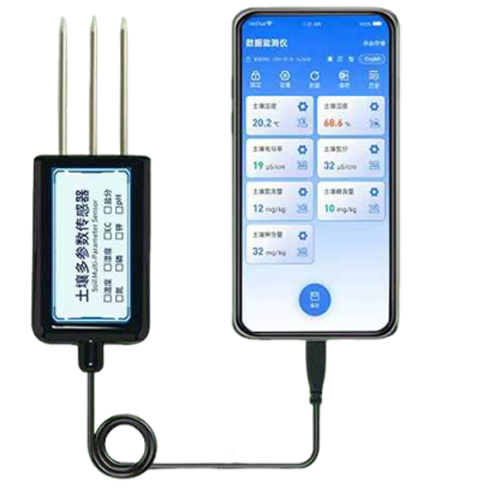
Traditional farm management often depends on manual inspection and experience. Agricultural IoT changes this model by using sensors to collect weather, soil, water, greenhouse, and equipment data in real time.
A monitoring network can help managers identify problems earlier, locate the affected block, and adjust irrigation, ventilation, fertigation, or field operations based on measured data.
A practical system may include automatic weather stations, soil temperature moisture sensors, light sensors, CO2 sensors, water quality sensors, and equipment status signals. Weather stations provide atmospheric context, while soil sensors show root-zone response.
NiuBoL agricultural sensors and weather stations can be connected through RS485 MODBUS, data collectors, RTUs, or gateways. This supports scalable deployment from one greenhouse to multi-block farm networks.
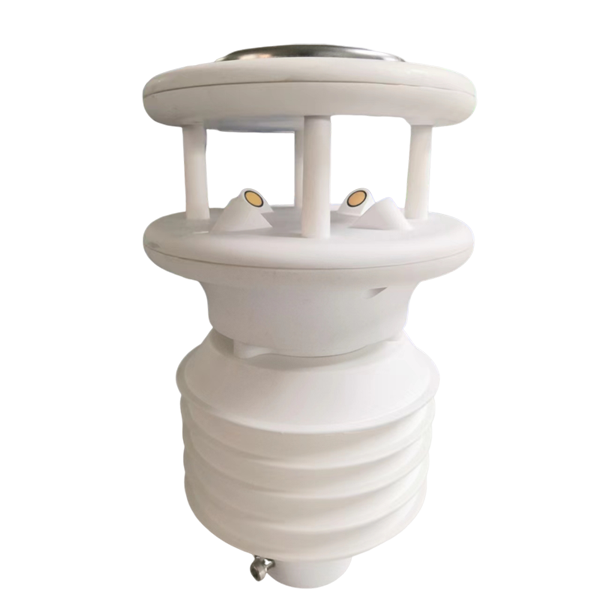
Agricultural IoT projects normally include a sensing layer, transmission layer, platform layer, and application layer. The sensing layer collects data, the transmission layer sends it by wired or wireless methods, the platform stores and analyzes it, and the application layer supports alarms, dashboards, and control actions.
4G, Ethernet, RS485, LoRaWAN, or local gateway networks may be selected according to field distance, power conditions, signal coverage, and data volume.
Sensor data becomes valuable when it supports action. Soil moisture data can guide irrigation, temperature and humidity data can guide ventilation, rainfall data can delay irrigation, and weather data can support spraying or field operation decisions.
For project design, control logic should include thresholds, delay time, manual override, alarm rules, and safety limits. A platform should not only display data; it should help managers decide what to do next.

Agricultural IoT can keep historical data for crop production, service reports, and management review. Records can include weather events, irrigation events, soil moisture curves, greenhouse conditions, and alarm history.
These records support better seasonal planning and can help farms compare management strategies across crop varieties or field blocks.
Start with the decision problem. If the project focuses on irrigation, soil moisture and rainfall are essential. If it focuses on greenhouse control, temperature, humidity, light, and CO2 may be prioritized. If it focuses on farm service networks, weather and soil nodes should be designed for repeatable deployment.
Confirm sensor output, protocol, power supply, cable length, enclosure protection, platform access, and maintenance responsibility before purchasing hardware.
A smart farm may deploy weather stations at representative locations, soil moisture sensors in irrigation zones, and greenhouse sensors in controlled environments. Each sensor group provides different information, but the platform should combine the data into one operational view.
For example, a rainfall event may appear in the weather station record, while soil moisture sensors show whether the rain actually reached the crop root zone. This combined view helps managers decide whether irrigation should be delayed or continued.
Agricultural platforms should avoid confusing device names and unclear units. Site names, crop blocks, sensor depths, parameter units, and alarm thresholds should be standardized before a large deployment. This makes daily operation easier for farm managers and service teams.
Data retention is also important. Seasonal comparison, irrigation review, and crop performance analysis require historical records. The project owner should define how long data is stored, how it is exported, and who can access different functions.
A practical roadmap starts with one pilot block that includes weather monitoring, soil monitoring, gateway communication, platform display, and alarm rules. After the pilot block works reliably, the same design can be copied to additional fields, greenhouses, orchards, or livestock areas.
This staged method reduces risk and allows the project owner to adjust sensor placement, thresholds, dashboard layout, and maintenance procedures before full-scale deployment.
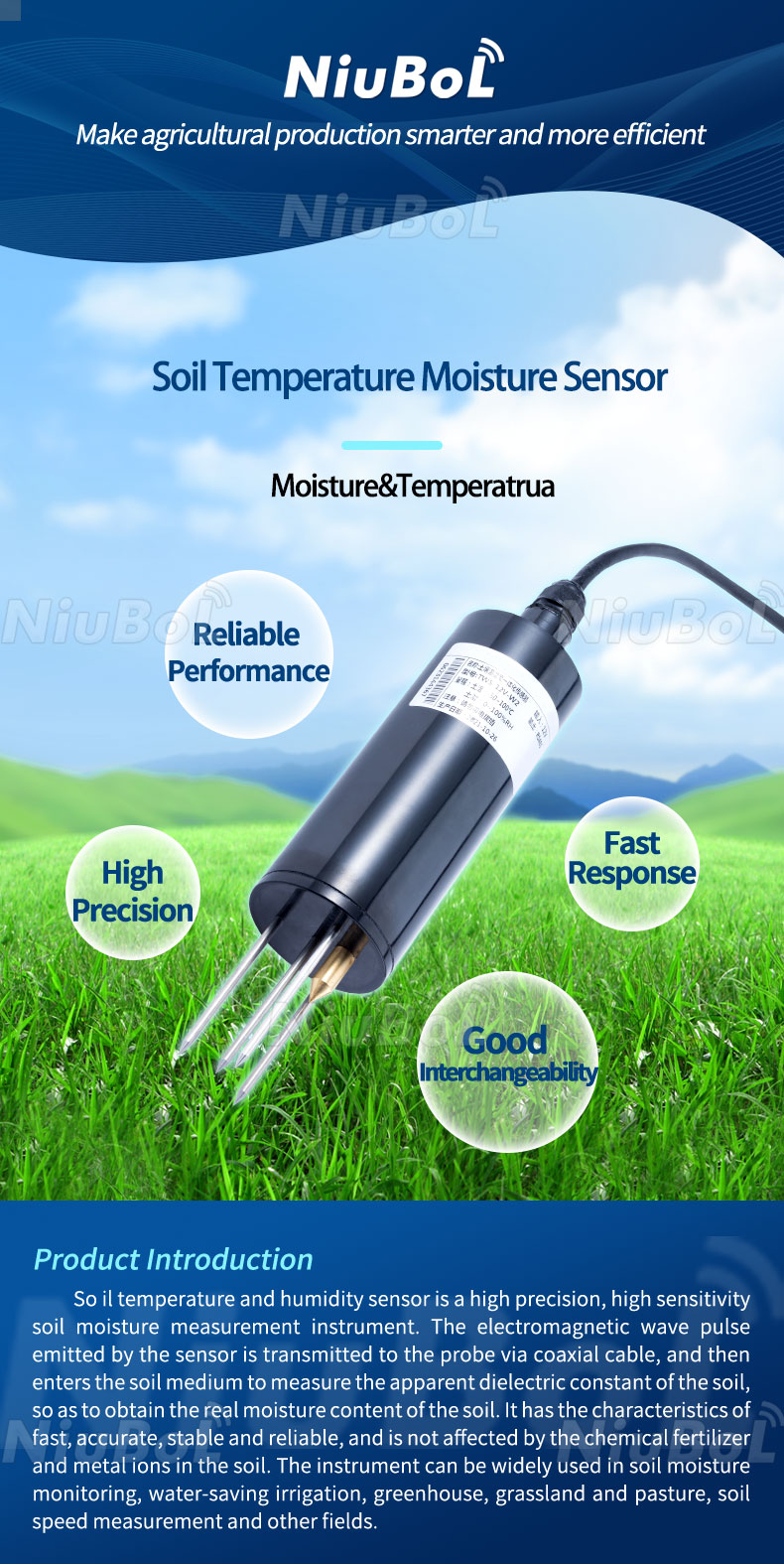
Weather data and soil data should not be managed separately. Weather stations show rainfall, wind, temperature, humidity, and radiation conditions, while soil sensors show root-zone response. Together they help determine whether crops are under water stress or whether irrigation can be delayed.
For greenhouse and orchard projects, the platform can also include equipment actions such as ventilation, irrigation, shading, or fertigation. Combining sensor data with operation records makes farm management more measurable.
A scalable agricultural IoT project should avoid isolated devices that cannot share data. Before procurement, confirm sensor protocol, gateway capacity, platform access, power supply, enclosure rating, and expansion plan.
The first project phase should be designed as a repeatable unit. Once one field block or greenhouse works reliably, the same sensor layout, dashboard naming, alarm logic, and maintenance workflow can be copied to additional areas.
Contractors can provide more value when they deliver monitoring as an ongoing service rather than a one-time hardware installation. Seasonal data review, threshold adjustment, sensor inspection, and report generation can become part of the service package.
This service model is useful for cooperatives, farm bases, greenhouse operators, and agricultural technology companies that need consistent monitoring but do not want to manage every technical detail themselves.
Before deployment, divide the farm into management zones. Each zone should have a clear crop type, irrigation method, sensor requirement, and data purpose. This prevents the project from installing sensors without a clear decision target.
During commissioning, verify weather station data, soil sensor data, gateway communication, platform naming, alarm thresholds, and data export. If automatic control is included, test the controller response under safe conditions before handing it to the owner.
After handover, the owner should receive a monitoring map, device list, platform account information, alarm explanation, and maintenance plan. These materials help the system remain useful after the installation team leaves.
Agricultural IoT systems should translate sensor data into decisions that farm managers can use. A soil moisture value may trigger irrigation review, a rainfall record may delay watering, and a wind warning may postpone spraying. The platform should make these relationships clear.
For integrators, this means the dashboard should be organized by farm operation, not only by sensor type. Field block, crop type, irrigation zone, and alarm status are often more useful to managers than device serial numbers.
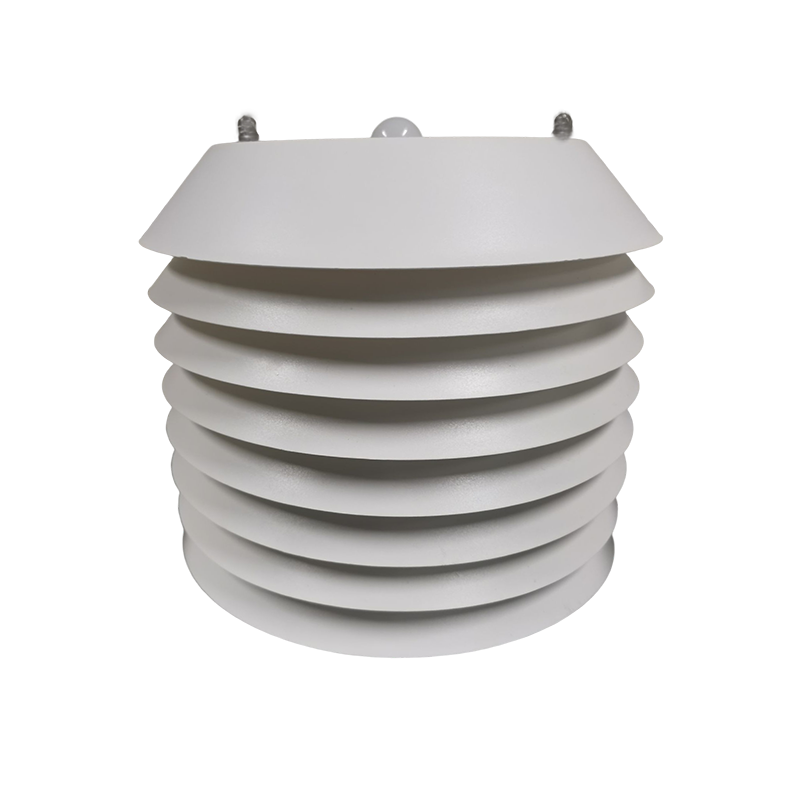
A pilot project can begin with one weather station, several soil sensors, a gateway, and a platform dashboard. After the pilot is stable, the same structure can expand to more blocks, greenhouses, or orchards.
The pilot phase should document sensor placement, data naming, alarm thresholds, and maintenance tasks. These records become the template for the full farm network and help control deployment quality.
After installation, the system should be reviewed during the first irrigation cycle, rainfall event, or greenhouse control event. These moments show whether the selected sensors and alarm rules match real farm operations.
Maintenance should focus on sensor condition, cable protection, gateway signal, power supply, and platform data continuity. A small issue such as a damaged cable or weak antenna can reduce trust in the whole agricultural IoT system if it is not identified quickly.
The farm team should also review whether alarms are actionable. If an alarm does not lead to a clear field response, the threshold, message text, or dashboard layout may need adjustment.
For larger projects, monthly reports can summarize sensor uptime, irrigation events, rainfall records, soil moisture trends, and abnormal conditions. These reports turn raw monitoring data into management evidence.
When the system expands, the same reporting structure should be maintained. Consistent reports help owners compare different blocks and evaluate whether the agricultural IoT investment is improving field management.
Supplier support is also important during the first season. Thresholds, sensor placement, and dashboard views often need small adjustments after real crop and weather conditions are observed.
These adjustments should be recorded, because they become the practical operation standard for the next growing season.
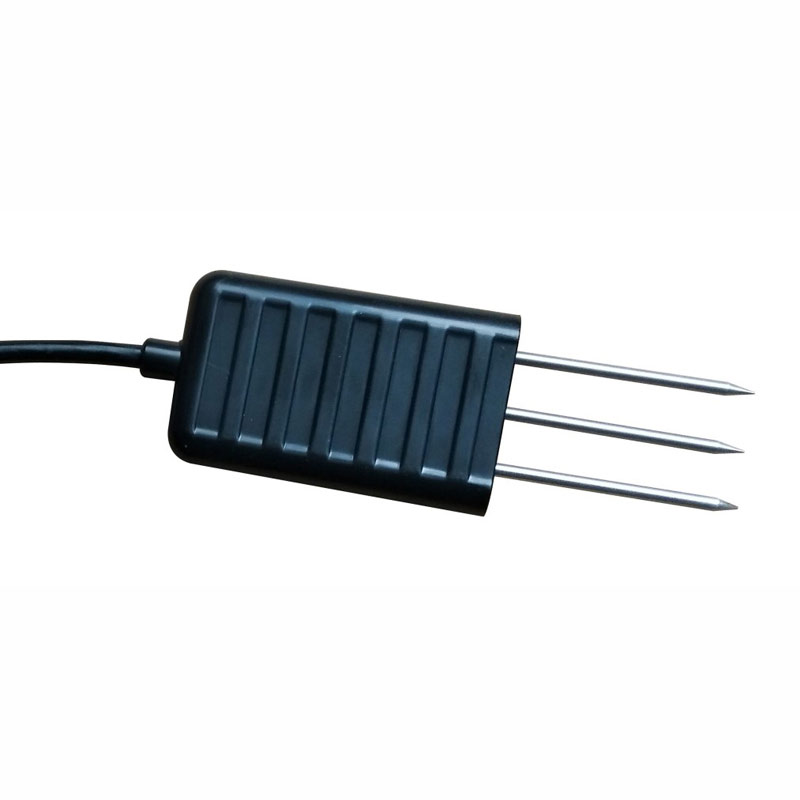
Agricultural IoT is the use of sensors, communication networks, data platforms, and control equipment to monitor and manage agricultural production. It can collect soil, weather, water, greenhouse, livestock, and equipment data to support decisions.
Common sensors include weather stations, soil moisture sensors, soil temperature sensors, light sensors, CO2 sensors, water quality sensors, leaf wetness sensors, and equipment status sensors. The selection should match the crop and management objective.
Many NiuBoL sensors use RS485 MODBUS output and can connect to data collectors, RTUs, gateways, or platform systems. The integrator should define register mapping, units, sampling intervals, and device names before deployment.
Soil moisture shows whether the crop root zone has enough water. When combined with rainfall and weather data, it supports irrigation scheduling and helps avoid both drought stress and unnecessary watering.
Yes. Sensor data can be used as input for irrigation, ventilation, shading, fertigation, and alarm systems. Control logic should include safety rules, manual override, and fault handling.
Consider signal coverage, power supply, cable protection, representative sensor placement, maintenance access, and waterproof installation. Field conditions are often more important than the dashboard design.
Historical data can support crop comparison, seasonal review, irrigation optimization, pest and disease analysis, service reporting, and future expansion planning.
Start with a small but complete monitoring loop: weather station, soil sensor, gateway, platform, alarm rule, and reporting workflow. After the first block is stable, the system can expand to more zones.
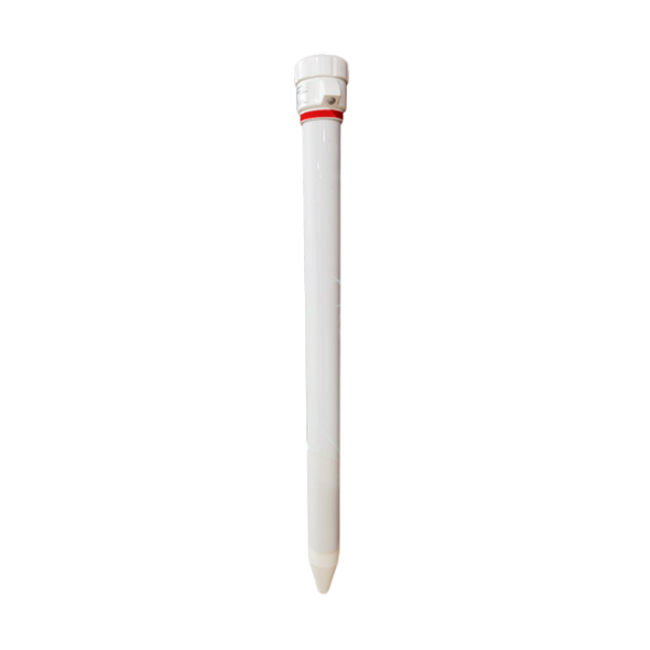
Agricultural IoT is becoming a system-level project that combines sensors, communication, platforms, and control logic. NiuBoL weather stations and agricultural sensors can help integrators build practical monitoring networks for farmland, orchards, greenhouses, and agricultural service platforms.
Prev:Integrated Ultrasonic Wind Speed and Direction Sensor Application Scope for Engineering Projects
Next:Soil Temperature Moisture Sensor Main Features and Selection Guide for Agricultural Monitoring
Related recommendations
Sensors & Weather Stations Catalog
 Agriculture Sensors and Weather Stations Catalog-NiuBoL.pdf
Weather Stations Catalog-NiuBoL.pdf
Agriculture Sensors Catalog-NiuBoL.pdf
Water Quality Sensor Catalog-NiuBoL.pdf
Related products
 Combined air temperature and relative humidity sensor TDR Soil Moisture & Temperature Sensor for irrigation| RS485 |4-20mA| NBL-S-THR
 Soil pH sensor RS485 soil Testing instrument soil ph meter for agriculture |NBL-S-PH
 Wind Speed sensor Output Modbus/RS485/Analog/0-5V/4-20mA
 Tipping bucket rain gauge for weather monitoring auto rainfall sensor RS485/Outdoor/stainless steel
 Pyranometer Solar Radiation Sensor 4-20mA/RS485

Screenshot, WhatsApp to identify the QR code
WhatsApp number:+8615367865107
(Click on WhatsApp to copy and add friends)

