





— Blogs —
—Products—
 Consumer hotline +8618073152920
WhatsApp:+8615367865107
Address:Room 102, District D, Houhu Industrial Park, Yuelu District, Changsha City, Hunan Province, China
Product knowledge
Time:2026-06-16 14:17:55 Popularity:340
Quick Answer: An IoT pest control lamp system needs separate records for equipment operation, insect samples and data transfer. An online device may still have an incomplete sample, and an uploaded photograph may belong to an earlier period. Define those states before using the platform to compare fields or issue plant-protection alerts.
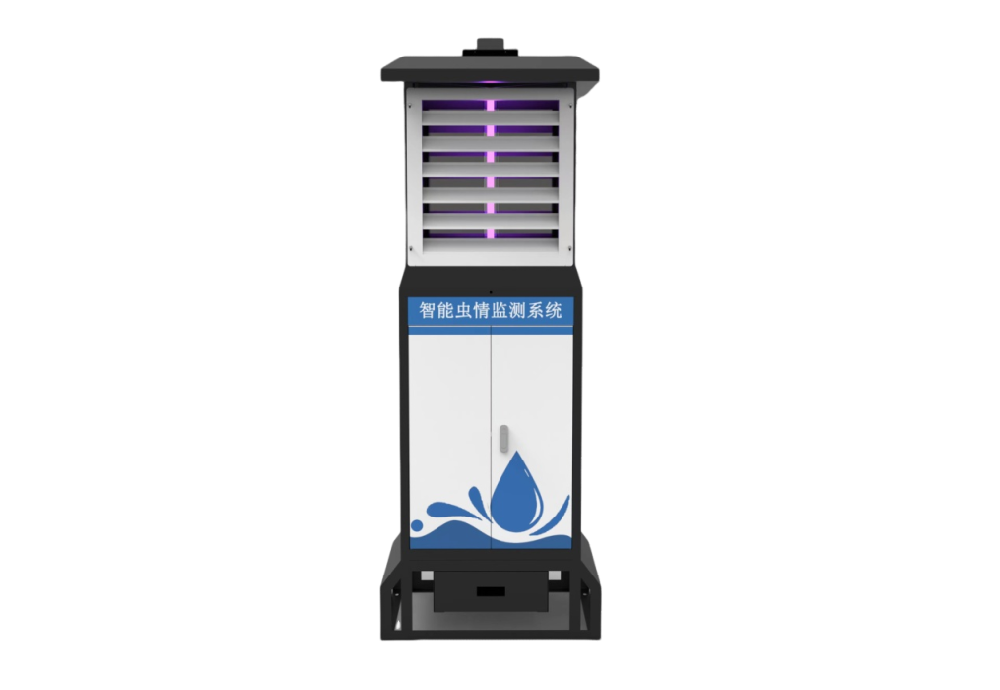
Network supervision can make distributed equipment easier to inspect, but only if the reported state is clear. A heartbeat shows that some communication is occurring. It does not establish that attraction, collection, processing, photography and review all succeeded during the relevant sample period.
| Record | What it describes | What it does not establish |
|---|---|---|
| Equipment event | Start, stop, protection or fault at a device | The identity or abundance of target insects |
| Sample or image batch | Collection period, processing and associated image | That the entire field has the same insect population |
| Transfer event | File or record delivery to a destination | That the observation was made at the delivery time |
| Review result | Identification or classification applied to a sample | That an unreviewed or uncertain specimen is a confirmed target |
Keep these relationships visible in the device and platform specification. A simple operating lamp and a complete imaging station will not provide the same record types. The project should identify which evidence is available rather than invent missing states in software.
The remote insect monitoring equipment incorporates collection, processing and image-related functions. A separately identified NiuBoL NBL-IoT-SRPMS configuration has the hardware below. Do not transfer these features to a basic solar capture lamp.
| NBL-IoT-SRPMS item | Configuration | Integration check |
|---|---|---|
| Local control | 10-inch Android industrial touch display | Identify local settings, access and available status records |
| Imaging | 12-megapixel industrial camera | Check usable images, batch identity and the retrieval method |
| Insect processing | Far-infrared heating; 80-90 degrees C | Confirm the process sequence and suitable specimen condition |
| Attraction source | 18 W LED tube; 365-395 nm | Identify the selected light source and operating period |
| Power option | AC 220 V or 400 W solar configuration; optional 200 Ah battery | Confirm battery voltage, duty and usable storage before an autonomy calculation |
| Communications | Modbus RS485, 4G and Ethernet configuration | Separate local status registers from image and platform transfer |
| Protection | IP65 core protection | Do not treat every insect-entry or collection opening as a sealed compartment |
Hardware specifications do not establish identification performance for every local species. Confirm the actual target list, review method and local validation. The insect recognition evaluation guide covers that separate acceptance task.
Require a device identifier and a sample-period or batch identifier in exported data. Keep collection start and end separate from photograph time and upload time. If a technician moves a unit, preserve the installation history rather than attaching all earlier images to the new field.
For an interrupted cycle, record whether collection, processing and imaging completed. A photograph of an old or partly cleared collection plate should not silently become the next period's sample. The sample carryover guide discusses physical clearance; the network record must preserve the same distinction.
A valid empty sample is different from no image or an unavailable device. Define what evidence establishes successful operation for the collection period. Avoid filling a missing count with zero just to make a chart continuous; that can create an apparent fall in pest activity during an equipment fault.
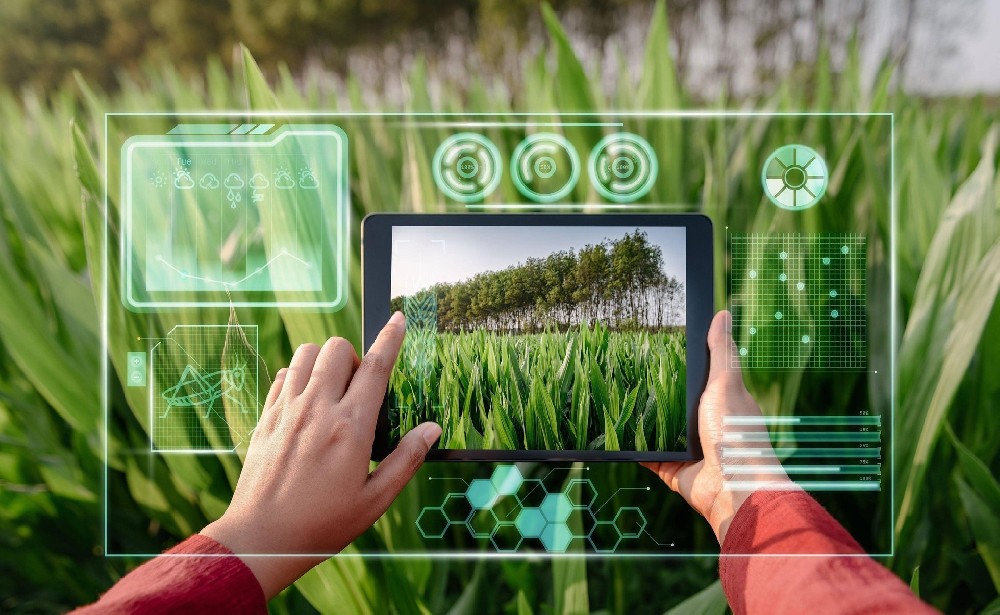
For RS485 Modbus RTU integration where that protocol is supplied, obtain the actual status and command register definition. Do not assume image files can be retrieved through ordinary scalar registers. Confirm the supported image service or platform interface, destination access and file association separately.
If the ordered system supports buffering and retry, test a communication interruption under an approved procedure. Confirm which original records are retained and what happens after reconnection. These are acceptance requirements, not a claim that every lamp stores unlimited images or automatically retransmits every missed file.
Test duplicate delivery as well as missing delivery. Where the receiving system retries a batch, it should recognise the original identity rather than count it as a second catch. Retain the original record and any review history; do not overwrite an unrelated field's image merely because its filename is similar.
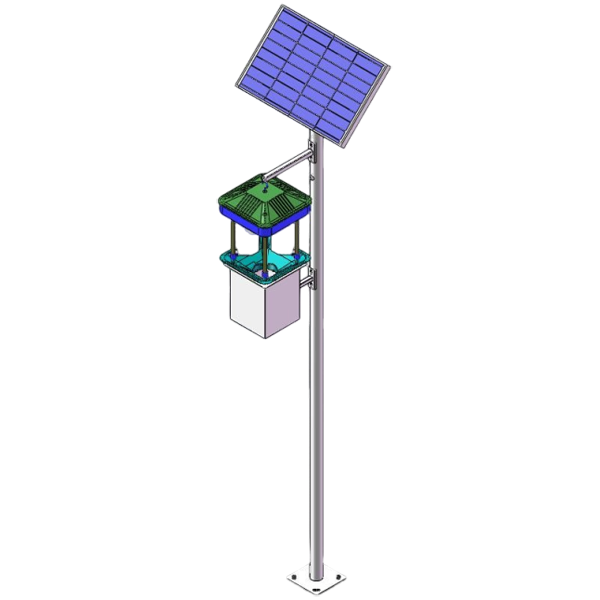
The suction lamp below is a separate capture device. It does not acquire the imaging station's camera, processing chamber or communications simply by being included in a networked farm proposal. List any additional status or control hardware explicitly.
A useful review screen allows a technician to distinguish complete, incomplete and uncertain sample records. If classification is provided, retain uncertain identifications and manual corrections separately from confirmed target counts. A total-insect count is not interchangeable with a species-specific count.
For rice fields, orchards or tea blocks, retain the crop location and relevant operating period with the review. Different trap methods and schedules can change the observed collection. Do not compare two field totals as if the sampling effort were identical when one station was inactive for part of the period.
A crop specialist still needs the relevant field observations to interpret an unusual catch. No generic image threshold in this article establishes a treatment decision. The platform should preserve the evidence that prompted a review without claiming that an upload automatically predicts crop damage.
Using approved test records, confirm that the destination rejects or flags a missing device identity, a mismatched sample identifier and an invalid timestamp. Demonstrate that a repeated transfer does not generate a second biological observation. These tests complement, rather than replace, inspection of actual collection and image quality.
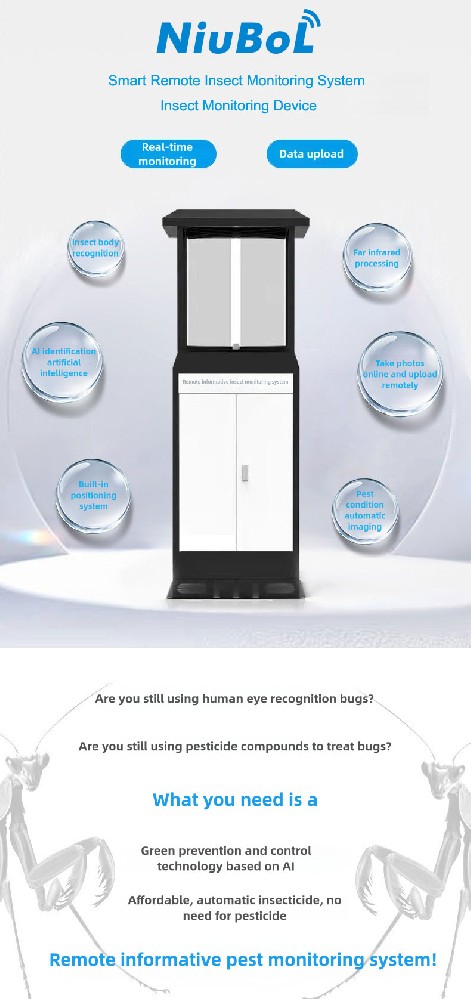
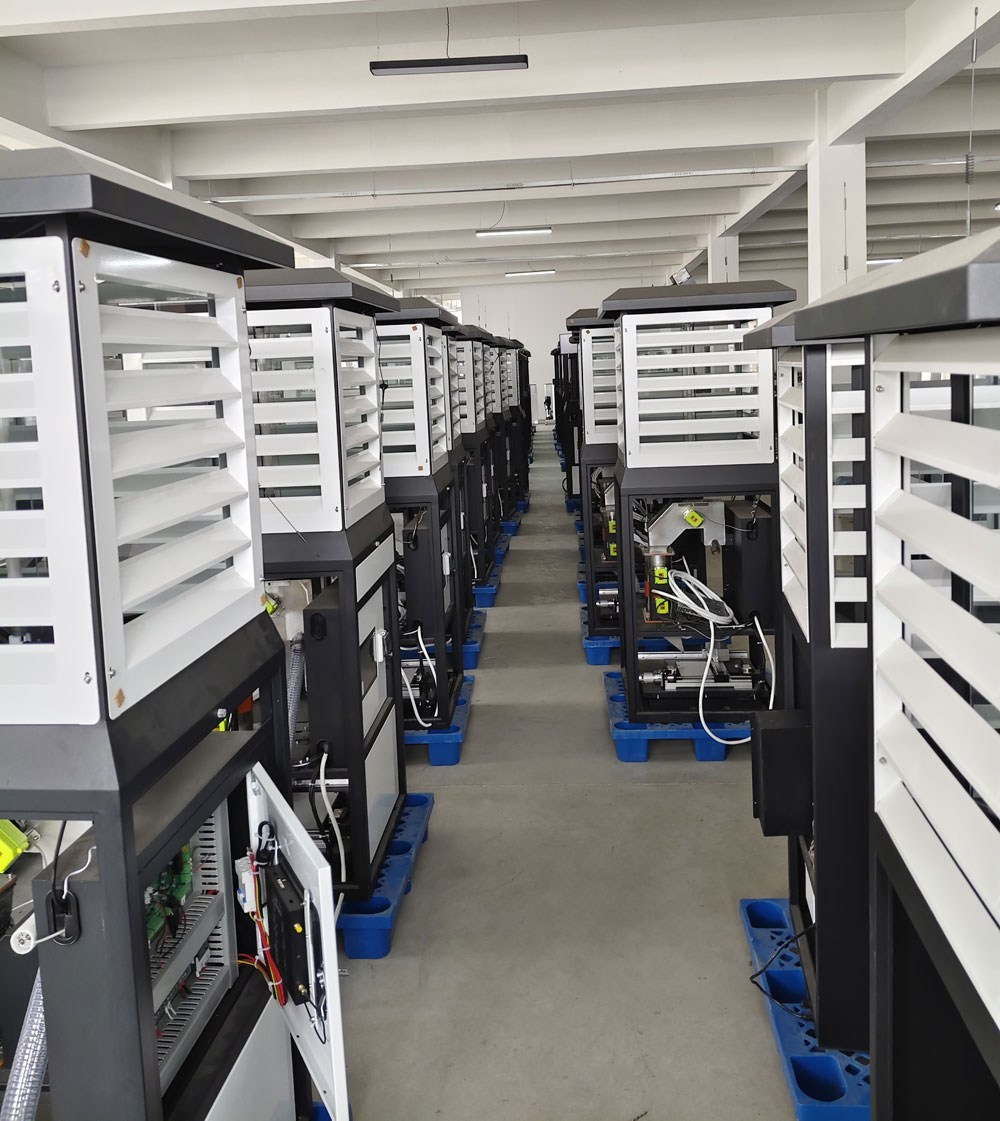
For a NiuBoL integration inquiry, describe the required equipment events, sample fields, image access and review outputs. Identify the destination platform and expected interruption behaviour. The production photograph below shows equipment assembly, not proof that a particular software function is included in every order.
No. Communication, collection and image completion are separate conditions. Define how the ordered equipment establishes a valid collection period.
Not when capture or transmission is delayed. Keep the collection period, photograph time and upload time distinct in storage and export.
Do not assume that capability. Obtain the local register map and the separate supported image or platform interface for the delivered configuration.
Use its persistent device and batch identity to recognise a repeat transfer. Repeated delivery must not become a second insect sample or silently replace an unrelated record.
No. A zero needs a valid collection and review basis. Mark unavailable or incomplete evidence separately so equipment faults do not create false trends.
Identify the station configuration, status and command access, sample fields, image service, platform scope and tested recovery behaviour. Keep basic capture lamps and imaging stations distinct.
An IoT pest control lamp system is more useful when equipment events, sample identity and transfer history remain distinct. Verify the actual device functions, preserve observation times and prevent retry duplicates from changing insect counts. This gives farm managers and integrators a clearer basis for using NiuBoL monitoring records.
Prev:Smart Tea Garden Monitoring Solution: Link Blocks, Devices and Field Tasks
Next:Tube-Type Multi-Depth Soil Moisture Sensor: Choose the Node Depths
Related recommendations
Sensors & Weather Stations Catalog
 Agriculture Sensors and Weather Stations Catalog-NiuBoL.pdf
Weather Stations Catalog-NiuBoL.pdf
Agriculture Sensors Catalog-NiuBoL.pdf
Water Quality Sensor Catalog-NiuBoL.pdf
Related products
 Combined air temperature and relative humidity sensor
 TDR Soil Moisture & Temperature Sensor for irrigation| RS485 |4-20mA| NBL-S-THR
 Soil pH sensor RS485 soil Testing instrument soil ph meter for agriculture |NBL-S-PH
 Wind Speed sensor Output Modbus/RS485/Analog/0-5V/4-20mA
 Tipping bucket rain gauge for weather monitoring auto rainfall sensor RS485/Outdoor/stainless steel
 Pyranometer Solar Radiation Sensor 4-20mA/RS485


Screenshot, WhatsApp to identify the QR code
WhatsApp number:+8615367865107
(Click on WhatsApp to copy and add friends)

