





— Blogs —
—Products—
 Consumer hotline +8618073152920
 WhatsApp:+8615367865107
Address:Room 102, District D, Houhu Industrial Park, Yuelu District, Changsha City, Hunan Province, China
Product knowledge
Time:2026-08-08 13:53:44 Popularity:156
A liquid ammonia sensor inquiry usually refers to ammonia nitrogen monitoring in water rather than gaseous ammonia detection. For aquaculture, wastewater and surface water projects, the buyer should define whether the target is ammonia nitrogen trend, toxicity risk, process control or compliance support.
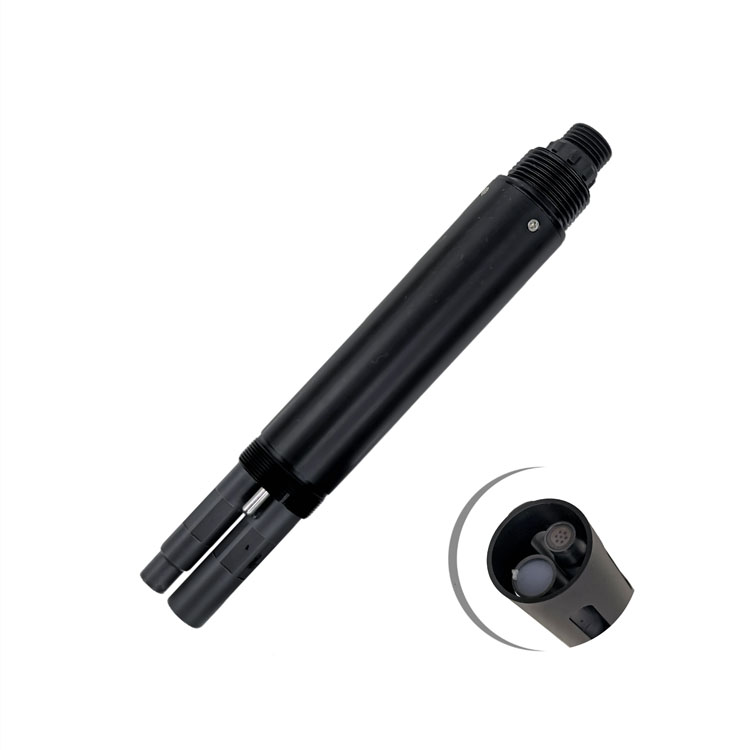
Ammonia problems are rarely solved by one number alone. pH, temperature and dissolved oxygen change how operators interpret ammonia risk, especially in aquaculture. For industrial projects, the ammonia nitrogen sensor must also fit the sampling point, cleaning routine and controller interface.
| Project question | Practical answer | Procurement risk |
|---|---|---|
| Aquaculture pond risk | Monitor ammonia nitrogen with pH and temperature context | A single value may be misread. |
| Wastewater process control | Use online ammonia nitrogen data for trend and alarm | Delayed sampling can miss process upset. |
| River monitoring | Deploy protected station with digital output | Remote maintenance must be planned. |
| Industrial discharge | Tie sensor data to warning thresholds | Undefined thresholds reduce value. |
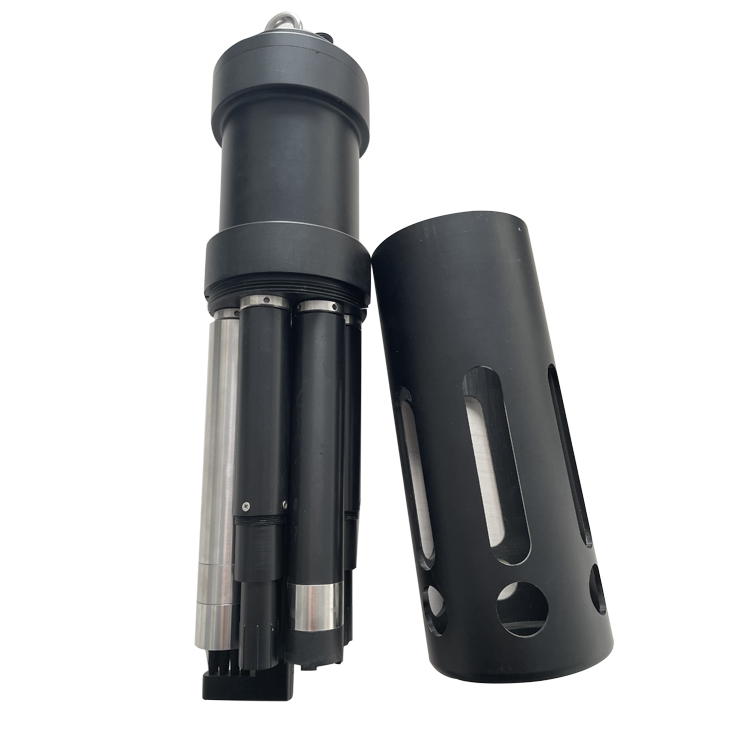
| Parameter | Typical industrial value | Why it matters |
|---|---|---|
| Parameter | Ammonia nitrogen / NHN depending on product definition | Matches water quality risk rather than generic ammonia wording. |
| Output | RS485 Modbus RTU on online sensor package | Allows PLC, RTU or gateway reading. |
| Power | 12-24 VDC for field panel integration | Fits common monitoring cabinets. |
| Installation | Immersion or flow-through point | Determines fouling and response stability. |
| Maintenance | Cleaning and calibration/comparison by water condition | Keeps readings defensible. |
Liquid ammonia water monitoring fits ponds, recirculating aquaculture systems, wastewater plants, industrial discharge and river stations. It is less suitable when the buyer actually needs gas leakage detection or laboratory-only confirmation.
| Use case | Site challenge | Integration approach | Value for the buyer |
|---|---|---|---|
| Fish pond | Ammonia risk changes with pH and temperature | Use ammonia nitrogen with pH and temperature sensors | Supports feeding and water exchange decisions. |
| Wastewater plant | Nitrification process can become unstable | Connect ammonia sensor to PLC or SCADA | Improves process response. |
| River station | Remote readings need low maintenance | Use protected sensor and logger package | Builds trend records. |
| Industrial outlet | Unexpected discharge must trigger alert | Set alarm thresholds in RTU/platform | Reduces unnoticed events. |
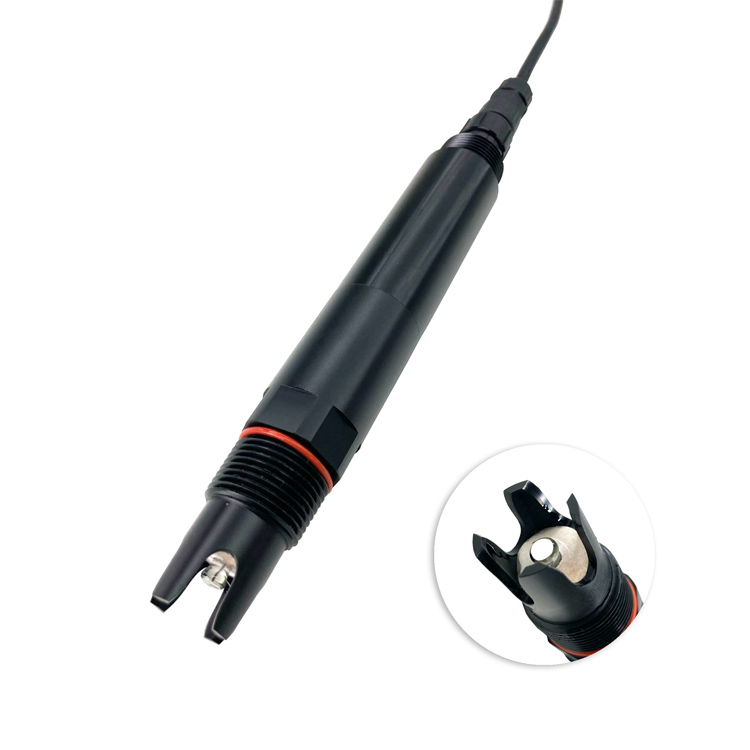
The specification should avoid vague “liquid ammonia” wording if the project is water monitoring. Write ammonia nitrogen, water type, range, output, installation point and whether the value is used for alarm or control.
| Choice | Use when | Avoid when |
|---|---|---|
| Ammonia nitrogen sensor | Water monitoring and process trend | Not for gas leak detection. |
| Multi-parameter package | Aquaculture risk interpretation needs pH, DO and temperature | Higher upfront scope. |
| Lab testing | Official confirmation or calibration reference | No continuous alarm. |
| Portable meter | Spot checks and troubleshooting | Not suitable for unattended monitoring. |
For water projects, write the nitrogen parameter clearly and include related measurements if operators must interpret toxicity risk. This prevents suppliers from quoting the wrong ammonia product type.
| Specification field | Recommended wording | Weak wording to avoid |
|---|---|---|
| Parameter | Online ammonia nitrogen sensor for specified water body and range | Liquid ammonia tester. |
| Interface | RS485 Modbus RTU output with register table | Standard signal. |
| Installation | Immersion or bypass installation with cleaning access | Put in water. |
| Acceptance | Live reading, communication test and comparison plan recorded | Normal data. |
Ammonia nitrogen monitoring is affected by fouling, sample changes and maintenance discipline. Include cleaning tools, calibration or comparison method and spare cable/probe planning in the purchase file.
| Stage | Check item | Acceptance evidence |
|---|---|---|
| Selection | Confirm water parameter and range | Approved datasheet. |
| Wiring | Check power, RS485 A/B and grounding | Commissioning photo. |
| Data | Read values in controller or platform | Screenshot and register record. |
| Operation | Define cleaning and comparison interval | Maintenance checklist. |
In real projects, ammonia nitrogen is rarely purchased as a standalone number. In fish ponds, the same ammonia value can mean different risk under different pH and temperature conditions. In wastewater, ammonia is tied to nitrification performance and aeration strategy. In river monitoring, it is often part of a wider pollution warning package. This is why a useful quotation should include related parameters and data logic, not just one ammonia sensor model.
| Decision point | What to write in the purchase file | Project value |
|---|---|---|
| Decision value | State what action the measurement will trigger | Avoids buying data nobody uses. |
| Site condition | Describe water, tank, field or weather exposure | Prevents wrong material and installation. |
| Integration path | Name controller, RTU, PLC, gateway or software | Makes protocol and wiring clear. |
| Service access | Define cleaning, calibration or inspection route | Protects long-term data quality. |
Buyers should also separate sensor purchase from operational interpretation. The supplier can provide the probe, cable, protocol and installation advice, but the project owner must define alarm thresholds, sampling comparison and response rules. If that operating rule is missing, the sensor may collect good data that nobody acts on.
| Mistake | What happens on site | Better procurement wording |
|---|---|---|
| Vague product term RFQ | Supplier quotes a different product class | Write parameter, range and use case. |
| Missing output detail | Integrator cannot commission on time | Request protocol, wiring and register table. |
| No installation drawing | Accessories are missing after delivery | Send site photos, tank drawing or mounting plan. |
| No acceptance rule | Disputes appear after installation | Define first data, comparison and handover record. |
A practical quotation should separate the measuring device from the complete measuring point. The device line should show model, range, output, cable and manual. The measuring point line should show bracket, flow cell, cabinet, power supply, gateway, software or installation accessory where required. This separation helps buyers compare offers without forcing every supplier into the same wording, and it gives engineers enough detail to prepare commissioning before the shipment arrives.
| Quotation boundary | Should be stated clearly | Why the buyer needs it |
|---|---|---|
| Device scope | Model, range, signal, cable and document | Defines what is actually purchased. |
| Site accessory scope | Bracket, flow cell, cabinet, power or mounting parts | Prevents missing installation items. |
| Data scope | Register table, platform, logger or controller connection | Makes commissioning predictable. |
For export purchase, confirm English manual, Modbus document, packing protection, cable length and whether a controller is included. Quantity and customization can affect delivery time.
This solution is not suitable if the project needs airborne ammonia gas detection, one-time lab certification only, or a site where the probe cannot be cleaned and checked.
Different project roles read the same specification differently. A distributor needs to decide whether the inquiry is complete enough to quote. A system integrator needs protocol, power and register details. A contractor needs installation limits and handover evidence. Procurement needs comparable scope, not a loose model name. Adding these role checks makes the purchase file more useful because it turns one article into a working checklist for the whole project team.
| Role | Useful part of the article | Decision before RFQ |
|---|---|---|
| Distributor | Use the article to qualify the inquiry before quoting | Ask whether the buyer needs a sensor, instrument, station or complete monitoring package. |
| System integrator | Use protocol and output notes for panel design | Confirm RS485 address, register table, analog scaling or gateway requirement. |
| Engineering contractor | Use installation notes for site preparation | Confirm mounting, cable protection, cabinet space and service access. |
| Procurement manager | Use tables to compare supplier scope | Require model, accessories, documentation, packing and delivery terms in writing. |
Lifecycle cost is usually decided before the order is placed. A sensor with the right output but poor access for cleaning will become expensive after installation. A station without a clear packing list wastes time during commissioning. A quotation without protocol documents shifts work to the integrator. The purchase file should therefore treat maintenance, spare parts, manuals and support records as part of the product, not as afterthoughts.
| Cost stage | What to include | Why it matters |
|---|---|---|
| Initial purchase | Sensor, transmitter, cable, mounting and controller scope | Prevents incomplete low-price quotations. |
| Commissioning | Wiring, protocol, live data and first comparison | Reduces startup delay. |
| Routine operation | Cleaning, calibration/comparison and spare parts | Controls long-term data quality. |
| Troubleshooting | Photos, wiring record, register map and logs | Allows faster supplier support. |
Send water type, expected ammonia nitrogen range, pH/temperature context, installation method, cable length, output, controller type, quantity and country.
| RFQ field | Why NiuBoL needs it |
|---|---|
| Application and medium | Defines the material, range and sensor principle. |
| Output and controller | Determines RS485, 4-20mA, pulse, gateway or display scope. |
| Installation point | Changes bracket, probe length, cable, cabinet and service access. |
| Quantity and country | Affects packing, shipping documents and delivery planning. |
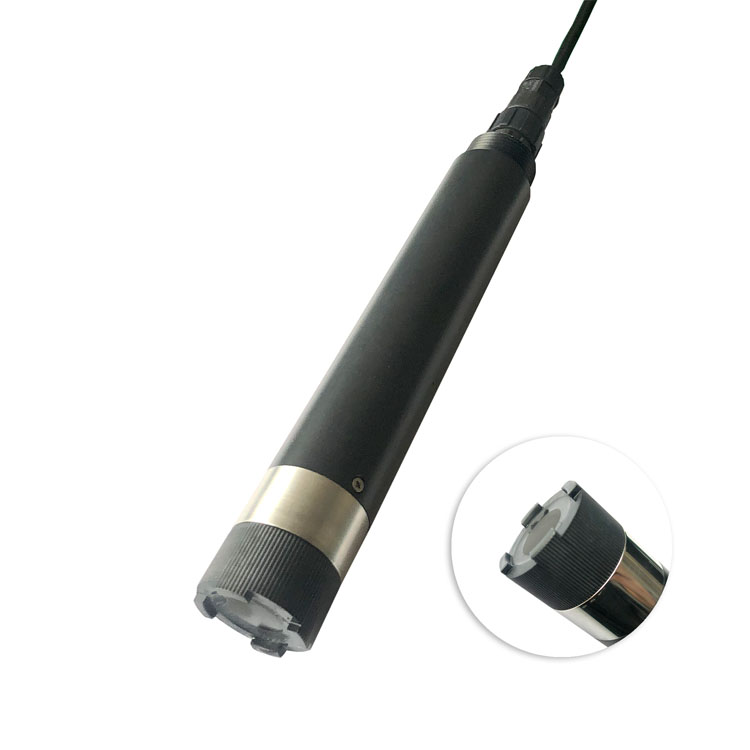
Confirm the measurement purpose, installation environment, signal output, power supply, cable route, data platform, maintenance access, and acceptance record. These details help the project team avoid field changes after procurement.
Match the communication interface, address plan, polling interval, unit display, alarm rule, and cabinet wiring with the existing gateway or controller. The integration document should be approved before site work starts.
Temperature, moisture, fouling, vibration, flow condition, cable distance, enclosure position, and service access can all affect long-term stability. The final selection should follow the real installation point, not only the catalog text.
The RFQ should include target parameter, range, output protocol, supply voltage, cable length, mounting method, enclosure requirement, quantity, project location, and any platform or data format requirement.
Acceptance should verify live value, unit, timestamp, wiring, address, platform channel, alarm action, photos, and the first stable data records. Keeping this evidence makes later operation easier to support.
Define cleaning, inspection, calibration or comparison method, spare parts, responsible team, and service interval according to the medium and site access. A clear plan reduces unexpected downtime.
Yes, but each site should use a consistent naming rule, address list, installation photo standard, and data template. This keeps commissioning and future expansion easier to manage.
NiuBoL can review the application condition, help match the sensor package, provide interface information, and support model selection for project teams that need reliable field data.
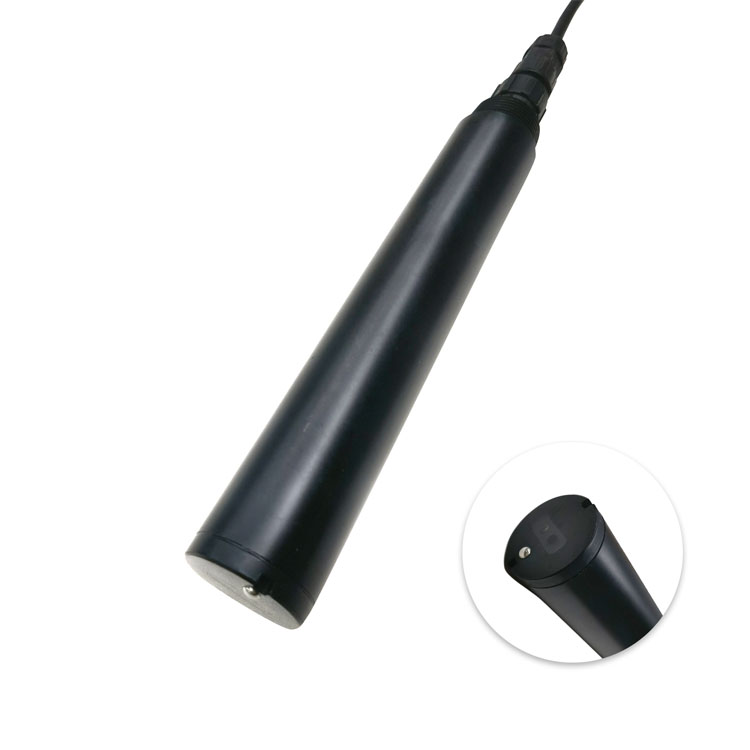
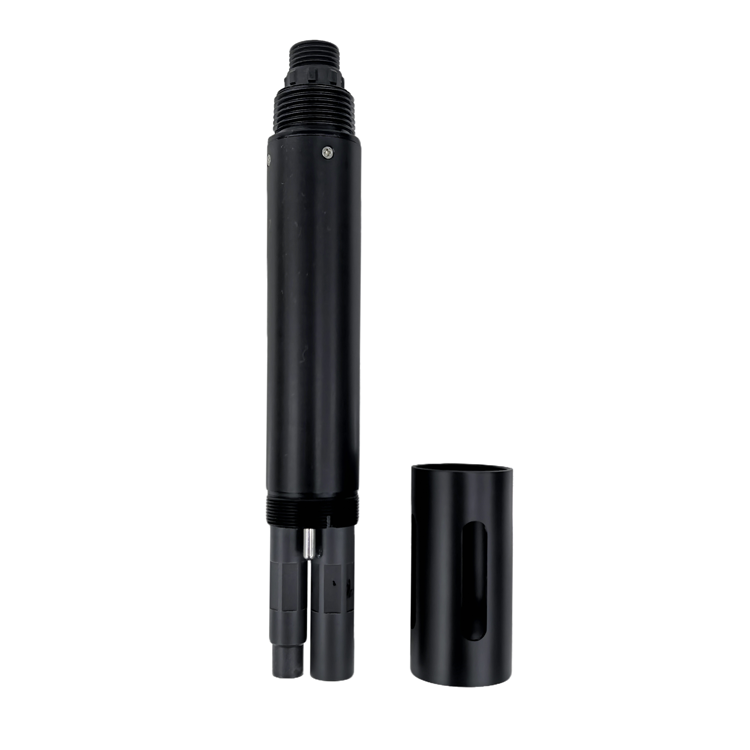
A liquid ammonia sensor for water projects should be specified as ammonia nitrogen monitoring with a clear range, installation method and output. NiuBoL can match ammonia monitoring with pH, DO and temperature sensors when the project needs a complete decision package.
Prev:CDOM Sensor Procurement Guide for Field Water Quality Monitoring
Next:Residual Chlorine Sensor Selection for Disinfection and Process Water Monitoring
Related recommendations
Sensors & Weather Stations Catalog
 Agriculture Sensors and Weather Stations Catalog-NiuBoL.pdf
Weather Stations Catalog-NiuBoL.pdf
Agriculture Sensors Catalog-NiuBoL.pdf
Water Quality Sensor Catalog-NiuBoL.pdf
Related products
 Combined air temperature and relative humidity sensor
 Soil Moisture Temperature sensor for irrigation|NBL-S-THR
 Soil pH sensor RS485 soil Testing instrument soil ph meter for agriculture |NBL-S-PH
 Wind Speed sensor Output Modbus/RS485/Analog/0-5V/4-20mA
 Tipping bucket rain gauge for weather monitoring auto rainfall sensor RS485/Outdoor/stainless steel
 Pyranometer Solar Radiation Sensor 4-20mA/RS485

Screenshot, WhatsApp to identify the QR code
WhatsApp number:+8615367865107
(Click on WhatsApp to copy and add friends)

