





— Blogs —
—Products—
 Consumer hotline +8618073152920
 WhatsApp:+8615367865107
Address:Room 102, District D, Houhu Industrial Park, Yuelu District, Changsha City, Hunan Province, China
Product knowledge
Time:2026-06-22 10:24:10 Popularity:226
Meteorological environmental monitoring systems are used when a project needs continuous weather and environmental data from a defined site. NiuBoL configurations include compact ultrasonic weather stations, automatic rainfall stations and integrated weather stations. Each system type solves a different problem, so buyers should choose by monitoring objective, installation environment, power condition and data platform requirement.
For industrial parks, electric power, mining, petrochemical, chemical plants, research institutions, universities, hospitals and public facilities, local weather data supports safety management, production planning, environmental analysis and emergency response. A monitoring system should therefore be evaluated as a complete data chain, not only as a sensor list.
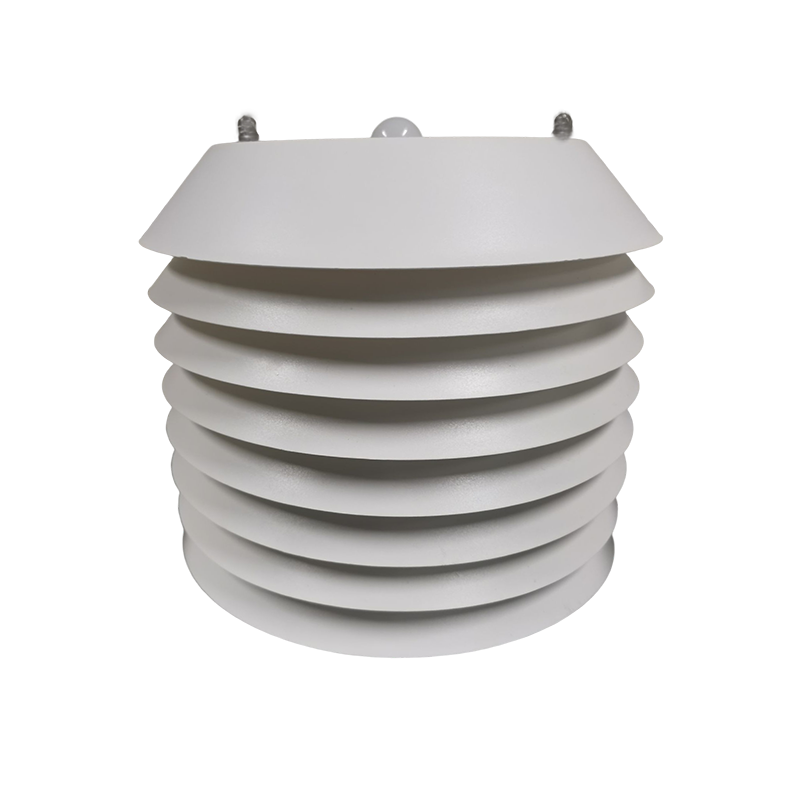
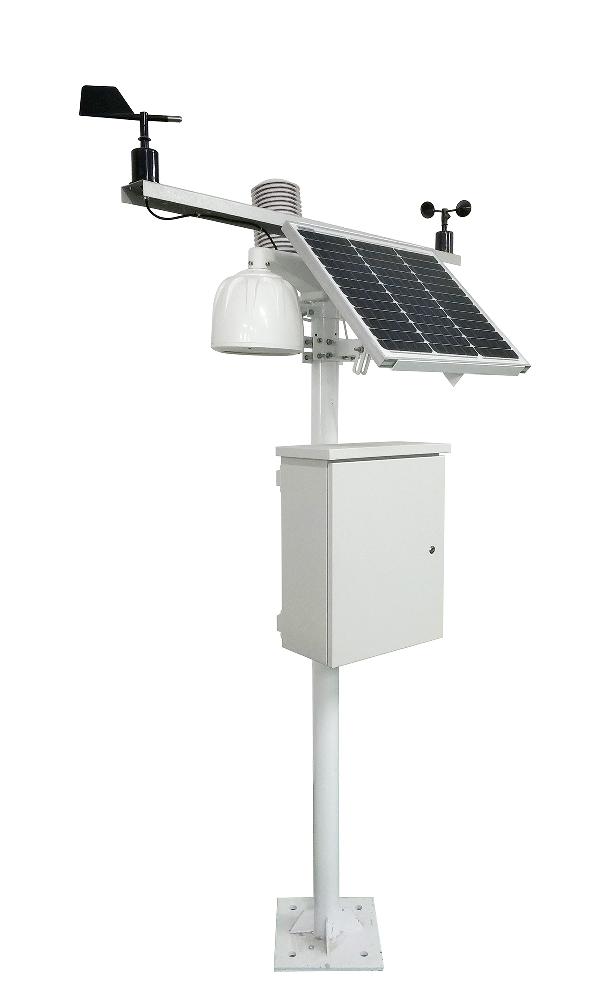
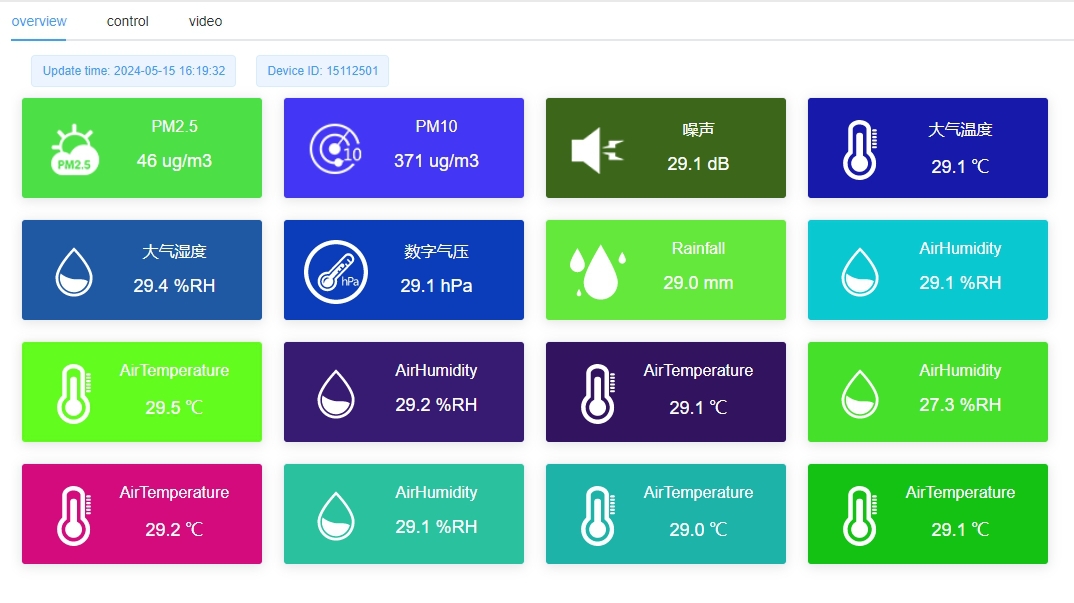
An ultrasonic weather station is compact and has no traditional rotating wind cups. It is suitable where wind speed, wind direction, temperature, humidity and pressure are required with low mechanical maintenance. An automatic rainfall station focuses on rainfall recording, storage, online analysis and reporting; it can also include other meteorological elements depending on configuration. An integrated weather station combines multiple sensors such as wind, temperature, humidity, pressure, rainfall, radiation, PM2.5 and PM10 into a unified system connected to a cloud platform through GPRS, 4G or 5G.
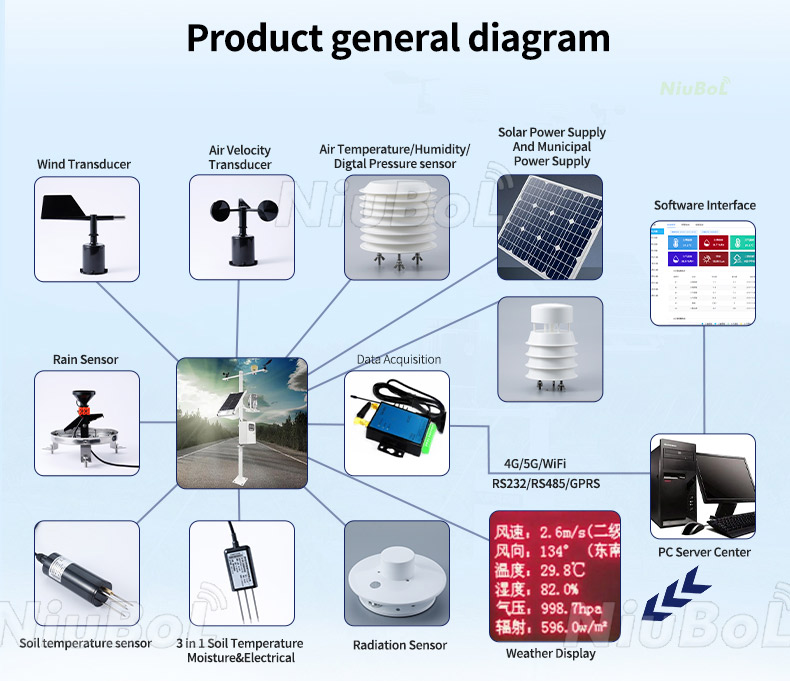
The station is the field acquisition node. Sensors measure local conditions, the collector records and packages data, the communication module uploads values, and the platform stores, displays and analyzes the data. If the project requires reporting, the platform should support query, statistics, charts and export. If the project requires alarms, thresholds and notification logic must be defined during commissioning.
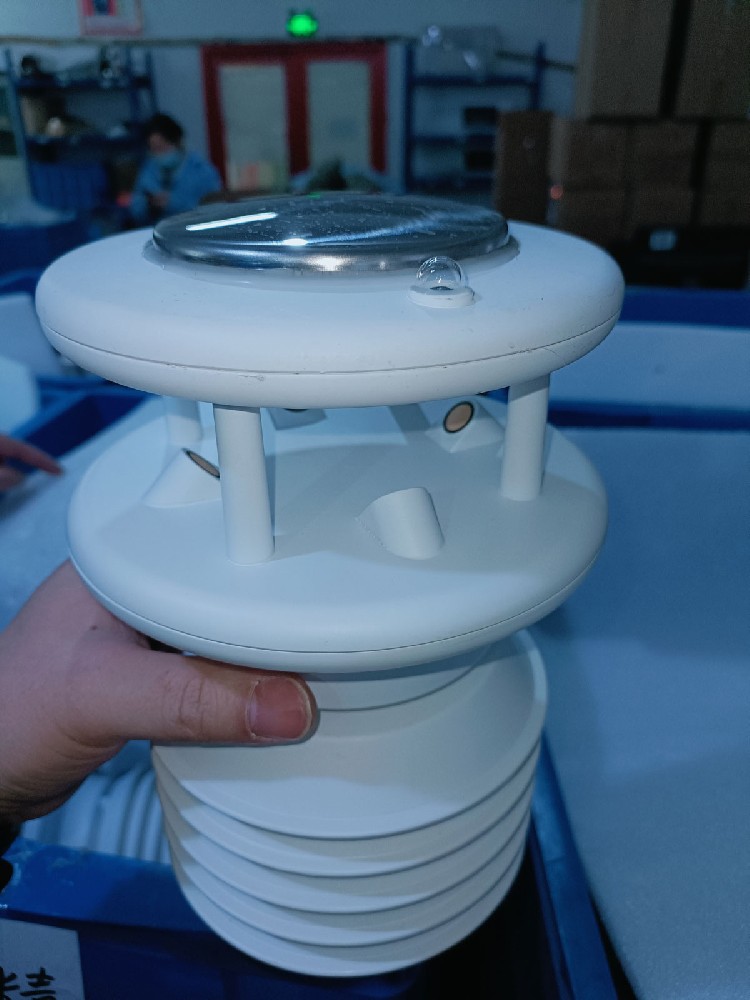
Field sensors may use RS485 / Modbus, analog output or integrated station interfaces depending on model. For remote access, the station can transmit data through GPRS, 4G, 5G or wired networks. Integrators should confirm communication protocol, data interval, platform API, local display needs, and whether the customer wants data stored in a cloud server or local computer.
| Item | Engineering Reference | Project Note |
|---|---|---|
| Measured elements | Temperature, relative humidity, wind speed, wind direction, rainfall, atmospheric pressure, solar radiation or light intensity; soil temperature and soil moisture when configured | Select elements according to the management decision, not only by sensor quantity |
| Data acquisition | Industrial data collector or station host collects sensor signals | Confirm channel capacity and expansion reserve |
| Communication | RS485 / Modbus for many field sensors; GPRS / 4G / 5G or Ethernet for platform upload depending on station configuration | Confirm protocol documents before platform integration |
| Power supply | Solar panel with battery, mains power, or mixed supply depending on site | Calculate autonomy for remote and unattended operation |
| Display and software | LED display, local terminal, web platform, mobile APP or data receiving software can be configured | Define who needs to view data and how reports are used |
| Mechanical system | Pole, bracket, protective box, sensor arms and grounding accessories | Installation quality directly affects data representativeness |
| Data functions | Real-time display, automatic recording, data query, statistics, charts, alarms and communication | Useful for management, research and acceptance |
| Installation site | Flat, open and representative area away from tall buildings, strong magnetic fields and major obstruction | Poor siting creates data error even with good sensors |
| Ultrasonic station | Wind speed, wind direction, temperature, humidity, pressure and optional compact parameters | Good for compact, low-maintenance weather monitoring |
| Automatic rainfall station | Rainfall plus optional temperature, humidity, wind, pressure, light and radiation | Good for hydrology, drainage, agriculture and flood-related monitoring |
| Integrated station | Wind, temperature, humidity, pressure, rainfall, radiation, PM2.5, PM10 and other configured elements | Good for comprehensive environmental monitoring |
Site challenge: Industrial parks often need to interpret dust, odor, gas dispersion and outdoor operation risk under changing wind, temperature and pressure conditions. A single weather parameter is not enough because environmental events are usually affected by several factors at the same time.
System integration scheme: Use an integrated weather station with wind speed, wind direction, temperature, humidity, atmospheric pressure, rainfall and optional PM2.5 / PM10 monitoring. Connect the station to a platform through 4G, 5G or Ethernet, and keep station names consistent with factory boundary or functional zones.
User value: The owner can connect environmental readings with site events, complaint periods, dust control actions or process schedules. This improves event interpretation and makes environmental management more evidence-based.
Site challenge: Drainage systems, reservoirs, farms and construction projects need rainfall data that is local and time-stamped. Regional rainfall forecasts may not show the actual rainfall intensity at a specific site.
System integration scheme: Select an automatic rainfall station or a weather station with a rain gauge, local data storage, remote upload and threshold alarms. For higher-risk locations, configure shorter reporting intervals and platform warning rules.
User value: Operators receive early evidence for drainage inspection, flood response, irrigation planning and post-event review. Historical rainfall records also support maintenance planning and project reporting.
Site challenge: Crop growth is affected by microclimate, rainfall, soil condition and radiation. A general city forecast may not represent an orchard, greenhouse, hillside farm or specialty crop base.
System integration scheme: Configure an agricultural or integrated weather station with temperature, humidity, wind, rainfall, solar radiation and optional soil moisture sensors. Use the platform to compare field conditions across plots and create irrigation or frost warning records.
User value: Growers can plan irrigation, frost protection, ventilation and crop management based on measured field data rather than delayed manual observation.
Site challenge: Research users need stable, exportable and comparable meteorological data. Missing metadata, inconsistent station names or unclear installation records can reduce the value of the dataset.
System integration scheme: Select a station with defined sensors, stable power, documented installation height, historical storage, chart display and data export. Record sensor models, coordinates, mounting height and maintenance events.
User value: Researchers obtain repeatable datasets for analysis, teaching, environmental comparison and long-term trend review.
Site challenge: Solar generation, outdoor equipment safety and maintenance scheduling are affected by radiation, wind, temperature and rainfall. Without local weather data, performance analysis can be incomplete.
System integration scheme: Use an integrated station with solar radiation, wind speed, wind direction, temperature, humidity and rainfall. Connect station data to the owner's monitoring platform or export files for performance comparison.
User value: Operators can compare local weather conditions with asset performance, maintenance events and abnormal power generation periods.
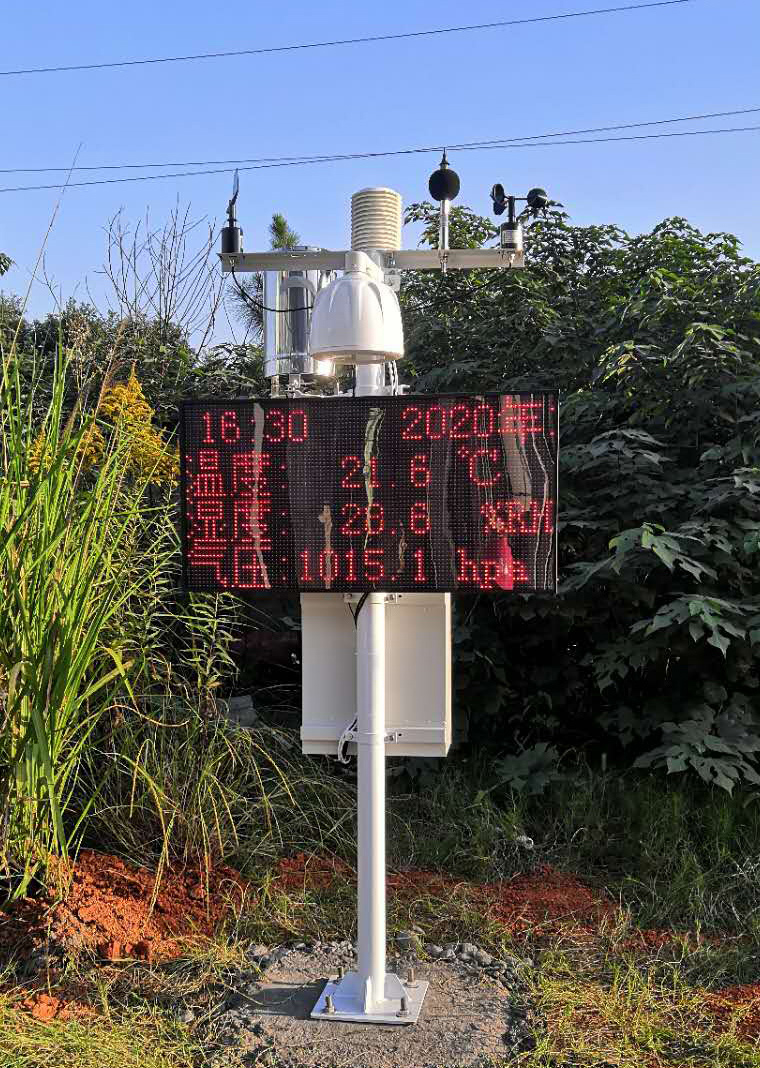
Choose an ultrasonic station when compact wind and weather monitoring is the priority. Choose a rainfall station when precipitation is the decision driver. Choose an integrated station when the project needs weather plus air quality or multiple environmental parameters. Buyers should avoid selecting only by product name; the correct system depends on what decision the data must support.
Before quotation, provide monitoring purpose, parameter list, site environment, mounting height, power supply, communication method, platform requirement, data interval and whether reports or alarms are required. This information allows the supplier to recommend a station architecture instead of a mismatched device.
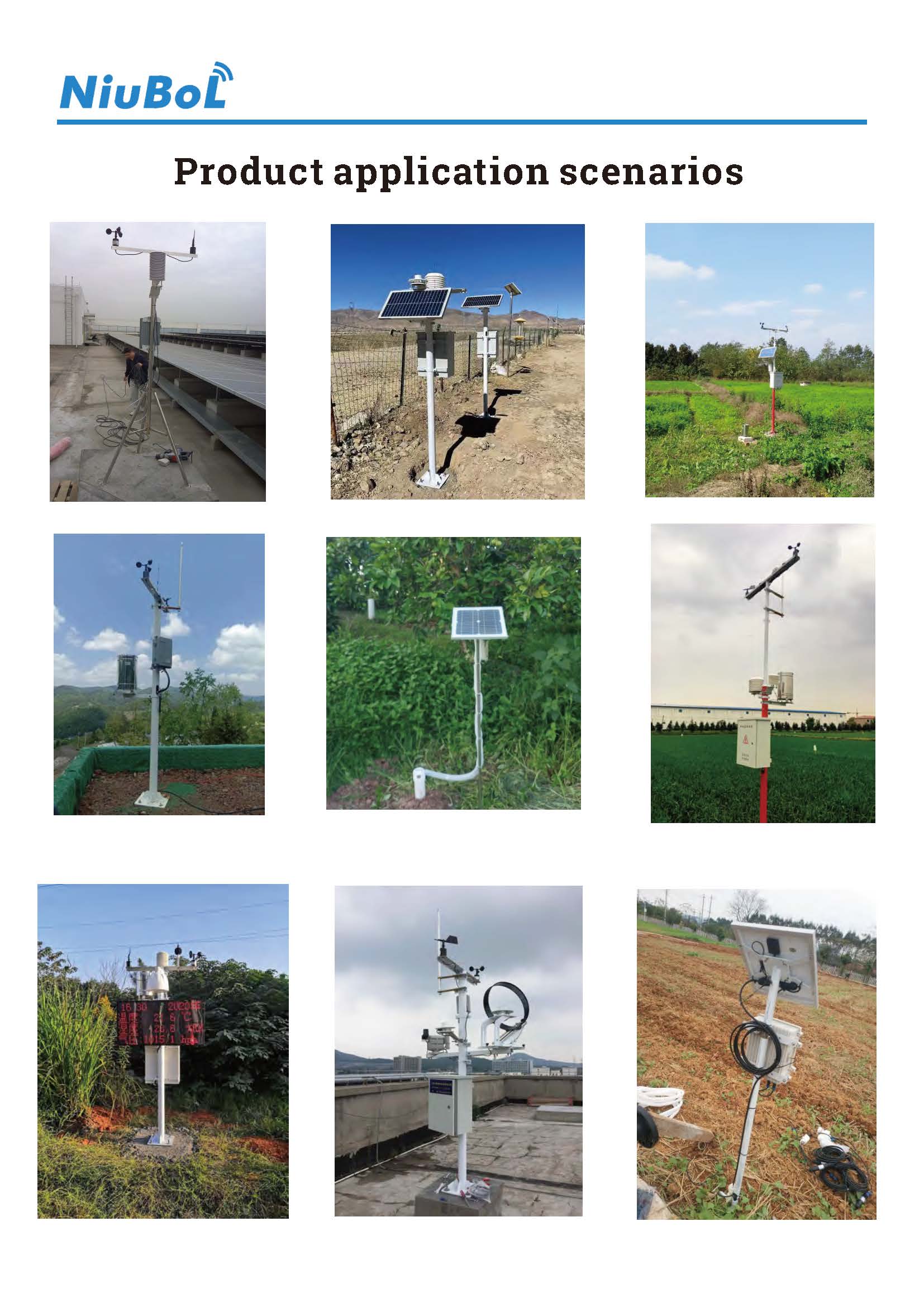
Install stations in open and representative areas. Rain gauges need level installation and unobstructed collection. Wind sensors need open exposure. PM sensors need airflow that represents the monitoring area. Acceptance should check each parameter, communication, platform display, alarm rules, data storage and export format.
If the project is mainly about wind, temperature, humidity and pressure in a compact installation, an ultrasonic weather station is usually efficient. If rainfall is the key management variable, such as drainage, flood warning, irrigation or hydrology, an automatic rainfall station is more focused. If the project must combine weather, radiation, rainfall and air quality indicators, an integrated station is a better starting point.
Buyers should also think about maintenance. Ultrasonic sensors reduce mechanical wind sensor wear, while rainfall stations need regular cleaning and leveling checks. Integrated stations collect more data, but they also require clearer platform configuration, sensor naming and maintenance records. A larger station is useful only when the user has a plan to use the additional data.
A useful specification should include monitoring objective, selected parameters, measuring range requirements, mounting height, installation site, power supply, data transmission method, platform access, alarm needs, data retention and export format. If the project is for a tender, include acceptance requirements such as live data verification, historical query, alarm test and station photo documentation.
For multi-station projects, define station naming rules before deployment. Names such as Rainfall Station 1, North Boundary Weather Station or Solar Farm Radiation Station are easier to manage than generic device numbers. Consistent names improve platform usability and reduce confusion during maintenance.
System selection should include maintenance planning. Rain gauges need cleaning, solar panels need inspection, communication modules need signal checks, and sensors need periodic verification. The buyer should define whether maintenance will be handled by the owner, local distributor or system integrator.
Data use should also be planned before purchase. If the user only needs local display, a simple station may be enough. If the project requires monthly reports, cross-station comparison or regulatory documentation, the platform should support historical query, export and stable station naming from the start.
Before asking for price, buyers should prepare the monitoring purpose, required parameters, number of stations, installation height, local power condition, network signal, preferred platform, data interval, report needs and whether alarms are required. Photos of the site are useful because they show whether wind, rainfall and radiation sensors can be installed in open positions.
If the project has several departments involved, define who owns the data after installation. Environmental staff may need reports, operators may need alarms, and management may need dashboards. The monitoring system should serve these users without creating duplicate data work.
Lifecycle cost includes installation, communication fee, platform service, battery replacement, sensor maintenance and possible calibration. A station that is cheaper at purchase may become more expensive if it lacks documentation or requires frequent troubleshooting. Buyers should compare total project delivery cost, not only hardware price.
For procurement teams, this means the final system should be described as a monitoring workflow: field sensing, data acquisition, transmission, platform display, alarm handling and maintenance. When these steps are clear, the selected station type will be easier to justify internally.
For final delivery, the project file should include station model, sensor list, communication settings, platform login, alarm thresholds, installation photos, wiring diagram and maintenance contact. These records help the owner operate the system after handover.
If the station will be used for management reports, define the report period, parameter units and responsible reviewer before installation. This small step prevents the platform from becoming a data archive that nobody uses.
Buyers searching for a meteorological environmental monitoring system may actually need different systems. A query about an ultrasonic weather station usually indicates compact wind and weather monitoring. A query about an automatic rainfall station usually indicates hydrology, drainage or rainfall warning. A query about an integrated weather station usually indicates multi-parameter environmental monitoring.
For quotation requests, the buyer should state the intended decision first: rainfall warning, environmental interpretation, industrial safety, research recording or general weather display. The supplier can then recommend the right system type instead of forcing every project into the same station model.
A: Start from the management decision. Choose an ultrasonic weather station when compact wind and basic weather monitoring are the priority. Choose an automatic rainfall station when precipitation, drainage or hydrological warning is the main purpose. Choose an integrated weather station when the project needs weather, rainfall, radiation and environmental parameters in one platform.
A: Provide the monitoring purpose, required parameters, number of stations, installation site, mounting height, power condition, communication method, platform requirement, alarm rules and data export needs. Site photos are also useful because they help the supplier judge whether wind, rainfall and radiation sensors can be installed in representative positions.
A: Not always. An integrated station is useful when several parameters must be managed together, but a rainfall station may be more practical and cost-effective when the project only needs precipitation records and rainfall alarms. The better choice is the one that matches the decision the data must support.
A: Communication determines whether data can be viewed remotely, stored historically and used for alarms. GPRS, 4G, 5G or Ethernet upload is useful for remote management, while RS485 / Modbus is common at sensor or field acquisition level. The buyer should confirm both field protocol and platform transmission before purchase.
A: A representative point is open, stable and related to the management target. Wind sensors should not be blocked by buildings or trees. Rain gauges should be level and unobstructed. Radiation sensors should avoid shading. Poor siting can create misleading data even when the equipment itself is correct.
A: Check each sensor value, data upload, platform display, station name, alarm thresholds, historical query, report export, power stability and installation photos. For rainfall stations, also verify level installation and drainage around the gauge. For multi-station projects, confirm that parameter units and station names are consistent.
A: Yes, if the platform is configured correctly. Operators may need alarms, environmental teams may need reports, researchers may need export files and managers may need dashboards. These user needs should be defined before platform configuration so the system does not become a data archive that nobody uses.
A: Common mistakes include choosing by device name instead of application, ignoring installation site conditions, buying sensors without platform workflow, omitting power and communication accessories, and failing to define acceptance criteria. These issues can delay commissioning even when the hardware is delivered on time.
A: Expansion is possible when the collector has spare channels, the power system has enough capacity, the mounting structure can support additional sensors and the platform has fields for new parameters. Buyers should mention future expansion during the first quotation stage.
A: The supplier should provide datasheets, wiring diagrams, communication protocol documents, installation guidance, platform instructions, packing list, maintenance suggestions and acceptance checklist. These documents help distributors and integrators complete installation and reduce later troubleshooting.
Meteorological environmental monitoring systems should be selected by application logic. NiuBoL ultrasonic weather stations, automatic rainfall stations and integrated stations can support industrial, research, hydrological and public environmental projects when configured with the correct sensors and data workflow.
Next:Why Meteorological Monitoring Is Important for Agriculture, Industry, Research and Public Safety
Related recommendations
Sensors & Weather Stations Catalog
 Agriculture Sensors and Weather Stations Catalog-NiuBoL.pdf
Weather Stations Catalog-NiuBoL.pdf
Agriculture Sensors Catalog-NiuBoL.pdf
Water Quality Sensor Catalog-NiuBoL.pdf
Related products
 Combined air temperature and relative humidity sensor
 TDR Soil Moisture & Temperature Sensor for irrigation| RS485 |4-20mA| NBL-S-THR
 Soil pH sensor RS485 soil Testing instrument soil ph meter for agriculture |NBL-S-PH
 Wind Speed sensor Output Modbus/RS485/Analog/0-5V/4-20mA
 Tipping bucket rain gauge for weather monitoring auto rainfall sensor RS485/Outdoor/stainless steel
 Pyranometer Solar Radiation Sensor 4-20mA/RS485

Screenshot, WhatsApp to identify the QR code
WhatsApp number:+8615367865107
(Click on WhatsApp to copy and add friends)

