

— Blogs —
—Products—
 Consumer hotline +8618073152920
WhatsApp:+8615367865107
Address:Room 102, District D, Houhu Industrial Park, Yuelu District, Changsha City, Hunan Province, China
Product knowledge
Time:2026-11-10 09:00:00 Popularity:8
Odor monitoring measures specific gas concentrations, not the human perception of smell. A complaint and a clean instrument record can both be correct, because odour is a mixture, a threshold and a wind direction, while a channel reports one calibrated species under stated temperature and humidity conditions.
An odor monitoring station recorded no alarm during a two-hour window in which three nearby residents reported a sulphur-like smell. The instrument was not faulty. The table shows what each channel could actually establish. The CO channel is used for the worked arithmetic because its range, resolution and error convention are published together; an H2S, NH3 or TVOC channel needs the same three numbers from its own datasheet before it can carry a complaint investigation.
A channel with a 10 ppm full scale and ±5% FS accuracy carries ±0.5 ppm at full scale, not ±0.001 ppm simply because the record shows three decimal places. The CO channel used for this worked example is a four-electrode electrochemical unit with ambient diffusion, RS485 Modbus RTU output and a 15–90% RH operating envelope. Its range and error convention are published together, which is what makes the arithmetic checkable.
The 15–90% RH envelope applies without condensation. A separate 2-in-1 TVOC & H2S module is quoted at ≤±3% measurement accuracy and ≤50 mA draw, over −20 to +50 °C with humidity up to 95% RH provided no dew forms; its output is RS485 Modbus-RTU. Those are operating conditions for the electronics, not a statement about whether anyone smelled anything.
Odour is a perception, and several compounds have odour thresholds far below the concentration a general-purpose gas channel resolves. A single H2S or TVOC number can be below any alarm limit and still coincide with a detectable smell. Without a wind record and a defined odor threshold, the station cannot attribute the complaint or exclude it.
A complaint investigated through odor monitoring concerns a mixture reaching a nose at a moment in time. The instrument reports a concentration at a fixed inlet, averaged over its response time, for one calibrated species. The two quantities have different units, different timescales and different detection mechanisms.
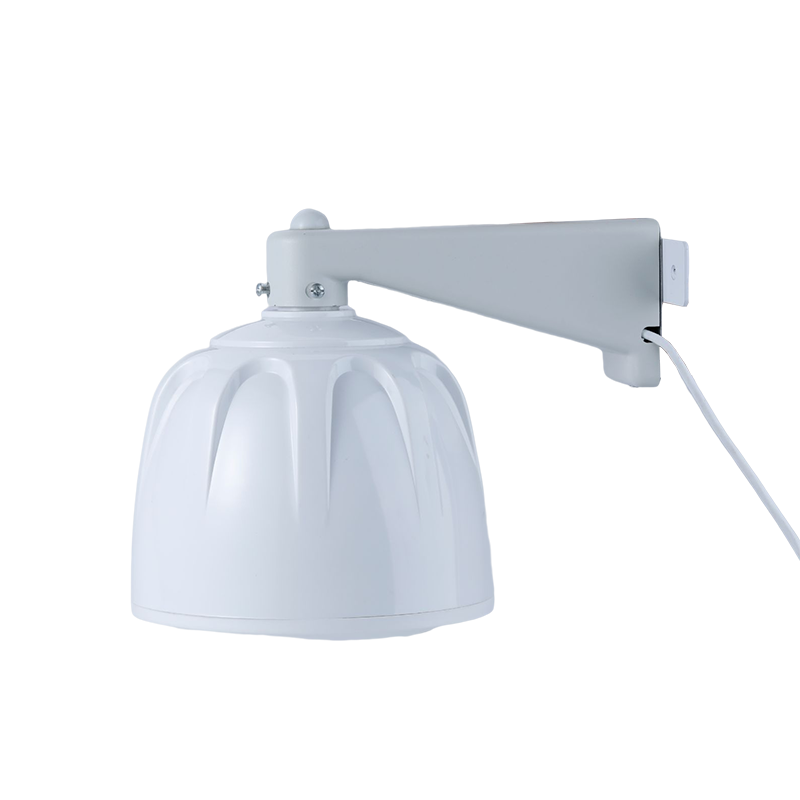
Figure 1. 6-in-1 Air Quality Sensor (PM2.5, CO, CO2, O3, SO2, NO2).
Cross-sensitivity is the main technical reason a single channel can mislead. Electrochemical and semiconductor gas sensors respond to more than their target gas; a response on an H2S channel may partly come from another reduced sulphur compound, and a TVOC channel integrates many organics without identifying them.
An NH3 channel at a waste or livestock boundary has the same limitation: ammonia is a gas in air here, not ammonium nitrogen in water, and an electrochemical cell can answer to more than one reduced nitrogen species. A rise on that channel is evidence of a gas event, not identification of the odorant or its source.
Temperature and humidity change the response as well. The ≤95% RH without-dew condition is a hard boundary: a dew film on the sensing surface changes the diffusion path and can depress or inflate the signal. The −20 to +50 °C range is an operating envelope, not a compensation claim across that whole span. Log temperature and RH with every gas value.
Calibration discipline matters more than the sensing element here. An uncalibrated sensor can carry up to 30% error in emission monitoring, which makes source localisation unreliable; a dual-calibration mechanism brings an industrial-grade instrument to ≤±5%. Those figures describe a system under stated conditions, not a single sensor, so ask how they were measured before treating them as fixed specifications.
Suppose an odor monitoring node logs one sample per minute over a two-hour complaint window, giving 120 intervals. A gas channel peaks at 1.8 ppm against an alarm set at 5 ppm, so no alarm fires. The peak is 36% of the alarm level and 18% of the 10 ppm full scale.
Illustrative calculation based on assumed site values, not a measured field record. At ±5% FS on a 10 ppm span, the uncertainty term is ±0.5 ppm, so the 1.8 ppm peak sits well outside that term and the value is a real signal relative to the instrument's stated accuracy. That still does not establish whether the smell came from the site: the ±0.5 ppm term describes the instrument, not the source.
Now add time alignment. The site was upwind of the boundary node for only 46 of the 120 intervals; for the remaining 74 the node sampled air that had not crossed the works. Paired coverage for source attribution is 46/120, or 38.3%. A two-hour average computed over all 120 intervals dilutes the upwind periods with the others and cannot support a source conclusion.
A quoted ≤3 s exceedance response belongs to the alarm chain of a complete solution; it says nothing about how often routine values are written to the log. Treat alarm latency and logging cadence as two separate settings, and record which one the complaint investigation relied on.
An odor monitoring investigation needs the gas channel, wind speed and direction at the same timestamp, and a second node or a background measurement on the upwind side. A discharge-port monitor in this product family integrates VOCs, PM, SO2 and NOx sensors in an IP65 enclosure, which is useful at a known point source. A boundary station without wind is only a concentration logger.
A cabinet logger with enough wired inputs for gas, wind and humidity, plus local memory that buffers through an outage, keeps the three series together. Confirm all channels share one clock source, because a few minutes of offset destroys an upwind/downwind comparison during a short plume.
Map CO correctly through RS485 Modbus and the remote record. The ambient four-gas assembly uses Modbus RTU at 9600 baud, eight data bits and no parity; optional PM2.5 and PM10 channels in that assembly are separate from the gas channels. Check the 10 ppm ambient channel against range, uncertainty, gas access and the required test scope before using it for a complaint record.
Ask whether a 10 ppm CO channel is suitable for a combustion exhaust sample; ambient diffusion and a stack sample are different duties. State the fitted modules and separate unavailable channels from unchanged air, so a default register value is never mistaken for a measurement.
Do not use odor monitoring alone to declare that an odour complaint was unfounded. A channel calibrated for one species does not measure a mixture's odour threshold, and a 10 ppm full-scale ambient channel is not a stack-sampling instrument. Where a limit is at issue, settle the reference method, its detection threshold and its uncertainty as separate decisions.

Figure 2. 6-in-1 Temperature, Humidity, Pressure, Illuminance, CO2, and CO Sensor.
Do not compare readings taken across the ≤95% RH without-dew boundary or across a condensation event without flagging them. And do not treat a system-level figure such as a ≤3 s exceedance response or a ≤±5% dual-calibration error as a single-sensor datasheet value. Both were obtained on a complete installation under stated conditions.
An SO2 channel illustrates the scale problem: one product page describes effects at 0.3% concentration and dizziness at 4–5%, which are percent-level figures, while a CO channel is quoted in ppm. Percent and ppm differ by a factor of 10,000. Never mix them in one table, and never infer an odour effect from a concentration quoted in the wrong unit.
Q1. Can an odor monitor prove a complaint was groundless?
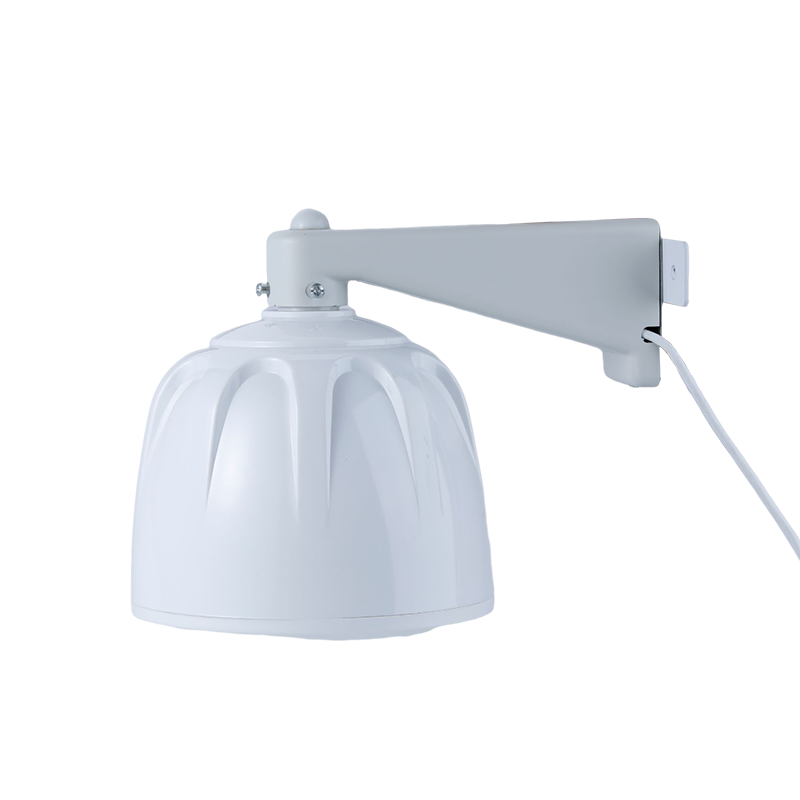
Figure 3. TVOC & H2S 2-in-1 Gas Sensor.
No. Odor monitoring reports a calibrated gas concentration at one inlet, while a complaint concerns a mixture reaching a nose with an odour threshold. In the worked window a 1.8 ppm peak against a 5 ppm alarm produced no exceedance, but with the site upwind for only 46 of 120 intervals, paired coverage was 38.3% and no source conclusion was possible.
Q2. Does 0.001 ppm resolution mean ±0.001 ppm accuracy?
No. A 10 ppm CO channel at ±5% FS carries ±0.5 ppm at full scale, and 0.001 ppm is a reporting increment. The channel uses four-electrode electrochemical sensing with ambient diffusion, 12 VDC, RS485 Modbus RTU, −30 to 50 °C and 15–90% RH without condensation. Say which error convention applies, of reading or of span, before quoting the channel.
Q3. Is ≤95% RH without dew the same as working in fog?
No. The TVOC & H2S module is quoted at ≤±3% accuracy and ≤50 mA, across −20 to +50 °C and up to 95% RH provided no dew forms. A dew film changes the diffusion path at the sensing surface. Flag intervals near or beyond that boundary and log RH with every gas value instead of applying a correction.
Q4. Why does wind direction decide the answer?
Because a boundary node sees whatever the air brings. In the worked example the site was upwind for only 46 of 120 intervals; the other 74 sampled air that had not crossed the works. A two-hour average over all 120 dilutes the upwind signal. Store wind at the same timestamp and compute paired upwind coverage before attributing a source.
Q5. Are system-level figures like ≤3 seconds response single-sensor specs?
No. A ≤3 s exceedance response belongs to the alarm chain of a complete solution, not to a routine logging cadence. A ≤±5% dual-calibration error likewise describes a system under stated conditions. Ask under what network conditions both were measured, and write alarm latency and logging cadence as two separate settings. Odor monitoring records a channel response, not a verdict on a complaint.
Q6. Can I put 0.3% and ppm values in one table?
No. Percent and ppm differ by a factor of 10,000. A page describing SO2 effects at 0.3% concentration is using a different scale from a 10 ppm CO channel. Convert to one unit and keep the gas species and test scope in the same row, or keep the tables separate.
Odor monitoring is useful when it separates three questions: did a gas channel move, was the site upwind at that moment, and does the value mean anything for human perception? The two-hour complaint with no alarm was not an instrument failure — it was a missing wind record, a missing odour threshold and an unpaired average.
Keep the fitted channel list, the error convention and the without-dew boundary in one configuration record, log wind and RH at the same timestamp, and compute upwind coverage before any source claim. Before the first complaint arrives, ask which channels are measured, which are inferred, and which question each one can actually settle.
What a gas channel can settle
Odor monitoring records a channel response, not a verdict on a complaint. During the two-hour window no alarm fired, the peak was 1.8 ppm against a 5 ppm alarm, and only 46 of 120 one-minute intervals had the site upwind — 38.3% paired coverage. A concentration in ppm is not an odor unit, and a ≤3 s exceedance response describes an alarm chain rather than a logging cadence. Log gas, wind speed and direction on one clock, separate alarm latency from logging interval, and ask for the reference method before declaring a complaint unfounded.
Investigating odor complaints at a boundary? Share the gas channels, wind data and complaint window via our contact page, and we will help you set the paired-coverage and alarm-latency records.
Prev:Environmental Monitoring Network: 160 Nodes, Not 1600
Next:no more
Related recommendations
Sensors & Weather Stations Catalog
 Agriculture Sensors and Weather Stations Catalog-NiuBoL.pdf
Weather Stations Catalog-NiuBoL.pdf
Agriculture Sensors Catalog-NiuBoL.pdf
Water Quality Sensor Catalog-NiuBoL.pdf
Related products
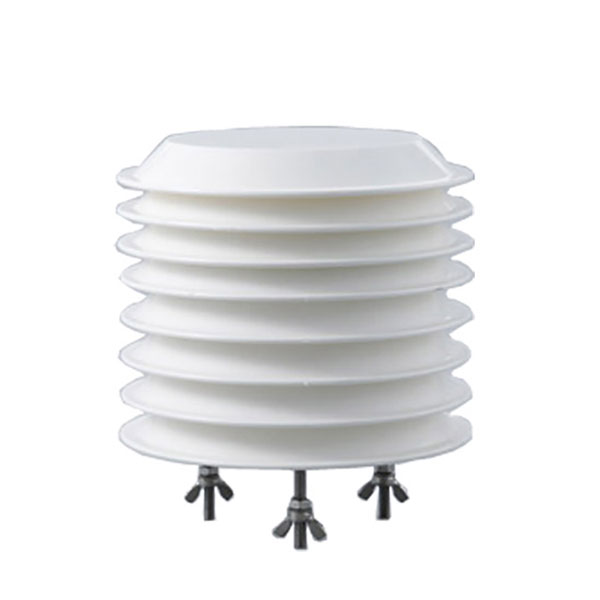 Combined air temperature and relative humidity sensor
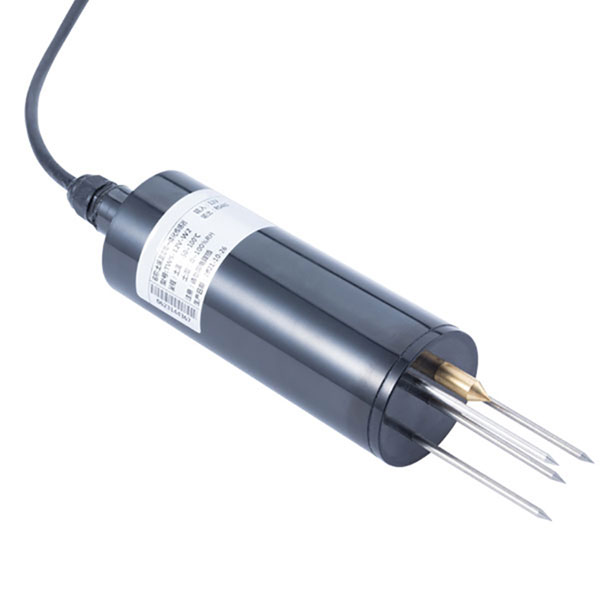 TDR Soil Moisture & Temperature Sensor for irrigation| RS485 |4-20mA| NBL-S-THR
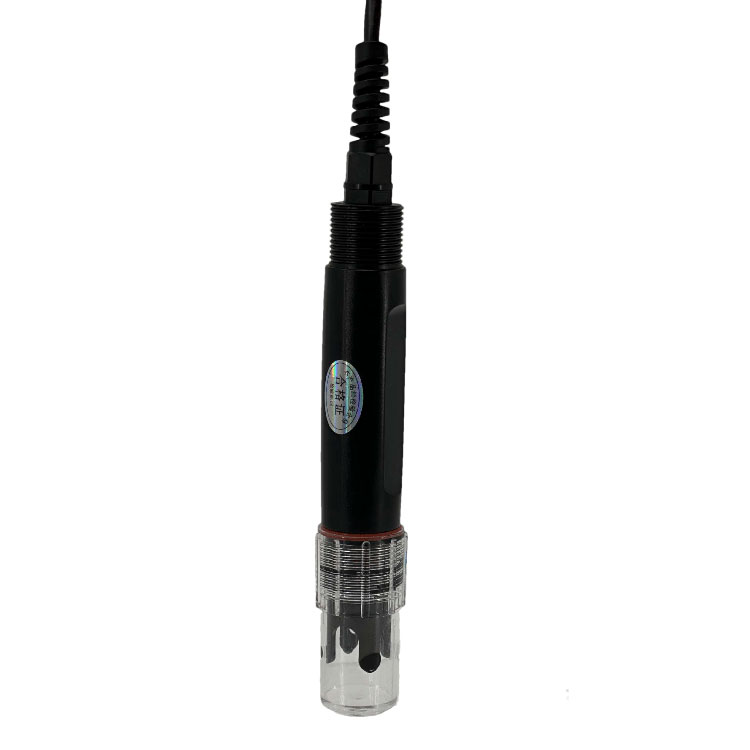 Soil pH sensor RS485 soil Testing instrument soil ph meter for agriculture |NBL-S-PH
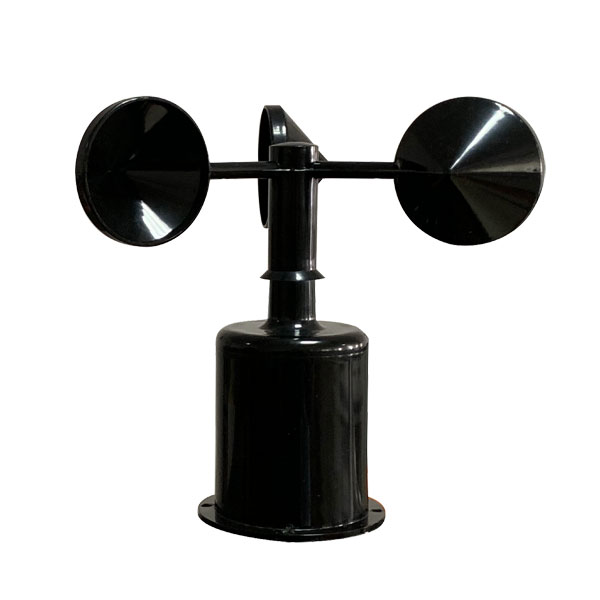 Wind Speed sensor Output Modbus/RS485/Analog/0-5V/4-20mA
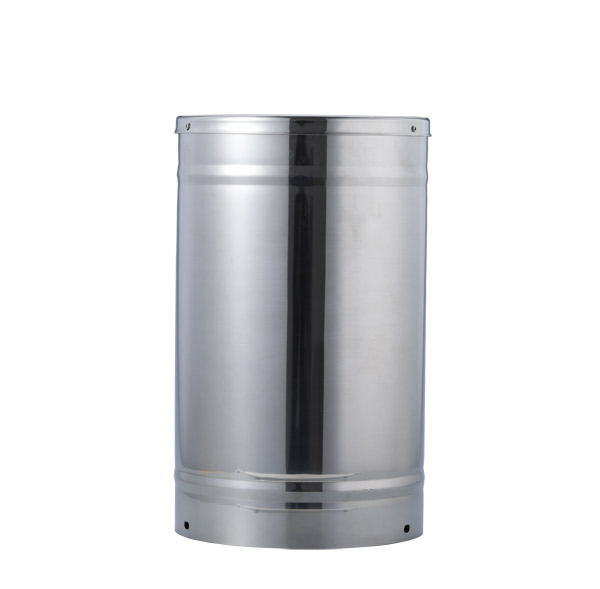 Tipping bucket rain gauge for weather monitoring auto rainfall sensor RS485/Outdoor/stainless steel
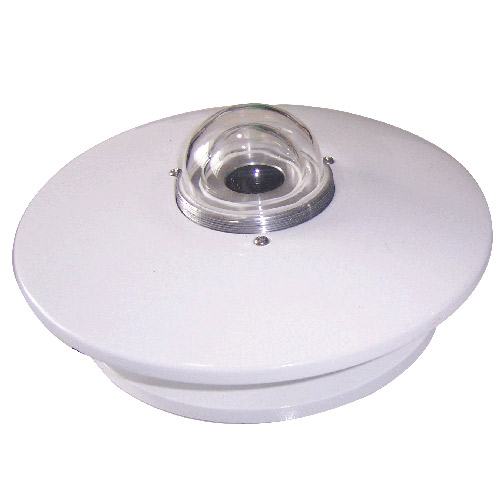 Pyranometer Solar Radiation Sensor 4-20mA/RS485


Screenshot, WhatsApp to identify the QR code
WhatsApp number:+8615367865107
(Click on WhatsApp to copy and add friends)