





— Blogs —
—Products—
 Consumer hotline +8618073152920
 WhatsApp:+8615367865107
Address:Room 102, District D, Houhu Industrial Park, Yuelu District, Changsha City, Hunan Province, China
Product knowledge
Time:2026-07-10 16:52:30 Popularity:269
Online Dust Monitoring System projects should be planned around data use, not only around sensor purchase. The buyer needs PM2.5, PM10, TSP, noise, temperature, humidity, wind speed and wind direction data only when those values support construction and industrial emission management. A useful system turns site dust into records, alarms and corrective action.
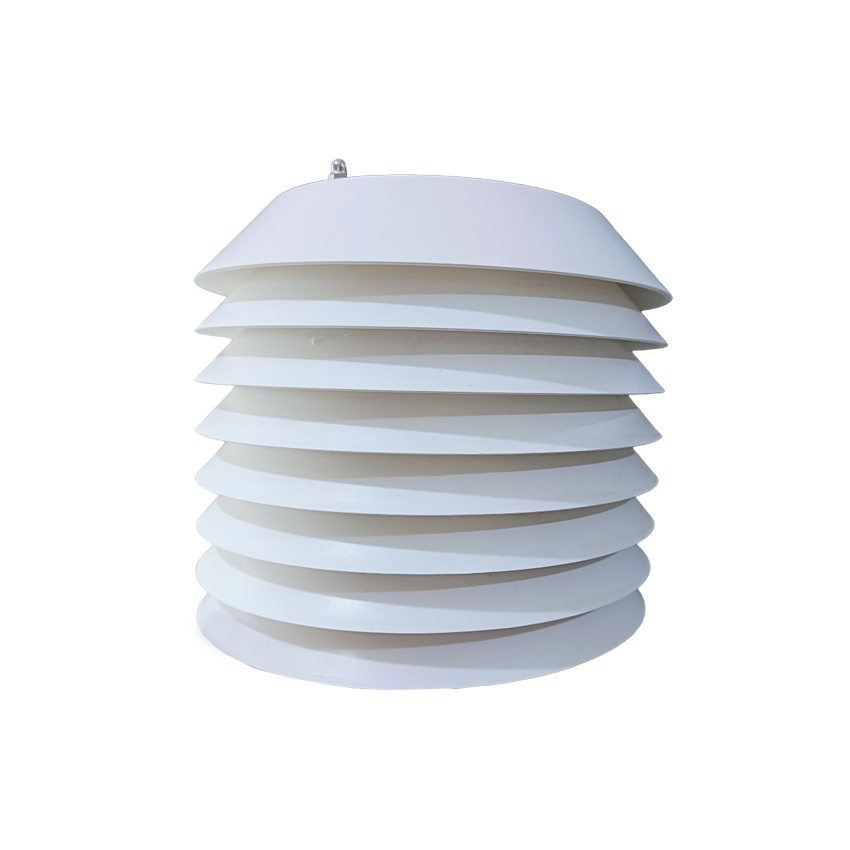
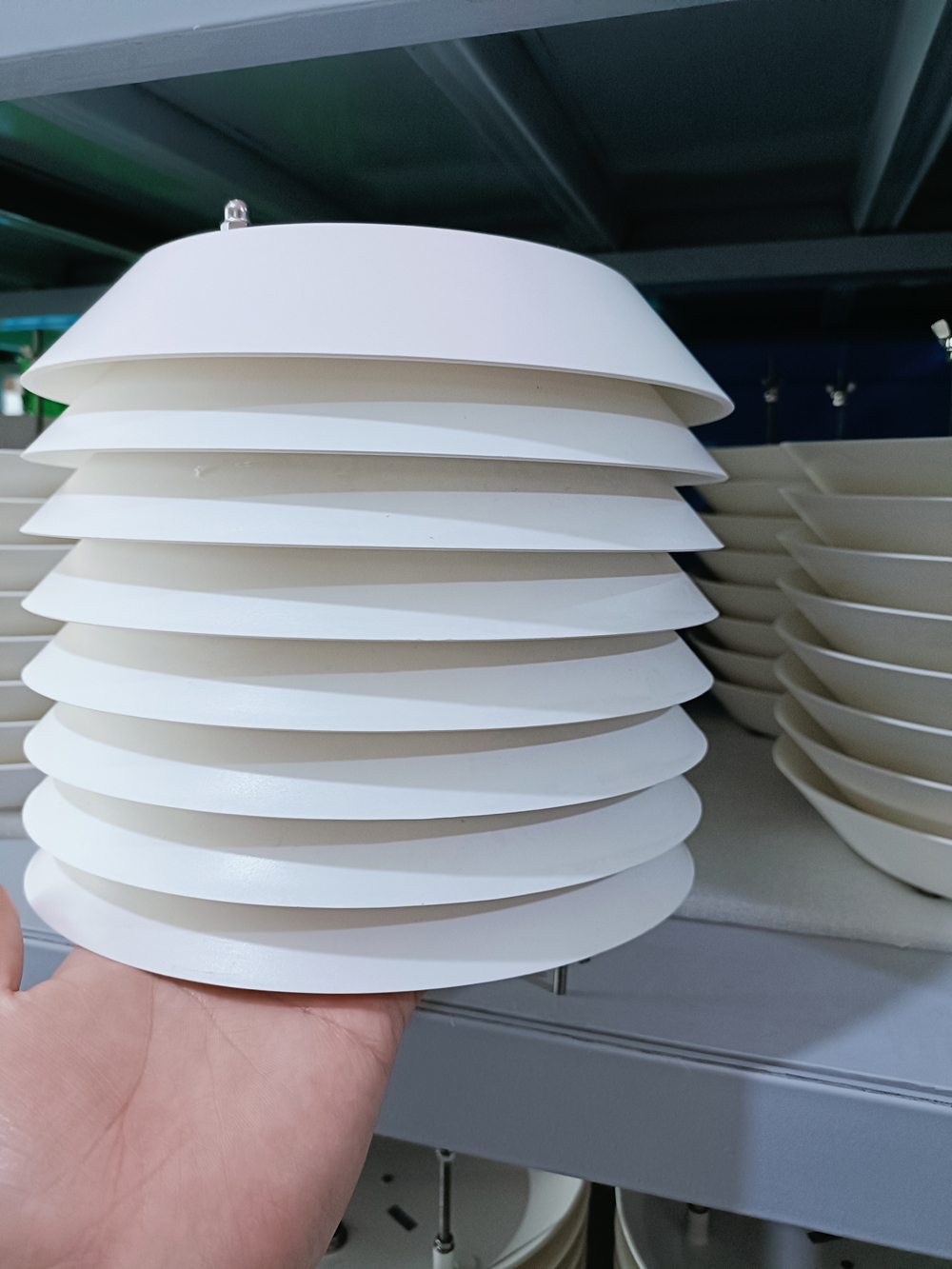
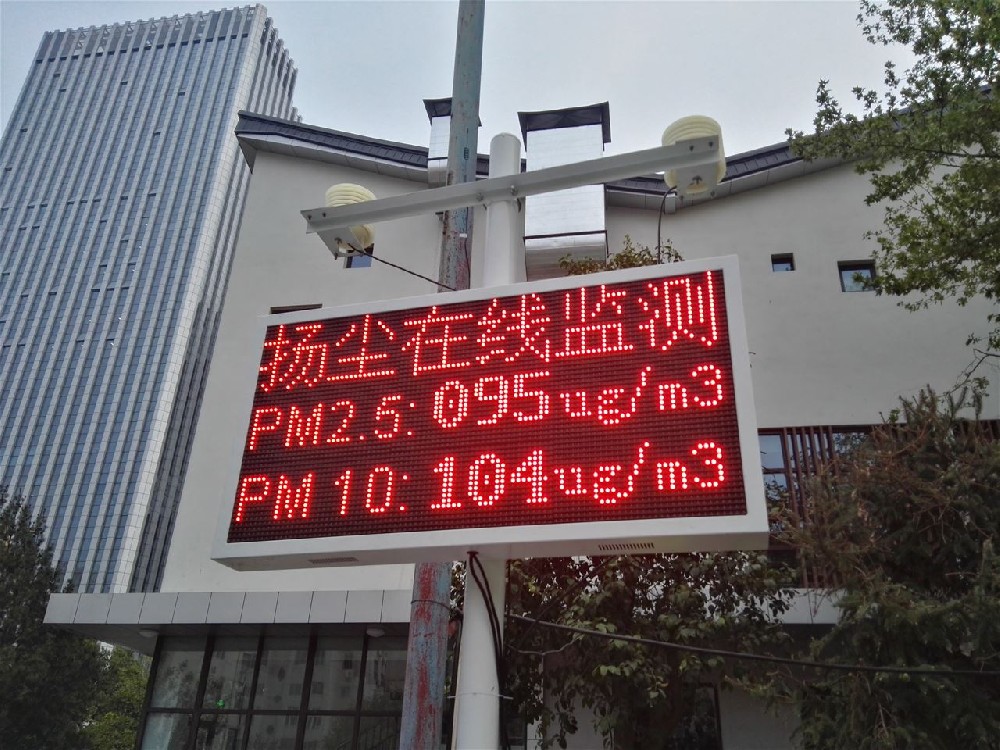
A NiuBoL dust monitoring system can include data collector, sensors, video monitoring, wireless transmission, backend data processing and a management platform. It can support real-time data display, historical query, alarm, statistics, reports, camera evidence and linkage with dust control devices such as fog cannon systems.
A dust monitoring article has practical value when it distinguishes procurement intent. A buyer may need system price, installation requirements, PM sensor parameters, platform alarms, port dust control or construction-site compliance. The article should answer one clear intent instead of repeating the same product description.
| Layer | Typical Content | Project Value |
|---|---|---|
| Sensing layer | PM2.5, PM10, TSP, noise, temperature, humidity, wind speed and direction | Provides quantitative site evidence |
| Data acquisition | Collector and communication module | Converts sensor readings into uploadable records |
| Display layer | Outdoor LED display, optional single or dual color | Shows public or site-level data |
| Platform | Real-time data, history, alarms, reports | Supports management and compliance review |
| Linkage | Fog cannon, tower crane spray or video capture | Turns monitoring into corrective action |
| Element | Range | Resolution | Accuracy |
|---|---|---|---|
| PM2.5 | 0-1000 ug/m3 | 0.1 ug/m3 | ±20% |
| PM10 | 0-2000 ug/m3 | 0.1 ug/m3 | ±20% |
| Noise | 30-130 dB | 0.1 dB | ±5 dB |
| Air temperature | -50 to +100 C | 0.1 C | ±0.5 C |
| Relative humidity | 0-100% RH | 0.1% RH | ±3% RH |
| Wind speed | 0-45 m/s | 0.1 m/s | ±(0.3±0.03V) m/s |
| Wind direction | 0-360 degrees | 1 degree | ±3 degrees |
| Scenario | Field Challenge | Recommended Configuration |
|---|---|---|
| Construction site | Dust varies with earthwork, transport and wind | PM, noise, wind, LED display, 4G platform, camera |
| Sand and gravel yard | Unorganized dust from loading and storage | PM10/TSP, wind data, threshold alarm and spray linkage |
| Coal yard or mine | High particle load and heavy-duty environment | Outdoor enclosure, platform records and maintenance plan |
| Urban road project | Dust and noise close to residential areas | PM, noise, video evidence and public display |
| Port bulk cargo | Wind-driven dust during loading and unloading | PM, wind direction, video and control linkage |
Choose a system when dust data must be recorded, reported or linked to control. Choose a simpler particulate sensor only when the buyer has an existing cabinet, collector and platform. For official or compliance-related projects, ask whether sensors have third-party test reports and whether the platform can export normal and over-limit data separately.
For construction and industrial sites, the purchase document should include parameter list, measuring range, installation height, LED display size, platform functions, communication method, alarm recipients, video requirement, enclosure protection and whether third-party sensor reports are required. Without these details, suppliers may quote systems that look similar but perform differently.
| Comparison Item | Low-Cost Risk | Better Procurement Question |
|---|---|---|
| PM sensor | No principle or report stated | Is the sensor laser scattering and is test evidence available? |
| Platform | Only live display | Can it export history, over-limit records and reports? |
| Communication | Unclear 4G or wired plan | Who provides SIM card and platform configuration? |
| Linkage | Relay not included | Can it control fog cannon or spray system? |
| Maintenance | No cleaning schedule | How are filters, enclosure and calibration handled? |
A buyer keeps reading when the article helps them avoid penalties, failed acceptance or unusable data. Construction dust monitoring is not only an environmental device purchase. It becomes part of site management, complaint handling and sometimes regulatory evidence.
A complete online dust monitoring system is more than a PM sensor. For most construction and industrial projects it should include particulate monitoring, noise monitoring, weather data, data collection, outdoor display, communication, management platform, alarm rules and optional camera evidence. If any one of these parts is missing, the buyer should know whether the project still meets its acceptance requirement.
Many failed purchases happen because the buyer asks for a dust monitor but the project actually requires a monitoring system with records and alarms. The difference matters. A sensor can measure. A system can measure, store, display, report and trigger action.
| Specification Area | What to Write in the RFQ | Reason |
|---|---|---|
| Parameters | PM2.5, PM10, TSP, noise, temperature, humidity, wind speed, wind direction | Avoids incomplete quotation |
| Display | Outdoor LED size, color and mounting method | Meets site visibility requirements |
| Communication | 4G, wired network or other method | Ensures data reaches the platform |
| Platform | History, alarm, report, export and user account functions | Supports management and evidence |
| Linkage | Relay or interface for fog cannon or spray | Connects monitoring to control |
It is suitable for construction sites, demolition projects, road works, industrial yards, mines, sand and gravel sites, coal yards and areas where dust complaints or compliance records matter. It is not necessary for a small indoor workshop that only needs a portable inspection meter. It is also not enough for a legal-grade air quality station if the project requires certified reference methods; in that case, the buyer should confirm local acceptance rules before ordering.
The system becomes valuable when the site manager uses the data. A PM10 rise during truck loading may trigger road watering. A dust spike with high wind may lead to covering material piles. Repeated night alarms may reveal unauthorized transport or uncovered storage. These management links are why the system matters to buyers.
Buyers should ask who owns the data, how long historical records are stored, whether reports can be exported, and whether multiple user roles are supported. A site manager may need daily alarms, while the owner may need monthly reports. A contractor may need temporary access during construction. These access rules should be set before the system goes live.
For projects with regulatory visibility, data continuity is a procurement issue. Ask what happens if 4G is interrupted, whether local storage is available, and whether missing data can be identified. A system that only shows live numbers may look acceptable during demonstration but fail when the buyer needs a complete record.
Dust monitoring equipment works outdoors and around high particle loads. The quotation should state warranty period, sensor replacement method, enclosure service access, platform support and whether remote troubleshooting is available. For overseas buyers, spare sensors, communication modules and power adapters may be worth ordering with the first shipment.
Buyers usually reject a proposal when it is too vague: no measuring range, no platform screenshots, no installation responsibility, no alarm logic, no display specification and no statement about data export. A strong proposal tells the buyer what will be installed, where it will be installed, what data will be collected, who receives alarms and how records can be checked later.
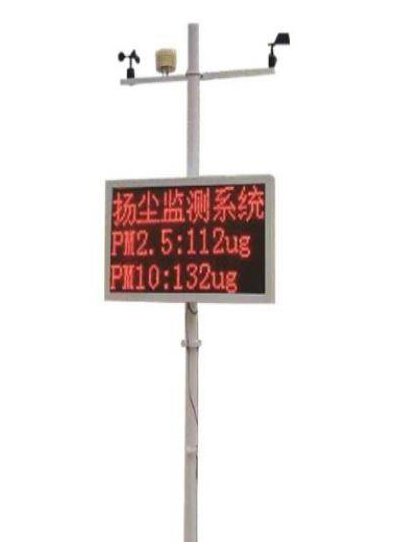
A: A project-grade online dust monitoring system usually measures PM2.5, PM10, TSP, noise, temperature, humidity, wind speed and wind direction. Optional camera, pressure or gas sensors should be added only when they support acceptance, evidence, linkage control or site management.
A: Wind speed and wind direction explain where dust may move and whether a dust peak is likely related to site activity or external sources. Without wind data, PM readings are harder to interpret and weaker as management evidence for construction, yards or industrial sites.
A: Yes, if the platform and control cabinet are configured with suitable alarm thresholds and linkage output. The buyer should confirm relay logic, safety rules, manual override and whether spraying should depend on PM level, wind condition or time schedule.
A: Video is useful when the project needs evidence for over-limit events, complaints or enforcement review. A camera can connect PM peaks with visible activities such as earthwork, loading, truck movement or material handling. It is less useful if the camera angle or night visibility is poor.
A: Price is affected by measured parameters, sensor quality, LED display, camera, 4G communication, platform functions, enclosure, pole, power supply and linkage control. Buyers should compare complete system scope, not only the PM sensor price.
A: The main mistake is installing the station where airflow is blocked or the point does not represent the managed area. A convenient location beside a wall, container or temporary shed may reduce installation effort but weaken the value of the data.
A: Yes. A suitable platform can compare multiple stations, show single-station multi-parameter data, store history, export reports and process alarms. This is useful for contractors managing several sites or industrial parks with multiple monitoring points.
A: Send site type, monitoring purpose, required parameters, LED display requirement, camera need, communication method, linkage requirement, number of points, installation country and acceptance requirement. This prevents incomplete quotations that miss platform, display or control functions.
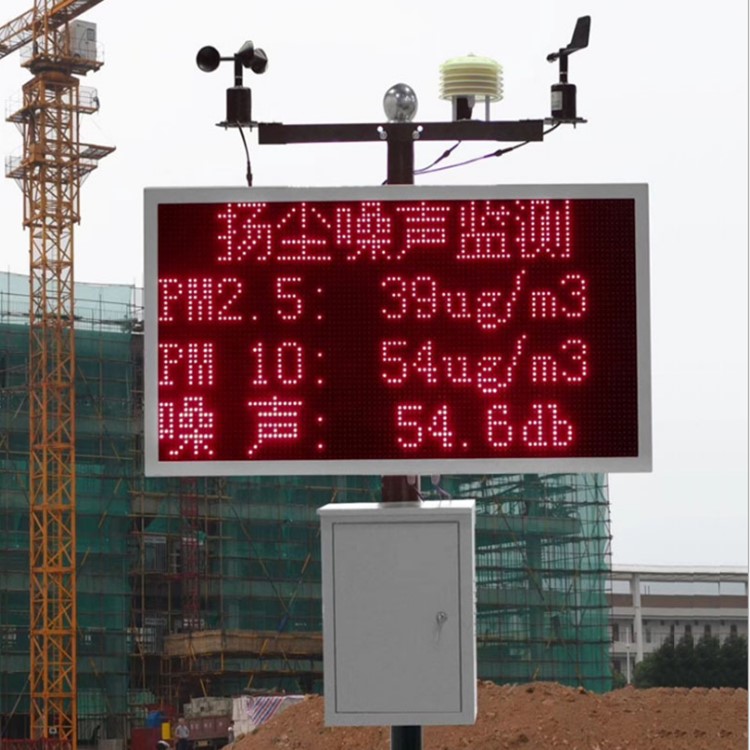
Online Dust Monitoring System should be purchased as a management tool. The value is not only measuring particles; it is the ability to record, alarm, verify and support timely dust control action.
If you are not sure which configuration fits your online dust monitoring system project, send the site type, required parameters, communication method, power condition, installation country and expected quantity. NiuBoL can help match a practical configuration instead of only quoting a sensor list.
Prev:How Water-Fertilizer Integration Saves Water and Fertilizer in Modern Agriculture
Next:Dust Monitoring System Installation Guide: Site Layout, Data Accuracy and Platform Use
Related recommendations
Sensors & Weather Stations Catalog
 Agriculture Sensors and Weather Stations Catalog-NiuBoL.pdf
Weather Stations Catalog-NiuBoL.pdf
Agriculture Sensors Catalog-NiuBoL.pdf
Water Quality Sensor Catalog-NiuBoL.pdf
Related products
 Combined air temperature and relative humidity sensor
 TDR Soil Moisture & Temperature Sensor for irrigation| RS485 |4-20mA| NBL-S-THR
 Soil pH sensor RS485 soil Testing instrument soil ph meter for agriculture |NBL-S-PH
 Wind Speed sensor Output Modbus/RS485/Analog/0-5V/4-20mA
 Tipping bucket rain gauge for weather monitoring auto rainfall sensor RS485/Outdoor/stainless steel
 Pyranometer Solar Radiation Sensor 4-20mA/RS485

Screenshot, WhatsApp to identify the QR code
WhatsApp number:+8615367865107
(Click on WhatsApp to copy and add friends)

