





— Blogs —
—Products—
 Consumer hotline +8618073152920
 WhatsApp:+8615367865107
Address:Room 102, District D, Houhu Industrial Park, Yuelu District, Changsha City, Hunan Province, China
Product knowledge
Time:2026-07-10 16:59:21 Popularity:220
Water-fertilizer integration saves water and fertilizer when irrigation volume, fertilizer concentration and crop demand are controlled together. The buyer should view it as a management method, not only a machine purchase. A good system delivers dissolved fertilizer through pipes, sprinklers or drip irrigation at fixed time and fixed quantity so the crop root zone receives water and nutrients without over-irrigation.
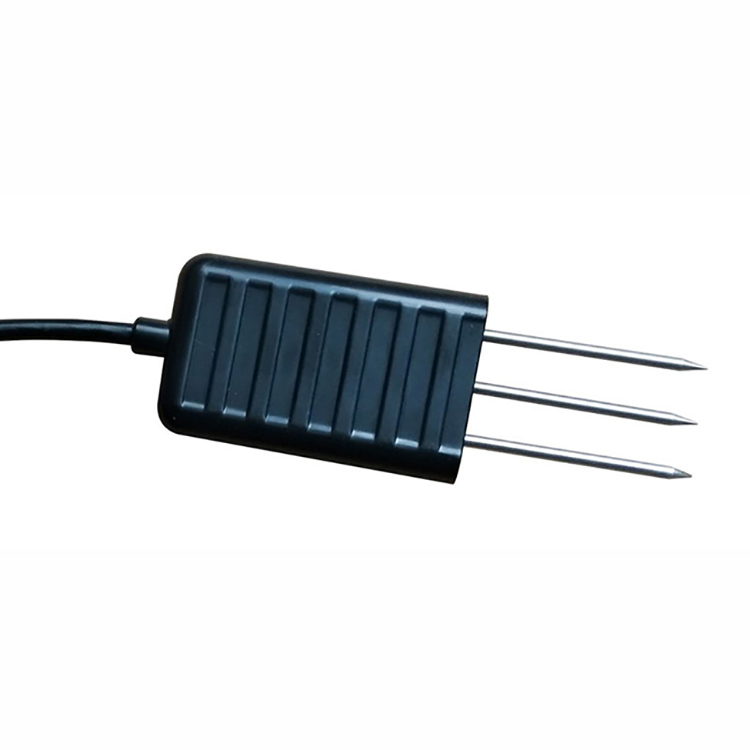
Agricultural water use can account for a large share of total water consumption, while irrigation water utilization may remain low under traditional practice. Even when exact local percentages differ by country, the procurement logic is stable: farms lose money when water, fertilizer and labor are managed separately.
The topic is useful when it explains mechanism, not slogans. It should answer how the system saves water, what components are required, what mistakes reduce savings and what information a buyer must provide before quotation. That gives a buyer a usable decision path instead of a product brochure.
| Buyer Question | Practical Answer | What to Verify |
|---|---|---|
| Will it always save water? | Only when irrigation scheduling and pipe design are correct | Flow rate, zones and soil moisture feedback |
| Will it always save fertilizer? | Only when fertilizer concentration matches crop demand | Crop program, EC checks and injector accuracy |
| Can it reduce labor? | Yes, when valves and schedules are automated | Controller, pump and valve configuration |
| Can it protect soil? | It can reduce excessive fertilizer and waterlogging | Water quality, filtration and management records |
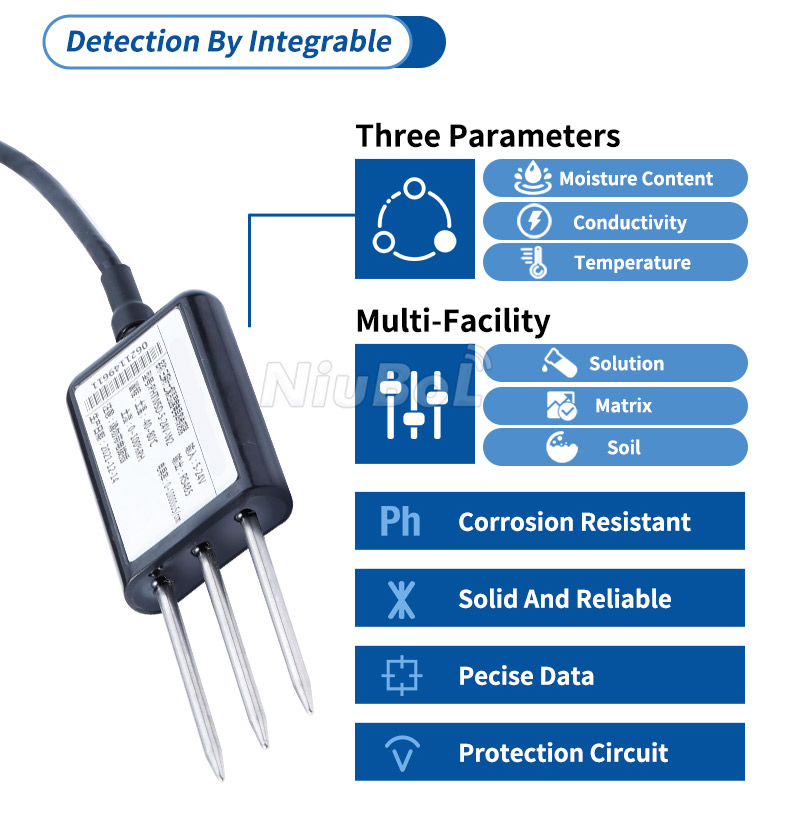
Buyers should choose water-fertilizer integration for greenhouses, orchards, irrigation districts and farms where water and fertilizer are already significant operating costs. It is not suitable as a stand-alone purchase when the farm has no pipe network plan, poor water source filtration or no person responsible for operation.
Start with the crop and field map, then define irrigation zones, water source, pump capacity, filtration, fertilizer type, pipe layout, controller and data requirements. Only after these are clear should the buyer compare machine capacity or price. This order prevents a common mistake: buying a fertigation unit before the hydraulic system is defined.
A farm should not claim savings only because a new system was installed. It should compare water use, fertilizer use, irrigation labor, crop quality and yield before and after implementation. The most useful evidence is a simple monthly record: water volume by zone, fertilizer amount, irrigation frequency, blocked emitter events, crop growth status and harvest output.
This record also helps improve the system. If one zone still receives too much water, the issue may be pipe design, valve timing or soil difference. If fertilizer use does not decrease, the farm should check crop demand, injection ratio and whether staff are still applying fertilizer manually outside the system.
| Condition | Recommended Decision | Reason |
|---|---|---|
| Water is expensive or limited | Prioritize soil moisture feedback and zone control | Savings depend on knowing when irrigation is needed |
| Fertilizer cost is high | Use controlled dosing and EC monitoring | Prevents excessive fertilizer concentration |
| Labor is the main issue | Select automatic scheduling and remote control | Reduces manual valve and fertilizer work |
| Water quality is poor | Invest in filtration before automation | Blocked emitters reduce system value |

A buyer reads this kind of article to avoid a wrong purchase. They need to understand that water-fertilizer integration is a system design problem. The value is not created by one controller alone; it comes from the relationship between crop demand, soil moisture, fertilizer concentration, filtration and irrigation scheduling.
Water savings usually come from three changes: irrigation is applied to the crop root zone, irrigation time is controlled by schedule or sensor feedback, and field zones are managed separately instead of flooding the whole plot. Fertilizer savings come from dissolving fertilizer into controlled irrigation water and reducing random surface application. Labor savings come from fewer manual valve operations and fewer separate fertilizing trips.
The buyer should be careful with claims that promise a fixed saving percentage. Actual savings depend on crop type, soil texture, climate, irrigation habits, pipe layout, water price, fertilizer program and operator discipline. A serious project should record a baseline before installation and compare it with measured water and fertilizer use after installation.
| Checklist Item | Information Needed | Reason |
|---|---|---|
| Crop plan | Crop type, growth stage and fertilizer program | Controls dosing frequency and concentration |
| Water source | Well, pond, canal, reservoir or municipal supply | Determines filtration and pump requirements |
| Irrigation area | Total area and zone area | Defines valve and pipe design |
| Automation level | Manual, timed, sensor-based or remote | Affects controller and platform cost |
| Maintenance ability | On-site technician or outsourced service | Determines how complex the system should be |
A farm should buy water-fertilizer integration when it wants repeatable management, not only when it wants new equipment. The system gives the buyer a way to turn irrigation and fertilization into records, schedules and measurable outcomes. That makes it useful for farm managers, project contractors and distributors who need to explain return on investment with field logic rather than slogans.
| Method | Typical Problem | Better Use Case |
|---|---|---|
| Flood irrigation plus manual fertilization | High water use, uneven nutrients and heavy labor | Low-value field crops where precision is not required |
| Drip irrigation without fertigation | Water delivery improves, but fertilizer work remains separate | Farms upgrading irrigation in stages |
| Water-fertilizer integration | Requires filtration, operation discipline and initial design | Commercial farms needing repeatable water and nutrient control |
Contractors should not promise savings without checking field conditions. A stronger proposal explains the current problem, the proposed zone design, water source treatment, fertilizer injection method, sensor option, operation workflow and expected maintenance. This gives the buyer a practical reason to trust the solution. It also prevents disputes after installation because both sides understand what the system can and cannot solve.
For large farms, a phased rollout is often safer. Start with one representative block, record water and fertilizer use, adjust schedules, then extend to other blocks. This approach produces local evidence and reduces the risk of buying too much automation before the farm team is ready.
A useful quotation needs more than the word fertigation. The buyer should send field area, crop type, water source, fertilizer type, existing pipe condition, number of irrigation zones, power supply, automation target and whether remote records are required. If possible, include photos of the pump room, filters and main pipe. These details allow the supplier to judge whether the project needs only a fertigation unit or a wider irrigation redesign.
When this information is missing, quotations become rough and difficult to compare. One supplier may include filters and valves; another may quote only a controller. The cheaper price may simply be an incomplete scope.
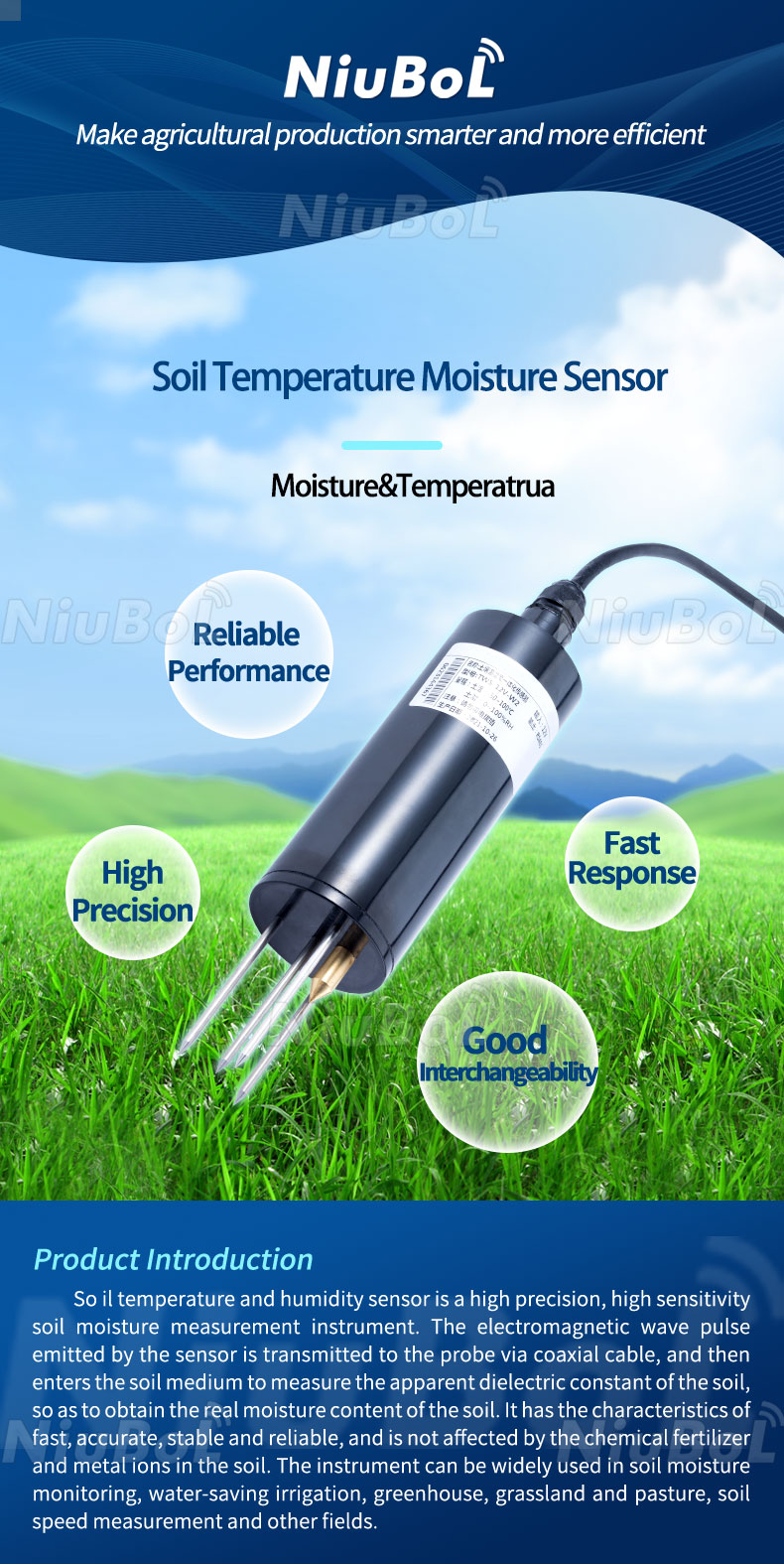
A: It saves water by delivering irrigation directly to the crop root zone and by controlling timing, duration and zone sequence. The saving is strongest when drip irrigation, soil moisture feedback and correct pipe design are used together. It should be verified through water-use records, not assumed from equipment purchase.
A: Fertilizer is dissolved and injected into irrigation water in controlled concentration, so nutrients reach the active root zone more evenly. Savings depend on crop demand, fertilizer solubility, injector accuracy and operator discipline. Excess manual fertilization outside the system will reduce the expected benefit.
A: Drip irrigation is common because it supports precise root-zone delivery and reduces surface waste. However, sprinkler or pipe irrigation can also be used when the crop and field design fit that method. The key is controlled delivery, filtration and a hydraulic layout that supports even distribution.
A: Soil moisture, soil EC, weather data, irrigation flow and valve status are the most useful data points. Soil moisture helps decide when to irrigate; EC helps check fertilizer concentration; flow and valve status help confirm that the plan was actually executed.
A: Price depends on area, number of zones, pump capacity, filtration level, injector type, valves, controller, sensors, platform functions and installation accessories. A low equipment price may exclude pipe network, filters or valves, so buyers should compare the full project scope.
A: Filter blockage and injector blockage are the main risks because they directly affect water flow and fertilizer accuracy. Maintenance frequency should be based on water quality. Farms using pond or canal water should plan more frequent filter cleaning and periodic injector inspection.
A: Yes. Greenhouses are a strong use case because irrigation, fertilizer, humidity and labor are closely linked. The system is especially useful for vegetables, seedlings and high-value crops where small changes in moisture or nutrient supply affect quality and yield.
A: Send crop type, growing area, water source, pipe layout, irrigation zones, fertilizer type, power supply, automation target, sensor needs and budget range. This information helps decide whether the project needs simple fertigation, sensor-linked control or a platform-connected system.
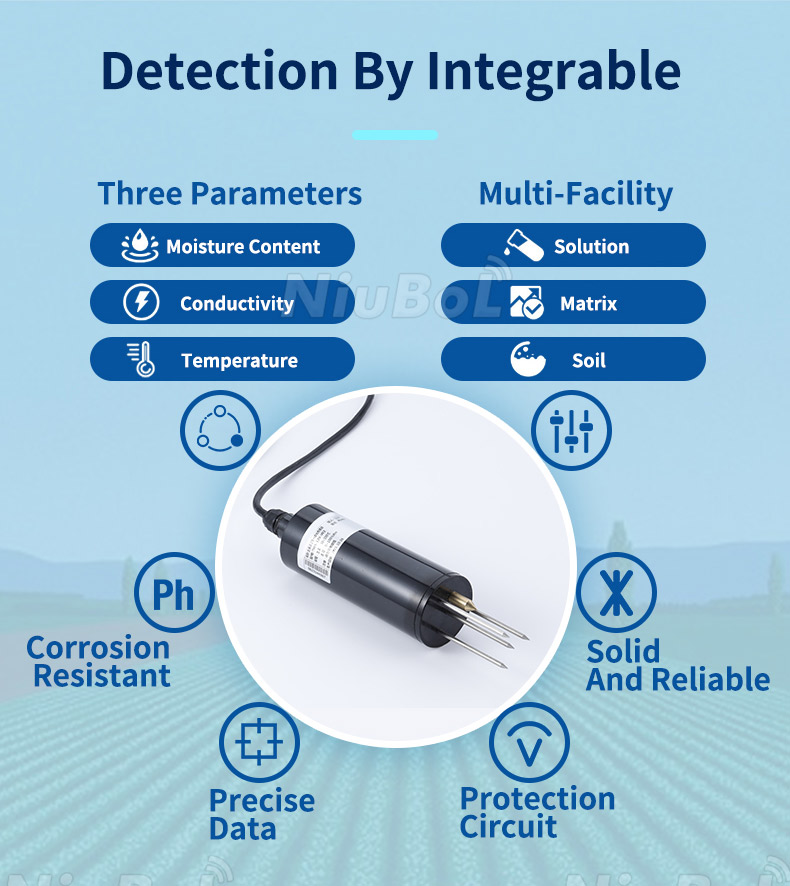
Water-fertilizer integration creates value when it is designed around crop demand, hydraulic conditions and maintenance. It is a buying decision about control quality, not only equipment capacity.
If you are not sure which configuration fits your water-fertilizer integration project, send the site type, required parameters, communication method, power condition, installation country and expected quantity. NiuBoL can help match a practical configuration instead of only quoting a sensor list.
Prev:Water Fertilizer Machine Selection Guide for Smart Irrigation Projects
Next:Online Dust Monitoring System Procurement Guide for Construction and Industrial Sites
Related recommendations
Sensors & Weather Stations Catalog
 Agriculture Sensors and Weather Stations Catalog-NiuBoL.pdf
Weather Stations Catalog-NiuBoL.pdf
Agriculture Sensors Catalog-NiuBoL.pdf
Water Quality Sensor Catalog-NiuBoL.pdf
Related products
 Combined air temperature and relative humidity sensor TDR Soil Moisture & Temperature Sensor for irrigation| RS485 |4-20mA| NBL-S-THR
 Soil pH sensor RS485 soil Testing instrument soil ph meter for agriculture |NBL-S-PH
 Wind Speed sensor Output Modbus/RS485/Analog/0-5V/4-20mA
 Tipping bucket rain gauge for weather monitoring auto rainfall sensor RS485/Outdoor/stainless steel
 Pyranometer Solar Radiation Sensor 4-20mA/RS485

Screenshot, WhatsApp to identify the QR code
WhatsApp number:+8615367865107
(Click on WhatsApp to copy and add friends)

