





— Blogs —
—Products—
 Consumer hotline +8618073152920
 WhatsApp:+8615367865107
Address:Room 102, District D, Houhu Industrial Park, Yuelu District, Changsha City, Hunan Province, China
Product knowledge
Time:2026-07-10 16:52:26 Popularity:278
A water fertilizer machine is useful when irrigation and fertilization must be delivered at the right time, in the right amount and with less labor. The buyer should not judge the machine only by whether it can inject fertilizer. The real value depends on pump stability, filtration, dosing accuracy, valve control, maintenance access and whether the system fits the crop and water source.

In real fertigation projects, the practical benefits are saving fertilizing labor, improving fertilizer utilization, delivering nutrients on time, supporting trace element application, improving soil conditions and helping crops grow under marginal soil conditions through drip fertigation. These are not marketing points; they are procurement criteria that affect the payback of a greenhouse or field irrigation project.
A water fertilizer machine guide is useful when it explains the decision path: when to buy, what to check, what can go wrong, and how the equipment connects to a larger irrigation system. A generic product introduction is easy to ignore. A buyer guide with pump, filter, valve, dosing and maintenance logic answers real procurement questions.
| Component | Function | Procurement Risk if Ignored |
|---|---|---|
| Water pump | Provides flow and pressure for irrigation | Insufficient water supply, unstable dosing and uneven irrigation |
| Filter | Protects drip lines, valves and injectors | Emitter blockage and high maintenance cost |
| Fertilizer injector | Mixes soluble fertilizer or liquid nutrient into irrigation water | Inaccurate nutrient delivery |
| Solenoid valve | Controls irrigation zones and dosing timing | Zones cannot be managed independently |
| Controller | Runs schedules and control logic | Manual operation remains heavy |
| Sensors | Feed back soil moisture, EC or environmental data | No basis for optimized irrigation decisions |
It is suitable for greenhouse vegetables, orchards, seedling bases, irrigation districts, dryland crops, hilly farms and farms that need fixed or mobile fertigation. It is less suitable when the water source is unstable, the pipe network is poorly sealed, or the farm has no filtration plan. A machine cannot solve poor hydraulic design by itself.
The machine head is the heart of the system. It usually includes the water pump, filtration equipment and fertilization unit. Buyers should ask who will clean filters, check pump seals, inspect pipe leakage and service injectors. If these tasks are not assigned, the system may fail gradually rather than suddenly.
| Project Type | Recommended Focus | Avoid |
|---|---|---|
| Greenhouse vegetables | Precise zone control, frequent dosing, good filtration | Oversized pump without zone planning |
| Orchard irrigation | Stable pressure, drip line protection, seasonal schedules | Weak filtration for long pipe networks |
| Hilly dryland farm | Mobile or modular design, pressure check, simple operation | Complex system without service access |
| Irrigation district | Multi-zone control, data platform, maintenance records | Manual-only dosing without traceability |
The price of a water fertilizer machine is affected by pump flow, dosing method, number of fertilizer channels, filtration level, controller type, cabinet material, valve quantity, sensor integration and platform access. A low-price unit may be acceptable for a small greenhouse, but it may become expensive if it lacks filtration, spare parts or clear wiring documents.
For engineering procurement, ask the supplier to separate the quotation into machine head, pump, filter, controller, sensors, valves, pipe accessories, platform and training. This makes comparison easier and prevents hidden omissions. It also helps the buyer decide which parts must be ordered immediately and which can be added in a later phase.
A full automatic fertigation machine is not always the right first purchase. If the farm has unstable water pressure, dirty water, unclear crop program or no trained operator, a simpler semi-automatic configuration may be more reliable. Automation should follow basic hydraulic stability. Otherwise the controller may execute a poor irrigation plan very accurately.
Capacity should be matched to irrigation zones, not to the total farm area alone. A 20-hectare farm may need very different machine sizes depending on whether it irrigates one large zone or many smaller blocks. The buyer should provide flow demand per zone, required pressure, fertilizer type, pipe diameter and expected daily irrigation window. Without these numbers, a supplier can only estimate, and estimation often produces either an undersized pump or unnecessary cost.
For drip irrigation, stable filtration is often more important than adding advanced control functions. A well-sized filter protects emitters, valves and fertilizer injectors. If the farm uses canal water, pond water or water with visible sediment, filtration should be discussed before controller features. A blocked drip network makes the entire fertigation investment look poor even when the machine itself is working.
| Configuration | Suitable Buyer | Main Benefit | Main Limitation |
|---|---|---|---|
| Manual or semi-automatic dosing | Small farm or trial greenhouse | Lower initial cost and simpler operation | More labor and less traceability |
| Automatic fertigation controller | Commercial greenhouse or orchard | Scheduled irrigation and dosing by zone | Needs stable hydraulic design |
| Sensor-linked fertigation | Projects using soil moisture or EC data | Better adjustment to crop and soil condition | Requires data management discipline |
| Platform-connected system | Multi-site or managed farm project | Remote records, alarms and management | Requires communication and user training |
For export or long-distance delivery, ask how the pump, cabinet, controller, valves and fragile instruments are packed. The buyer should also ask whether labels are in English, whether wiring terminals are numbered, and whether installation drawings are provided before shipment. Training does not need to be complicated, but the operator should understand filter cleaning, fertilizer mixing, pump startup, valve testing and emergency manual operation.
A good purchasing conversation should end with an operation plan. Who fills fertilizer? Who checks filters? Who changes schedules? Who receives alarms? These questions are ordinary, but they decide whether the system keeps working after the first week.
Before placing an order, request a configuration list, wiring diagram, pump and filter specification, valve list, controller function description, spare-part list and basic installation drawing. If the machine will be exported, ask for packing photos and confirm whether the electrical label, interface label and operation guide are in English. These documents help contractors install the system without repeatedly asking basic questions on site.
For distributors, documentation also reduces after-sales pressure. When the end user asks why dosing is unstable, the distributor can check pressure, filter status, injector setting and valve sequence against the document instead of guessing. A water fertilizer machine is easy to sell as hardware, but it is easier to support when the project information is complete.
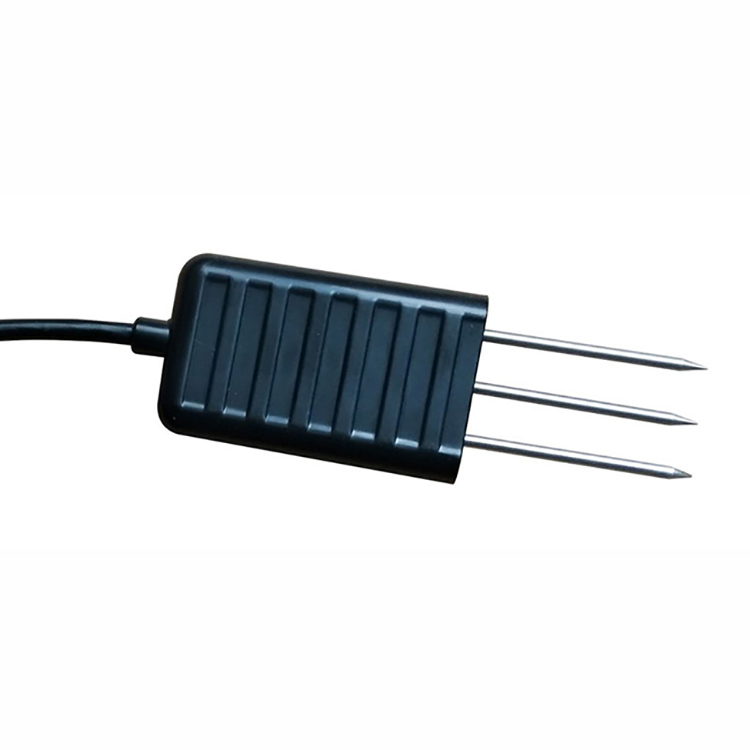
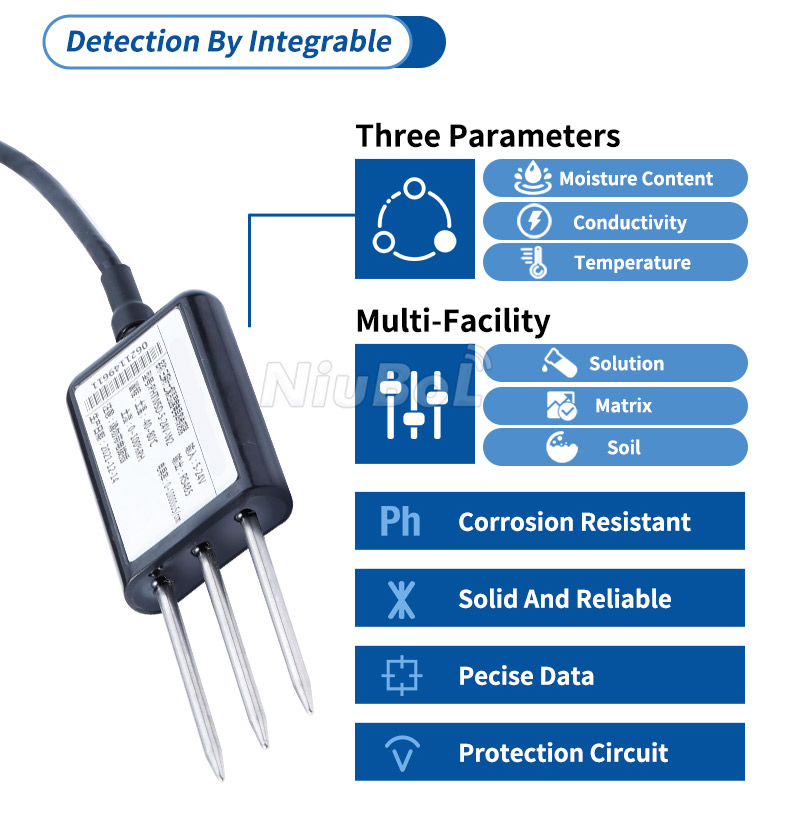
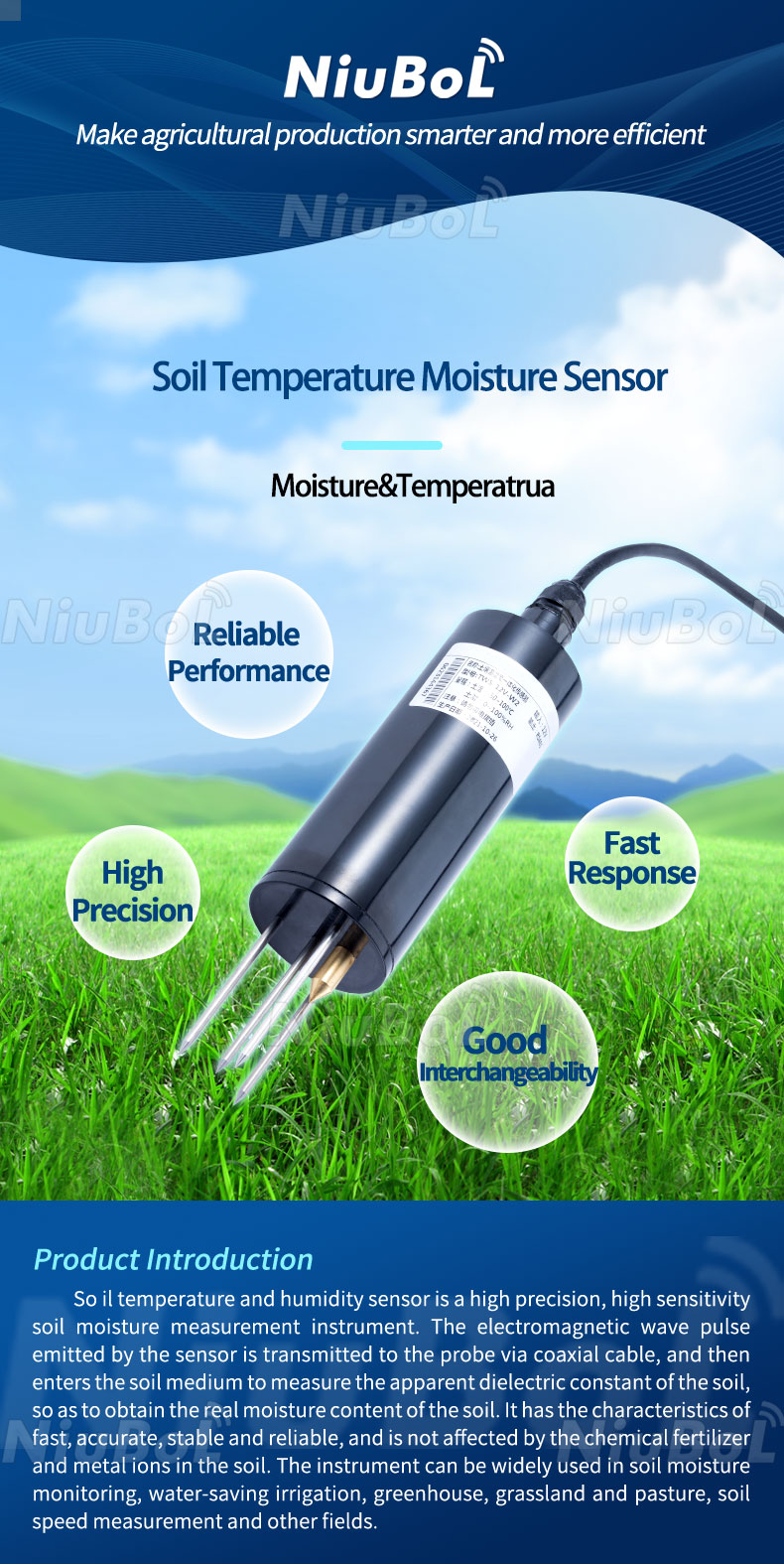
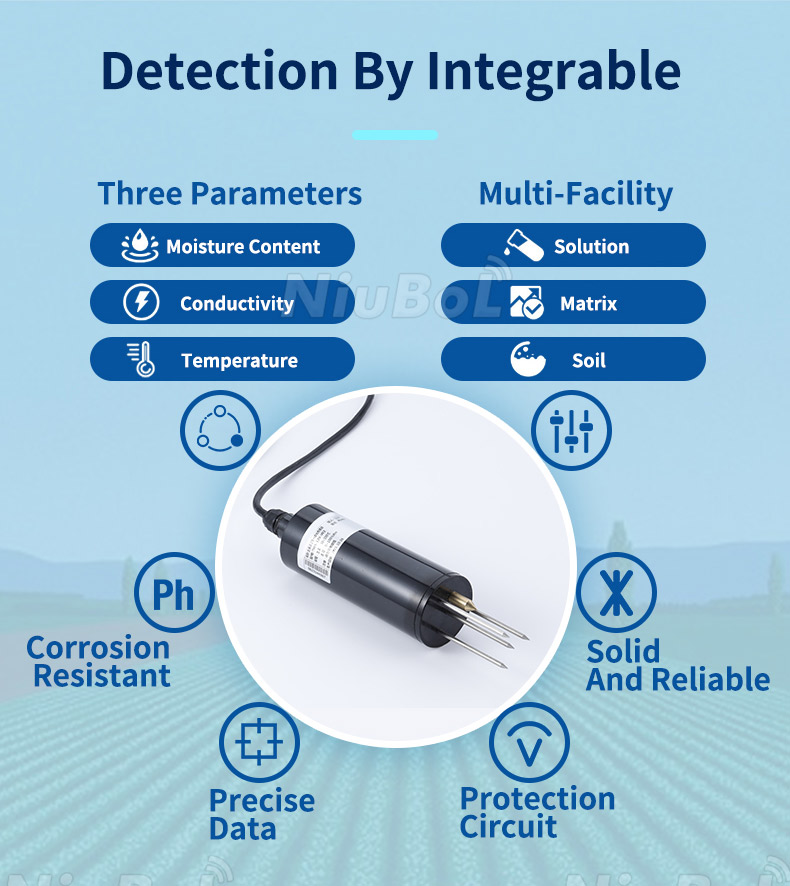
Add soil moisture sensors when irrigation timing is uncertain or water cost is high. Add soil EC when fertilizer concentration control is a key concern. Add weather data when evapotranspiration, rainfall delay or greenhouse ventilation affects irrigation decisions. Do not add sensors only to make the quotation look advanced. Each sensor should change an operation decision.
A: A water fertilizer machine solves the problem of delivering irrigation water and nutrients in controlled timing and quantity. It reduces manual fertilizer work, improves dosing consistency and supports zone management. It does not solve poor pipe design, dirty water or unstable pump pressure by itself.
A: It can save fertilizer when dosing is matched to crop demand, irrigation volume and soil condition. The machine provides control, but savings come from correct fertilizer concentration, zone scheduling, filtration and operation discipline. Buyers should record fertilizer use before and after installation to verify results.
A: Filtration protects drip emitters, injectors, valves and pipes. Poor filtration causes blockage, uneven irrigation and inaccurate fertilizer delivery. For pond, canal or recycled water, filter selection and cleaning frequency should be discussed before controller functions because dirty water can make any fertigation unit perform poorly.
A: Choose fixed equipment for permanent greenhouses, orchards or irrigation districts with stable pipe networks. Choose mobile equipment when several plots share one machine or when seasonal use is more important than full automation. The decision should follow field layout, labor plan and maintenance capacity.
A: Yes, if the fertilizer is fully compatible with the injector, water quality, crop program and filtration system. Insoluble fertilizer or poorly dissolved material should not enter drip lines. Buyers should confirm fertilizer type, concentration range and cleaning procedure before ordering.
A: Useful data includes soil moisture, soil EC, irrigation flow, valve status, weather data and fertilizer tank status. Do not add every sensor by default. Add data only when it will change irrigation timing, fertilizer concentration, zone operation or alarm decisions.
A: Common causes include leaking pipes, blocked filters, pump cavitation, unstable pressure, wrong fertilizer concentration, incorrect valve sequence and no maintenance routine. During commissioning, test each irrigation zone separately and record flow, pressure, injection behavior and filter condition.
A: Include crop, area, water source, pipe layout, number of zones, fertilizer type, power supply, automation level, sensor requirement, platform need and destination country. Photos of the pump room, filters and main pipe help the supplier judge whether a complete system or only a machine head is required.
A water fertilizer machine should be selected as part of the irrigation system. Pump, filter, injector, valves, controller and maintenance routine decide whether the purchase saves labor and fertilizer in real operation.
If you are not sure which configuration fits your water fertilizer machine project, send the site type, required parameters, communication method, power condition, installation country and expected quantity. NiuBoL can help match a practical configuration instead of only quoting a sensor list.
Prev:Solar Smart Agricultural Weather Station Buying Guide for Remote Farms
Next:How Water-Fertilizer Integration Saves Water and Fertilizer in Modern Agriculture
Related recommendations
Sensors & Weather Stations Catalog
 Agriculture Sensors and Weather Stations Catalog-NiuBoL.pdf
Weather Stations Catalog-NiuBoL.pdf
Agriculture Sensors Catalog-NiuBoL.pdf
Water Quality Sensor Catalog-NiuBoL.pdf
Related products
 Combined air temperature and relative humidity sensor TDR Soil Moisture & Temperature Sensor for irrigation| RS485 |4-20mA| NBL-S-THR
 Soil pH sensor RS485 soil Testing instrument soil ph meter for agriculture |NBL-S-PH
 Wind Speed sensor Output Modbus/RS485/Analog/0-5V/4-20mA
 Tipping bucket rain gauge for weather monitoring auto rainfall sensor RS485/Outdoor/stainless steel
 Pyranometer Solar Radiation Sensor 4-20mA/RS485

Screenshot, WhatsApp to identify the QR code
WhatsApp number:+8615367865107
(Click on WhatsApp to copy and add friends)

