





— Blogs —
—Products—
 Consumer hotline +8618073152920
 WhatsApp:+8615367865107
Address:Room 102, District D, Houhu Industrial Park, Yuelu District, Changsha City, Hunan Province, China
Product knowledge
Time:2026-07-10 16:52:25 Popularity:226
A solar smart agricultural weather station is worth buying when the farm needs continuous field data but cannot rely on stable mains power. The real purchasing question is not whether solar power is environmentally friendly. The question is whether the station can keep sensors, data logger and communication equipment working through cloudy days, seasonal crop cycles and remote maintenance intervals.
For farms, irrigation districts and agricultural IoT projects, a useful station should monitor the variables that affect daily decisions: wind speed, wind direction, air temperature, humidity, air pressure, rainfall, light and optional soil data. Solar supply, battery reserve and communication design decide whether the station is a field instrument or only a demonstration device.
A useful procurement page gives a direct answer, names the product category, states measurable parameters and explains selection boundaries. For this topic, the practical answer is clear: choose a solar agricultural weather station when the site is remote, the data must be continuous, and the buyer can define sensor, power and communication requirements before ordering.
The station is the field data layer. Sensors collect local weather; the data logger converts readings into time-stamped records; the solar power unit keeps the station independent; RS485 or other interfaces connect sensors to the logger; 4G or Ethernet sends data to a platform. The platform then supports irrigation planning, frost alerts, crop disease risk assessment and farm management reports.
| Module | Practical Role | Buyer Check |
|---|---|---|
| Weather sensors | Measure wind, temperature, humidity, pressure, rainfall and light | Match parameters to crop decisions, not to a long catalog list |
| Solar panel and battery | Provide field power where mains supply is unavailable | Confirm battery autonomy and local sunshine conditions |
| Data logger | Stores and timestamps field measurements | Check storage, export and alarm functions |
| Communication | Uploads data to the farm or cloud platform | Choose 4G, Ethernet or local storage according to signal |
| Mounting pole | Keeps sensors at stable exposure height | Confirm wind load, grounding and service access |
| Item | Typical Industrial Requirement | Why It Matters |
|---|---|---|
| Power supply | Solar panel with rechargeable battery; DC sensor bus | Supports remote deployment without trenching power cables |
| Signal output | RS485 / Modbus RTU for sensor integration | Allows connection to data loggers, gateways and PLC-type systems |
| Operating temperature | -40 to 80 C for integrated weather sensors | Prevents data loss in hot field shelters or winter farms |
| Protection class | IP65 or higher outdoor enclosure | Reduces rain, dust and insect damage |
| Wind speed range | 0 to 40 m/s or higher depending on model | Useful for storm, spray drift and greenhouse ventilation decisions |
| Cable and connector | Outdoor cable, sealed connector, labeled wiring | Improves installation reliability and future maintenance |
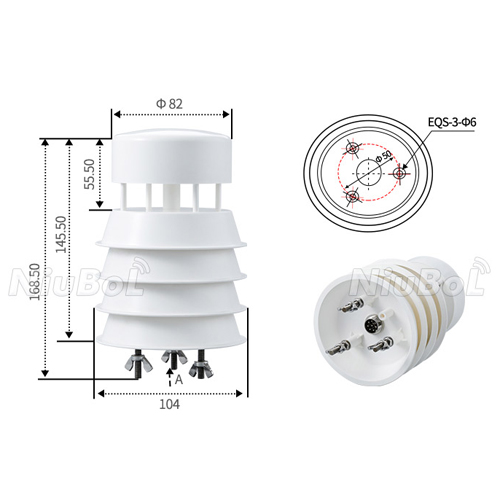
It is suitable for open-field farms, irrigation districts, greenhouse parks, seed bases, orchards, livestock farms and research plots where local weather affects decisions. It is not the right first purchase if the buyer only needs one manual reading per month, has no data-use plan, or cannot assign anyone to maintain the solar panel, battery and sensor exposure.
For a solar agricultural weather station, price is usually driven by five things: sensor set, pole and enclosure, solar panel and battery capacity, communication method, and platform functions. A buyer who only compares sensor price may miss the cost of reliable field operation. In remote farms, the cost of one failed visit can be higher than the price difference between two battery options.
The practical configuration logic is simple. If the station only supports weather records, choose a compact weather sensor, stable data logger and basic platform. If it will support irrigation decisions, add rainfall and soil moisture. If it will support greenhouse management, add light, CO2 or greenhouse-specific sensors. If the site is remote, prioritize battery reserve and communication reliability before adding optional parameters.
A strong RFQ does not need to be long. It should state: two stations for a 60-hectare orchard, parameters including wind speed, wind direction, air temperature, humidity, rainfall and solar radiation, solar power required, 4G data upload, platform access for three users, English interface, and delivery to the destination country. With this information, the supplier can quote a complete field system rather than guessing from a product name.
The sensor list should start from the decision the farm wants to improve. If irrigation timing is the main issue, rainfall, air temperature, humidity, wind and soil moisture should come before rarely used display parameters. If frost warning is the reason for purchase, the buyer should focus on low-temperature reliability, station exposure, alarm logic and whether the platform can notify staff before the danger period. If spraying is the decision, wind speed and wind direction become more important than a decorative dashboard.
A station that measures many parameters but does not change a field decision is easy to abandon after installation. This is why the quotation should connect each parameter to one management use. For example, wind direction supports spray drift control, rainfall supports irrigation delay, air humidity supports disease-risk observation, and solar radiation supports greenhouse shading or crop-growth records.
| Acceptance Item | How to Check | Why It Matters |
|---|---|---|
| Power autonomy | Confirm battery voltage after one night of operation | Shows whether the solar design supports continuous monitoring |
| Sensor response | Compare live readings with local reference or handheld meter | Finds wiring or sensor configuration errors early |
| Platform upload | Check live data, history data and export function | Confirms the station is useful beyond local display |
| Alarm rule | Set a test threshold and verify notification | Prevents silent failure during frost, wind or rainfall events |
| Installation exposure | Check distance from trees, walls, vents and machinery | Improves representativeness of weather readings |
Ask whether the supplier can provide wiring diagrams, Modbus register tables, platform account setup, sensor replacement guidance and spare cable or connector options. For overseas projects, these details reduce downtime more than broad warranty language. A local installer can replace a sensor quickly if the connector, register address and mounting method are documented.
For buyers planning more than one station, the first unit should be treated as a pilot. Use it to confirm battery reserve, platform reports, alarm behavior and local maintenance workload. After one season, the second purchase can be standardized with fewer surprises.
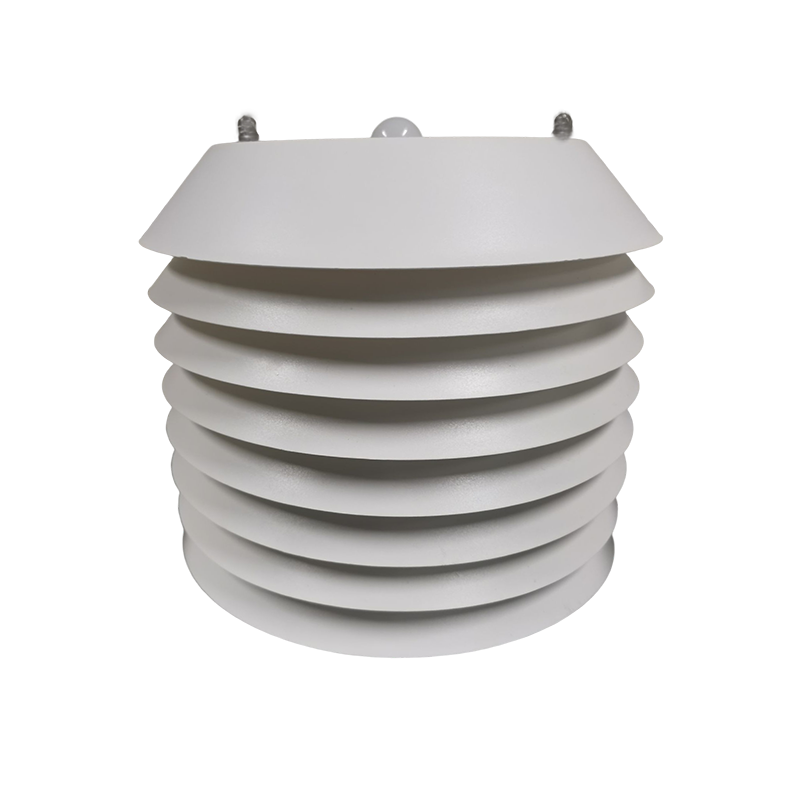
A: Choose a solar smart agricultural weather station when the monitoring point is far from mains power and the data must run continuously. It is most useful for irrigation scheduling, frost warning, spray planning, greenhouse support and remote farm management. If the site has stable power and only needs occasional manual readings, a simpler station may be enough.
A: Yes. The battery is not optional in a serious field station because sensors, logger and communication modules still need power at night and during cloudy weather. Battery capacity should be calculated from sensor load, upload frequency, local sunshine, required backup days and winter conditions.
A: RS485 Modbus is recommended when the station must connect with a data logger, gateway, irrigation controller or third-party platform. It gives system integrators a predictable wiring and protocol method. For a stand-alone display-only station it may not be essential, but it improves future expansion.
A: Start with the parameters that change farm decisions: wind speed, wind direction, air temperature, humidity, rainfall and solar radiation. Soil moisture should be added when irrigation control is part of the project. Extra parameters should be selected only when someone will use the data.
A: Yes, if the platform can receive data from the station through a gateway, data logger, API or agreed protocol. Before ordering, confirm data format, upload interval, alarm method and whether rainfall or soil moisture will be used to delay or adjust irrigation schedules.
A: Price is mainly affected by sensor count, solar panel size, battery reserve, pole height, enclosure, communication method, platform functions and installation accessories. A cheaper station may cost more later if the battery is undersized, the pole is weak, or data cannot be exported.
A: Check site exposure, foundation, grounding, lightning protection, communication signal, maintenance access and distance from trees, buildings or exhaust fans. A weather station installed in a sheltered or disturbed location may produce stable data, but the data will not represent the field.
A: Send crop type, country, monitoring purpose, required parameters, number of stations, power condition, communication method, platform requirement, mounting height and whether the station must connect to irrigation or alarm systems. These details allow NiuBoL to quote a complete configuration instead of a partial sensor list.
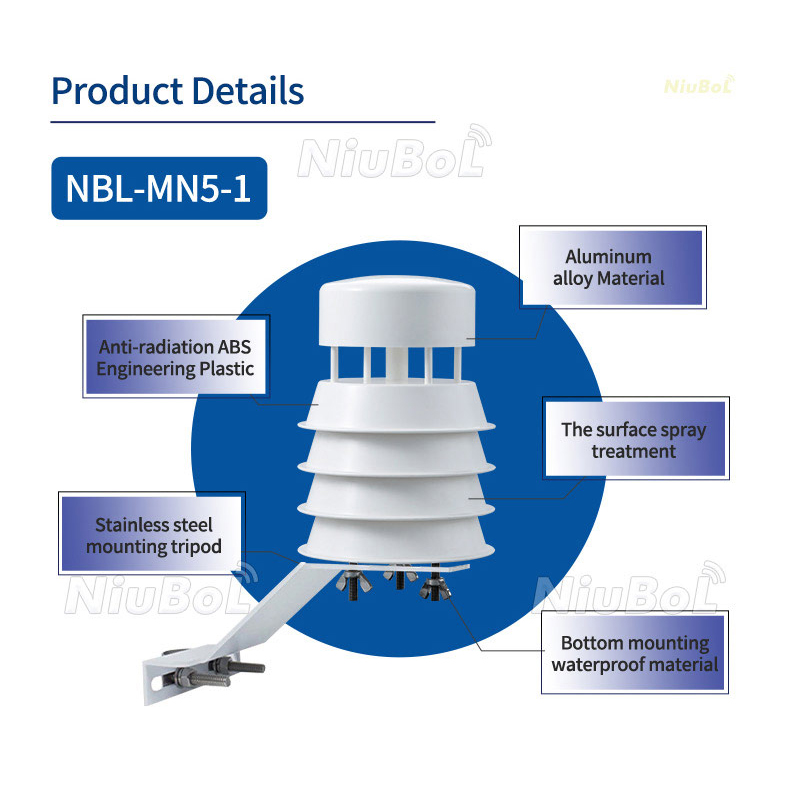
A solar smart agricultural weather station should be selected as an operational data system, not only as a weather instrument. The most valuable configuration is the one that keeps working in the field, supports the buyer's actual farm decisions and leaves room for future sensor expansion.
If you are not sure which configuration fits your solar agricultural weather station project, send the site type, required parameters, communication method, power condition, installation country and expected quantity. NiuBoL can help match a practical configuration instead of only quoting a sensor list.
Prev:Portable Weather Station for Disaster Response: Deployment, Parameters, and Procurement Guide
Next:Water Fertilizer Machine Selection Guide for Smart Irrigation Projects
Related recommendations
Sensors & Weather Stations Catalog
 Agriculture Sensors and Weather Stations Catalog-NiuBoL.pdf
Weather Stations Catalog-NiuBoL.pdf
Agriculture Sensors Catalog-NiuBoL.pdf
Water Quality Sensor Catalog-NiuBoL.pdf
Related products
 Combined air temperature and relative humidity sensor
 TDR Soil Moisture & Temperature Sensor for irrigation| RS485 |4-20mA| NBL-S-THR
 Soil pH sensor RS485 soil Testing instrument soil ph meter for agriculture |NBL-S-PH
 Wind Speed sensor Output Modbus/RS485/Analog/0-5V/4-20mA
 Tipping bucket rain gauge for weather monitoring auto rainfall sensor RS485/Outdoor/stainless steel
 Pyranometer Solar Radiation Sensor 4-20mA/RS485

Screenshot, WhatsApp to identify the QR code
WhatsApp number:+8615367865107
(Click on WhatsApp to copy and add friends)

