





— Blogs —
—Products—
 Consumer hotline +8618073152920
 WhatsApp:+8615367865107
Address:Room 102, District D, Houhu Industrial Park, Yuelu District, Changsha City, Hunan Province, China
Product knowledge
Time:2026-07-16 10:08:11 Popularity:25
A scenic area weather station should be installed for reliable environmental data, not only for display. Site openness, interference avoidance, sensor handling and maintenance determine whether the data can support tourism operations and visitor information.
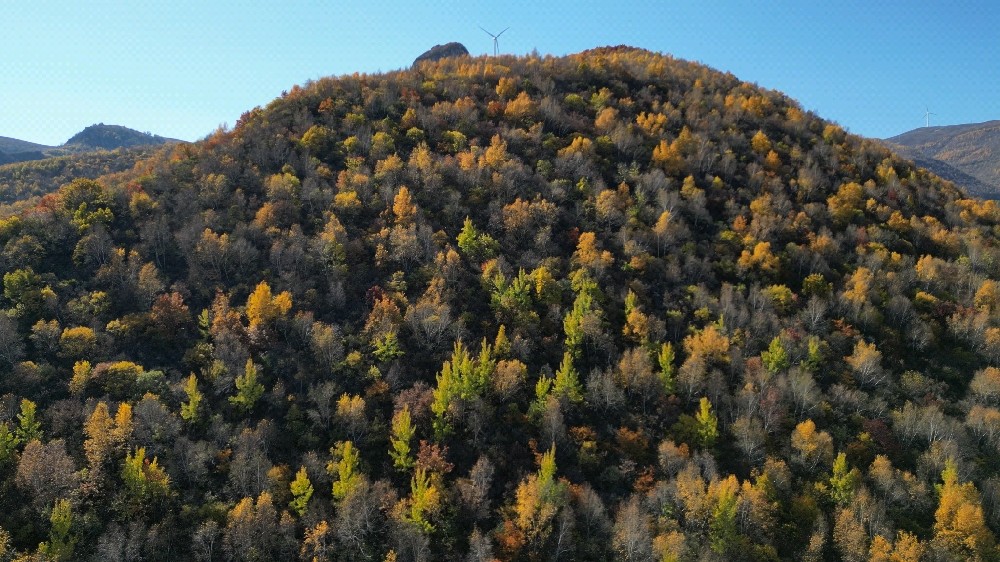
Scenic-area weather equipment is increasingly used as tourism projects expand their environmental information services. Accuracy is important because scenic areas may display weather, air-quality and comfort data to visitors while also using records for internal management.
Scenic stations often monitor temperature, humidity, wind speed, wind direction, rainfall and negative oxygen ions. Some projects add PM2.5, PM10, illumination or public LED displays. The installation method strongly affects these values.
In a scenic area weather station project, sensors are only the field layer. A complete system includes data acquisition, power supply, communication, platform software, alarm rules and maintenance responsibility. This matters because many failed projects have correct sensors but weak data handling, poor installation or no response workflow.
| Installation Factor | Recommended Check | Impact on Data |
|---|---|---|
| Open surroundings | Avoid high buildings, dense walls and blocked valleys where possible | Improves wind speed and direction representativeness |
| Interference avoidance | Keep away from transformers, high-voltage poles and strong radiation areas | Reduces sensor and communication disturbance |
| Measured elements | Temperature, humidity, wind, rainfall, negative oxygen ions and optional PM data | Supports visitor information and environmental management |
| Mounting quality | Use professional installation and avoid rough handling | Protects precision sensors and reduces early failure |
| Public display | Use LED or platform display only after data quality is stable | Prevents misleading visitor-facing information |
For sensor-layer integration, RS485 with Modbus RTU is usually the practical interface because it gives system integrators a defined address, register and polling structure. The station host or gateway can then upload data through 4G, Ethernet or another configured method. Before ordering, buyers should confirm baud rate, device address, register map, engineering units, cable length and whether the platform can store historical records.
For projects that include control actions, such as greenhouse irrigation or construction site spray linkage, the buyer should define alarm thresholds, delay time, manual override and failure behavior. A control output is useful only when the operating rule is clear.
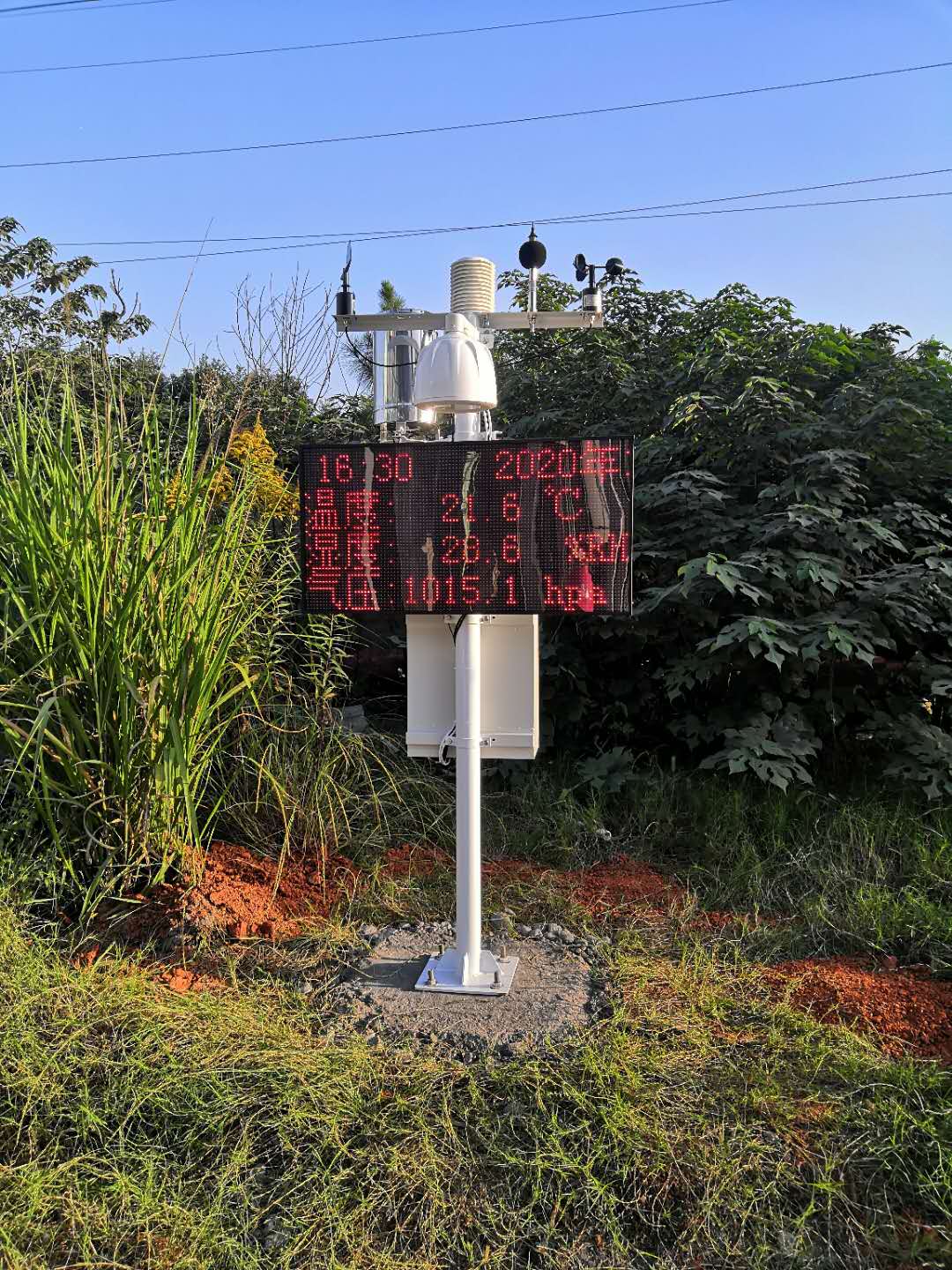
The station should be installed in an open area where high buildings do not block airflow. Wind speed and wind direction are especially sensitive to obstruction. If a station is placed beside a wall, dense trees or a visitor building, the values may describe the obstruction rather than the scenic area.
Because weather sensors are precise devices, the station should avoid strong magnetic fields and strong radiation areas such as transformer poles. Installation should be guided by trained personnel, and the equipment should be handled carefully. Rough handling, dirty housings and poor cable protection can create early failures.
| Data Type | Visitor-Facing Value | Management Value |
|---|---|---|
| Temperature and humidity | Comfort information for visitors | Heat stress and service planning |
| Wind and rainfall | Route or outdoor activity reference | Safety, drainage and operation scheduling |
| Negative oxygen ions | Ecological air-quality display | Comparison of forest, wetland and water areas |
| PM2.5 and PM10 | Air clarity and environment information | Dust or traffic influence review |
| Platform records | Transparent information release | Historical trend and maintenance management |
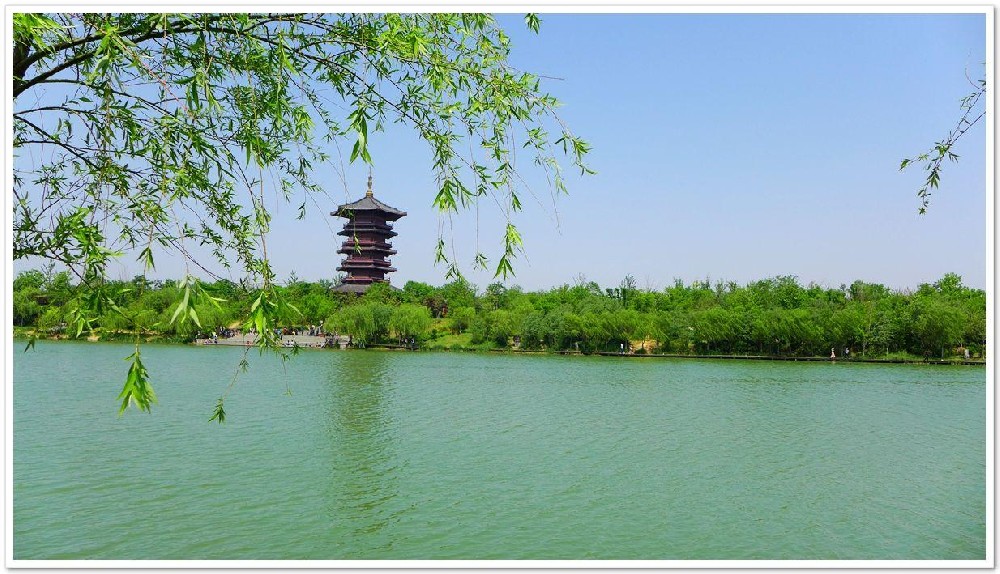
A scenic area weather station often serves two audiences at once. Visitors want understandable information such as temperature, rainfall, wind and ecological air-quality indicators. Managers need stable records for safety, environmental display, maintenance and seasonal operation planning. The station location should therefore be representative enough for data quality and accessible enough for maintenance, but not placed where visitors can easily touch or damage sensors.
Large scenic areas may include entrances, forest trails, lakes, valleys and hilltops. One station cannot describe all of those microclimates. A main entrance station may be useful for public display, while a forest or mountain station may be more valuable for ecological monitoring. Buyers should define the data purpose before deciding how many stations are needed.
| Project Goal | Recommended Parameters | Reason |
|---|---|---|
| Visitor information | Temperature, humidity, wind, rainfall and display screen | Gives practical travel reference |
| Ecological display | Negative oxygen ions, PM2.5, PM10 and weather data | Connects air-quality information with environment conditions |
| Safety management | Rainfall, wind, temperature and alarms | Supports closure, warning and maintenance decisions |
| Research or long-term records | Full weather set, data export and stable power | Supports trend comparison over seasons |
| Multi-zone scenic area | Several stations with platform map display | Shows differences between entrance, forest and water areas |
During procurement, scenic projects should also check cabinet appearance, screen readability, lightning protection, cable routing and maintenance access. A public-facing station must look orderly, but appearance should not override exposure requirements. Beautiful installation in a blocked corner still produces poor data.
Field challenge: Trees, valleys and visitor routes create different microclimates.
System scheme: Install stations at representative trails, entrances and viewing areas.
User value: Managers can compare comfort and air-quality data by location.
Field challenge: Humidity, rainfall and negative oxygen ion data vary strongly by point.
System scheme: Combine weather, negative oxygen ion and PM monitoring with public display.
User value: Visitors see measurable environmental information and managers get trend records.
Field challenge: Wind, rain and visibility conditions affect safety and operating decisions.
System scheme: Use wind, rainfall and temperature monitoring with remote upload.
User value: Operators can support route management and weather-warning decisions.
A scenic area weather station is suitable for parks, tourism zones, forest trails, wetlands and ecological demonstration areas that need visitor-facing information and internal environmental records. It is not suitable as a decoration if the site has no plan for data display, maintenance or visitor communication.
For large scenic areas, one station at the entrance cannot represent mountain tops, forest valleys and waterside points. Buyers should decide whether the project needs one public display station or several monitoring points connected to a central platform.
Before quotation, buyers should provide application site, required parameters, number of monitoring points, power condition, communication method, platform requirement, installation photos, destination country and expected maintenance owner. Price is affected by sensor set, pole or bracket, power system, communication module, display, platform functions, cable length, camera, packaging and customization. For export projects, packaging, labels, manual language and spare-parts plan should also be confirmed.
Acceptance should include live values, platform upload, historical query, alarm threshold test, report export, image display if included, installation photos and one complete handover document. The document should record sensor model, station name, wiring, power supply, communication settings and maintenance schedule. This reduces future support cost for distributors and contractors.
Scenic area projects should consider how the equipment will look, how visitors will interpret the data and how maintenance teams will access the site. A station placed near a visitor route may need a clean cabinet, protected cables and a display screen. A station placed in a forest or mountain area may need stronger power planning, weatherproof installation and easier remote data access.
Negative oxygen ion monitoring, PM2.5, PM10 and weather data are often used together in scenic environmental displays. Buyers should make sure the article, screen or platform explains the meaning of the data without overstating it. If the station is also used for internal safety decisions, rainfall, wind and temperature alarms should be configured separately from visitor-facing display content.
During quotation, provide the scenic area map, preferred installation points, display requirements, power condition, network condition, parameter list and expected maintenance access. The supplier can then recommend whether one integrated station is enough or whether several points should be connected to one platform.
For scenic-area projects, provide a map, visitor routes, proposed display points, ecological monitoring goals, power and network conditions, and whether the station data will be public-facing. This helps balance representativeness, appearance, safety and maintainability before equipment is selected.
Ask for the final sensor list, wiring notes, platform scope, packing list and acceptance checklist before ordering. These documents reduce commissioning delays and make later maintenance easier for the buyer and the local service team.
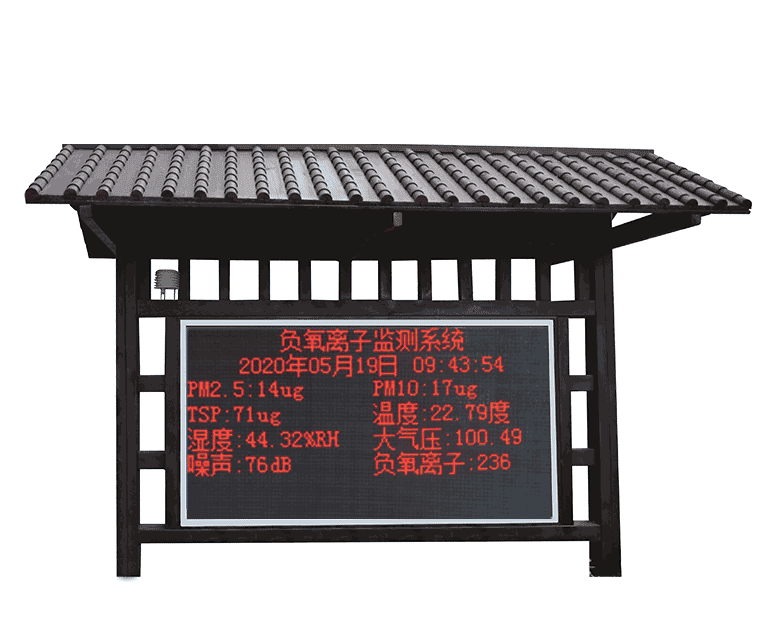
A: A scenic area weather station should be installed in an open, representative and maintainable location. It should avoid high buildings, dense trees, strong magnetic fields, strong radiation sources and places where visitors can touch sensors. The location should match whether the data is for public display, safety management or ecological monitoring.
A: Open exposure is important because wind, rainfall, temperature and humidity can be distorted by buildings, trees, walls and terrain. A blocked station may show stable numbers but not represent the scenic area. Visitor-facing data should be attractive, but it must first be physically credible.
A: One station is not enough when the scenic area includes entrances, forests, lakes, valleys, mountain sections or large elevation differences. These zones can have different microclimates. In that case, multiple stations connected to one platform give managers and visitors more meaningful environmental information.
A: Temperature, humidity, wind speed, wind direction and rainfall are useful for visitor comfort and safety. Negative oxygen ions, PM2.5 and PM10 can support ecological or air-quality display. Illumination, pressure or noise can be added when the scenic area has specific management or research needs.
A: Avoid installing near transformer poles, strong radiation sources, blocked airflow, unstable foundations, visitor collision areas and locations selected only for appearance. A neat installation is important, but a beautiful station in the wrong place will produce unreliable data.
A: Yes, but visitor-facing data should come from well-installed and maintained equipment. The display should show understandable values and avoid over-interpreting the data. Managers should keep platform records separately for maintenance, safety decisions and seasonal environmental review.
A: Price depends on parameter list, negative oxygen ion monitoring, display screen, platform, station quantity, power supply, communication method, pole height, cabinet appearance, installation difficulty and maintenance support. Multi-point scenic projects should be quoted as a system, not as one device.
A: Acceptance should check live values, upload status, display content, station name, map position, power status, historical curves, alarm settings, installation photos and sensor exposure. The buyer should also confirm who maintains the station and how public-display data will be reviewed.
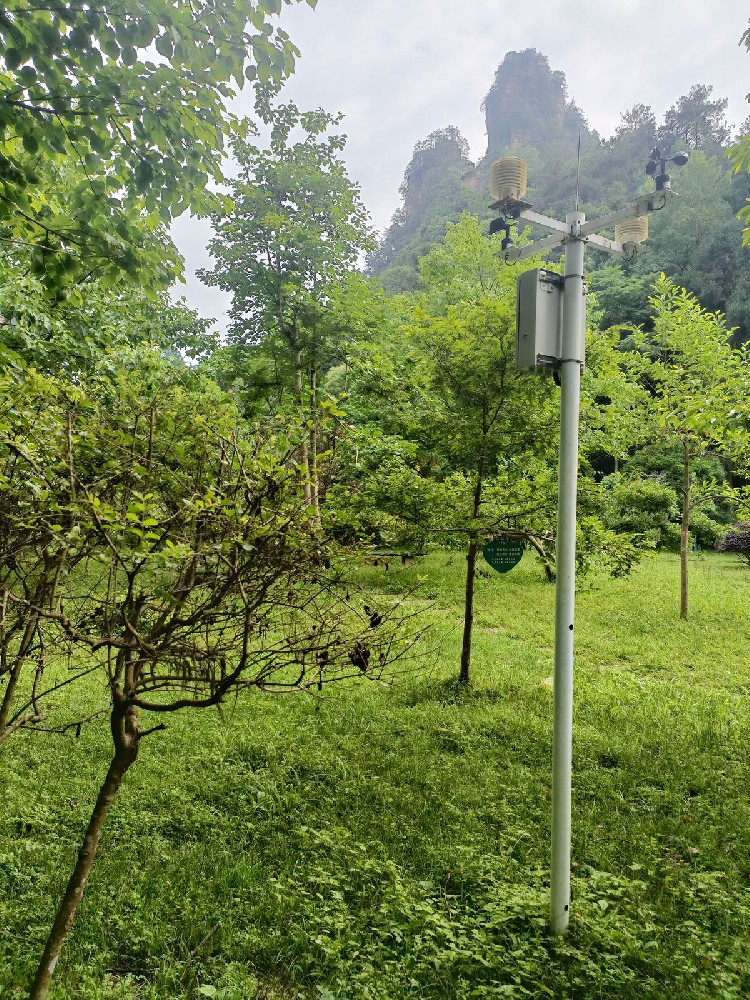
Scenic area weather station installation should focus on representative data, visitor communication and maintainable operation. A station installed in the wrong location can create attractive but unreliable numbers. Buyers should define whether the project is for public display, safety management, ecological monitoring or all three before selecting sensors and station locations.
Related recommendations
Sensors & Weather Stations Catalog
 Agriculture Sensors and Weather Stations Catalog-NiuBoL.pdf
Weather Stations Catalog-NiuBoL.pdf
Agriculture Sensors Catalog-NiuBoL.pdf
Water Quality Sensor Catalog-NiuBoL.pdf
Related products
 Combined air temperature and relative humidity sensor
 Soil Moisture Temperature sensor for irrigation|NBL-S-THR
 Soil pH sensor RS485 soil Testing instrument soil ph meter for agriculture |NBL-S-PH
 Wind Speed sensor Output Modbus/RS485/Analog/0-5V/4-20mA
 Tipping bucket rain gauge for weather monitoring auto rainfall sensor RS485/Outdoor/stainless steel
 Pyranometer Solar Radiation Sensor 4-20mA/RS485

Screenshot, WhatsApp to identify the QR code
WhatsApp number:+8615367865107
(Click on WhatsApp to copy and add friends)

