





— Blogs —
—Products—
 Consumer hotline +8618073152920
 WhatsApp:+8615367865107
Address:Room 102, District D, Houhu Industrial Park, Yuelu District, Changsha City, Hunan Province, China
Product knowledge
Time:2026-07-16 10:08:11 Popularity:25
Construction site dust monitoring system functions should be evaluated by how they help managers detect dust, upload data, trigger alarms and control suppression equipment. A system that only shows PM values is weaker than one connected to response rules.
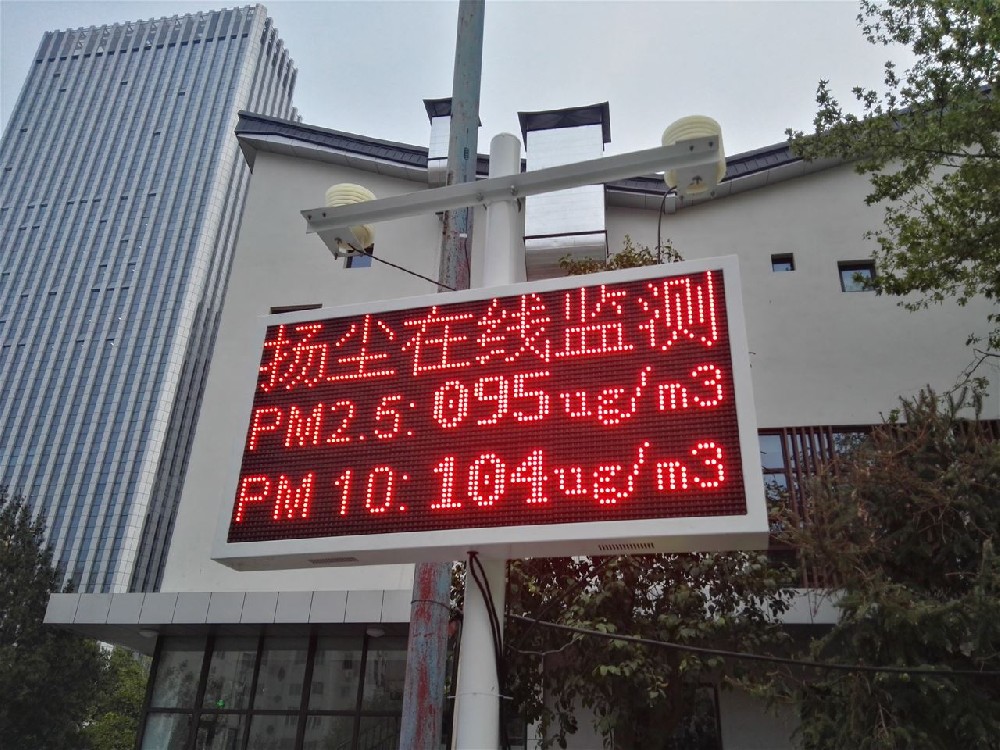
Construction, transport and storage activities generate dust, while traditional dust control is often delayed, labor-intensive and affected by changing wind conditions. Many sites now use dust monitoring equipment to make pollution control more timely and measurable.
Key functions include real-time dust monitoring, cloud upload, remote viewing, spray linkage, flexible control and adjustable thresholds. NiuBoL dust monitoring systems can combine dust, noise, wind, humidity, pressure and optional gas or air-quality indicators in one monitoring workflow.
In a construction site dust monitoring system project, sensors are only the field layer. A complete system includes data acquisition, power supply, communication, platform software, alarm rules and maintenance responsibility. This matters because many failed projects have correct sensors but weak data handling, poor installation or no response workflow.
| Item | Common Configuration | Why It Matters |
|---|---|---|
| Measured dust | PM2.5, PM10 and TSP | Shows particulate concentration and supports dust control decisions |
| Weather context | Wind speed, wind direction, temperature, humidity and pressure | Explains source direction and dust dispersion |
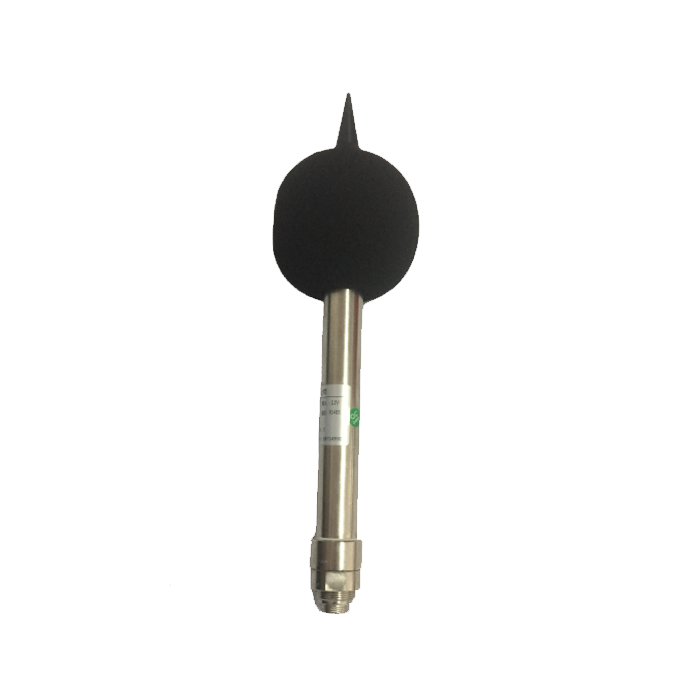
| Noise | RS485 environmental noise sensor | Adds construction disturbance records for supervision |
| Communication | Ethernet, GPRS, 3G, 4G or 5G depending on site network | Supports remote platform access and multi-site management |
| System parts | Monitoring terminal, camera, collector, server, platform and mobile access | Creates a complete smart construction monitoring workflow |
| Linkage | Relay or platform rule for spray/fog cannon control | Changes monitoring from passive display to active dust suppression |
For sensor-layer integration, RS485 with Modbus RTU is usually the practical interface because it gives system integrators a defined address, register and polling structure. The station host or gateway can then upload data through 4G, Ethernet or another configured method. Before ordering, buyers should confirm baud rate, device address, register map, engineering units, cable length and whether the platform can store historical records.
For projects that include control actions, such as greenhouse irrigation or construction site spray linkage, the buyer should define alarm thresholds, delay time, manual override and failure behavior. A control output is useful only when the operating rule is clear.
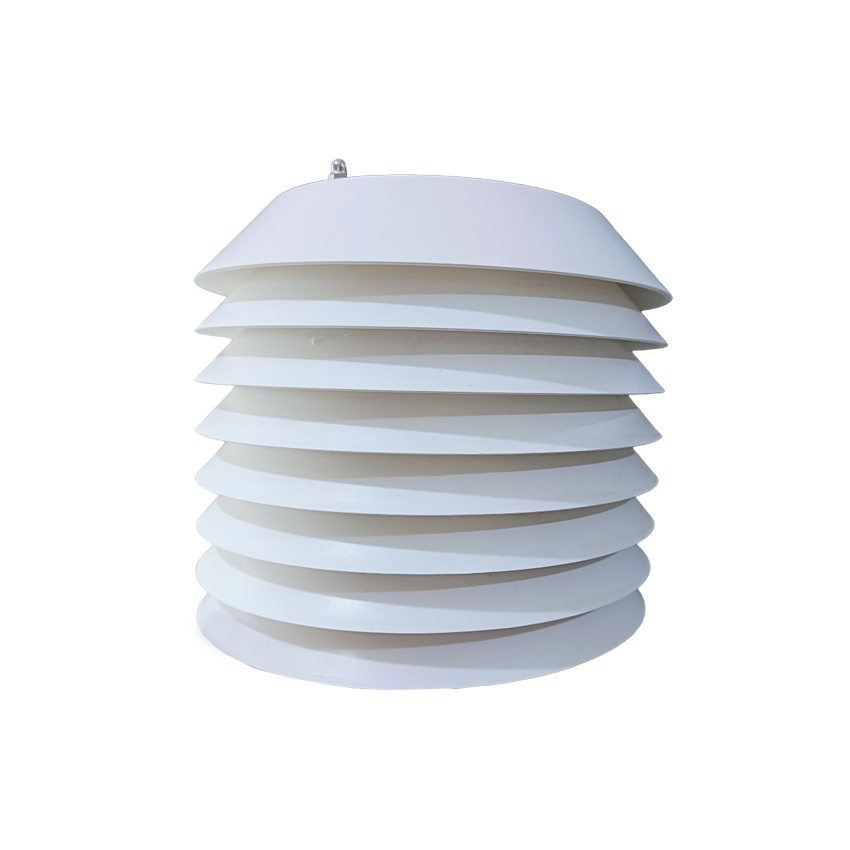
The first function is PM monitoring within the managed area. The second is real-time online display and platform upload. The third is linkage with spray or fog cannon equipment. The fourth is flexible operation, including manual control, remote control and threshold adjustment. The fifth is data traceability for reports and supervision.
For contractors, these functions reduce the gap between detection and action. If PM values rise and the system can start spray equipment according to rules, the site can respond faster than with manual patrol alone. If data is stored, the contractor can review whether dust events were repeated at certain times or locations.
| Function Level | Included Capability | Suitable Buyer |
|---|---|---|
| Basic display | PM monitoring and local display | Small sites needing simple visibility |
| Platform monitoring | PM, weather, noise, upload, charts and alarms | Contractors and city supervision projects |
| Linkage control | Alarm thresholds connected to spray or fog cannon | Sites that need active dust suppression |
| Evidence package | Camera, data export and event records | Projects with complaints or strict acceptance needs |
| Multi-site management | Central platform for several sites | Group contractors and smart city platforms |
Construction site dust monitoring functions should be selected according to the response workflow. Basic projects may only need PM10, PM2.5, temperature, humidity, wind speed, wind direction and a local display. Projects with stricter management requirements often need platform upload, alarm records, video and linkage with fog cannon or spray equipment. The difference is not only hardware quantity; it is whether the data leads to a timely action.
Spray linkage should be designed carefully. If the trigger is too sensitive, the system may waste water and disturb site operations. If the trigger is too loose, the site still reacts late. Wind direction and wind speed should be considered because spraying in strong wind may be inefficient or may affect areas that do not need control. Manual override remains necessary for maintenance and unusual work conditions.
| Function Level | Typical Configuration | Suitable Project |
|---|---|---|
| Basic monitoring | PM2.5, PM10, weather data and display | Small sites needing visibility |
| Platform monitoring | Basic monitoring plus 4G/Ethernet upload and reports | Projects requiring remote supervision |
| Evidence package | Platform plus camera, alarm log and data export | Sites needing event explanation |
| Spray linkage | Monitoring plus controller output to fog cannon or spray | Sites requiring rapid dust suppression |
| Expanded environmental monitoring | Adds noise, TSP, gases or more weather parameters | Industrial parks, yards and complex sites |
The buyer should also confirm who can change thresholds and who receives alarms. If every user can modify rules, records become hard to trust. If only one administrator has access, response may be slow. A practical project defines user permissions, response responsibility and review frequency before commissioning.
Field challenge: Dust and noise affect nearby roads, communities and project inspections.
System scheme: Install PM, noise and weather monitoring with LED display and 4G upload.
User value: The contractor gets continuous evidence and faster response to over-limit events.
Field challenge: Dust peaks occur suddenly when work intensity changes.
System scheme: Use PM10/TSP, wind data and spray linkage rules.
User value: Managers can start suppression based on data instead of waiting for complaints.
Field challenge: Loading and vehicle movement create repeated particulate events.
System scheme: Use monitoring points at entrances, stockpiles and downwind boundary.
User value: The site can compare operations and improve cleaning schedules.
A construction dust monitoring system is suitable when the site needs continuous PM records, public display, platform reporting, complaint response or spray linkage. It is not enough when the buyer expects monitoring alone to solve dust pollution without road cleaning, covering, enclosure, washing and operation rules.
A low-cost system may include only PM values and a small display. A project-level system should include PM2.5, PM10, TSP, noise, weather data, platform upload, alarm records and optional camera or spray linkage. Buyers should compare the complete bill of materials, not only the sensor price.
Before quotation, buyers should provide application site, required parameters, number of monitoring points, power condition, communication method, platform requirement, installation photos, destination country and expected maintenance owner. Price is affected by sensor set, pole or bracket, power system, communication module, display, platform functions, cable length, camera, packaging and customization. For export projects, packaging, labels, manual language and spare-parts plan should also be confirmed.
Acceptance should include live values, platform upload, historical query, alarm threshold test, report export, image display if included, installation photos and one complete handover document. The document should record sensor model, station name, wiring, power supply, communication settings and maintenance schedule. This reduces future support cost for distributors and contractors.
The price of a dust monitoring system is affected by parameter quantity, display size, camera configuration, platform access, communication method, pole and cabinet design, installation work and whether automatic spray linkage is required. Buyers should avoid comparing only the PM sensor price because the management value usually comes from upload, alarm, evidence and response functions.
A common mistake is placing the sensor where spray water directly hits the inlet. That can distort particle readings and shorten device life. Another mistake is setting one alarm threshold for all work stages. Earthwork, road cleaning and material loading may require different response rules. Threshold planning should reflect local requirements and site workflow, with manual override kept available for unusual conditions.
For handover, ask the supplier to demonstrate over-limit alarm delivery, platform history, data export, screen display, camera view if included and spray linkage if configured. This acceptance process is more useful than only checking whether the device is powered on.
For spray-linkage projects, buyers should provide fog cannon or spray equipment type, control interface, power distance, water source, expected trigger rules and manual-control requirements. Without those details, the quotation may include monitoring equipment but miss the actual linkage work.
Ask for the final sensor list, wiring notes, platform scope, packing list and acceptance checklist before ordering. These documents reduce commissioning delays and make later maintenance easier for the buyer and the local service team.
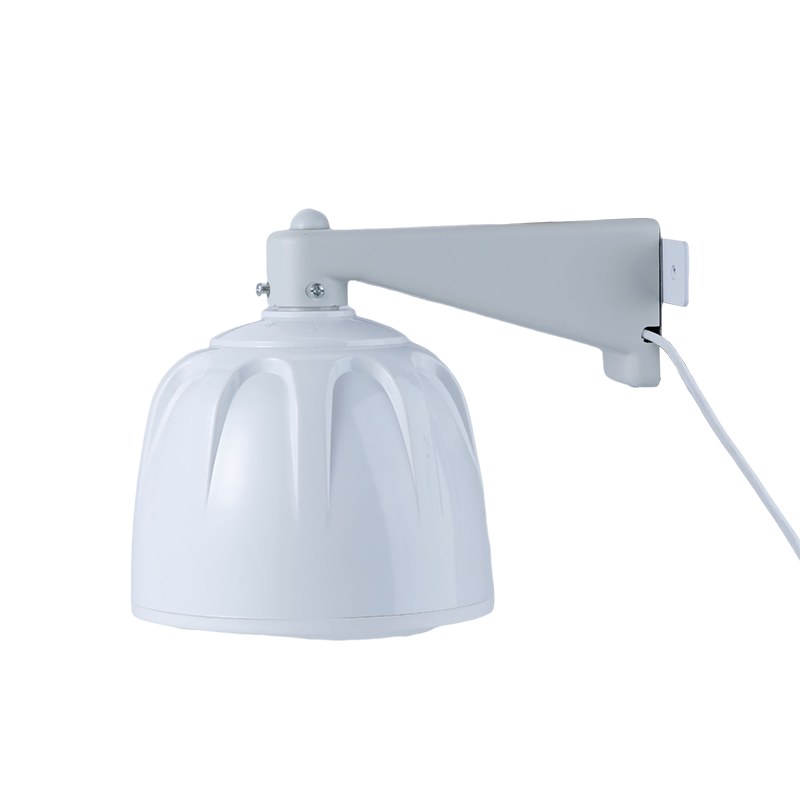
A: A construction site dust monitoring system should measure PM data, display live values, upload records, generate alarms, store history and support response workflows. For stricter projects, camera evidence and spray linkage should be included. The useful function is not only measurement, but timely action based on the measurement.
A: PM10 is often more representative of construction dust because it relates strongly to earthwork, road dust, exposed soil and material handling. PM2.5 is still useful, but PM10 usually reflects site operations more directly. Many projects monitor both to understand different particle-size risks.
A: Spray linkage should be added when the site requires rapid dust suppression and already has reliable fog cannon or spray equipment. The buyer must define threshold, delay, spray duration, schedule and manual override. Without these rules, automatic spraying may waste water or activate at the wrong time.
A: Cloud upload allows managers to supervise several sites remotely, review historical trends, export reports and receive alarms without being on site. It is useful for contractors managing multiple projects or for projects that need centralized environmental records. Local display alone cannot provide the same management evidence.
A: Noise monitoring should be included when the project faces complaints, supervision requirements or nighttime construction limits. Combining dust and noise in one platform reduces separate systems and gives managers a more complete view of site environmental impact. It is optional for simple dust-only projects.
A: Acceptance should test PM2.5, PM10, TSP, noise if included, wind data, upload interval, alarm delivery, report export, device status and spray linkage if configured. A useful test should simulate an over-limit event and confirm who receives the alarm and what action follows.
A: Performance is reduced by poor station location, blocked airflow, sensor exposure to direct spray, weak communication, dirty inlets, thresholds not linked to action and no assigned alarm owner. The system should be installed and managed as part of a dust-control workflow, not as decoration.
A: Buyers should send site layout, dust sources, entrances, desired parameters, display size, camera need, network condition, power supply, fog cannon or spray equipment type, control interface and expected linkage rules. These details determine whether monitoring and control can work together.
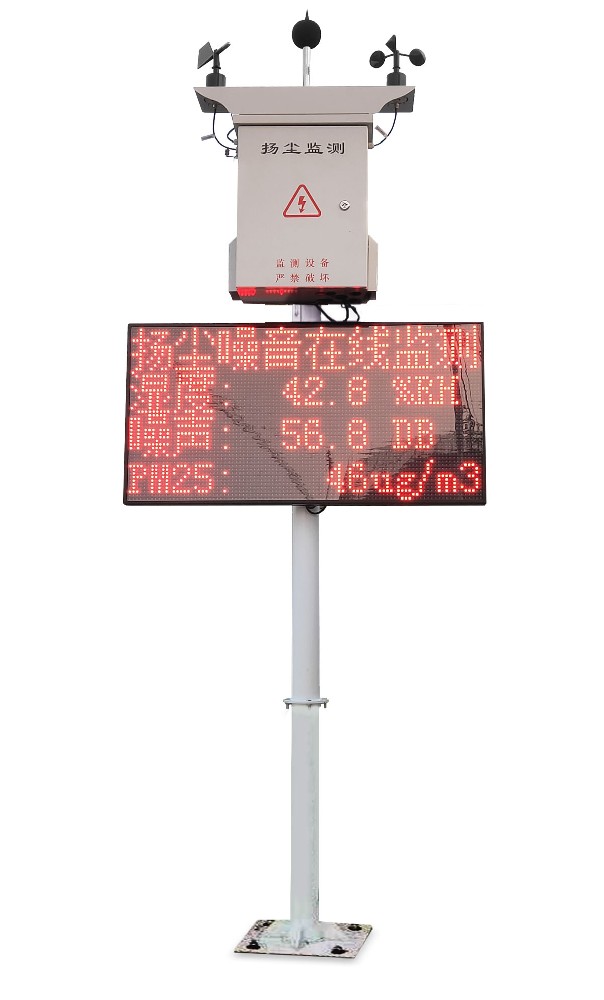
Construction site dust monitoring system functions should be selected according to management goals. Basic monitoring may be enough for small projects, while regulated or high-risk sites need platform upload, alarms, evidence and spray linkage. Buyers should compare functions by the site workflow they support, not only by the number of sensors.
 NBL-W-LBTH-Atmosphere-temperature-humidity-and-pressure-sensor-instruction-manual-V4.0.pdf
NBL-W-PM25-PM10-Integrated-sensors-Manual.pdf
NBL-W-NS Noise-Sensor-Instruction-Manual.pdf
Prev:Construction Site Dust Pollution Monitoring System: Role, Architecture and Buyer Checks
Next:Scenic Area Weather Station Installation Guide for Reliable Tourism Environmental Data
Related recommendations
Sensors & Weather Stations Catalog
Agriculture Sensors and Weather Stations Catalog-NiuBoL.pdf
Weather Stations Catalog-NiuBoL.pdf
Agriculture Sensors Catalog-NiuBoL.pdf
Water Quality Sensor Catalog-NiuBoL.pdf
Related products
 Combined air temperature and relative humidity sensor
 Soil Moisture Temperature sensor for irrigation|NBL-S-THR
 Soil pH sensor RS485 soil Testing instrument soil ph meter for agriculture |NBL-S-PH
 Wind Speed sensor Output Modbus/RS485/Analog/0-5V/4-20mA
 Tipping bucket rain gauge for weather monitoring auto rainfall sensor RS485/Outdoor/stainless steel
 Pyranometer Solar Radiation Sensor 4-20mA/RS485

Screenshot, WhatsApp to identify the QR code
WhatsApp number:+8615367865107
(Click on WhatsApp to copy and add friends)

