

— Blogs —
—Products—
 Consumer hotline +8618073152920
WhatsApp:+8615367865107
Address:Room 102, District D, Houhu Industrial Park, Yuelu District, Changsha City, Hunan Province, China
Product knowledge
Time:2022-07-16 10:39:19 Popularity:7793
How much does an automatic weather station cost? The price depends on the required meteorological parameters, sensor performance, data logging equipment, communication method, power supply, mounting structure and installation scope. A sensor-only quotation can be substantially different from the cost of a complete outdoor weather monitoring station.
Automatic weather stations are used in agriculture, meteorology, environmental monitoring, research, education and industrial facilities. Although these systems may share common measurement parameters, their equipment configurations and project costs can differ considerably.
This guide explains the main factors affecting automatic weather station cost, the equipment commonly included in a quotation, and how to compare agricultural, campus and industrial weather monitoring systems.
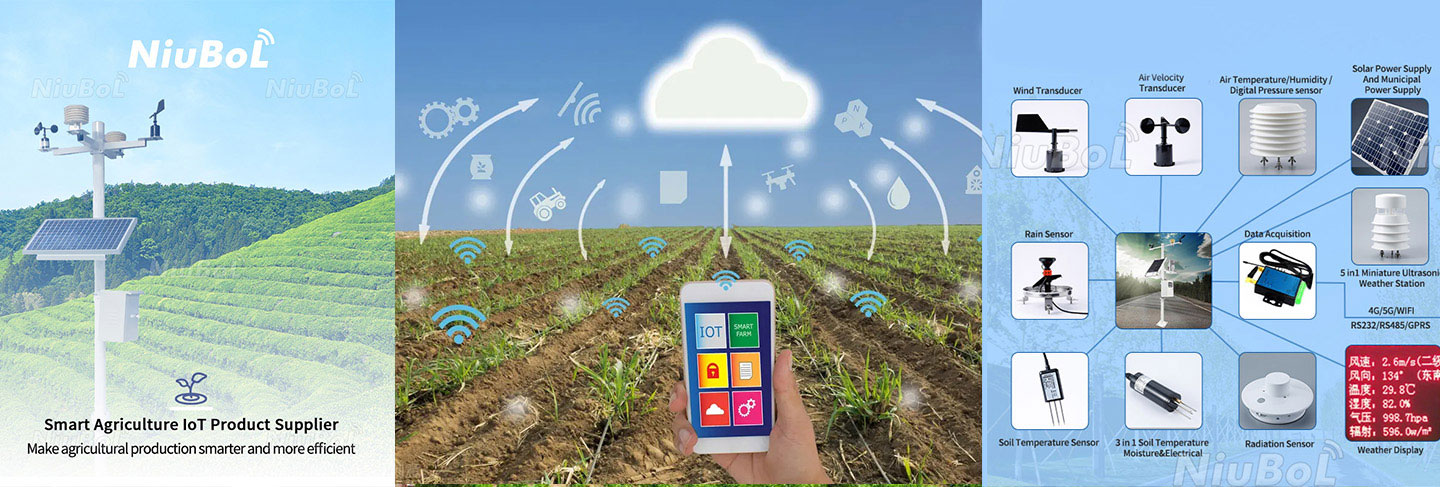
There is no single fixed price for every automatic weather station. A basic system measuring several weather parameters may need only a compact sensor and local data acquisition equipment. A complete professional installation may require multiple individual sensors, a weatherproof cabinet, a mounting mast, solar power, a battery, cellular communication and a remote monitoring platform.
The total price should therefore be evaluated against a defined equipment list rather than the term "automatic weather station" alone.
For a reliable quotation, the supplier should identify whether the offer includes only the measurement instruments or a complete weather monitoring package.
| Package Type | Typical Scope | Main Cost Consideration |
|---|---|---|
| Sensor-Only Package | Selected weather sensors and specified accessories | Measurement parameters and sensor specifications |
| Basic Monitoring Station | Weather sensors, local data acquisition and mounting equipment | Data collection, structural components and installation |
| Remote IoT Weather Station | Sensors, data acquisition, communication gateway and network services | Connectivity, software and ongoing transmission costs |
| Solar-Powered Station | Monitoring equipment, solar panel, battery and charge controller | Power consumption, battery autonomy and solar conditions |
| Research or Industrial Station | Application-specific instruments, data systems and installation requirements | Performance specifications, documentation and project scope |
Because equipment packages can differ substantially, a price comparison is meaningful only when the measurement requirements and included components are equivalent.
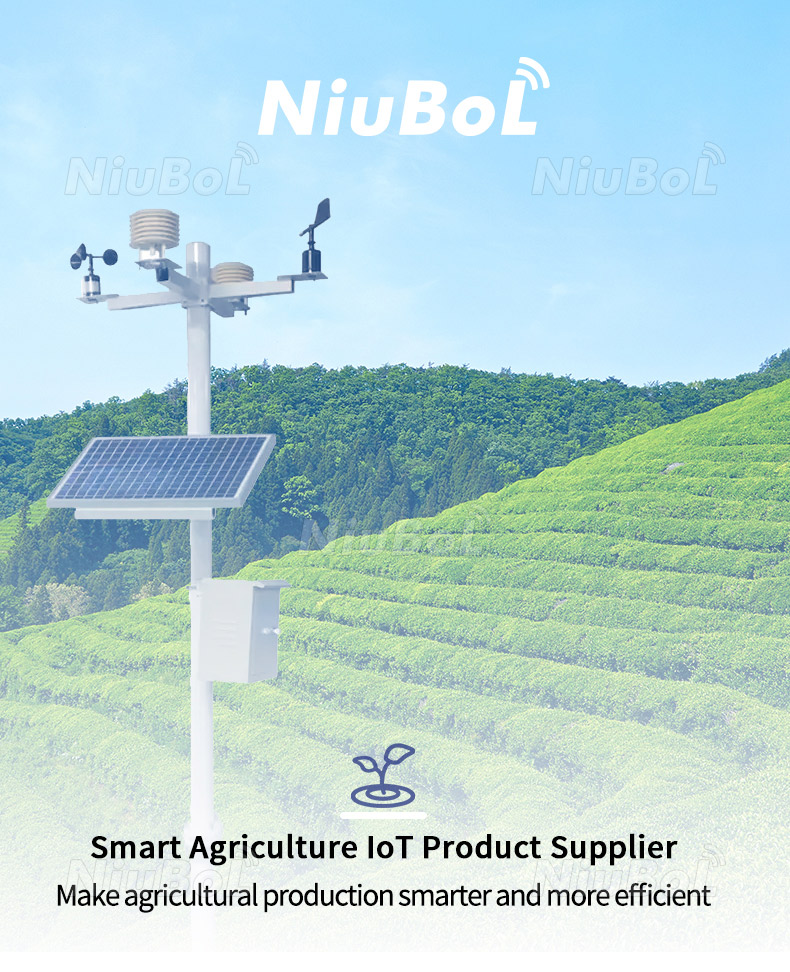
The cost of a weather station is influenced by several technical and commercial factors. These should be specified before requesting or comparing quotations.
The number and type of weather measurements are major cost factors. A common automatic weather station may measure air temperature, relative humidity, atmospheric pressure, wind speed, wind direction and rainfall.
Additional measurements may include solar radiation, illuminance, ultraviolet radiation, soil temperature, soil moisture, electrical conductivity or other environmental parameters.
Each additional parameter may require a separate sensor or a different integrated sensor configuration.
The number of parameters does not necessarily equal the number of physical instruments. A combined sensor may measure several parameters using one housing.
Sensor cost may also vary with the required measurement range, accuracy, resolution, response time, operating temperature and other performance characteristics.
Professional meteorological and research applications may require particular calibration documentation, measurement methods or compliance with specified observation standards.
Such requirements must be evaluated for the actual product model. A general claim of high accuracy does not establish suitability for every application.
Integrated instruments combine several measurements in one device, potentially reducing the number of brackets, cables and electrical connections.
Separate sensors allow more flexibility in mounting position, measurement technology and component replacement.
The lower-cost option depends on the installation and measurement requirements. An integrated sensor is not automatically suitable when different parameters require different measurement heights or exposure conditions.
For a detailed comparison, see Automatic Weather Station Price: Integrated, Modular or Hybrid Layout?.
A complete automatic weather station can consist of the following components. Their inclusion depends on the selected system and quotation scope.
| Component | Function | Cost Considerations |
|---|---|---|
| Weather Sensors | Measure meteorological parameters | Quantity, range, accuracy and measurement principle |
| Data Logger / Collector | Acquire and, when supported, store measurements | Number of channels, storage capacity and interfaces |
| Communication Gateway | Transfer data through supported network connections | 4G, Ethernet, Wi-Fi or other network requirements |
| Solar Panel | Generate electricity from sunlight | Panel capacity and local solar availability |
| Battery and Charge Controller | Store and manage power | Battery capacity, type and operating autonomy |
| Mounting Mast and Brackets | Support the sensors and enclosures | Height, material and mounting arrangement |
| Protective Cabinet | House compatible electronic equipment | Dimensions, material and environmental protection |
| Monitoring Software | Display, store and process measurements | Software scope, hosting and license requirements |
| Installation Accessories | Provide mechanical and electrical connections | Cable lengths, connectors, grounding and protection |
For example, a quotation including an RS485 weather sensor does not necessarily include a 4G gateway, SIM card, cloud platform or solar power system.
These items must be included explicitly when required by the project.
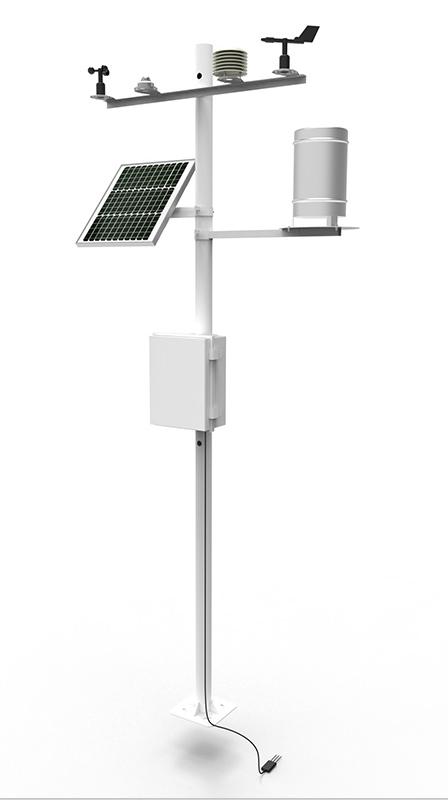
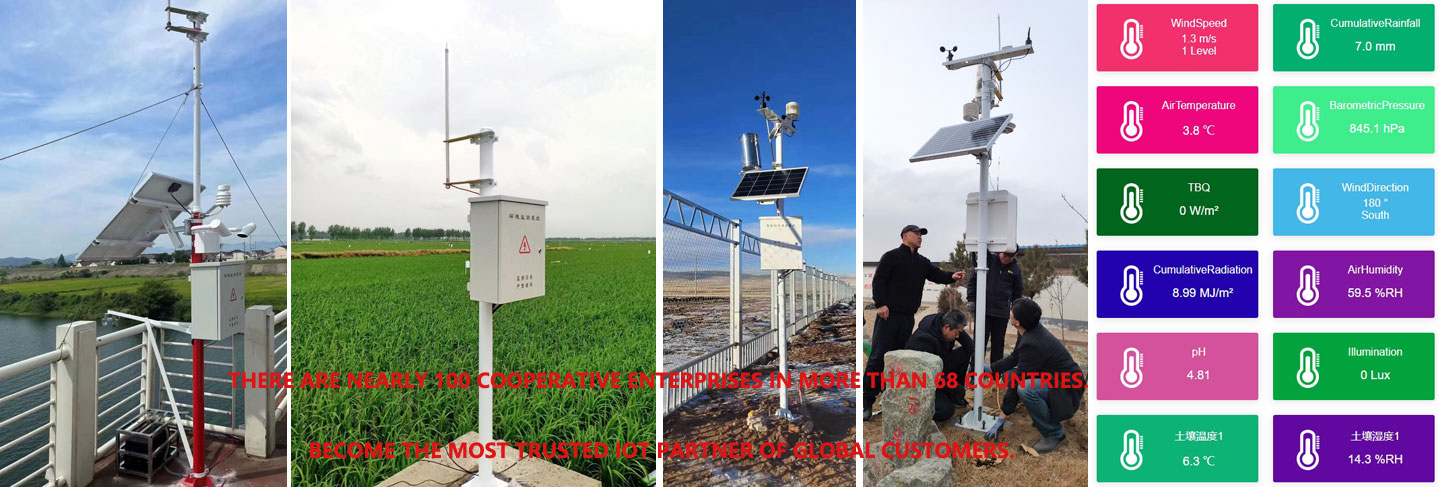
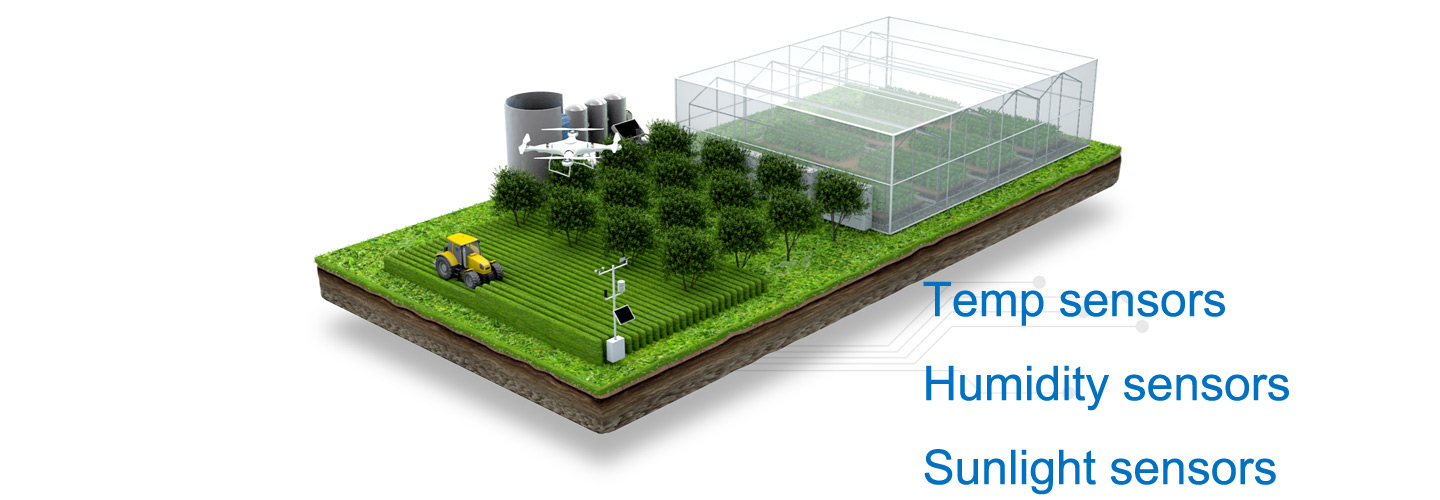
Agricultural automatic weather stations are used to monitor weather conditions affecting irrigation, crop growth, field operations and environmental management.
A typical agricultural configuration may include air temperature, relative humidity, atmospheric pressure, wind speed, wind direction and rainfall measurements.
Additional sensors can be selected for solar radiation, soil moisture, soil temperature or other crop-related monitoring requirements.
A basic agricultural station focuses on the parameters required for local weather observation. Cost is influenced by the sensor configuration, mounting equipment, power supply and method of reading the measurements.
When remote monitoring is required, a data acquisition device and compatible communication gateway may be added. The system can then transmit measurements to a customer-managed server or monitoring platform, according to the selected hardware and software configuration.
Remote transmission may involve ongoing SIM-card, network or platform costs that are separate from the sensor purchase price.
Agricultural projects may also require soil temperature, moisture, electrical conductivity or other soil measurements.
These sensors increase the number of measurement channels and may require additional cables, installation locations and data acquisition capacity.
The exact agricultural station price must therefore be calculated from the selected weather and soil monitoring equipment.
Campus weather stations support environmental education, practical observation and student research. Their equipment requirements depend on whether the system is intended for basic demonstrations or more demanding scientific measurements.
A basic educational weather station may focus on air temperature, humidity, atmospheric pressure, wind speed and rainfall.
More advanced educational installations may require solar radiation, data logging, historical data access and additional measurement parameters.
Cost factors include instrument performance, display requirements, data storage, installation equipment and software access.
For educational projects, the station should also be evaluated for ease of operation, maintenance requirements and the availability of suitable technical documentation.
IoT weather stations are used where data must be collected and transferred automatically to a remote system.
In addition to environmental sensors, the installation requires suitable data acquisition equipment and a communication method.
Possible network options include 4G, Ethernet and Wi-Fi, depending on the installed gateway and available infrastructure.
RS485 Modbus RTU sensors can provide measurements to compatible data loggers, RTUs, PLCs or monitoring gateways.
The data acquisition equipment reads the sensor signals. A communication gateway transfers data through its supported network connection.
A gateway does not automatically provide all data logging, control and cloud services. The actual functions must be confirmed for the selected model.
A weather monitoring project may use the customer's own server, a third-party IoT platform or a supplier-provided monitoring service.
Software costs may vary depending on storage capacity, data retention, user access, dashboard functions, alarms, interfaces and hosting arrangements.
Before accepting a quotation, confirm whether software access is included and whether there are recurring subscription or maintenance charges.
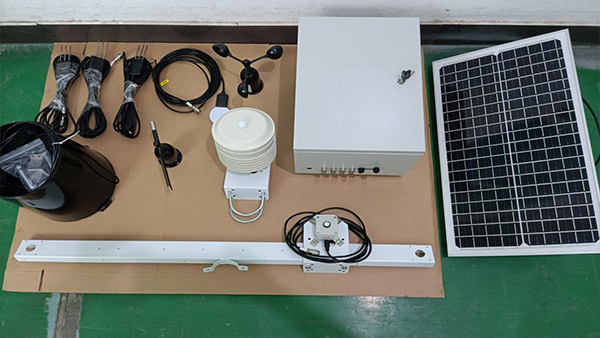
Solar power is commonly considered for automatic weather stations installed in agricultural fields, remote monitoring sites and locations without a reliable mains electricity supply.
A solar-powered system typically uses a solar panel, rechargeable battery, charge controller and appropriate DC power distribution.
The required capacity depends on the total system power consumption, local sunlight availability, battery characteristics and the required operating time without charging.
The basic daily energy requirement can be estimated as:
Daily Energy (Wh) = Average System Power (W) × 24 hours
The average power must include the consumption of sensors, data acquisition equipment, communication devices and any other continuously or periodically operating components.
The required battery capacity also depends on usable discharge capacity, conversion losses, operating temperature and the number of days the station must operate without sufficient solar charging.
For example, a weather station collecting sensor readings every minute may have a different average power demand from a system using intermittent sensor power or a different cellular transmission schedule.
Solar panel and battery sizes should not be selected solely from the number of weather sensors.
The cost of purchasing a weather station is only one part of the project budget. Site preparation, installation and ongoing operation may introduce additional expenses.
| Cost Category | Possible Expenses |
|---|---|
| Shipping and Import | Freight, export packing, customs duties and applicable import taxes |
| Site Preparation | Foundation, mounting location preparation and structural support |
| Installation Labor | Assembly, wiring, mounting and initial commissioning |
| Communication | SIM card, cellular data or other network services |
| Software and Hosting | Platform access, data storage and maintenance where applicable |
| Maintenance | Cleaning, inspection, replacement parts and battery service |
| Calibration and Verification | Model-specific calibration or periodic performance checks when required |
The applicable delivery terms should also be confirmed. An EXW quotation, for example, has a different included logistics scope from a delivered-price offer.
Buyers should compare the total cost against the same delivery terms and project requirements.
An automatic weather station converts environmental measurements into electronic data that can be collected, stored and transmitted through a suitable monitoring architecture.
In a typical system, meteorological sensors measure the physical environment. A data logger or compatible acquisition device reads the sensor outputs and may store measurement records.
Where remote access is required, a communication gateway transmits the collected data through its supported network connection to a server or monitoring platform.
Typical data flow: Weather Sensors → Data Logger / Data Collector → Communication Gateway → Network → Server or Monitoring Platform.
The exact architecture may differ. Some devices combine multiple functions, while others require separate equipment for data acquisition, communication and control.
For available system components, explore NiuBoL Automatic Weather Stations and Data Collectors.
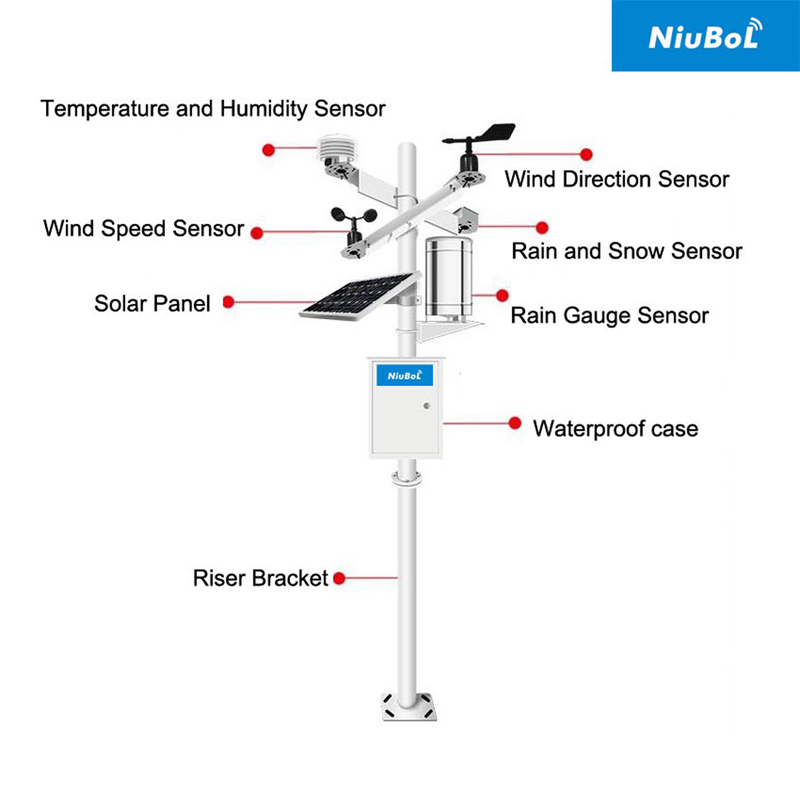
When comparing two or more weather station offers, evaluate the full equipment scope rather than comparing only the total selling price.
| Quotation Item | Information to Verify |
|---|---|
| Sensors | Exact models, parameters, quantities and performance specifications |
| Data Logger | Included or excluded; storage and channel capacity |
| Communication | RS485 interface, gateway model and remote network support |
| Power System | Power supply type, solar panel capacity, battery capacity and autonomy |
| Mounting Equipment | Mast height, brackets, foundation requirements and cabinet |
| Software | Platform, data access, integration and subscription conditions |
| Documentation | Manuals, communication protocols and required calibration documents |
| Delivery | Incoterms, shipping cost, packing and destination |
| After-Sales Support | Warranty terms, maintenance requirements and technical support scope |
A lower quotation may exclude equipment or services that another supplier includes. Before selecting a system, identify any differences and calculate the cost of obtaining the same functional scope.
A cost-effective weather station should meet the actual monitoring requirements without adding unnecessary instruments or unsupported features.
Identify the measurements necessary for the application before selecting the number and type of sensors.
Evaluate integrated, separate and hybrid sensing arrangements for the actual installation conditions.
Where suitable, connect sensors to compatible customer-owned data loggers, PLCs or servers.
Size the solar panel and battery from actual equipment consumption and the required backup duration.
Confirm mast location, mounting requirements, cable routing and access before ordering equipment.
Review communication services, software charges, batteries and maintenance expenses.
Reducing the number of components should not compromise the required measurement accuracy, site exposure, safety or environmental protection.
For agricultural, educational, industrial or research projects, a detailed quotation can be prepared more accurately when the following information is available:
| Requirement | Information to Provide |
|---|---|
| Application | Agriculture, meteorology, education, research or industrial monitoring |
| Measurement Parameters | Temperature, humidity, wind, rainfall, radiation, soil parameters and other requirements |
| Number of Stations | Required quantity and number of monitoring locations |
| Power Supply | Available DC or mains power, or solar power requirement |
| Backup Autonomy | Required operation time without charging or external power |
| Data Acquisition | Collection interval, storage and existing data acquisition equipment |
| Communication | RS485, 4G, Ethernet, Wi-Fi or other required interfaces |
| Monitoring Platform | Customer server, third-party platform or supplier-provided software |
| Installation Location | Country, site conditions, mounting height and environmental exposure |
| Delivery Requirements | Destination, delivery terms and required documentation |
A1: The cost depends on the selected sensors, data acquisition equipment, power supply, communication method and installation scope. A sensor-only package and a complete solar-powered monitoring station should not be compared as equivalent products. A reliable price requires a defined configuration.
A2: Prices vary because different stations use different measurement parameters, sensor specifications, mounting structures, data loggers, communication gateways and power systems. Software and delivery requirements can also affect the total quotation.
A3: Not necessarily. Some configurations include a data logger, while others provide only sensors or require an external acquisition device. The quotation should specify the included logging functions and equipment.
A4: No, not by default. RS485 is a wired communication interface. Remote cellular transmission generally requires a separate compatible 4G gateway or RTU.
A5: The additional cost depends on the solar panel, battery, charge controller and related mounting equipment. These components must be sized according to total power consumption, sunlight availability and the required operating autonomy.
A6: An integrated sensor can reduce mounting and wiring requirements, but the total cost depends on the measurement specifications and site layout. Separate sensors may be necessary when different parameters require different measurement locations or technologies.
A7: Recurring costs may include cellular data, software hosting, subscriptions, maintenance and replacement parts. The applicable costs depend on the communication method, platform and service agreement.
A8: Installation and shipping are not necessarily included. The quotation should clearly state the delivery terms, included accessories, logistics scope and whether on-site installation is provided.
A9: Compare quotations using the same measurement parameters, accuracy requirements, output interfaces, data acquisition functions, power system, mounting equipment and delivery scope. Also consider maintenance and recurring operating costs.
A10: Provide the application, required measurement parameters, quantity, installation location, power supply, monitoring interval, communication method, data platform requirements and delivery destination. These details help define the required equipment and pricing scope.
Automatic weather station cost is determined by more than the number of meteorological sensors. The complete project budget may include data acquisition, communication, solar power, mounting structures, software, logistics, installation and maintenance.
Agricultural, campus and industrial weather stations have different monitoring requirements, so their costs should be evaluated against the intended application and selected components.
Before purchasing equipment, compare complete quotations, confirm the included components and consider both initial equipment expenses and ongoing operating costs.
NiuBoL supplies weather sensors, automatic weather stations and related data acquisition equipment. For project-specific configurations and pricing, contact NiuBoL with the required parameters, installation conditions and monitoring requirements.
Related recommendations
Sensors & Weather Stations Catalog
 Agriculture Sensors and Weather Stations Catalog-NiuBoL.pdf
Weather Stations Catalog-NiuBoL.pdf
Agriculture Sensors Catalog-NiuBoL.pdf
Water Quality Sensor Catalog-NiuBoL.pdf
Related products
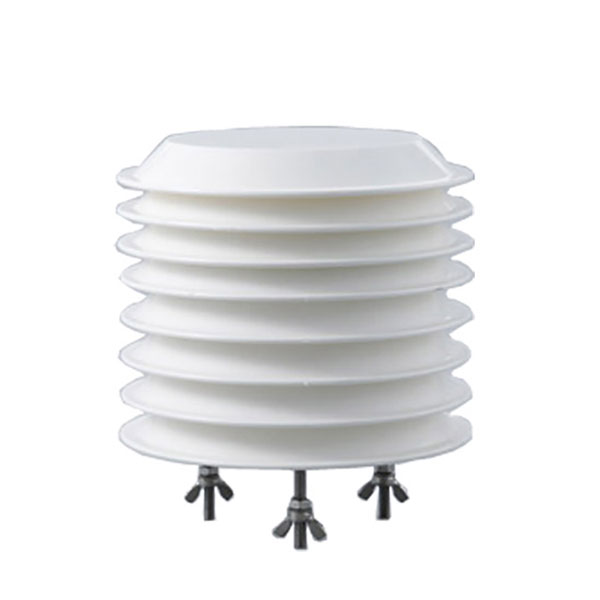 Combined air temperature and relative humidity sensor
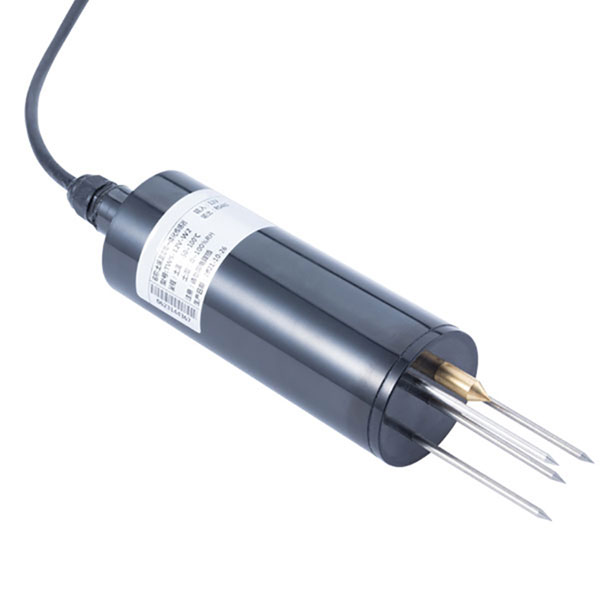 TDR Soil Moisture & Temperature Sensor for irrigation| RS485 |4-20mA| NBL-S-THR
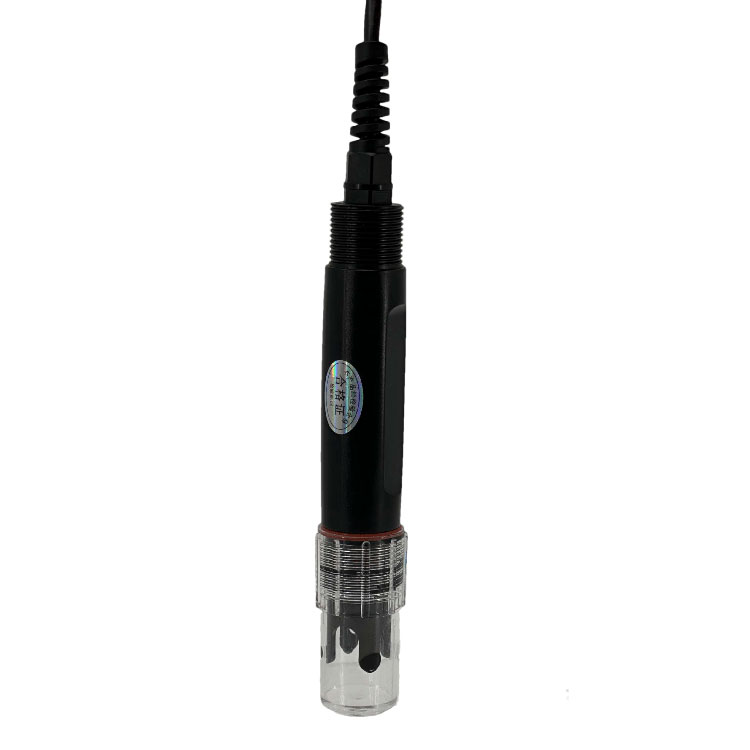 Soil pH sensor RS485 soil Testing instrument soil ph meter for agriculture |NBL-S-PH
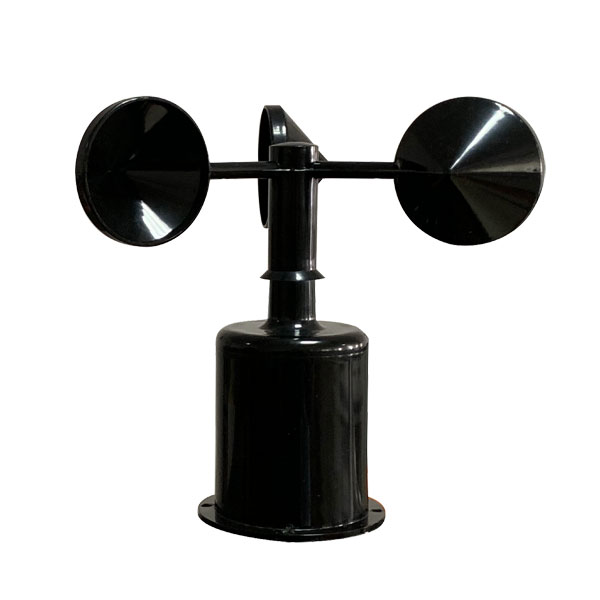 Wind Speed sensor Output Modbus/RS485/Analog/0-5V/4-20mA
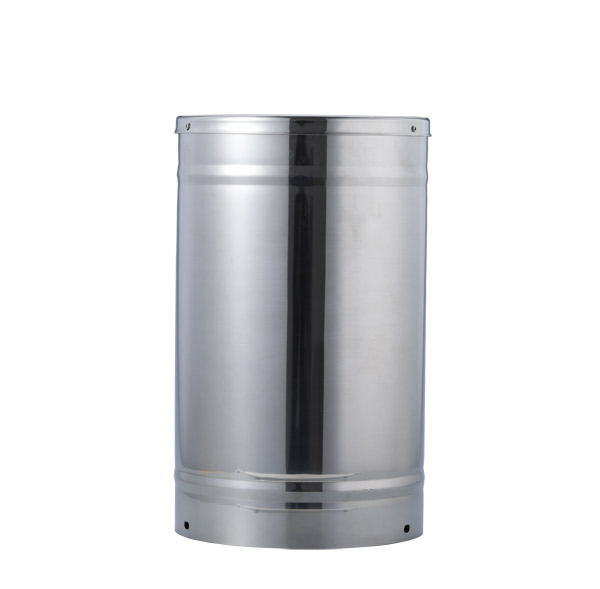 Tipping bucket rain gauge for weather monitoring auto rainfall sensor RS485/Outdoor/stainless steel
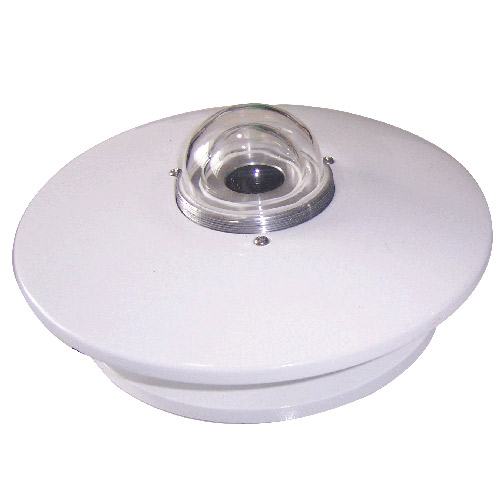 Pyranometer Solar Radiation Sensor 4-20mA/RS485


Screenshot, WhatsApp to identify the QR code
WhatsApp number:+8615367865107
(Click on WhatsApp to copy and add friends)