





— Blogs —
—Products—
 Consumer hotline +8618073152920
 WhatsApp:+8615367865107
Address:Room 102, District D, Houhu Industrial Park, Yuelu District, Changsha City, Hunan Province, China
Company news
Time:2026-06-23 10:23:59 Popularity:214
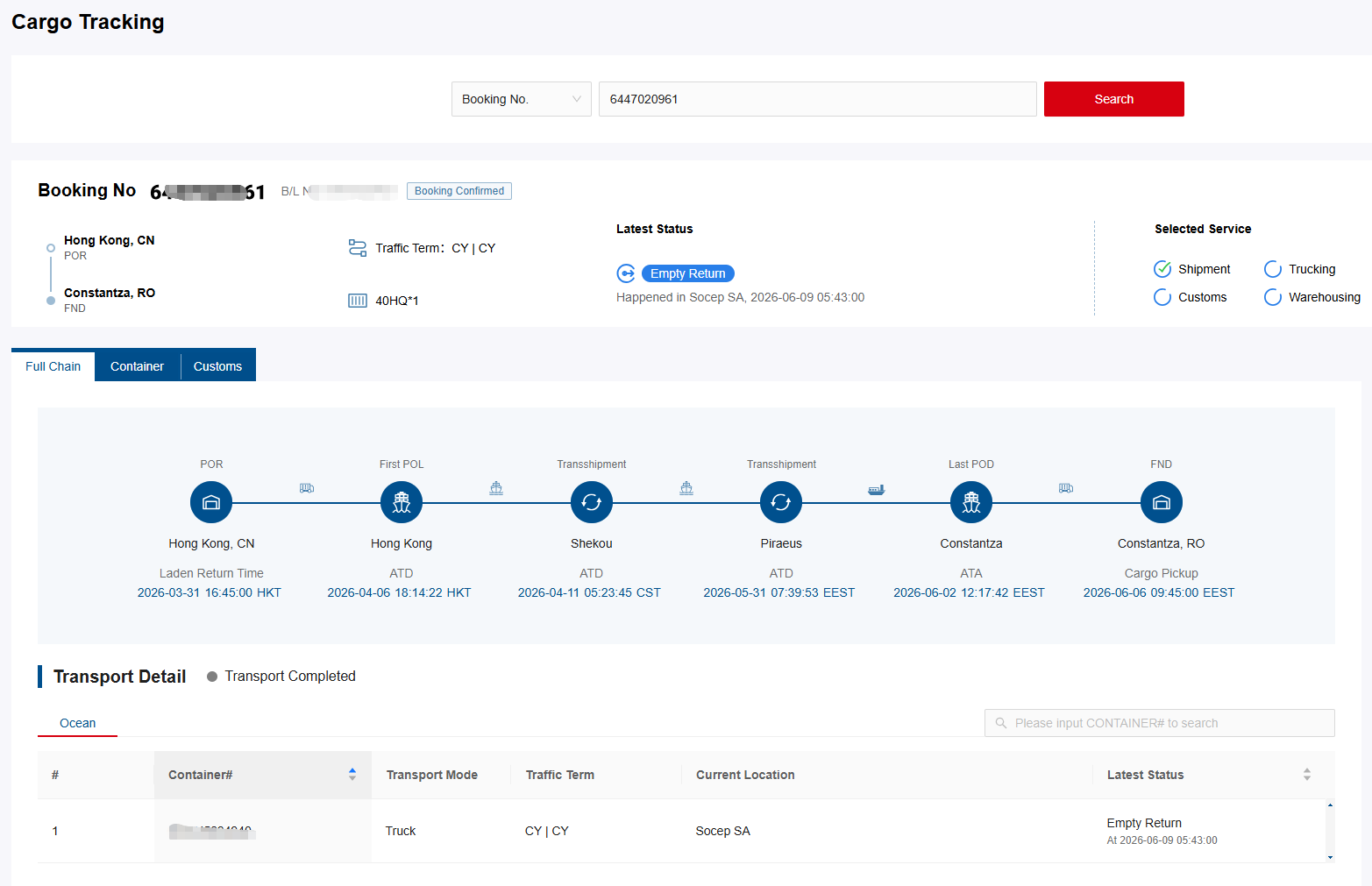
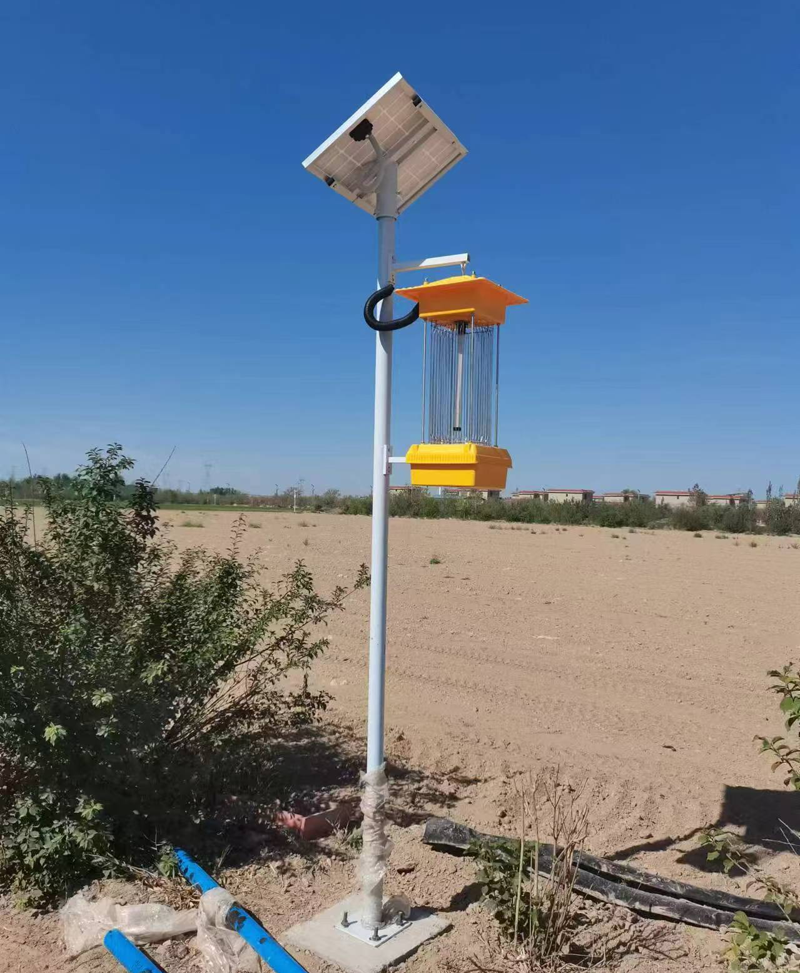
NiuBoL recently completed an export shipment of solar insect killer lamps to Romania. The products are intended for agricultural pest control and outdoor planting environments where farms need a physical pest reduction method that can operate without laying power cables across fields. Romania has large areas of grain production, orchards, vegetables, vineyards and mixed farms, so solar-powered pest control equipment can be useful for distributed sites.
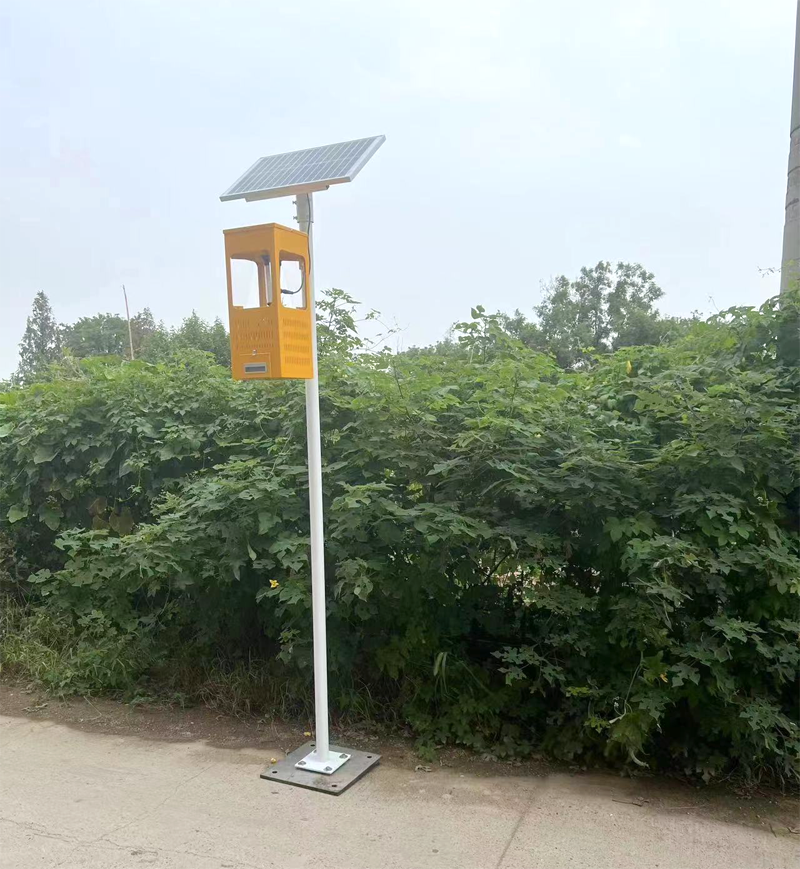
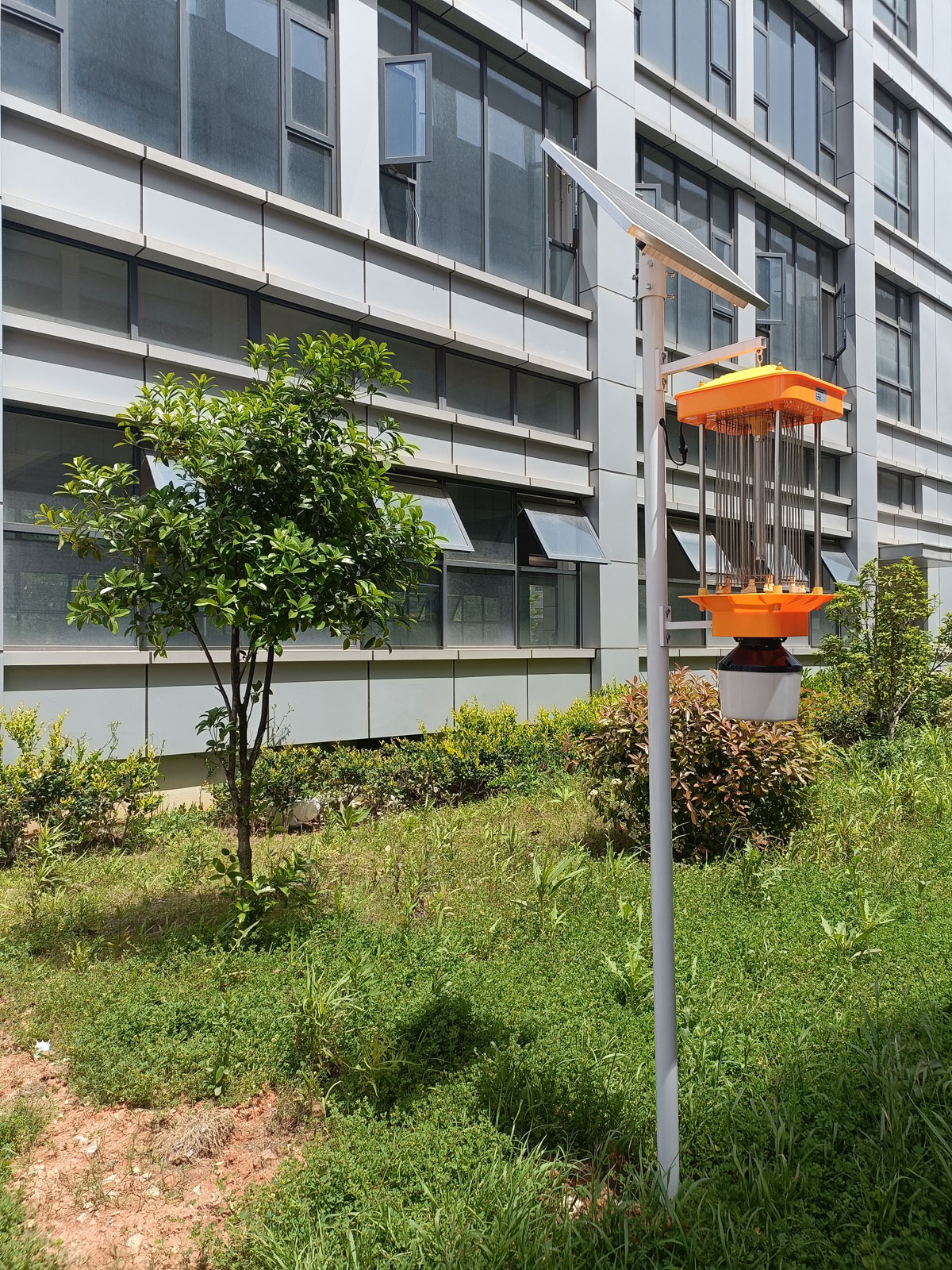
The exported product scope includes solar wind-suction insecticidal lamp and solar frequency-vibration insecticidal lamp configurations. These lamps use solar panels to charge lithium batteries during daytime. At night, the light-control system starts the trapping light. Insects are attracted by the lamp wavelength and are captured by wind suction or eliminated by the high-voltage grid, depending on product configuration.
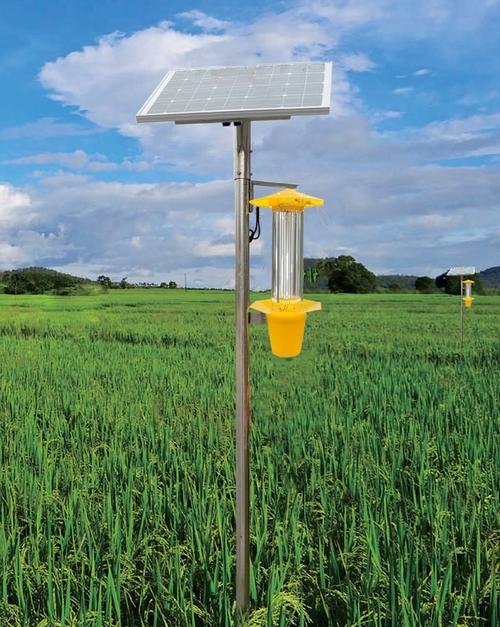
Romania has agricultural areas with grains, vegetables, fruit trees, grapes and field crops. Many farms and orchards need pest control over wide areas, and field power supply may not always be convenient. Solar insect killer lamps can be installed in fields, orchards, tea-style plantations, greenhouses, gardens, parks and landscape areas without long cable construction.
For distributors and farm project buyers, the purchasing logic is different from buying indoor electrical equipment. The buyer should confirm crop type, pest pressure, installation density, sunlight condition, battery capacity, pole height, lamp wavelength, protection level, rain control and expected maintenance schedule.
The solar panel converts sunlight into electrical energy and stores it in the lithium battery. When ambient light falls to the control threshold, the lamp starts automatically. In the wind-suction type, a negative pressure fan draws insects into a collection device after they approach the lamp. In the frequency-vibration type, insects fly toward the lamp and contact the high-voltage grid. After the main pest activity period, the lamp can turn off automatically to reduce impact on beneficial insects.
| Parameter | Reference Value | Procurement Note |
|---|---|---|
| Product height | Approximately 3 m | Confirm pole height according to crop and field layout |
| Solar panel | 40 W single solar module, service life referenced above 8 years | Local sunlight condition affects charging performance |
| Battery | Lithium battery ≥12 Ah | Confirm autonomy for cloudy days |
| Pole | Galvanized pipe, 60 mm referenced | Outdoor corrosion resistance and foundation stability matter |
| Lamp tube | 11 W, wavelength 320 to 620 nm | Attraction wavelength should match target pest range |
| Storage temperature | -40℃ to 70℃ referenced | Suitable for outdoor seasonal storage |
| Protection logic | Overcharge, over-discharge, overcurrent, light control and rain control | Important for unattended outdoor operation |
| Humidity protection | Works under relative humidity not greater than 98%, IPX5 referenced | Outdoor installation still needs drainage and cleaning |
| Light control | Turns on around 2 to 20 LX and turns off around 30 to 200 LX | Avoids manual switching in field use |
Challenge: Rice, corn and wheat fields often cover large areas where cable laying is inconvenient.
System integration scheme: Deploy solar insect killer lamps at suitable spacing according to pest pressure and field layout.
User value: The farm gains a physical pest control method that can reduce dependence on repeated chemical spraying.
Challenge: Tomato, cucumber, peanut, soybean and vegetable plots may need night-time pest reduction.
System integration scheme: Use lamps around planting zones and adjust maintenance schedule during peak pest season.
User value: Growers can support cleaner production and reduce manual pest control workload.
Challenge: Grapes, mangoes, lychee, strawberries and other fruit crops may face seasonal moth and flying pest pressure.
System integration scheme: Install lamps along orchard blocks with solar exposure and accessible collection points.
User value: Operators can monitor captured insects and maintain crop protection plans.
Challenge: Protected cultivation areas need pest reduction without complicated wiring.
System integration scheme: Use solar or suitable powered lamps near greenhouse surroundings and outdoor entry points.
User value: Managers can reduce pest entry pressure and improve routine field sanitation.
Challenge: Parks, gardens and community green spaces need low-maintenance outdoor pest management.
System integration scheme: Install lamps in safe, open locations with regular cleaning and safety checks.
User value: Managers gain a visible pest control device for outdoor service areas.
A: No. It uses a solar panel and battery, so it can operate in fields where cable laying is not practical.
A: It can be used for grain crops, vegetables, fruits, tea, cotton, flowers, vineyards, greenhouses, orchards and landscape planting areas.
A: The lamp attracts insects with light, and the negative pressure fan draws them into the collection device.
A: Insects are attracted by the lamp wavelength and are eliminated when they contact the high-voltage grid.
A: Confirm crop type, field area, installation density, sunlight condition, battery capacity, pole height and maintenance responsibility.
A: The product includes rain-control protection. Installation should still avoid water accumulation and allow safe maintenance.
A: Collection devices, lamp tubes, solar panels and battery condition should be checked regularly during pest season.
A: It can support physical pest control and may reduce spraying pressure, but it should be used as part of an integrated pest management plan.
A: Check lamp operation at low light, solar charging, battery protection, rain control, pole stability, safety marking and collection device condition.
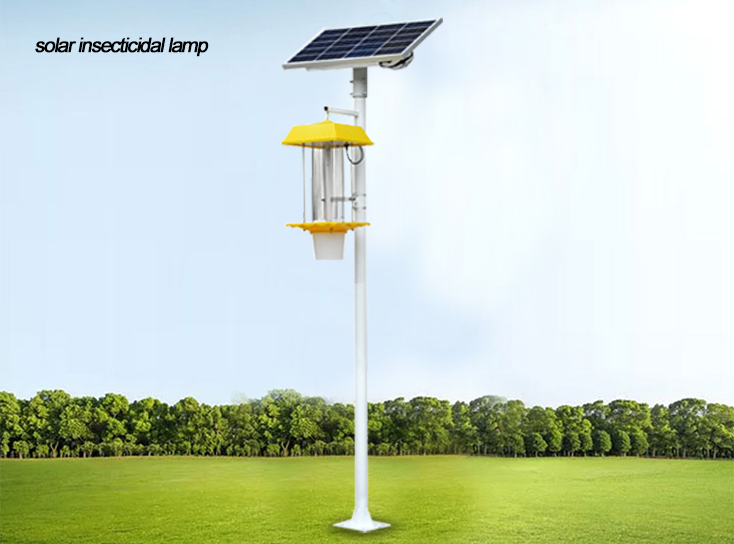
The export of NiuBoL solar insect killer lamps to Romania reflects demand for field pest control equipment that is independent of grid power and suitable for distributed agricultural sites. For buyers, successful use depends on crop type, installation density, sunlight, battery capacity, pole stability and regular cleaning. When these factors are defined before purchase, solar insect killer lamps can support practical pest management in farms, orchards and outdoor planting projects.
Prev:NiuBoL Weather and Water Quality Sensors Exported to Belgium for Environmental Monitoring Projects
Next:NiuBoL Ships Four Automatic Weather Stations to Cambodia for Environmental Monitoring
Related recommendations
Sensors & Weather Stations Catalog
 Agriculture Sensors and Weather Stations Catalog-NiuBoL.pdf
Weather Stations Catalog-NiuBoL.pdf
Agriculture Sensors Catalog-NiuBoL.pdf
Water Quality Sensor Catalog-NiuBoL.pdf
Related products
 Combined air temperature and relative humidity sensor
 TDR Soil Moisture & Temperature Sensor for irrigation| RS485 |4-20mA| NBL-S-THR
 Soil pH sensor RS485 soil Testing instrument soil ph meter for agriculture |NBL-S-PH
 Wind Speed sensor Output Modbus/RS485/Analog/0-5V/4-20mA
 Tipping bucket rain gauge for weather monitoring auto rainfall sensor RS485/Outdoor/stainless steel
 Pyranometer Solar Radiation Sensor 4-20mA/RS485

Screenshot, WhatsApp to identify the QR code
WhatsApp number:+8615367865107
(Click on WhatsApp to copy and add friends)

