





— Blogs —
—Products—
 Consumer hotline +8618073152920
 WhatsApp:+8615367865107
Address:Room 102, District D, Houhu Industrial Park, Yuelu District, Changsha City, Hunan Province, China
Product knowledge
Time:2026-03-29 15:13:58 Popularity:494
As the global tourism industry transforms toward “digitalization, health-oriented, and smartification”, environmental quality monitoring has become a core indicator for measuring tourist attraction levels and service quality. The scenic weather station (also known as the negative oxygen ion online monitoring system) is not only a hardware tool for scenic environmental supervision, but also a data bridge connecting tourist experience and natural ecology.
For IoT solution providers and project contractors, selecting a meteorological monitoring system with industrial-grade stability, standardized protocols, and easy integration is the key to ensuring the delivery quality of smart scenic projects.
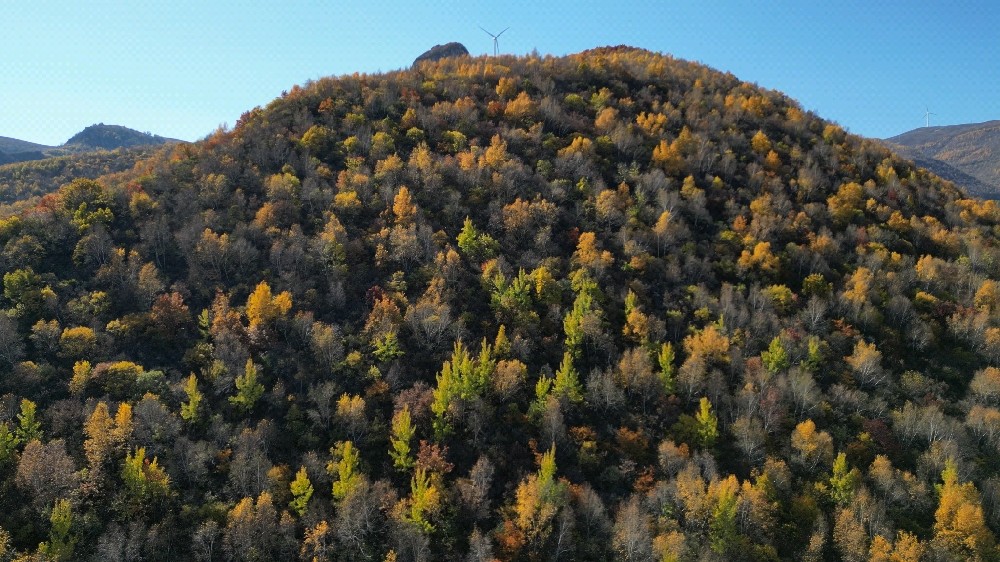
In complex geographical environments, the deployment of scenic weather stations has significant technical necessity:
1. Environmental Representativeness and Data Effectiveness:
Urban environments are affected by high-rise building clusters (Urban Canopy), resulting in chaotic local airflow and serious “urban heat island” deviations in wind speed, direction, and thermal circulation data. In contrast, scenic areas have open terrain and high vegetation coverage. Deploying weather stations here can obtain more representative regional background meteorological data.
2. Tourist Behavior Guidance and Safety Warning:
Real-time meteorological data (such as lightning warning, short-term heavy rainfall, gust wind speed) serve as the data basis for scenic operators to conduct tourist evacuation and emergency management. At the same time, publicly displayed environmental parameters (such as comfort index) can effectively enhance tourists’ willingness to stay.
3. Quantification of Health-Care Brand Value:
By quantitatively monitoring the concentration of “air vitamins” — negative oxygen ions, scenic areas can transform the abstract “fresh air” into intuitive numbers, helping to establish forest health-care and ecological tourism brands.
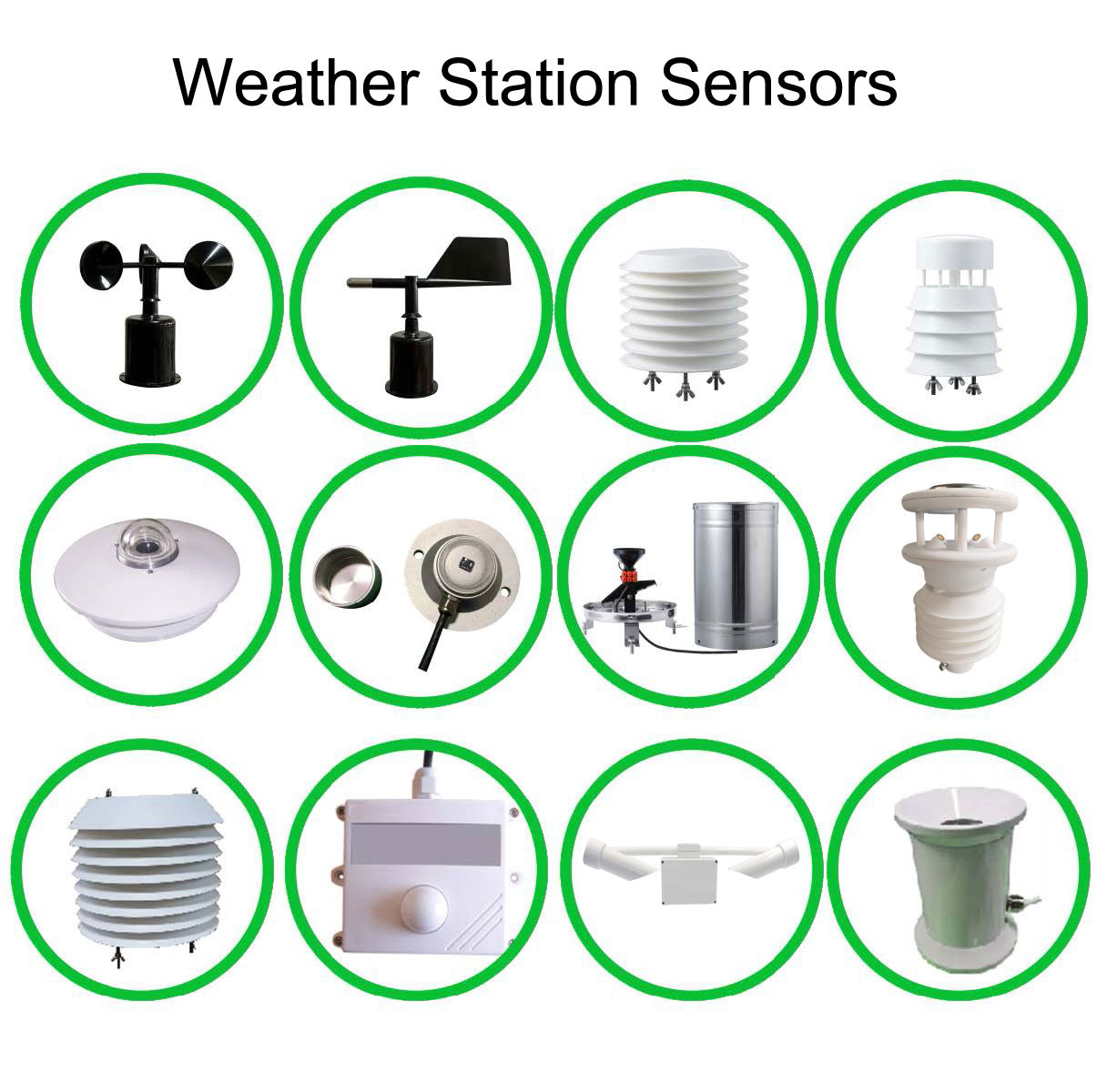
The scenic weather station adopts a modular design, integrating physical meteorological parameters, air quality parameters, and characteristic chemical ion monitoring. The following are the technical parameters of NiuBoL core sensor modules:
| Monitoring Parameter | Measurement Range | Resolution | Output Protocol |
|---|---|---|---|
| Negative Oxygen Ion | 0 to 5,000,000 ions/cm³ | 10 ions/cm³ | RS485 (Modbus) |
| PM2.5 / PM10 | 0 to 1000 μg/m³ | 1 μg/m³ | RS485 (Modbus) |
| Oxygen Content (O₂) | 0 to 25% Vol | 0.1% | RS485 (Modbus) |
| Environmental Noise | 30 to 130 dB | 0.1 dB | RS485 (Modbus) |
| Air Temperature & Humidity | -40 to 80°C / 0 to 100%RH | 0.1 | RS485 (Modbus) |
| Atmospheric Pressure | 300 to 1100 hPa | 0.1 hPa | RS485 (Modbus) |
| Wind Speed & Direction | 0 to 60 m/s / 0 to 360° | 0.1 / 1 | RS485 (Modbus) |
1. Negative Oxygen Ion Sensor
Negative oxygen ions are the collective term for single negatively charged gas molecules and light ion clusters.
Engineering Value: Using the principle of atmospheric ion balance method, it captures small-particle-size negative ions in the air in real time. It is the core indicator of the scenic “ecological index”.
Human Ergonomics: Studies have shown that environments with concentrations exceeding 10,000 ions/cm³ have significant benefits for improving human immunity, improving sleep, and regulating cardiovascular and cerebrovascular functions.
2. PM2.5 and PM10 (Particulate Matter)
Function: Real-time monitoring of atmospheric particulate matter concentration. In scenic environments, these data are mainly used to verify ecological protection effects and form a contrast with negative oxygen ion data — low dust and high ions are the standard for top-tier health-care environments.
3. Oxygen Content Sensor (Oxygen Content)
Function: In plateau scenic areas or closed forest areas (such as cave tourism areas), oxygen content monitoring is a key indicator to ensure tourist life safety and prevent physiological discomfort caused by hypoxia.
4. Environmental Noise Sensor (Noise Level)
Application: Monitor the acoustic environmental quality in the scenic area to ensure it meets the national Class I area standard (daytime < 55dB) and maintain the quiet experience of the scenic area.
5. Comprehensive Meteorological Parameters (Temp/Hum/Press/Wind)
Logic: Temperature, humidity, and air pressure together determine the “human-perceived temperature”. Wind speed and direction are directly related to forest fire warning and the safe operation of recreational facilities (such as cable cars and hot air balloons).
1. Standard Industrial Protocol (Standardization):
NiuBoL’s full range of sensors adopts the Modbus-RTU protocol (RS485 interface). In engineering sites, this means integrators can use a single shielded twisted pair to connect up to 247 sensors in a daisy-chain manner, greatly saving wiring costs and gateway port pressure.
2. Wireless Expansion Capability:
Supplementary integration solutions for LoRa or 4G/5G modules. For example, in large mountain scenic areas where wiring is difficult, NiuBoL sensors can be connected to low-power wireless transmission terminals to achieve kilometer-level line-of-sight transmission.
3. Anti-Interference Design (EMC):
Emphasize the stability of sensors in outdoor strong electromagnetic environments (such as near scenic cableway motors). They feature surge protection and lightning protection designs, reducing after-sales maintenance costs.
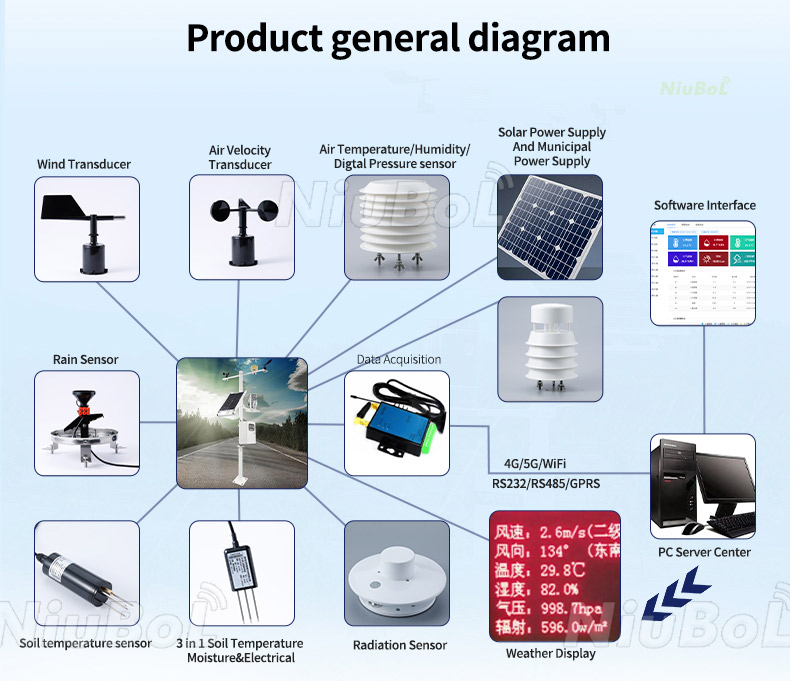
Help integrators quickly perform project budgeting and solution selection.
| Configuration Level | Core Monitoring Items | Applicable Scenarios | Value Proposition |
|---|---|---|---|
| Basic Type (Basic) | Temperature, Humidity, Wind Speed, Wind Direction, Rainfall | Conventional small parks | Basic meteorological disaster prevention, highest cost-performance ratio |
| Standard Type (Standard) | Basic items + PM2.5/10 + Noise + Pressure | Urban greenways, Class A scenic areas | Meet basic requirements for smart scenic area rating |
| Health-Care Type (Premium) | Standard items + Negative Oxygen Ion + Oxygen Content + Illumination/Ultraviolet | Forest parks, recuperation centers, caves | Create high-value-added ecological indicators and brand premium |
When project contractors deliver projects, later maintenance costs directly affect profits. NiuBoL has carried out multiple optimized designs for engineering sites:
| Sensor Component | Maintenance Points | Recommended Cycle | Maintenance Method |
|---|---|---|---|
| Negative Oxygen Ion Sampling Port | Clean dust and spider webs | Every 6 months | Soft brush cleaning / air blowing |
| PM2.5 Laser Module | Check air inlet filter | Every 3-6 months | Replace or clean filter |
| Tipping Bucket Rain Gauge | Check funnel blockage | Before rainy season each year | Clean fallen leaves and sediment |
| Wind Speed & Direction Bearing | Check rotation flexibility | Every 12 months | Apply professional lubricating oil |
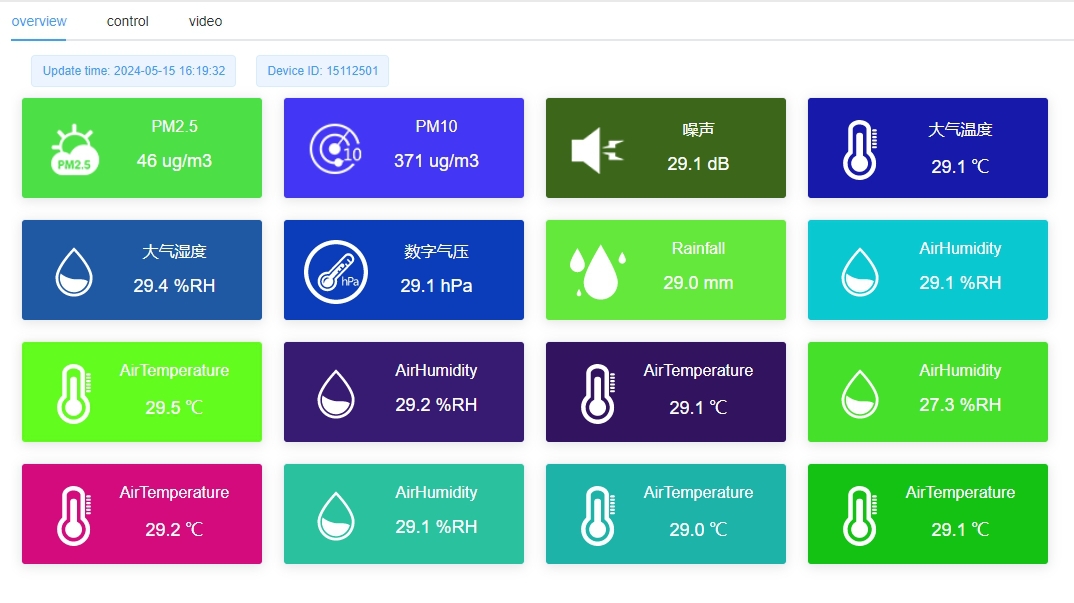
1. Forest Parks and Wetland Protection Areas
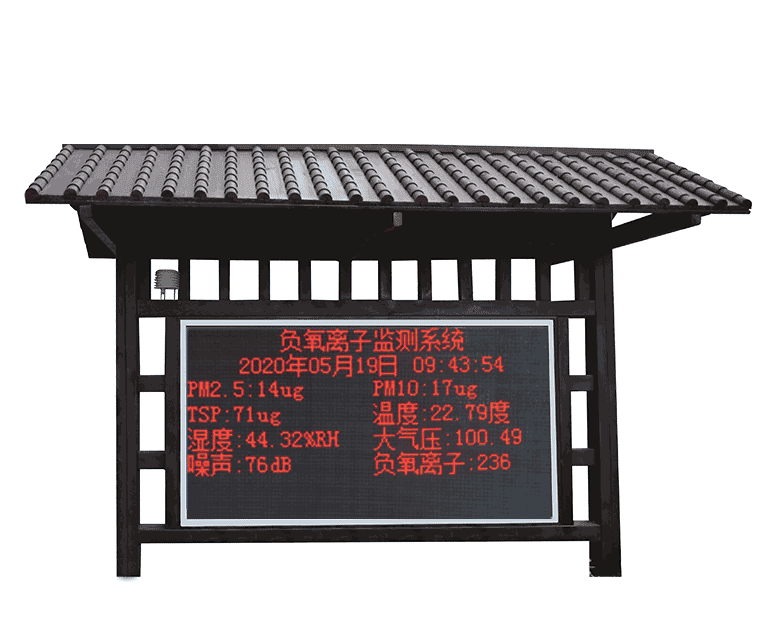
Deployed in areas with dense vegetation, focusing on monitoring negative oxygen ions and air temperature & humidity, and displaying real-time ecological data to tourists via LED large screens.
2.Health-Care Centers and Characteristic Towns
Integrators link the meteorological monitoring system with indoor fresh air systems. When outdoor negative oxygen ion concentration meets the standard and PM2.5 is extremely low, the fresh air system is linked to introduce fresh air.
3. Cave and Canyon Tourism Areas
Focus on oxygen content, harmful gas, and noise monitoring to ensure tourist density in narrow or enclosed spaces remains within safe thresholds.
4. Urban Greenways and Suburban Parks
As an extension of smart city IoT, provide daily exercise environmental reference for citizens.
Modular Scalability: Supports freely adding or reducing sensor modules according to project budget and requirements. All sensors adopt unified mechanical structure and protocol logic.
High-Standard Protocol Support: Standard industrial-grade Modbus-RTU protocol, seamlessly docking with various PLCs, gateways, and smart scenic control centers.
Unattended Design: Features 24-hour uninterrupted collection capability, supports remote parameter configuration and firmware upgrade, greatly reducing labor costs for later maintenance.
Rugged and Durable: Designed for outdoor extreme environments, with high-level protection (IP65 and above) and strong anti-electromagnetic interference (EMC) capability.
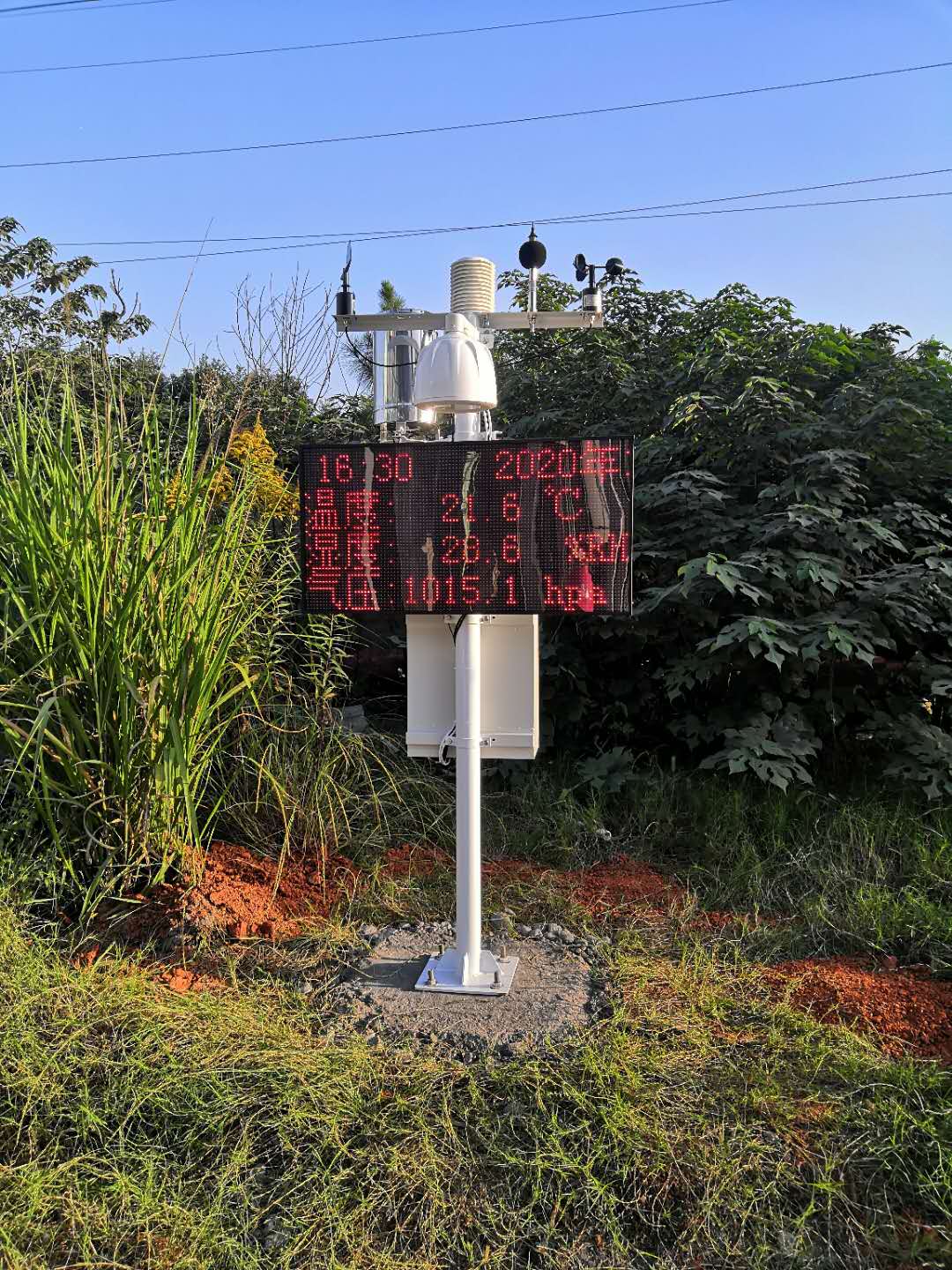
Q1: What are the requirements for the installation location of the negative oxygen ion sensor?
A: It is recommended to install in areas with rich vegetation, flowing water (waterfalls or streams), or open forest areas. The installation height is usually 1.5 - 2 meters (human breathing zone height). It should avoid strong electromagnetic interference sources and smoke outlets.
Q2: How to ensure the accuracy of negative oxygen ion data?
A: NiuBoL adopts the capacitive collector principle and has a built-in moisture-proof heating module, which can effectively solve measurement deviations caused by air condensation in high-humidity outdoor environments.
Q3: Does the system support uploading data to third-party government regulatory platforms?
A: Yes. Our acquisition terminals support forwarding data through 4G/5G or RJ45 using standard protocols. System integrators can easily connect it to environmental protection or tourism management department platforms.
Q4: Will the sensors fail under low winter temperatures?
A: No. Our industrial-grade sensors have an operating temperature range of -40°C to +80°C, and key components have undergone anti-freeze treatment.
Q5: What is the service life of the PM2.5 sensor?
A: In clean environments such as scenic areas, the service life of laser scattering PM sensors is usually 3-5 years. We have designed an easy-to-replace air inlet filtering device, which can extend the life of its core components.
Q6: Can the LED display screen customize the displayed content?
A: Yes. Integrators can customize the scrolling text, display layout, and brand Logo information of the LED screen through secondary development protocols according to requirements.
Q7: Is the system installation complicated? Do professional cranes need to be used?
A: No. The system adopts a pole-type modular design with standard flange or hoop installation methods. Two workers can complete the assembly of a single station within 1 hour.
Q8: What are the power supply solutions for NiuBoL weather stations?
A: Supports mains power (AC 220V) supply and solar power (DC 12V/24V) supply. In areas with sufficient sunlight, the solar + battery combination can support continuous operation for more than 7-10 days of rainy weather.
Q9: If the signal coverage in the scenic area is poor (such as deep valleys), how to transmit data?
A: In addition to the 4G solution, we also provide LoRa spread spectrum wireless solutions. In line-of-sight environments, sensors can transmit data to gateway nodes 2-5 kilometers away, completely solving signal blind spots.
Q10: What is the measurement unit and display range of negative oxygen ions?
A: The standard unit is ions/cm³. The measurement range of our equipment can cover different levels of concentration monitoring needs from 0 to 50,000 (conventional forest areas) or even 5,000,000 (around waterfalls).
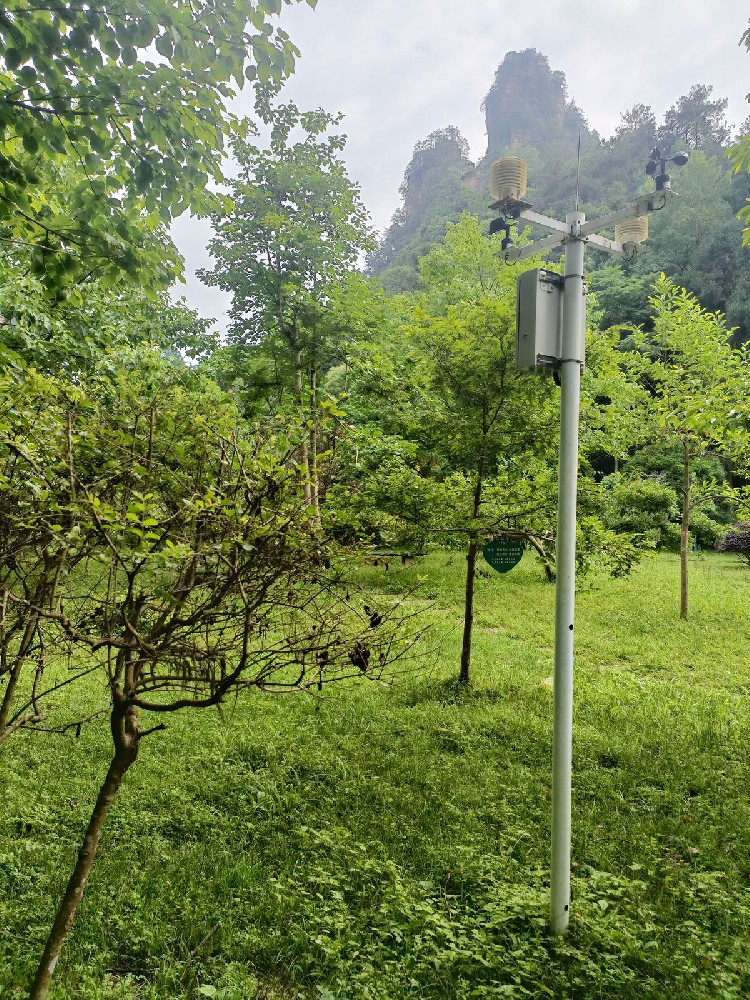
The scenic weather station and negative oxygen ion online monitoring system are core tools for smart scenic areas to realize “ecological asset digitization”. NiuBoL is committed to providing global partners with high-precision and high-reliability sensing hardware. Through precise capture of atmospheric environmental elements, we not only help scenic areas improve management efficiency and safety, but also endow natural landscapes with perceivable vitality.
Are you planning a smart scenic area or health-care real estate project?
Contact NiuBoL to obtain professional sensor selection solutions and integration technical manuals, and jointly build a smarter and healthier natural environment.
Related recommendations
Sensors & Weather Stations Catalog
 Agriculture Sensors and Weather Stations Catalog-NiuBoL.pdf
Weather Stations Catalog-NiuBoL.pdf
Agriculture Sensors Catalog-NiuBoL.pdf
Water Quality Sensor Catalog-NiuBoL.pdf
Related products
 Combined air temperature and relative humidity sensor
 TDR Soil Moisture & Temperature Sensor for irrigation| RS485 |4-20mA| NBL-S-THR
 Soil pH sensor RS485 soil Testing instrument soil ph meter for agriculture |NBL-S-PH
 Wind Speed sensor Output Modbus/RS485/Analog/0-5V/4-20mA
 Tipping bucket rain gauge for weather monitoring auto rainfall sensor RS485/Outdoor/stainless steel
 Pyranometer Solar Radiation Sensor 4-20mA/RS485

Screenshot, WhatsApp to identify the QR code
WhatsApp number:+8615367865107
(Click on WhatsApp to copy and add friends)

