





— Blogs —
—Products—
 Consumer hotline +8618073152920
 WhatsApp:+8615367865107
Address:Room 102, District D, Houhu Industrial Park, Yuelu District, Changsha City, Hunan Province, China
Product knowledge
Time:2026-03-09 16:02:33 Popularity:569
In the current construction of smart cities, precision agriculture, and disaster prevention and mitigation systems, the real-time nature and accuracy of ground meteorological observation data serve as the key foundation supporting weather forecasting, disaster early warning, and scientific research analysis. Automatic Weather Stations (AWS), as core equipment for obtaining the true physical state of the near-surface atmosphere, have evolved from traditional single-station observation to high-density, grid-based meso-scale monitoring networks.
For system integrators (SI) and project contractors, selecting meteorological monitoring equipment that complies with World Meteorological Organization (WMO) standards, possesses high environmental adaptability, and is easy to integrate is core to ensuring the quality of IoT project delivery. NiuBoL is committed to providing global partners with full-stack meteorological observation solutions from underlying sensors to data link layers.
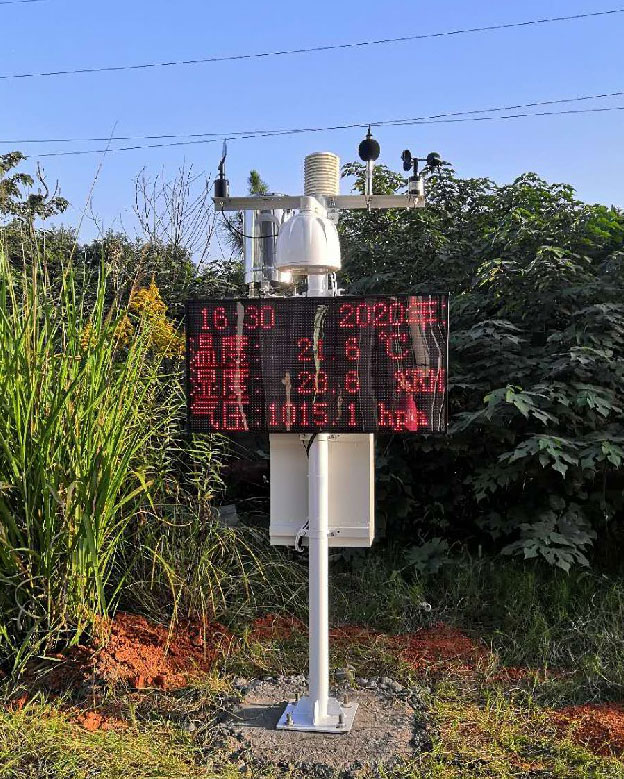
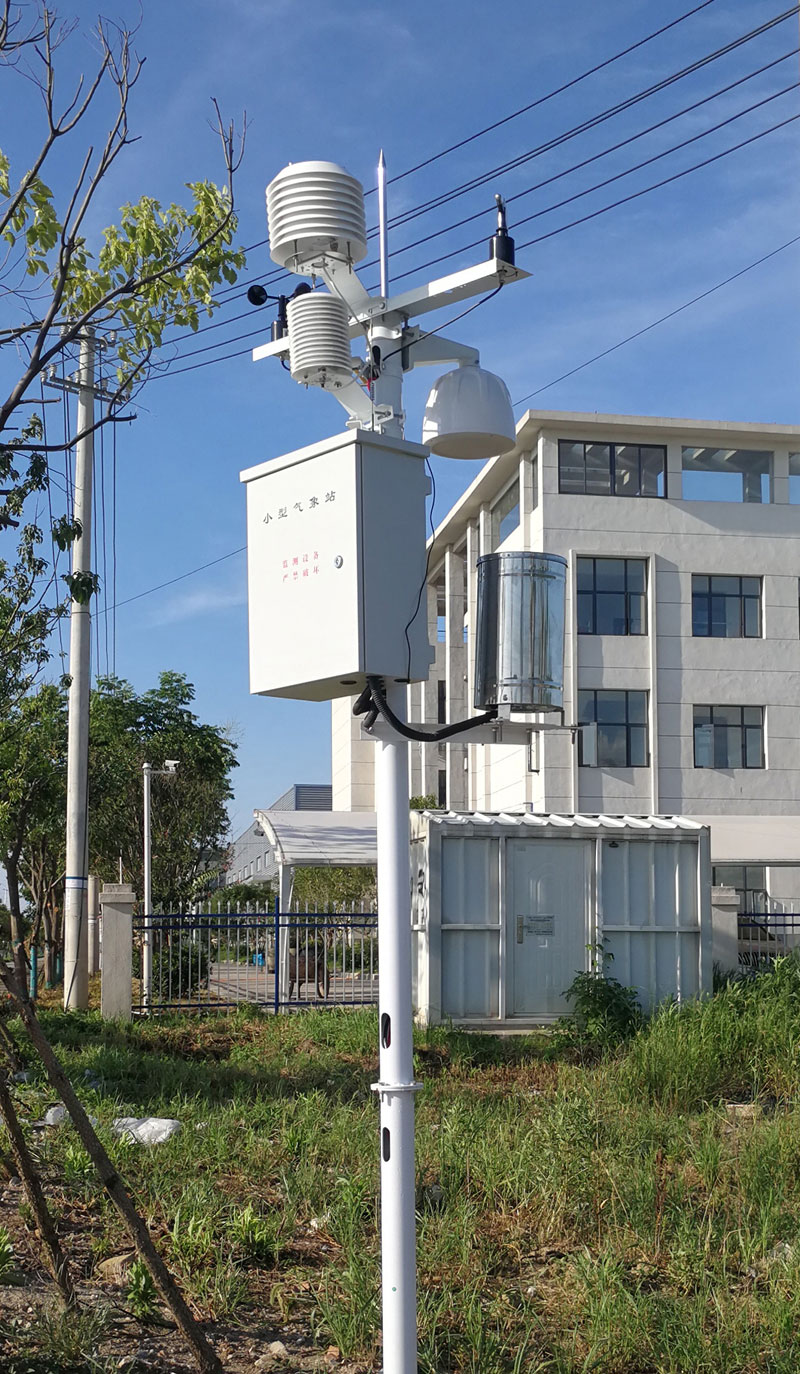
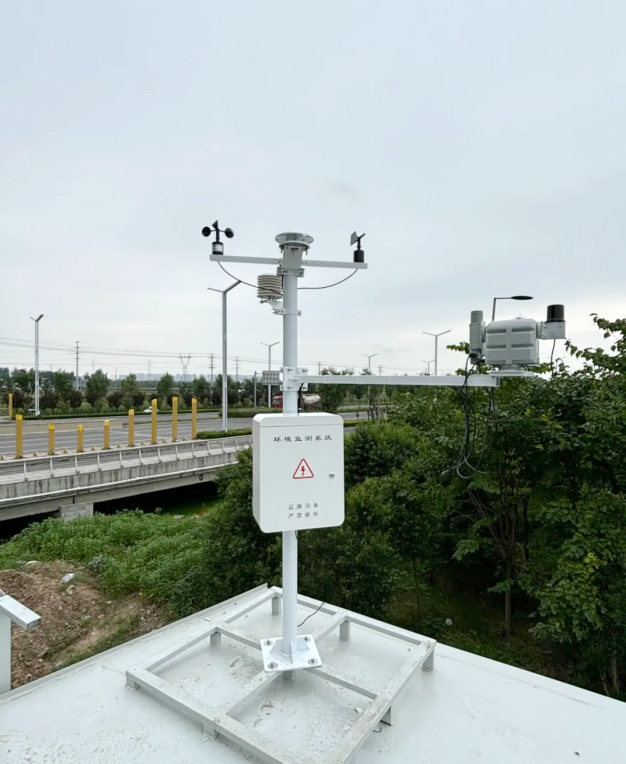
An automatic weather station is a complex system engineering project, with its reliability depending on the coordinated work of the perception layer, acquisition layer, and transmission layer. NiuBoL meteorological observation stations strictly follow WMO standards to ensure 24/7 stable operation in unattended harsh outdoor environments.
1. Perception Layer: High-Precision Sensor Array
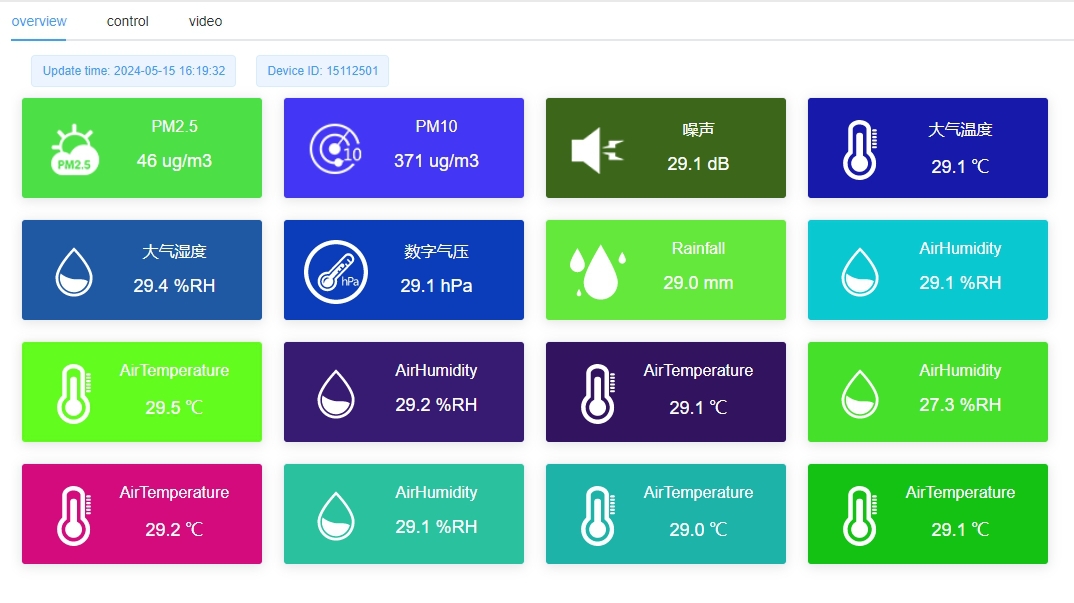
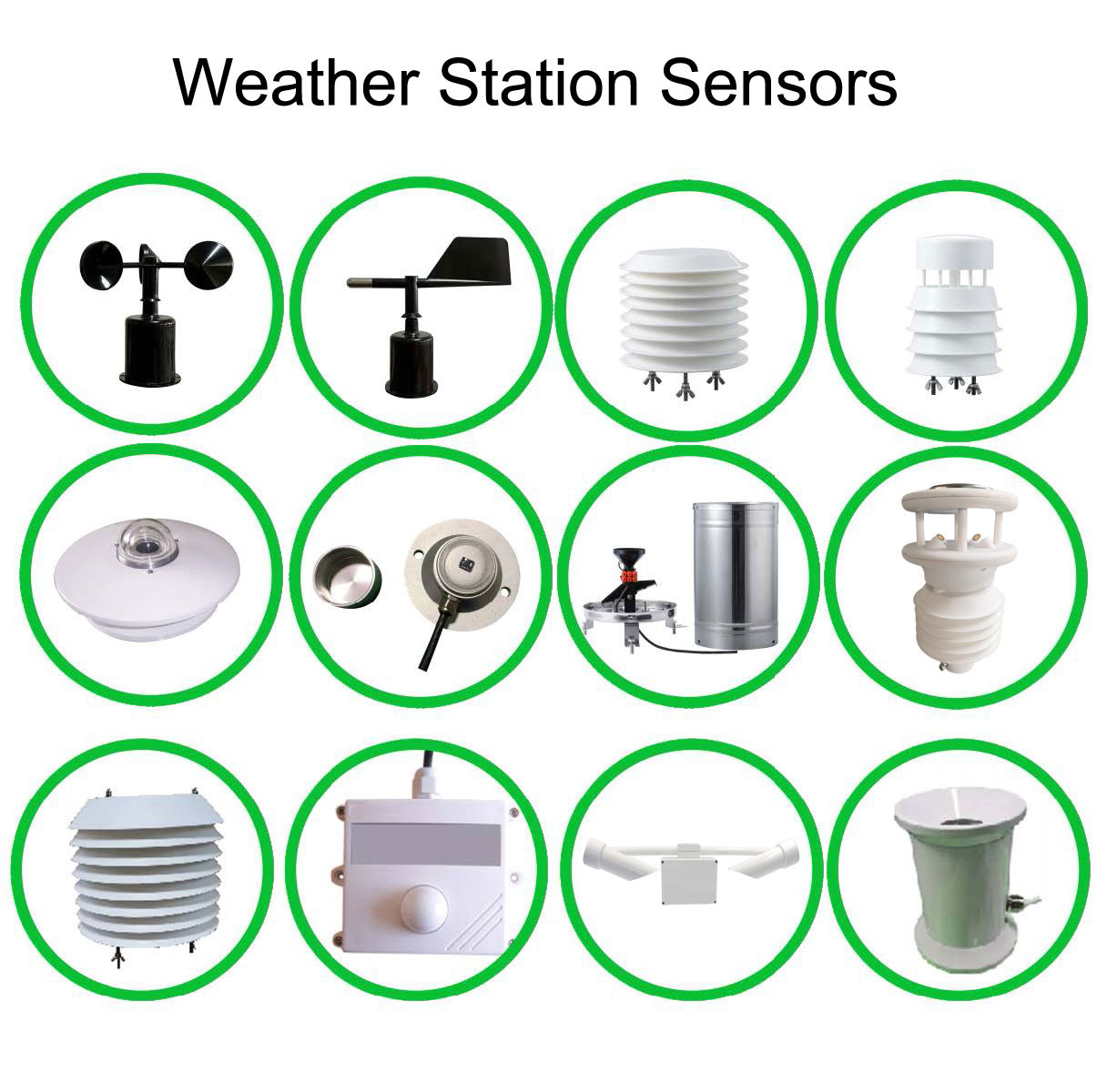
Meteorological sensors are the system's tentacles. According to project requirements, NiuBoL systems support customized combinations of various meteorological elements:
Spatial Environment Elements: Air temperature, humidity, atmospheric pressure.
Dynamic Elements: Wind speed (starting wind speed < 0.3 m/s), wind direction sensors.
Hydrological Elements: Rainfall (tipping bucket weighing, accuracy up to 0.2 mm).
Radiation and Optical: Total radiation sensor, illumination intensity sensor, UV index.
Environmental Quality Indicators: PM2.5 sensor, PM10 sensor, TSP, noise sensor.
Other Elements: Soil temperature and humidity sensor, soil electrical conductivity (EC) sensor, soil pH sensor.
2. Acquisition Layer: Core Data Logger and Processing Hub
The meteorological data logger (Data Logger) is the system's "brain." NiuBoL collectors possess the following industrial characteristics:
Multi-channel access: Reserved multiple analog (0-5V/4-20mA) and digital signal (RS485) interfaces.
Data quality control: Built-in algorithm automatically eliminates wild values, supports local calculation of maximum, minimum, average, and instantaneous values.
Over-limit alarm logic: Supports millisecond-level response to anomalies such as sudden air pressure changes and heavy precipitation, triggering local/remote warnings.
3. Transmission Layer: Multi-Modal Communication Architecture
To adapt to different deployment environments, the system supports multiple data links:
Mobile network: 4G/5G/GPRS remote transmission.
Short-range wireless: LoRa wireless networking, supporting sensor self-networking without wiring, suitable for orchards, mountainous areas, and other complex terrains.
Wired integration: Industrial-grade RS485 (Modbus-RTU protocol), easy access to third-party monitoring platforms.
When selecting equipment for projects, system integrators need to focus on the instrument's range, resolution, and environmental tolerance. The following is the core parameter table of NiuBoL standard automatic weather station:
| Monitored Element | Range | Resolution | Accuracy |
|---|---|---|---|
| Air Temperature | -40 ~ 80℃ | 0.1℃ | ±0.3℃ |
| Air Humidity | 0 ~ 100% RH | 0.1% RH | ±3% RH |
| Wind Speed | 0 ~ 60 m/s | 0.1 m/s | ±(0.3+0.03V) m/s |
| Wind Direction | 0 ~ 360° | 1° | ±3° |
| Atmospheric Pressure | 300 ~ 1100 hPa | 0.1 hPa | ±0.5 hPa |
| Rainfall | 0 ~ 4 mm/min | 0.2 mm / 0.1 mm | ±4% |
| Total Radiation | 0 ~ 2000 W/m² | 1 W/m² | ±5% |
| Communication Protocol | RS485 / Modbus-RTU | ||
| Power Supply System | 12V DC / 24V DC | ||
1. Meso-Scale Dense Monitoring Network and Grid Forecasting
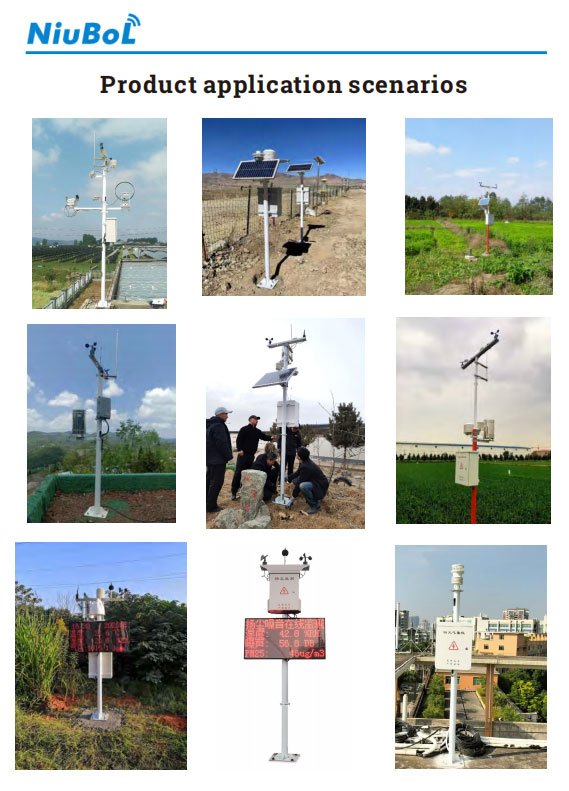
In fine-scale weather forecasting, deploying high-density NiuBoL automatic weather stations can capture local microclimate changes. This plays a decisive role in solving forecast blind spots caused by complex terrain and improving short-term heavy precipitation (waterlogging) warning timeliness.
2. Smart Agriculture and High-Standard Farmland
The system integrates soil temperature and humidity, illumination, and evaporation monitoring. Through Modbus protocol access to agricultural IoT platforms, it enables intelligent irrigation based on meteorological data (e.g., automatically adjusting pump operation according to temperature and rainfall probability), effectively reducing operational costs.
3. Traffic and General Aviation Airport Monitoring
On highways, bridges, and general aviation airports, real-time wind speed and visibility monitoring are fundamental to ensuring operational safety. NiuBoL weather stations support video overlay function, directly superimposing real-time meteorological elements on surveillance screens to achieve "visual-meteorological linkage."
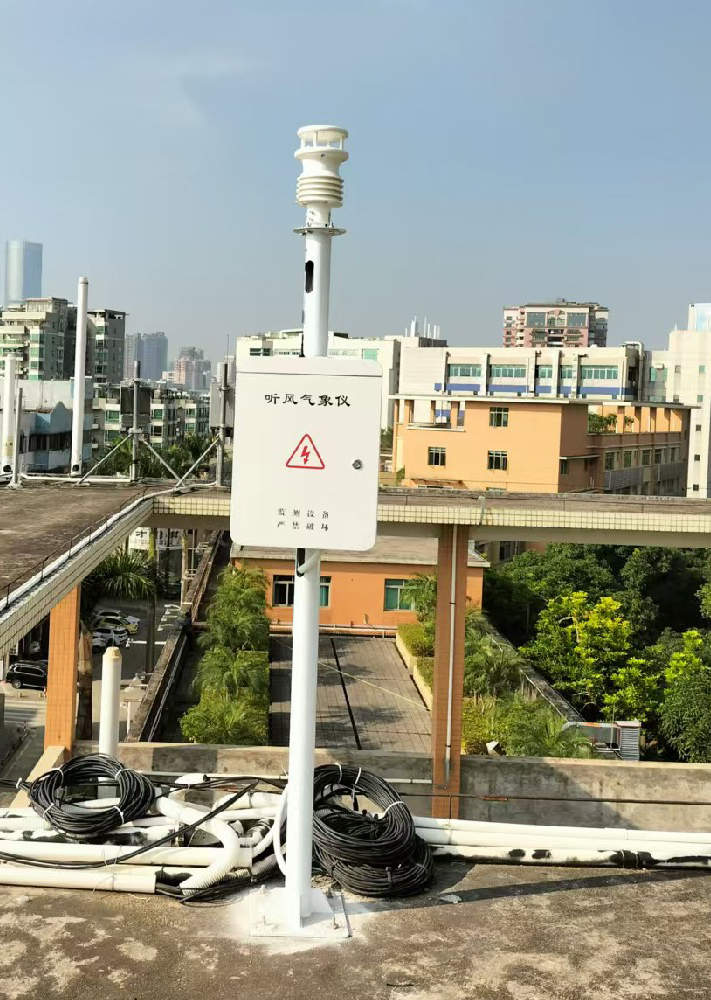
As professional project contractors, strictly adhere to the following engineering specifications during construction and integration stages:
Sensor Plugging and Power Sequence: Must strictly correspond to collector and transmitter cable sockets; never hot-plug while powered. Follow the order of "connect sensor first, then power" to prevent transient current from damaging acquisition cards.
Bracket Protection and Anti-Theft: Small automatic weather station brackets require ground anchors or counterweights configured according to site geological environment. NiuBoL products adopt new composite materials and anti-theft bolt design to enhance anti-destruction capability in the field.
Lightning Protection and Anti-Interference: In lightning-prone areas, ensure the bracket has a good grounding system (grounding resistance < 4Ω), and add signal surge protectors on RS485 signal lines.
Energy Redundancy Design: For unattended sites, configure battery capacity based on local average sunshine hours to ensure normal system operation during 15 consecutive rainy days.
Addressing the equipment lifecycle management concerns most important to project contractors:
Technical Return Visit Mechanism: Provide dedicated remote technical support for integrator projects, with senior engineers directly addressing Modbus protocol debugging and cloud docking issues.
Hardware Quality Traceability: Establish a complete after-sales feedback system. If equipment has non-human quality defects, implement the "responsible to the end" principle to ensure engineering does not halt due to hardware failure.
Data Quality Control Support: Provide backend data verification algorithms to assist integrators in perfecting meteorological observation reports and meeting client audit requirements for data accuracy.
Q1: Is the later maintenance workload large for automatic weather stations?
A1: The system adopts maintenance-free design; main maintenance work includes: regularly wiping the rainfall sensor funnel (to prevent foreign object blockage), checking solar panel shading, and periodically calibrating temperature and humidity drift.
Q2: Does the system support access to third-party IoT cloud platforms?
A2: Yes. NiuBoL collector provides standard Modbus-RTU communication protocol; integrators can directly obtain hexadecimal raw data via RS485 and parse docking according to our provided register table.
Q3: How to deploy sensors in areas without sunlight coverage?
A3: NiuBoL networked sensors support distributed power supply; for shadowed areas with insufficient sunlight, we can provide split-type high-power solar power solutions or external mains power schemes.
Q4: Does the sensor have anti-corrosion capability, suitable for coastal or chemical plant deployment?
A4: Our sensor housing uses ASA/ABS material and special anti-corrosion coating; the bracket uses hot-dip galvanized spray plastic treatment, effectively resisting salt spray and acidic atmospheric erosion.
Q5: How is transmission distance performance of LoRa networking in outdoor woodlands?
A5: In line-of-sight unobstructed conditions, transmission distance reaches 2-5 km. In woodland environments affected by occlusion, transmission distance decreases somewhat but is sufficient to cover medium to large farms or industrial parks.
An automatic weather station is not merely a simple stacking of sensors but a deep integration of meteorological observation science and IoT communication technology. Choosing NiuBoL means selecting engineering quality that complies with WMO standards and comprehensive after-sales technical support. Whether used for meso-scale dense network construction, campus meteorology, environmental monitoring, or general aviation services, NiuBoL always helps system integrators transform complex atmospheric data into precise industry insights.
If you are conducting scheme selection for smart hydrology, precision agriculture, or campus meteorological monitoring projects, please contact NiuBoL Industrial Marketing Center to obtain detailed integration technical documents and quotation support.
Next:Necessity of Agricultural Weather Stations in Large-Scale Cucumber, Wheat, and Vegetable Production
Related recommendations
Sensors & Weather Stations Catalog
 Agriculture Sensors and Weather Stations Catalog-NiuBoL.pdf
Weather Stations Catalog-NiuBoL.pdf
Agriculture Sensors Catalog-NiuBoL.pdf
Water Quality Sensor Catalog-NiuBoL.pdf
Related products
 Combined air temperature and relative humidity sensor
 Soil Moisture Temperature sensor for irrigation|NBL-S-THR
 Soil pH sensor RS485 soil Testing instrument soil ph meter for agriculture |NBL-S-PH
 Wind Speed sensor Output Modbus/RS485/Analog/0-5V/4-20mA
 Tipping bucket rain gauge for weather monitoring auto rainfall sensor RS485/Outdoor/stainless steel
 Pyranometer Solar Radiation Sensor 4-20mA/RS485

Screenshot, WhatsApp to identify the QR code
WhatsApp number:+8615367865107
(Click on WhatsApp to copy and add friends)

