





— Blogs —
—Products—
 Consumer hotline +8618073152920
 WhatsApp:+8615367865107
Address:Room 102, District D, Houhu Industrial Park, Yuelu District, Changsha City, Hunan Province, China
Product knowledge
Time:2026-03-12 10:05:45 Popularity:462
The NiuBoL agricultural weather station series products are specially designed for industrial-grade applications, supporting 24/7 multi-parameter real-time data collection, and seamlessly integrating with SCADA, cloud platforms, or edge controllers through standard protocols to achieve automated closed-loop control for irrigation, ventilation, frost protection, etc.
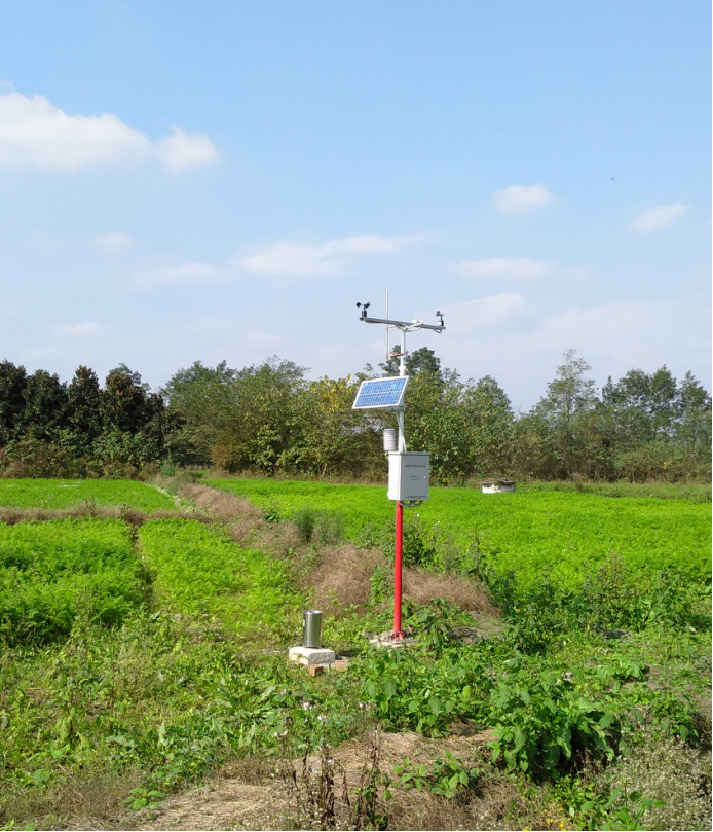
Large-scale agriculture places higher demands on crop yield stability and economic returns, while environmental factors are key variables determining the upper limit of yield per unit area. Crops have significantly different requirements for temperature, humidity, light, soil moisture, and other elements at different growth stages. Traditional empirical management struggles to cope with climate fluctuations and extreme weather.
Lack of precise environmental data can lead to:
Low or high temperatures causing freeze damage/heat damage
Soil moisture imbalance resulting in drought stress or waterlogging damage
High humidity inducing disease outbreaks (such as downy mildew, rust)
Sudden rainfall causing field water accumulation and delayed operations
The NiuBoL agricultural weather station provides high-resolution data through 24-hour unattended monitoring, supports trend analysis, threshold alarms, and linkage control, helping engineering teams build data-driven management systems. In open fields, facility agriculture, and specialty planting projects, the system can significantly reduce input costs (water, electricity, pesticides) and improve overall resilience.
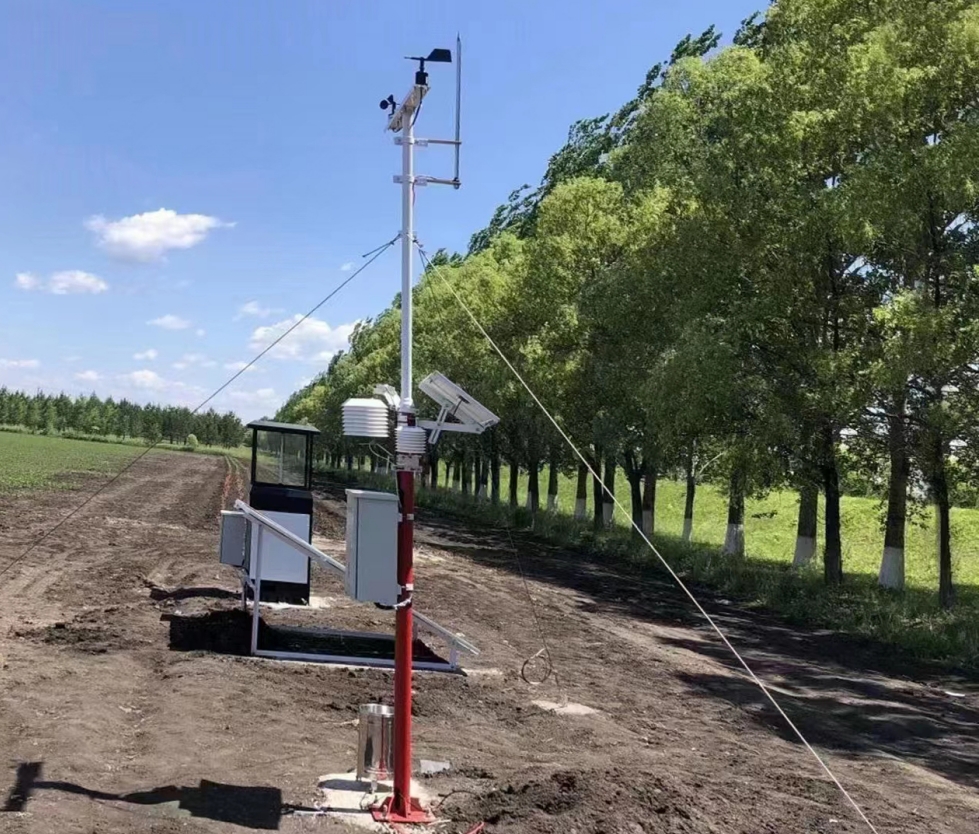
The NiuBoL product line covers configurations from basic five elements to ten-in-one ultrasonic integrated types and more. Sensor accuracy meets agricultural application requirements and supports modular expansion (such as adding PAR, photosynthetically active radiation, CO₂, multi-layer soil profile, etc.).
The following is a technical specification table for typical configurations (based on mainstream NiuBoL models, subject to actual project requirements):
| Parameter | Measurement Range | Resolution / Accuracy | Sensor Type / Remarks |
|---|---|---|---|
| Air Temperature | -40 ~ +80 ℃ | 0.1 ℃ / ±0.2 ℃ | High-precision thermistor or digital type |
| Air Relative Humidity | 0 ~ 100 %RH | 0.1 %RH / ±2 %RH | Capacitive humidity sensor |
| Atmospheric Pressure | 300 ~ 1100 hPa | 0.1 hPa / ±0.3 hPa | Piezoresistive type |
| Wind Speed | 0 ~ 60 m/s or 0 ~ 70 m/s | 0.1 m/s / ±(0.3 + 0.03V) m/s | Three-cup type or ultrasonic |
| Wind Direction | 0 ~ 360 ° | 1 ° / ±3 ° | Potentiometer or ultrasonic |
| Precipitation | 0 ~ 4 mm/min (unlimited accumulation) | 0.1 mm / ±4% | Tipping bucket or piezoelectric type |
| Illuminance / Solar Radiation | 0 ~ 200,000 Lux or 0 ~ 2000 W/m² | 1 Lux or 1 W/m² / ±5% | Silicon photocell or thermopile |
| Soil Temperature | -40 ~ +80 ℃ | 0.1 ℃ / ±0.2 ~ 0.3 ℃ | Optional multi-depth probe |
| Soil Volumetric Water Content | 0 ~ 100 % | 0.1 % / ±2 ~ 3 % | FDR dielectric type |
| Evaporation (optional) | Equivalent to reference evaporating dish | 0.1 mm | Class A evaporating dish integrated |
Communication interfaces supported: RS485 (Modbus RTU protocol), 4G/5G cellular, LoRaWAN, MQTT, and more, facilitating access to mainstream IoT platforms. Power supply adopts solar system (typical 60–100 W PV panel + 30–60 Ah battery), enclosure protection rating IP65–IP67, suitable for long-term outdoor deployment.
These parameters and protocol compatibility ensure rapid integration with existing automation equipment.
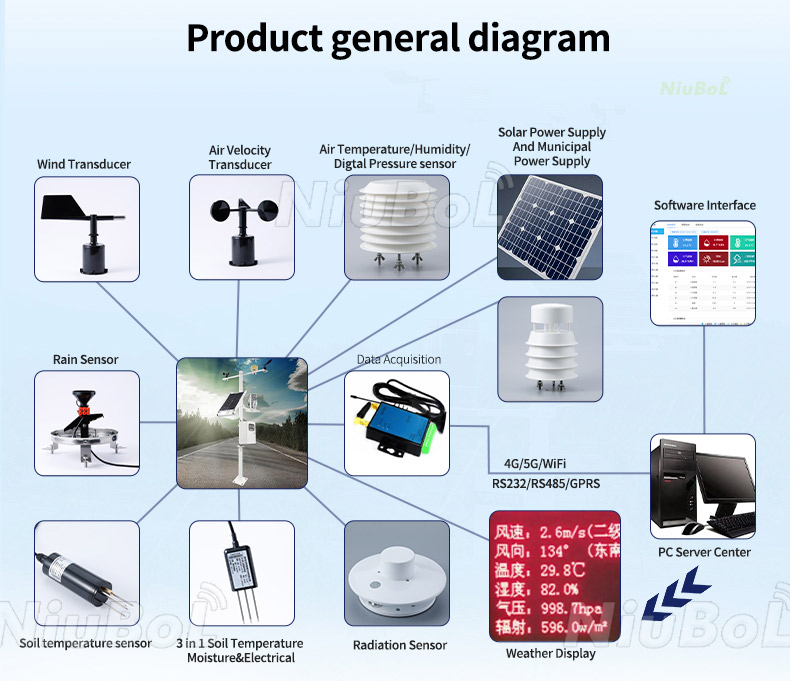
Facility cucumber winter production often faces acute seedling death issues, mainly caused by drastic weather changes, excessive day-night temperature differences, and humidity surges after continuous rainy weather followed by warming (>80% RH easily induces downy mildew, leaf mold).
Optimal growth ranges for cucumber:
Daytime air temperature: 25–32 ℃
Nighttime: 15–18 ℃
Soil temperature: 20–25 ℃
Relative humidity:<80 %
The NiuBoL weather station is deployed inside the greenhouse to collect data in real time via sensors and transmit wirelessly to the cloud or mobile devices. When temperature drops below 10 ℃ or humidity exceeds the threshold, the system issues alarms and can link with curtain rolling, thermal screens, dehumidification fans, and other equipment to achieve active regulation. In commercial greenhouse cluster projects, engineering companies often combine this station with environmental controllers to form closed-loop control, significantly reducing manual inspection frequency and crop loss rate.
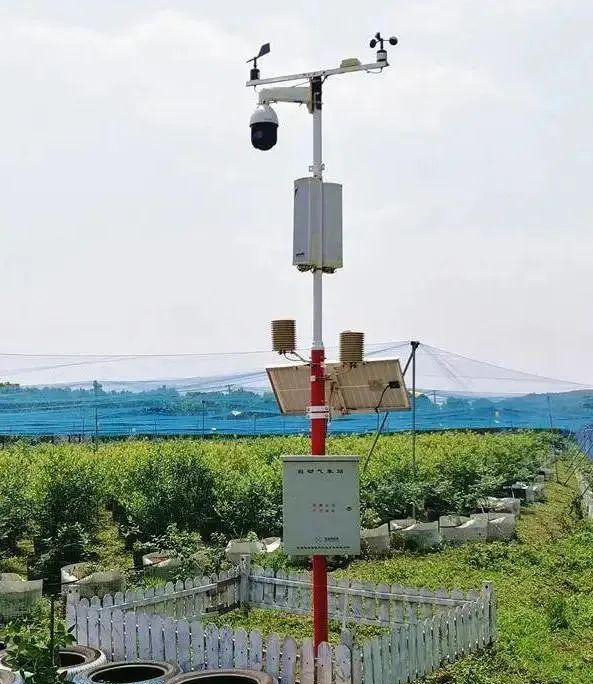
Wheat (winter wheat/spring wheat) germination and grain-filling stages are extremely sensitive to soil temperature and humidity. Optimal temperature for seed germination is 15–20 ℃, and soil relative moisture content should be maintained at 60–80% of field capacity.
Prolonged rainy weather leading to excessive soil moisture → oxygen deficiency, seed rot, uneven emergence
Drought stress → inhibited radicle growth, reduced spikelet formation rate
The NiuBoL automatic weather station can monitor multi-layer soil temperature and humidity, rainfall intensity, light, and reference evapotranspiration values. Data supports:
Pre-sowing moisture assessment (delay sowing or select early-maturing varieties + increase density and fertilization when too wet)
Precise supplementary irrigation decisions during growth periods
Drought warning and water-saving irrigation scheduling
In rainfed or limited irrigation projects, the system helps contractors develop management plans based on measured data, improving population uniformity and final yield.
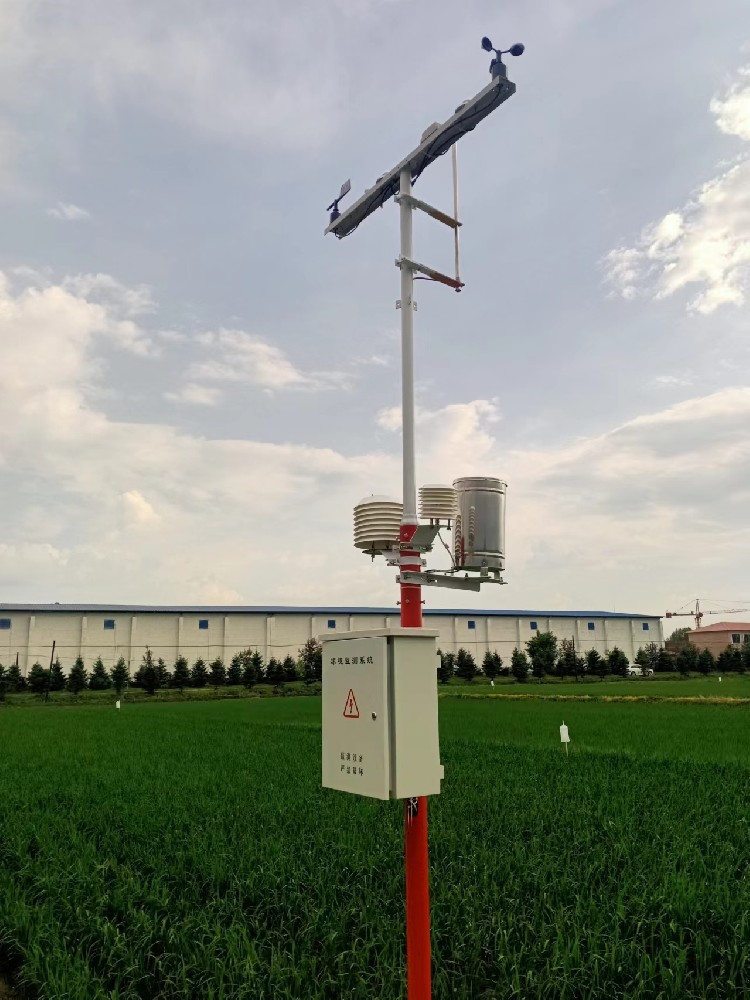
The rapid development of facility vegetable bases in southern Xinjiang and other regions cannot be separated from scientific assessment and dynamic regulation of meteorological conditions. Site selection stages require reference to long-term climate data, while operational stages rely on real-time monitoring for automation.
NiuBoL equipment provides in base construction:
Baseline environmental data collection, supporting site selection and design optimization
After accessing IoT platforms, achieving threshold linkage (e.g., soil moisture below set value → drip irrigation starts; temperature exceeds limit → top/side window ventilation)
Historical data accumulation for yield prediction, quality traceability, and green certification
This integration approach significantly reduces labor input while enhancing stable supply capacity of high-value vegetables.
1. Scientific Decision Support — Real-time + historical data matching crop phenology models, replacing empirical management.
2. Meteorological Disaster Warning — Early perception of risks such as frost, high temperature, heavy rain, supporting disaster prevention plan execution.
3. Efficient Resource Utilization — Precise soil moisture feedback can reduce irrigation water by 20–40%, lowering energy consumption.
4. Automation Foundation — Modbus/MQTT and other protocols facilitate linkage with pumps, valves, fans, fertilizing machines, achieving low/no-personnel operation.
5. Project Scalability — From single-point pilots to ten-thousand-mu-level networking, centralized data management, facilitating large-scale replication.
These features make NiuBoL a highly reliable choice in precision agriculture turnkey projects.
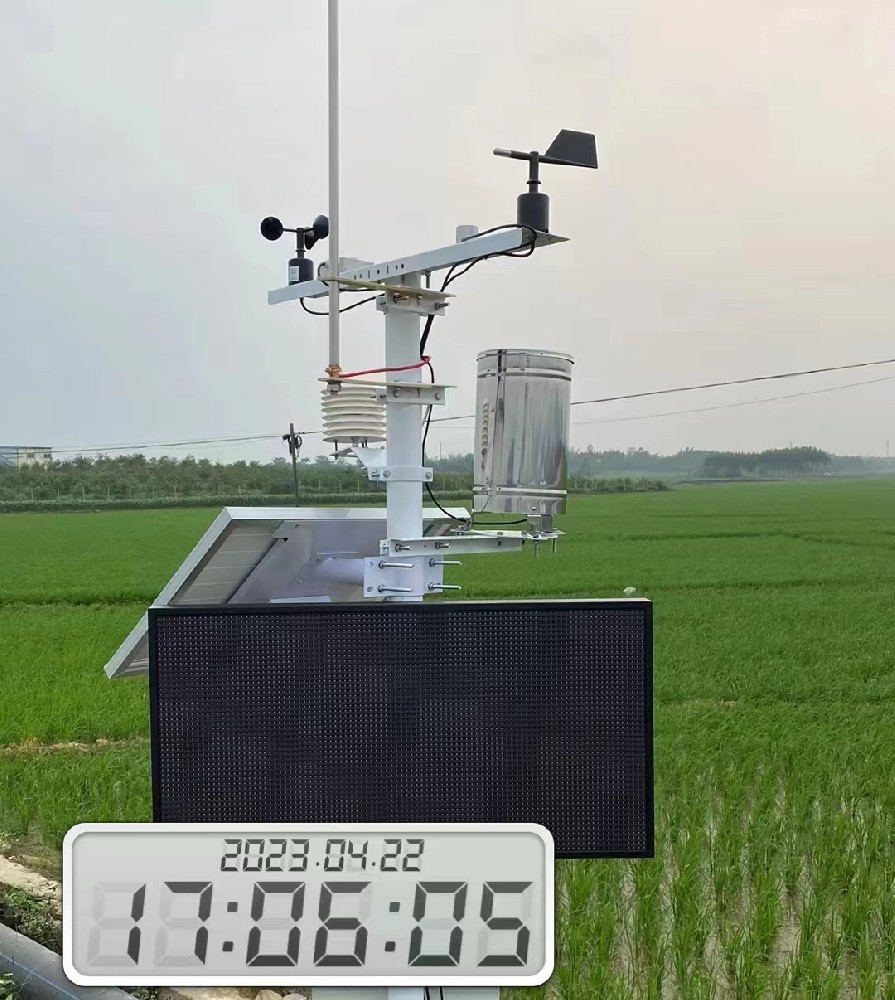
Q1: What area can a single NiuBoL agricultural weather station cover?
A single station typically covers 10–100 hectares (depending on terrain and parameter variability), and larger areas with high-resolution monitoring can be achieved through multi-station networking.
Q2: What remote communication methods are supported?
RS485 (Modbus RTU), 4G/5G, LoRaWAN, MQTT, compatible with mainstream cloud platforms and local gateways.
Q3: How accurate is the soil moisture sensor?
FDR dielectric sensor volumetric water content accuracy ±2–3%, supports multi-depth configuration, meeting root-zone dynamic monitoring needs.
Q4: Can it be integrated with existing irrigation systems?
Yes, supported through threshold outputs or protocol docking with solenoid valves, variable frequency pumps, fertigation machines to achieve automatic response.
Q5: What is the off-grid installation power supply solution?
Solar configuration (PV panel + battery) provides long-term autonomy, also supports DC 12V hybrid power supply.
Q6: How does it help facility agriculture prevent diseases?
Continuous monitoring of temperature and humidity, alarming and linking ventilation/dehumidification when exceeding crop thresholds (e.g., cucumber >80% RH), inhibiting pathogen reproduction.
Q7: Does the data support mobile viewing?
Yes, the cloud platform provides real-time dashboards, historical curves, alarm push notifications, and data export functions, compatible with mobile phones/computers.
Q8: What are the maintenance requirements for long-term operation?
It is recommended to calibrate temperature/humidity/radiation sensors annually, regularly clean the radiation shield and tipping bucket; normal service life can reach more than 5 years.
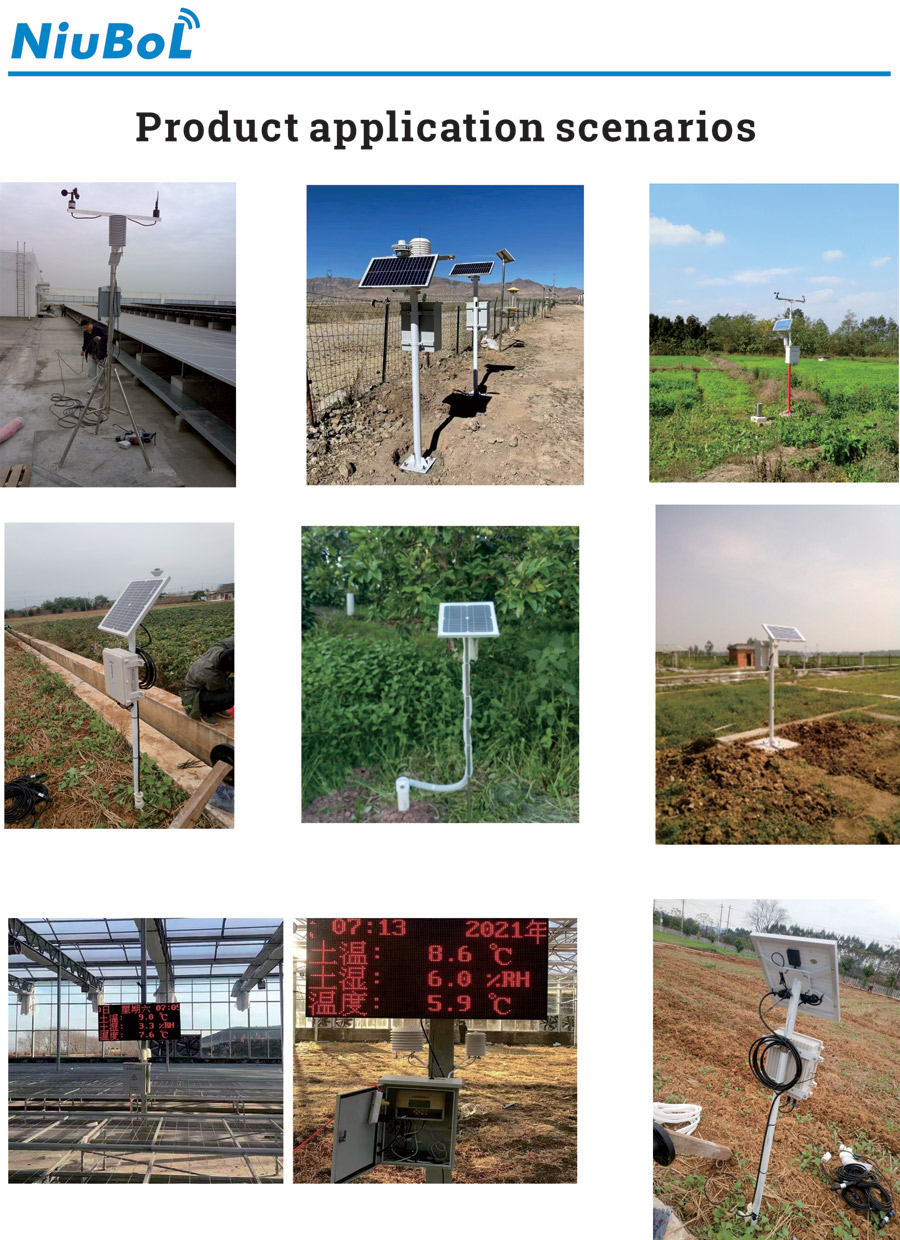
Facing the dual pressures of intensifying climate change and resource constraints, deploying high-precision agricultural weather monitoring systems has become the cornerstone of sustainable development in modern agriculture. The NiuBoL series products, with reliable sensor performance, flexible communication options, and strong integration compatibility, provide solid technical support for system integrators and engineering companies, helping clients achieve project goals of stable yield, controllable costs, and minimized risks.
For detailed technical solutions, customized configurations, or project case support, engineering teams are welcome to contact for evaluation and consider NiuBoL as a core component of next-generation precision agriculture solutions.
Related recommendations
Sensors & Weather Stations Catalog
 Agriculture Sensors and Weather Stations Catalog-NiuBoL.pdf
Weather Stations Catalog-NiuBoL.pdf
Agriculture Sensors Catalog-NiuBoL.pdf
Water Quality Sensor Catalog-NiuBoL.pdf
Related products
 Combined air temperature and relative humidity sensor
 Soil Moisture Temperature sensor for irrigation|NBL-S-THR
 Soil pH sensor RS485 soil Testing instrument soil ph meter for agriculture |NBL-S-PH
 Wind Speed sensor Output Modbus/RS485/Analog/0-5V/4-20mA
 Tipping bucket rain gauge for weather monitoring auto rainfall sensor RS485/Outdoor/stainless steel
 Pyranometer Solar Radiation Sensor 4-20mA/RS485

Screenshot, WhatsApp to identify the QR code
WhatsApp number:+8615367865107
(Click on WhatsApp to copy and add friends)

