





— Blogs —
—Products—
 Consumer hotline +8618073152920
 WhatsApp:+8615367865107
Address:Room 102, District D, Houhu Industrial Park, Yuelu District, Changsha City, Hunan Province, China
Product knowledge
Time:2026-05-04 09:33:54 Popularity:540
COD (Chemical Oxygen Demand) and BOD (Biochemical Oxygen Demand) are core indicators for assessing the degree of organic pollution in water quality monitoring and wastewater treatment. COD reflects the total amount of organic matter that can be chemically oxidized and some inorganic reducing substances in water. BOD reflects the amount of oxygen required by microorganisms to degrade organic matter. Both are used together to determine water pollution levels, biodegradability and treatment process effectiveness, playing a key role in surface water protection, industrial wastewater treatment and ecological restoration.
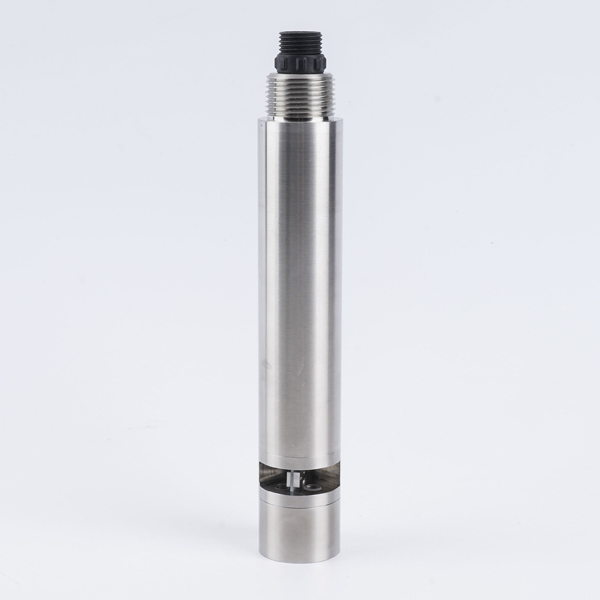
Chemical Oxygen Demand (COD) refers to the amount of oxygen consumed when reducing substances (mainly organic matter, including some inorganic reducing substances such as sulfides and ferrous ions) in a water sample are oxidized by strong oxidants under specified conditions. It is usually expressed in milligrams of oxygen consumed per liter of water sample (mg/L). It reflects the total amount of chemically oxidizable organic pollution in the water body.
Biochemical Oxygen Demand (BOD) refers to the amount of dissolved oxygen consumed by microorganisms in water during the decomposition of organic matter under aerobic conditions at 20℃. The five-day biochemical oxygen demand (BOD5) is commonly used as the standard value. It mainly reflects the content of organic matter that can be biodegraded by microorganisms.
There are significant differences in the connotations of the two:
COD has a wider measurement range, covering both biodegradable and non-biodegradable organic matter, as well as some inorganic reducing substances.
BOD only targets biodegradable organic matter and is closer to the natural self-purification process of water bodies.
Generally, COD values are higher than BOD values. The difference between the two can roughly represent the content of non-biodegradable organic matter. The BOD/COD ratio is often used to evaluate the biodegradability of wastewater: a higher ratio (>0.4) indicates that the wastewater is easy to treat biologically, while a lower ratio requires consideration of physicochemical pretreatment.
In traditional laboratory determination, COD mostly uses potassium dichromate method or potassium permanganate method. Strong chemical oxidants oxidize water samples under heating conditions, and oxygen consumption is calculated by titration or spectrophotometry. The entire process usually takes 2-4 hours.
BOD determination uses the dilution inoculation method: mix the water sample with inoculation liquid, culture under dark conditions at 20℃ for 5 days, and calculate BOD5 based on the difference in dissolved oxygen concentration before and after cultivation. This method is time-consuming (5 days), complex to operate, and greatly affected by temperature, microbial activity, toxic substances and other factors.
Water environment quality is directly related to ecological balance and sustainable development. Excessive organic pollution will lead to decreased dissolved oxygen in water bodies, intensified eutrophication, and even cause fish hypoxia death and algal bloom phenomena. In ecological restoration projects, traditional methods that rely heavily on chemicals to maintain "clear water" status often face problems such as plant death, high maintenance costs and short cycles.
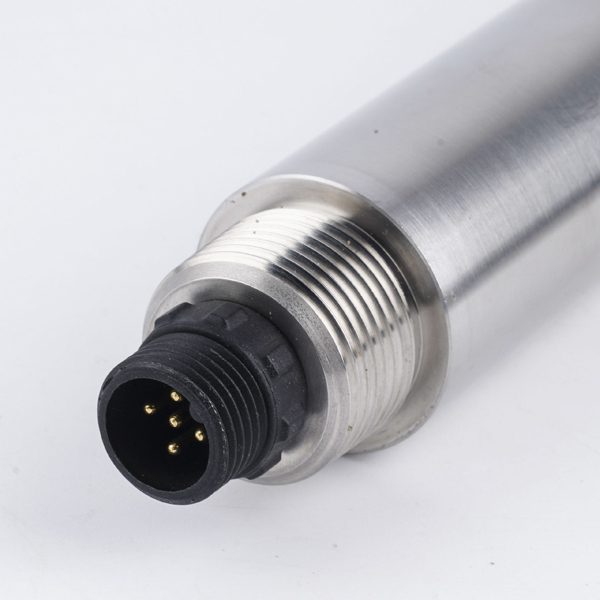
Many dissolved organic substances in water have absorption characteristics for ultraviolet light. NiuBoL NBL-WQ-COD integrated online COD sensor adopts double wavelength ultraviolet absorption method: one ultraviolet light (around 254 nm) is used to measure organic matter absorption, and one reference light is used to compensate for water turbidity. Through specific algorithms to compensate for optical path attenuation, it can eliminate the interference of granular suspended solids to a certain extent and achieve stable and reliable measurement.
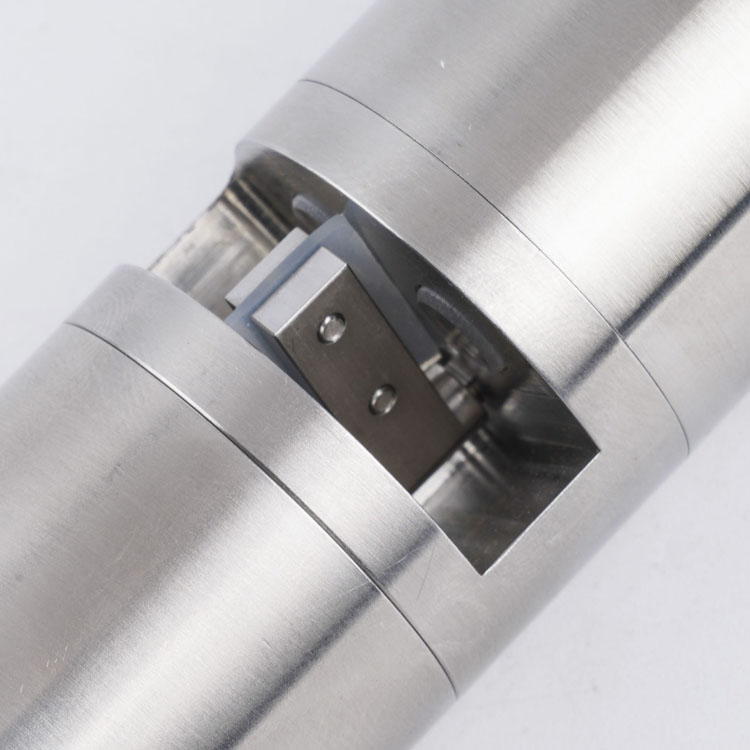
| Parameter | Specification |
|---|---|
| Model | NBL-WQ-COD |
| Measurement Principle | Double Wavelength Ultraviolet Absorption Method |
| Range & Resolution | COD: 0~200.0 mg/L (0.1 mg/L) Turbidity: 0~200.0 NTU (0.1 NTU) COD: 0~500.0 mg/L (0.1 mg/L) Turbidity: 0~400.0 NTU (0.1 NTU) |
| Accuracy | 0~200.0 mg/L or NTU: ±5% of reading 0~500.0 mg/L or 400.0 NTU: ±5% of reading |
| Response Time (T90) | <30 s |
| Minimum Detection Limit | 0.2 mg/L (0-200 mg/L range) 0.4 mg/L (0-500 mg/L range) |
| Calibration Method | Two-point Calibration |
| Cleaning Method | Built-in cleaning brush |
| Temperature Compensation | Automatic (Pt1000) |
| Output Method | RS-485 (Modbus RTU), 4-20 mA (optional) |
| Working Conditions | 0~45℃, ≤0.2 MPa |
| Installation Method | Submersible, 3/4 NPT |
| Protection Rating | IP68 |
| Power Supply & Consumption | 12~24 V DC; Working 0.4 W@12 V, Cleaning 2 W@12 V |
| Shell Material | 316L |
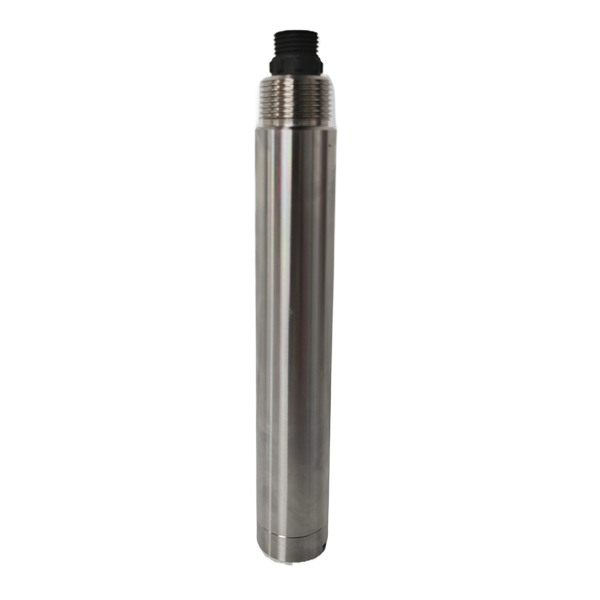
Dissolved organic matter in water can produce fluorescence under ultraviolet light excitation. NBL-WQ-BOD-4 integrated online BOD sensor adopts double wavelength fluorescence method: one ultraviolet light excites organic matter fluorescence, and one reference light compensates for turbidity interference. Through dedicated algorithms to correct optical path attenuation, rapid measurement of biodegradable organic matter is achieved.
| Parameter | Specification |
|---|---|
| Model | NBL-WQ-BOD-4 |
| Measurement Principle | Double Wavelength Fluorescence Method |
| Range | BOD: 0~150 mg/L Turbidity: 0~100 NTU |
| Resolution | BOD: 0.1 mg/L Turbidity: 0.1 NTU |
| Accuracy | BOD: ±5% F.S. Turbidity: ±5% F.S. |
| Calibration Method | Two-point Calibration |
| Output Method | RS-485 (Modbus RTU) |
| Working Conditions | 0~45℃, <0.1 MPa |
| Installation Method | Submersible installation |
| Protection Rating | IP68 |
| Power Supply & Consumption | 12~24 V DC, 0.2 W@12 V |
| Cable Length | 5 meters (customizable) |
| Shell Material | POM and 316L stainless steel |
Q1. What is the main difference between COD and BOD?
COD measures all chemically oxidizable reducing substances in water with wide range and fast speed; BOD only measures biodegradable organic matter, which is time-consuming but closer to the natural degradation process. Usually COD values are higher than BOD values.
Q2. What is the engineering significance of the BOD/COD ratio?
The higher the ratio, the better the biodegradability of wastewater, suitable for biological treatment; a too low ratio requires additional pretreatment steps. This indicator is often used for process selection and effect evaluation.
Q3. Why is online monitoring superior to traditional laboratory methods?
Online monitoring enables real-time continuous data collection with short response time (second level) and supports remote integration, overcoming the limitations of laboratory methods such as poor timeliness and high labor costs.
Q4. How does the ultraviolet absorption COD sensor compensate for turbidity interference?
It adopts a double wavelength design with one measurement light and one reference light. Algorithms compensate for optical path attenuation and suspended solids influence to improve measurement stability.
Q5. What water bodies are fluorescence BOD sensors suitable for?
They are suitable for municipal sewage, industrial wastewater and ecological restoration water bodies, especially scenarios requiring assessment of biodegradable organic load.
Q6. Do NiuBoL sensors need frequent addition of reagents?
No chemical reagents are required, which is economical and environmentally friendly, significantly reducing operating costs and secondary pollution risks.
Q7. What is the role of Modbus RTU protocol in water quality monitoring?
It supports reliable digital communication between sensors and industrial control systems to achieve data collection, remote monitoring and automation linkage.
Q8. How to determine the degree of organic pollution in water bodies?
Comprehensive analysis combining COD (total organic load) and BOD (degradable portion), while referring to BOD/COD ratio and on-site water ecological conditions.
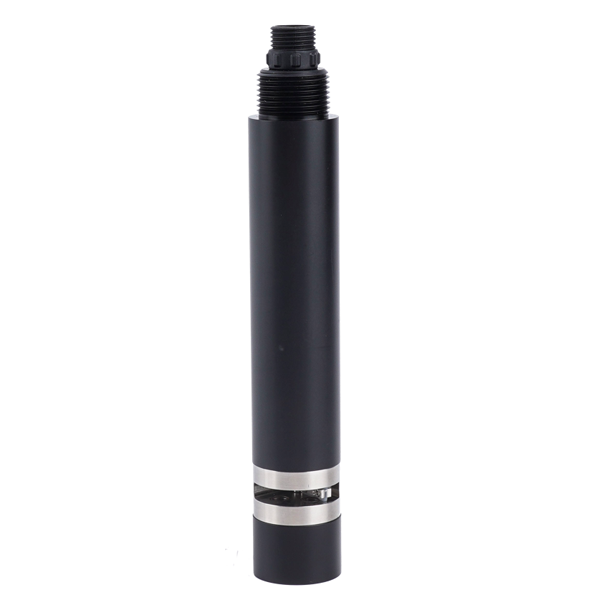
COD and BOD, as dual indicators of organic pollution monitoring, have their own emphases and complement each other. COD provides fast and comprehensive pollution total information, while BOD reveals biological treatment potential. Accurately mastering the differences and relationships between the two is crucial for optimizing wastewater treatment processes, improving water ecological restoration effects and achieving sustainable water environment development.
NiuBoL NBL-WQ-COD and NBL-WQ-BOD-4 integrated online sensors, based on double wavelength ultraviolet absorption method and fluorescence method respectively, feature fast response, simple maintenance and high stability, providing users with practical and reliable online monitoring solutions. Through standardized outputs such as RS-485 Modbus RTU, they can be seamlessly integrated into existing control systems, helping operators achieve the transformation from passive monitoring to active regulation.
In practical applications, it is recommended to establish COD and BOD correlation models based on on-site water quality characteristics, and perform regular calibration and maintenance to ensure data accuracy and long-term reliable operation of equipment. Scientific use of these monitoring tools will strongly support water environment quality improvement and ecological civilization construction.
 NBL-WQ-BOD-4A Online BOD Sensor.pdf
NBL-WQ-BOD-4S Online BOD Sensor.pdf
Prev:Ammonia Nitrogen Online Monitoring and NBL-WQ-NHN Online Ammonium Nitrogen Sensor Application Guide
Next:COD Determination Methods and Emission Standards: Online COD Sensor Application Guide
Related recommendations
Sensors & Weather Stations Catalog
Agriculture Sensors and Weather Stations Catalog-NiuBoL.pdf
Weather Stations Catalog-NiuBoL.pdf
Agriculture Sensors Catalog-NiuBoL.pdf
Water Quality Sensor Catalog-NiuBoL.pdf
Related products
 Combined air temperature and relative humidity sensor
 TDR Soil Moisture & Temperature Sensor for irrigation| RS485 |4-20mA| NBL-S-THR
 Soil pH sensor RS485 soil Testing instrument soil ph meter for agriculture |NBL-S-PH
 Wind Speed sensor Output Modbus/RS485/Analog/0-5V/4-20mA
 Tipping bucket rain gauge for weather monitoring auto rainfall sensor RS485/Outdoor/stainless steel
 Pyranometer Solar Radiation Sensor 4-20mA/RS485

Screenshot, WhatsApp to identify the QR code
WhatsApp number:+8615367865107
(Click on WhatsApp to copy and add friends)

