





— Blogs —
—Products—
 Consumer hotline +8618073152920
 WhatsApp:+8615367865107
Address:Room 102, District D, Houhu Industrial Park, Yuelu District, Changsha City, Hunan Province, China
Product knowledge
Time:2026-05-04 09:28:00 Popularity:424
Ammonia Nitrogen (Ammonia Nitrogen) refers to the total nitrogen in water existing in the form of free ammonia (NH₃, non-ionic ammonia) and ammonium ions (NH₄⁺). It is one of the important parameters in water quality monitoring and wastewater treatment, directly related to eutrophication control, aquatic organism protection and wastewater treatment process optimization. Ammonia nitrogen, together with organic nitrogen, nitrite nitrogen and nitrate nitrogen, constitutes the main forms of the nitrogen cycle and can be interconverted through microbial action under appropriate conditions.
Ammonia nitrogen (Ammonia Nitrogen) refers to the total nitrogen existing in water in the form of free ammonia (NH₃, non-ionic ammonia) and ammonium ions (NH₄⁺). It is one of the important parameters in water quality monitoring and wastewater treatment, directly related to eutrophication control, aquatic organism protection and wastewater treatment process optimization. Ammonia nitrogen, together with organic nitrogen, nitrite nitrogen and nitrate nitrogen, constitutes the main forms of the nitrogen cycle and can be interconverted through microbial action under appropriate conditions.
This article systematically introduces the definition, environmental impact, laboratory analysis process of ammonia nitrogen, and how to achieve efficient management through online monitoring technology. It focuses on recommending NiuBoL NBL-WQ-NHN integrated online ammonium nitrogen sensor. This product adopts ion selective electrode method, features RS-485 Modbus RTU protocol and automatic temperature compensation function, providing stable and reliable continuous monitoring solutions for industrial wastewater, surface water and sewage treatment.
Nitrogen is the core element constituting proteins. From higher animals to microorganisms in activated sludge systems, all require available nitrogen to maintain life activities. However, when available nitrogen in the environment is excessive, it will cause serious environmental problems.
Excessive nitrogen discharge into water bodies accelerates the eutrophication process. Water bodies gradually experience massive algae reproduction (algal blooms), followed by massive consumption of dissolved oxygen, causing hypoxia and death of aquatic organisms, and eventually possibly leading to swampification of the water body. Ammonia nitrogen has direct toxicity to fish, while nitrate nitrogen in drinking water, when reaching a certain concentration, can be converted into nitrite in infants' stomachs, interfering with hemoglobin oxygen-carrying capacity and causing methemoglobinemia (blue baby syndrome).
The accuracy of ammonia nitrogen analysis results begins with sample collection and preservation. To inhibit biological and chemical degradation, sulfuric acid should be added immediately after sample collection to adjust pH to below 2, and the sample should be cooled to 4℃ for storage. Under these conditions, the sample can be stably preserved for up to 28 days.
If residual chlorine exists in the sample, sodium thiosulfate should be used immediately for dechlorination to prevent residual chlorine from reacting with ammonia and interfering with the determination. Before analysis, the sample must be neutralized to a suitable pH range using potassium hydroxide (KOH) or sodium hydroxide (NaOH).
Before specific determination, samples usually require distillation pretreatment to remove substances that may interfere with subsequent tests. The specific operation is to adjust the sample pH to 9.5 (using borate buffer), then perform distillation. The distilled ammonia is absorbed in boric acid receiving solution (suitable for Nessler’s reagent method and titration method) or sulfuric acid receiving solution (suitable for electrode method and phenate method).
Nessler’s Reagent Method: Ammonia reacts with alkaline solution of potassium, mercury and iodine to form yellow to brown compounds. Color intensity is proportional to ammonia concentration.
Phenate Method: Phenol reacts with hypochlorite and ammonia under alkaline conditions to form blue indophenol compounds. Concentration is calculated by measuring absorbance with a spectrophotometer.
Add color indicator to the distilled receiving solution and titrate with 0.02 N sulfuric acid standard solution until the indicator color changes to light purple. Calculate ammonia nitrogen concentration based on the amount of acid consumed.
Adjust sample pH above 11 to make ammonia mainly exist in the form of free ammonia (NH₃). Free ammonia diffuses through a special gas permeable membrane at the electrode tip, causing changes in electrode potential. This change is proportional to ammonia concentration. This method is relatively simple to operate and suitable for determination of higher concentration samples.
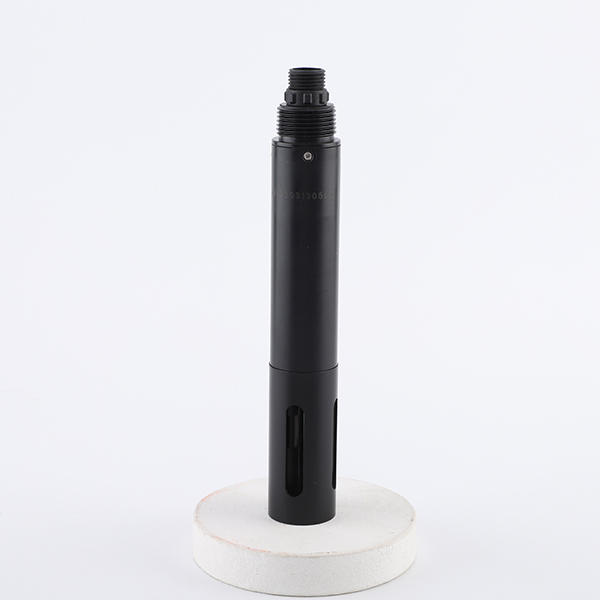
Traditional offline analysis is difficult to meet the monitoring needs of dynamic water quality changes. Online ammonia nitrogen sensors can obtain data in real time and continuously, helping operators timely detect abnormalities, optimize process parameters such as aeration and carbon source dosing, and provide reliable data support for environmental supervision.
Ion selective electrode method (ISE) is the current mainstream technology for online ammonia nitrogen monitoring. It achieves measurement through selective response to ammonium ions (NH₄⁺), with fast response speed, low reagent consumption, and minimal influence from water sample color and turbidity. It is particularly suitable for long-term deployment in complex water environments.
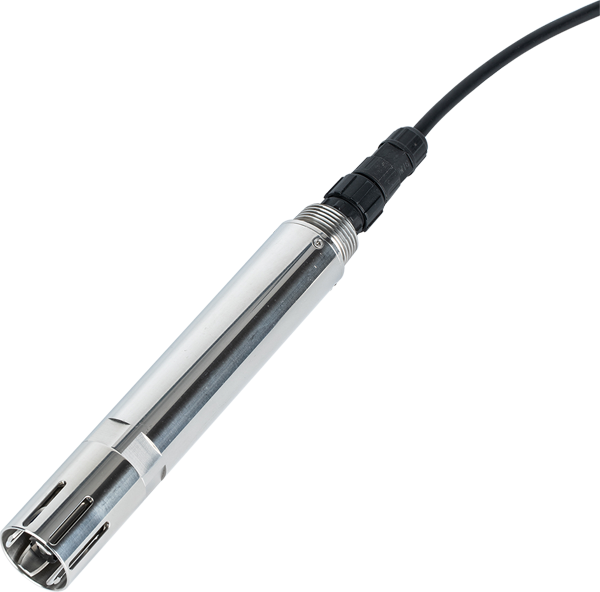
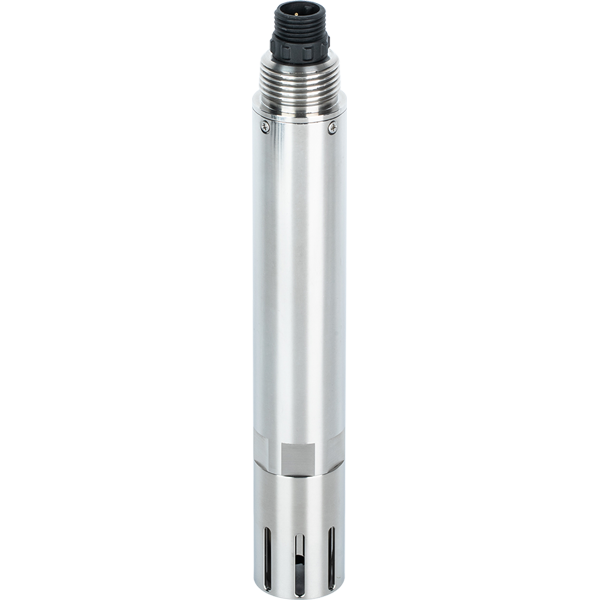
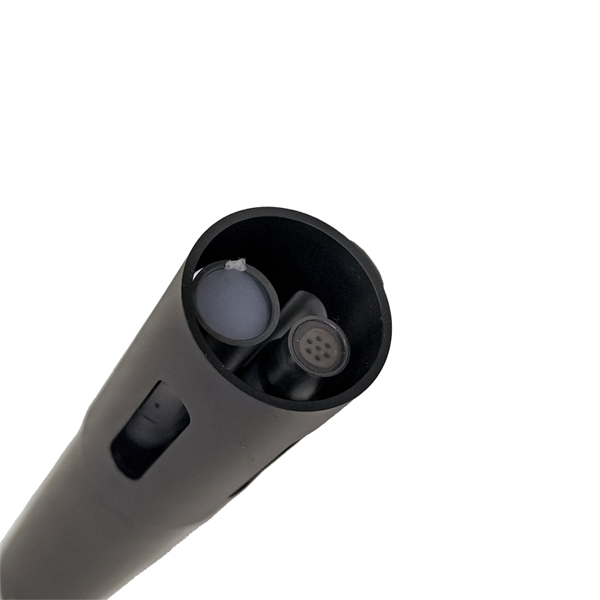
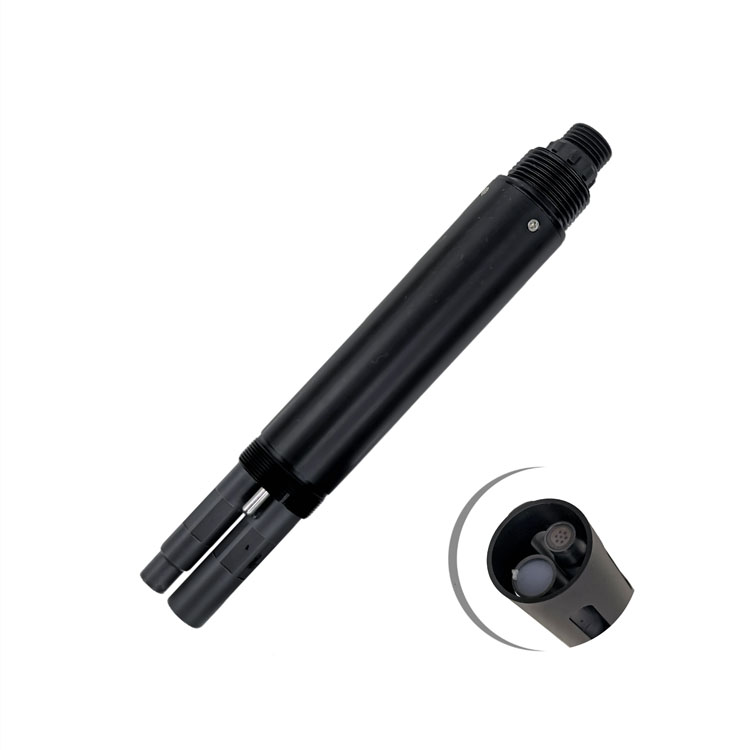
NiuBoL NBL-WQ-NHN integrated online ammonium nitrogen sensor adopts patented ammonium ion selective electrode based on PVC membrane with built-in temperature compensation function, aiming to provide fast, simple, accurate and economical solutions for water quality monitoring. The sensor is suitable for sewage treatment, industrial wastewater discharge monitoring, surface water and aquaculture fields.
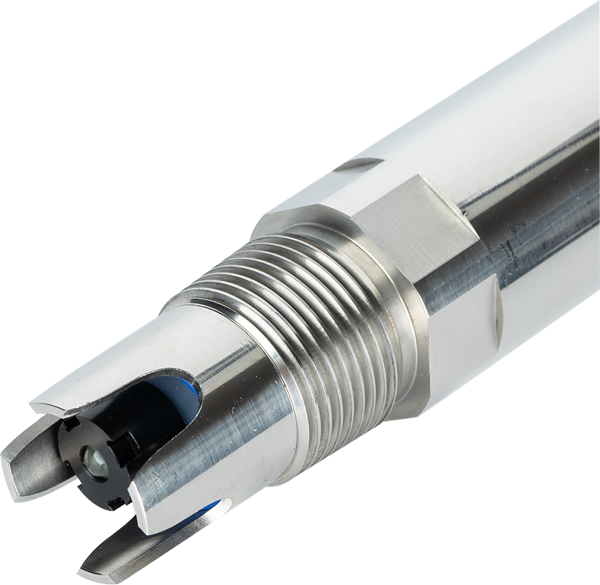
The sensor works based on the ion selective electrode method. The patented ammonium ion electrode has high selectivity for NH₄⁺. The internal reference solution seeps out extremely slowly through the microporous salt bridge under at least 100 kPa (1 Bar) pressure, forming a stable and reliable reference system that effectively extends electrode service life. During measurement, the Pt1000 automatic temperature compensation module corrects the influence of temperature on electrode response and ammonia form distribution to ensure data accuracy.
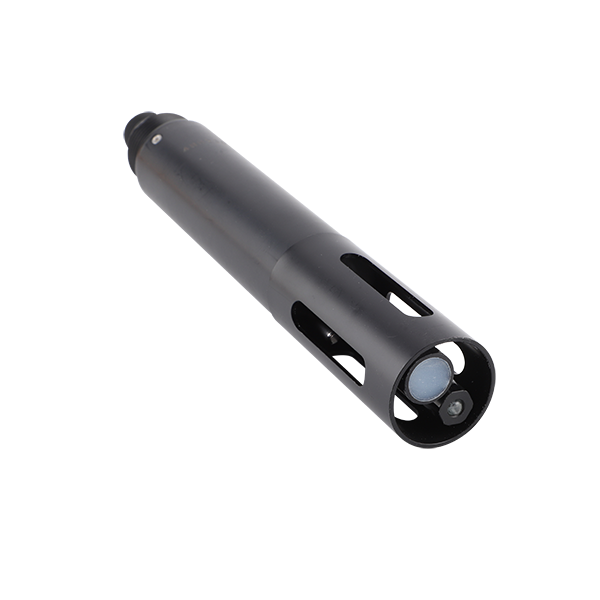
| Parameter | Specification |
|---|---|
| Model | NBL-WQ-NHN |
| Shell Material | ABS, PVC, POM |
| Measurement Principle | Ion Selective Electrode Method |
| Range & Resolution | 0~10.00 mg/L (Resolution 0.01 mg/L, 0.1℃) 0~100.00 mg/L (Resolution 0.01 mg/L, 0.1℃) 0~1000.0 mg/L (Resolution 0.1 mg/L, 0.1℃) |
| Accuracy | 0~10.00 mg/L: ±10% of reading or ±1 mg/L (whichever is larger), ±0.5℃ 0~100.00 mg/L and above: ±10% of reading, ±0.5℃ |
| Response Time (T90) | <60 s |
| Minimum Detection Limit | 0.09 mg/L (0-10 mg/L and 0-100 mg/L range) 0.9 mg/L (0-1000 mg/L range) |
| Calibration Method | Two-point Calibration |
| Temperature Compensation | Automatic Temperature Compensation (Pt1000) |
| Output Method | RS-485 (Modbus RTU), 4-20 mA (optional) |
| Working Conditions | 0~40℃, <0.1 MPa, pH 4~10 |
| Installation Method | Submersible installation, 3/4 NPT pipe thread |
| Protection Rating | IP68 |
| Power Supply & Consumption | 12~24 V DC, 0.2 W @ 12 V |
| Cable Length | 5 meters (customizable) |
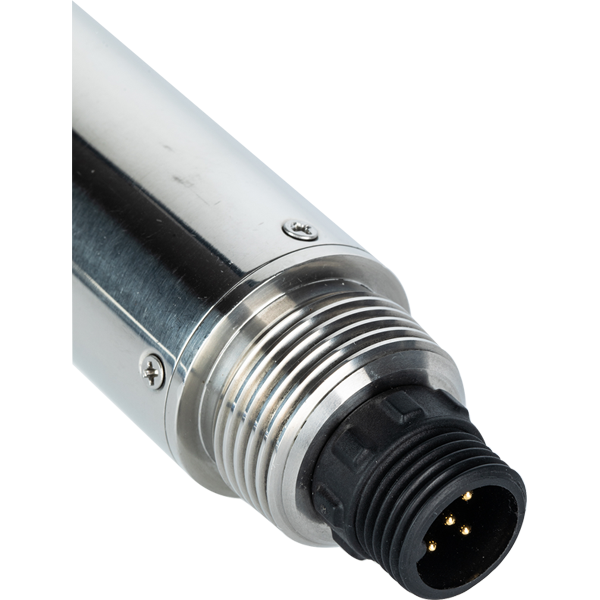
| Connector Type | M16-5 core waterproof connector male |
During installation, the sensor must not be placed upside down or horizontally; it must be tilted at least 15° or more. The 3/4 NPT pipe thread design facilitates submersible installation or integration into pipelines and tanks. Carefully check the wiring sequence before powering on to prevent equipment damage caused by wiring errors.
Before use, remove the protection sleeves of the measuring electrode and reference electrode, soak the electrodes in clean water for 2 hours for activation, then rinse with deionized water before putting into test. When the electrode is not used for a long time (more than two weeks), store it dry and put the sensing element into the protection cap.
Q1. What is the main difference between ammonia nitrogen and total nitrogen?
Ammonia nitrogen only refers to the total amount of free ammonia (NH₃) and ammonium ions (NH₄⁺), while total nitrogen includes all nitrogen forms such as ammonia nitrogen, organic nitrogen, nitrite nitrogen and nitrate nitrogen. Ammonia nitrogen better reflects recent organic pollution.
Q2. Why adjust pH below 2 and cool to 4℃ during sample preservation?
This operation can effectively inhibit microbial activity and chemical reactions, prevent ammonia nitrogen form transformation, and ensure analysis results reflect the true concentration at the sampling moment. Preservation period can reach 28 days.
Q3. Why perform distillation pretreatment before laboratory ammonia nitrogen determination?
Distillation can remove substances in the sample that may interfere with colorimetric, titration or electrode methods, improving determination selectivity and accuracy.
Q4. What is the toxicity mechanism of non-ionic ammonia (NH₃) to fish?
Non-ionic ammonia has strong liposolubility and easily passes through fish gills into the blood, oxidizing hemoglobin into methemoglobin, reducing blood oxygen-carrying capacity, leading to tissue hypoxia or even death.
Q5. What application scenarios is the NiuBoL NBL-WQ-NHN sensor suitable for?
It is suitable for municipal sewage treatment plants, industrial wastewater discharge monitoring, river and lake surface water monitoring, and aquaculture water bodies, with working pH range 4~10 and IP68 protection rating.
Q6. What are the advantages of ion selective electrode method compared to traditional colorimetric method?
No need for frequent addition of chemical reagents, real-time online continuous monitoring, short response time (T90<60 s), relatively simple maintenance, and less affected by water sample color and turbidity.
Q7. How to correctly calibrate online ammonia nitrogen sensors?
Use two-point calibration method with known concentration standard solutions at low and high concentration points. Verify regularly according to actual usage.
Q8. What is the role of Modbus RTU protocol in online ammonia nitrogen monitoring?
Modbus RTU protocol supports reliable digital communication between sensors and industrial control systems such as PLC and DCS, achieving remote data collection, real-time monitoring and automation control integration.
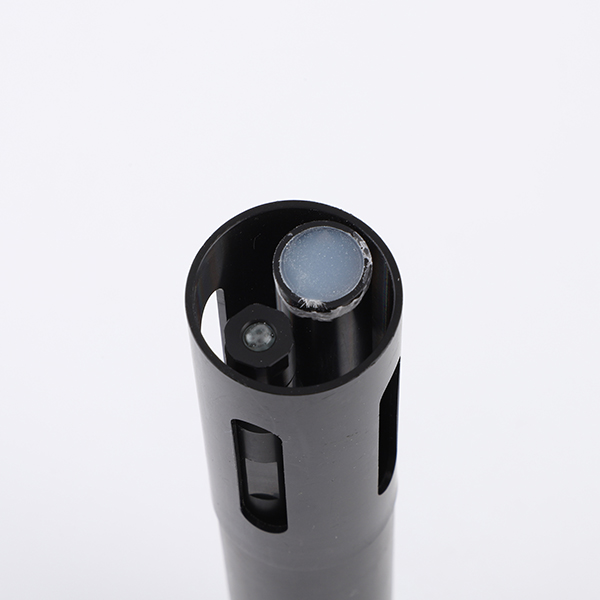
As a key indicator for water environment quality evaluation and wastewater treatment process control, accurate monitoring of ammonia nitrogen is of great significance for preventing eutrophication, protecting aquatic ecology and ensuring drinking water safety. From sample collection and preservation to laboratory analysis, and then to online continuous monitoring, every link directly affects data quality and decision-making effectiveness.
NiuBoL NBL-WQ-NHN integrated online ammonium nitrogen sensor, based on patented ammonium ion selective electrode technology, combined with stable reference system, automatic temperature compensation and standardized digital output, provides users with a reliable and easy-to-maintain online monitoring solution. It helps water affairs and environmental protection practitioners achieve the transformation from passive sampling analysis to active real-time control, improving overall water environment management levels.
In practical engineering applications, it is recommended to conduct comprehensive analysis in combination with water body pH, temperature, dissolved oxygen and other parameters, and strictly follow maintenance procedures to operate the sensor to ensure long-term stable data output. Through scientific monitoring and precise control, ammonia nitrogen pollution risks can be effectively reduced, promoting sewage treatment and water resource protection toward higher efficiency and higher reliability.
 NBL-WQ-NHN-4S Online Ammonia Nitrogen Sensor.pdf
Prev:Ammonia Nitrogen Online Monitoring Principle, Sources and Ammonia Nitrogen Sensor Application Guide
Next:COD and BOD Online Monitoring: Definitions, Differences, Principles and Sensor Application Guide
Related recommendations
Sensors & Weather Stations Catalog
Agriculture Sensors and Weather Stations Catalog-NiuBoL.pdf
Weather Stations Catalog-NiuBoL.pdf
Agriculture Sensors Catalog-NiuBoL.pdf
Water Quality Sensor Catalog-NiuBoL.pdf
Related products
 Combined air temperature and relative humidity sensor
 TDR Soil Moisture & Temperature Sensor for irrigation| RS485 |4-20mA| NBL-S-THR
 Soil pH sensor RS485 soil Testing instrument soil ph meter for agriculture |NBL-S-PH
 Wind Speed sensor Output Modbus/RS485/Analog/0-5V/4-20mA
 Tipping bucket rain gauge for weather monitoring auto rainfall sensor RS485/Outdoor/stainless steel
 Pyranometer Solar Radiation Sensor 4-20mA/RS485

Screenshot, WhatsApp to identify the QR code
WhatsApp number:+8615367865107
(Click on WhatsApp to copy and add friends)

