





— Blogs —
—Products—
 Consumer hotline +8618073152920
 WhatsApp:+8615367865107
Address:Room 102, District D, Houhu Industrial Park, Yuelu District, Changsha City, Hunan Province, China
Product knowledge
Time:2026-05-04 09:16:53 Popularity:479
Ammonia nitrogen (Ammonia Nitrogen) refers to nitrogen existing in water in the form of free ammonia (non-ionic ammonia, NH₃) or ammonium ions (NH₄⁺). Together with organic nitrogen, nitrite nitrogen, and nitrate nitrogen, it constitutes the main forms of the nitrogen cycle in water bodies. These forms are interconverted through microbial ammonification, nitrification, and denitrification, directly affecting the eutrophication process and ecological safety of water bodies. In fields such as sewage treatment, industrial wastewater discharge, surface water monitoring, and aquaculture, real-time and accurate mastery of ammonia nitrogen concentration is the foundation for ensuring water environment quality and process optimization.
This article discusses the definition, properties, toxicity, sources and online monitoring solutions of ammonia nitrogen, with a focus on NiuBoL NBL-WQ-NHN-4 integrated online ammonium nitrogen sensor. The sensor adopts ion selective electrode method, combined with RS-485 Modbus RTU protocol and automatic temperature compensation, providing stable and reliable continuous monitoring data for complex water environments.
Ammonia nitrogen in aqueous solution refers to the total nitrogen existing in the form of free ammonia (NH₃) or ammonium ions (NH₄⁺). Free ammonia, also known as non-ionic ammonia, has strong liposolubility and biotoxicity; ammonium ions are relatively stable with lower toxicity. The two maintain a dynamic equilibrium in water bodies, significantly influenced by pH and temperature.
Ammonia nitrogen is closely related to other nitrogen forms:
Organic nitrogen is converted into ammonia nitrogen through microbial decomposition (ammonification).
Under aerobic conditions, ammonia nitrogen is sequentially converted into nitrite nitrogen (NO₂⁻-N) and nitrate nitrogen (NO₃⁻-N) by nitrosifying bacteria and nitrifying bacteria.
In anoxic environments, nitrate nitrogen can be reduced to nitrogen gas (N₂) through denitrification and escape from the water body.
This nitrogen cycle process is an important mechanism for water self-purification and also a driving factor for eutrophication. Excessively high ammonia nitrogen concentration not only consumes dissolved oxygen in water but may also lead to excessive algae reproduction and destroy water ecological balance. Therefore, ammonia nitrogen is often used as a core indicator to evaluate the degree of water pollution by nitrogen-containing organic matter.
Ammonia (NH₃) is a colorless gas with a strong pungent odor, molecular weight 17.03, melting point -77.7℃, boiling point -33.35℃, and specific gravity about 0.61. It is highly soluble in water, ether, and ethanol, forming ammonia water.
When ammonia gas dissolves in water, the following simplified equilibrium reaction occurs:
NH₃ (g) + H₂O (l) ⇌ NH₃·H₂O (aq) ⇌ NH₄⁺ + OH⁻ + (-1)H₂O (l)
Among them, NH₃·H₂O (aq) represents non-ionic ammonia loosely bound to water molecules through hydrogen bonds. For simplified expression, non-ionic ammonia in water is usually represented as NH₃, and ionic ammonia as NH₄⁺. Ammonia nitrogen is the sum of NH₃ and NH₄⁺.
The existing form of ammonia in water is significantly affected by pH and temperature:
When pH or temperature increases, the proportion of non-ionic ammonia (NH₃) increases.
The typical equilibrium relationship can be simplified as: NH₃ + H⁺ ⇌ NH₄⁺; NH₄⁺ + OH⁻ ⇌ NH₃ + H₂O.
Non-ionic ammonia is the main form of ammonia toxicity to aquatic organisms, while ammonium ions are basically non-toxic. This characteristic makes ammonia nitrogen monitoring need to consider total ammonia concentration, pH, and temperature simultaneously to accurately assess actual risks.
Laboratory quantitative methods for ammonia nitrogen include:
For trace amounts: spectrophotometric methods such as indophenol blue method and iodomercury method (Nessler’s method).
For higher concentrations: neutralization titration or ion selective electrode method.
The toxicity of ammonia mainly comes from non-ionic ammonia (NH₃). Aquatic organisms such as fish are particularly sensitive to it. To protect freshwater aquatic organisms, non-ionic ammonia concentration in water should be controlled below 0.02 mg/L.
When the human body is exposed to ammonia gas, toxicity manifestations are related to concentration and exposure time:
At 140 ppm (about 0.1 mg/L), mild irritation occurs.
At 350 ppm (about 0.25 mg/L), obvious discomfort occurs but can be tolerated for 1 hour.
At 200–330 ppm, exposure for 30 minutes can cause strong irritation to eyes and nasal cavity, accompanied by sneezing, salivation, nausea, headache and other symptoms.
Higher concentrations (above 2500 ppm) pose acute lethal risks and may cause emphysema, corneal opacity or even blindness.
Chronic exposure may cause digestive dysfunction, chronic conjunctivitis, bronchitis, etc. Drinking high-concentration ammonia water (25% concentration 20–30 mL) can be fatal.
Ammonia nitrogen sources in water bodies are extensive, including both natural processes and anthropogenic pollution:
Natural sources: biochemical decomposition of nitrogen-containing organic matter (such as animal and plant residues, excrement).
Agricultural sources: nitrogen fertilizers entering water bodies with surface runoff.
Industrial sources: wastewater from fertilizer production, coking, gas, dyes, petroleum processing, electroplating and other industries.
Domestic sources: urban sewage and livestock and poultry breeding wastewater.
Although traditional laboratory analysis methods are accurate, they have limitations of poor timeliness and inability to achieve continuous monitoring. Real-time online monitoring at sewage treatment plant inlets/outlets, industrial discharge outlets, aquaculture ponds or key surface water sections can timely detect abnormalities, guide process adjustments, and meet environmental regulatory data transmission requirements.
Ion selective electrode method (ISE) is one of the mainstream technologies for current online ammonia nitrogen monitoring. It requires no complex reagent consumption, can measure directly in water bodies, is less affected by color and turbidity, has fast response speed, and is relatively easy to maintain. Combined with automatic temperature compensation and digital communication protocols, it can achieve seamless integration with PLC, DCS or SCADA systems.
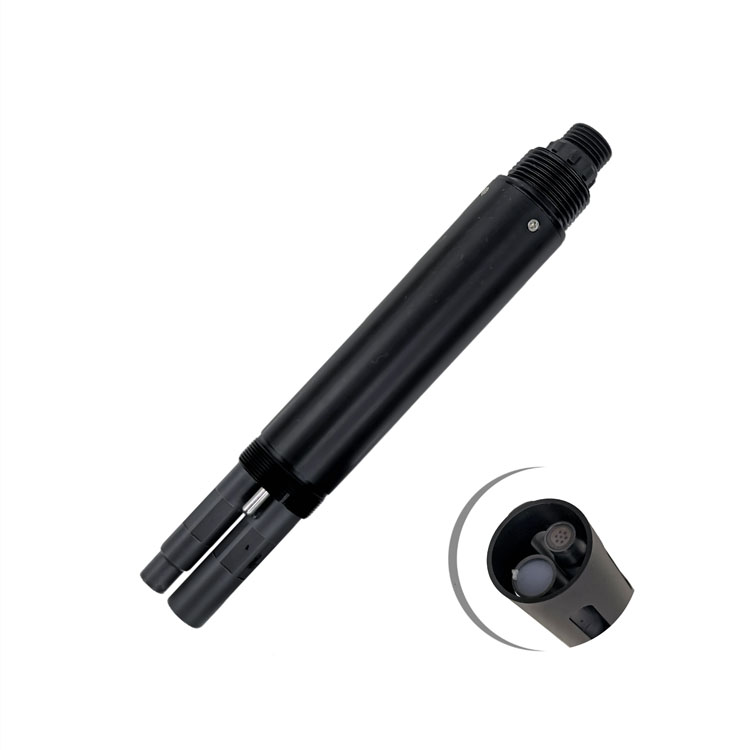
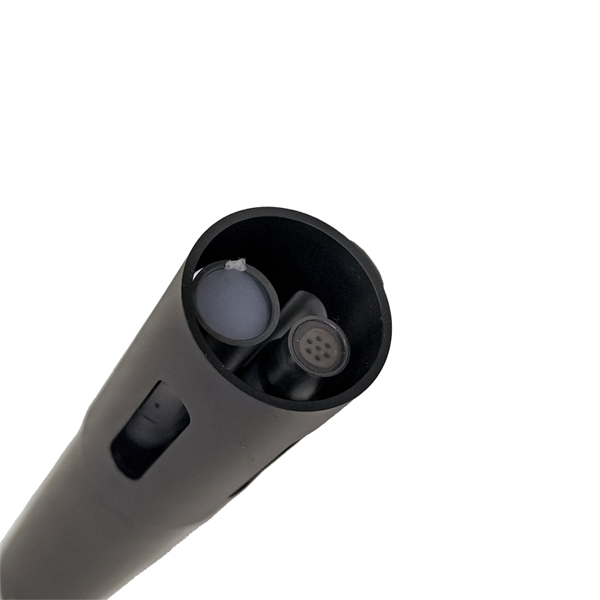
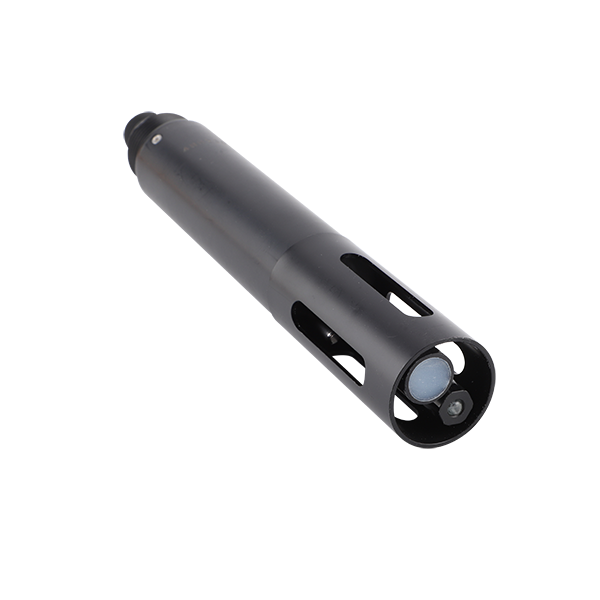
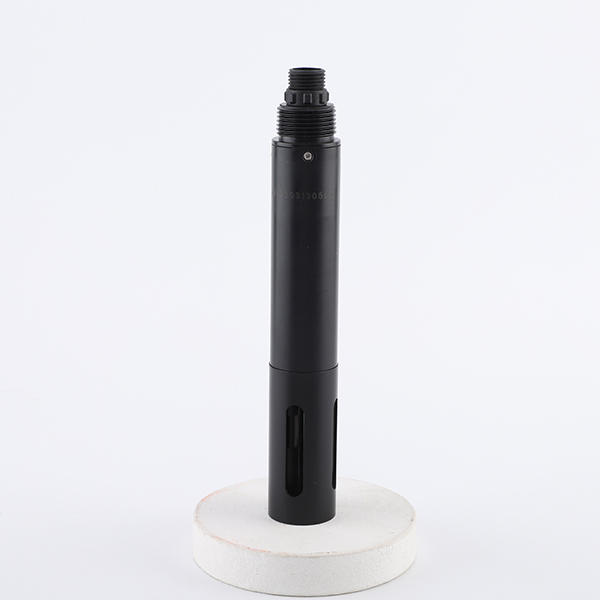
NiuBoL NBL-WQ-NHN-4 integrated online ammonium nitrogen sensor is specially designed for industrial-grade water quality monitoring. It adopts patented ammonium ion selective electrode based on PVC membrane with built-in temperature compensation function, ensuring fast, accurate and economical measurement. The sensor is suitable for scenarios such as sewage treatment, industrial wastewater, surface water and aquaculture water bodies.
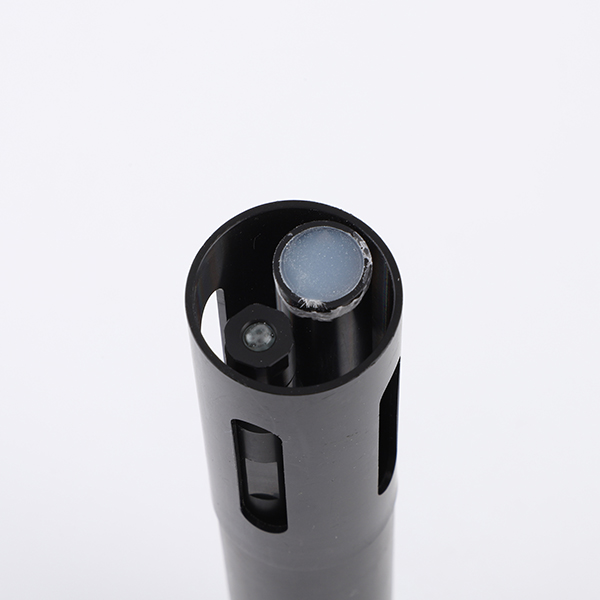
The sensor is based on the ion selective electrode method (ISE) and generates potential signals through the response of ammonium ion selective PVC membrane to NH₄⁺. The internal reference solution slowly seeps out from the microporous salt bridge under at least 100 kPa (1 Bar) pressure, forming a stable reference system that significantly extends electrode life. During measurement, automatic temperature compensation (Pt1000) corrects the influence of temperature on electrode potential and ammonia form equilibrium, outputting total ammonia nitrogen concentration.
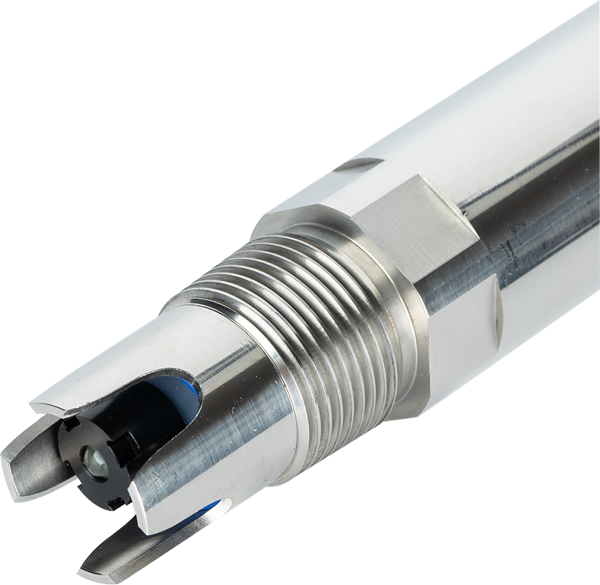
| Parameter | NBL-WQ-NHN-4A | NBL-WQ-NHN-4S |
|---|---|---|
| Shell Material | ABS, PVC, POM | PVC, 316L, POM |
| Measurement Principle | Ion Selective Electrode Method | Ion Selective Electrode Method |
| Range & Resolution |
0~10.00 mg/L (0.01 mg/L, 0.1℃) 0~100.00 mg/L (0.01 mg/L, 0.1℃) 0~1000.0 mg/L (0.1 mg/L, 0.1℃) |
Same as left |
| Accuracy |
0~10 mg/L: ±10% of reading or ±1 mg/L (whichever is larger), ±0.5℃ Other ranges: ±10% of reading, ±0.5℃ |
Same as left |
| Response Time (T90) | <60 s | <60 s |
| Minimum Detection Limit |
0.09 mg/L (0-10/100 mg/L range) 0.9 mg/L (0-1000 mg/L range) |
Same as left |
| Calibration Method | Two-point Calibration | Two-point Calibration |
| Temperature Compensation | Automatic (Pt1000) | Automatic (Pt1000) |
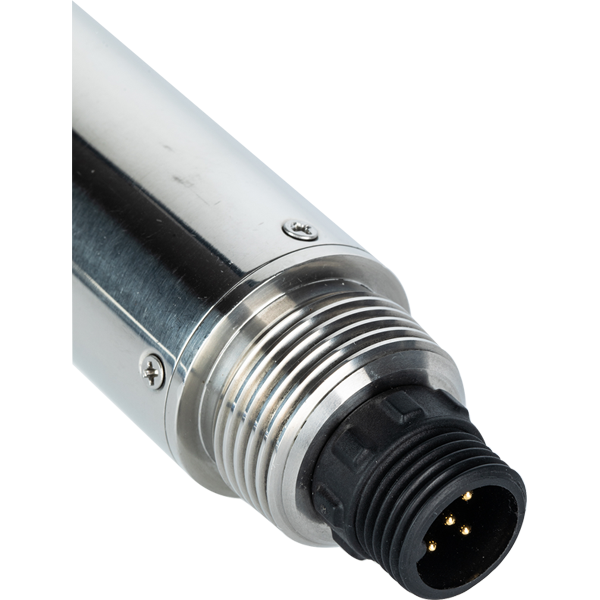
| Output Method | RS-485 (Modbus RTU), 4-20 mA (optional) | Same as left |
| Working Conditions | 0~40℃, <0.1 MPa, pH 4~10 | Same as left |
| Installation Method | Submersible, 3/4 NPT pipe thread | Submersible, 3/4 NPT pipe thread |
| Protection Rating | IP68 | IP68 |
| Power Supply | 12~24 V DC, power consumption 0.2 W@12 V | Same as left |
| Cable Length | 5 meters (customizable) | 5 meters (customizable) |
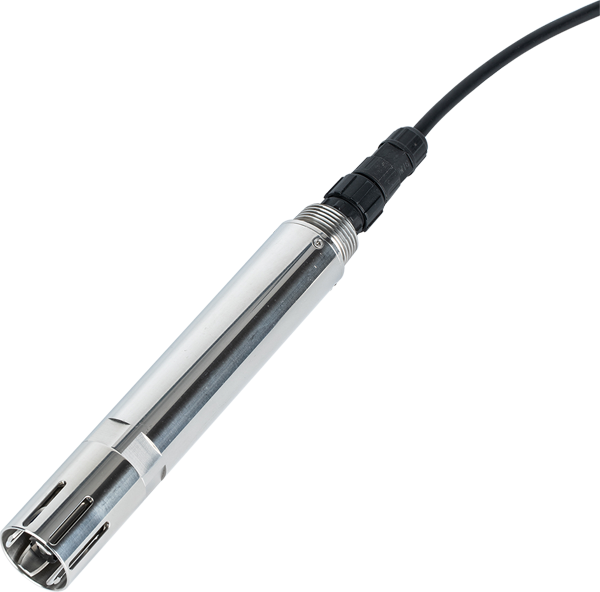
During installation, the sensor must not be placed upside down or horizontally; it should be tilted at least 15° or more. It uses 3/4 NPT pipe thread for easy submersible or tank installation. Check wiring sequence before powering on to avoid short circuit or reverse connection. All wiring should be waterproofed, and cables should have certain anti-corrosion ability to adapt to long-term immersion or exposure environments.
Remove the electrode protection sleeve before use, soak in clean water for 2 hours to activate, then rinse with deionized water. For long-term (more than two weeks) non-use, store dry and put on the protection cap. Regularly check the dryness of wiring terminals and wipe contaminated areas with anhydrous alcohol.
Q1. What is the difference between ammonia nitrogen and total nitrogen?
Ammonia nitrogen specifically refers to the total nitrogen of free ammonia and ammonium ions, while total nitrogen includes all forms of nitrogen such as ammonia nitrogen, nitrite nitrogen, nitrate nitrogen and organic nitrogen. Ammonia nitrogen focuses more on reflecting recent organic pollution, while total nitrogen reflects overall nitrogen load.
Q2. Why is non-ionic ammonia more toxic?
Non-ionic ammonia (NH₃) is liposoluble and easily penetrates biological cell membranes (such as fish gills), enters the blood to oxidize hemoglobin, and reduces oxygen-carrying capacity. Ammonium ions (NH₄⁺) are charged and have low permeability, resulting in weaker toxicity.
Q3. How do pH and temperature affect ammonia nitrogen toxicity?
Increased pH or temperature shifts the equilibrium toward non-ionic ammonia, increasing toxicity. Therefore, pH and temperature should be recorded simultaneously during monitoring to accurately assess risks.
Q4. What are the advantages of ion selective electrode method compared to spectrophotometry?
The ion selective electrode method requires no reagent consumption, enables direct online measurement, has short response time (T90<60 s), is less affected by color and turbidity, and has lower maintenance costs, making it suitable for continuous monitoring.
Q5. What water bodies is the NiuBoL NBL-WQ-NHN-4 sensor suitable for?
It is suitable for surface water, industrial wastewater, sewage treatment plant process sections, aquaculture ponds, etc., with pH 4~10, working temperature 0~40℃, and IP68 protection rating supporting submersible installation.
Q6. How to calibrate the ammonia nitrogen sensor?
Use two-point calibration method with standard solutions at different concentration points. Check regularly and adjust according to actual water sample characteristics.
Q7. What are the hazards of excessive ammonia nitrogen to aquaculture?
It can cause gill tissue damage, respiratory difficulties, growth inhibition and even death in fish. Attention is required when non-ionic ammonia concentration exceeds 0.02 mg/L.
Q8. How is online ammonia nitrogen monitoring data transmitted and integrated?
NiuBoL NBL-WQ-NHN-4 supports RS-485 Modbus RTU protocol and optional 4-20 mA output, which can be directly connected to PLC, DCS, touch screens or paperless recorders to achieve remote monitoring and data upload.
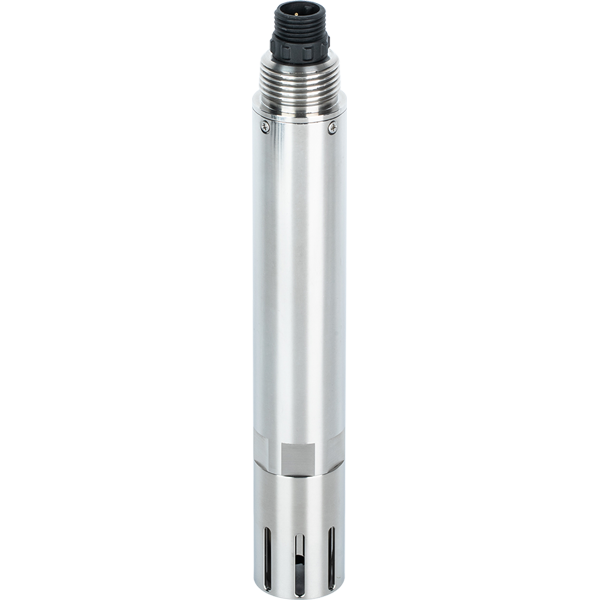
As an important indicator of water pollution and ecological risk, accurate monitoring of ammonia nitrogen is of great significance to environmental protection, industrial production and aquaculture. From the basic principles of nitrogen cycle to toxicity mechanisms and source control, online monitoring technology is the key link to achieve efficient management.
NiuBoL NBL-WQ-NHN-4 integrated online ammonium nitrogen sensor provides users with a practical and cost-effective solution with stable ion selective electrode technology, reliable digital output and simple maintenance characteristics. It helps operators grasp water body dynamics in real time, take timely regulatory measures, and improve water environment management levels.
In practical applications, it is recommended to conduct comprehensive analysis in combination with parameters such as pH, temperature, and dissolved oxygen, and perform regular maintenance and calibration to ensure data accuracy and long-term stable operation of equipment. Through scientific monitoring and effective control, ammonia nitrogen pollution risks can be significantly reduced to help sustainable development.
 NBL-WQ-NHN-4S Online Ammonia Nitrogen Sensor.pdf
Next:Ammonia Nitrogen Online Monitoring and NBL-WQ-NHN Online Ammonium Nitrogen Sensor Application Guide
Related recommendations
Sensors & Weather Stations Catalog
Agriculture Sensors and Weather Stations Catalog-NiuBoL.pdf
Weather Stations Catalog-NiuBoL.pdf
Agriculture Sensors Catalog-NiuBoL.pdf
Water Quality Sensor Catalog-NiuBoL.pdf
Related products
 Combined air temperature and relative humidity sensor
 TDR Soil Moisture & Temperature Sensor for irrigation| RS485 |4-20mA| NBL-S-THR
 Soil pH sensor RS485 soil Testing instrument soil ph meter for agriculture |NBL-S-PH
 Wind Speed sensor Output Modbus/RS485/Analog/0-5V/4-20mA
 Tipping bucket rain gauge for weather monitoring auto rainfall sensor RS485/Outdoor/stainless steel
 Pyranometer Solar Radiation Sensor 4-20mA/RS485

Screenshot, WhatsApp to identify the QR code
WhatsApp number:+8615367865107
(Click on WhatsApp to copy and add friends)

