





— Blogs —
—Products—
 Consumer hotline +8618073152920
 WhatsApp:+8615367865107
Address:Room 102, District D, Houhu Industrial Park, Yuelu District, Changsha City, Hunan Province, China
Product knowledge
Time:2026-05-03 15:15:19 Popularity:388
Comprehensive summary of 12 production and industrial water quality testing execution standards. From GB8978 sewage discharge to GB1576 boiler water quality, in-depth analysis of NiuBoL digital water quality online monitoring system selection logic and technical parameters in different scenarios. Help system integrators and environmental contractors deploy full-scenario, multi-dimensional compliant monitoring solutions.
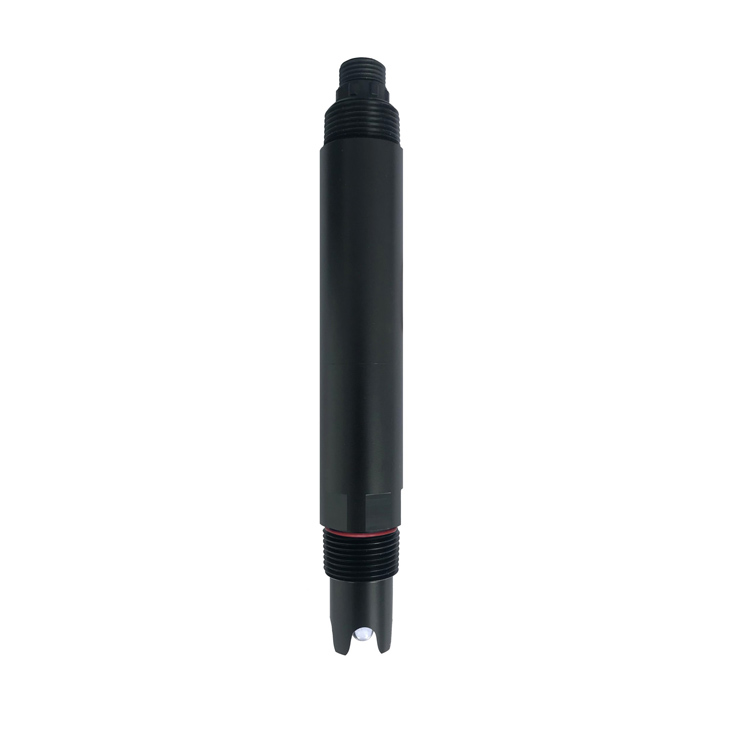
Under the wave of smart water affairs and Industrial Internet of Things (IIoT), water quality monitoring has shifted from offline sampling to full-process online monitoring. Understanding the execution standards behind different water quality scenarios is the cornerstone for ensuring precise implementation of system integration solutions.
01. Sewage Detection
Execution Standard: GB 8978-1996 “Integrated Wastewater Discharge Standard”.
Engineering Focus: Focus on COD, BOD, SS (suspended solids), ammonia nitrogen, total phosphorus, total nitrogen and heavy metals.
Integration Suggestion: Deploy NiuBoL digital COD and ammonia nitrogen sensors at discharge outlets, use RS-485 signals to link automatic samplers in real time, ensuring 100% traceability of discharge indicators.
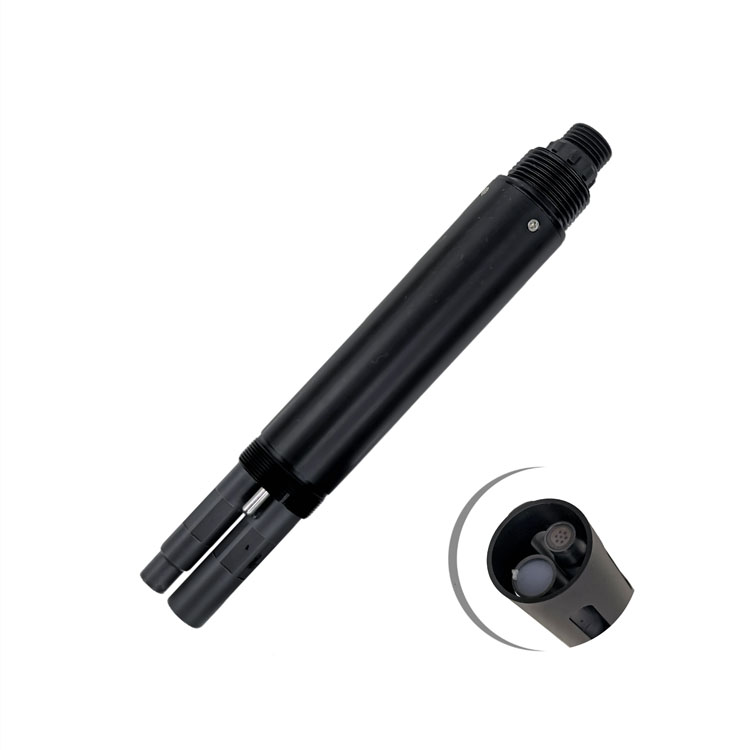
02. Groundwater Monitoring
Execution Standard: GB/T 14848-2017 “Groundwater Quality Standard”.
Engineering Focus: Prevent salinization, ground subsidence and chemical pollution.
Integration Suggestion: Monitor conductivity (EC) and water level to evaluate changes in aquifer mineralization.
03. Surface Water Detection
Execution Standard: GB 3838-2002 “Surface Water Environmental Quality Standard”.
Engineering Focus: Five-class standard classification for rivers, lakes and reservoirs.
Integration Suggestion: Deploy multi-parameter water quality monitoring buoys to transmit dissolved oxygen (DO), turbidity and pH in real time to prevent eutrophication.
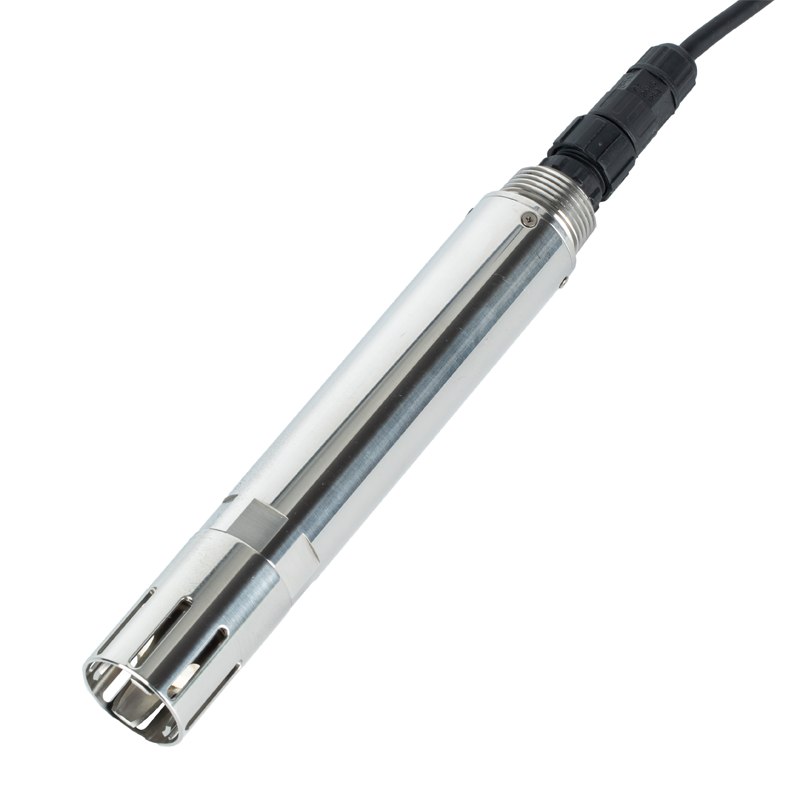
04. Fishery Water Detection
Execution Standard: GB 11607-1989 “Fishery Water Quality Standard”.
Engineering Focus: Dissolved oxygen (must >5mg/L), non-ionic ammonia, hydrogen sulfide.
Integration Suggestion: Use fluorescence dissolved oxygen sensors to link aerators and maintain dissolved oxygen in dynamic balance.
05. Agricultural Irrigation Water Detection
Execution Standard: GB 5084-2021 “Agricultural Irrigation Water Quality Standard”.
Engineering Focus: Salt control, heavy metal content, fecal coliform.
Integration Suggestion: Monitor conductivity and pH in grades according to differences in irrigation areas (paddy/dry fields).
06. Laboratory Water Detection
Execution Standard: GB/T 6682-2008 “Specifications and Test Methods for Water for Analytical Laboratories”.
Engineering Focus: Resistivity (Grade III water >0.2 MΩ·cm), absorbance, oxidizable substances.
Integration Suggestion: Integrate conductivity unit at the front end of high-purity water production to monitor purification efficiency in real time.
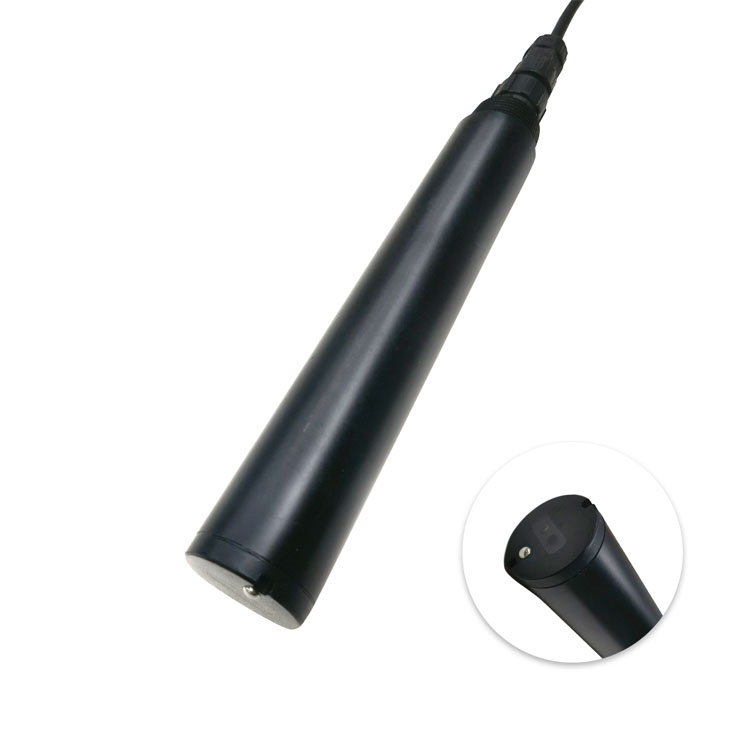
07. Seawater Detection
Execution Standard: GB 17378-2007 “Marine Monitoring Specifications”.
Engineering Focus: Salinity, dissolved oxygen, mineral content, heavy metals.
Integration Suggestion: Select NiuBoL salinity sensors with anti-corrosion coatings to cope with high-salt and highly corrosive conditions.
08. Swimming Pool Water Detection
Execution Standard: GB 37488-2019 / CJ 224-2007.
Engineering Focus: Free residual chlorine, turbidity, urea, pH.
Integration Suggestion: Use ORP and residual chlorine sensors for closed-loop control of sodium hypochlorite dosing system.
09. Reclaimed Water Detection
Execution Standard: GB/T 18920-2002 (miscellaneous use), GB/T 18921-2002 (landscape).
Engineering Focus: Turbidity, residual chlorine, dissolved oxygen, chromaticity.
Integration Suggestion: Deploy online monitoring terminals at reclaimed water reuse pumping stations to ensure sensory compliance of miscellaneous water.
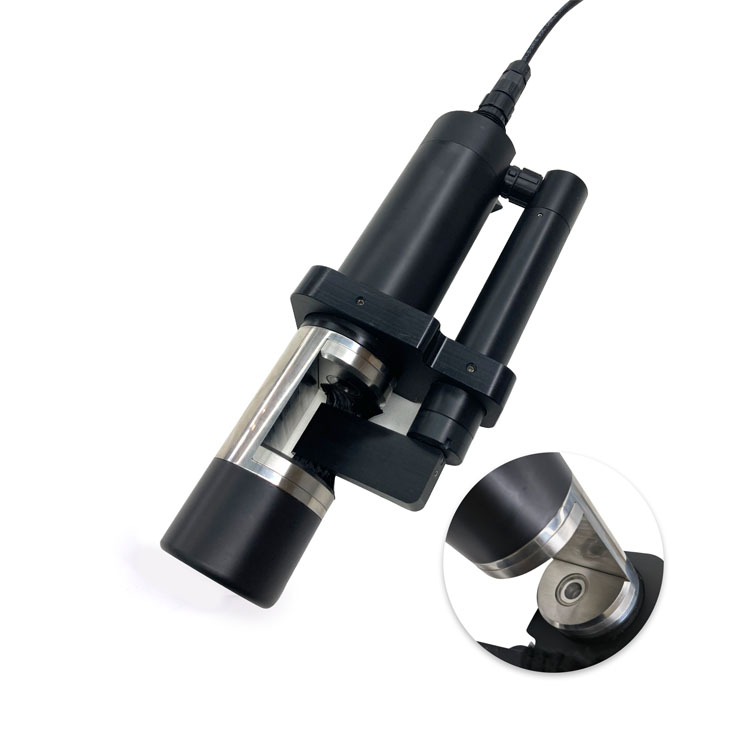
10. Eco-Landscape Water Detection
Execution Standard: GB/T 18921-2002.
Engineering Focus: Transparency, chlorophyll a, total phosphorus.
Integration Suggestion: Monitor transparency (turbidity) and algae activity to control landscape water bodies from odor and pollution.
11. Boiler Water Detection
Execution Standard: GB/T 1576-2018 “Industrial Boiler Water Quality”.
Engineering Focus: Hardness, alkalinity, pH, dissolved oxygen.
Integration Suggestion: Strictly monitor feedwater conductivity to prevent scaling on heating surfaces and boiler corrosion.
12. Industrial Water Detection
Execution Standard: GB/T 19923-2005 “Industrial Water Standards”.
Engineering Focus: Cooling water, raw material water, process water. Cooling water, accounting for 70% of industrial water, requires strict control of concentration ratio.
Integration Suggestion: Use digital conductivity meters to automatically control circulating water blowdown and makeup water.

To facilitate system integrators in confirming project bill of materials (BOM), the following lists key technical parameters of core digital sensors:
| Parameter Item | NiuBoL Digital Sensor Specification | Communication Protocol |
|---|---|---|
| pH Value | 0.00~14.00 pH; Accuracy ±0.01 | RS-485 Modbus RTU |
| Conductivity (EC) | 0~20,000 uS/cm (customizable range) | RS-485 Modbus RTU |
| Dissolved Oxygen (DO) | 0.00~20.00 mg/L (Fluorescence Method) | RS-485 Modbus RTU |
| Turbidity | 0~1000 NTU / 0~4000 NTU | RS-485 Modbus RTU |
| Ammonia Nitrogen (NH3-N) | 0~100 mg/L (Ion Electrode Method) | RS-485 Modbus RTU |
| Protection Rating | IP68 / 316L or POM material | / |
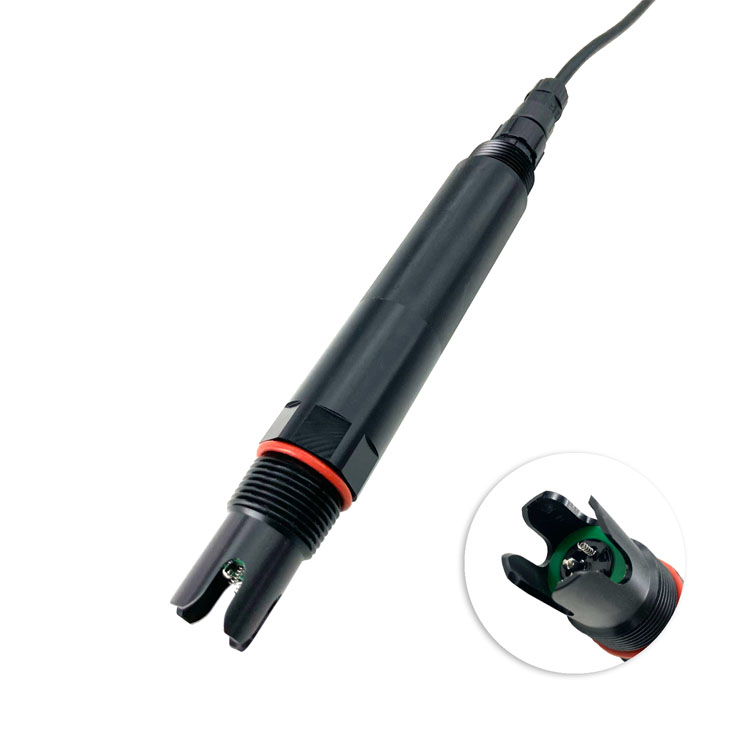
Q1. Why is conductivity monitoring superior to simple pH monitoring in industrial boiler water quality standards?
Conductivity reflects the total amount of dissolved solids in water. In boiler systems, high conductivity means a sharp increase in scaling risk. Simple pH monitoring cannot identify the accumulation of hardness ions.
Q2. What is the difference between Class I and Class II water sources in the agricultural irrigation water GB 5084 standard?
Class I water source refers to treated wastewater as the main source with long-term use; Class II is used as supplementary water for mixed irrigation. In terms of monitoring requirements, Class I water sources have higher monitoring frequency for persistent organic pollutants and heavy metals.
Q3. What is the relationship between residual chlorine and ORP in swimming pool water?
Residual chlorine is the physical concentration of disinfectant, while ORP represents its oxidation activity. In engineering integration, ORP is usually used as an automatic feedback signal, combined with residual chlorine detection values for precise dosing.
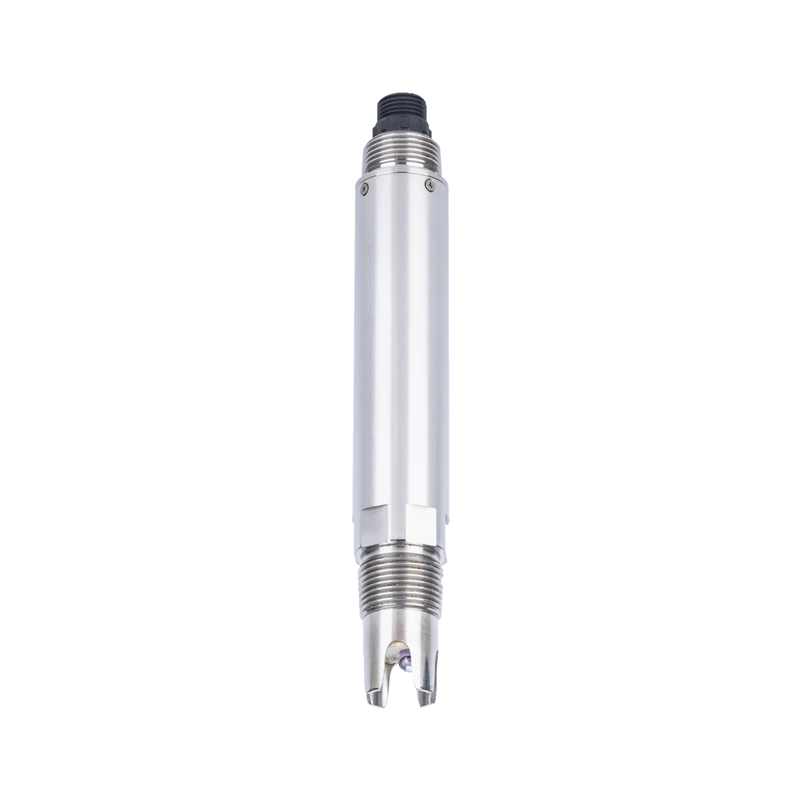
Q4. Why emphasize “digital sensors” for surface water monitoring?
Surface water monitoring points are usually located in wild or vast water areas. Digital sensors (RS-485) have stronger anti-interference ability than analog sensors, and through Modbus RTU protocol can connect single points over 1200 meters of cable, greatly reducing wiring costs.
Q5. In fishery farming, what is the focus of water quality monitoring during high-temperature summer periods?
During high-temperature periods, water saturated dissolved oxygen decreases and biological metabolism is vigorous. The monitoring focus is nighttime dissolved oxygen (DO) and ammonia nitrogen accumulation.
Q6. Does the laboratory water testing standard GB/T 6682 apply to all laboratories?
It is a general standard for analytical laboratory water. However, for high-precision instruments (such as HPLC, ICP-MS), higher-grade ultrapure water enterprise standards or specific requirements from instrument manufacturers are usually also referenced.
Q7. How to control “concentration ratio” during industrial cooling water recycling?
By online monitoring of the conductivity ratio between circulating water and makeup water, PLC automatically adjusts the blowdown pump to maintain the concentration ratio within a reasonable range, thereby preventing scaling of cooling tower fillers.
Q8. How do NiuBoL sensors interface with customers’ existing SCADA systems?
All sensors provide standard register maps. System integrators only need to perform data mapping according to Modbus protocol addresses in the host computer without additional protocol conversion modules.
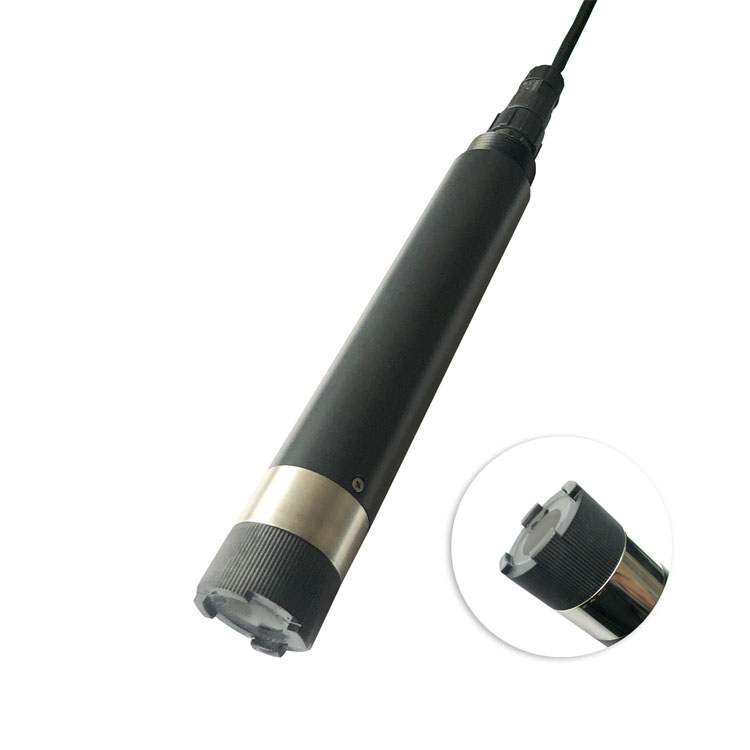
The 12 water use standards covering water sources, production processes, and end-of-pipe discharge build the red line for modern industrial green development. As system integrators and engineering contractors, choosing monitoring hardware that complies with national standards and has high compatibility is an inevitable choice to avoid environmental risks and improve production efficiency.
With its profound accumulation in the field of digital sensors, NiuBoL provides comprehensive sensing layer support for industrial and production water use. Whether for stringent boiler feedwater or complex and variable sewage discharge, our RS-485 digital series products can provide precise, stable and low-maintenance monitoring experience. In future water resource governance, precise data is the soul of decision-making. We will continue to help every water treatment project move towards intelligence and compliance.
 NBL-WQ-CL Water Quality Sensor Online Residual Chlorine Sensor.pdf
NBL-WQ-DO Online Fluorescence Dissolved Oxygen Sensor.pdf
NBL-WQ-NHN Ammonia Nitrogen Water Quality Sensor.pdf
NBL-WQ-COD Online Water Quality COD Sensor.pdf
NBL-WQ-PH Online pH Water Quality Sensor.pdf
NBL-WQ-EC water quality conductivity sensor.pdf
Prev:Domestic Wastewater Full-Parameter Monitoring Indicators Analysis and Digital Integration Solution
Next:Ammonia Nitrogen Online Monitoring Principle, Sources and Ammonia Nitrogen Sensor Application Guide
Related recommendations
Sensors & Weather Stations Catalog
Agriculture Sensors and Weather Stations Catalog-NiuBoL.pdf
Weather Stations Catalog-NiuBoL.pdf
Agriculture Sensors Catalog-NiuBoL.pdf
Water Quality Sensor Catalog-NiuBoL.pdf
Related products
 Combined air temperature and relative humidity sensor
 TDR Soil Moisture & Temperature Sensor for irrigation| RS485 |4-20mA| NBL-S-THR
 Soil pH sensor RS485 soil Testing instrument soil ph meter for agriculture |NBL-S-PH
 Wind Speed sensor Output Modbus/RS485/Analog/0-5V/4-20mA
 Tipping bucket rain gauge for weather monitoring auto rainfall sensor RS485/Outdoor/stainless steel
 Pyranometer Solar Radiation Sensor 4-20mA/RS485

Screenshot, WhatsApp to identify the QR code
WhatsApp number:+8615367865107
(Click on WhatsApp to copy and add friends)

