





— Blogs —
—Products—
 Consumer hotline +8618073152920
 WhatsApp:+8615367865107
Address:Room 102, District D, Houhu Industrial Park, Yuelu District, Changsha City, Hunan Province, China
Product knowledge
Time:2026-05-03 15:09:44 Popularity:409
Detailed explanation of 9 core indicators for domestic wastewater monitoring, including COD, BOD, SS, ammonia nitrogen, total phosphorus, total bacteria, coliform, pH and phosphate. In-depth analysis of how NiuBoL digital water quality monitoring solution integrates via RS-485 bus to help system integrators achieve compliant discharge and automated control of domestic wastewater treatment.
Domestic wastewater treatment is a high-frequency scenario in environmental engineering. Its water quality characteristics are manifested by high organic matter concentration, numerous pathogenic microorganisms, and easy odor generation. To ensure the stable operation of treatment processes (such as AO, A2O, MBR) and final discharge compliance, systematic monitoring of the following 9 key indicators must be carried out.
1. Chemical Oxygen Demand (COD)
Technical Definition: The amount of oxygen consumed by using chemical oxidants to oxidize organic matter in water.
Engineering Significance: Reflects the degree of organic pollution in the water body. The higher the COD, the more reductive pollutants (mainly organic matter).
NiuBoL Solution: Adopts UV254 ultraviolet absorption digital sensor to achieve reagent-free, second-level response real-time monitoring.
2. Biochemical Oxygen Demand (BOD)
Technical Definition: The amount of dissolved oxygen consumed by microorganisms decomposing organic matter in water.
Engineering Significance: Measures the content of biodegradable organic matter in water bodies and is the core parameter for evaluating biochemical treatment efficiency.
3. Suspended Solids (SS)
Technical Definition: Insoluble inorganic matter, organic matter, silt, microorganisms and other solid substances in water.
Engineering Significance: High SS content reduces water transparency and may cause blockage of subsequent membrane systems.
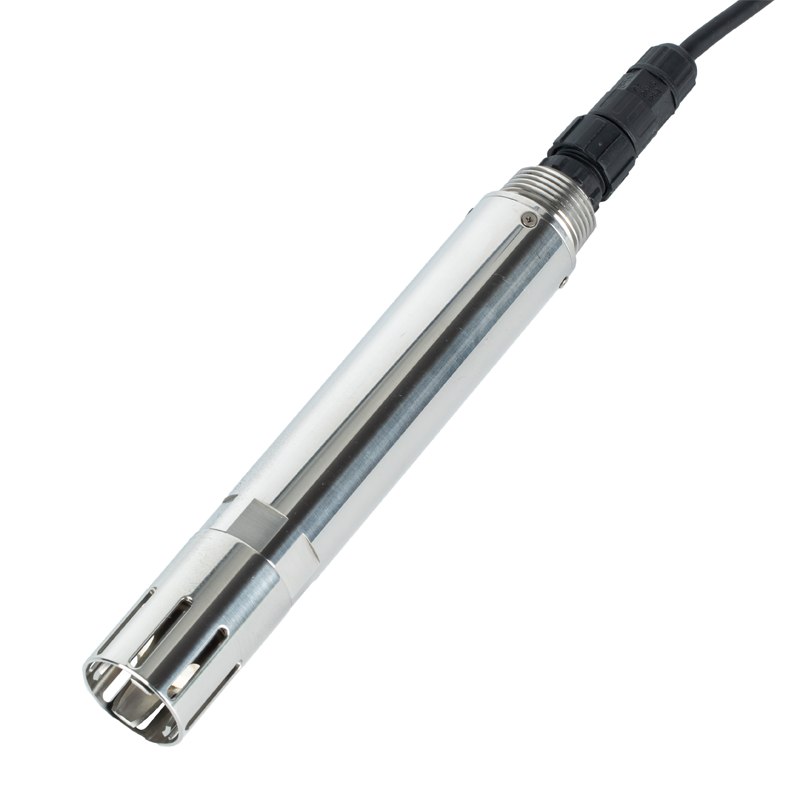
NiuBoL Solution: Digital turbidity/suspended solids sensor with built-in automatic cleaning scraper to prevent biological slime adhesion.
4. Total Bacteria Count
Technical Definition: The total number of bacterial colonies generated after culturing 1ml water sample under specified conditions.
Engineering Significance: Evaluates the degree of microbial pollution in water quality and the thoroughness of disinfection processes.
5. Total Phosphorus (TP)
Technical Definition: The measurement result of various forms of phosphorus converted into orthophosphate after digestion of water sample.
Engineering Significance: Red line indicator to prevent eutrophication of water bodies, directly related to discharge outlet compliance acceptance.
6. Coliform Group
Technical Definition: Aerobic and facultative anaerobic Gram-negative bacilli related to fecal pollution.
Engineering Significance: Direct indicator organism of fecal pollution in domestic wastewater, a key focus of public health safety monitoring.
7. pH Value
Technical Definition: A scale of hydrogen ion activity in solution.
Engineering Significance: Extreme pH will destroy the microbial structure of activated sludge. Domestic wastewater usually needs to be maintained between 6.5-9.0.
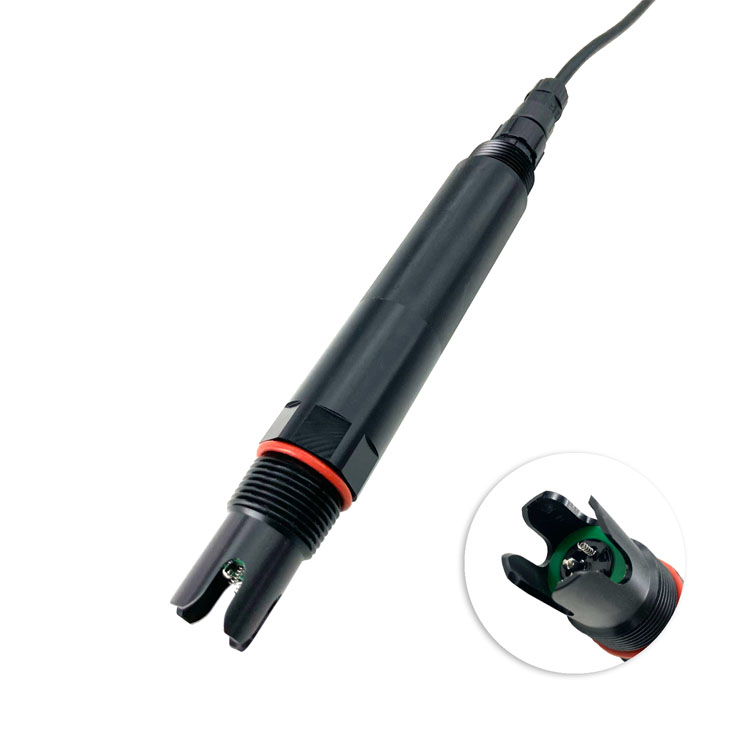
NiuBoL Solution: Digital pH sensor using industrial-grade glass electrode with extremely strong anti-poisoning ability.
8. Ammonia Nitrogen (NH3-N)
Technical Definition: Nitrogen present in water in the form of free ammonia or ammonium ions.
Engineering Significance: Ammonia nitrogen in domestic wastewater mainly comes from human and animal excrement. High concentration ammonia nitrogen is a key cause of water odor.
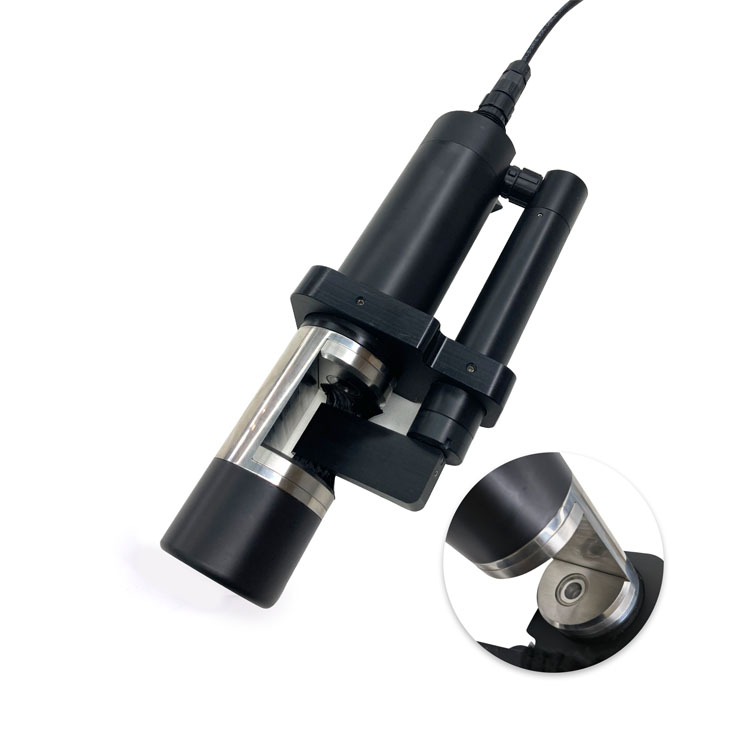
NiuBoL Solution: Digital ammonia nitrogen sensor (ISE method), no chemical reagents required, supports direct RS-485 signal output.
9. Phosphate
Technical Definition: Orthophosphate and polyphosphate, often derived from detergents and food additives.
Engineering Significance: Main component of total dissolved solids (TDS), direct reference indicator for chemical phosphorus removal processes (dosing control).
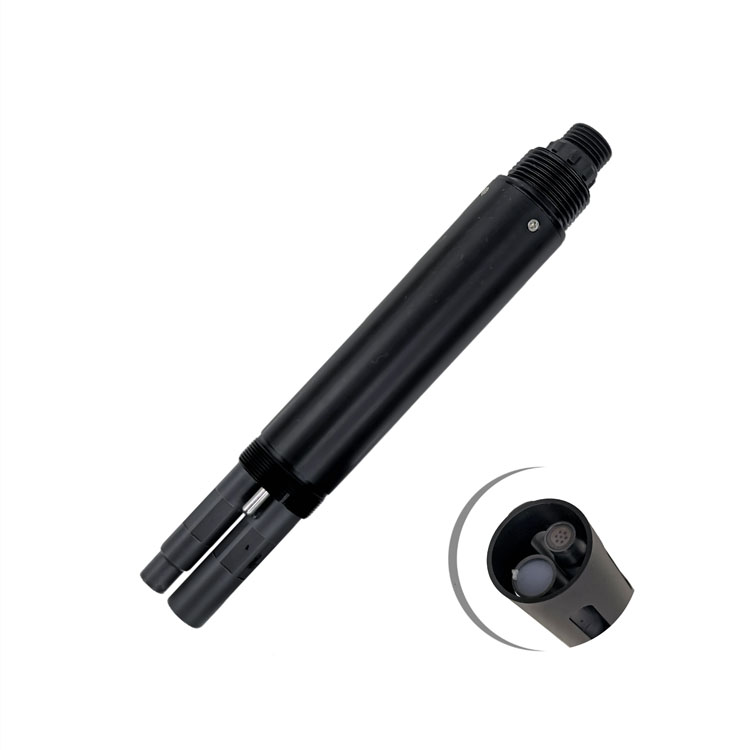
For IoT solution providers and engineering companies, NiuBoL provides standardized digital interfaces, greatly simplifying the difficulty of on-site secondary development.
| Monitoring Indicator | Digital Sensor Model | Core Advantages | Output Protocol |
|---|---|---|---|
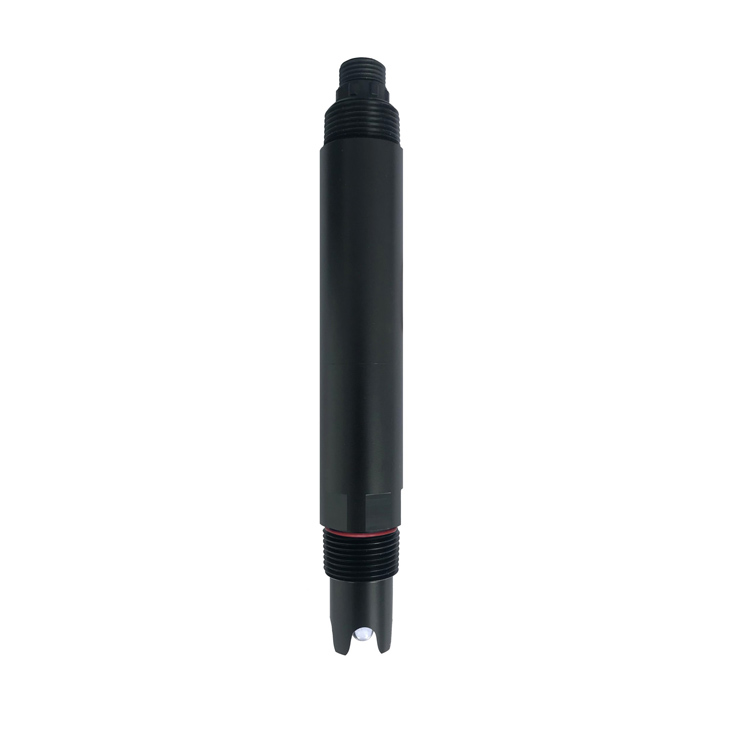
| COD | NBL-WQ-COD | UV254 physical method, no consumables, extremely low operating cost | RS-485 (Modbus RTU) |
| pH Value | NBL-WQ-PH | Built-in digital transmitter, strong anti-interference | RS-485 (Modbus RTU) |
| Suspended Solids (SS) | NBL-WQ-TSS-H | Built-in cleaning brush, supports range customization | RS-485 (Modbus RTU) |
| Ammonia Nitrogen | NBL-WQ-NHN | Ion selective electrode, supports automatic potassium ion compensation | RS-485 (Modbus RTU) |
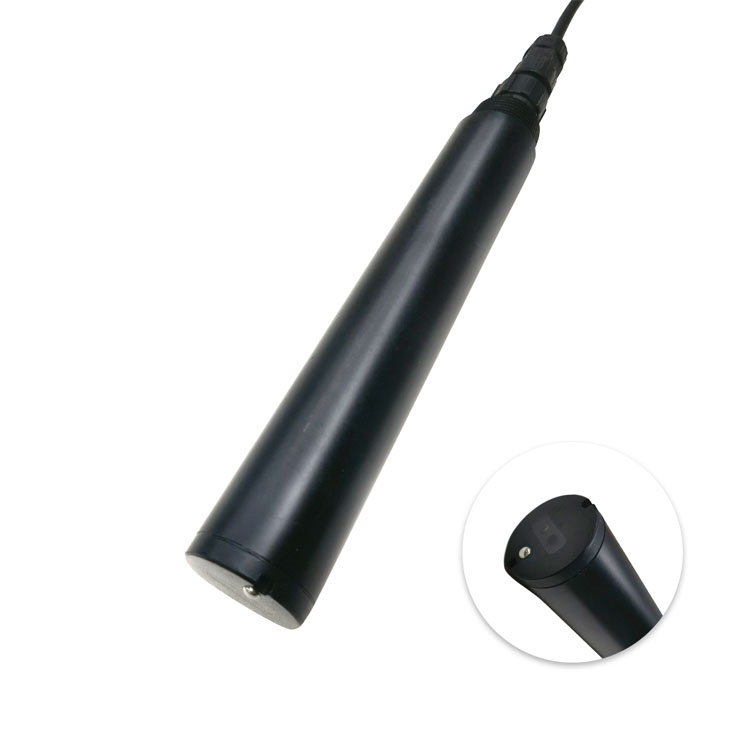
| Dissolved Oxygen (DO) | NBL-WQ-DO | Fluorescence principle, unaffected by sulfide interference | RS-485 (Modbus RTU) |

Q1. What is the difference between “Total Phosphorus” and “Phosphate” monitoring in domestic wastewater?
Total phosphorus includes organic phosphorus, inorganic phosphorus and suspended phosphorus; phosphate mainly refers to dissolved orthophosphate. In phosphorus removal processes, monitoring phosphate helps precisely control chemical agent dosing, while total phosphorus serves as the basis for final effluent compliance.
Q2. Why does NiuBoL recommend using fluorescence dissolved oxygen sensors in domestic wastewater?
The domestic wastewater environment is complex. Traditional membrane electrodes are easily poisoned by sulfides or covered by grease, leading to failure. Fluorescence sensors do not consume oxygen and have strong anti-interference ability and long-term stability.
Q3. How to prevent “sludge bulking” in wastewater treatment plants using online monitoring data?
By real-time monitoring of DO (dissolved oxygen) and influent COD load in aeration tanks, combined with pH changes, integrators can develop algorithms to predict sludge status and adjust aeration volume and return ratio in time.
Q4. What is the RS-485 communication distance of digital sensors?
Under standard conditions, it supports 1200 meters transmission. For large-scale wastewater plants, NiuBoL’s 4G data acquisition terminals can be used to achieve remote wireless transmission, with data directly reaching the cloud platform.
Q5. Can total bacteria count and coliform be monitored online?
Currently, these two indicators in engineering still mainly use laboratory culture methods (requiring 24h cultivation). However, in digital integration systems, sterilization effectiveness is usually indirectly ensured by monitoring “residual chlorine” or “ozone residual” and “ultraviolet intensity”.
Q6. How does the ammonia nitrogen sensor solve the “biofilm” problem in wastewater?
Domestic wastewater has strong biological activity, and biofilm easily forms on the probe surface. NiuBoL sensors feature smooth sensing surfaces and recommend adding timed air or water flushing cleaning devices in integration solutions.
Q7. What are the difficulties in pH automatic control in domestic wastewater treatment?
The difficulty lies in reaction hysteresis. NiuBoL digital pH sensors have millisecond-level response and, combined with PLC PID algorithms, can achieve precise pumping of acid-base neutralization agents.
Q8. For the 9 indicators, how can system integrators achieve low-cost monitoring?
It is recommended to adopt a strategy of “real-time key indicators + periodic conventional indicators”. For example, COD, ammonia nitrogen, pH, DO, and SS use NiuBoL digital sensors for 24-hour online monitoring, while biological indicators are supplemented with manual sampling.
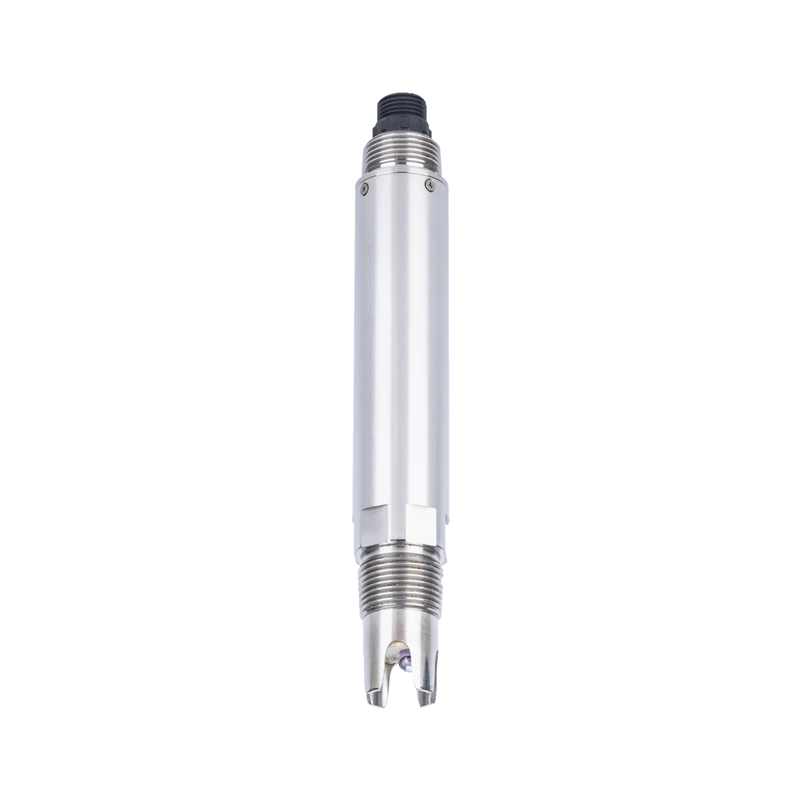
The 9 monitoring indicators of domestic wastewater constitute the “sensory system” of the water treatment process closed loop. From the control of organic load to the elimination of pathogenic microorganisms, precise real-time data is the only evidence for environmental engineering contractors to ensure project delivery quality.
As a professional hardware manufacturer, NiuBoL is committed to providing integrators with digital sensing layers that meet industrial standards. Our sensors can not only accurately identify every water quality fluctuation but also convert boring chemical parameters into controllable digital assets through standardized Modbus protocols. In today’s increasingly tightened environmental regulation, full-parameter digital monitoring will be the core competitiveness of smart environmental protection projects.
 NBL-WQ-CL Water Quality Sensor Online Residual Chlorine Sensor.pdf
NBL-WQ-DO Online Fluorescence Dissolved Oxygen Sensor.pdf
NBL-WQ-NHN Ammonia Nitrogen Water Quality Sensor.pdf
NBL-WQ-COD Online Water Quality COD Sensor.pdf
NBL-WQ-PH Online pH Water Quality Sensor.pdf
NBL-WQ-EC water quality conductivity sensor.pdf
Related recommendations
Sensors & Weather Stations Catalog
Agriculture Sensors and Weather Stations Catalog-NiuBoL.pdf
Weather Stations Catalog-NiuBoL.pdf
Agriculture Sensors Catalog-NiuBoL.pdf
Water Quality Sensor Catalog-NiuBoL.pdf
Related products
 Combined air temperature and relative humidity sensor
 TDR Soil Moisture & Temperature Sensor for irrigation| RS485 |4-20mA| NBL-S-THR
 Soil pH sensor RS485 soil Testing instrument soil ph meter for agriculture |NBL-S-PH
 Wind Speed sensor Output Modbus/RS485/Analog/0-5V/4-20mA
 Tipping bucket rain gauge for weather monitoring auto rainfall sensor RS485/Outdoor/stainless steel
 Pyranometer Solar Radiation Sensor 4-20mA/RS485

Screenshot, WhatsApp to identify the QR code
WhatsApp number:+8615367865107
(Click on WhatsApp to copy and add friends)

