





— Blogs —
—Products—
 Consumer hotline +8618073152920
 WhatsApp:+8615367865107
Address:Room 102, District D, Houhu Industrial Park, Yuelu District, Changsha City, Hunan Province, China
Product knowledge
Time:2026-05-03 14:33:24 Popularity:418
Under increasingly stringent environmental discharge standards, nitrogen removal efficiency has become a core indicator for evaluating the operational level of wastewater treatment plants (WWTP). However, in actual operation, ammonia nitrogen (NH4+-N) and total nitrogen (TN) frequently fluctuate and exceed standards, seriously affecting compliance. As a professional brand in environmental monitoring and process control, NiuBoL combines engineering experience to provide comprehensive logical analysis and response strategies for common denitrification abnormalities in biochemical systems.
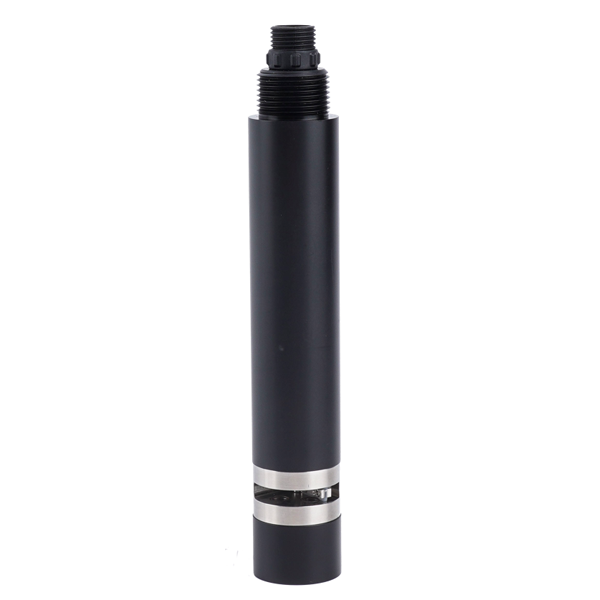
The removal of ammonia nitrogen mainly relies on autotrophic nitrifying bacteria in the aerobic tank. Nitrifying bacteria are extremely sensitive to environmental changes, and any imbalance in physical or chemical parameters can cause a sharp decline in nitrification rates.
1. Organic Load Shock (Abnormal High C/N Ratio)
When a large amount of carbon sources (such as methanol leakage or high-concentration industrial wastewater) enters the aerobic tank, heterotrophic bacteria rapidly proliferate and compete for dissolved oxygen (DO) and trace elements.
Mechanism: As autotrophic bacteria, nitrifying bacteria have much weaker metabolic competitiveness than heterotrophic bacteria. Under sufficient substrate conditions, the aerobic metabolism of heterotrophic bacteria prevents nitrifying bacteria from forming dominant populations, leading to stagnation of nitrification.
NiuBoL Expert Recommendation: Immediately stop influent and perform “idle aeration,” maintain sludge concentration through recirculation, and add PAC if necessary to improve sludge flocculation.
2. Internal Reflux System Failure
Internal reflux (Nitrate Recycle) is critical for returning nitrified liquid to the anoxic tank. If the internal reflux pump fails electrically or mechanically, or runs in reverse, the A tank will lose nitrate nitrogen.
Analysis: Without nitrate return, the A tank becomes purely anaerobic, where carbon sources can only undergo hydrolysis and acidification, causing large amounts of organics to enter the O tank and indirectly increase ammonia nitrogen.
Identification Signal: Abnormally high nitrate nitrogen at the O tank outlet, while nitrate in the A tank approaches zero.
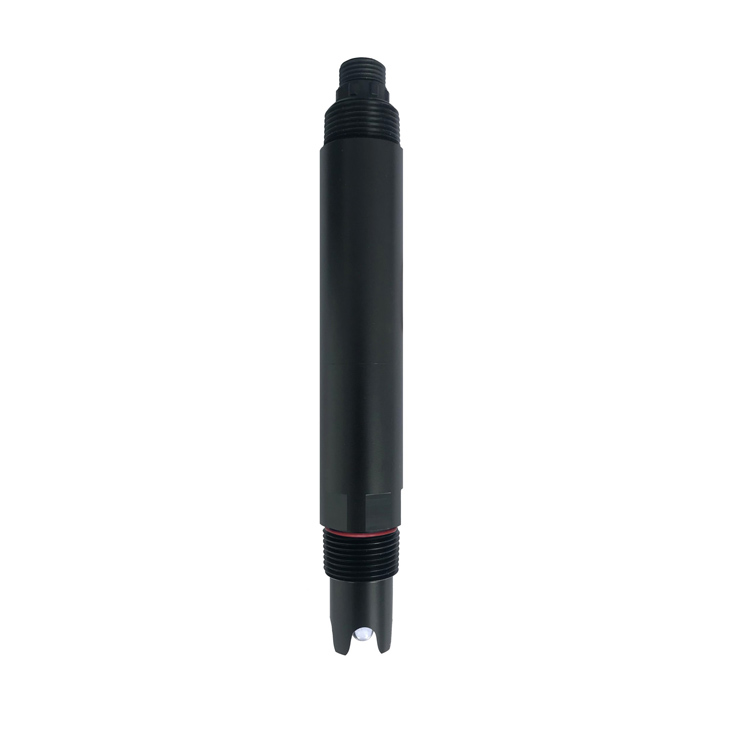
3. pH Imbalance
For every 1g of ammonia nitrogen converted, nitrification consumes 7.14g of alkalinity. If alkalinity is insufficient and pH drops below 6.0, nitrifying bacteria activity is strongly inhibited.
Interference Factor: Excess dissolved oxygen carried by internal reflux disrupts the anoxic environment, preventing effective alkalinity recovery through denitrification.
Solution: Monitor pH in real time, supplement alkalinity when necessary, and adjust aeration intensity to maintain true anoxic conditions.
4. Insufficient Dissolved Oxygen (DO)
Nitrification is an aerobic process, requiring DO levels above 2.0 mg/L.
Hidden Risk: High-hardness wastewater can cause scaling and blockage of microporous diffusers.
Hardware Optimization: Replace with coarse bubble diffusers or jet aerators, and deploy NiuBoL fluorescence DO sensors for precise closed-loop aeration control.
5. Insufficient Sludge Retention Time (SRT)
Nitrifying bacteria have long generation cycles. Excessive sludge discharge or uneven return reduces SRT below their growth cycle, causing washout.
Principle: Maintain SRT at 3–4 times the nitrifying bacteria generation cycle.
6. Temperature and Free Ammonia (FA) Inhibition
Low Temperature: In winter, low water temperatures can cause microbial dormancy. Increase MLSS or heat influent to compensate.
Free Ammonia: High ammonia shocks produce FA, inhibiting ammonia-oxidizing bacteria (AOB) and more sensitive nitrite-oxidizing bacteria (NOB), leading to nitrification collapse.
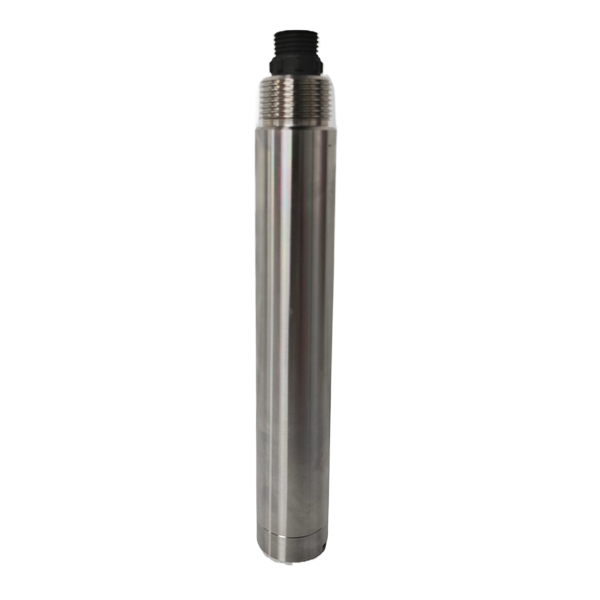
TN removal depends on the synergy of nitrification and denitrification. Even if ammonia nitrogen meets standards, TN may still exceed limits.
1. Carbon Source Deficiency
Denitrification requires carbon as an electron donor. The theoretical C/N ratio is 2.86, but in practice it should be controlled at 4.0–6.0.
Current Situation: Many municipal wastewater influents lack sufficient carbon, requiring precise dosing of methanol, sodium acetate, or composite carbon sources.
2. Improper Internal Reflux Ratio (r)
Denitrification efficiency is proportional to the internal reflux ratio. If pump capacity is insufficient, nitrate cannot effectively return to the anoxic zone.
Optimization: Maintain internal reflux ratio at 200%–400%.
3. Damaged Anoxic Environment in Denitrification Tank
If internal reflux carries excessive DO or influent aeration occurs, DO > 0.5 mg/L in the anoxic tank, facultative heterotrophic bacteria will prioritize aerobic metabolism over denitrification.
4. Refractory Organic Nitrogen
Industrial wastewater containing nitrogen heterocycles is difficult to degrade biologically and requires pretreatment such as hydrolysis-acidification or advanced oxidation (Fenton, O3).
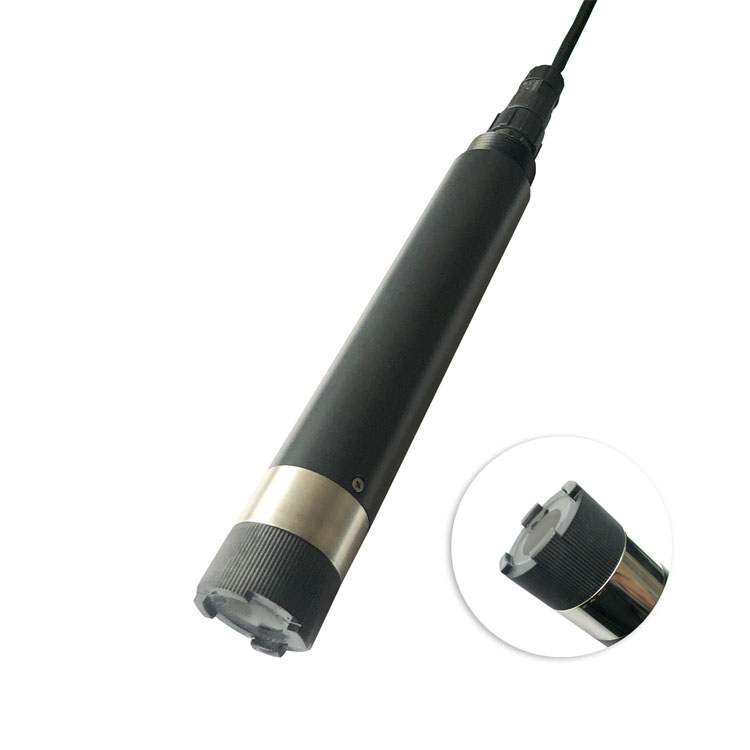
To prevent ammonia and TN exceedance, establishing a real-time warning and data-driven monitoring system is essential.
| Sensor Name | Measured Parameter | Application Scenario | Core Advantage |
|---|---|---|---|
| Online Ammonia Analyzer | 0-100/500 mg/L | Effluent compliance monitoring / process feedback | Ion-selective electrode, fast response |
| Online Total Nitrogen Analyzer | 0-200 mg/L | Full process control | UV digestion method, high stability |
| pH/Temperature Transmitter | 0-14 pH, 0-60°C | Real-time A/O tank monitoring | Industrial compensation algorithm, strong anti-interference |
| Fluorescence DO Sensor | 0-20.0 mg/L | Aeration control in aerobic tank | No membrane replacement, unaffected by flow rate |
| MLSS Sludge Concentration Meter | 0-20000 mg/L | Sludge age and reflux control | Automatic cleaning to prevent biofouling |
Q1: Why does pH decrease when ammonia nitrogen increases?
This is because nitrification is an acid-producing process. When ammonia nitrogen is converted, alkalinity is consumed. If alkalinity is already low, pH will drop rapidly, further inhibiting nitrification.
Q2: The internal reflux pump is running, why is denitrification still poor?
Check whether the impeller has detached or reversed, and inspect for air blockages in pipelines. The most scientific method is measuring nitrate differences between A tank inlet and outlet.
Q3: Why does excessive foam in the aeration tank affect ammonia nitrogen?
Foam often indicates overgrowth of heterotrophic or filamentous bacteria, which interferes with oxygen transfer efficiency and limits oxygen availability for nitrifiers.
Q4: Why stop sludge dewatering when ammonia nitrogen exceeds limits?
To quickly increase MLSS and extend SRT, allowing slow-growing nitrifying bacteria sufficient time to accumulate and reproduce.
Q5: What is simultaneous nitrification-denitrification (SND)?
It refers to nitrification and denitrification occurring simultaneously within the same space (e.g., inside sludge flocs), typically under low DO and high MLSS conditions, saving carbon sources and improving efficiency.
Q6: How to quickly recover a shocked nitrification system?
The fastest way is seeding—introducing activated sludge from a well-functioning system, combined with idle aeration and low-load influent, typically recovering within 3–7 days.
Ammonia nitrogen and total nitrogen exceedance is usually caused by multiple factors including carbon source, DO, sludge age, and pH. Establishing a data-driven preventive system is far more effective than reactive measures.
By deploying NiuBoL industrial-grade online monitoring solutions, system integrators and operators can monitor the “health pulse” of biochemical systems in real time. Our RS485 digital solutions not only reduce maintenance costs but also provide precise data support for automated process control. On the path to compliant discharge, NiuBoL is committed to being your most reliable technical partner.
 NBL-WQ-CL Water Quality Sensor Online Residual Chlorine Sensor.pdf
NBL-WQ-DO Online Fluorescence Dissolved Oxygen Sensor.pdf
NBL-WQ-NHN Ammonia Nitrogen Water Quality Sensor.pdf
NBL-WQ-COD Online Water Quality COD Sensor.pdf
NBL-WQ-PH Online pH Water Quality Sensor.pdf
NBL-WQ-EC water quality conductivity sensor.pdf
Next:Complete Technical Solution for Improving Accuracy and Stability of Sewage Water Quality Monitoring
Related recommendations
Sensors & Weather Stations Catalog
Agriculture Sensors and Weather Stations Catalog-NiuBoL.pdf
Weather Stations Catalog-NiuBoL.pdf
Agriculture Sensors Catalog-NiuBoL.pdf
Water Quality Sensor Catalog-NiuBoL.pdf
Related products
 Combined air temperature and relative humidity sensor
 TDR Soil Moisture & Temperature Sensor for irrigation| RS485 |4-20mA| NBL-S-THR
 Soil pH sensor RS485 soil Testing instrument soil ph meter for agriculture |NBL-S-PH
 Wind Speed sensor Output Modbus/RS485/Analog/0-5V/4-20mA
 Tipping bucket rain gauge for weather monitoring auto rainfall sensor RS485/Outdoor/stainless steel
 Pyranometer Solar Radiation Sensor 4-20mA/RS485

Screenshot, WhatsApp to identify the QR code
WhatsApp number:+8615367865107
(Click on WhatsApp to copy and add friends)

