





— Blogs —
—Products—
 Consumer hotline +8618073152920
 WhatsApp:+8615367865107
Address:Room 102, District D, Houhu Industrial Park, Yuelu District, Changsha City, Hunan Province, China
Product knowledge
Time:2026-05-03 14:29:18 Popularity:341
In industrial wastewater treatment projects, system integrators, IoT solution providers, and EPC contractors require reliable water quality monitoring methods to ensure compliance at each treatment stage, optimize process parameters, and meet environmental regulations. BOD (Biochemical Oxygen Demand) and COD (Chemical Oxygen Demand), as core organic pollution indicators, comprehensively reflect the total amount of reducing substances in wastewater and are key parameters for process control. NiuBoL NBL-WQ-COD online COD sensor and NBL-WQ-BOD-4 online BOD sensor adopt optical methods with reagent-free design and support RS-485 Modbus/RTU protocol, making them easy to integrate into SCADA, PLC, and IoT platforms for continuous online monitoring.
This article focuses on engineering procurement needs and elaborates on the role of BOD and COD in wastewater treatment, sensor working principles, system integration application scenarios, selection guidelines, and integration considerations, helping engineering companies efficiently build stable and reliable monitoring systems.
Industrial wastewater has complex compositions containing various organic substances. Performing qualitative and quantitative analysis for each component is time-consuming and costly. Environmental engineering studies show that all organic substances share two characteristics: they are mainly composed of carbon and hydrogen, and most can be oxidized chemically or biologically into carbon dioxide and water. During this process, oxygen is consumed in proportion to the organic content. Therefore, COD and BOD can comprehensively represent the total amount of reducing substances (including organic matter and some inorganic reducing substances such as sulfides and ferrous ions), avoiding complex single-substance analysis.
COD reflects all reducing substances that can be oxidized by strong oxidants, with fast measurement suitable for total organic load evaluation and discharge compliance. BOD, especially BOD5, reflects biodegradable organic matter and directly relates to biological treatment efficiency.
In practical engineering, the BOD/COD ratio (BC ratio) is an important indicator for biodegradability. When BOD/COD > 0.3, wastewater is generally considered biodegradable and suitable for biological treatment such as activated sludge. When the ratio is below 0.3, pretreatment (such as advanced oxidation or physicochemical methods) may be required. This provides a clear technical route for system integrators during process design.
At the same time, COD can also indicate residual inorganic reducing substances. For example, incomplete removal of ferrous ions in neutralization tanks may lead to COD exceedance in effluent. Therefore, real-time monitoring of BOD and COD helps identify process abnormalities, optimize aeration and sludge return ratios, and reduce energy consumption.
BOD (Biochemical Oxygen Demand): The mass concentration of dissolved oxygen consumed by microorganisms decomposing organic matter under aerobic conditions. BOD5 is commonly used. Higher values indicate more biodegradable organic matter and higher pollution load. BOD directly reflects the operation status of biological treatment systems.
COD (Chemical Oxygen Demand): The amount of oxidant consumed when treating a water sample with a strong oxidant under specified conditions, expressed as oxygen equivalent concentration (mg/L). COD includes both biodegradable and non-biodegradable organic matter and some inorganic reducing substances. Higher COD indicates more severe pollution.
In wastewater treatment projects, COD is used for influent load assessment and discharge compliance, while BOD focuses on biological treatment efficiency. Combined use allows differentiation between biodegradable and non-biodegradable fractions: COD ≈ total organic load, BOD ≈ biodegradable portion, and their difference indicates refractory organics.
Organic matter consumes oxygen in both chemical and biological oxidation, so COD and BOD are positively correlated but not identical. COD measurement is fast, while BOD5 requires 5 days, making them complementary.
BC ratio (BOD/COD) is a key indicator of biodegradability:
- > 0.5: Easily biodegradable, suitable for direct biological treatment;
- 0.3–0.5: Moderately biodegradable, may require longer retention time or nutrient supplementation;
- < 0.3: Difficult to biodegrade, recommend advanced oxidation or pretreatment.
In projects, system integrators can use online sensors to track BC ratio changes in real time. Abnormal drops indicate toxic influent, while increases in effluent suggest accumulation of refractory organics. Integration with PLC enables automatic adjustment of dosing and aeration.
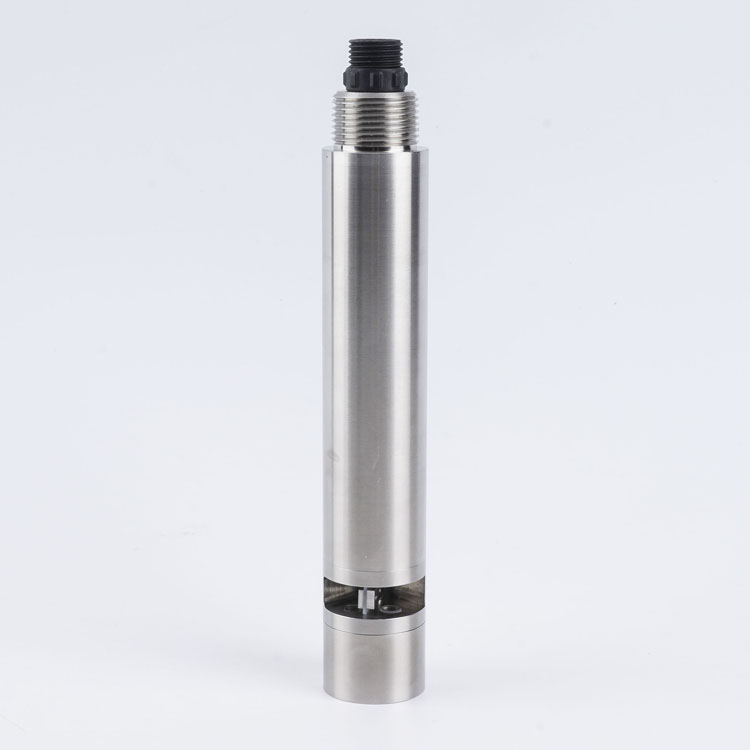
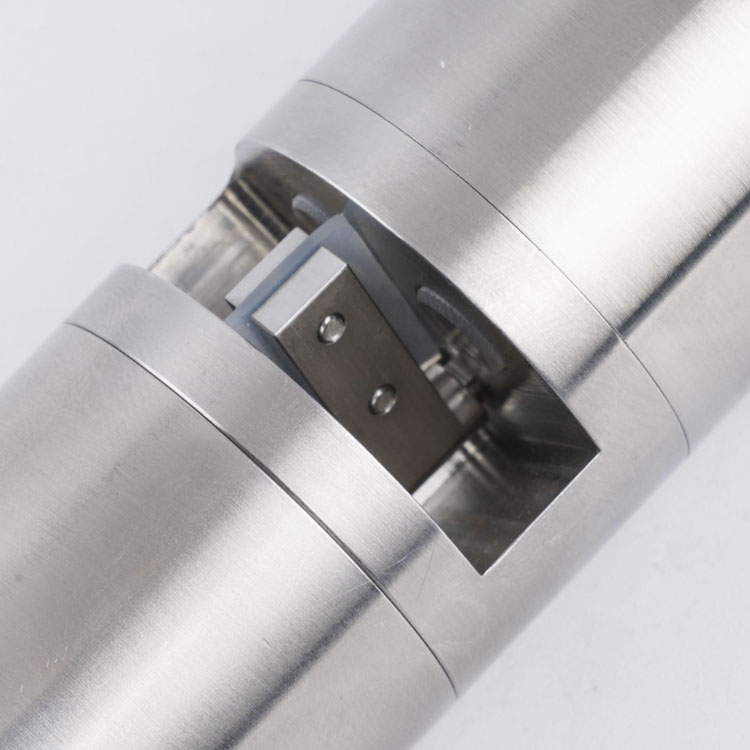
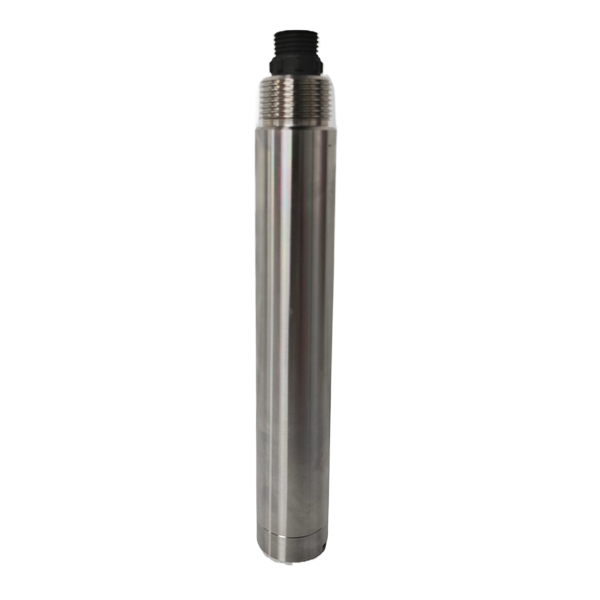
NBL-WQ-COD adopts dual wavelength ultraviolet absorption method. Dissolved organic matter absorbs UV light, especially at 254 nm. By measuring absorption and compensating turbidity using reference light, the sensor accurately reflects organic pollution concentration.
| Parameter | Specification Range | Accuracy/Resolution |
|---|---|---|
| COD Range | 0~200 mg/L equiv. KHP 0~500 mg/L equiv. KHP | ±5% / 0.1 mg/L |
| Turbidity Range | 0~100 NTU 0~200 NTU | ±5% F.S. / 0.1 NTU |
| Calibration | Two-point calibration | - |
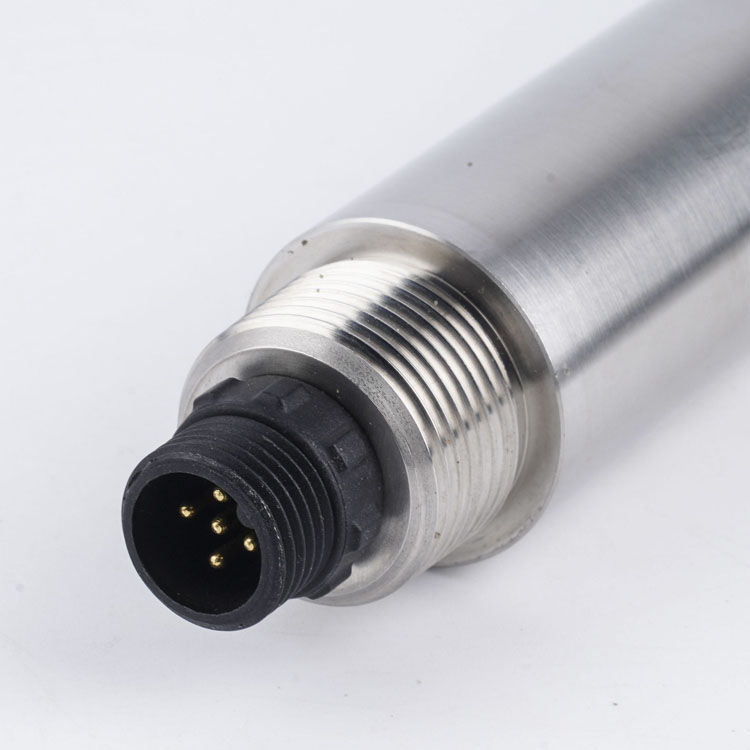
| Output | RS-485 (Modbus/RTU) | - |
| Power | 12~24 VDC | 0.3 W @12V |
| Operating Conditions | 0~45℃,<0.1 MPa | IP68 |
| Installation | Immersion | 316L Stainless Steel |
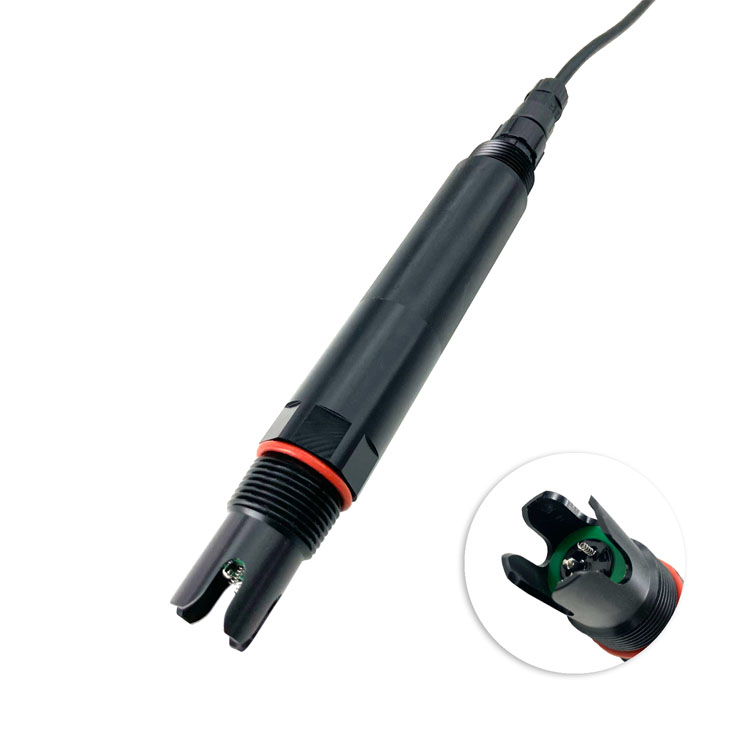
NBL-WQ-BOD-4 adopts dual wavelength fluorescence method. Organic matter emits fluorescence under UV excitation, and the intensity correlates with biodegradable organics concentration.
| Parameter | Specification Range | Accuracy/Resolution |
|---|---|---|
| BOD Range | 0~150 mg/L | ±5% F.S. / 0.1 mg/L |
| Turbidity Range | 0~100 NTU | ±5% F.S. / 0.1 NTU |
| Calibration | Two-point calibration | - |
| Output | RS-485 (Modbus/RTU) | - |
| Power | 12~24 VDC | 0.2 W @12V |
| Operating Conditions | 0~45℃,<0.1 MPa | IP68 |
| Installation | Immersion | POM + 316L Stainless Steel |
1. Municipal wastewater plant upgrade: sensor arrays installed across treatment stages, connected via RS-485 to PLC/SCADA for dynamic aeration control.
2. Industrial park wastewater treatment: COD monitoring in pretreatment, BOD monitoring in biological stages for efficiency validation.
3. IoT smart water platforms: integration with 4G/5G gateways for cloud monitoring and remote diagnostics.
4. River and lake monitoring: tracking organic pollution trends for environmental management.
Selection:
- Match measurement range to influent concentration;
- Consider turbidity compensation for high turbidity wastewater;
- Ensure Modbus compatibility;
- Evaluate installation conditions;
- Consider redundancy design.
Integration:
- Use shielded twisted pair for RS-485;
- Ensure stable power supply and grounding;
- Perform regular calibration;
- Establish correlation with lab data;
- Implement interference protection;
- Enable PLC linkage control.
Q1: What is the main difference between BOD and COD?
COD reflects all oxidizable substances (organic + some inorganic), measured quickly; BOD reflects biodegradable organic matter, takes longer but is directly related to biological treatment efficiency. The two are used together to comprehensively evaluate wastewater characteristics.
Q2: What should be done when the BC ratio (BOD/COD) is below 0.3?
It indicates a high proportion of difficult-to-biodegrade organic matter. It is recommended to add advanced oxidation, coagulation sedimentation, or adsorption pretreatment before biological treatment to improve biodegradability before entering the biological unit.
Q3: Do NiuBoL sensors support reagent-free online monitoring?
Yes. Both sensors use optical methods (UV absorption/fluorescence) without chemical reagents, avoiding secondary pollution and reducing maintenance costs.
Q4: How to integrate the sensors into an existing SCADA system?
Direct connection via RS-485 Modbus/RTU protocol, supporting standard register reading of COD, BOD, turbidity, temperature and other parameters, compatible with most PLCs and configuration software.
Q5: Is the sensor measurement accurate in high-turbidity wastewater?
Built-in reference light and algorithm automatically compensate for turbidity interference. The self-cleaning brush further reduces adhesion effects, ensuring measurement stability.
Q6: What is the general calibration cycle?
It is recommended to perform two-point calibration every 1-3 months according to on-site water quality. Long-term operation drift is small, subject to actual comparison with laboratory data.
Q7: How many sensors can a system access?
RS-485 bus theoretically supports 247 slave stations. In actual projects, it is recommended to control within 30-50 units and reasonably plan addresses and baud rates to ensure communication stability.
Q8: Is the sensor suitable for drinking water or low-concentration scenarios?
The range covers from 0 mg/L, suitable for multiple scenarios from highly polluted industrial wastewater to surface water and ecological water replenishment. Match the actual concentration range during specific selection.
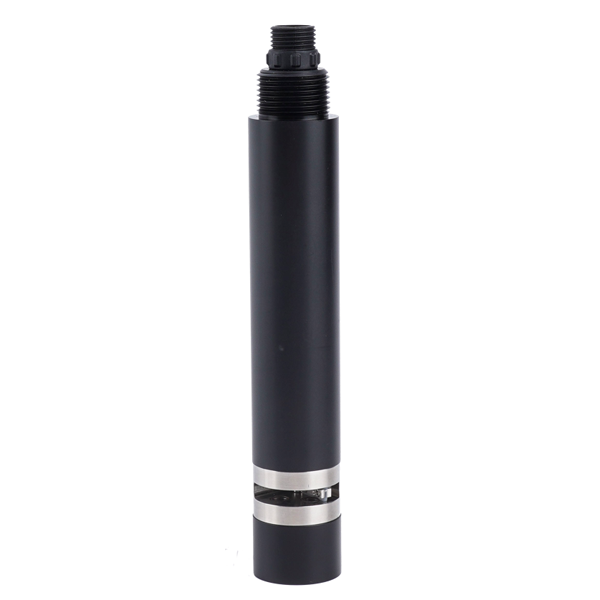
NiuBoL NBL-WQ-COD and NBL-WQ-BOD-4 online sensors provide stable, reliable, and low-maintenance monitoring tools for industrial wastewater treatment system integration. By using optical methods to achieve real-time BOD and COD measurement and combining with Modbus protocol, they help system integrators, IoT solution providers, and project contractors build efficient smart water treatment systems.
Choosing the right optical online sensors can not only accurately control organic pollution load, optimize process parameters, and ensure compliant discharge, but also significantly reduce operating costs and maintenance workload. Under increasingly stringent environmental protection requirements, real-time and accurate water quality data has become a key factor for the success of engineering projects. NiuBoL sensors, with professional engineering design, help various water treatment projects achieve long-term stable operation.
If you need technical selection support, integration solution discussion, or detailed application cases, please feel free to contact the NiuBoL team to jointly explore customized monitoring solutions suitable for your projects.
 NBL-WQ-CL Water Quality Sensor Online Residual Chlorine Sensor.pdf
NBL-WQ-DO Online Fluorescence Dissolved Oxygen Sensor.pdf
NBL-WQ-NHN Ammonia Nitrogen Water Quality Sensor.pdf
NBL-WQ-COD Online Water Quality COD Sensor.pdf
NBL-WQ-PH Online pH Water Quality Sensor.pdf
NBL-WQ-EC water quality conductivity sensor.pdf
Next:Optimization Plan for Ammonia Nitrogen and Total Nitrogen Exceedance in Wastewater Treatment Systems
Related recommendations
Sensors & Weather Stations Catalog
Agriculture Sensors and Weather Stations Catalog-NiuBoL.pdf
Weather Stations Catalog-NiuBoL.pdf
Agriculture Sensors Catalog-NiuBoL.pdf
Water Quality Sensor Catalog-NiuBoL.pdf
Related products
 Combined air temperature and relative humidity sensor
 TDR Soil Moisture & Temperature Sensor for irrigation| RS485 |4-20mA| NBL-S-THR
 Soil pH sensor RS485 soil Testing instrument soil ph meter for agriculture |NBL-S-PH
 Wind Speed sensor Output Modbus/RS485/Analog/0-5V/4-20mA
 Tipping bucket rain gauge for weather monitoring auto rainfall sensor RS485/Outdoor/stainless steel
 Pyranometer Solar Radiation Sensor 4-20mA/RS485

Screenshot, WhatsApp to identify the QR code
WhatsApp number:+8615367865107
(Click on WhatsApp to copy and add friends)

