





— Blogs —
—Products—
 Consumer hotline +8618073152920
 WhatsApp:+8615367865107
Address:Room 102, District D, Houhu Industrial Park, Yuelu District, Changsha City, Hunan Province, China
Product knowledge
Time:2026-05-03 14:42:22 Popularity:382
This article deeply analyzes core technical methods to improve the accuracy and stability of sewage water quality monitoring, covering monitoring point layout strategies, laboratory quality control systems, online monitoring system selection and pretreatment technologies. NiuBoL provides professional water quality monitoring system integration services to help sewage treatment plants and pollutant discharge enterprises achieve true and reliable data and compliant reporting.
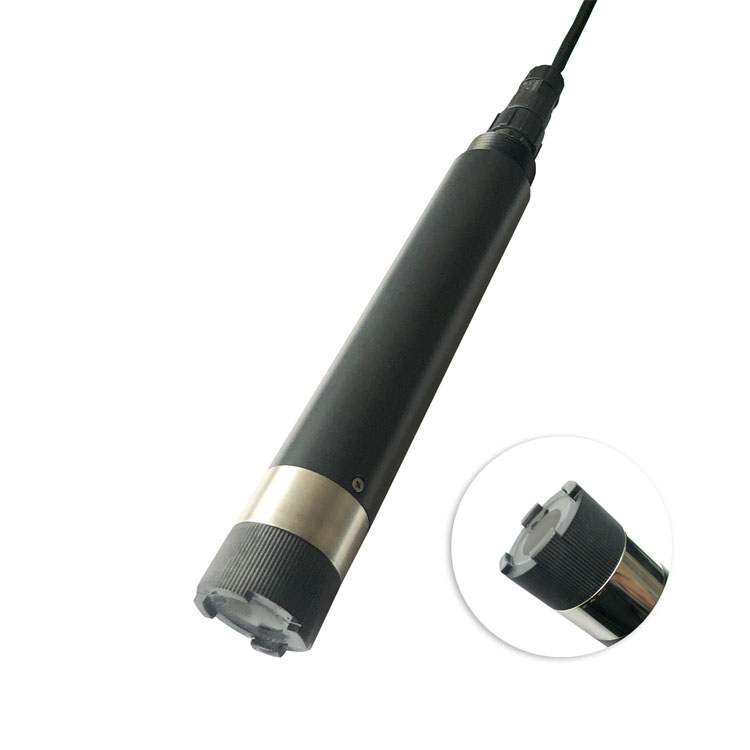
For sewage treatment plants, key pollutant discharge enterprises, and environmental protection operation and maintenance units, the accuracy and stability of water quality monitoring data are not only the legal basis for compliant discharge, but also the technical cornerstone for process regulation, cost control, and environmental reputation.
Data deviation may lead to two serious consequences: first, overestimating treatment effects, triggering risks of excessive discharge and administrative penalties; second, underestimating treatment capacity, resulting in excessive chemical dosing and energy consumption waste. Therefore, establishing a scientific, rigorous, and reproducible water quality monitoring system is an inevitable choice for every environmental responsibility entity.
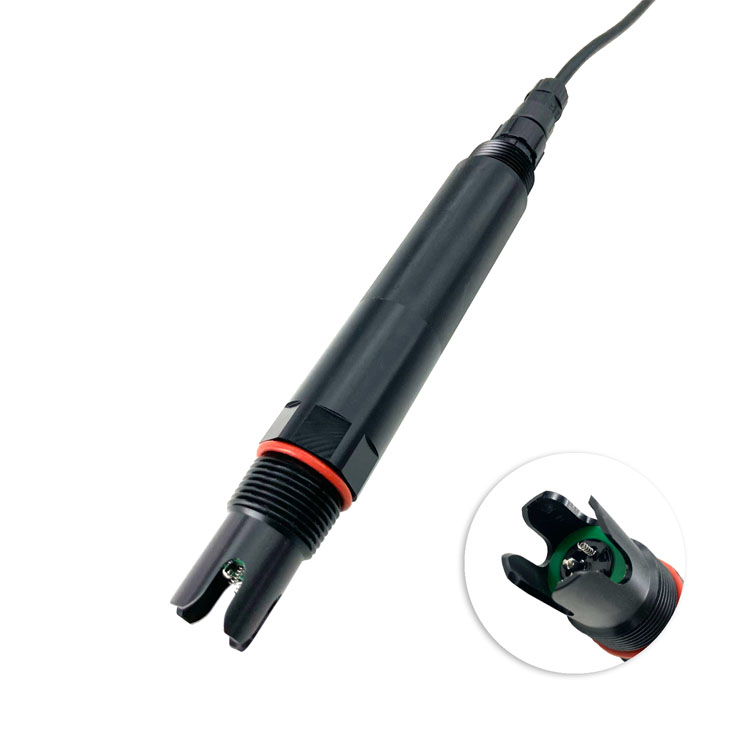
Reasonable monitoring point locations are the premise for ensuring data accuracy. Before laying out monitoring points, the following work must be completed:
On-site investigation: Comprehensive survey of sewage discharge outlet locations, pipeline directions, discharge patterns, and surrounding water body distribution
Hydrological parameter collection: For river monitoring sections, basic data such as flow velocity, river width, and water depth must be mastered
Pollutant preliminary analysis: Use portable detectors or laboratory rapid methods to preliminarily understand the main pollutant types and concentration ranges
| Monitoring Scenario | Point Layout Requirements | Precautions |
|---|---|---|
| Sewage Outlet Monitoring | Set in straight channel sections with stable water flow, distance from upstream confluence point ≥6 times channel width | Avoid bends, drops, and areas near stirring devices |
| River Section | Three-level layout: control section, monitoring section, and reduction section | Shoreline points must meet scientific control point requirements |
| Treatment Unit Nodes | Set monitoring points at inlet and outlet of each process unit | Used for process effect evaluation and regulation |
Physically mark the determined monitoring points (such as scales, positioning piles), and establish point archives (including latitude and longitude, on-site photos, and surrounding environment descriptions). Fixed points are the foundation for obtaining temporally comparable and spatially traceable data.
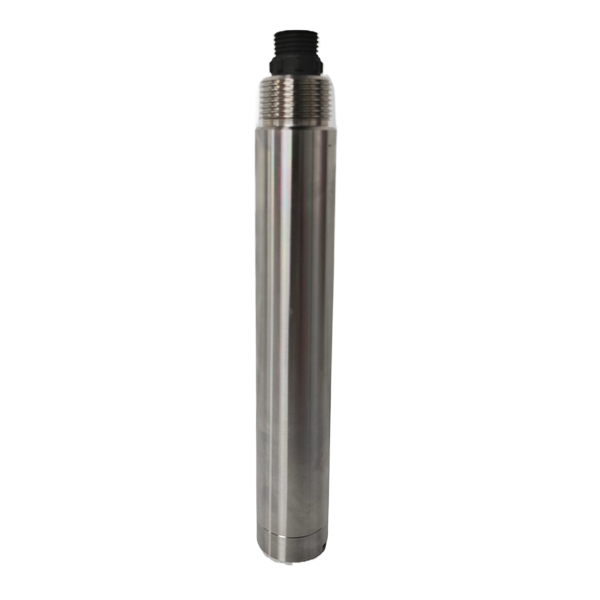
Laboratory monitoring is the traditional and main method for sewage water quality monitoring. To ensure data accuracy and stability, a full-process quality control system must be established.
Environmental cleanliness: Keep the laboratory tidy to avoid secondary contamination of samples by dust and aerosols
Ventilation facilities: Must be equipped with fume hoods; operations with volatile reagents (such as potassium dichromate solution, organic extractants) must be completed inside fume hoods
Temperature and humidity control: Precision instrument rooms are recommended to maintain 20–25℃ temperature and ≤60% relative humidity
| Management Link | Specific Requirements |
|---|---|
| Regular Calibration | Spectrophotometers, pH meters, balances calibrated once a month; COD digesters temperature verified quarterly |
| Maintenance | Execute according to manufacturer instructions and establish maintenance ledgers |
| Large Instrument Placement | Placed in ventilated, dust-proof, shock-proof locations with good heat dissipation |
| Consumables Guarantee | Sufficient reserves of gas fuels (such as acetylene for atomic absorption), light sources, chromatographic columns, etc. |
Reagent storage: Classified storage according to properties (light-proof, refrigerated, dry), regularly check expiration dates, and immediately scrap deteriorated reagents
Glassware cleaning: Adopt standard process of “detergent cleaning → tap water rinsing → 10% nitric acid soaking → pure water rinsing” to avoid wall residues interfering with measurement results
Pipettes and volumetric flasks: Regularly perform metrological verification to ensure volume accuracy
Sampling container material selection: Glass bottles for organic analysis; polyethylene bottles for heavy metal analysis
Preservation methods: Add preservatives (e.g., sulfuric acid to pH≤2 for COD), refrigerate (4℃), and deliver for testing within time limits
Parallel samples and blank samples: Set no less than 10% parallel samples and full-process blank samples for each batch of samples
For key pollutant discharge units, online monitoring is an inevitable choice. To obtain accurate and continuous online data, systematic control must be exercised from the following four dimensions.
Incorrect instrument selection is a common cause of data distortion. Instruments must be selected according to sewage water quality characteristics and reporting index requirements, matching monitoring methods and ranges.
Case Illustration: COD concentration of a certain enterprise’s sewage is in the 500–600 mg/L range
| Selection Dimension | Wrong Choice | Correct Choice | Reason |
|---|---|---|---|
| Method Principle | Permanganate Index Method | Potassium Dichromate Method (Chromium Method) | Permanganate method is suitable for low concentration (≤50 mg/L) clean water samples |
| Range | 200 mg/L or 5000 mg/L | 1000 mg/L | 200 range is prone to over-limit alarms; 5000 range has insufficient resolution |
Other parameter selection references:
Ammonia nitrogen online analyzer: Salicylic acid method suitable for low concentration (≤10 mg/L); Nessler’s reagent method suitable for medium and high concentrations
Total phosphorus online analyzer: Molybdenum-antimony anti-spectrophotometric method is mainstream, requires high-temperature digestion module
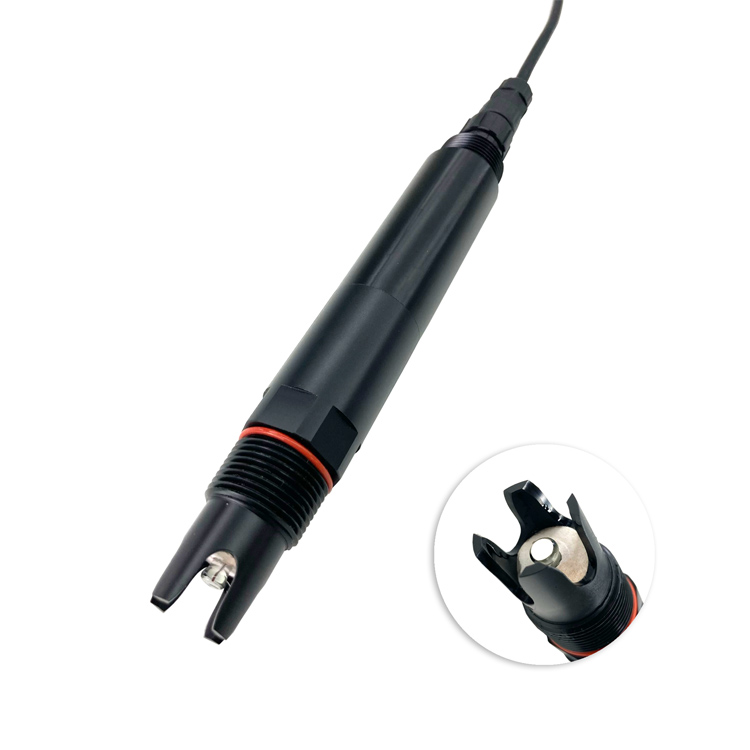
pH meter: Select industrial-grade electrodes with temperature compensation function
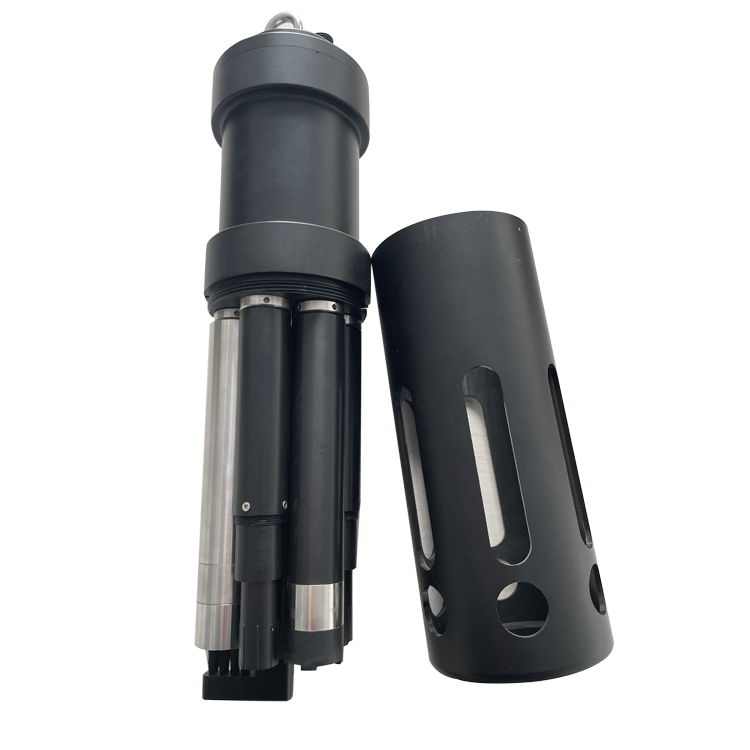
Core requirements for water intake points: The taken water sample can represent the true condition of the discharged water quality.
Location selection: Appropriate distance from discharge outlet (avoid dead zones), fully mixed water flow areas
Depth setting: Take water 0.5–1.0 m below the surface, avoiding surface oil and bottom sediment
Water intake system: Recommend “submersible pump + self-priming pump” dual-stage water intake scheme to ensure continuity and reliability
Pipeline design: Shorten distances, reduce elbows, maintain appropriate flow velocity (1–1.5 m/s) to prevent deposition
The goal of pretreatment is “remove interference, protect instruments, while not changing water sample representativeness”.
| Level | Method | Applicable Scenarios | Representativeness Impact |
|---|---|---|---|
| Level 1 | Natural Sedimentation (30–60 min) | When large suspended particles are abundant | Basically no impact |
| Level 2 | Filter Mesh Filtration (0.5–2 mm) | Remove hair, fibers, etc. | Moderately reduces SS, COD impact controllable |
| Level 3 | Membrane Filtration or Permeation | Before precision instruments (e.g., ion chromatography) | Dissolved substances unchanged, but pay attention to adsorption losses |
Engineering suggestion: Pretreatment system should adopt multi-stage series method, automatically or manually selecting pretreatment depth according to water sample impurity conditions. COD, ammonia nitrogen, and total phosphorus analyzers generally require only Level 2 pretreatment; heavy metal analyzers may require Level 3.
Regular cleaning: Backwash water intake pipelines once a week; clean sampling cups and filters every half month
Reagent replacement: Replace according to manufacturer recommended cycles, immediately stop using deteriorated reagents
Data review: Set upper and lower limit alarms, mutation prompts, and conduct daily manual review of abnormal data
Comparison verification: Monthly comparison of laboratory and online data (relative error ≤±10%)
Q1. What could be the reasons for frequent fluctuations in water quality monitoring data?
Possible reasons include: improper water intake point location (affected by turbulence or dead zones); pretreatment system blockage or instability; instruments not calibrated; actual fluctuations in discharged water quality. It is recommended to troubleshoot the water intake system one by one.
Q2. If online monitoring instrument data does not match laboratory data, which one shall prevail?
Laboratory methods are usually standard methods (such as HJ 828-2017), while online instruments use rapid methods. Differences within acceptable ranges (e.g., COD ±10%) are normal. If the difference is too large, calibrate the online instrument or investigate the representativeness of the pretreatment system.
Q3. How to select the range for online COD analyzers?
The principle is that the upper limit of the range is 1.5–2 times the normal concentration. For example, if the normal concentration is 500 mg/L, select 1000 mg/L range. Too narrow easily triggers over-limit; too wide has insufficient resolution.
Q4. Will water sample pretreatment cause data to be lower?
Yes. Any pretreatment will remove some substances to varying degrees. The key is “controllable and consistent” — after fixing the pretreatment method, establish a stable conversion relationship between data and actual field values or use the same method for standard comparison.
Q5. Must monitoring points be fixed? Why?
They must be fixed. Only fixed points can yield temporally comparable data. Moving points will make data sequences incomparable and prevent judgment of water quality change trends.
Q6. What is the impact of incomplete laboratory glassware cleaning?
It will cause cross-contamination. For example, digestion tubes used for COD not thoroughly cleaned will leave residual organic matter, causing the next sample result to be higher. It is recommended to implement standardized cleaning processes and regularly spot-check cleaning effectiveness.
Q7. How often does the online monitoring system need calibration?
For conventional items such as pH, COD, and ammonia nitrogen, calibration is recommended every 7–15 days; heavy metal analyzers can be appropriately extended to 30 days. Recalibration is required after each reagent replacement.
Q8. What water quality monitoring system services can NiuBoL provide?
NiuBoL provides full-chain services from monitoring point design, instrument selection, system integration, installation and commissioning to operation and maintenance training, covering parameters such as COD, ammonia nitrogen, total phosphorus, total nitrogen, pH, and flow, supporting data networking upload and environmental protection platform docking.
Improving the accuracy and stability of sewage water quality monitoring is a systematic project that runs through the entire chain of “point layout → sampling → pretreatment → analysis → calibration → review”.
Three Core Principles:
1. Representativeness first: Whether in point layout or pretreatment methods, the premise must be to ensure water samples represent the real water body.
2. Standardized execution: All operations from glassware cleaning to instrument calibration must be evidence-based and traceable.
3. Systematic thinking: Laboratory monitoring and online monitoring complement each other; manual comparison and automatic calibration support each other.
 NBL-WQ-CL Water Quality Sensor Online Residual Chlorine Sensor.pdf
NBL-WQ-DO Online Fluorescence Dissolved Oxygen Sensor.pdf
NBL-WQ-NHN Ammonia Nitrogen Water Quality Sensor.pdf
NBL-WQ-COD Online Water Quality COD Sensor.pdf
NBL-WQ-PH Online pH Water Quality Sensor.pdf
NBL-WQ-EC water quality conductivity sensor.pdf
Prev:Optimization Plan for Ammonia Nitrogen and Total Nitrogen Exceedance in Wastewater Treatment Systems
Next:Core Technical Solution for Slaughterhouse Wastewater Treatment
Related recommendations
Sensors & Weather Stations Catalog
Agriculture Sensors and Weather Stations Catalog-NiuBoL.pdf
Weather Stations Catalog-NiuBoL.pdf
Agriculture Sensors Catalog-NiuBoL.pdf
Water Quality Sensor Catalog-NiuBoL.pdf
Related products
 Combined air temperature and relative humidity sensor
 TDR Soil Moisture & Temperature Sensor for irrigation| RS485 |4-20mA| NBL-S-THR
 Soil pH sensor RS485 soil Testing instrument soil ph meter for agriculture |NBL-S-PH
 Wind Speed sensor Output Modbus/RS485/Analog/0-5V/4-20mA
 Tipping bucket rain gauge for weather monitoring auto rainfall sensor RS485/Outdoor/stainless steel
 Pyranometer Solar Radiation Sensor 4-20mA/RS485

Screenshot, WhatsApp to identify the QR code
WhatsApp number:+8615367865107
(Click on WhatsApp to copy and add friends)

