





— Blogs —
—Products—
 Consumer hotline +8618073152920
 WhatsApp:+8615367865107
Address:Room 102, District D, Houhu Industrial Park, Yuelu District, Changsha City, Hunan Province, China
Product knowledge
Time:2026-05-03 15:02:51 Popularity:501
The importance of water quality testing in the aquaculture industry is becoming increasingly prominent. With the promotion of intensive and high-density farming models, water body environmental stability directly affects the growth speed, survival rate and product quality of fish, shrimp and crab. NiuBoL aquaculture dedicated sensor series provides reliable data support for system integrators and aquaculture engineering companies through real-time monitoring of key water quality parameters, helping to build intelligent and refined farming management systems and achieve green and healthy farming goals.
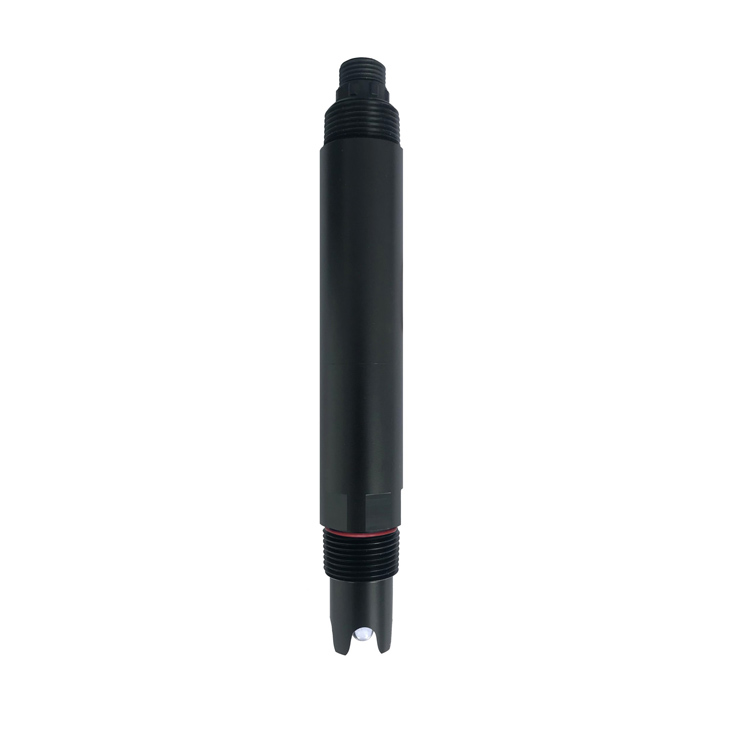
In modern aquaculture processes, water quality is a key factor restricting farming efficiency. A stable water quality environment can not only promote normal growth and metabolism of farmed organisms, but also effectively reduce disease incidence and improve product safety. Real-time mastery of water quality change trends and timely regulation have become an inevitable requirement for large-scale aquaculture.
By deploying online water quality monitoring systems, farming enterprises can achieve continuous monitoring of water body environments, reduce manual sampling errors, lower labor costs, and provide scientific basis for precise regulation of dissolved oxygen, feeding and water body adjustment. Data-driven refined management is gradually becoming an important direction for the aquaculture industry to transform from traditional experience-based to scientific data-based approaches.
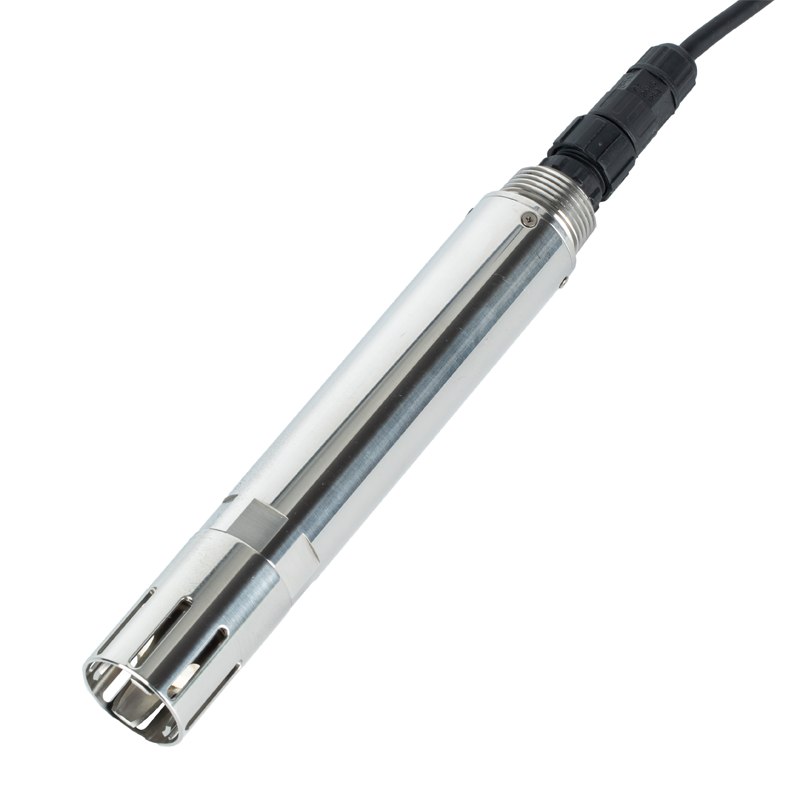
Several core indicators that need focused attention in aquaculture water bodies include:
pH Value: When too low, fish are prone to infectious diseases, respiratory difficulties, and suppressed growth; when too high, it becomes strongly alkaline, corroding gill tissues, causing respiratory disorders or even suffocation, while inhibiting microbial activity and affecting organic matter degradation.
Ammonia Nitrogen (NH₃-N): Increased concentration is toxic to fish and shrimp, inhibits feeding, and in severe cases leads to poisoning and death. It is the most common limiting factor in high-density farming.
Nitrite: As an intermediate product of ammonia oxidation, accumulation causes dark purple gills, respiratory difficulties, and sluggish movement in fish. High concentrations can trigger organ failure.
Phosphate: Although it has no direct toxicity to fish, excessively high levels stimulate excessive algae reproduction, consume large amounts of dissolved oxygen, and indirectly deteriorate the water environment. The ideal control level is usually below 0.05 mg/L.
Dissolved Oxygen (DO): Sufficient dissolved oxygen can inhibit the generation of toxic substances, while insufficient dissolved oxygen makes it difficult to convert ammonia nitrogen and hydrogen sulfide, easily causing harm to farmed organisms.
These parameters are interrelated, and any imbalance can trigger a chain reaction. Therefore, establishing a multi-parameter online monitoring system is crucial for maintaining the ecological balance of aquaculture.
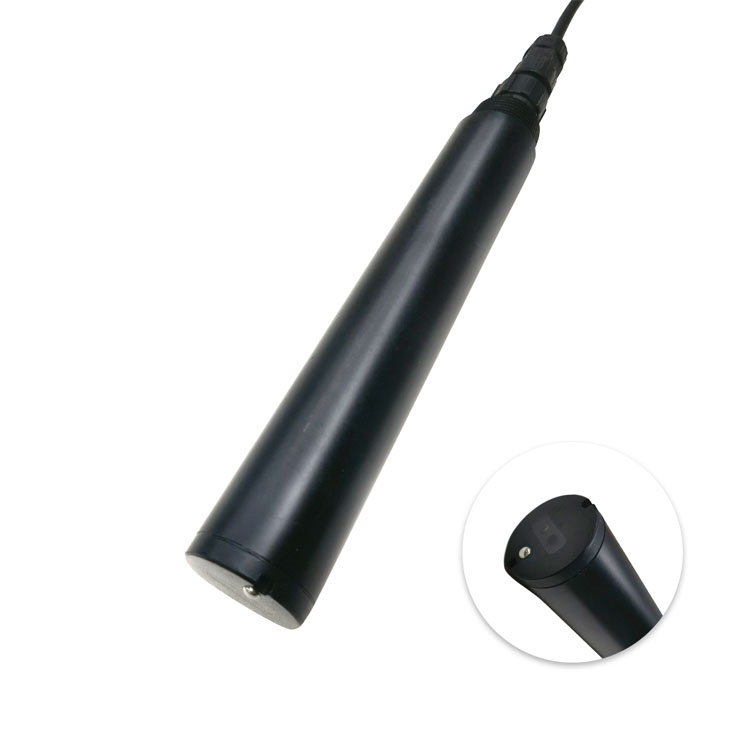
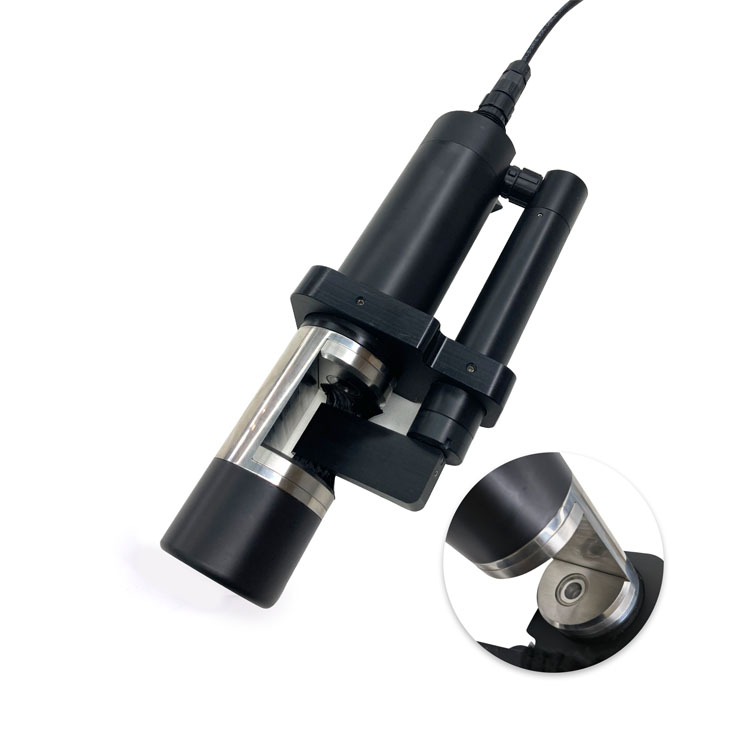
This sensor is designed based on the fluorescence quenching principle. It requires no electrolyte, does not consume oxygen, is unaffected by flow velocity, and features small drift, fast response, and strong anti-interference ability. It has built-in temperature and salinity compensation functions and can output accurate dissolved oxygen concentration values.
Dissolved Oxygen Sensor Technical Parameters
| Parameter | Specification Details |
|---|---|
| Model | NBL-WQ-DO |
| Measurement Principle | Fluorescence Method |
| Range | 0~20.00 mg/L (0~200% saturation, 25℃) |
| Resolution | 0.01 mg/L, 0.1℃ |
| Accuracy | ±2%, ±0.3℃ |
| Response Time (T90) | <30s |
| Minimum Detection Limit | 0.08 mg/L |
| Calibration Method | Two-point Calibration |
| Temperature Compensation | Automatic Temperature Compensation (Pt1000) |
| Output Method | RS-485 (Modbus RTU) |
| Power Supply | 12~24V DC |
| Power Consumption | 0.2W@12V |
| Protection Rating | IP68 |
| Installation Method | Submersible, 3/4 NPT |
| Fluorescent Membrane Head Life | Approximately 1 year (normal use) |
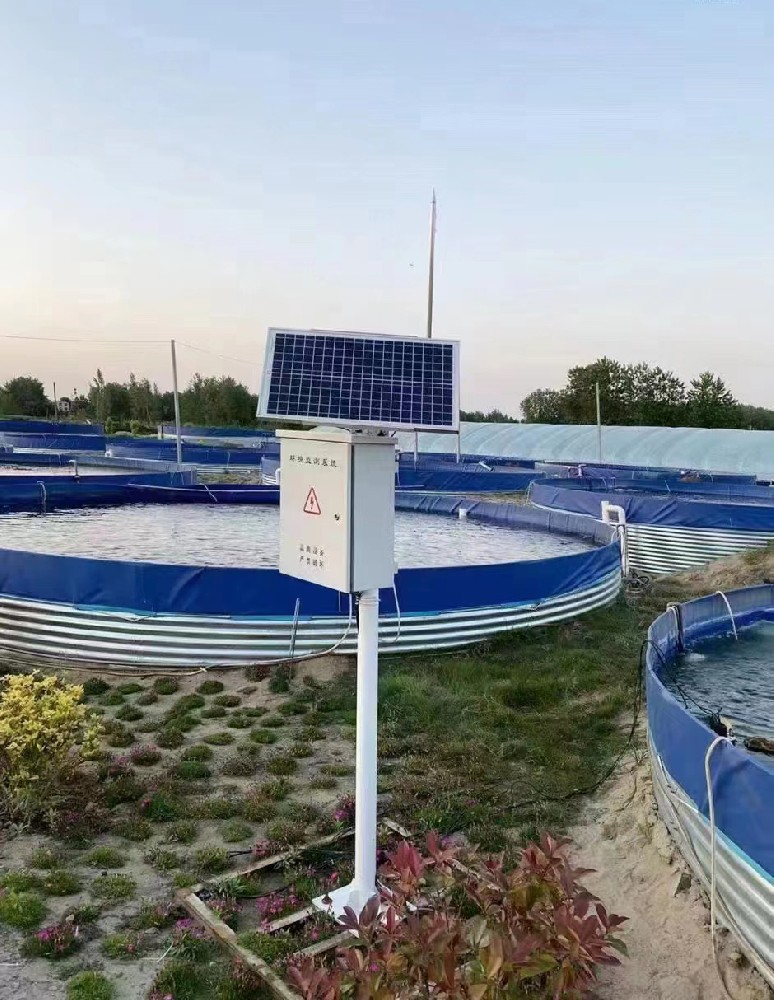
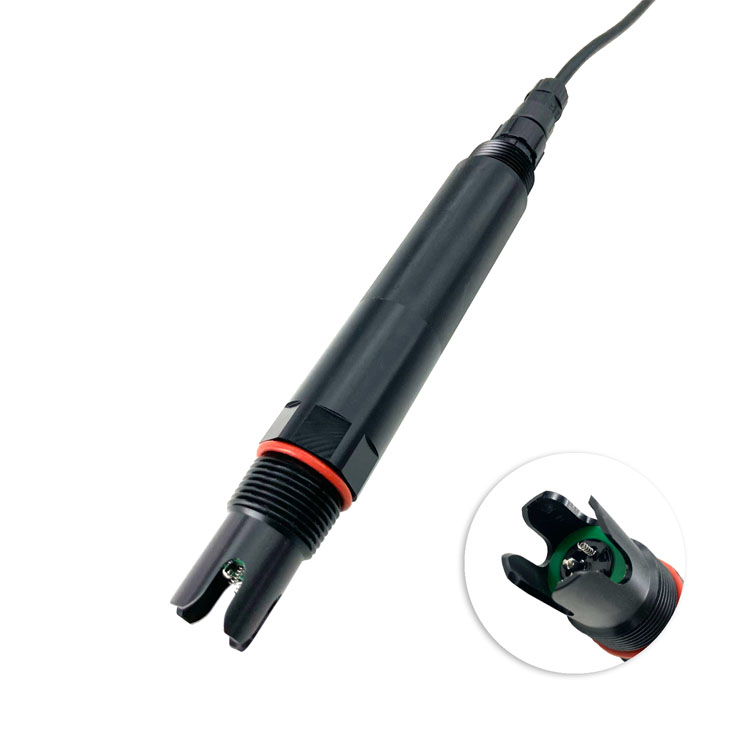
Adopts glass electrode method. The patented reference system significantly extends electrode life and has strong anti-interference ability, suitable for complex water body environments such as aquaculture.
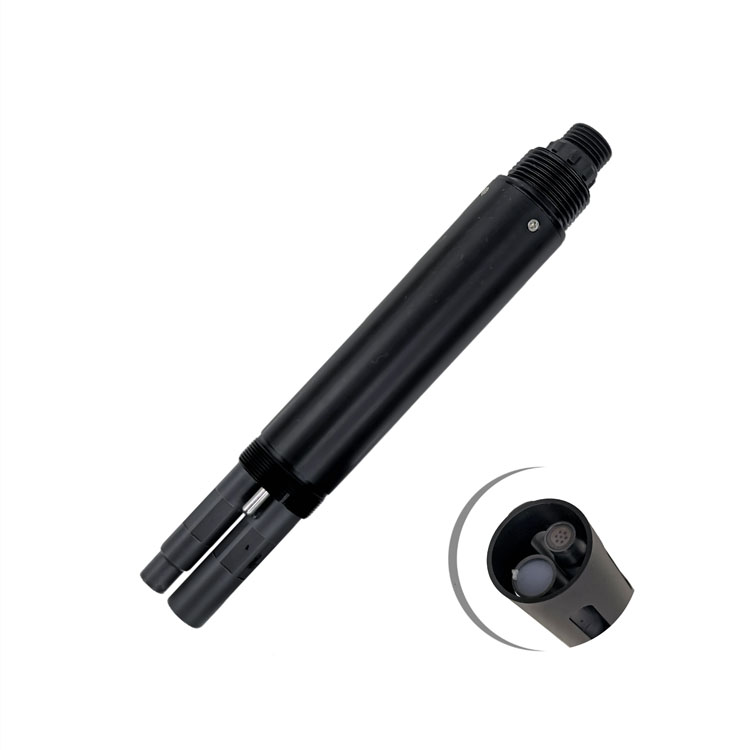
Based on PVC membrane ammonium ion selective electrode method, with ranges covering 0~10 / 0~100 / 0~1000 mg/L multi-gear to meet different farming density requirements, with automatic temperature compensation.
NiuBoL aquaculture sensors can be widely applied in the following engineering projects:
Pond and factory recirculating aquaculture systems: Multi-point deployment of dissolved oxygen, pH, and ammonia nitrogen sensors, linked with aerators, feeders, and water treatment equipment to achieve automatic regulation.
High-density shrimp and crab farming projects: Focus on monitoring ammonia nitrogen and nitrite, optimize water exchange and aeration strategies combined with dissolved oxygen data.
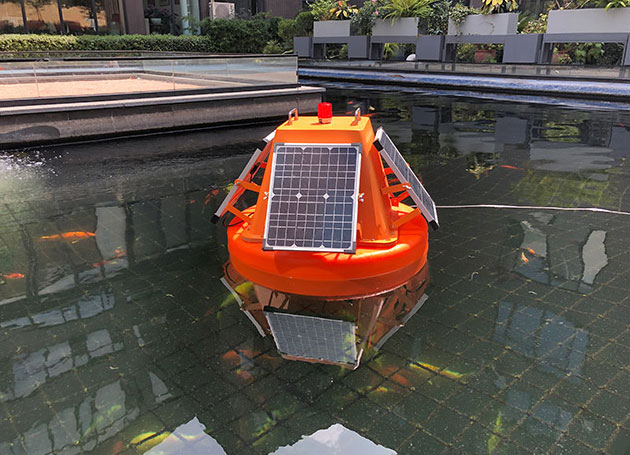
Smart fishery IoT platforms: Sensors access edge gateways or PLC systems via RS-485 Modbus RTU protocol, with data uploaded to cloud platforms supporting remote monitoring, early warning and historical data traceability.
Seedling breeding bases: High-frequency precision monitoring of nursery water bodies to ensure juvenile survival rates.
Large aquaculture parks: Build regional water quality monitoring networks to provide data foundation for unified scheduling and refined management.
These applications can significantly improve the controllability of the farming process, reduce risks, and help projects achieve quality improvement and efficiency enhancement.
Selection Guide:
Dissolved Oxygen: For high-density farming or water bodies with large nighttime dissolved oxygen fluctuations, prioritize NBL-WQ-DO fluorescence sensors, whose advantages of being unaffected by flow velocity and sulfide interference are obvious.
pH: Conventional freshwater farming uses NBL-WQ-PH; seawater or special salinity environments need to confirm electrode adaptability.
Ammonia Nitrogen: Select appropriate range according to farming density and expected concentration range (0-10mg/L is the common farming interval).
Multi-parameter Integration: It is recommended to combine dissolved oxygen, pH, and ammonia nitrogen sensors to form a core monitoring combination.
Integration Precautions:
Sensors must not be installed upside down or horizontally during installation; at least 15° tilt is required to ensure the membrane head fully contacts the water body.
Use shielded cables, reasonably set Modbus addresses and baud rates to avoid strong electromagnetic interference on site.
New sensors are recommended to be activated or calibrated according to the manual before use, and regularly check the fluorescent membrane head and electrode status.
Reserve redundant channels in system design for subsequent expansion of other parameters (such as turbidity, oxidation-reduction potential).
When linking with water-fertilizer integrated machines or PLCs, joint debugging is required to ensure control logic matches monitoring data.

Q1. What are the most important water quality parameters that need focused monitoring in aquaculture?
Core parameters include dissolved oxygen, pH, ammonia nitrogen, nitrite and phosphate, among which dissolved oxygen and ammonia nitrogen have the most direct impact on farmed organisms.
Q2. What are the advantages of fluorescence dissolved oxygen sensors compared to traditional electrode methods?
Fluorescence method requires no electrolyte, does not consume oxygen, is unaffected by flow velocity, has small drift, low maintenance cost, and longer service life.
Q3. Do NiuBoL sensors support remote monitoring?
Yes. Through RS-485 Modbus RTU protocol, they can be easily connected to IoT platforms or SCADA systems to achieve remote data viewing and early warning.
Q4. Is the ammonia nitrogen sensor suitable for high-salinity seawater farming?
NBL-WQ-NHN is mainly suitable for conventional aquaculture environments. Seawater farming needs to confirm specific working conditions in advance and communicate with the technical team.
Q5. What are the special requirements for sensor installation?
During installation, the sensor must be tilted more than 15° to avoid upside-down or horizontal installation to ensure measurement accuracy.
Q6. How to extend the service life of fluorescent membrane heads and pH electrodes?
Regular cleaning, avoid drying out, replace membrane heads according to recommended cycles, and perform standardized calibration.
Q7. How to choose communication protocols during system integration?
It is recommended to use the standard Modbus RTU protocol, which is convenient for compatibility with most PLC, DTU and host computer systems.
Q8. Can the aquaculture online monitoring system be linked with automatic aeration equipment?
Yes. By accessing the control system through Modbus protocol, aeration equipment can be automatically started and stopped according to real-time dissolved oxygen data.
Aquaculture water quality testing is the basic project to ensure farming efficiency and product safety. NiuBoL NBL-WQ-DO fluorescence dissolved oxygen sensor, NBL-WQ-PH pH sensor and NBL-WQ-NHN ammonium nitrogen sensor provide mature online monitoring components for system integrators, IoT solution providers and aquaculture engineering companies with stable and reliable performance and standardized RS-485 Modbus RTU interfaces.
Water quality monitoring systems built relying on these professional sensors can help farming projects achieve data-based and refined management, reduce farming risks, and improve comprehensive benefits. If you need detailed product technical information, system integration solution design or project application support, please feel free to contact the NiuBoL technical team. We will provide professional and practical solutions for you.
 NBL-WQ-CL Water Quality Sensor Online Residual Chlorine Sensor.pdf
NBL-WQ-DO Online Fluorescence Dissolved Oxygen Sensor.pdf
NBL-WQ-NHN Ammonia Nitrogen Water Quality Sensor.pdf
NBL-WQ-COD Online Water Quality COD Sensor.pdf
NBL-WQ-PH Online pH Water Quality Sensor.pdf
NBL-WQ-EC water quality conductivity sensor.pdf
Prev:Core Technical Solution for Slaughterhouse Wastewater Treatment
Next:Domestic Wastewater Full-Parameter Monitoring Indicators Analysis and Digital Integration Solution
Related recommendations
Sensors & Weather Stations Catalog
Agriculture Sensors and Weather Stations Catalog-NiuBoL.pdf
Weather Stations Catalog-NiuBoL.pdf
Agriculture Sensors Catalog-NiuBoL.pdf
Water Quality Sensor Catalog-NiuBoL.pdf
Related products
 Combined air temperature and relative humidity sensor
 TDR Soil Moisture & Temperature Sensor for irrigation| RS485 |4-20mA| NBL-S-THR
 Soil pH sensor RS485 soil Testing instrument soil ph meter for agriculture |NBL-S-PH
 Wind Speed sensor Output Modbus/RS485/Analog/0-5V/4-20mA
 Tipping bucket rain gauge for weather monitoring auto rainfall sensor RS485/Outdoor/stainless steel
 Pyranometer Solar Radiation Sensor 4-20mA/RS485

Screenshot, WhatsApp to identify the QR code
WhatsApp number:+8615367865107
(Click on WhatsApp to copy and add friends)

