





— Blogs —
—Products—
 Consumer hotline +8618073152920
 WhatsApp:+8615367865107
Address:Room 102, District D, Houhu Industrial Park, Yuelu District, Changsha City, Hunan Province, China
Product knowledge
Time:2026-05-03 14:59:45 Popularity:424
Since the full implementation of the designated slaughtering system, slaughterhouse wastewater treatment issues have become increasingly prominent. Slaughter enterprises generally face pressure from upgraded environmental supervision and tightened emission standards. Slaughterhouse wastewater has typical “three high” characteristics: high organic matter concentration (CODcr 1500–8000 mg/L), high suspended solids (SS 750–3000 mg/L), and high oil and grease with ammonia nitrogen. If discharged directly without proper treatment, it will cause continuous damage to surrounding water bodies, soil, and residents’ health.
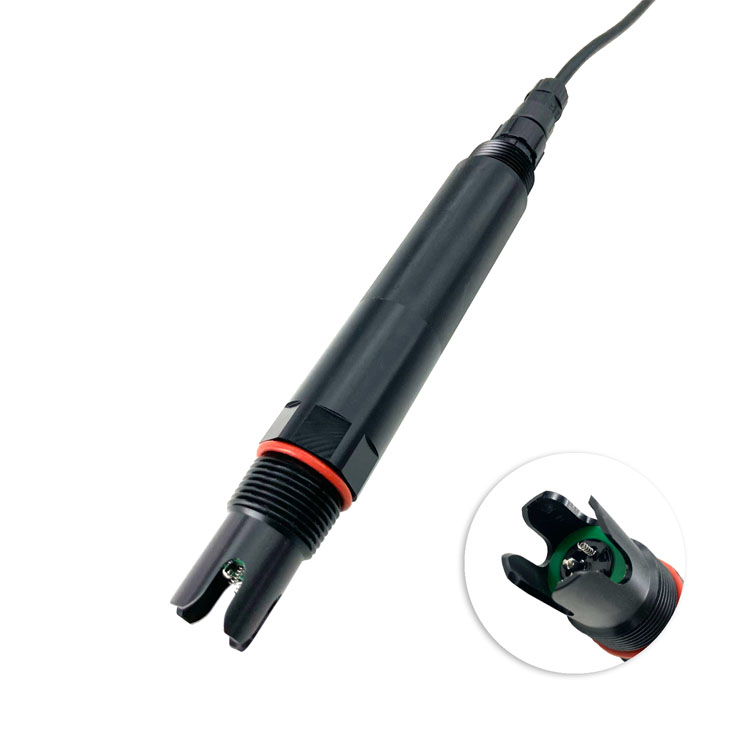
Technical Principle: Utilize activated sludge rich in microbial communities in aeration tanks to adsorb, coagulate, oxidize and decompose organic pollutants in wastewater under sufficient oxygen supply conditions.
Process Flow: Primary sedimentation tank → Mixed return sludge → Aeration tank (retention time ≥5 hours) → Secondary sedimentation tank → Disinfection and discharge. Part of the settled sludge (30%–50%) is returned, and the remaining sludge can be used as organic fertilizer after dewatering.
Applicable Scenarios: Small and medium-sized slaughterhouses with moderate effluent quality requirements (COD ≤150 mg/L).
| Item | Description |
|---|---|
| Advantages | Mature process, stable operation, high removal efficiency |
| Disadvantages | Large sludge production, high energy consumption |
This is currently the most widely used solution in China. Typical process: Grille → Sand settling and oil separation tank → Solid-liquid separator → Regulating tank → Hydrolysis acidification tank → Primary biochemical tank → Intermediate sedimentation tank → Secondary biochemical tank → Sand filter tank → Clear water tank → Discharge.
Key Technologies: Hydrolysis acidification converts macromolecular organic matter into small molecular organic acids, improving subsequent biochemical efficiency; two-stage biochemistry degrades pollutants in stages; sludge reduction lowers disposal costs.
Applicable Scenarios: Large-scale slaughterhouses with daily slaughter volume of 100–1000 heads, with strict effluent requirements.
Utilize microbial cell protein extraction technology to synchronously recover organic nitrogen and protein during wastewater treatment. Recovered protein can be mixed with blood meal and bone meal to produce protein feed additives, achieving dual benefits of “wastewater treatment + feed production”.
Applicable Scenarios: Large slaughter joint enterprises with feed processing capabilities.
Strictly separate rainwater and domestic miscellaneous drainage from production wastewater: Rainwater is discharged independently, and production wastewater enters septic tank → regulating tank → biochemical treatment. This can reduce total wastewater treatment volume by 20%–40% and lower operating costs. It must be implemented from the design stage for new construction or renovation.
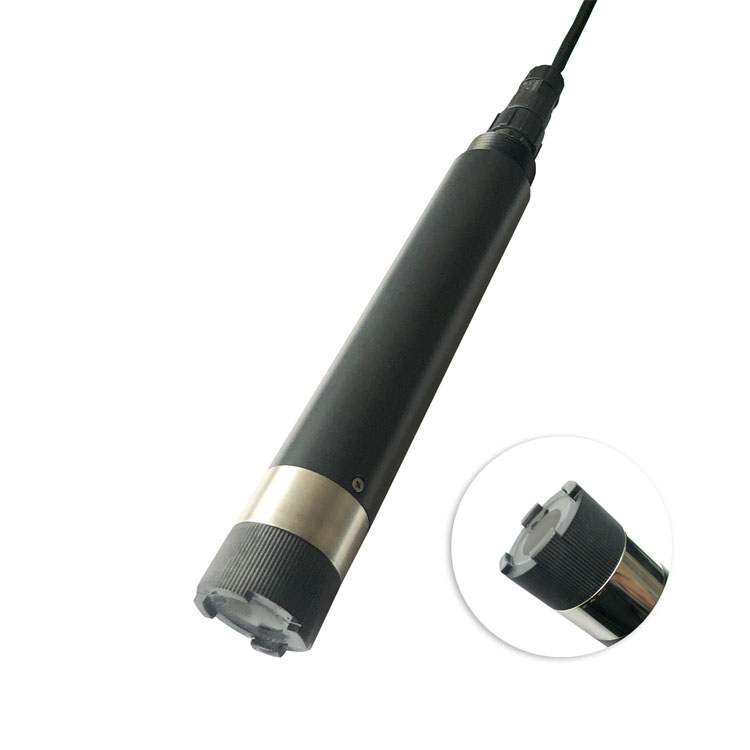
| Process Name | Investment Cost | Operating Cost | Land Occupation | Effluent Quality | Resource Recovery |
|---|---|---|---|---|---|
| Aerobic Activated Sludge Method | Medium | Medium to High | Medium | Compliant Discharge | None |
| Biochemical Combination Method | High | Medium | Large | High Standard | Small Amount of Sludge |
| Protein Recovery Process | High | Medium | Medium | Good | Yes |
| Clean-Dirty Diversion (Auxiliary) | Low | Low | Small | Improve Efficiency | None |
First Step: Investigate successful cases. Require suppliers to provide at least 3 similar operating projects of the same type, and conduct on-site inspection of effluent quality and equipment status.
Second Step: Clarify implementation standards. Direct discharge, indirect discharge or reuse water standards; investment differences can reach 30%–50% depending on treatment degree.
Third Step: Multi-party comparison. Compare 3–5 qualified enterprises, clearly specify warranty period (≥2 years), key equipment brands, and acceptance indicators in the contract.
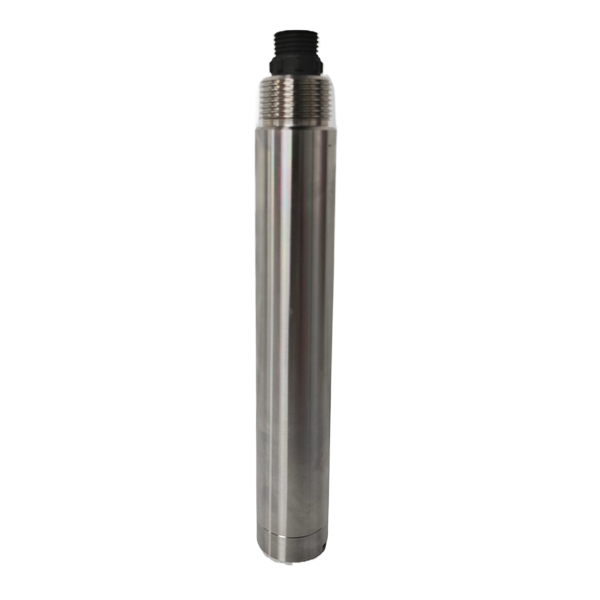
Source reduction: Prioritize dry cleaning and separation of feces, hair, and contents to reduce system load
Exhaust gas control: Cover regulating tanks and hydrolysis acidification tanks for collection, and adopt biological deodorization
Operation records: Daily record of inflow volume, dissolved oxygen, pH, sludge settling ratio; entrust third-party testing of effluent quality monthly
Q1. Must slaughterhouse wastewater treatment adopt a biochemical system?
Yes. Physical methods cannot degrade dissolved organic matter and ammonia nitrogen; a biochemical system is required to achieve compliance.
Q2. What is the most economical process for slaughtering 50 heads per day?
It is recommended to adopt “solid-liquid separation + regulating tank + integrated aerobic biochemical equipment + disinfection”, which occupies small area and has high automation degree.
Q3. How to treat the remaining sludge?
After filter press dewatering to reduce moisture content below 80%, it can be transported to landfill or used as organic fertilizer after harmless treatment.
Q4. What is hydrolysis acidification?
The first stage of anaerobic digestion, which decomposes macromolecular organic matter into small molecular organic acids, significantly improving the efficiency of subsequent aerobic treatment.
Q5. Can the protein recovery process be profitable?
For scales with daily slaughter of more than 500 heads, the feed output value can cover part of the operating costs, with an investment payback period of generally 3–5 years.
Q6. Is clean-dirty diversion renovation complicated?
Renovation of old plants involves certain engineering workload, but it can reduce the load of the wastewater treatment system by 20%–40%; incorporating it in the design stage of new plants has extremely low cost.
Q7. What is the service life of the equipment?
Reinforced concrete tank bodies over 20 years, carbon steel equipment 8–10 years, stainless steel 10–15 years, aeration system replacement every 3–5 years.
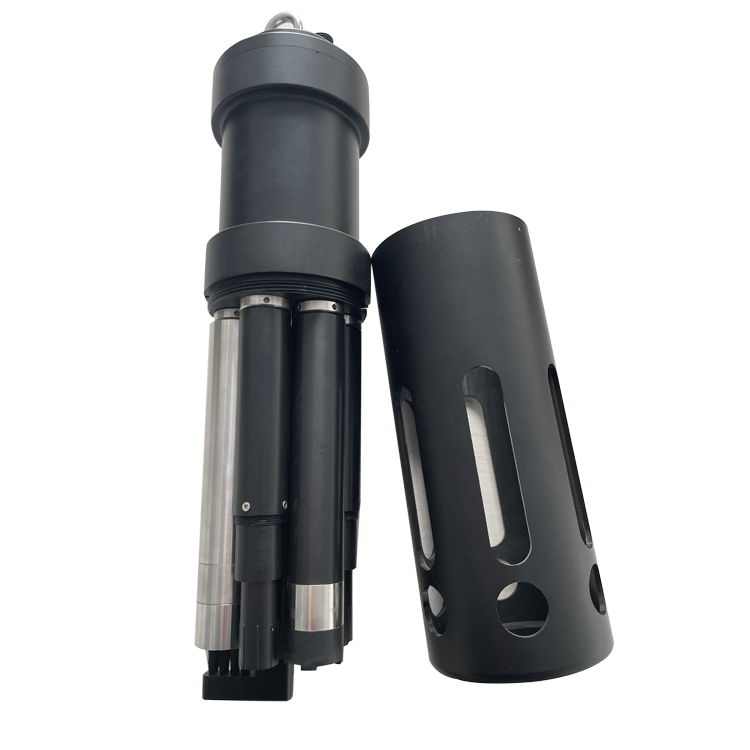
Slaughterhouse wastewater treatment is a systematic project. Enterprises should follow three core principles: compliance first (meet local emission standards), economic feasibility (investment and operating costs match), and management-friendly (high degree of automation). It is recommended to entrust experienced environmental protection companies such as NiuBoL to formulate “one plant, one policy” solutions based on slaughter scale, site conditions, and discharge destination. Before equipment procurement, be sure to inspect cases, clarify standards, and detail contracts. Only by incorporating wastewater treatment into the daily production management system can environmental benefits and enterprise benefits be unified.
 NBL-WQ-CL Water Quality Sensor Online Residual Chlorine Sensor.pdf
NBL-WQ-DO Online Fluorescence Dissolved Oxygen Sensor.pdf
NBL-WQ-NHN Ammonia Nitrogen Water Quality Sensor.pdf
NBL-WQ-COD Online Water Quality COD Sensor.pdf
NBL-WQ-PH Online pH Water Quality Sensor.pdf
NBL-WQ-EC water quality conductivity sensor.pdf
Prev:Complete Technical Solution for Improving Accuracy and Stability of Sewage Water Quality Monitoring
Related recommendations
Sensors & Weather Stations Catalog
Agriculture Sensors and Weather Stations Catalog-NiuBoL.pdf
Weather Stations Catalog-NiuBoL.pdf
Agriculture Sensors Catalog-NiuBoL.pdf
Water Quality Sensor Catalog-NiuBoL.pdf
Related products
 Combined air temperature and relative humidity sensor
 TDR Soil Moisture & Temperature Sensor for irrigation| RS485 |4-20mA| NBL-S-THR
 Soil pH sensor RS485 soil Testing instrument soil ph meter for agriculture |NBL-S-PH
 Wind Speed sensor Output Modbus/RS485/Analog/0-5V/4-20mA
 Tipping bucket rain gauge for weather monitoring auto rainfall sensor RS485/Outdoor/stainless steel
 Pyranometer Solar Radiation Sensor 4-20mA/RS485

Screenshot, WhatsApp to identify the QR code
WhatsApp number:+8615367865107
(Click on WhatsApp to copy and add friends)

