





— Blogs —
—Products—
 Consumer hotline +8618073152920
 WhatsApp:+8615367865107
Address:Room 102, District D, Houhu Industrial Park, Yuelu District, Changsha City, Hunan Province, China
Product knowledge
Time:2026-04-17 11:56:22 Popularity:461
In industrial wastewater treatment projects, COD (Chemical Oxygen Demand) and BOD (Biochemical Oxygen Demand) are core indicators for evaluating organic pollutant load. For system integrators, IoT solution providers, project contractors and engineering companies, NiuBoL launches the COD-408-S online COD sensor and BOD-406 online BOD sensor, providing stable and reliable online monitoring means to help projects achieve real-time data acquisition, process optimization and discharge compliance.
Traditional laboratory analysis methods are time-consuming and consume large amounts of reagents, making them unable to meet the needs of continuous and automated water treatment systems. The NiuBoL sensor series uses optical methods for direct measurement, eliminating chemical reagents, significantly reducing operation and maintenance costs, and seamlessly integrating with PLC, DCS or IoT platforms through standard industrial protocols. This article systematically analyzes the technical principles, performance specifications, application scenarios, selection points and integration precautions of the two sensors, providing professional reference for engineering decisions.
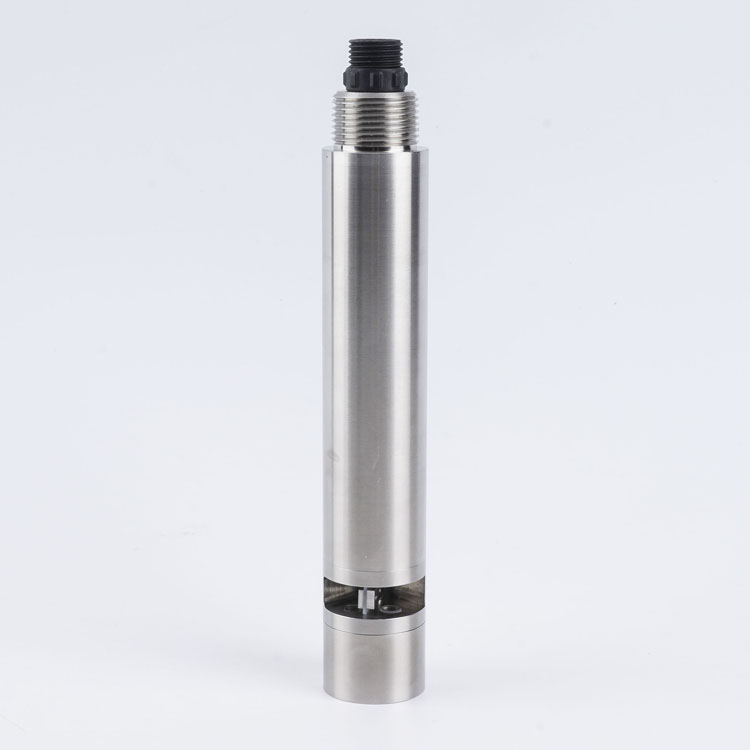
Industrial wastewater contains hundreds of organic compounds. Direct quantitative analysis of each is neither economical nor realistic. Engineering practice shows that all organic matter shares two common characteristics: carbon-hydrogen element composition and the ability to be oxidized by chemical or microbial means. During oxidation, carbon and hydrogen are converted into carbon dioxide and water respectively, while consuming dissolved oxygen.
COD reflects the total amount of reducing substances that can be oxidized by strong oxidants in a water sample, directly corresponding to chemical oxidation oxygen consumption; BOD reflects the oxygen consumption of organic matter that can be degraded by microorganisms. Both are positively correlated with organic pollutant content and have become mandatory parameters for influent and effluent of sewage treatment plants, river monitoring, and industrial park discharge outlets.
Through online monitoring of COD and BOD, engineering teams can grasp organic load changes in real time, promptly adjust aeration volume, dosing volume or biological treatment process parameters, ensure stable compliant effluent, and provide high-frequency reliable data sources for smart water big data platforms.
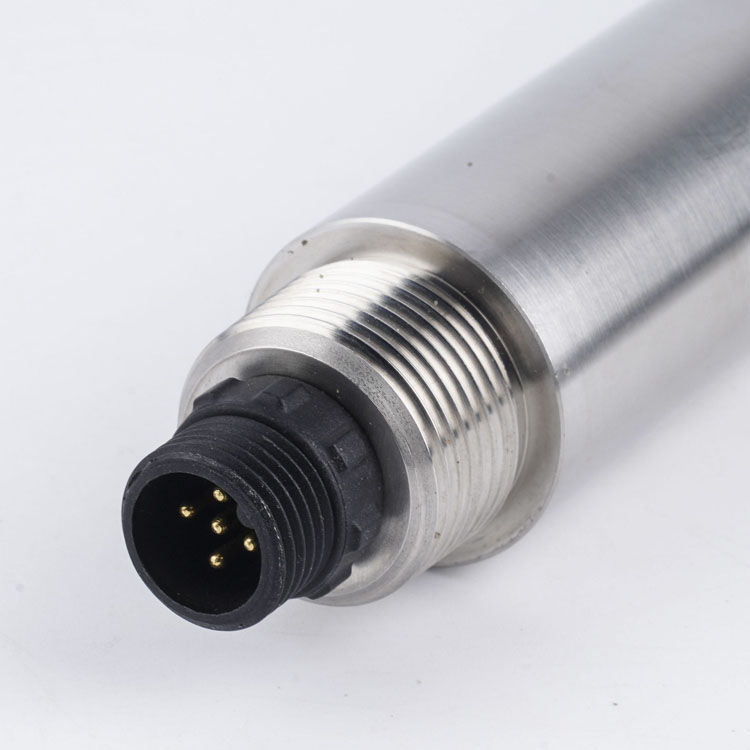
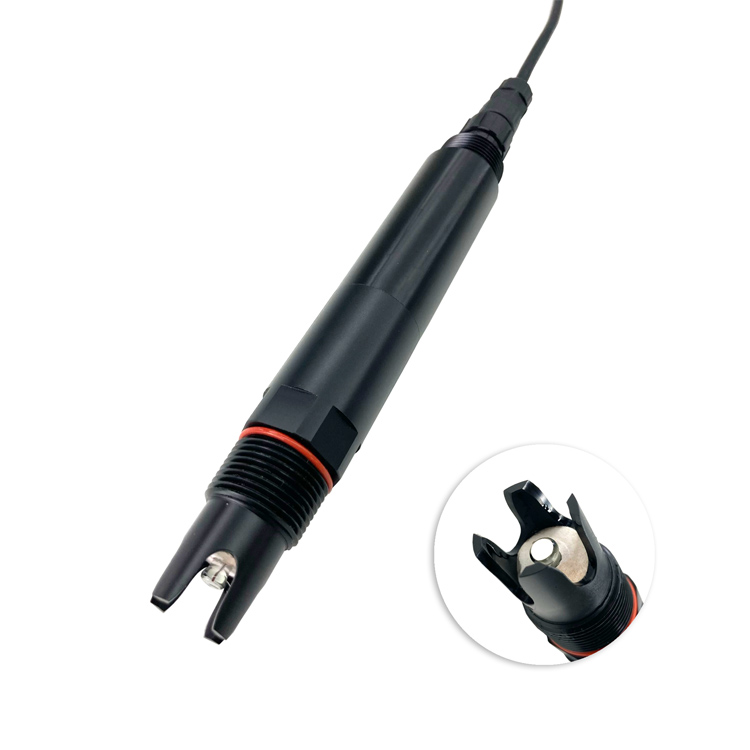
COD-408-S adopts the dual-wavelength ultraviolet absorption method. Dissolved organic matter in water has characteristic absorption of 254 nm ultraviolet light. By measuring absorption intensity and combining with a reference light path to simultaneously monitor turbidity, accurate conversion of COD value is achieved. The built-in algorithm compensates for light path attenuation and effectively eliminates interference from particulate suspended matter.
Main Product Features:
Reagent-free and pollution-free, meeting green environmental protection engineering requirements
Compact size, supports immersion installation, suitable for narrow pipes or aeration tank sites
Simultaneously outputs three parameters: COD, turbidity and water temperature
Automatic turbidity interference compensation, with built-in cleaning brush to prevent biofilm attachment
Response time T90 < 30 s, low drift, excellent long-term stability
Maintenance-free design, long service life, significantly reduces full life-cycle cost
Supports RS-485 (Modbus RTU protocol) and 4-20 mA current output, low power consumption and anti-interference
IP68 protection level, suitable for harsh industrial sites
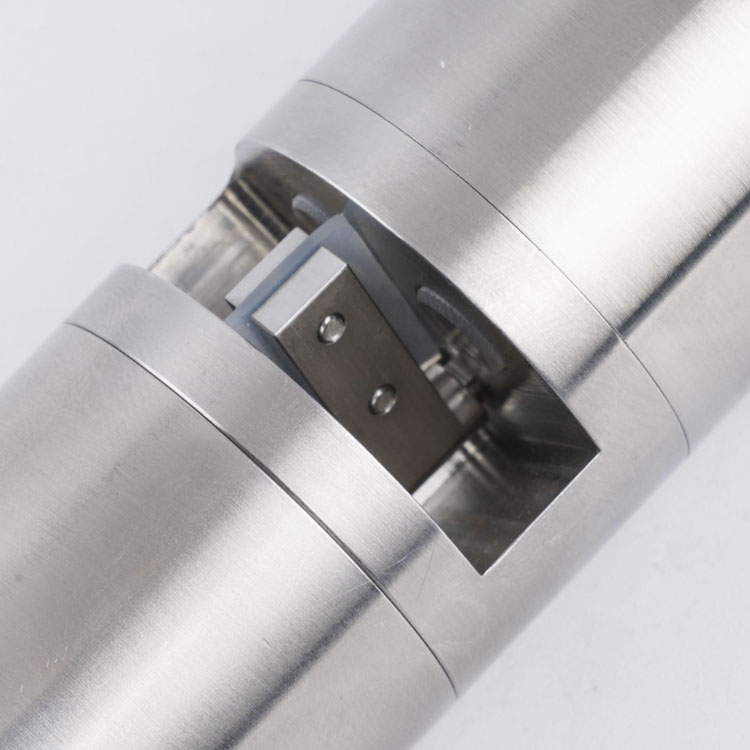
| Parameter | Specification |
|---|---|
| Model | COD-408-S |
| Measurement Principle | Dual-wavelength ultraviolet absorption method |
| Range (COD) | 0~200.0 mg/L, 0~500.0 mg/L, 0~1500.0 mg/L |
| Range (Turbidity) | 0~200.0 NTU, 0~400.0 NTU, 0~1000.0 NTU |
| Resolution | 0.1 mg/L (COD), 0.1 NTU (Turbidity) |
| Accuracy | 0~200 mg/L: ±5% of reading; 0~500/1500 mg/L: ±10% (≤1000)/±5% (1000~1500); Temperature ±0.3℃ |
| Minimum Detection Limit | 0.2 mg/L (0-200 range), 0.4 mg/L (0-500 range) |
| Response Time (T90) | < 30 s |
| Calibration Method | Two-point calibration |
| Cleaning Method | Built-in cleaning brush |
| Temperature Compensation | Automatic (Pt1000) |
| Output Method | RS-485 (Modbus RTU), 4-20 mA (optional) |
| Power Supply | 12~24 V DC |
| Power Consumption | 0.4 W (working) / 2 W (cleaning) @12 V |
| Operating Conditions | 0~45℃, ≤0.2 MPa |
| Storage Temperature | -5~65℃ |
| Shell Material | 316L stainless steel |
| Installation Method | Immersion type, 3/4 NPT |
| Protection Level | IP68 |
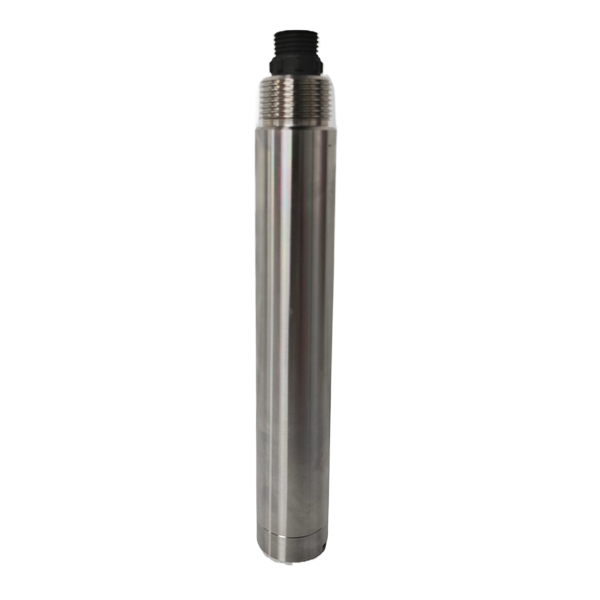
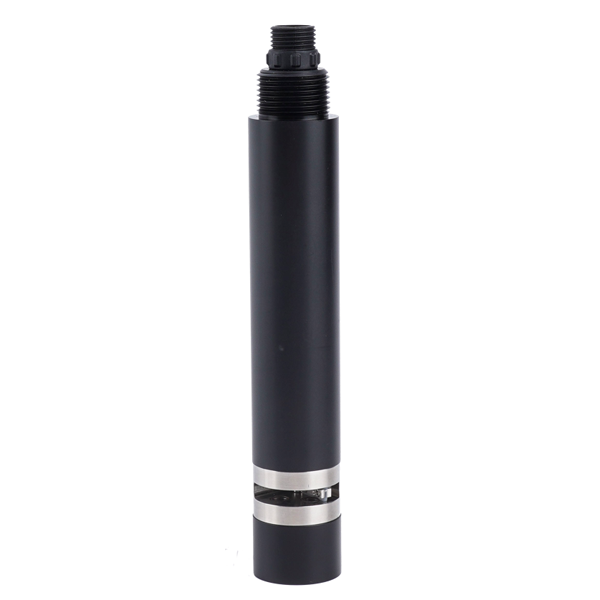
BOD-406 adopts the dual-wavelength fluorescence method. Dissolved organic matter is excited by ultraviolet light to produce fluorescence. By measuring fluorescence intensity and simultaneously using the reference light path for turbidity, accurate conversion of BOD value is achieved. The dedicated algorithm compensates for light path attenuation and reduces the influence of particulate matter.
Main Product Features:
Reagent-free and no secondary pollution, economical and environmentally friendly
Compact design, convenient for online continuous monitoring
Simultaneously measures BOD, turbidity and temperature
Automatic turbidity compensation, with built-in cleaning brush
Fast response, low drift, high long-term stability
Digital sensor, RS-485 Modbus/RTU protocol
Low power consumption, anti-interference, suitable for IoT node deployment
Maintenance-free, low life-cycle cost
| Parameter | Specification |
|---|---|
| Model | BOD-406 |
| Measurement Principle | Dual-wavelength fluorescence method |
| BOD Range | 0~150 mg/L |
| Turbidity Range | 0~100 NTU |
| BOD Resolution | 0.1 mg/L |
| Turbidity Resolution | 0.1 NTU |
| BOD Accuracy | ±5% F.S. |
| Turbidity Accuracy | ±5% F.S. |
| Calibration Method | Two-point calibration |
| Output Method | RS-485 (Modbus/RTU) |
| Power Supply | 12~24 V DC |
| Power Consumption | 0.2 W @12 V |
| Operating Conditions | 0~45℃, <0.1 MPa |
| Storage Temperature | -5~65℃ |
| Protection Level | IP68 |
| Installation Method | Immersion type |
| Cable Length | 5 meters (customizable) |
| Shell Material | POM + 316L stainless steel |
1. Municipal Sewage Treatment Plants: Influent load monitoring, aeration tank optimization control, and secondary sedimentation tank effluent compliance verification. Real-time data is directly connected to the SCADA system to achieve DO and BOD/COD linkage regulation, reducing energy consumption by more than 15%.
2. Chemical and Pharmaceutical Industrial Wastewater Treatment: Monitoring of high-concentration refractory organic matter to guide dosing in Fenton, ozone or advanced oxidation processes. The sensor’s corrosion-resistant 316L material adapts to complex water quality.
3. Food & Beverage and Papermaking Industries: Monitoring of high-BOD wastewater in biological treatment sections to ensure microbial activity in anaerobic/aerobic sections. The turbidity compensation function effectively handles high suspended solids conditions.
4. River and Lake Ecological Water Replenishment and Industrial Park Total Discharge Outlets: Online continuous data upload to environmental protection platforms to meet real-time supervision requirements of “dual carbon” and pollutant discharge permits.
5. Smart Water IoT Projects: As edge node sensors, combined with NiuBoL or other brand gateways, to achieve 4G/5G or NB-IoT remote transmission and support big data analysis and predictive maintenance.
Engineering selection must comprehensively consider the following factors:
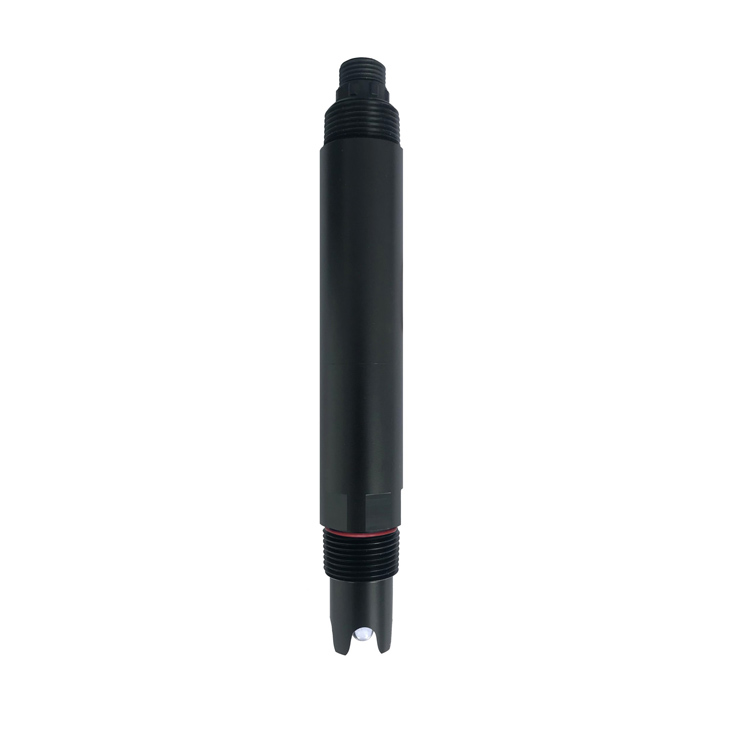
Range matching: For municipal secondary effluent, 0-200 mg/L COD range is recommended; for high-concentration industrial influent, 0-500 or 0-1500 mg/L is recommended. BOD range 0-150 mg/L covers most biological treatment scenarios.
Installation environment: Both support immersion 3/4 NPT. Standard cable meets requirements for pool depth ≤5 m; longer distances can be customized.
Output protocol: Prioritize RS-485 Modbus RTU for multi-sensor bus networking; select 4-20 mA when analog input to DCS is required.
Water quality characteristics: In high turbidity or high oil conditions, the cleaning brush and algorithm compensation advantages are obvious.
System integration: Low power consumption design is suitable for remote monitoring points powered by solar or batteries.
Budget and life cycle: The reagent-free feature makes five-year operation and maintenance costs far lower than traditional online analyzers.
It is recommended that engineering companies provide water quality background data in the early stage of the project. NiuBoL technical team can assist in completing laboratory comparison verification to ensure one-time selection success.
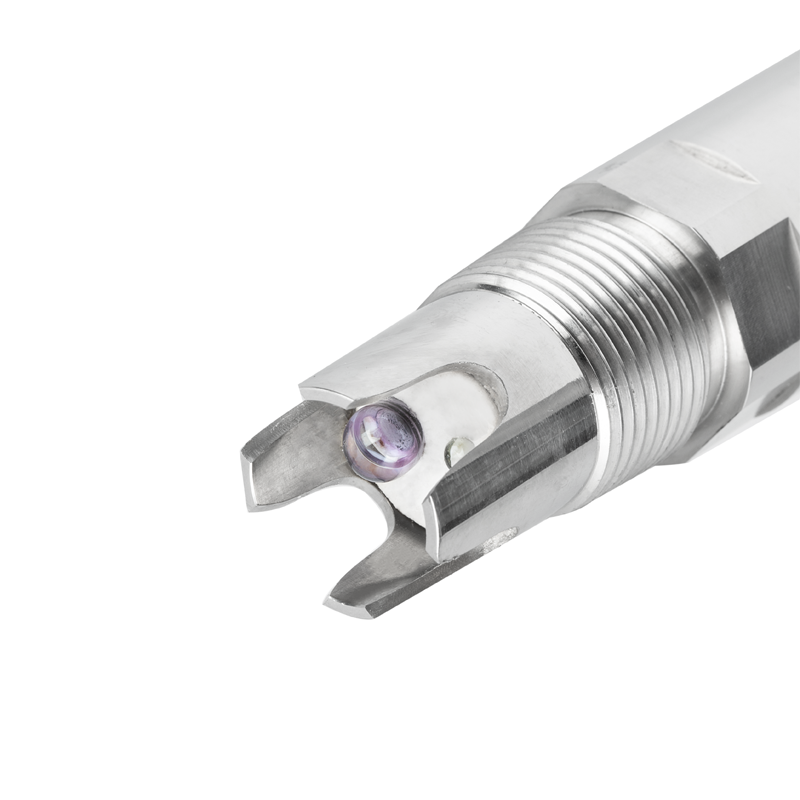
Mechanical Installation: Vertical immersion, sensor head ≥0.5 m from pool bottom to avoid dead zones and sediment coverage. Use 3/4 NPT thread with bracket to ensure stability.
Electrical Connection: Power supply 12-24 V DC, isolated power supply recommended; RS-485 bus requires correct A/B wiring, terminal resistance 120 Ω, maximum support for 32 devices networking.
Communication Debugging: Modbus RTU default baud rate 9600, 8N1; 4-20 mA output can correspond to full scale, zero drift <0.1%.
Maintenance Points: Cleaning brush runs automatically; routine inspection only requires quarterly visual check of brush wear and cable sealing. Two-point calibration cycle is recommended every 6 months; standard solution can be operated on site.
Environmental Adaptation: Operating temperature 0-45℃, pressure upper limit 0.2 MPa (COD)/0.1 MPa (BOD). Beyond the range, cooling or pressure reduction measures are required.
Data Reliability: Sensors have built-in temperature compensation and turbidity compensation algorithms. During project acceptance, parallel comparison with national standard methods is recommended, with deviation controlled within ±10%.
Q1. What is the essential difference between COD and BOD?
COD reflects all chemically oxidizable organic matter and is measured quickly; BOD reflects the biodegradable portion and is closer to actual biological treatment effects. Combined use of both can comprehensively evaluate wastewater biodegradability.
Q2. Do NiuBoL sensors require chemical reagents?
No reagents are required. Pure optical methods are used for measurement, completely avoiding secondary pollution and costs of reagent procurement, storage and disposal.
Q3. How to connect to existing SCADA or PLC systems?
RS-485 Modbus RTU protocol can directly map register addresses; 4-20 mA output is compatible with traditional analog input modules, enabling zero-code rapid integration.
Q4. How is measurement accuracy guaranteed in actual engineering?
Factory calibrated with two-point calibration. Combined with automatic turbidity compensation and temperature compensation, long-term drift is extremely low. On-site calibration is recommended every six months to meet standards such as GB/T 30201.
Q5. Are they suitable for high-turbidity or oily wastewater?
Supports automatic turbidity compensation. The built-in cleaning brush effectively prevents biological attachment and oil film interference. 316L material is corrosion-resistant and widely used in complex conditions such as food and chemical industries.
Q6. What is the maintenance frequency and cost?
Maintenance-free design is the main feature. Only regular visual inspection of cleaning brush status is required. No consumables need replacement within five years, significantly lower than the operation and maintenance investment of traditional online analyzers.
Q7. Do they support remote monitoring and IoT platforms?
Yes. The RS-485 interface combined with standard Modbus protocol can seamlessly connect to mainstream IoT gateways and cloud platforms, enabling 4G/5G remote data upload and alarm linkage.
Q8. What is the product warranty and technical support policy?
Standard warranty period is one year, with lifetime technical support. Engineering companies can obtain on-site installation guidance, commissioning training and water quality comparison services to ensure smooth project acceptance.
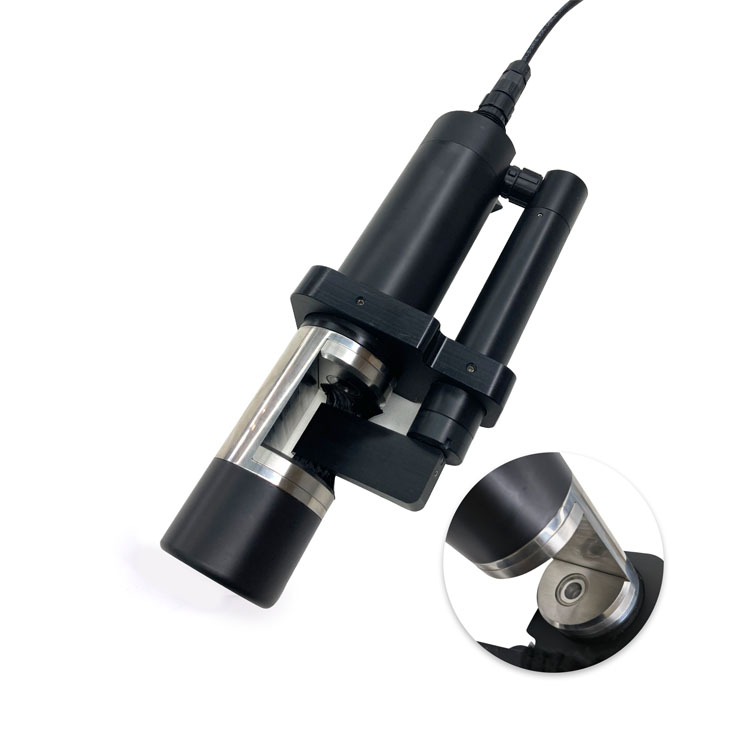
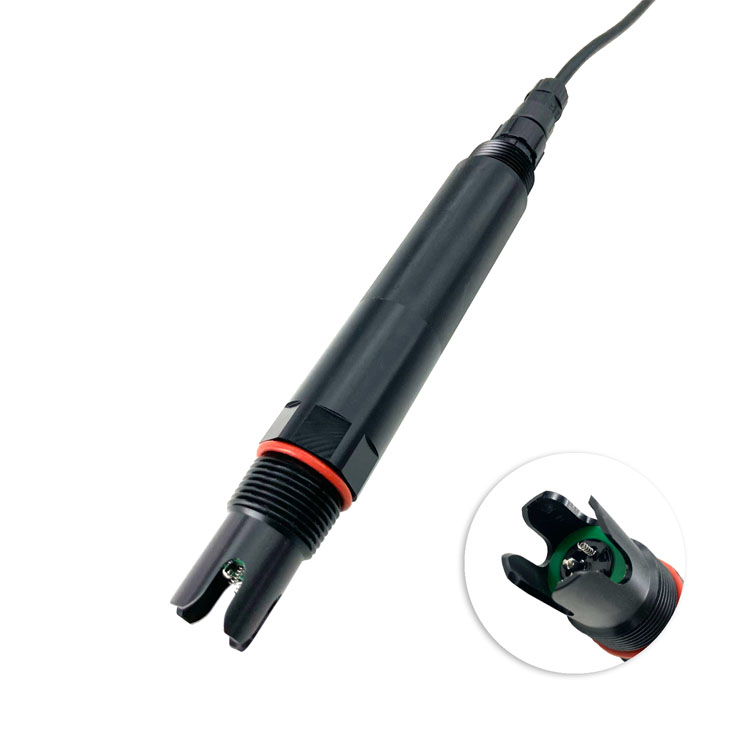
NiuBoL COD-408-S online COD sensor and BOD-406 online BOD sensor, with optical methods as the core, combine high precision, maintenance-free operation, low power consumption and industrial-grade reliability, providing efficient monitoring means for sewage treatment system integration and smart water projects. Whether for municipal projects or industrial park general contracting, selecting NiuBoL sensors can achieve real-time control of organic load, precise process regulation and a win-win of environmental compliance.
Engineering companies and integrators can flexibly configure the two sensors according to project water quality characteristics and control requirements to form a complete online monitoring solution. If you need technical selection support, prototype testing or customized integration solutions, please contact the NiuBoL professional team to jointly promote industrial water treatment toward digitization and intelligence.
 NBL-NHN-302 Industrial-grade Multi-parameter Online Ammonia Nitrogen Sensor.pdf
NBL-RDO-206 Online Fluorescence Dissolved Oxygen Sensor.pdf
NBL-COD-208 Online COD Water Quality Sensor.pdf
NBL-CL-206 Water Quality Sensor Online Residual Chlorine Sensor.pdf
Related recommendations
Sensors & Weather Stations Catalog
Agriculture Sensors and Weather Stations Catalog-NiuBoL.pdf
Weather Stations Catalog-NiuBoL.pdf
Agriculture Sensors Catalog-NiuBoL.pdf
Water Quality Sensor Catalog-NiuBoL.pdf
Related products
 Combined air temperature and relative humidity sensor
 Soil Moisture Temperature sensor for irrigation|NBL-S-THR
 Soil pH sensor RS485 soil Testing instrument soil ph meter for agriculture |NBL-S-PH
 Wind Speed sensor Output Modbus/RS485/Analog/0-5V/4-20mA
 Tipping bucket rain gauge for weather monitoring auto rainfall sensor RS485/Outdoor/stainless steel
 Pyranometer Solar Radiation Sensor 4-20mA/RS485

Screenshot, WhatsApp to identify the QR code
WhatsApp number:+8615367865107
(Click on WhatsApp to copy and add friends)

