





— Blogs —
—Products—
 Consumer hotline +8618073152920
 WhatsApp:+8615367865107
Address:Room 102, District D, Houhu Industrial Park, Yuelu District, Changsha City, Hunan Province, China
Product knowledge
Time:2026-04-17 12:05:45 Popularity:488
In intensive aquaculture projects, water quality parameters directly determine the metabolic rate, immune level, and survival rate of cultured organisms. Under high-density farming, residual feed, excrement, and microbial activity easily cause rapid fluctuations in water physicochemical conditions, leading to stress, disease, or even mass losses. Temperature, pH, and nitrite, as core control indicators, have abnormal changes that significantly affect nitrogen cycling, dissolved oxygen balance, and biological osmotic regulation.
For system integrators, IoT solution providers, project contractors, and engineering companies, NiuBoL provides industrial-grade online water quality monitoring sensors and system solutions. Through optical, electrochemical, and multi-parameter fusion technologies, high-frequency and stable data acquisition is achieved, supporting seamless integration with PLC, DCS, or cloud platforms to help engineering projects achieve precise regulation, energy optimization, and improved farming benefits. This article systematically explains the impact mechanisms of key parameters, monitoring necessity, NiuBoL sensor applications, and integration points, providing engineering reference for smart aquaculture projects.
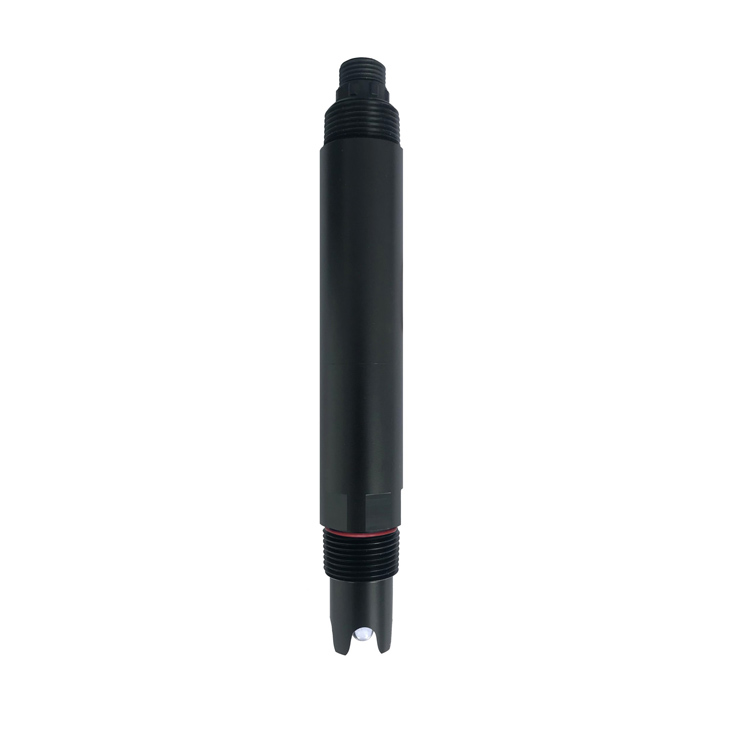
Modern aquaculture mostly adopts high-density ponds, recirculating aquaculture systems (RAS), or cage modes, with large feed input and rapid accumulation of biological metabolites. Ammonia nitrogen is converted by nitrifying bacteria into nitrite and further oxidized to nitrate. This process highly depends on dissolved oxygen, temperature, and pH conditions. Any parameter imbalance may interrupt the nitrogen cycle, cause nitrite accumulation or hydrogen sulfide generation, and thus disrupt the water body ecological balance.
Engineering practice shows that continuous online monitoring is far superior to intermittent sampling, as it can timely capture parameter fluctuation trends and support automatic linkage strategies for aeration, dosing, or water exchange, reducing manual intervention and operational risks. NiuBoL water quality monitoring solutions focus on parameters such as temperature, pH, nitrite, dissolved oxygen (DO), and ammonia nitrogen to meet the needs of freshwater, seawater, and recirculating water in different farming scenarios.
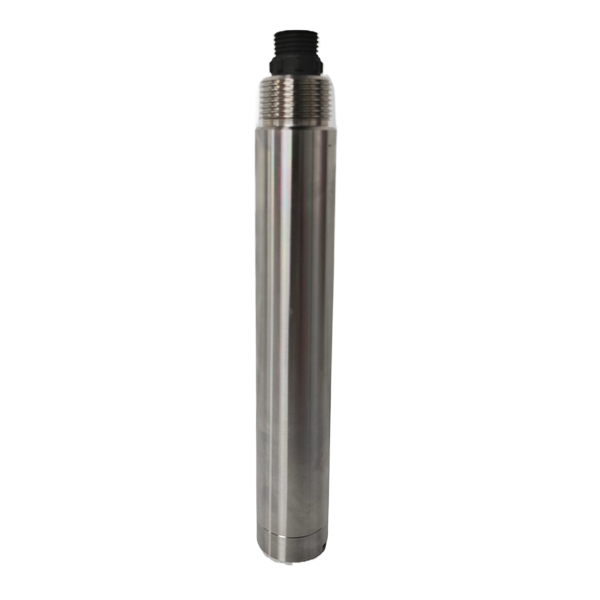
Water temperature directly regulates the metabolic intensity, feeding rate, dissolved oxygen saturation, and microbial activity of cultured organisms. Most warm-water fish have an optimal growth temperature of 20-30℃. Low temperature inhibits metabolism, while high temperature accelerates oxygen consumption, reduces dissolved oxygen solubility, and promotes harmful algal blooms.
Temperature fluctuations also affect nitrifying bacteria activity: ammonia-oxidizing bacteria (AOB) and nitrite-oxidizing bacteria (NOB) have different temperature sensitivities. At low temperatures, NOB activity is more easily inhibited, leading to nitrite accumulation. In engineering, sudden temperature changes easily cause stress in fish and shrimp, manifested as reduced feeding and lowered immunity, increasing disease probability.
NiuBoL temperature sensors are integrated into multi-parameter probes, supporting high-precision real-time output and combined with automatic temperature compensation algorithms to ensure that other parameter measurements are not affected by temperature drift. Engineering teams can optimize heating or cooling systems accordingly to maintain water temperature within a stable range, reduce energy consumption, and improve feed conversion efficiency.
pH affects the ammonia/ammonium ion balance, carbonate buffer system, and microbial enzyme activity in water. Freshwater aquaculture is suitable for pH 6.5-8.5, while seawater aquaculture is generally controlled at 7.0-8.5. Too low pH increases non-ionic ammonia (NH₃) toxicity, while too high pH reduces dissolved oxygen utilization and promotes blue-green algae outbreaks.
The daily pH variation is usually controlled within 1-2 units. Exceeding the range indicates abnormal water body conditions. In low pH environments, fish mortality increases significantly; in high pH, osmotic regulation imbalance may cause tissue damage. The nitrification process itself produces acid, which needs to be regulated by aeration or alkaline substances to maintain balance.
NiuBoL pH sensors use industrial-grade glass electrodes or ISFET technology, with automatic temperature compensation and anti-interference design, suitable for long-term immersion installation. Real-time pH data can link with CO₂ injection or lime dosing systems to achieve closed-loop control and ensure efficient nitrogen cycling.
Nitrite is an intermediate product of incomplete nitrification of ammonia nitrogen and easily accumulates under anoxic conditions or when NOB activity is inhibited. Nitrite enters the blood through the gills and combines with hemoglobin to form methemoglobin, reducing blood oxygen-carrying capacity and causing “brown blood disease”. Fish and shrimp show respiratory distress, reduced feeding, and gill tissue lesions, with mass death in severe cases.
In high-density farming, residual feed and excrement provide sufficient organic load. Under anoxic conditions, hydrogen sulfide may also be generated, further aggravating water blackening and toxicity. The engineering control target is usually to keep nitrite nitrogen below 0.1-0.2 mg/L, with tolerance thresholds varying by species.
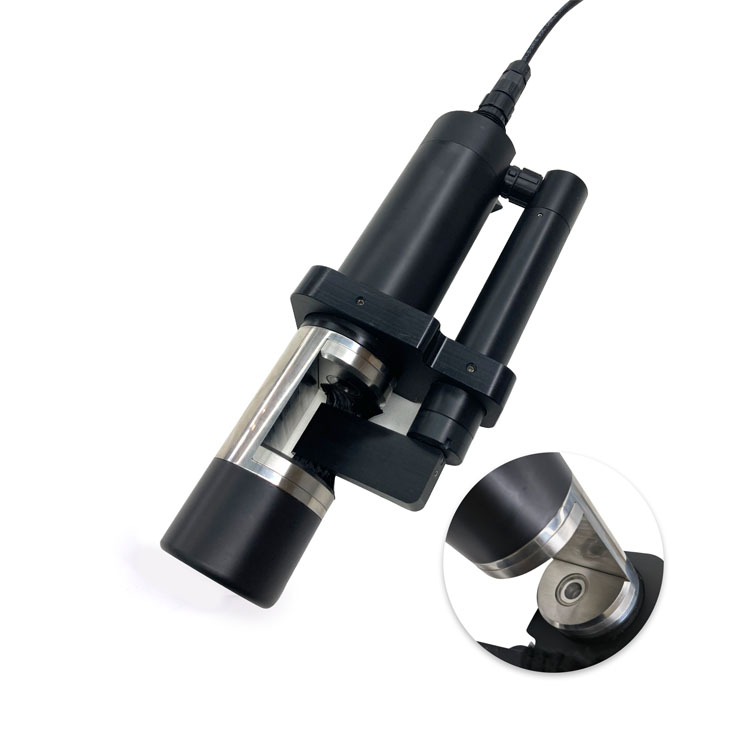
NiuBoL nitrite online monitoring module (or multi-parameter system option) uses spectral or electrochemical principles to provide high-sensitivity detection, supporting joint analysis with ammonia nitrogen and DO data for early warning of nitrification system abnormalities. In engineering applications, it can link with oxygenation equipment or biological filter regulation to maintain nitrogen cycle balance.
Aquaculture water quality control requires multi-parameter linkage:
Dissolved Oxygen (DO): Most cultured organisms require DO > 5 mg/L. Low oxygen directly inhibits nitrification and exacerbates nitrite accumulation.
Ammonia Nitrogen: High total ammonia nitrogen converts to more toxic non-ionic ammonia, significantly affected by pH and temperature.
Turbidity and Salinity: Affect light penetration and osmotic pressure, indirectly acting on algae and biological health.
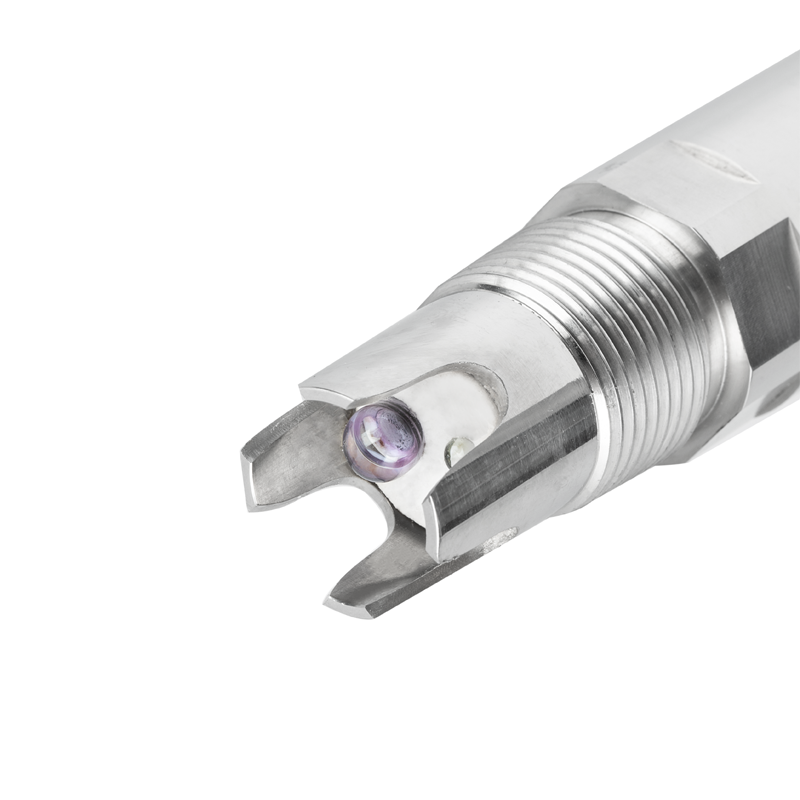
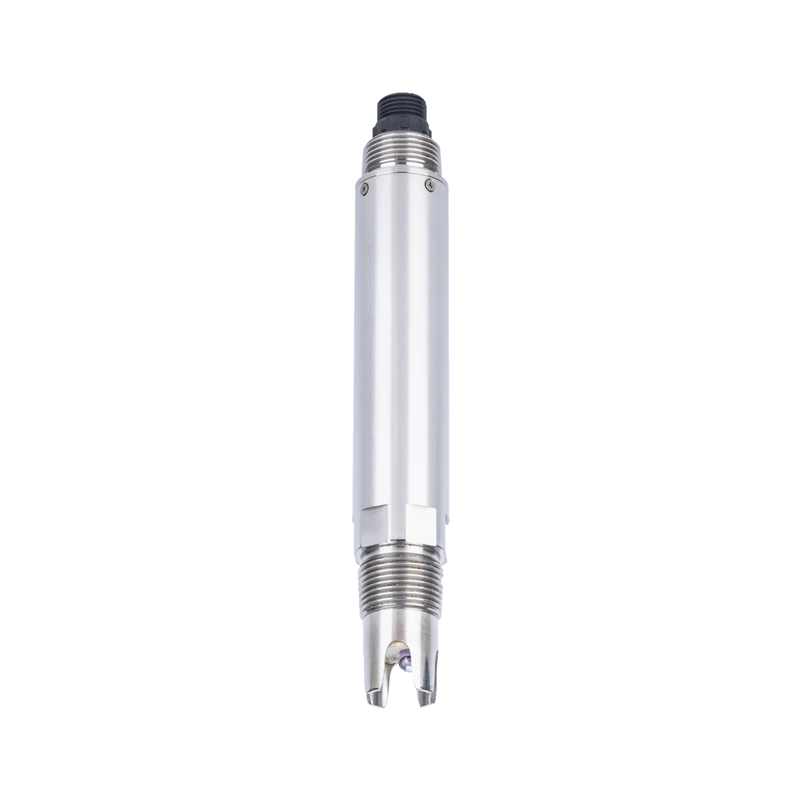
NiuBoL multi-parameter water quality sensors can simultaneously monitor temperature, pH, DO, ammonia nitrogen, nitrite, turbidity, etc., achieving data fusion analysis and providing decision basis for RAS systems or pond aeration strategies.
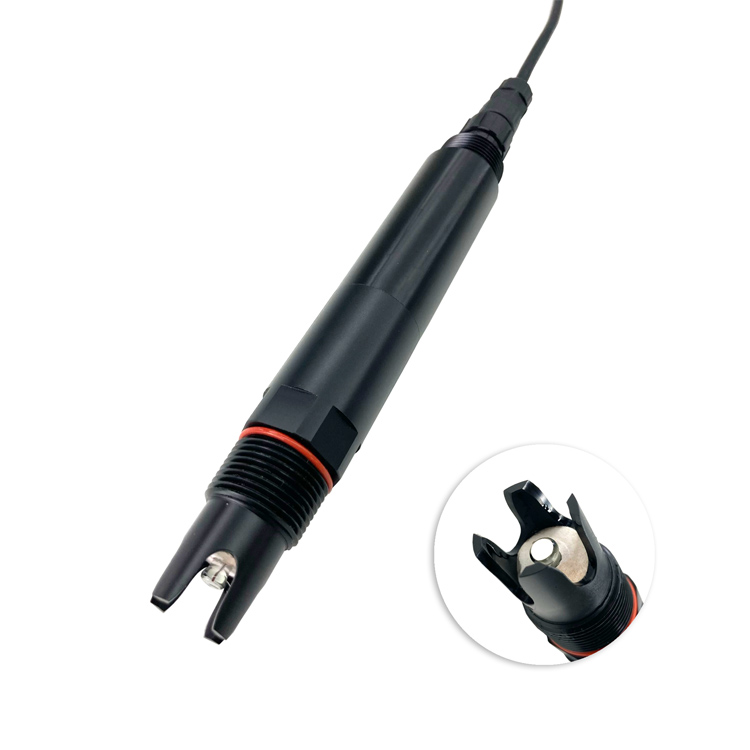
NiuBoL has optimized industrial-grade sensors and monitoring systems for aquaculture, supporting immersion or buoy installation to adapt to ponds, cages, and factory RAS scenarios. Products adopt low-power, anti-biofouling design combined with self-cleaning functions to reduce maintenance frequency.
Aquaculture Water Quality Online Monitoring System Components:
Multi-parameter probe (temperature + pH + DO + turbidity, etc.)
Special nitrite/ammonia nitrogen module
Data acquisition and transmission unit (supports RS-485 Modbus RTU, 4-20 mA)
Cloud platform or local controller interface
System features include automatic temperature compensation, turbidity interference correction, IP68 protection, and long-term stable operation, suitable for seamless integration with existing IoT gateways or PLCs.
Engineering selection needs to consider:
Farming mode: Pond farming prioritizes high pollution-resistant sensors; RAS systems focus on high precision and fast response.
Parameter combination: Basic configuration recommends temperature, pH, DO; high-density projects add ammonia nitrogen and nitrite monitoring.
Range matching: pH 0-14, temperature 0-50℃, nitrite 0-5 mg/L (adjusted according to species).
Communication protocol: Modbus RTU facilitates multi-node networking; 4-20 mA is compatible with traditional control systems.
Environmental adaptation: For seawater corrosive environments, use 316L or POM + stainless steel materials, with self-cleaning brushes or ultrasonic anti-fouling.
It is recommended to provide water quality background data and control requirements in the early stage of the project. NiuBoL technical team will assist in completing laboratory comparison and scheme optimization.
Mechanical Installation: For immersion installation, ensure the probe is located in the middle-lower layer of the water body to avoid dead zones and sediment coverage; buoy type is suitable for uniform monitoring of large water surfaces.
Electrical and Communication: Use isolated power supply; RS-485 bus requires correct A/B wiring and terminal resistance 120 Ω; regularly check cable sealing to prevent leakage.
Data Processing: Modbus register mapping is clear, supporting remote parameter calibration and alarm threshold setting; linkage with host computer realizes automatic oxygenation or water exchange control.
Maintenance Points: Self-cleaning function is the main feature; quarterly inspection focuses on electrode status and cable integrity. Calibration cycle depends on water quality complexity (generally 3-6 months).
Reliability Assurance: During on-site acceptance, parallel comparison with national standard methods is recommended, with deviation controlled within the allowable range; protective covers or cooling measures can be added for harsh environments.
Q1. What are the most critical water quality parameters in aquaculture?
Core parameters include temperature, pH, dissolved oxygen, ammonia nitrogen, and nitrite. These parameters interact with each other and jointly determine nitrogen cycle efficiency and biological health. Multi-parameter joint monitoring is required in engineering.
Q2. What is the main cause of nitrite exceeding standards?
It mainly originates from incomplete nitrification of ammonia nitrogen, often caused by hypoxia, unsuitable temperature, or pH inhibiting NOB activity. In high-density farming, residual feed and excrement exacerbate organic load and further promote accumulation.
Q3. How does pH affect ammonia nitrogen toxicity?
Higher pH increases the proportion of non-ionic ammonia (NH₃), which is far more toxic than ammonium ion (NH₄⁺). Therefore, pH monitoring and regulation are important means to control ammonia toxicity.
Q4. Do NiuBoL sensors support seawater environments?
Yes. Using corrosion-resistant materials and anti-interference design, they are suitable for freshwater, seawater, and brackish water farming scenarios, meeting stable measurement under different salinity conditions.
Q5. How to achieve automatic control of water quality parameters?
Connect sensor data to PLC or IoT controllers via Modbus RTU protocol, set threshold alarms, and link with aeration pumps, dosing devices, or water pumps to achieve closed-loop regulation.
Q6. What is the sensor maintenance frequency?
The design emphasizes maintenance-free or low-maintenance, mainly with self-cleaning functions. Routine inspection focuses on electrode status and cable integrity; calibration cycle is determined according to actual water quality.
Q7. How does the system cope with biological fouling?
Equipped with self-cleaning brushes or optional ultrasonic modules, it effectively prevents algae and biofilm attachment, extending sensor service life and maintaining measurement accuracy.
Q8. Does it support integration with existing aquaculture management systems?
Yes. Standard RS-485 Modbus RTU and 4-20 mA output are compatible with mainstream PLC, DCS, and cloud platforms, facilitating rapid deployment by system integrators.
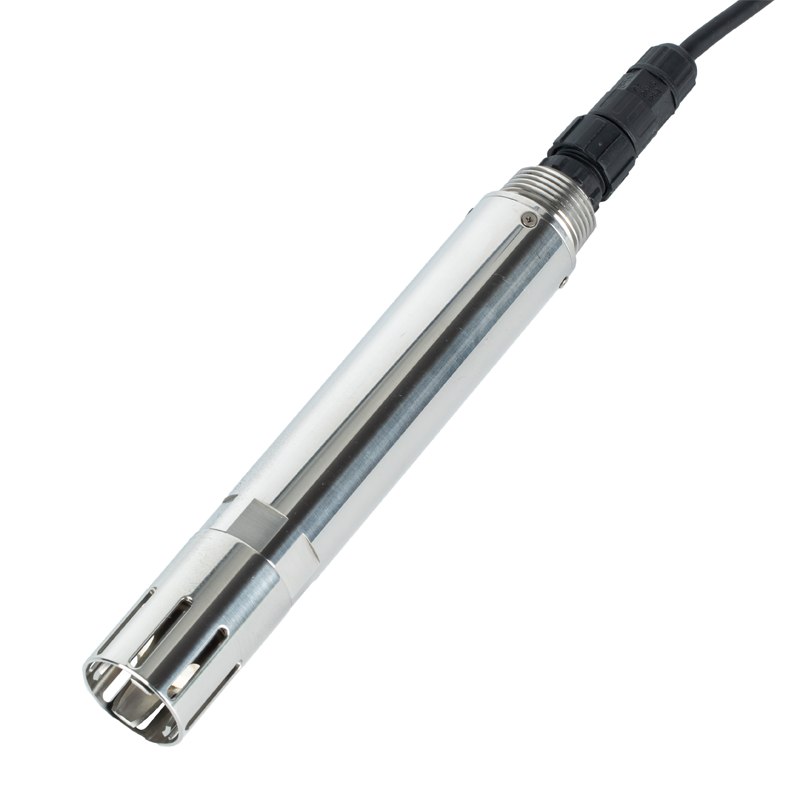
NiuBoL aquaculture water quality online monitoring system takes key parameters such as temperature, pH, and nitrite as the core, providing industrial-grade stable and reliable real-time data acquisition capabilities. Through multi-parameter fusion and standard industrial protocols, it helps engineering companies build efficient and intelligent farming control systems to achieve stable water quality, reduced risks, and improved farming benefits.
Whether for pond renovation, RAS new construction, or cage projects, selecting NiuBoL sensor solutions can provide a solid data foundation for water quality management. If you need technical selection support, on-site testing, or customized integration services, please contact the NiuBoL professional team to jointly promote aquaculture engineering toward digitization and intelligence.
 NBL-NHN-302 Industrial-grade Multi-parameter Online Ammonia Nitrogen Sensor.pdf
NBL-RDO-206 Online Fluorescence Dissolved Oxygen Sensor.pdf
NBL-COD-208 Online COD Water Quality Sensor.pdf
NBL-CL-206 Water Quality Sensor Online Residual Chlorine Sensor.pdf
Related recommendations
Sensors & Weather Stations Catalog
Agriculture Sensors and Weather Stations Catalog-NiuBoL.pdf
Weather Stations Catalog-NiuBoL.pdf
Agriculture Sensors Catalog-NiuBoL.pdf
Water Quality Sensor Catalog-NiuBoL.pdf
Related products
 Combined air temperature and relative humidity sensor
 Soil Moisture Temperature sensor for irrigation|NBL-S-THR
 Soil pH sensor RS485 soil Testing instrument soil ph meter for agriculture |NBL-S-PH
 Wind Speed sensor Output Modbus/RS485/Analog/0-5V/4-20mA
 Tipping bucket rain gauge for weather monitoring auto rainfall sensor RS485/Outdoor/stainless steel
 Pyranometer Solar Radiation Sensor 4-20mA/RS485

Screenshot, WhatsApp to identify the QR code
WhatsApp number:+8615367865107
(Click on WhatsApp to copy and add friends)

