





— Blogs —
—Products—
 Consumer hotline +8618073152920
 WhatsApp:+8615367865107
Address:Room 102, District D, Houhu Industrial Park, Yuelu District, Changsha City, Hunan Province, China
Product knowledge
Time:2026-04-17 13:33:37 Popularity:354
In the implementation of environmental engineering and IoT solutions, scientific classification of water pollution is the foundation for building an efficient monitoring system. For system integrators and engineering project contractors, understanding the physicochemical characteristics of different pollutants and their monitoring difficulties directly relates to sensor selection, signal transmission stability, and the compliance of the final delivered solution.
As a leading global manufacturer of water quality analysis instruments, NiuBoL is committed to providing high-reliability online monitoring equipment to support digitalization for industrial water use, municipal sewage, and surface water protection. This article deeply breaks down the three key categories of water pollution and provides corresponding engineering monitoring recommendations.
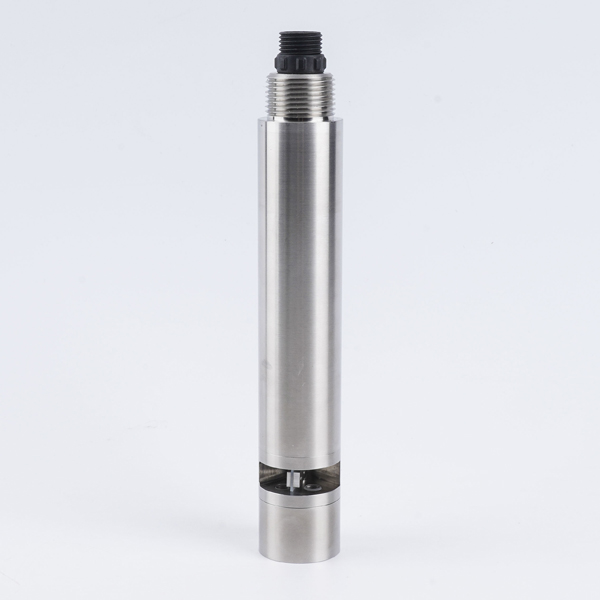
According to the nature of pollutants and their impact on ecosystems and industrial processes, water quality testing manufacturers usually classify pollution into metal, biological, and organic categories.
1. Metal and Metal Compound Pollution: Concealment and Accumulation
Metal elements in water (such as mercury, lead, cadmium, chromium and other heavy metals) are a major difficulty in industrial wastewater treatment. Although trace metal elements are necessary in some water treatment processes, once the concentration exceeds the environmental carrying threshold, they will produce irreversible toxicity.
Source Analysis: Mainly from electroplating, mining, electronic manufacturing, and domestic waste leachate.
Engineering Hazards: Heavy metals cannot be biodegraded and can easily cause “poisoning” and inactivation of microbial flora in biochemical treatment systems, leading to system collapse.
Monitoring Key Points: Sensors with extremely high resolution are required to monitor dynamic changes in ion concentration in water in real time.
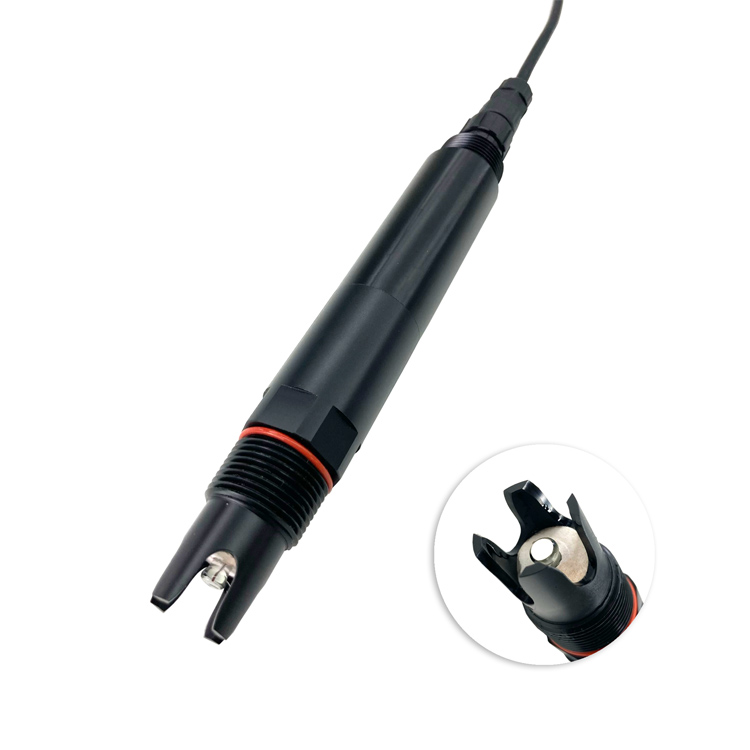
2. Microbial and Biological Monitoring: The Health and Safety Defense Line
This category mainly involves E. coli, roundworm eggs, and specific biological communities.
Environmental Characteristics: Microorganisms have the characteristics of fast reproduction, wide distribution, and strong survival ability.
Engineering Significance: In drinking water safety projects or reclaimed water reuse projects, biological monitoring is the core indicator for evaluating the effectiveness of disinfection processes (such as UV and chlorine disinfection).
Associated Indicators: Turbidity and residual chlorine are often used as indirect reference indicators for biological pollution.
3. Organic Pollution: The Core Game Between COD and BOD
Organic pollution includes oils, pesticides, and industrial synthetic chemicals.
Chemical Characteristics: After entering the water body, organic matter rapidly dissolves or emulsifies, decomposes through microbial biochemical action, and consumes a large amount of dissolved oxygen (DO).
Indicator Definition:
COD (Chemical Oxygen Demand): Reflects the degree of pollution by reducing substances in water and is a rigid indicator for environmental supervision.
BOD (Biochemical Oxygen Demand): Reflects the load of biodegradable organic matter in water.
Technical Countermeasures: High organic content will cause anaerobic corruption of the water body and produce odor. In engineering design, high-frequency online monitors must be deployed to adjust aeration volume in real time.
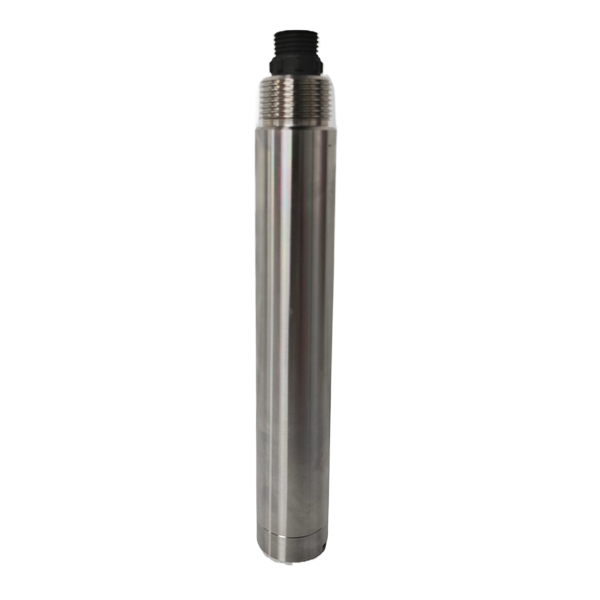
To meet the compatibility needs of system integrators for multi-scenario and multi-protocol requirements, NiuBoL has developed a full series of instruments covering physical, chemical, and toxic substance indicators.
NiuBoL Core Water Quality Instrument Parameter Table
| Monitoring Item | Sensor Type | Range | Communication Protocol |
|---|---|---|---|
| Chemical Oxygen Demand (COD) | Ultraviolet absorption method (reagent-free) | 0-1000 mg/L | RS485 (Modbus RTU) |
| Ammonia Nitrogen (NH3-N) | Ion selective electrode method | 0-100/500 mg/L | RS485 (Modbus RTU) |
| Dissolved Oxygen (DO) | Fluorescence method (membrane-free technology) | 0-20 mg/L | RS485 / 4-20mA |
| Turbidity | 90° scattered light principle | 0-1000 NTU | RS485 (Modbus RTU) |
| pH | Industrial-grade composite electrode | 0-14 pH | RS485 (Modbus RTU) |
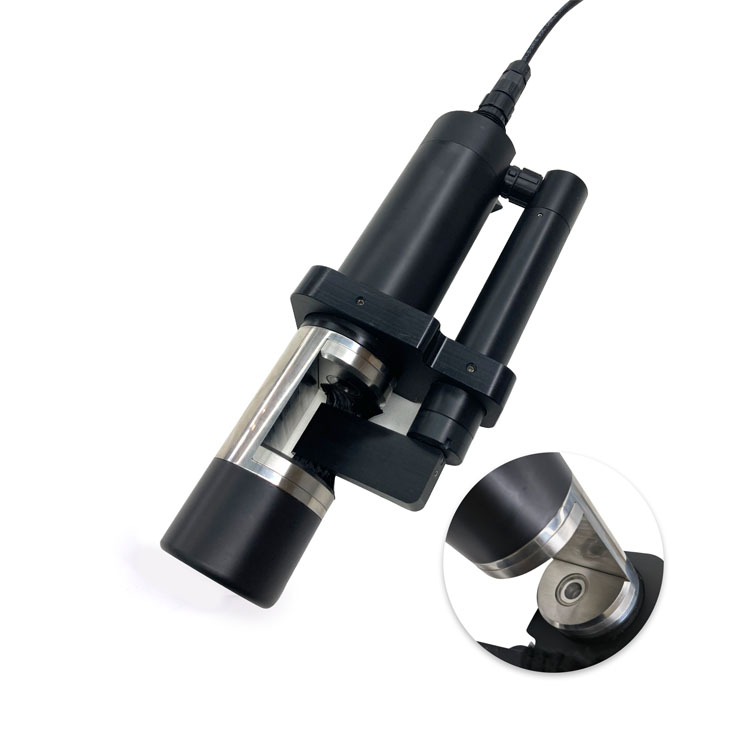
1. Laboratory Analysis vs. Online Monitoring
Although laboratory analysis has extremely high accuracy, it has serious lag in handling sudden pollution or continuous process control. NiuBoL online monitoring system can achieve second-level data response and seamlessly connect to edge computing gateways or cloud PLCs through Modbus RTU protocol. It is the core perception layer for building “Industry 4.0” smart water affairs.
2. Prevention of Production Accidents and Equipment Loss
In industrial cooling circulating water systems, high concentrations of mineral salt impurities can cause pipeline scaling and container corrosion. Through real-time monitoring of conductivity, calcium and magnesium ion hardness, and pH values, engineering managers can automatically control the dosing of scale inhibitors, significantly extending the service life of equipment assets.
3. Special Monitoring in Drinking Water Projects
In water supply pipe network projects, monitoring of fluoride, heavy metals, and residual chlorine concentrations is directly related to public health and safety. NiuBoL’s high-sensitivity probes can capture extremely small water quality fluctuations, providing decision support for emergency water shutdown and water route switching.
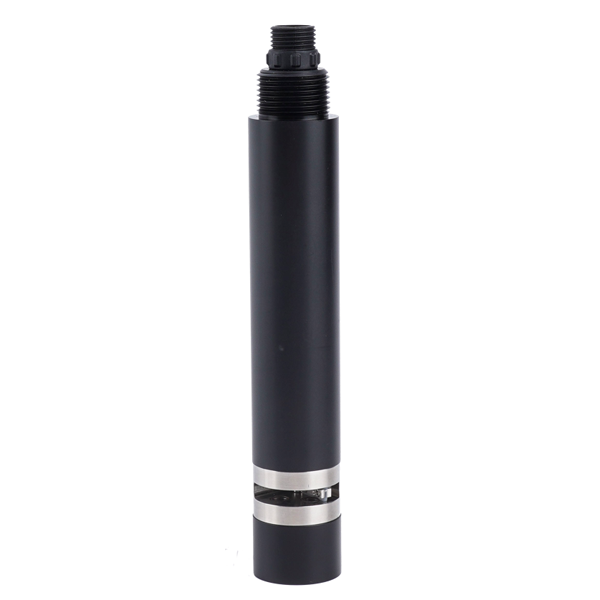
Q1: Why is the ultraviolet absorption method usually chosen for COD online monitoring in environmental protection projects instead of chemical titration?
The ultraviolet absorption method (UV254) does not consume expensive chemical reagents, has fast response speed, and does not produce secondary waste liquid pollution. This has great economic advantages for field monitoring stations or pilot platforms where maintenance is inconvenient.
Q2: What are the advantages of the RS485 Modbus RTU protocol in water quality monitoring integration?
This protocol supports multi-node serial communication. A single bus can connect dozens of NiuBoL sensors, and the transmission distance can reach 1200 meters, greatly reducing wiring costs.
Q3: What is the correlation between BOD and COD in domestic sewage discharge monitoring?
In general, COD includes BOD. For domestic sewage, the ratio of the two is relatively stable. Through online COD data, the system can use algorithmic models to estimate BOD indicators and achieve real-time dynamic regulation of biochemical reactors (such as A2O process).
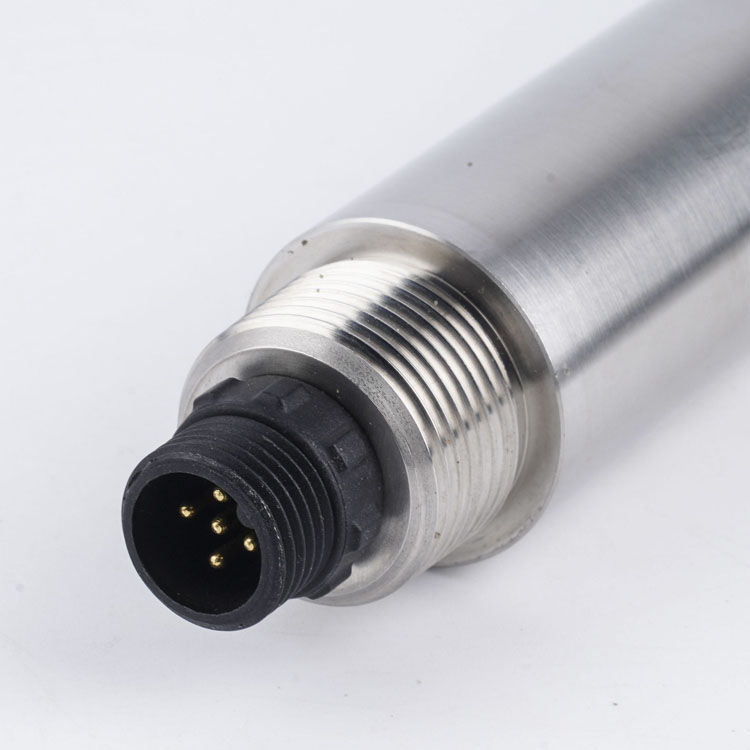
Q4: What special requirements does heavy metal monitoring have for sensor electrode materials?
To prevent strong oxidation of heavy metal ions from causing electrode corrosion, NiuBoL uses industrial-grade special alloys and anti-pollution reference systems to ensure sensors have a longer service life in harsh industrial wastewater.
Q5: Can turbidity monitors be used universally in low range (such as drinking water) and high range (such as construction sewage)?
It is recommended to select according to the application scenario. High-range monitoring requires stronger anti-interference optical path design, while low-range pursues ultimate resolution (0.01 NTU). NiuBoL provides a variety of customized range solutions.
Q6: How to solve the problem of biological attachment (biofouling) on sensors in sewage?
NiuBoL sensors can be optionally equipped with automatic cleaning brushes or compressed air purging interfaces. Through timed physical cleaning of the sensing window, the on-site manual maintenance cycle can be extended from once a week to more than one month.
Q7: How does the monitoring system warn if fluoride content in water is too high?
The system can set high-level threshold alarms through PLC. Since excessive fluoride can cause health problems such as dental fluorosis, online monitors can trigger solenoid valves at the first moment of concentration exceeding the standard to cut off the water supply pipeline.
Q8: What are the main components of the annual operation and maintenance cost of online water quality monitoring instruments?
Mainly include regular calibration of electrodes, consumption of cleaning solution/standard solution (for reagent-type instruments), and regular replacement of sensor wearing parts (such as fluorescence DO membrane caps).
Water quality monitoring is not only the red line for protecting the ecological environment but also the lifeline for ensuring industrial output quality and municipal public safety. Through systematic classification monitoring of metal, biological, and organic pollution, system integrators can build a more robust environmental monitoring system.
With its profound background in industrial sensor research and development, NiuBoL provides global integrators with a full-chain water quality monitoring solution with high stability and digital output. Whether it is complex industrial wastewater reuse or stringent drinking water safety projects, we can provide you with precise data support to help every environmental protection project achieve “perceivable, quantifiable, and governable”.
 NBL-NHN-302 Industrial-grade Multi-parameter Online Ammonia Nitrogen Sensor.pdf
NBL-RDO-206 Online Fluorescence Dissolved Oxygen Sensor.pdf
NBL-COD-208 Online COD Water Quality Sensor.pdf
NBL-CL-206 Water Quality Sensor Online Residual Chlorine Sensor.pdf
Related recommendations
Sensors & Weather Stations Catalog
Agriculture Sensors and Weather Stations Catalog-NiuBoL.pdf
Weather Stations Catalog-NiuBoL.pdf
Agriculture Sensors Catalog-NiuBoL.pdf
Water Quality Sensor Catalog-NiuBoL.pdf
Related products
 Combined air temperature and relative humidity sensor
 Soil Moisture Temperature sensor for irrigation|NBL-S-THR
 Soil pH sensor RS485 soil Testing instrument soil ph meter for agriculture |NBL-S-PH
 Wind Speed sensor Output Modbus/RS485/Analog/0-5V/4-20mA
 Tipping bucket rain gauge for weather monitoring auto rainfall sensor RS485/Outdoor/stainless steel
 Pyranometer Solar Radiation Sensor 4-20mA/RS485

Screenshot, WhatsApp to identify the QR code
WhatsApp number:+8615367865107
(Click on WhatsApp to copy and add friends)

