





— Blogs —
—Products—
 Consumer hotline +8618073152920
 WhatsApp:+8615367865107
Address:Room 102, District D, Houhu Industrial Park, Yuelu District, Changsha City, Hunan Province, China
Product knowledge
Time:2026-04-17 14:19:10 Popularity:509
In industrial wastewater treatment and water resource management projects, organic matter indicators are core parameters for evaluating pollution load, designing treatment processes, and verifying discharge compliance. In engineering practice, organic matter indicators are mainly divided into two categories: one expressed in oxygen demand (O₂) equivalents, including Total Oxygen Demand (TOD), Chemical Oxygen Demand (COD), and Biochemical Oxygen Demand (BOD); the other expressed in carbon element content, namely Total Organic Carbon (TOC). These indicator values usually show the relationship TOD > COD > BOD > TOC, collectively reflecting the degree of reducing substances and organic pollution in water bodies.
For system integrators, IoT solution providers, project contractors, and engineering companies, NiuBoL provides industrial-grade online monitoring sensors and system solutions. Combining ultraviolet absorption, fluorescence, and multi-parameter fusion technologies, high-frequency and reliable data acquisition is achieved, supporting RS-485 Modbus RTU and 4-20 mA output, and seamless integration with PLC, DCS, or IoT platforms. This article systematically analyzes the definition of each indicator, their interrelationships, monitoring value, application scenarios, and integration precautions, providing professional engineering reference for sewage treatment projects.
There are many types of organic matter in water, making direct individual analysis impractical. Therefore, engineering uses comprehensive indicators for characterization. Oxygen demand indicators indirectly reflect organic matter content through oxygen consumption during oxidation processes, while carbon indicators directly quantify total organic carbon.
Total Oxygen Demand (TOD): Refers to the oxygen consumed when reducing substances in water (including C, H, O, N, P, S and other elements in organic matter) are completely oxidized to stable oxides (CO₂, H₂O, NOₓ, SO₂, etc.) under high-temperature catalytic combustion conditions, in mg/L (as O₂). TOD is close to theoretical oxygen demand and can comprehensively reflect the oxygen consumption potential of almost all oxidizable substances. Measurement is fast (usually a few minutes) with minimal interference.
Chemical Oxygen Demand (COD): Under specified conditions, the oxygen equivalent consumed when reducing substances in a water sample (mainly organic matter, including nitrite, ferrous salts, sulfides, etc.) are oxidized by strong oxidants (such as potassium dichromate K₂Cr₂O₇), commonly expressed as CODCr, in mg/L. COD can oxidize 90%-95% of organic matter and has a relatively short determination time (national standard reflux method about 2-4 hours). It is a commonly used indicator for industrial wastewater discharge supervision and process control.
Biochemical Oxygen Demand (BOD): The amount of dissolved oxygen consumed by aerobic microorganisms in the process of decomposing biodegradable organic matter in water under aerobic conditions at 20℃, in mg/L. BOD includes not only the stabilization oxygen consumption of organic matter but also a small amount of oxygen consumption by inorganic reducing substances. In engineering, BOD₅ (5-day incubation) is commonly used as the standard; BOD₂₀ is closer to complete decomposition, but BOD₅ is mainly used in practice. BOD better reflects the biodegradable organic load of biological treatment systems, but the measurement cycle is long (5 days) and is easily affected by temperature, toxic substances, and microbial activity.
Total Organic Carbon (TOC): The total amount of carbon elements in dissolved and suspended organic matter in water, in mg/L (as C). TOC converts organic carbon to CO₂ through high-temperature combustion (about 950℃) or catalytic oxidation, then quantifies it with an infrared detector, deducting inorganic carbon (TIC). TOC directly characterizes organic matter carbon content without relying on oxidants or microorganisms and has fast measurement (a few minutes), making it suitable for online continuous monitoring.
Indicator Relationship Summary: TOD is closest to theoretical complete oxidation oxygen consumption and usually has the largest value; COD is next, oxidizing most organic matter; BOD only reflects the biodegradable portion and has a lower value; TOC is measured as carbon and has the smallest value. In actual engineering, the BOD₅/COD ratio is often used to judge wastewater biodegradability (>0.3 is suitable for biological treatment); there is an empirical conversion relationship between TOC and COD (e.g., 1 mg TOC roughly corresponds to 2.67 mg COD), but the specific coefficient depends on water quality composition. The correlation between TOD and BOD or COD can be established through on-site calibration for rapid process guidance.
These indicators complement each other: COD and TOC are suitable for rapid load assessment and process control, BOD focuses on biological treatment effect evaluation, and TOD provides a comprehensive oxidation potential reference.
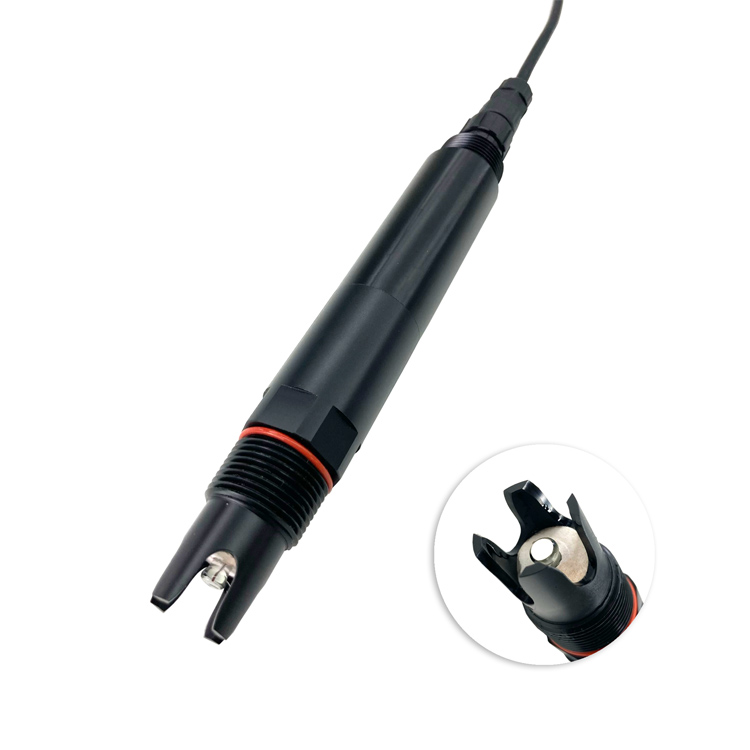
Traditional laboratory analysis is difficult to meet the real-time needs of continuous and automated treatment systems. NiuBoL online monitoring solutions use optical or electrochemical principles to achieve continuous measurement with no reagents or low consumables, significantly reducing operation and maintenance costs and improving data timeliness.
Monitoring Value of COD and BOD: COD, as a core indicator for discharge supervision, can quickly judge the degree of organic pollution and guide chemical oxidation or biological treatment dosing. BOD reflects biodegradability and is used for aeration optimization and sludge load control. NiuBoL COD-408-S online COD sensor uses dual-wavelength ultraviolet absorption method with automatic turbidity interference compensation; BOD-406 online BOD sensor is based on dual-wavelength fluorescence method with fast response and low drift.
Advantages of TOC Monitoring: TOC directly quantifies carbon load without being affected by oxidant selectivity or microbial activity, making it particularly suitable for complex industrial wastewater (such as chemical and pharmaceutical wastewater containing toxic or refractory organic matter). Online TOC monitoring can achieve minute-level response and support sudden load warning and precise chemical dosing.
Application Positioning of TOD: Although mainly laboratory or dedicated analyzers, after establishing correlation models between TOD and other indicators, it can be used as a rapid comprehensive assessment method to guide the design of high-concentration organic wastewater treatment processes.
In engineering, multi-indicator joint monitoring forms a complete organic load profile: high influent COD/BOD prompts the need to strengthen pretreatment, low effluent TOC verifies treatment efficiency, and BOD/COD ratio monitors biological system health.
1. Municipal Sewage Treatment Plants: Influent organic load monitoring (COD/TOC), aeration tank optimization (BOD/DO linkage), and effluent compliance verification. Real-time data is connected to the SCADA system to achieve automatic adjustment of process parameters and reduce energy consumption.
2. Chemical and Pharmaceutical Industrial Wastewater Treatment: High-concentration, refractory organic matter scenarios prioritize TOC and COD online monitoring to guide advanced oxidation (Fenton, ozone) processes. TOD data assists in evaluating complete oxidation potential.
3. Food & Beverage, Papermaking, and Printing & Dyeing Industries: Monitoring of high-BOD wastewater in biological treatment sections, combined with BOD₅ and COD ratio to judge biodegradability and optimize anaerobic/aerobic process section operation.
4. Industrial Park Total Discharge Outlets and River/Lake Ecological Monitoring: Multi-parameter online systems upload to environmental protection platforms to meet real-time supervision requirements of pollutant discharge permits. TOC serves as a supplementary indicator for complex mixed wastewater.
5. Circulating Water Systems and Zero Discharge Projects: TOC monitoring prevents organic matter accumulation leading to microbial growth or resin pollution; COD/BOD joint control supplements water quality to ensure system stability.
6. Smart Water IoT Projects: NiuBoL sensors serve as edge nodes, supporting 4G/5G or NB-IoT transmission and integration with cloud platforms for predictive maintenance and big data analysis.
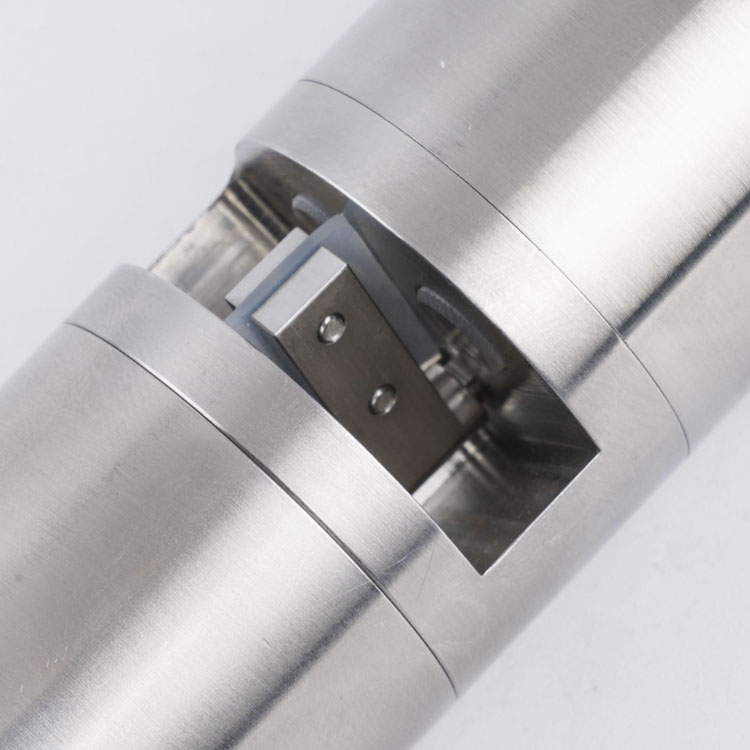
NiuBoL has optimized industrial-grade sensors for organic matter indicators, supporting immersion installation and adapting to harsh on-site environments.
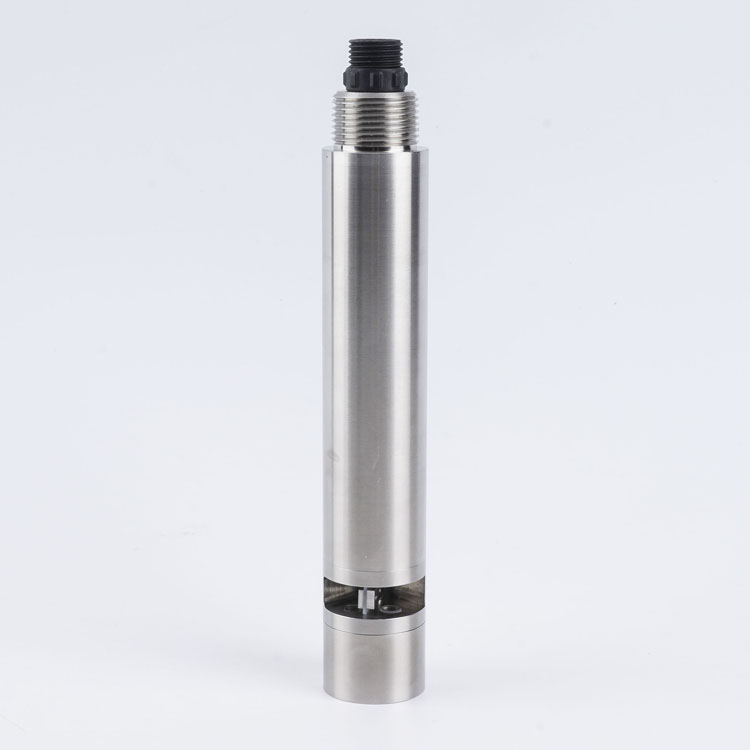
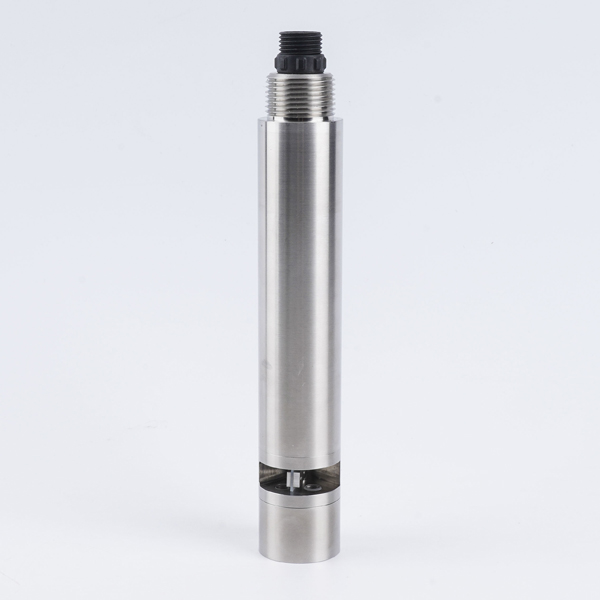
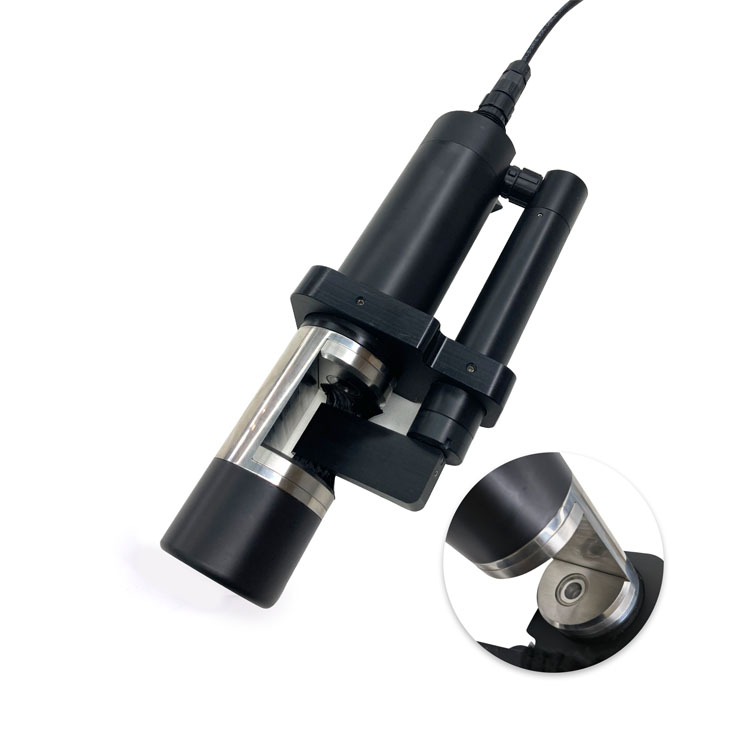
COD-408-S Online COD Sensor: Dual-wavelength ultraviolet absorption method, ranges 0-200/500/1500 mg/L, automatic turbidity compensation, built-in cleaning brush, RS-485 Modbus RTU and 4-20 mA output, IP68 protection.
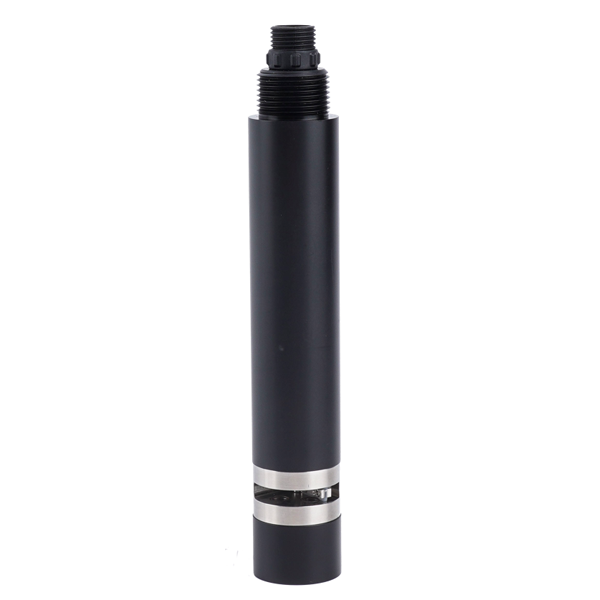
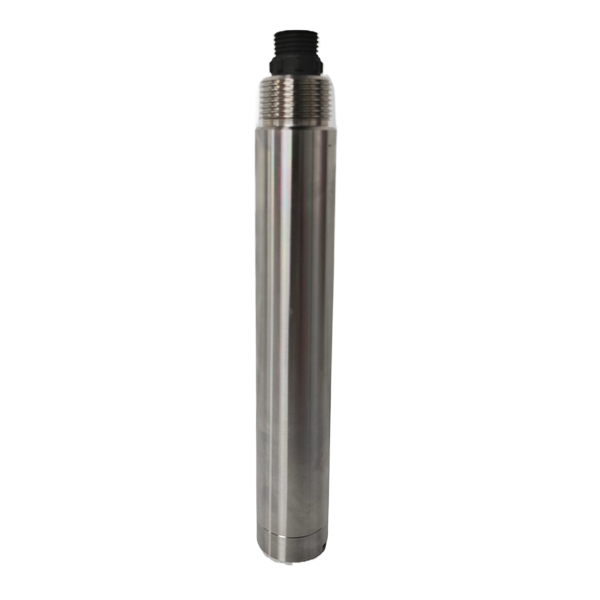
BOD-406 Online BOD Sensor: Dual-wavelength fluorescence method, range 0-150 mg/L, simultaneous turbidity and temperature measurement, low power consumption design, suitable for biological treatment section monitoring.
For TOC, NiuBoL multi-parameter systems can be extended with full-spectrum or dedicated TOC modules to achieve continuous monitoring by combustion or ultraviolet methods. Engineering companies can flexibly combine the two sensors according to water quality characteristics to form a joint TOD/COD/BOD/TOC monitoring solution.
Selection points:
Indicator matching: Conventional discharge supervision prioritizes COD; biological treatment optimization focuses on BOD; complex wastewater or rapid process control recommends TOC; comprehensive assessment uses TOD.
Range and accuracy: Select appropriate range according to influent and effluent concentration. For municipal secondary effluent, COD 0-200 mg/L is recommended; industrial influent can reach 0-1500 mg/L.
Water quality characteristics: For high turbidity or high chloride ion conditions, pay attention to turbidity compensation and anti-interference capability; for toxic substances, TOC is superior to BOD.
Communication and integration: Prioritize RS-485 Modbus RTU for bus networking; select 4-20 mA when analog input is required.
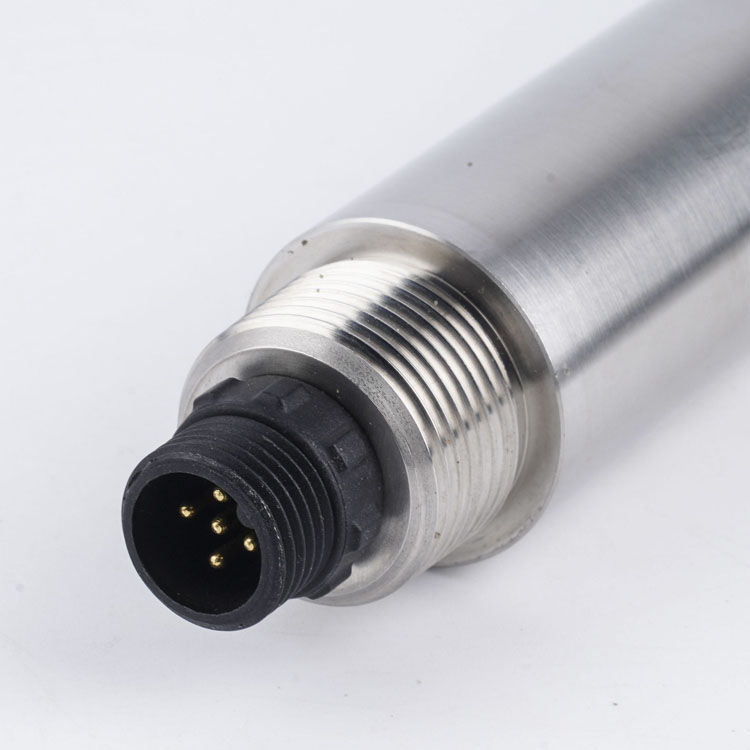
Environmental adaptation: Immersion 3/4 NPT, operating temperature 0-45℃, pressure upper limit 0.1-0.2 MPa. For seawater or corrosive environments, use 316L material.
It is recommended to provide water quality background data in the early stage of the project. NiuBoL technical team will assist in completing laboratory comparison and correlation modeling to ensure accurate selection.
Mechanical Installation: Vertical immersion in the middle-lower layer to avoid dead zones and sediment coverage; regularly check cleaning brush wear.
Electrical Connection: Isolated power supply; RS-485 bus requires correct A/B wiring and terminal resistance 120 Ω; maximum networking of 32 devices.
Communication Debugging: Modbus default baud rate 9600, 8N1; 4-20 mA corresponds to full scale.
Maintenance Management: Optical sensors have low drift; calibration cycle is generally 3-6 months; on-site parallel comparison with national standard methods, with deviation controlled within ±10%.
Data Reliability: Combined with temperature compensation and turbidity algorithms to ensure long-term stability; timely linkage control strategies during sudden high loads.
Safety and Environmental Protection: Optical methods reduce reagent use and meet green engineering requirements.
Q1. What are the main differences among TOD, COD, BOD, and TOC?
TOD reflects complete combustion oxygen consumption and is the most comprehensive; COD uses strong oxidants to measure most organic matter; BOD reflects the biodegradable portion; TOC directly measures carbon content. The general numerical relationship is TOD > COD > BOD > TOC.
Q2. What is the significance of the BOD₅/COD ratio in engineering?
When BOD₅/COD > 0.3, the wastewater has good biodegradability and is suitable for biological treatment; below 0.2, chemical or physicochemical methods should be considered. This ratio is used for process selection and operation diagnosis.
Q3. Why is online monitoring more suitable for industrial wastewater treatment projects?
Laboratory BOD requires 5 days and COD requires several hours, which cannot meet process control needs. Online sensors provide minute-level response and support real-time optimization and early warning.
Q4. Can TOC replace COD as a regulatory indicator?
After establishing a reliable correlation model, TOC can serve as a fast supplement to COD, especially for online continuous monitoring and complex wastewater. However, most discharge standards still use COD as the main indicator, so joint use is recommended in engineering.
Q5. How do NiuBoL sensors cope with high turbidity or complex water quality interference?
Dual-wavelength reference light path and dedicated algorithms automatically compensate for turbidity, with built-in cleaning brushes to prevent biological attachment and 316L material to enhance corrosion resistance.
Q6. How does the system connect to existing control platforms?
RS-485 Modbus RTU protocol directly maps registers, supporting PLC/DCS integration; 4-20 mA is compatible with traditional analog input modules.
Q7. How to control sensor maintenance frequency and cost?
Optical design emphasizes low maintenance or maintenance-free. Routine inspection focuses on cleaning brush and cable status. Calibration cycle depends on water quality. Overall life-cycle cost is lower than traditional analyzers.
Q8. What are the advantages of multi-indicator joint monitoring in smart water projects?
It can build a complete organic load profile, achieve precise process regulation, reduce energy consumption, and enable data traceability, meeting environmental supervision and big data analysis needs.
NiuBoL organic matter indicator monitoring solutions in water take TOD, COD, BOD, and TOC as core parameters, providing industrial-grade online, stable, and reliable data acquisition capabilities. Through professional sensors and standard communication protocols, they help engineering companies achieve sewage treatment process optimization, discharge compliance, and system intelligent upgrading.
Whether for municipal sewage treatment, industrial wastewater treatment, or smart water projects, reasonable selection and integration of these indicators can significantly improve engineering efficiency and operational benefits. If you need technical selection support, on-site testing, or customized system solutions, please contact the NiuBoL professional team to jointly promote water treatment engineering toward digitization and precision.
 NBL-BOD-406-S Online BOD Sensor.pdf
NBL-BOD-406 Online BOD Sensor.pdf
Related recommendations
Sensors & Weather Stations Catalog
Agriculture Sensors and Weather Stations Catalog-NiuBoL.pdf
Weather Stations Catalog-NiuBoL.pdf
Agriculture Sensors Catalog-NiuBoL.pdf
Water Quality Sensor Catalog-NiuBoL.pdf
Related products
 Combined air temperature and relative humidity sensor
 Soil Moisture Temperature sensor for irrigation|NBL-S-THR
 Soil pH sensor RS485 soil Testing instrument soil ph meter for agriculture |NBL-S-PH
 Wind Speed sensor Output Modbus/RS485/Analog/0-5V/4-20mA
 Tipping bucket rain gauge for weather monitoring auto rainfall sensor RS485/Outdoor/stainless steel
 Pyranometer Solar Radiation Sensor 4-20mA/RS485

Screenshot, WhatsApp to identify the QR code
WhatsApp number:+8615367865107
(Click on WhatsApp to copy and add friends)

