





— Blogs —
—Products—
 Consumer hotline +8618073152920
 WhatsApp:+8615367865107
Address:Room 102, District D, Houhu Industrial Park, Yuelu District, Changsha City, Hunan Province, China
Product knowledge
Time:2026-04-18 10:48:11 Popularity:405
Electroplating centralized control park wastewater, due to its complex composition, high heavy metal concentrations, and containing large amounts of cyanide and surfactants, is recognized as a difficult point in industrial wastewater treatment. For system integrators (SI) and project contractors, building a stable and reliable chemical precipitation system supplemented by precise heavy metal online monitoring is the core path to ensure park-compliant discharge and environmental compliance.
NiuBoL focuses on the field of electroplating wastewater monitoring and assists partners in achieving closed-loop control of chemical dosing and real-time monitoring of effluent indicators in refined treatment processes by providing high-precision heavy metal online analyzers for iron, copper, zinc, chromium, nickel, etc.
The characteristic pollutant indicators of electroplating wastewater are complex, with main sources including:
Pre-treatment oily wastewater: Accounting for about 30% of the total water volume, originating from the cleaning of oil substances coated on the surface of plated parts.
Plated parts cleaning wastewater: Contains copper, nickel, chromium, zinc, cyanide, pyrophosphate and other characteristic pollutants, and is the main source of heavy metal load.
Waste plating solution (tank liquid): Extremely high concentration, generated due to permeation or mechanical filtration, with extremely strong impact on the treatment system.
For electroplating park wastewater, the chemical precipitation method achieves separation by changing the form of heavy metal ions to convert them into solid substances insoluble in water.
In alkaline conditions (by adding caustic soda, calcium oxide, etc.), heavy metal ions react with OH- to generate insoluble hydroxides.
Engineering Effect: Operational data shows that this method can achieve removal rates of 98.77%, 99.83% and 99.88% for chromium, nickel, and copper, respectively. Through real-time pH monitoring, the precipitation environment can be finely controlled.
Utilizing agents such as sodium sulfide to make heavy metals generate sulfide precipitates.
Technical Advantages: The solubility of sulfide precipitates is usually far lower than that of hydroxides, suitable for deep purification.
Precautions: Strictly control excess sulfide leading to heavy metal re-dissolution, and cooperate with flocculants to enhance the sedimentation effect of small particles.
By adding iron salts and regulating pH and temperature, heavy metal ions undergo chemical reactions with iron salts to form oxide precipitates.
Application Scenarios: The sludge produced by this method has stable performance, is easy to precipitate and separate, and is suitable for treating mixed heavy metal wastewater.
Specifically targeted at chromium-containing wastewater. By adding barium sulfide and barium carbonate, chromium ions are converted into precipitated sludge.
Post-treatment: Residual barium ions need to be removed by adding calcium sulfate for a secondary reaction to ensure tail water safety.
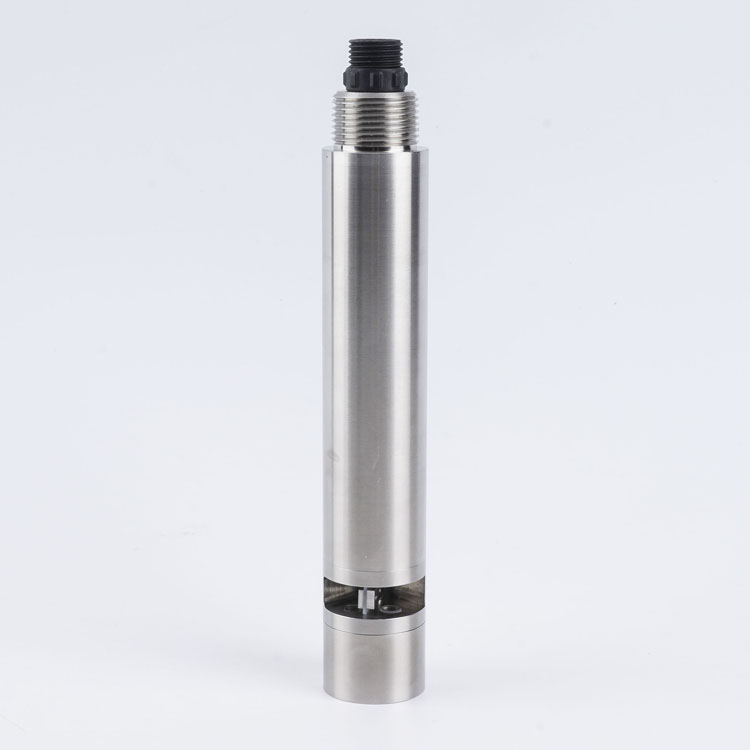
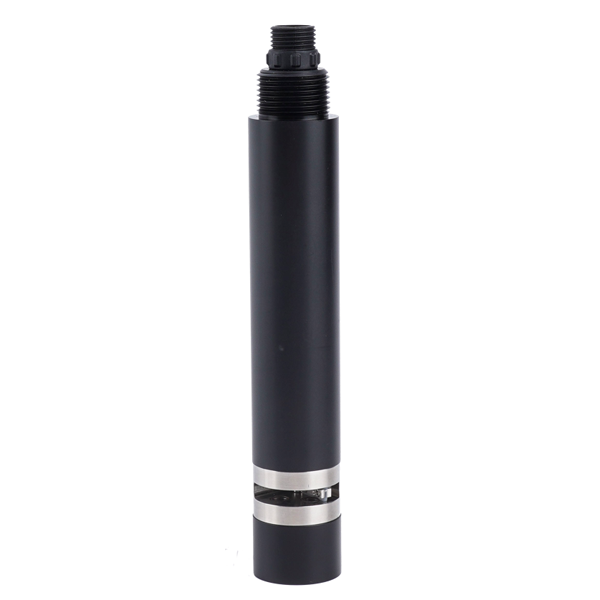
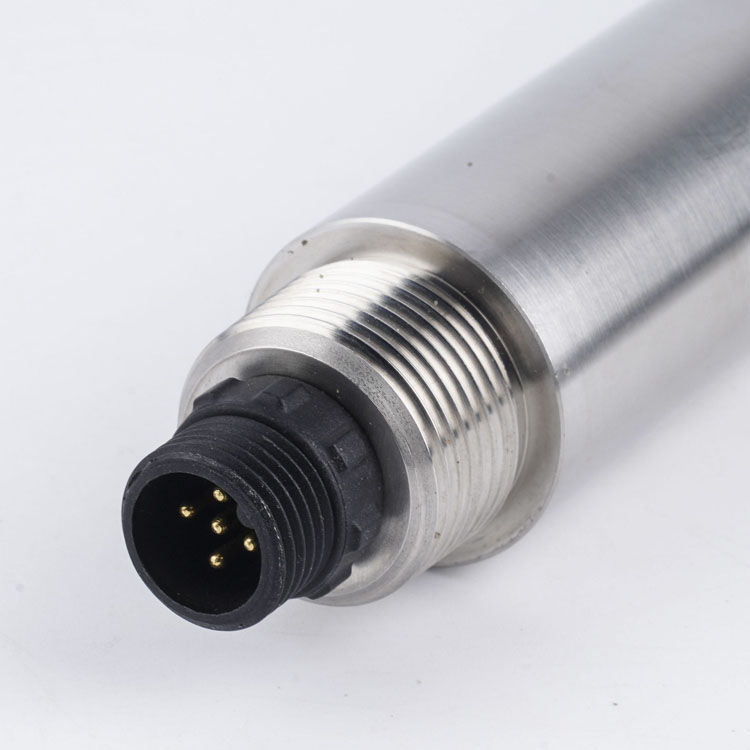
In B2B engineering integration, online monitoring is the “eye” for “precise dosing” of the chemical precipitation method. NiuBoL provides the following digital sensing modules for partners:
| Monitoring Factors | Measurement Methods | Communication Protocols | Typical Application Values |
|---|---|---|---|
| Hexavalent Chromium (Cr6+) | Diphenylcarbazide Spectrophotometric Method | RS485 (Modbus-RTU) | Monitor whether the reduction reaction is thoroughly completed |
| Total Chromium (Total Cr) | High-temperature Digestion Spectrophotometric Method | RS485 (Modbus-RTU) | Evaluate the final discharge compliance of the sedimentation tank effluent |
| Total Copper/Total Nickel | Colorimetric Method/Electrochemical Method | Modbus-RTU | Linkage with dosing pumps to regulate precipitation agent dosing volume |
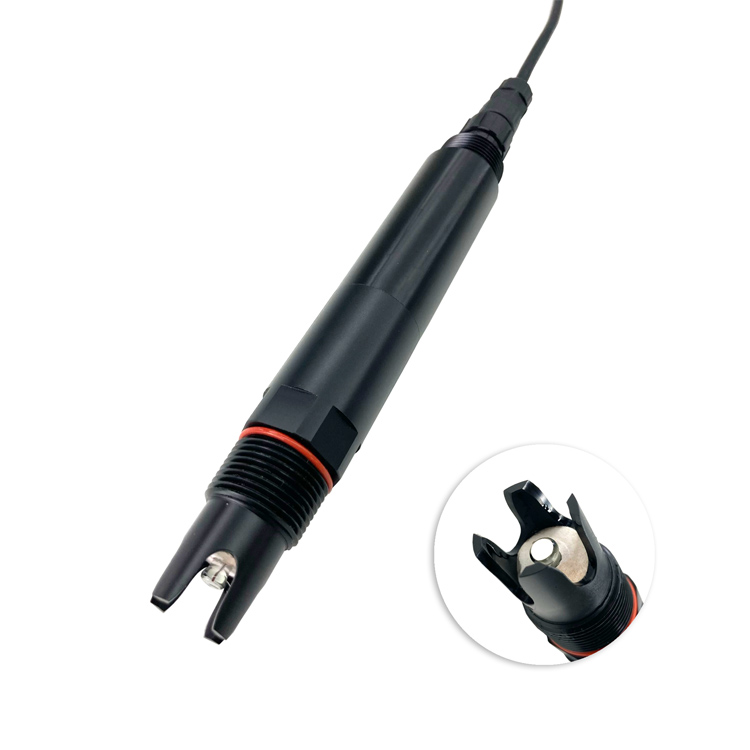
| pH/Temperature/ORP | Industrial Composite Electrode | RS485 | Regulate the optimal pH range for hydroxide precipitation |
| Flow/Pressure | Industrial Sensors | 4–20mA / RS485 | Real-time calculation of wastewater load and agent ratio |
A certain park chromium-containing wastewater equalization tank: Hexavalent chromium 368.4 mg/L, total chromium 647.8 mg/L, pH value 2.6.
Acidic reduction: Use 30% hydrochloric acid to adjust pH, and add 20% sodium bisulfite to reduce hexavalent chromium. NiuBoL ORP sensor monitors the reduction endpoint in real time.
Multi-stage precipitation: Primary precipitation adds 32% liquid alkali to adjust pH to the optimal range, followed by PAC/PAM for flocculation.
Refined control: Deep purification is carried out through a secondary precipitator to ensure the effluent meets the indicators of the “Electroplating Pollutant Discharge Standard” (GB 21900-2008).
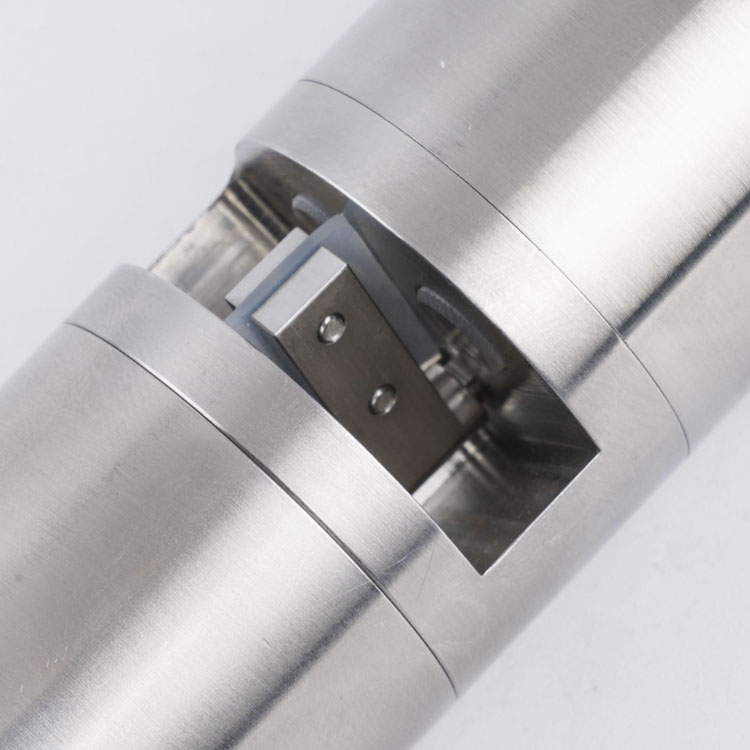
Quality-based diversion: System integrators must ensure strict diversion of pre-treatment wastewater, chromium-containing wastewater, and cyanide-containing wastewater.
Anti-corrosion design: For the high acid-base nature of electroplating wastewater, NiuBoL sensor probes adopt corrosion-resistant materials to reduce loss under extreme pH environments.
Digital integration: Select monitoring terminals supporting the standard Modbus-RTU protocol to ensure transparent data transmission between PLC and host computer, facilitating access to the park’s intelligent management platform.
Sludge return monitoring: Combine sludge concentration meter to monitor precipitation effect and prevent sludge loss from affecting heavy metal indicators.
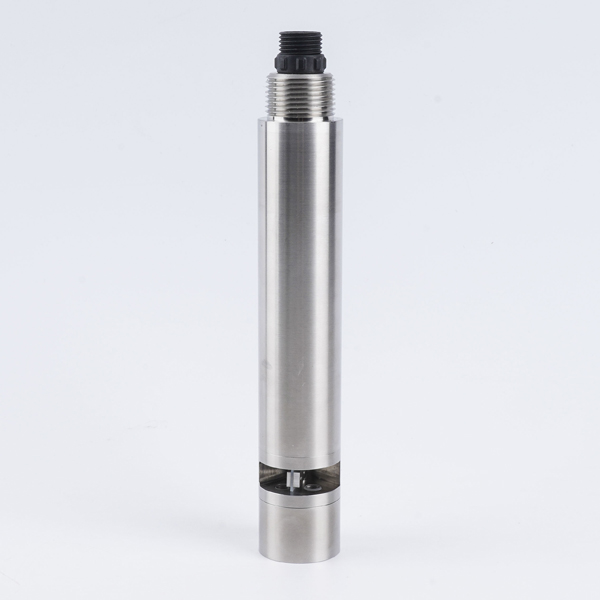
Park wastewater composition is variable, with multiple complexing agents (such as EDTA) binding to heavy metals, making it difficult for conventional precipitation methods to break the complexation state; pre-advanced oxidation or complex-breaking processes are required.
Extremely high. Different metal ions have different pH ranges for generating hydroxide precipitates (e.g., nickel around 9.5, chromium around 8.5). NiuBoL’s high-precision pH sensor is the core for achieving step-by-step precipitation.
Sulfide agents must be added in an alkaline environment. Through linkage of pH sensor and gas alarm, operational safety can be ensured.
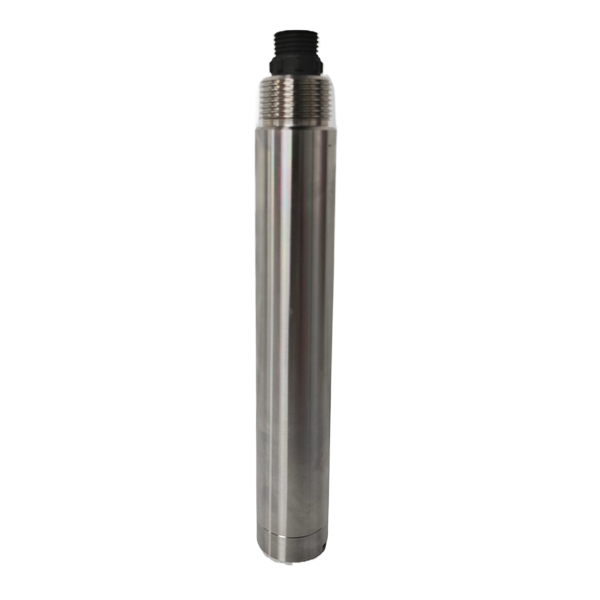
It is recommended to perform standard solution calibration once every 1 month. The equipment supports remote control calibration, suitable for integrators to perform remote operation and maintenance.
Yes. The monitoring concentration is fed back to the PLC in real time through the RS485 interface. The PLC dynamically adjusts the metering pump frequency according to the PID algorithm to achieve on-demand dosing.
Usually, due to the addition of iron salts, the sludge volume will increase somewhat, but its stability is better, and dewatering performance is also superior to conventional hydroxide sludge.
Utilize NiuBoL online turbidity meter to monitor the sedimentation tank effluent. Once turbidity abnormally rises, it often indicates fouling on the inclined plates or poor sludge discharge.
Select digital RS485 signal transmission and equip with NiuBoL industrial shielded cables. Its differential signal design can effectively suppress high-frequency interference generated by rectifiers in the electroplating workshop.
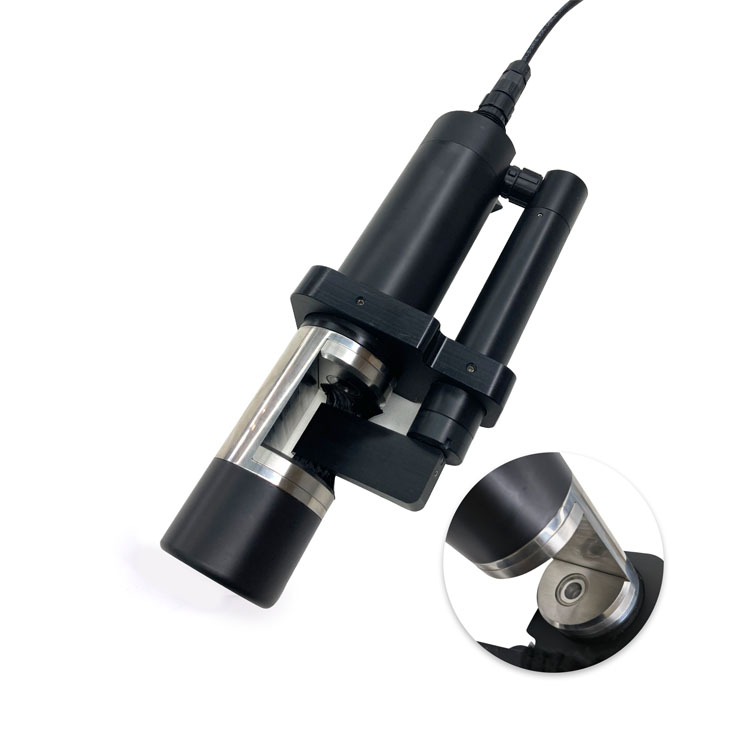
The compliant discharge of electroplating park wastewater relies on the scientific application of microscopic mechanisms and the real-time perception of macroscopic data. Through the refined operation of chemical precipitation methods, combined with NiuBoL industrial-grade heavy metal online monitoring technology, system integrators can not only effectively remove more than 99% of toxic substances in the wastewater, but also reduce operational risks through digital integration solutions, providing solid technical support for the sustainable development of industrial parks.
 NBL-BOD-406-S Online BOD Sensor.pdf
NBL-BOD-406 Online BOD Sensor.pdf
Related recommendations
Sensors & Weather Stations Catalog
Agriculture Sensors and Weather Stations Catalog-NiuBoL.pdf
Weather Stations Catalog-NiuBoL.pdf
Agriculture Sensors Catalog-NiuBoL.pdf
Water Quality Sensor Catalog-NiuBoL.pdf
Related products
 Combined air temperature and relative humidity sensor
 Soil Moisture Temperature sensor for irrigation|NBL-S-THR
 Soil pH sensor RS485 soil Testing instrument soil ph meter for agriculture |NBL-S-PH
 Wind Speed sensor Output Modbus/RS485/Analog/0-5V/4-20mA
 Tipping bucket rain gauge for weather monitoring auto rainfall sensor RS485/Outdoor/stainless steel
 Pyranometer Solar Radiation Sensor 4-20mA/RS485

Screenshot, WhatsApp to identify the QR code
WhatsApp number:+8615367865107
(Click on WhatsApp to copy and add friends)

