





— Blogs —
—Products—
 Consumer hotline +8618073152920
 WhatsApp:+8615367865107
Address:Room 102, District D, Houhu Industrial Park, Yuelu District, Changsha City, Hunan Province, China
Product knowledge
Time:2026-04-17 11:45:58 Popularity:407
Driven by both urbanization and smart city construction, efficient treatment of domestic sewage has upgraded from simple “discharge compliance” to a new stage that emphasizes “quality improvement and efficiency” and “long-term operation and maintenance”. For system integrators and environmental engineering contractors, understanding the complex characteristics of sewage and deploying highly reliable monitoring perception layers is the core to ensuring project delivery quality and long-term operation and maintenance returns.
As an industrial-grade sensor supplier, NiuBoL is committed to providing partners with high-precision, low-maintenance water quality analysis instruments. This article provides in-depth industry insights from four dimensions: pollution mechanism analysis, systematic treatment recommendations, and full life-cycle management of domestic sewage treatment projects.
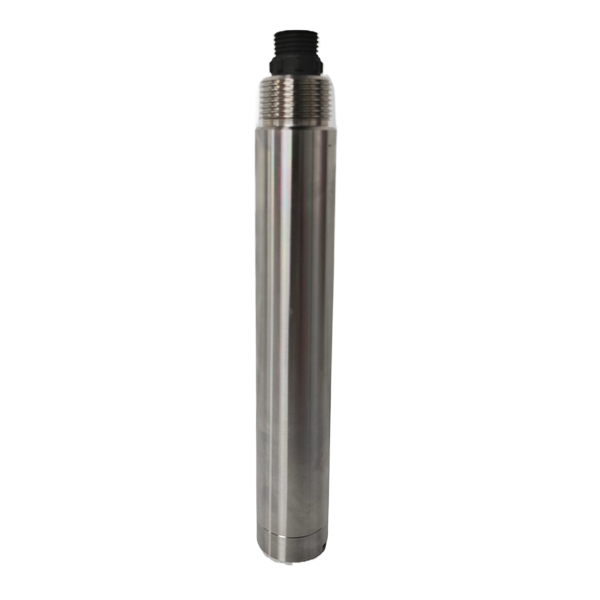
Domestic sewage is mainly discharged from residential buildings, public facilities, and supporting service facilities. Its water quality composition is complex and highly variable. Engineering design must implement targeted strategies for the following three core pollution sources.
1. Pathogenic Microbial Pollution and Its Resistance Challenges
Domestic sewage is an important carrier of pathogens, especially in hospital sewage or unclassified municipal sewage.
Engineering Risk: Pathogenic microorganisms have the characteristics of large quantity, wide distribution, and long survival period. Traditional secondary biochemical treatment or single chlorine disinfection often fails to completely inactivate highly resistant viruses and spores.
Monitoring Necessity: By real-time monitoring of residual chlorine, turbidity, and pH, system integrators can dynamically adjust disinfection process parameters to prevent secondary pollution.
2. Oxygen Consumption Effect of Aerobic Organic Matter (BOD/COD)
After organic pollutants enter the water body, they consume a large amount of dissolved oxygen (DO) during microbial decomposition.
Engineering Risk: When the water body is in an anoxic state, organic matter undergoes anaerobic fermentation, producing odorous substances such as hydrogen sulfide (H₂S), leading to water quality deterioration and corrosion of treatment facilities.
Monitoring Necessity: Deploying online COD, BOD, and DO monitors is the foundation of automatic control logic for biochemical aeration processes.
3. Eutrophication of Water Bodies: Nitrogen and Phosphorus Nutrient Imbalance
Nitrogen (N) and phosphorus (P) contained in domestic sewage are the main causes of eutrophication in natural water bodies.
Engineering Risk: Excess nutrients cause algal blooms, clog filtration systems, and significantly increase the process pressure of subsequent advanced treatment.
Technical Countermeasures: In the AAO (anaerobic-anoxic-aerobic) process, precise monitoring of ammonia nitrogen and total phosphorus is the guarantee of chemical phosphorus removal and biological denitrification efficiency.
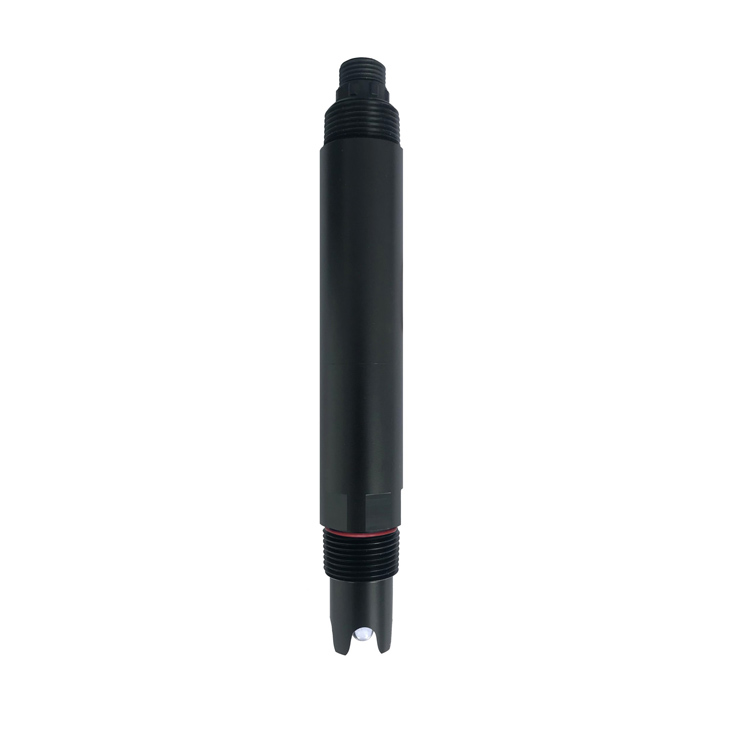
In sewage treatment integration projects, the stability and protocol compatibility of sensors directly affect the operation of PLC/SCADA systems. The following are the core monitoring components recommended by NiuBoL for engineering projects.
| Monitoring Indicator | Measurement Principle | Range | Output Signal |
|---|---|---|---|
| COD Monitor | UV254 ultraviolet absorption method | 0 - 1000 mg/L | RS485 (Modbus RTU) |
| Ammonia Nitrogen Analyzer | Ion selective electrode method | 0 - 500 mg/L | 4-20mA / RS485 |
| Dissolved Oxygen (DO) | Fluorescence method (membrane-free) | 0 - 20 mg/L | RS485 (Modbus RTU) |
| Turbidity Sensor | 90° scattered light method | 0 - 1000 NTU | RS485 (Modbus RTU) |
| pH/ORP Meter | Composite electrode | 0 - 14 pH | RS485 / 4-20mA |
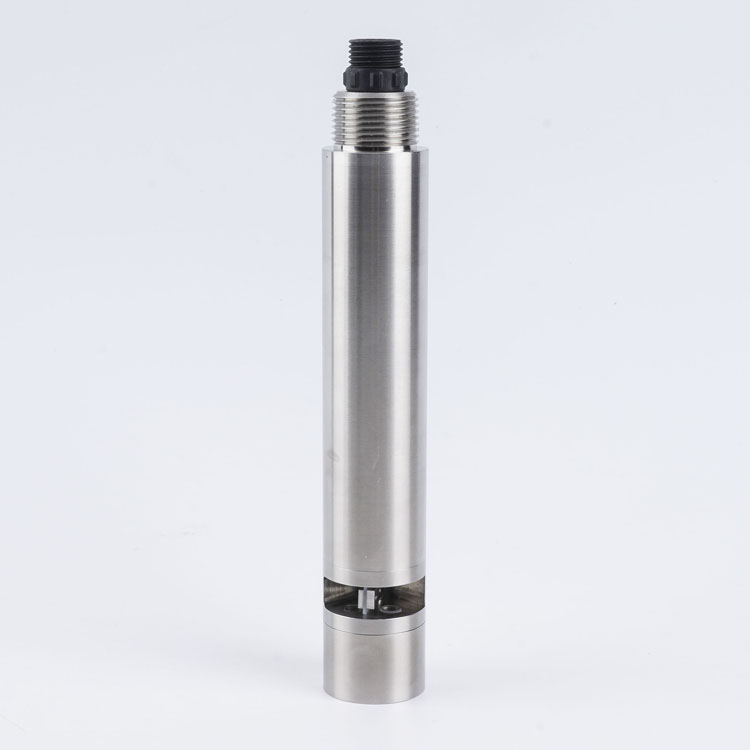
To ensure that sewage treatment facilities do not become mere formalities and to create continuous social and economic benefits for integrators, NiuBoL recommends focusing on the following key points during project implementation:
Governance work must shift from single-point construction to full-process standardization. Unified standards must be established from preliminary construction specifications to equipment installation processes. Compiling the “Standardized Operation and Maintenance Manual” can effectively reduce equipment failure rates caused by improper operation and extend the service life of NiuBoL sensors and control systems.
Different regional sewage characteristics (such as low carbon source in the north and low concentration in the south) determine differences in governance models.
Economically developed areas: Recommend MBR (membrane bioreactor) or deep nitrogen and phosphorus removal processes, integrated with high-frequency online monitoring.
Remote areas: Focus on low-power, easy-to-maintain submersible aeration or constructed wetland systems, using NiuBoL wireless monitoring terminals for remote inspection.
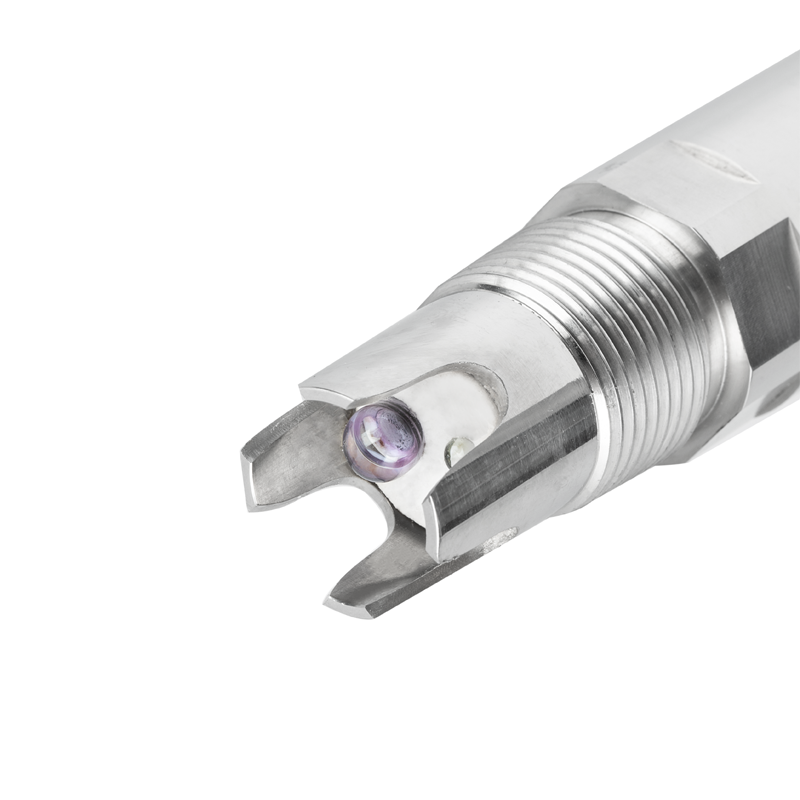
“Reconstruction without management” is a common problem in sewage projects. System integrators should assist owners in introducing professional third-party operation and maintenance units (TPM). Real-time synchronization of water quality indicators through cloud platforms forms a closed-loop mechanism of “abnormal warning – timely reporting – collaborative handling” to ensure 24-hour stable operation of facilities.
Although this solution focuses on the technical level, reducing the discharge of high-concentration chemicals into municipal pipe networks through publicity and guidance can significantly reduce the impact load on end-treatment processes.
This is the core of modern governance. Install NiuBoL online water quality monitors at all key discharge outlets and treatment units, and connect real-time data to the cloud system through RS485 data links.
Data-driven decision-making: Staff can view key indicators such as COD and ammonia nitrogen in real time via computer or mobile terminal without going to the site.
Preventive maintenance: Use historical data to analyze sensor drift trends and perform electrode cleaning or calibration in advance.
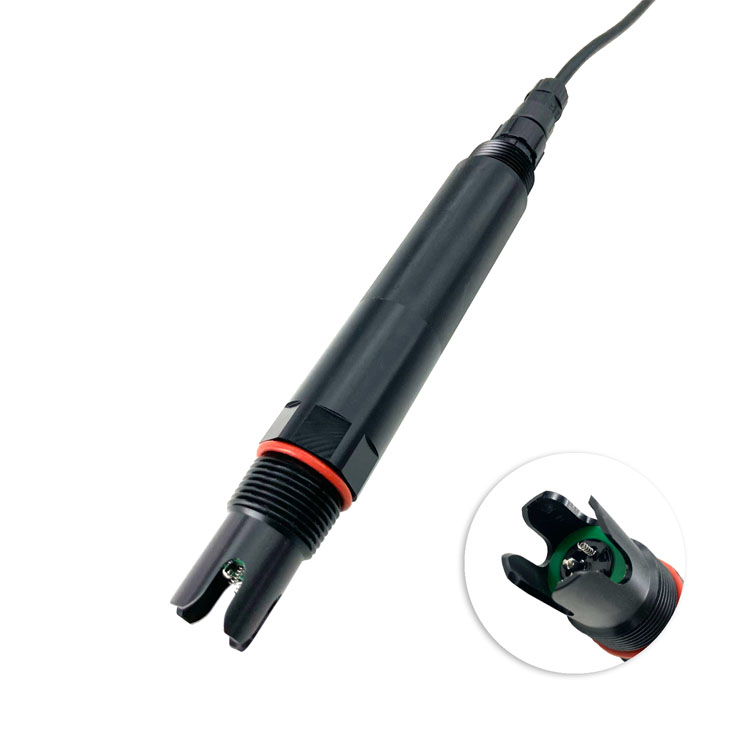
Q1: Why is the RS485 Modbus protocol preferred over traditional 4-20mA analog signals in domestic sewage treatment?
RS485 digital signals have stronger anti-interference ability and support multiple sensors connected to PLC via a single bus, significantly reducing engineering wiring costs and later diagnosis difficulty.
Q2: For decentralized small domestic sewage treatment stations, which water quality indicators best reflect system operation status?
Dissolved oxygen (DO) and turbidity are the most cost-effective monitoring combination. DO reflects the operating energy efficiency of the aeration system, while turbidity serves as immediate feedback for effluent SS (suspended solids) exceeding standards.
Q3: Does NiuBoL’s COD sensor require frequent reagent replacement in domestic sewage applications?
NiuBoL uses UV254 ultraviolet absorption method to measure COD without any chemical reagents, greatly reducing operation and maintenance costs and secondary environmental pollution.
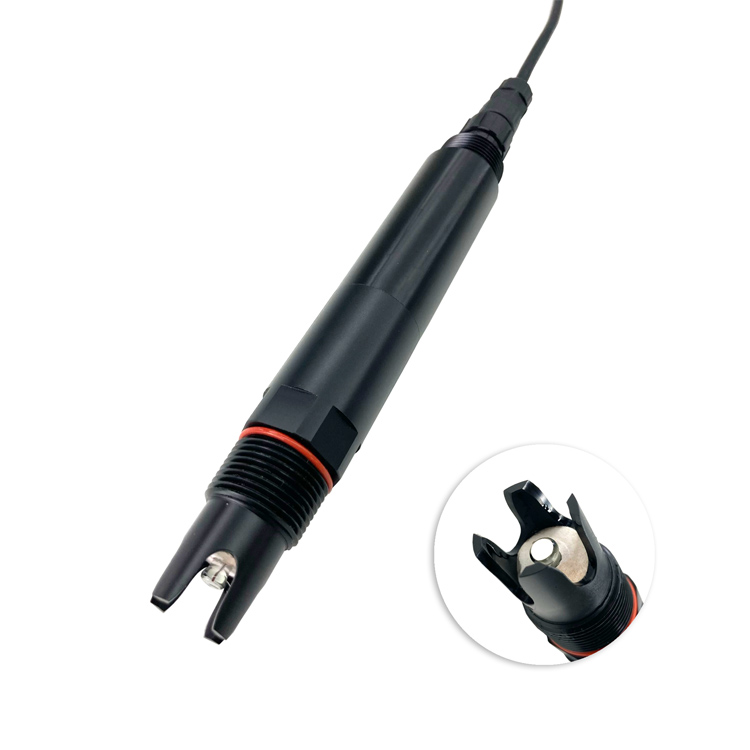
Q4: What is the impact of ammonia nitrogen fluctuations in domestic sewage on biochemical treatment?
High concentrations of ammonia nitrogen are toxic to microorganisms and consume a large amount of alkalinity. Real-time monitoring of ammonia nitrogen data can help the system automatically adjust the reflux ratio to ensure the integrity of nitrification and denitrification reactions.
Q5: How do system integrators solve the problem of biological fouling on sensors in sewage?
NiuBoL sensors are usually equipped with automatic cleaning scrapers or air pump cleaning interfaces. Through programmed timed cleaning of the sensing window, on-site manual maintenance frequency can be reduced from once a week to once per quarter.
Q6: What are the different monitoring priorities in hospital domestic sewage treatment projects?
In addition to conventional indicators, hospital sewage must strengthen monitoring of residual chlorine and pH to ensure sterilization effect while preventing excessive dosing from causing secondary harm to receiving water bodies.
Q7: Can digital monitoring systems help customers apply for sewage fee reductions or environmental subsidies?
Yes. Compliant and continuous online monitoring data is the strongest evidence to prove that treatment facilities are operating normally and effluent meets standards, and is the key support for obtaining environmental protection preferential policies.
Q8: What will the monitoring data show when “sludge bulking” occurs in domestic sewage treatment?
It usually manifests as increased effluent turbidity and abnormal fluctuations in aeration tank dissolved oxygen (DO). Timely monitoring of these indicators allows process intervention before sludge loss occurs.
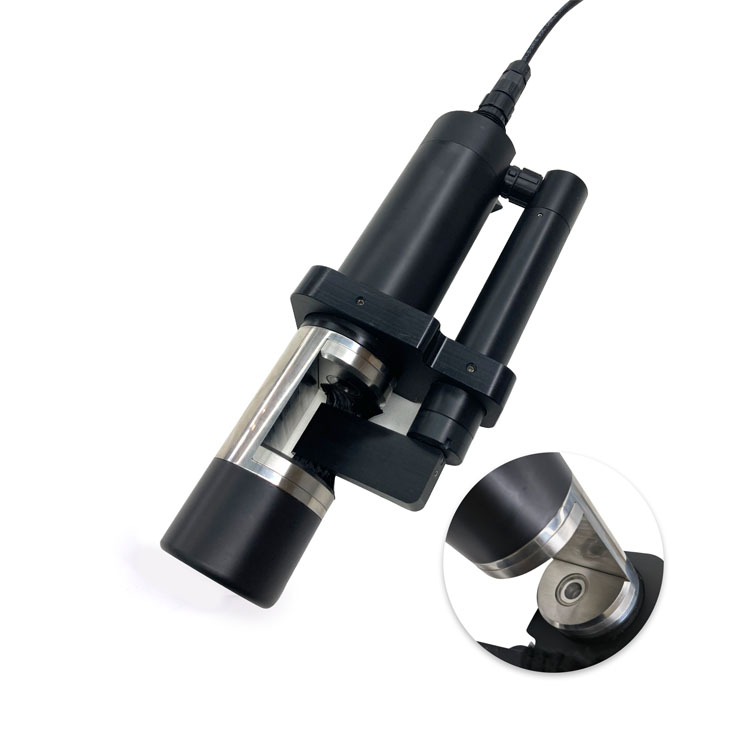
Domestic sewage treatment is a complex systematic project. From precise identification of pollution loads to digital transformation of long-term operation and maintenance, every step cannot be separated from high-precision perception layer support.
NiuBoL provides system integrators worldwide with one-stop water quality monitoring solutions from sensor hardware to communication protocol support. Through standardized treatment processes, locally adapted technical paths, and intelligent monitoring means, we can jointly ensure that domestic sewage treatment facilities truly deliver environmental protection results and lay a solid foundation for the development of smart water affairs.
 NBL-NHN-302 Industrial-grade Multi-parameter Online Ammonia Nitrogen Sensor.pdf
NBL-RDO-206 Online Fluorescence Dissolved Oxygen Sensor.pdf
NBL-COD-208 Online COD Water Quality Sensor.pdf
NBL-CL-206 Water Quality Sensor Online Residual Chlorine Sensor.pdf
NBL-DDM-206 Online Water Quality Conductivity Sensor.pdf
NBL-CLI-206A online chloride ion sensor.pdf
NBL-ORP-206 Industrial-grade High-stability Online ORP Sensor.pdf
Related recommendations
Sensors & Weather Stations Catalog
Agriculture Sensors and Weather Stations Catalog-NiuBoL.pdf
Weather Stations Catalog-NiuBoL.pdf
Agriculture Sensors Catalog-NiuBoL.pdf
Water Quality Sensor Catalog-NiuBoL.pdf
Related products
 Combined air temperature and relative humidity sensor
 Soil Moisture Temperature sensor for irrigation|NBL-S-THR
 Soil pH sensor RS485 soil Testing instrument soil ph meter for agriculture |NBL-S-PH
 Wind Speed sensor Output Modbus/RS485/Analog/0-5V/4-20mA
 Tipping bucket rain gauge for weather monitoring auto rainfall sensor RS485/Outdoor/stainless steel
 Pyranometer Solar Radiation Sensor 4-20mA/RS485

Screenshot, WhatsApp to identify the QR code
WhatsApp number:+8615367865107
(Click on WhatsApp to copy and add friends)

